Konami’s return to Silent Hill is not intended to stop with its first set of revival-era releases. Producer Motoi Okamoto has said the company is now considering a number of projects as it plans what he called the franchise’s “second and third waves.”
The comments offer an important, if deliberately non-specific, sign of intent for a series that spent a long period without new games. Okamoto said the three titles initially announced have all released, have been well received, and have left the team satisfied with the results. He also made clear that no individual projects, formats, studios, release windows, or platforms have been identified publicly in these latest remarks.
“We’re not stopping here; we must think of the second and third waves,” Okamoto said, adding that multiple projects are under consideration.
For fans, the useful takeaway is not a hidden release schedule. It is that Konami is treating the recent releases as the beginning of a continuing publishing effort rather than a one-off nostalgia exercise. That distinction matters for a horror series whose past has included a high-profile project that never reached release.
What the first Silent Hill wave included
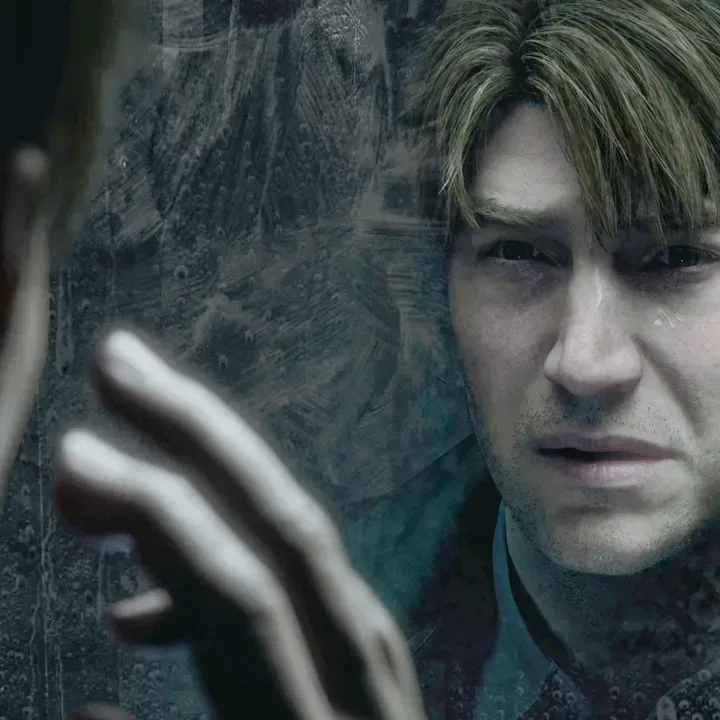
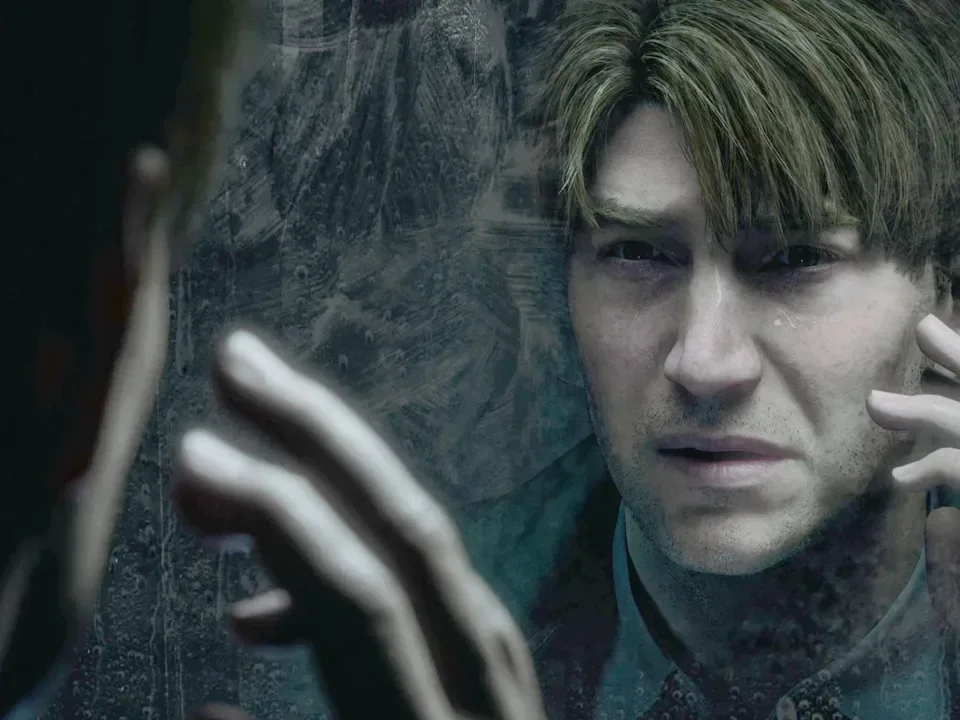
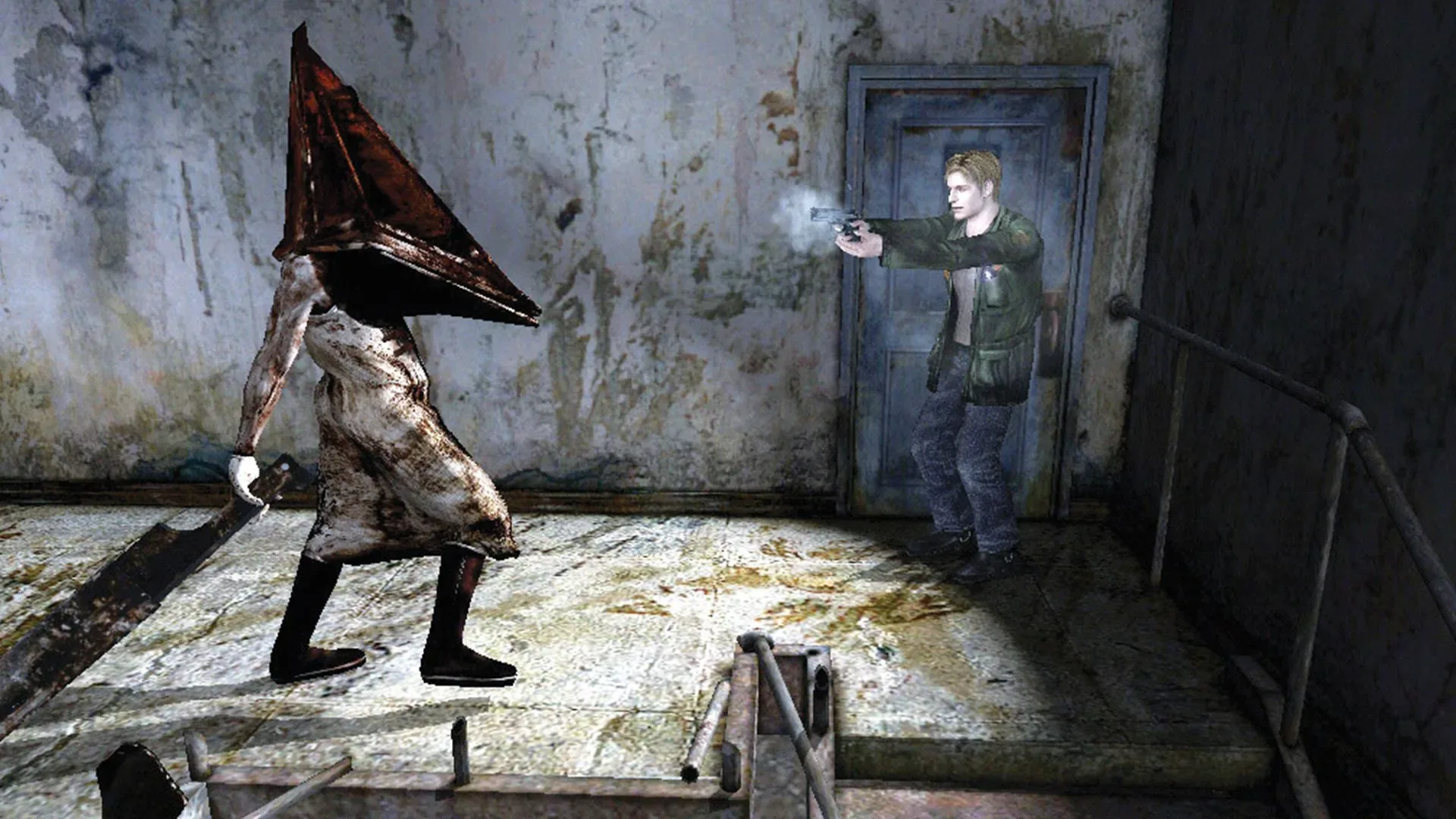
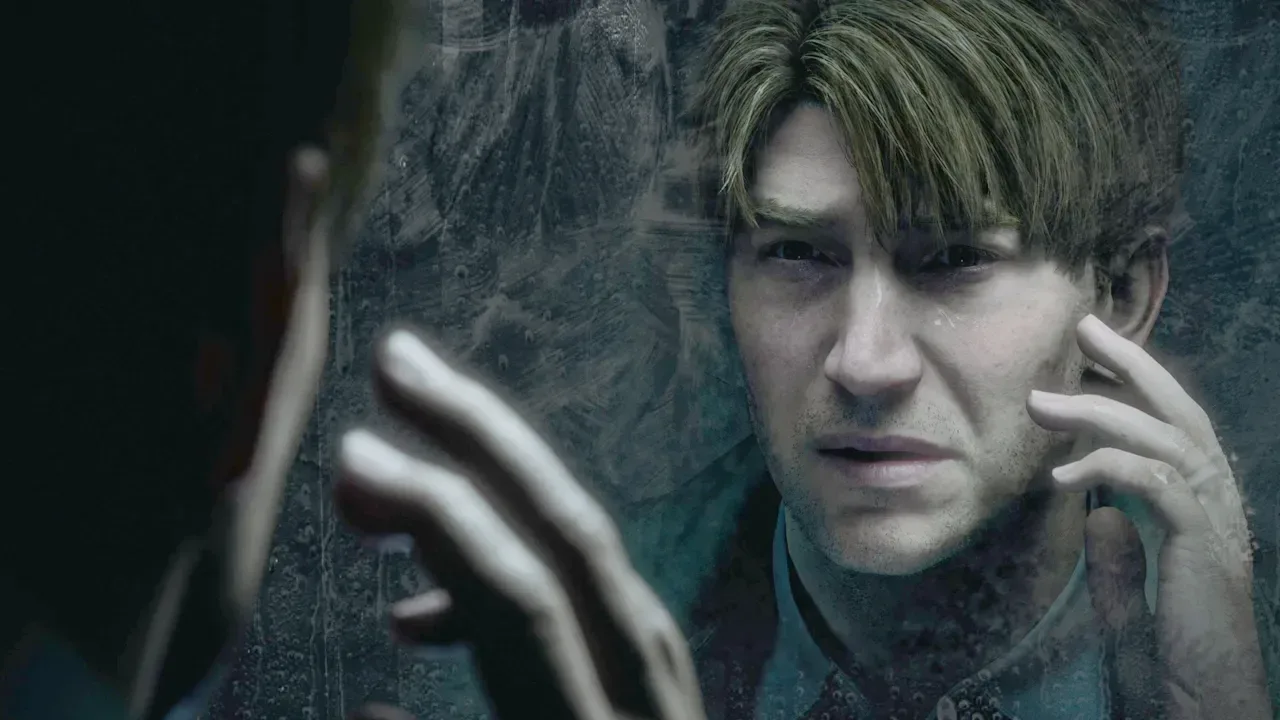
The initial revival wave included the Silent Hill 2 remake, Silent Hill f, and Silent Hill: Townfall. Those games did not all serve the same purpose. A remake revisits an existing work, while a new entry can create a fresh setting, cast, and approach within the broader series. Together, that kind of lineup gives a publisher a way to test whether audiences will return both for a familiar landmark and for stories that are not simply retracing it.
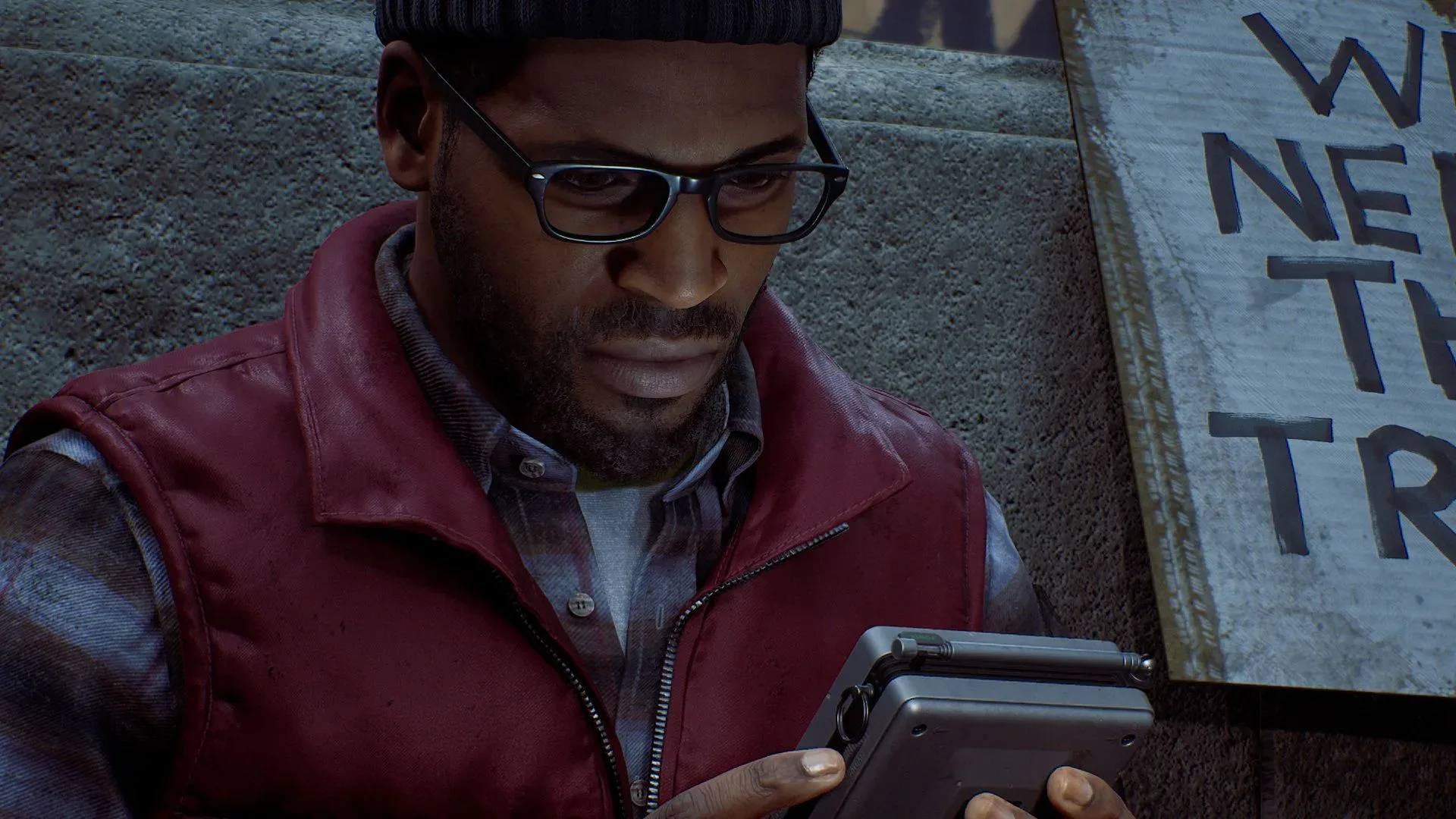
Silent Hill: Townfall was the most recent of the three releases. It places players in the role of Simon Ordell and is set in 1990s Scotland. Its generally favorable critical reception was another positive data point for Konami’s broader strategy. More importantly than any single score, the response gave the company evidence that a new Silent Hill project could stand alongside a major remake in the revival plan.
That is a notable change in posture from treating the brand as a single prestige remake. Okamoto’s explanation is straightforward: one remake was not enough for him. He worried that one release alone could leave people believing the franchise might again be abandoned. A wave-based plan, by contrast, suggests continuity: several projects, potentially different creative teams, and the ability to sustain interest between major releases.
What “waves” means — and what it does not
In this context, a wave is best understood as a group of projects organized around a shared revival strategy, not as confirmation of a sequel trilogy or a fixed annual cadence. The first wave refers to the three games Konami initially announced. The second and third waves refer to future stages of planning beyond that set.
Related coverage includes Konami Says More Silent Hill Games Are Being Planned Beyond the First Revival Wave.
That language should not be read as confirmation that every project being considered will be made. “Looking at” projects is earlier and broader than announcing games in active production. Projects can change scope, change development partners, or never receive a public reveal. It also does not establish whether the next wave will contain remakes, wholly original installments, smaller experiments, or some combination of those options.
Still, the wording has value. It indicates that Konami is considering its next moves after completing the initial promised slate, rather than waiting for the last game to launch before beginning that discussion. For a franchise with a substantial gap between active periods, that forward planning may be as reassuring as any particular tease could be.
The original Silent Hill remake is already part of the picture
One future project is already known in broad terms: Bloober Team, the developer behind the Silent Hill 2 remake, previously confirmed that it is working on a remake of the original Silent Hill. That confirmation does not fill in the wider second- or third-wave slate, but it demonstrates that Konami’s plans extend beyond the three releases grouped into the first wave.
The original-game remake also illustrates why “more Silent Hill” is not a single, simple category. A remake involves the difficult job of revisiting a known game while deciding what should remain recognizable and what needs reinterpretation. An original entry faces a different problem: it must add something meaningful to the series without merely borrowing its name and familiar imagery.
Those are separate creative challenges, and Konami’s recent approach has allowed both to exist. That could be the most significant implication of the second- and third-wave language. Rather than locking the franchise into one model, the publisher appears open to continuing with more than one kind of project.
Why this revival has extra weight
Okamoto’s comments also point back to the difficult route that preceded this moment. He said he had to persuade company leadership that the answer was to make more games after Silent Hills, the Hideo Kojima project, failed to materialize. His concern was not solely about producing a remake; it was about demonstrating that the series had a durable future.
That background explains the emphasis on successive waves. It is a business and creative commitment rather than just a catchy way to describe a release list. The first wave had to prove that a dormant horror property could return, release its announced projects, and find an audience. Konami now appears to view that threshold as cleared.
There is a wider industry lesson here, too. Reviving a recognizable game property is not simply a matter of reissuing a name from the past. Publishers must decide how much of a comeback rests on preservation, how much rests on reinvention, and how clearly they can signal long-term support. Questions around control of legacy game properties are also surfacing elsewhere, including in the debate around AI-decompiled browser ports and intellectual-property rights. The situations are different, but both underline how consequential stewardship of established games can be.
What fans can reasonably expect now
At present, it is reasonable to expect more Silent Hill planning, not to expect specific unannounced games on a particular date. Konami has not disclosed titles, developers, platforms, or launch timing for the projects in the possible second and third waves. It has also not said how many projects will ultimately make up each wave.
The more grounded expectation is continued variety. The first wave combined a remake, a new mainline-style entry, and Townfall, a title with its own protagonist and setting. The already-confirmed remake of the first game keeps the historical side of the catalog active, while Okamoto’s reference to several potential projects leaves room for the franchise to keep exploring new directions.
That does not guarantee that every future game will land equally well, nor does it settle the familiar fan debates over what a Silent Hill game should be. But it does make one point much clearer: Konami’s recent run was not framed internally as a final checkpoint. The fog is still thick around the individual projects, but the road beyond the first wave is now visibly being mapped.