Masahiro Ito, the artist closely associated with Team Silent and the creation of Pyramid Head, has shared a candid reflection on the personal cost of the years he spent working on Silent Hill. In a post on X, Ito described giving up the possibility of dating during the roughly eight-year period in which he worked on Silent Hill, Silent Hill 2, and Silent Hill 3 at Konami.
His comments are striking not because they revise the importance of that work—Pyramid Head remains one of horror gaming’s most instantly recognizable figures—but because they place a human cost beside a body of work often discussed only in terms of atmosphere, monsters, symbolism, and influence.
“The 8 years I spent developing Silent Hill 1, 2 & 3 at Konami, I gave up on getting a girlfriend,” Ito wrote. He went on to say that he did not go on dates during that stretch, gave up days off, and slept on cardboard laid across the floor. In another part of the post, he said he has lately wondered whether he might have been happier had he protected more of his personal life, found a partner, and married earlier.
It is a deeply personal statement, and it should be treated that way. Publicly available details about Ito’s private life are limited, while the conclusions anyone else can reasonably draw about his happiness are even more limited. What his post does make clear is that he sees a connection between the intensity of that professional period and opportunities he feels he missed.
A landmark body of horror work, viewed from a more personal angle
The original Silent Hill games have endured because of the way their visual and emotional elements work together. Their towns are foggy, decayed, and uncertain; their creatures often feel less like conventional enemies than manifestations of discomfort. The series became a major reference point for psychological horror games, and its imagery has traveled far beyond its original releases.
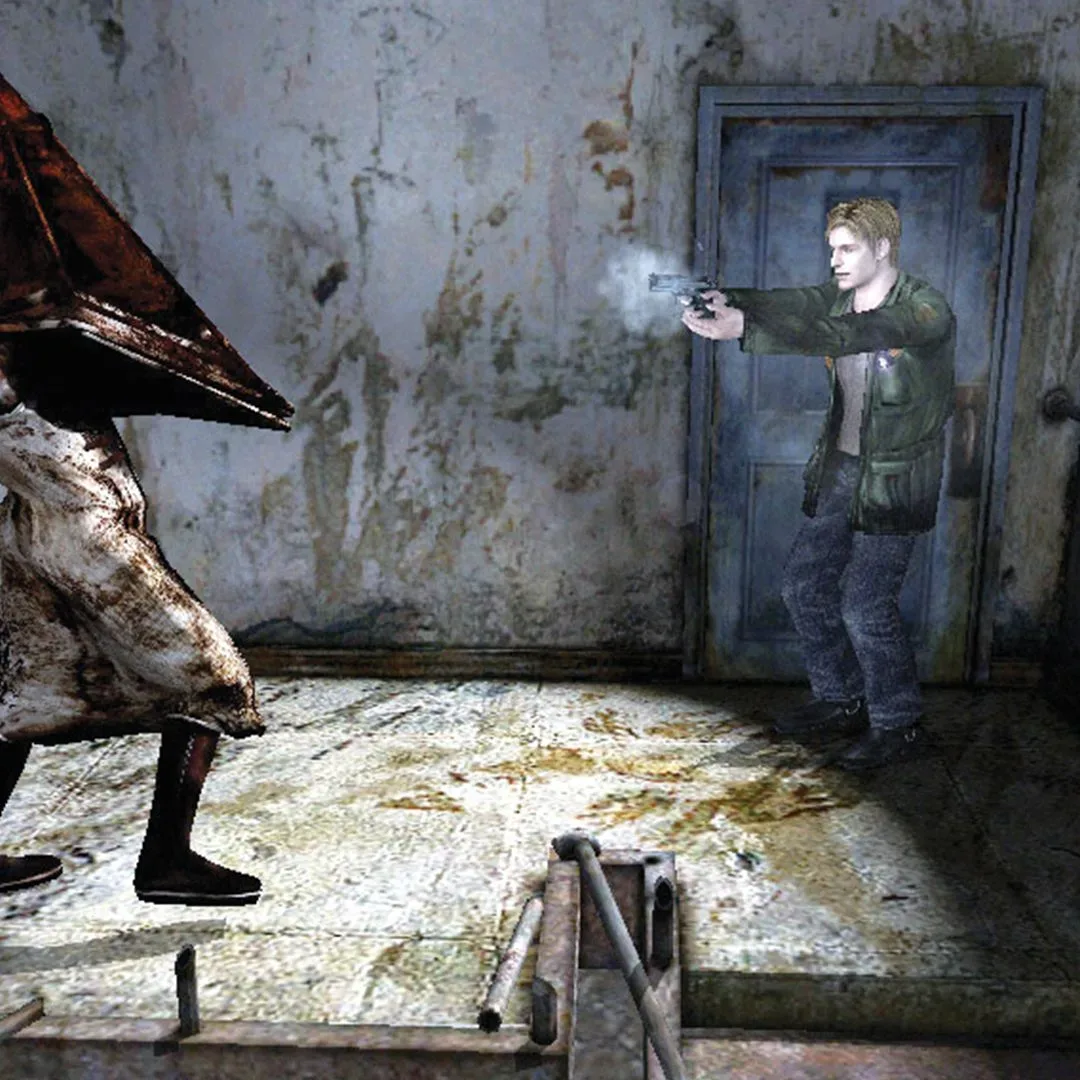
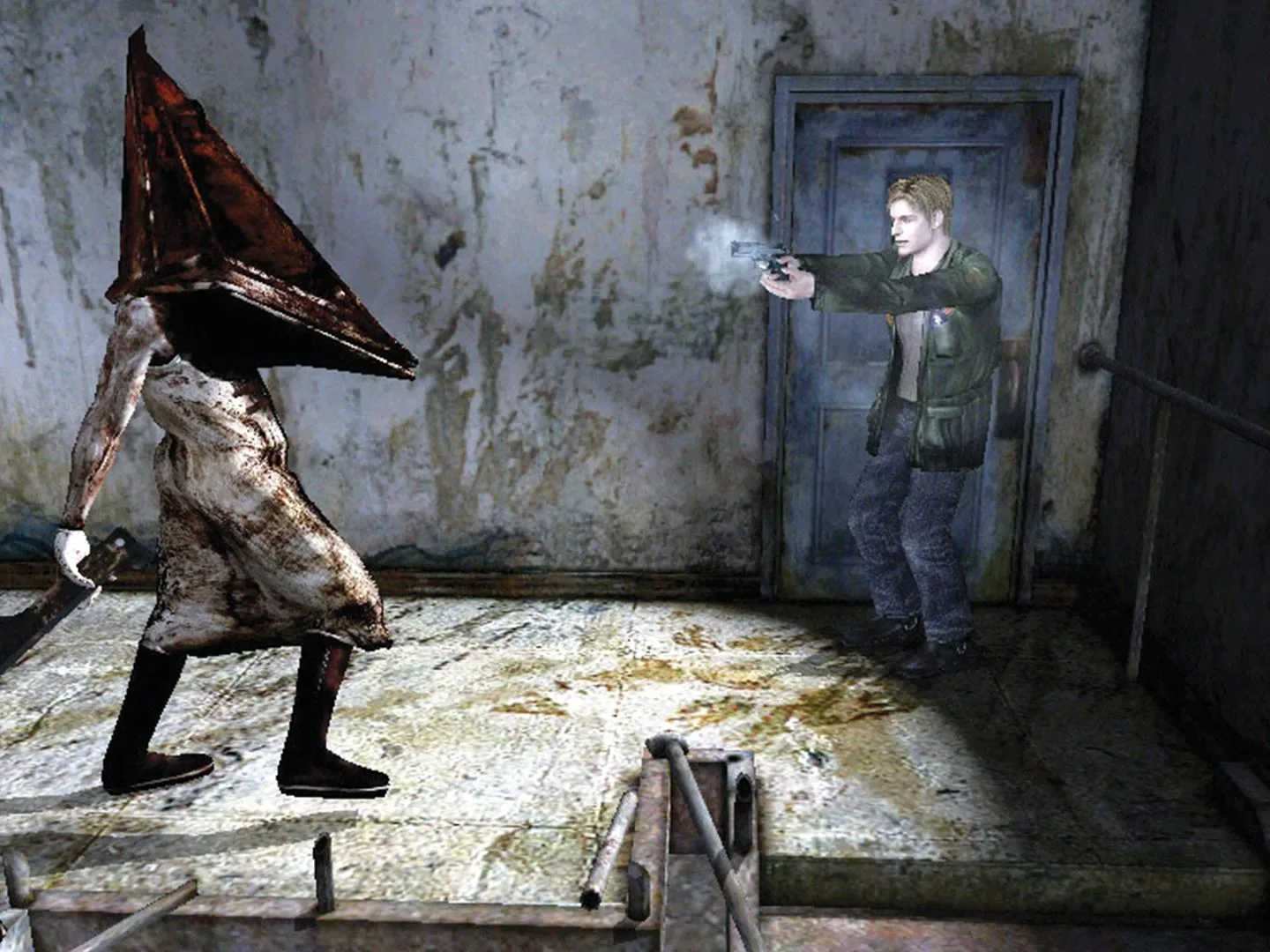
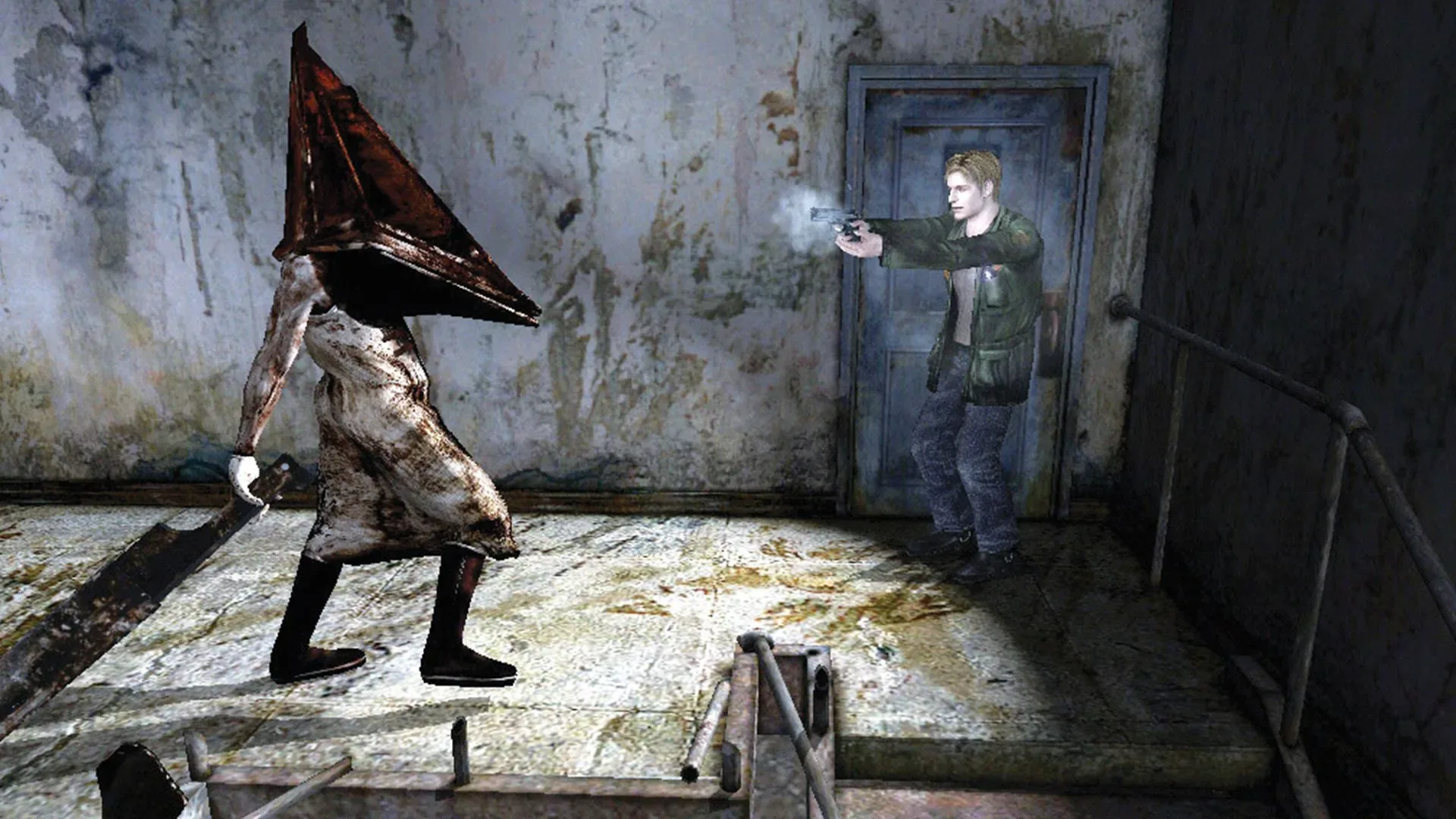
Ito’s name is inseparable from that legacy. Pyramid Head, in particular, has become an enduring emblem of the franchise: a hulking figure with an unmistakable metal helmet and an oppressive physical presence. Even people who have never played Silent Hill 2 often recognize the silhouette. That level of cultural reach is a rare professional achievement for any game artist.
But cultural recognition can flatten the story of how an image was made. Fans may encounter Pyramid Head as an icon on a cover, in a clip, in a collectible, or in a conversation about the greatest monsters in games. Ito’s comments bring attention back to the labor behind that icon: long hours, surrendered rest, and a schedule that he says left no room to pursue a relationship.
That does not make the games less meaningful. If anything, it makes the familiar praise for their craft more complete. Great creative work does not appear from a fog machine. It is made by people with finite time, physical limits, ambitions, obligations, and lives that continue outside the studio walls.
His earlier comments add context, not a simple answer
Ito had previously discussed, in 2024, not having time for a girlfriend while he was working at Konami. The newer remarks are more openly reflective. Rather than merely describing a packed period in his career, he frames it as a sacrifice and raises the possibility that another set of choices could have led to greater happiness.
That is not the same as offering a neat verdict on the games, the company, or every choice he made during those years. Regret is rarely that tidy. A person can value extraordinary work and still mourn what the work demanded. They can be proud of an accomplishment without believing every sacrifice surrounding it was worthwhile. Both ideas can exist together without cancelling each other out.
It is also not useful to turn Ito’s statement into an invitation for strangers to map out an alternate life for him. The public can recognize the significance of what he has said without claiming to know what would have happened if he had made different personal or professional decisions. His point is not a speculative biography; it is a present-tense reflection on time that cannot be recovered.
“To be honest, lately, I've been thinking that if I hadn't sacrificed my personal life, found a girlfriend, and gotten married early on, I probably would have been happier.”
The response around the post has included encouragement from fans. That reaction makes sense: people who value Ito’s work are also responding to a person expressing vulnerability, not simply an artist supplying a piece of franchise trivia.
Why this resonates beyond Silent Hill
Game development has long been associated, fairly or unfairly depending on the specific studio and period, with stories of intense workloads and personal compromise. Ito’s remarks do not establish a broad account of conditions across an entire industry, and they should not be stretched into claims he did not make. Still, his experience resonates because many players understand the larger tension between celebrated creative output and the unseen lives of the people who make it.
Fans often want ambitious games to be bigger, denser, more polished, and more elaborate. The pressure around major releases can turn those desires into expectations. Yet “more” has a human dimension: more content, more revisions, more deadlines, and more time that may be taken from rest, friendships, family, or the chance to build a personal life.
None of that diminishes the affection people have for the classic Silent Hill trilogy. It asks for a more mature form of appreciation. Admiring a work should include respect for the people who created it, including their right to remember that work with emotions more complicated than pride.
That distinction is especially useful when discussing horror icons. Fans can love the unsettling design of Pyramid Head, debate its place in the wider franchise, and revisit the games’ legacy without treating the creator’s sacrifices as a charming piece of development lore. Sleeping on cardboard and surrendering every day off are not atmospheric details from a making-of feature. In Ito’s account, they are part of the personal price of a demanding period.
Pyramid Head’s shadow remains enormous
The continued visibility of Pyramid Head shows just how durable Ito’s contribution has been. The character’s design communicates weight, danger, and ambiguity before any explanation is offered. It fits the uneasy visual language that helped distinguish Silent Hill 2 and, more broadly, helped define how many players think about psychological horror.
Its staying power also explains why Ito’s thoughts have landed with so many people. There is a gulf between encountering a character as a piece of entertainment and recognizing the decades of work, memory, and personal history carried by its creator. The former is easy. The latter requires listeners to accept that a landmark achievement may be remembered differently by the person who lived through its production.
For players returning to older hardware and original releases, preserving that context can be part of preserving the games themselves. Physical media, manuals, boxes, and consoles keep objects playable, but the history surrounding those objects matters too. For practical help with the physical side, our guide on how to store retro games focuses on keeping a collection accessible rather than merely putting it away.
The same care applies to discussion. The classic trilogy is important, but it is not a demand that its creators permanently perform gratitude for the public. Ito is allowed to hold pride, exhaustion, disappointment, and regret in the same memory.
Respecting the work without romanticizing the sacrifice
There is a persistent temptation to turn extreme devotion into an origin story for beloved art: the idea that a game became unforgettable because someone pushed past every reasonable boundary. Ito’s comments are a reminder to be cautious with that framing. The result may be celebrated, but the personal losses described by the artist are not automatically redeemed by the result.
That is particularly important in a medium that has often mythologized all-night sessions and punishing schedules. Creative intensity can be real. So can the desire to make something exceptional. But neither fact requires audiences to treat an artist’s lost time as an acceptable admission fee for influential work.
In the case of Silent Hill, the legacy is already secure. Its atmosphere, sound, monster design, and willingness to make discomfort part of the experience have kept it central to horror-game conversations for decades. Ito’s role in forming that legacy deserves recognition. So does the seriousness of what he has said about the life he believes he set aside while making it.
The most respectful response is not to rewrite his career as either a tragedy or a triumph. It is to hear the complexity in his own words. A renowned artist can have made work that changed a genre and still wonder whether a more balanced life would have brought him greater happiness. Those truths do not compete. They sit together, as uneasy and unresolved as a corridor in Silent Hill itself.
For more perspective on how game culture and technology keep changing around the people who create and experience them, see our coverage of Venice Immersive’s 10th Edition. Ito’s post is rooted in a much earlier era of development, but its central question—what creative work asks of the people behind it—remains current.