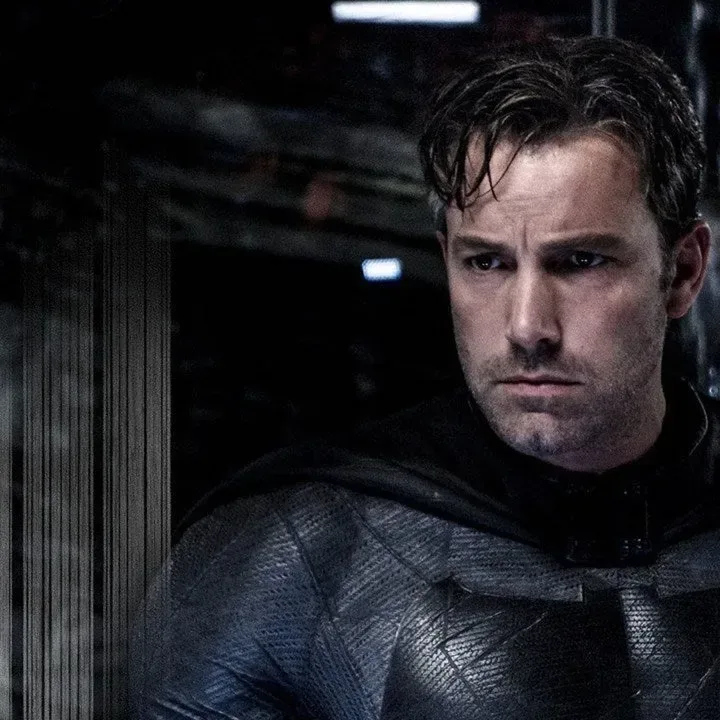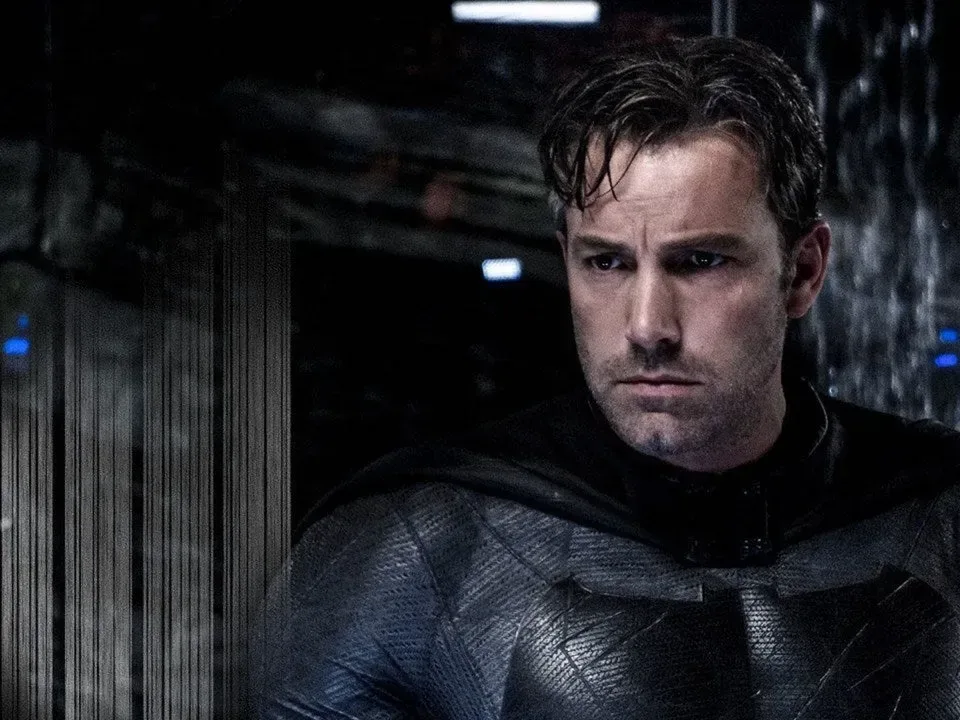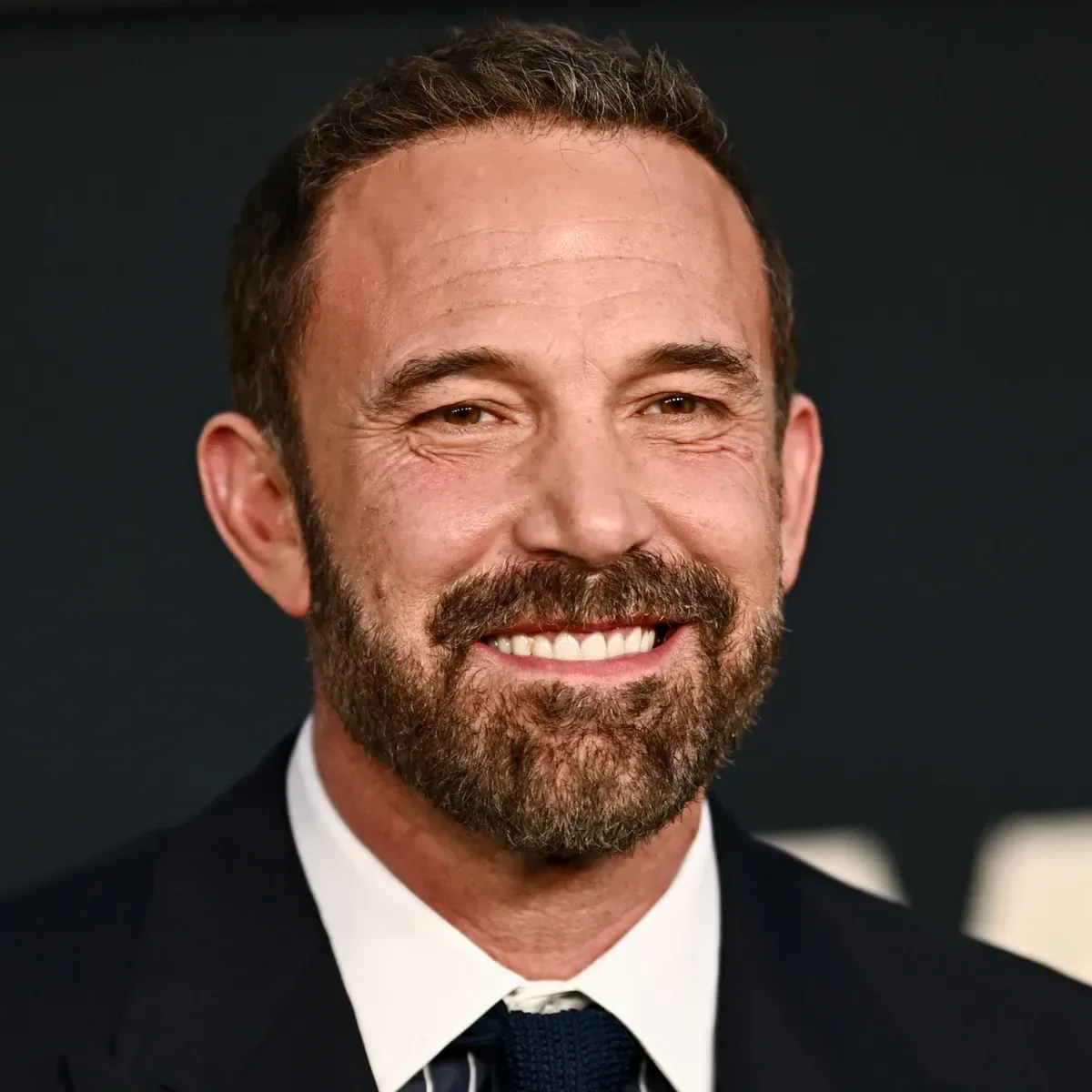
Ben Affleck has spoken bluntly about the difficult production surrounding Justice League, describing the reshoot period as the “low point” of his career and connecting the experience to his decision not to direct a planned standalone Batman film.
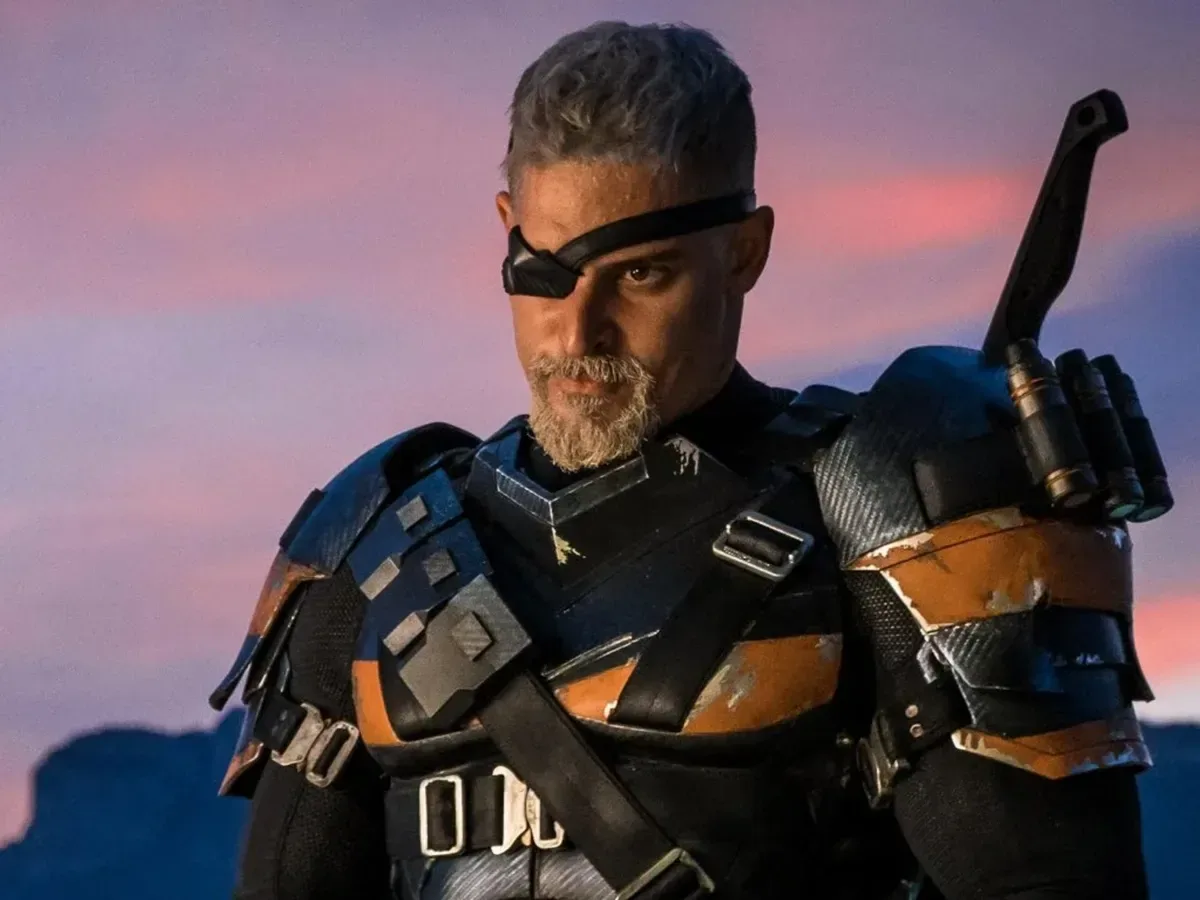
In a recent podcast appearance, Affleck was asked about the abandoned Batman project, which was set to include Joe Manganiello as Deathstroke. Affleck said he had been enthusiastic about the movie he was developing, but that his time on Justice League changed his appetite for directing within DC’s film world.
“The truth is, the experience of Justice League was so, so negative for lots of different reasons,” Affleck said, citing personal circumstances, the tragedy affecting director Zack Snyder’s family, and what he viewed as a fundamental conflict between the studio and the filmmaker.
For fans, the comments offer a clearer explanation of why Affleck’s Batman plans never became a finished feature. They also return attention to a production whose troubled behind-the-scenes history continues to shape how audiences discuss the film, the later director’s cut, and the wider era of interconnected DC movies.
The Batman movie that did not happen
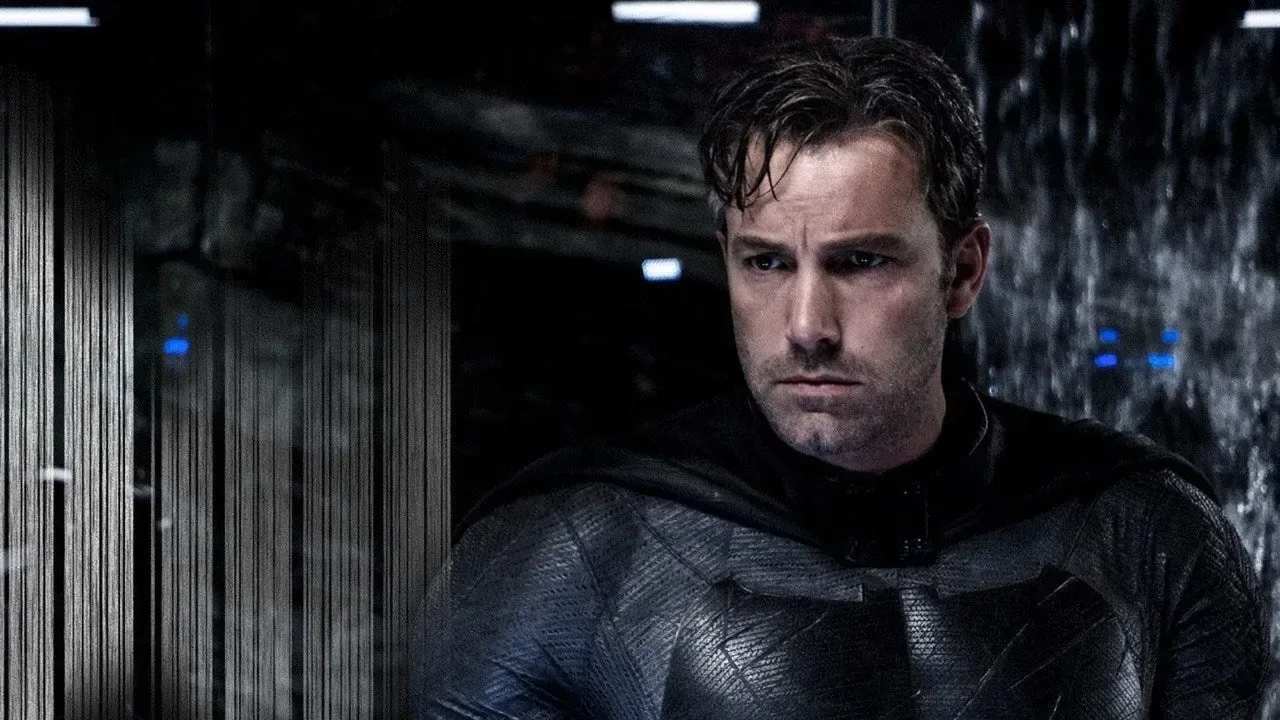
Affleck played Bruce Wayne/Batman in Batman v Superman and Justice League, while also developing a solo movie featuring the character. His comments make clear that this was not simply an instance of a performer losing interest in a franchise. He said he was excited about the project, including the planned role for Manganiello’s Deathstroke, before the experience around Justice League made the prospect of taking the director’s chair in that environment far less appealing.
That distinction matters. Acting in a large studio production and directing one are very different commitments. A director is responsible for translating a creative plan into a completed movie while working through scheduling, budgets, post-production, studio notes, cast concerns, and many other moving parts. Affleck’s account focuses especially on a situation where he felt the people making the movie were not aligned.
“When the studio is at odds with the filmmaker,” he said, “you’re really making a mistake.” In his view, that disconnect was central to what went wrong.
The solo Batman film ultimately passed to director Matt Reeves, with Robert Pattinson taking over the role. Affleck later returned as Batman in The Flash, and he also appeared in newly made material included in Zack Snyder’s Justice League. Those later appearances show that stepping away from directing his own Batman film did not mean he immediately severed every connection to the character. But they do not erase the creative project that was left unfinished.
Why the reshoots remain the focal point
In film production, reshoots are additional scenes or revisions filmed after the main shoot. They are not automatically a sign of failure: movies can return to production for pickups, clarifying dialogue, revised effects work, or scenes discovered to be necessary during editing. The term becomes more consequential when the reshoots represent a major change in direction, tone, story, or leadership.
That is why the Justice League reshoots have remained so prominent in public discussion. Snyder left the project during post-production following the death of his daughter. Joss Whedon was then brought in to direct reshoots. The resulting theatrical release substantially changed the movie’s tone and story from Snyder’s original approach.
The shift came after pressure on Snyder’s DC films. Batman v Superman did not meet critical expectations, and Justice League, despite uniting several of DC’s biggest heroes, did not reach the $1 billion box-office figure Warner Bros. had hoped for. The studio wanted a more broadly appealing approach, including a lighter tone and altered story ideas.
Affleck’s new comments frame that corporate and creative tension as something more damaging than a disagreement over notes or a handful of revised scenes. He argues that the production became an example of how a movie should not be made when control and vision are contested.
A tragedy amid a changing production
Affleck’s remarks also address the deeply sensitive circumstances of Snyder’s departure. He said he believed the tragedy in Snyder’s family was used as an “excuse” to take control of the film. That is Affleck’s characterization of events, not a claim that can be reduced to a simple production timeline, but it explains the intensity behind his criticism.
He described the atmosphere around the reshoots as “gross,” while acknowledging that parts of what he knew came second-hand. Affleck referred to the experiences of fellow cast members Ray Fisher and Gal Gadot, rather than claiming firsthand knowledge of every incident.
That qualification is important. Allegations concerning mistreatment during the reshoot period have been part of the broader public controversy, but Affleck specifically said he was not personally privy to much of what he heard about others’ experiences. His firsthand claim is about the overall production environment and its impact on him; his comments about some colleagues’ experiences are explicitly based on what he was told.
For viewers, it is easy to discuss a franchise primarily in terms of costumes, cameos, box-office expectations, or hypothetical sequels. Affleck’s account is a reminder that the people attached to such projects are also navigating real personal circumstances and workplace conditions. The public conversation around a blockbuster can flatten a complicated process into competing cuts and fan preferences. The people involved may remember it for reasons that have little to do with what made it to the screen.
What “studio versus filmmaker” means here
Affleck’s criticism is not just about one director being replaced. It concerns creative authority: who has the final say over a film’s storytelling, tone, editing, and overall identity.
Major franchise movies naturally involve studios, producers, executives, directors, actors, and effects teams. Studios finance and distribute the work, and they may respond to commercial performance or audience feedback by seeking changes. Filmmakers bring the creative execution. Those roles can coexist successfully, but Affleck’s account describes what happens when the relationship becomes adversarial rather than collaborative.
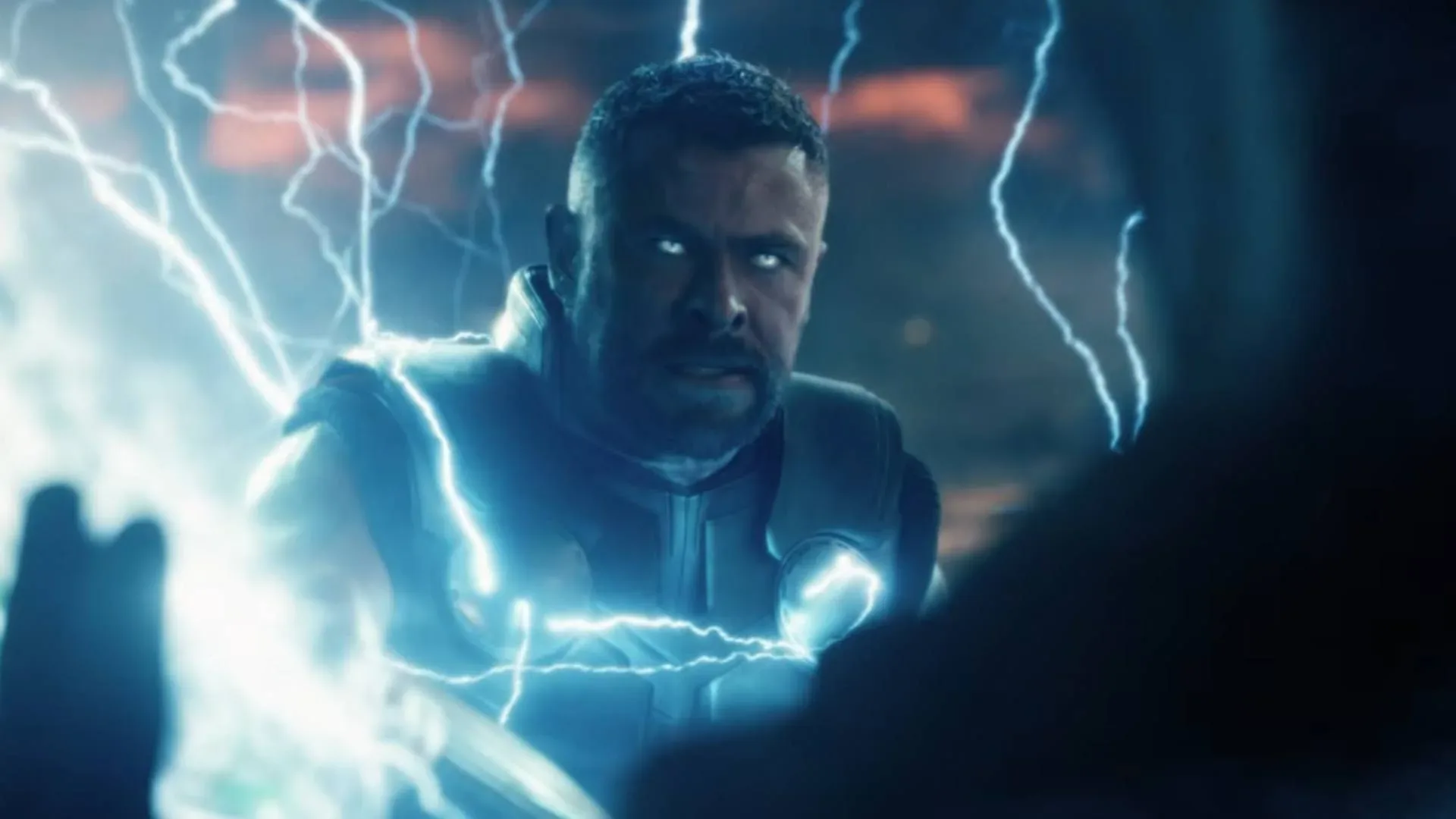
In the case of Justice League, the practical result was an unusually visible divide between the theatrical version and the later Zack Snyder’s Justice League. The later release gave audiences a chance to see a different form of the project, including new material featuring Affleck. It did not turn the original production into a smooth or uncomplicated experience, and Affleck’s remarks suggest that the personal and professional cost remained significant.
There is also a broader franchise lesson in his comments: a big shared universe cannot be treated as a machine that automatically resolves uncertainty by adding more notes, more reshoots, or a new creative lead. Those choices can change the film, but they can also create uncertainty for the cast and crew who have to execute them.
Affleck’s personal circumstances and career choice
Affleck did not place every difficulty on the studio. He noted that he was dealing with personal struggles at the time, including a divorce and alcoholism. That context is essential to the way he tells the story. He describes a convergence of professional turmoil, family tragedy affecting the project’s director, and hardships in his own life.
It would be reductive to turn that into a single-cause explanation for why the standalone Batman movie ended. Affleck’s account instead presents several forces operating at once. Still, the conclusion he reached was clear: he did not want to undertake the intense responsibility of directing a DC movie after what happened on Justice League.
That decision redirected one of the biggest superhero characters in cinema. Reeves and Pattinson took Batman in a new direction, while Affleck’s version became a limited return rather than the center of an ongoing directing project. The unrealized Deathstroke story consequently remains one of several DC plans that were publicly discussed but never paid off on screen.
What it means for hopes of another Snyder-led Justice League
Snyder has recently said that a former Warner Bros. executive expressed regret about how the situation was handled. Some fans have continued to hope that Snyder’s wider Justice League vision might someday receive another chapter. Affleck’s remarks complicate that hope, not because they establish what will happen next, but because they describe the earlier production in such severely negative terms.
A future project would require more than fan demand or a desire to revisit unfinished story ideas. It would involve creative agreements, participants willing to return, and a production environment that does not repeat the conflict that Affleck says proved so damaging. Nothing in these comments announces a new movie or rules one out. They do, however, underline why imagining a clean continuation is difficult.
For superhero-film followers tracking today’s comic-book slate, including the larger event-movie conversation around Avengers: Doomsday, the Justice League story remains a notable cautionary case. Shared-universe movies can create enormous expectations, but scale does not eliminate the need for stable leadership, clear creative direction, and humane working conditions.
Affleck’s strongest point is also the simplest: the legacy of a production is not defined only by its final cut. In this case, the experience persuaded an actor-director to walk away from making his own Batman film. That is a consequential outcome for a project built around one of the most recognizable heroes in popular culture.