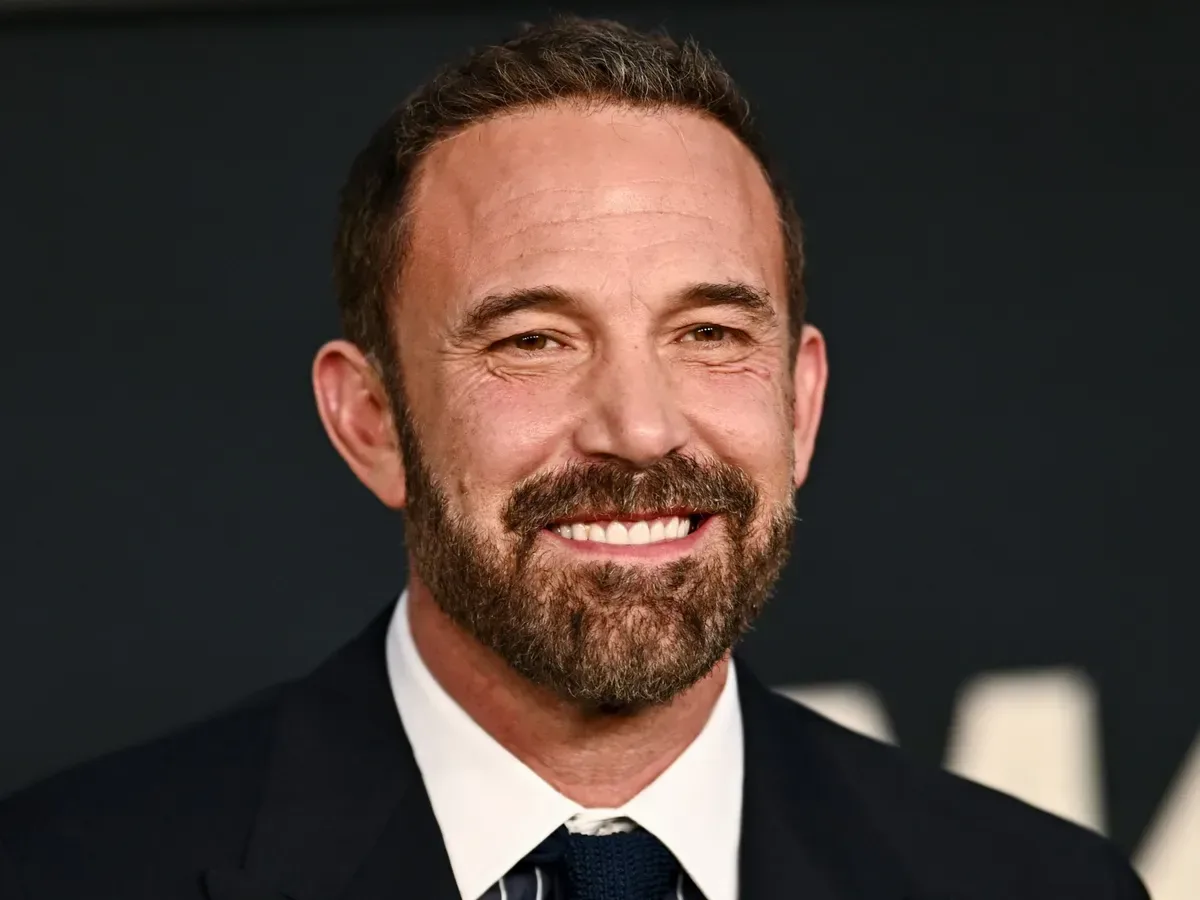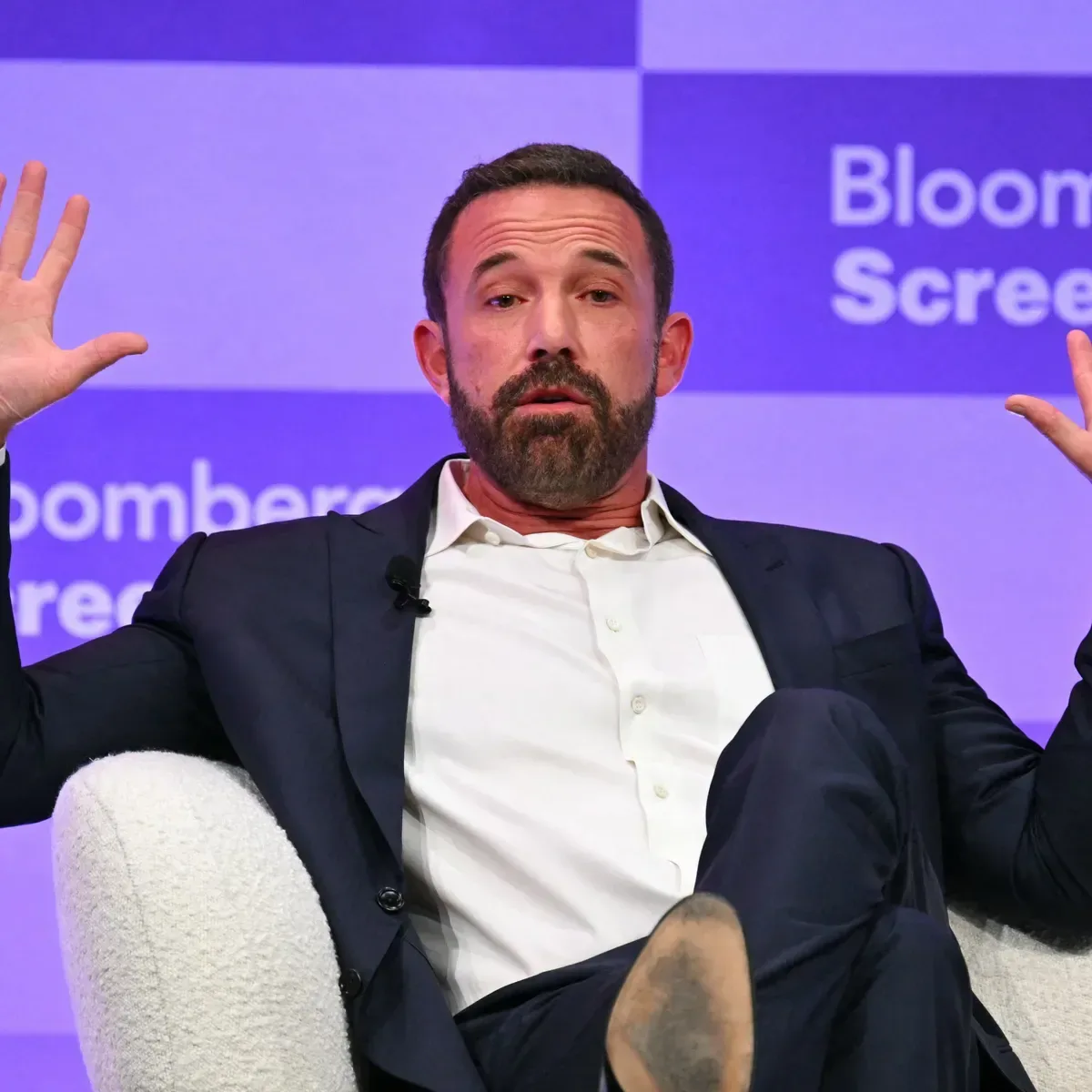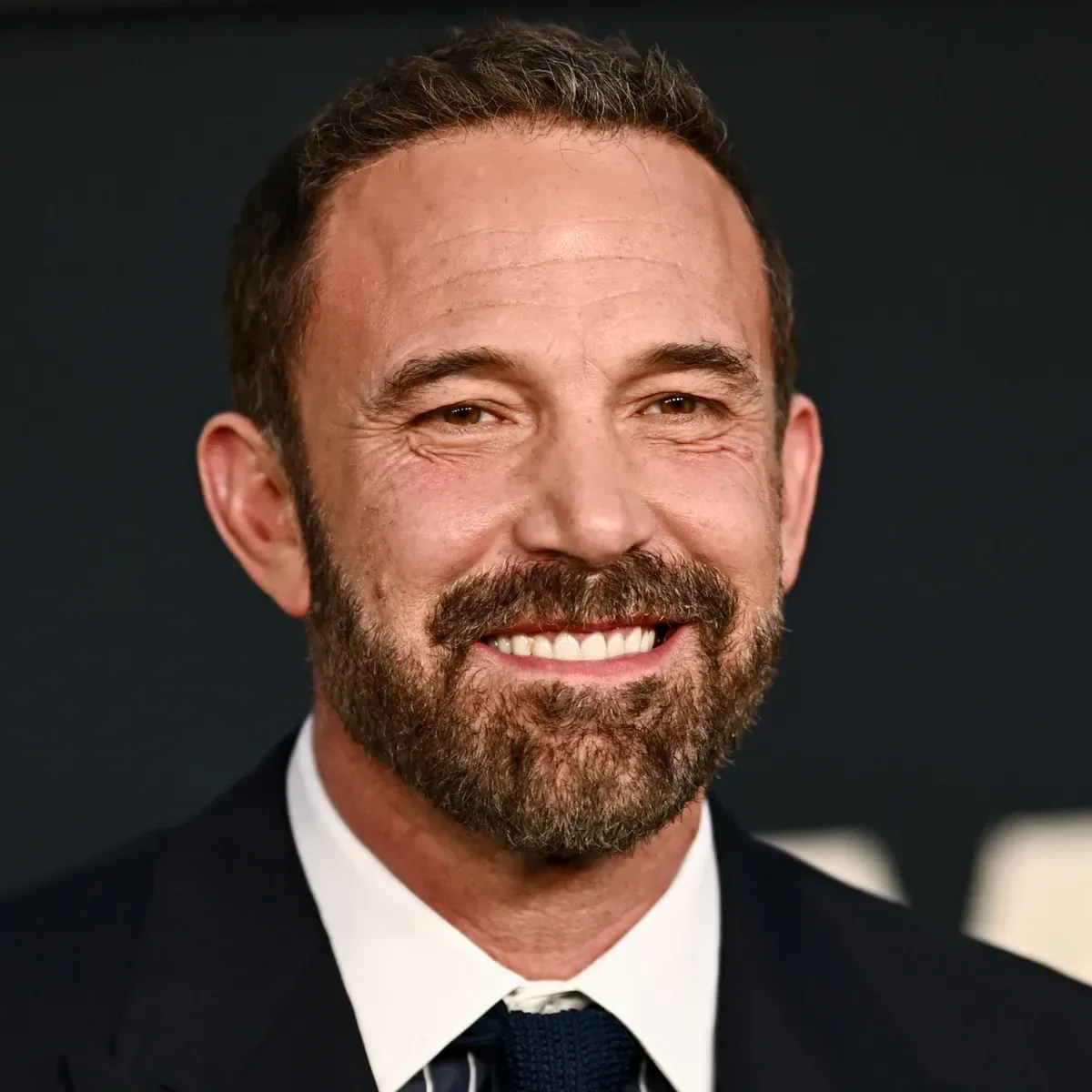
Ben Affleck has drawn a firm line between having political opinions and wanting political power. The actor and filmmaker, who will soon play a Los Angeles mayoral candidate in Netflix’s Animals, says he has no interest in pursuing elected office himself—even though he believes dissatisfaction with the direction of U.S. politics reaches across ideological lines.
His reason is less a declaration of indifference than an assessment of the work. Affleck characterized public office as a difficult, draining job and said he would prefer to make movies about politics rather than take up the task of being a politician. It is a useful distinction in an era when entertainers are frequently asked to turn visibility, advocacy, or a sharply worded interview into a campaign launch.
For Affleck, the appeal of political storytelling appears separate from the appetite for political life. Animals places him in the role of a mayoral candidate with ties to the criminal underworld, a premise clearly built for a thriller rather than a real-world platform. The actor’s comments make it clear that playing proximity to power is not preparation for seeking it.
A criticism of political incentives, not a campaign tease
Affleck’s central complaint was about what he sees as the incentives of contemporary politics. He argued that the conversation has moved away from asking whether a person is qualified for office and toward spectacle, insult-trading, and attention. He also described politics as overly focused on fundraising rather than service.
That framing matters because it explains why his answer is not simply “I’m too busy.” Affleck did not suggest that an acting schedule is the only obstacle, nor did he announce a future run. His position is that the structure of political life itself is unattractive: a long grind dominated by money, public conflict, and compressed messaging.
In practical terms, fundraising means the work of collecting financial support for campaigns. Affleck’s criticism is that this work can become the organizing principle of a candidacy, displacing the public-policy questions voters might expect to be central. His objection to reductive rhetoric works alongside that point. “Reductive” in this context means flattening a complicated issue or opponent into a simple, easily repeated attack.
His preferred alternative is leadership that inspires rather than scares, lectures, guilts, or hectors voters. “Hector” is an old-fashioned but precise term here: to speak to people in a bullying, overbearing, or persistently scolding way. Affleck’s argument is not that leaders should avoid persuasion; it is that persuasion needs more than alarm and antagonism if it is to earn genuine support.
Affleck says disappointment crosses party lines
Affleck described a broad disappointment with the way American politics has developed, suggesting that people on different sides of the political divide can recognize the problem even when they strongly disagree about its causes or remedies. He did not lay out a detailed policy program, and he explicitly avoided getting into specific issues, though he said he could identify many things he believes are wrong with the country and how they might be addressed.
That restraint is notable. Political celebrity commentary often produces pressure for a person to explain every implication of a broad criticism. Affleck instead kept the focus on his diagnosis of political culture: qualifications receive too little attention, campaigning rewards spectacle, money occupies too much space, and leadership has become too disconnected from inspiration.
His own partisan history is clear in the available background. Affleck has supported Democratic presidential nominees dating back to Al Gore’s 2000 campaign. But his comments about collective dissatisfaction were presented as wider than his party affiliation. The point was not that every voter shares one solution. It was that faith in the political system’s present operation is difficult to find.
Why the movie connection is compelling—and limited
Animals gives Affleck a role that inevitably invites a real-life question: if he can play a mayoral candidate, why not become one? The answer is that the two pursuits ask for very different things. A political thriller can examine ambition, corruption, pressure, image, compromised loyalties, and the cost of public power within a constructed story. Holding office requires sustained public service within the very system Affleck says he finds punishing.
That difference should keep expectations around the film in check. The available description identifies Animals as a political thriller for Netflix and says Affleck’s character is a Los Angeles mayoral candidate entangled with the criminal underworld. It does not establish the film as a direct statement of Affleck’s own political beliefs, nor does it reveal how the character’s campaign or alleged criminal connections will be portrayed. The premise may create a natural conversation about public life, but the actor has not turned it into a personal manifesto.
There is also a familiar pop-culture feedback loop at work. Affleck remains closely associated with Batman, a role that has made his public comments especially visible to genre audiences. Readers following other DC-film developments may also be interested in the discussion around the upcoming Clayface film’s creative authorship. But superhero celebrity should not be mistaken for political credential—or for political ambition. Affleck’s remarks directly reject the latter assumption.
Staying in filmmaking, even when the subject is politics
Affleck called his choice “selfish,” but the description may be more self-aware than evasive. Acting and filmmaking allow him to engage with political themes while retaining the boundaries of creative work. He can participate in stories about civic pressure and political dysfunction without accepting the perpetual scrutiny, fundraising demands, campaigning, and institutional responsibility that come with office.
The distinction is also relevant to audiences. A performer speaking candidly about politics is not necessarily testing a run for office. A political role is not a campaign advertisement. And a celebrity’s dissatisfaction with the system does not automatically mean they believe celebrity is the cure for it. Affleck’s comments instead argue for a basic standard he feels is being neglected: voters should be able to focus on whether someone is qualified and capable of leading.
Affleck has recently been part of a separate conversation about Netflix’s filmmaking process. He pushed back on concerns connected to earlier comments from his longtime collaborator Matt Damon, while also saying that Animals contains extensive AI elements. The available account also says Affleck sold an AI company to Netflix earlier this year for roughly $600 million. Those points add an industry dimension to his present moment, but they do not change the core of his political remarks: he is choosing to remain a filmmaker rather than enter public office.
What Affleck’s answer does—and does not—settle
The answer settles the immediate speculation. Affleck says he does not want to run for office, and the reason he gives is that he considers the job’s present demands a punishing grind. He would rather dramatize political stakes than seek political authority.
It does not settle the debates he raised. The balance between fundraising and governing, the role of spectacle in campaigns, how voters judge qualifications, and whether leaders can inspire people without relying on fear are all larger questions than one actor’s decision. Affleck offers no legislative agenda, no proposed candidacy, and no claim that he has a complete solution.
What he does offer is a plainly stated preference: movies can be a place to explore politics, but that does not obligate the people who make them to join the electoral arena. As Animals approaches, Affleck’s real-world position is unusually unambiguous. The mayoral candidate is a character. Ben Affleck is staying behind the camera and in front of it—not on the ballot.