Mike Flanagan may be credited as a writer on Clayface, but he says the DC feature no longer represents his version alone. Speaking about the project, Flanagan explained that he turned in a script he loved, has not seen the finished film, and regards it as director James Watkins’ movie.
“Clayface, you know, very much is not mine,” Flanagan said. “It’s James Watkins’ movie.” The distinction is a useful reminder that a screenplay credit and final creative ownership are not necessarily the same thing in a major studio production. A writer can establish a premise, characters, and dramatic direction on the page, while the director oversees the eventual film as it moves through casting, preparation, production, editing, sound, and other stages.
For viewers, the practical takeaway is straightforward: Flanagan’s involvement remains meaningful, but it should not be treated as confirmation that the finished Clayface will look or feel exactly like a Mike Flanagan-directed project. He is enthusiastic about seeing what Watkins made, but has been clear that he was not involved through to the point of viewing the completed movie.
What Flanagan said about his involvement
Flanagan’s comments came while he was discussing the different challenges of his Carrie series and Clayface. He characterized Clayface as a comparatively open creative opportunity because the character had not previously led a feature film. Clayface has appeared in animated adaptations and other animated work, but this film puts the character at the center of a theatrical story for the first time.
That changes the assignment considerably. An adaptation of a familiar story can involve responding to previous screen versions as well as the underlying material. By contrast, a first feature-film interpretation of a character offers more room to determine the tone, the protagonist’s emotional arc, and the story’s world. Flanagan said that openness was part of what drew him to the idea.
He originally pitched Clayface to DC Studios in March 2023. Flanagan later became busy with his Carrie adaptation and did not direct the film. James Watkins is directing, and Hossein Amini also worked on the screenplay.
That sequence explains why describing the project as “Flanagan’s Clayface” would be imprecise. His pitch and script are part of the film’s development, but he is explicitly giving credit for the movie itself to Watkins. It is a notably direct statement from a writer about the boundary between originating a version of a story and shepherding the final feature.
A horror-leaning premise for a DC character
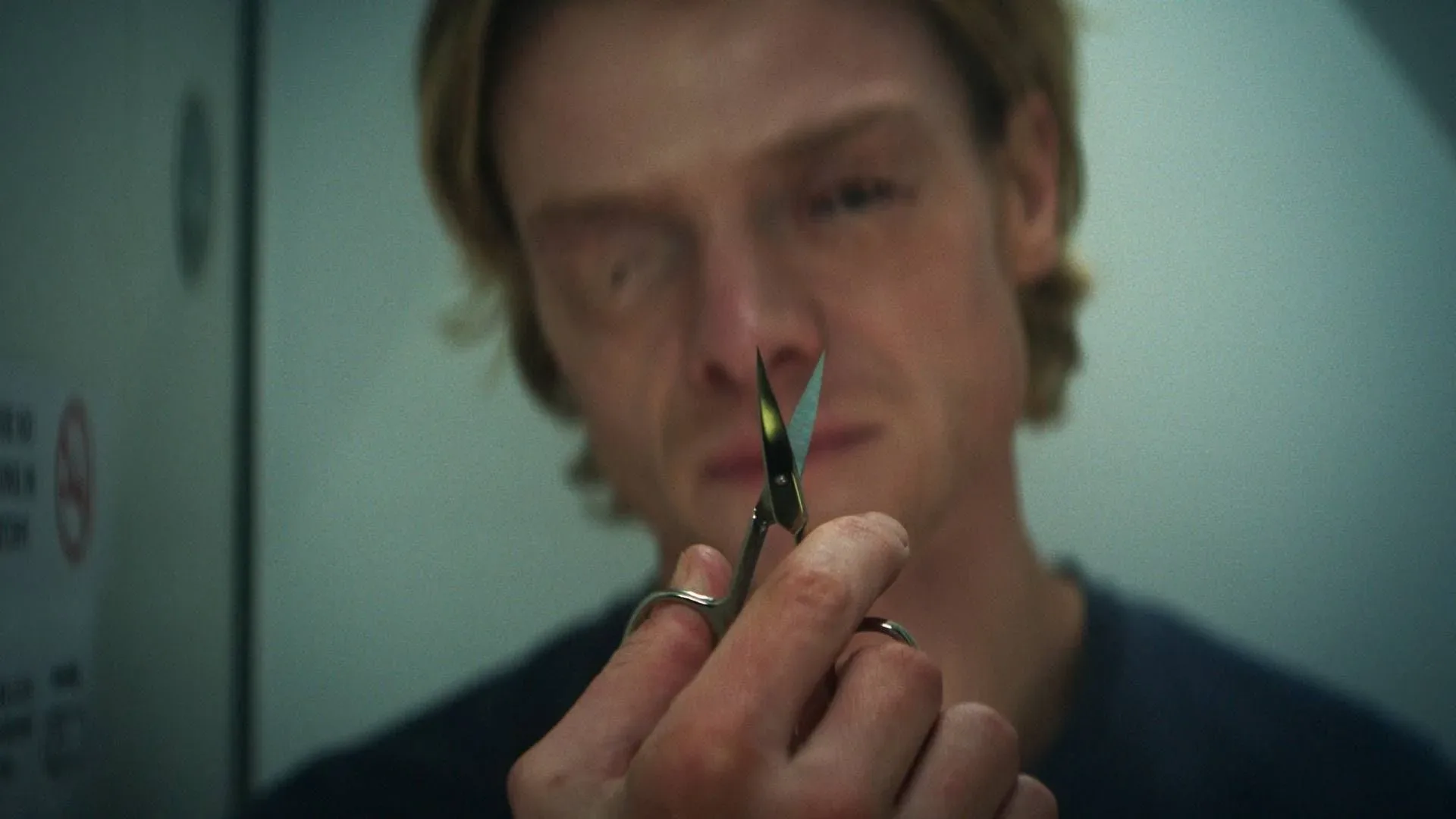
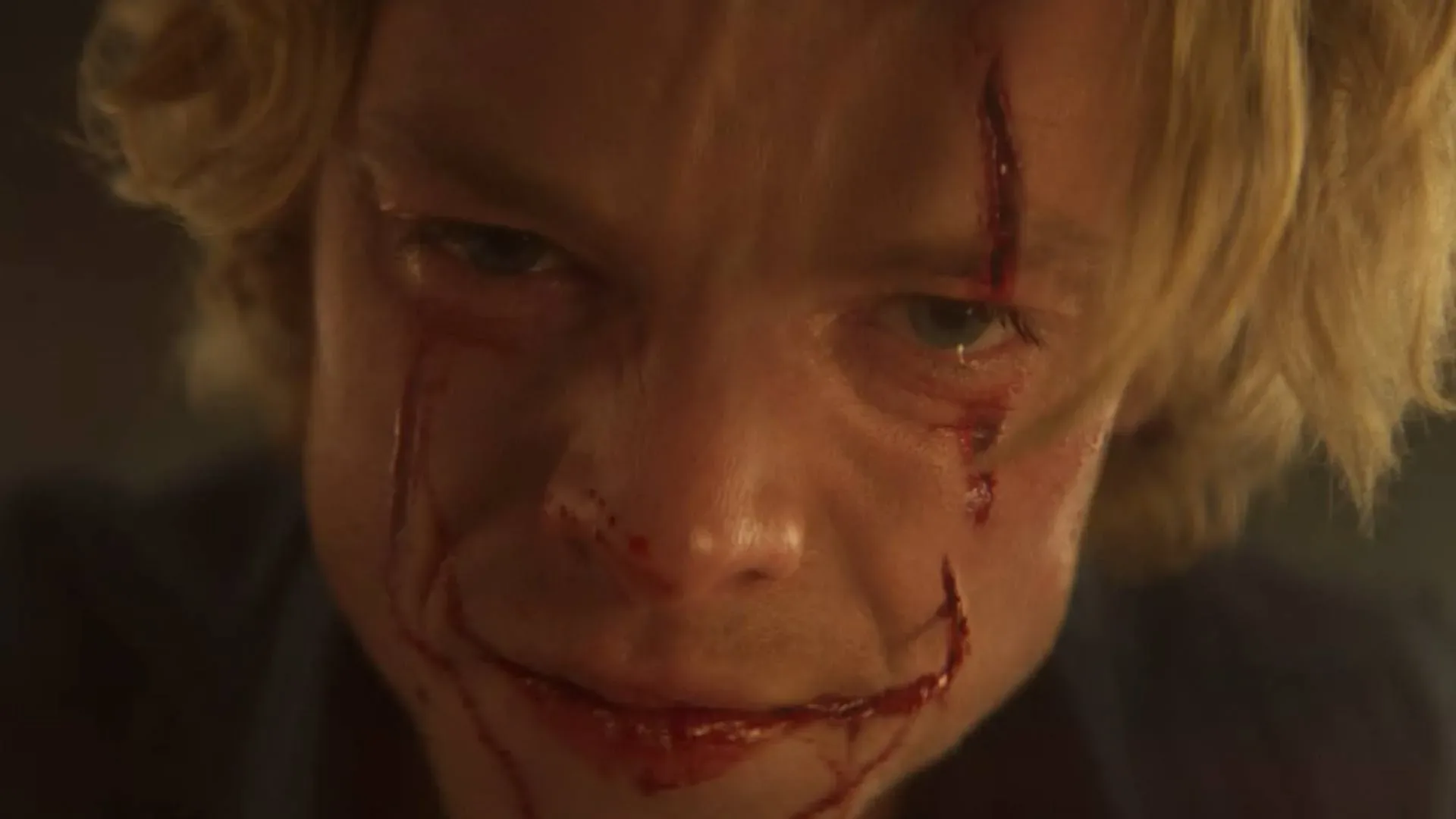
The available setup gives Clayface a body-horror-shaped dramatic foundation. Tom Rhys Harries plays Matt Hagen, an up-and-coming actor whose face is disfigured. Seeking an answer, he turns to a scientist played by Naomi Ackie. Her solution transforms his body into clay.
Body horror is a term for horror stories that use physical transformation, injury, mutation, or loss of control over the body as a source of fear and drama. The premise described for Matt Hagen naturally sits near that territory: an actor whose career is bound up with his appearance suffers disfigurement, then receives a treatment with an even more radical physical consequence.
That does not establish every detail of the film’s tone, plot, or rating. Still, it identifies a potentially potent character conflict. Hagen’s position as an actor makes the damage to his face more than a physical crisis; it threatens his profession and public identity. The clay transformation then turns a quest for restoration into something fundamentally different. The concept is not merely that a character gains an unusual ability, but that a cure carries an alarming cost.
It also presents Clayface as a central character rather than a supporting obstacle for another hero. Flanagan emphasized that no previous feature had put the character in that role. A protagonist-led approach can ask audiences to follow the emotional logic of a person’s downfall, choices, and transformation even if the eventual story moves toward villainy. That is distinct from using the character primarily as a threat viewed from the outside.
Why the script credit does not settle the film’s identity
Film credits communicate important information, but they do not reduce the production process to a single author. A scriptwriter’s credit identifies writing work that has been recognized in the film’s development. The director’s role, meanwhile, concerns the execution and construction of the movie audiences ultimately watch. In this instance, the distinction is especially clear because Flanagan says he has not even seen the final film.
Flanagan’s comments should therefore be read as clarification rather than a rejection of his contribution. He said he wrote a script he loved and is excited to discover what Watkins did with the project. He is not claiming that his work vanished; instead, he is acknowledging that the film has passed through another filmmaker’s creative process.
That perspective is also helpful for setting expectations around names attached to prominent franchise projects. A credited writer may provide the first major blueprint, while other writers and the director further shape that blueprint. Here, Amini’s involvement in the script is another reason to avoid assuming a one-to-one match between an early pitch and the finished theatrical release.
Watkins’ presence supplies the most direct attribution for the final film. His earlier directing work includes Speak No Evil, while Amini is known as the screenwriter of The Wings of the Dove. Those credits establish the principal creative roles identified for Clayface, but they do not reveal precisely which scenes, plot elements, or thematic ideas each creator contributed. Until the movie arrives, claims beyond the stated premise and credited personnel would be speculation.
What is known — and what remains unknown
Several firm details are on the table. Clayface is a DC feature directed by James Watkins. Mike Flanagan is credited as a writer, having pitched the concept in March 2023, and Hossein Amini also worked on the script. Tom Rhys Harries plays Matt Hagen, and Naomi Ackie plays the scientist whose intervention changes his body into clay. The film is set to reach theaters on October 23.
Equally important are the limits of what has been established. There is no reason from the available information to assume that Flanagan has reviewed or approved the completed cut, because he says he has not seen it. There is also no stated detail about the extent of Hagen’s transformation, the scientist’s motives, the wider cast, or how the film connects to other DC projects.
Those gaps matter in a franchise environment where every new title can invite expansive theories. The most grounded reading is smaller and more interesting: Clayface is being framed through the tragedy of Matt Hagen, with a script lineage that began in Flanagan’s pitch but a finished-film identity that Flanagan himself assigns to Watkins.
DC audiences looking ahead can keep an eye on the broader slate through Joking Joystick’s film news coverage, but Clayface has a particularly unusual hook within that space. Its lead begins as a working actor in search of a remedy, and the apparent answer transforms him into something unrecognizable. It is a character-first setup with horror implications, not simply a conventional hero-versus-villain premise.
Why Flanagan’s candor matters
There is a temptation to turn a high-profile writer’s name into a promise of a finished film’s style. Flanagan’s own wording resists that temptation. He has made the boundary explicit: he wrote and submitted a script; Watkins made the movie; and he is now waiting to see it as an audience member would.
That does not diminish anticipation for the project. If anything, it gives the production a clearer creative picture. Flanagan saw untapped potential in bringing Clayface to feature-film prominence, Watkins directed the film, and Harries’ Matt Hagen appears positioned as the emotional center of the transformation story. The result will be best understood on its own terms when it reaches theaters on October 23.