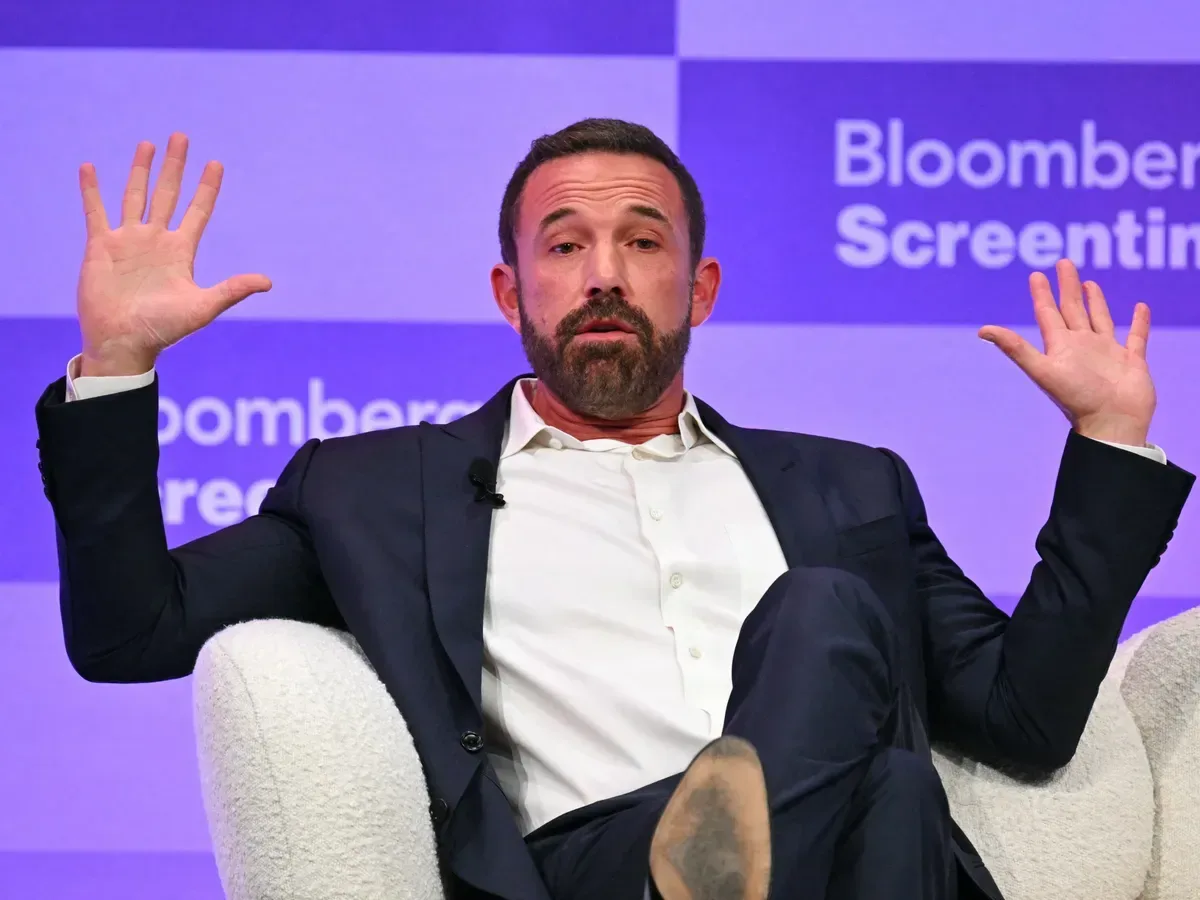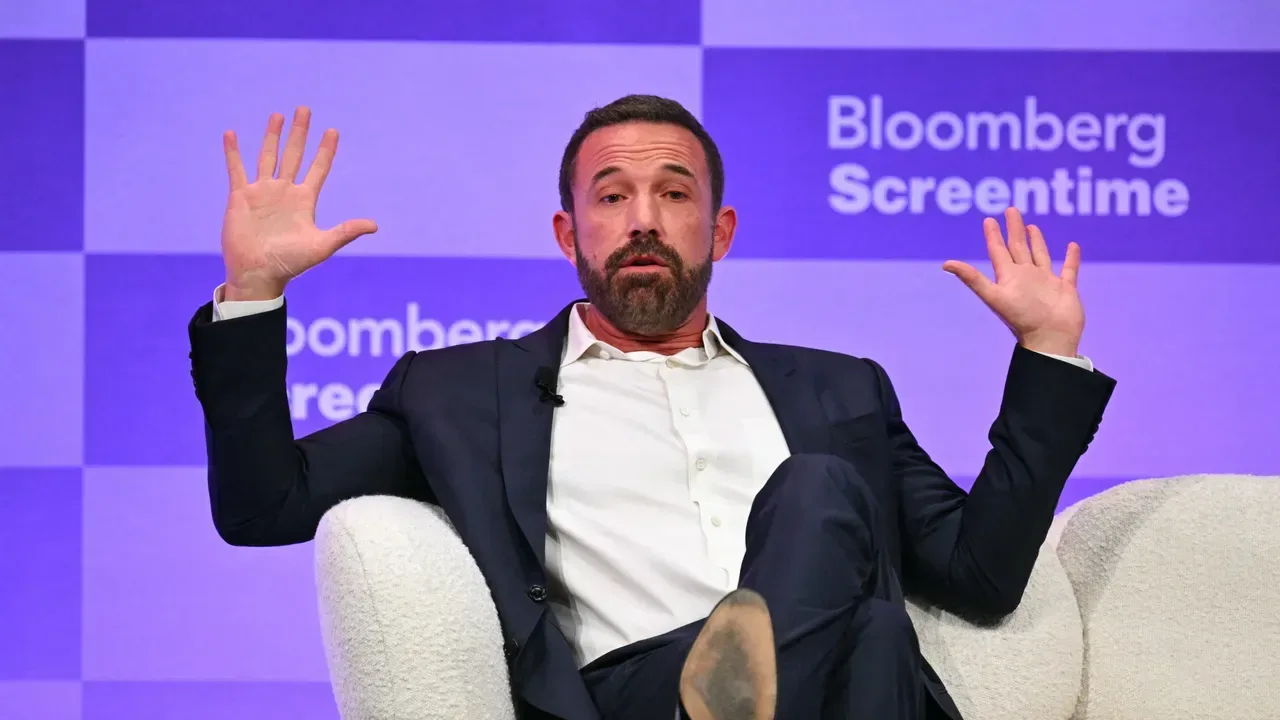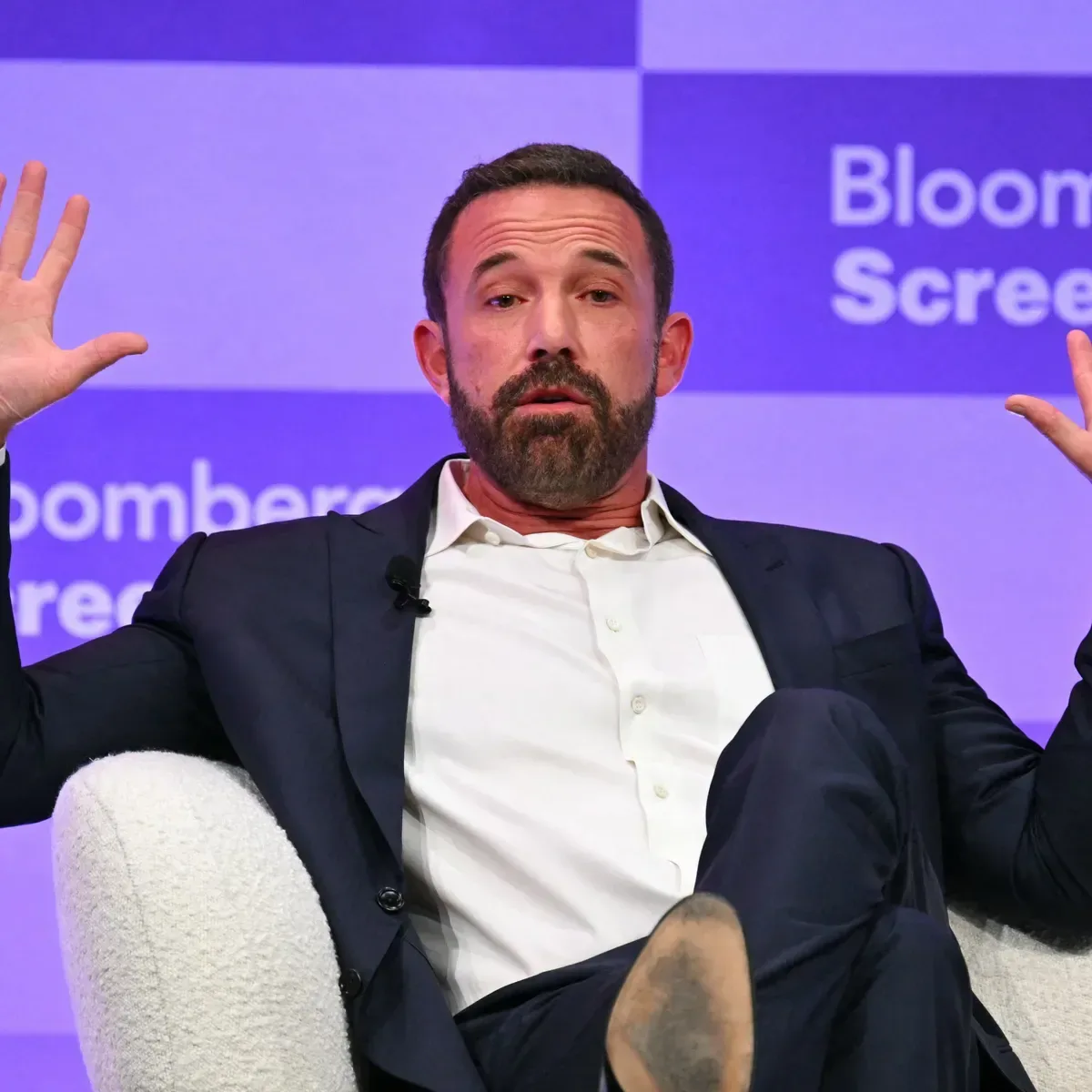
Ben Affleck has rejected the idea that Netflix gives filmmakers a particularly blunt kind of streaming-era script note: cram a major action sequence into the opening minutes, then repeatedly explain the plot because viewers may be distracted by their phones.
The comments matter because they address an unusually specific version of a familiar creative tension. Matt Damon, Affleck’s longtime collaborator and co-star in Netflix’s The Rip, previously described requests framed around viewer retention and divided attention. Affleck, now promoting the Netflix thriller Animals, has said that description was reduced into a misleading headline and insisted Netflix would not issue such an obviously counterproductive demand.
Affleck also confirmed that artificial intelligence was used for “lots of things” in Animals, though he declined to identify the individual AI-generated elements. His reason was not technical secrecy so much as cinematic illusion: revealing every device used to build a scene, he argued, can interrupt the audience’s experience of it.
What Damon actually described
The disagreement turns partly on the difference between a broad account of a development conversation and the simplified claim that Netflix orders filmmakers to reveal their entire story immediately.
Damon’s earlier remarks were about action-movie structure. He described a conventional model built around three large set pieces—major staged sequences such as chases, fights, escapes or explosions—distributed across a film’s three acts. In that model, the largest and costliest sequence often arrives near the end, functioning as the climax.
He then said Netflix had raised the possibility of bringing a large sequence forward into the first five minutes, with the goal of getting viewers engaged quickly. Damon also recalled a suggestion that dialogue might reiterate the plot several times because some viewers could be using their phones while watching.
Affleck’s objection is that this has been transformed into a much cruder proposition than the one Damon laid out: that Netflix makes creators explain the plot in the first five minutes.
That distinction is important. Asking whether a movie hooks an audience early is not identical to mandating a particular opening scene. Likewise, discussing clarity and recap dialogue is not necessarily a formal instruction to repeatedly spell out the story. The supplied comments do not establish a universal Netflix policy, a rule applied to every production, or whether the requests Damon mentioned were ultimately followed on The Rip.
Affleck’s response: bad notes are not new
Affleck’s argument has two parts. First, he believes Damon’s point was taken out of context. Second, he rejects the alleged notes themselves as too foolish and overt to be credible. Affleck said he had never encountered a note so “idiotic and brazen,” while also stressing that poor executive notes existed long before streaming platforms.
That latter point avoids treating Netflix as uniquely responsible for a longstanding problem. Development notes are feedback from financiers, producers, executives or distributors intended to shape a script, edit or finished film. They can cover anything from the pace of the opening to character motivation, exposition, the ending or marketability. Affleck’s position is not that such feedback never happens; it is that the particularly extreme version circulating here should not be accepted as Netflix’s standard practice.
There is also a practical wrinkle in Affleck’s rebuttal. He is both an actor and director on projects connected to the streamer, and he presented the idea that he would publicly describe his own movie as damaged by obvious interference as inherently implausible. That is a coherent explanation for why he contests the framing, but it does not settle what other creators encounter. The available comments reflect two high-profile filmmakers discussing experiences and conversations, rather than a detailed public account of how notes are handled across Netflix productions.
Affleck and Damon’s shared involvement in The Rip adds another layer. Their careers and working relationship make a direct public clash unlikely to be the useful way to read this exchange. Affleck did not accuse Damon of fabricating his remarks. Instead, he focused on the gap between Damon’s fuller explanation and the shorter, more sensational version that spread afterward.
Why the first-five-minutes debate resonates
The claim struck a nerve because it captures a recognizable anxiety about movies made for on-demand platforms: that a viewer can leave at any moment, scroll elsewhere, or only half-watch while multitasking. In that environment, an early action beat can be understood as a retention tool rather than simply a storytelling decision.
But early action is not automatically a concession to distraction. An opening sequence can establish danger, genre, stakes, setting or a central mystery. A slower opening can accomplish those same goals through atmosphere, character and suspense. The creative question is whether the opening serves the story, not whether it contains a specified amount of spectacle by a specific minute.
Repeated exposition creates a similar trade-off. Exposition is information the audience needs to understand the characters, world, conflict or stakes. It is unavoidable in most narrative filmmaking. The problem arrives when dialogue repeats information the viewer has already understood without adding emotion, a new perspective or a meaningful complication. Affleck’s rejection of blunt plot restatement speaks to this concern: clarity can help a movie, while excessive explanation can flatten it.
Neither filmmaker’s comments prove that streaming has changed every element of screenwriting. They do, however, put a spotlight on the pressures creators may be considering when a film is designed for a platform where attention is easy to lose and hard to measure from the outside.
Affleck confirms AI use, but leaves the details unseen
The more concrete new disclosure concerns Animals itself. Affleck said the production used AI in many ways, but he did not say whether those uses involved images, post-production work, visual effects, sound, writing, planning or another part of the filmmaking process. That limitation matters. “AI” is a broad label, and without specifics it is not possible to judge what the technology did on screen or behind the scenes.
Affleck described his reluctance to identify the applications through the analogy of a magician explaining the mechanics of a trick before performing it. In his view, films depend on an illusion of reality, and calling attention to technical construction can spoil that illusion. He nonetheless characterized the use in Animals as ethical and emphasized that the movie remains a very human one.
That framing offers an artistic defense, but it does not define the ethical standard he says the film meets. The available information does not identify which human workers were involved, what material was generated or altered, or what safeguards were used. It would be an overreach to infer any of those details from Affleck’s comments alone.
What can be said is that the disclosure makes Animals a timely test case for audience discussion. Viewers will know AI was used somewhere in the production, but they will not have a checklist of moments to inspect. Affleck appears to prefer that uncertainty, arguing that the value of the finished illusion is more important than highlighting the machinery that supported it.
The situation is also shaped by Affleck’s business connection to Netflix. Earlier this year, his AI company InterPositive was reportedly sold to Netflix for nearly $600 million. That relationship adds obvious interest to his comments about both Netflix’s creative process and AI use, though it does not tell audiences precisely how the technology appears in Animals.
What to watch for when ‘Animals’ arrives
Animals, a thriller starring Affleck alongside Gillian Anderson, is scheduled to stream on Netflix on October 8. The premise and exact nature of its AI-assisted work have not been outlined in the information available here, so viewers should be wary of treating online guesses as confirmation.
Still, there are two sensible questions audiences can keep in mind. The first is structural: does the thriller open with a large action-driven hook, or does it introduce its conflict by other means? An early sequence alone would not prove Damon’s account, but it may inevitably draw attention in light of this debate.
The second is perceptual: can viewers identify anything that feels AI-generated? Affleck’s comments make clear that he does not intend to point out the answers. That means reactions will likely be speculative unless the production later supplies specifics. The more useful assessment may simply be whether the film’s scenes, performances and story feel coherent on their own terms.
For entertainment audiences, the episode reaches beyond one Netflix release. It is about how much creative feedback viewers imagine is being driven by retention, how publicly filmmakers should explain technology in a finished work, and whether a movie’s craft should remain invisible when the credits roll. Those questions will keep following major releases, just as scrutiny continues around large studio projects such as the MCU’s future slate.
For now, the firm facts are narrower: Damon described possible streaming-oriented requests around action and repeated plot information; Affleck says the simplified version misrepresented that discussion and denies Netflix would issue such a demand; and Affleck has confirmed undisclosed AI use in Animals. The film’s October 8 debut may invite closer attention, but it cannot by itself resolve the broader debate about how streaming platforms shape the movies made for them.