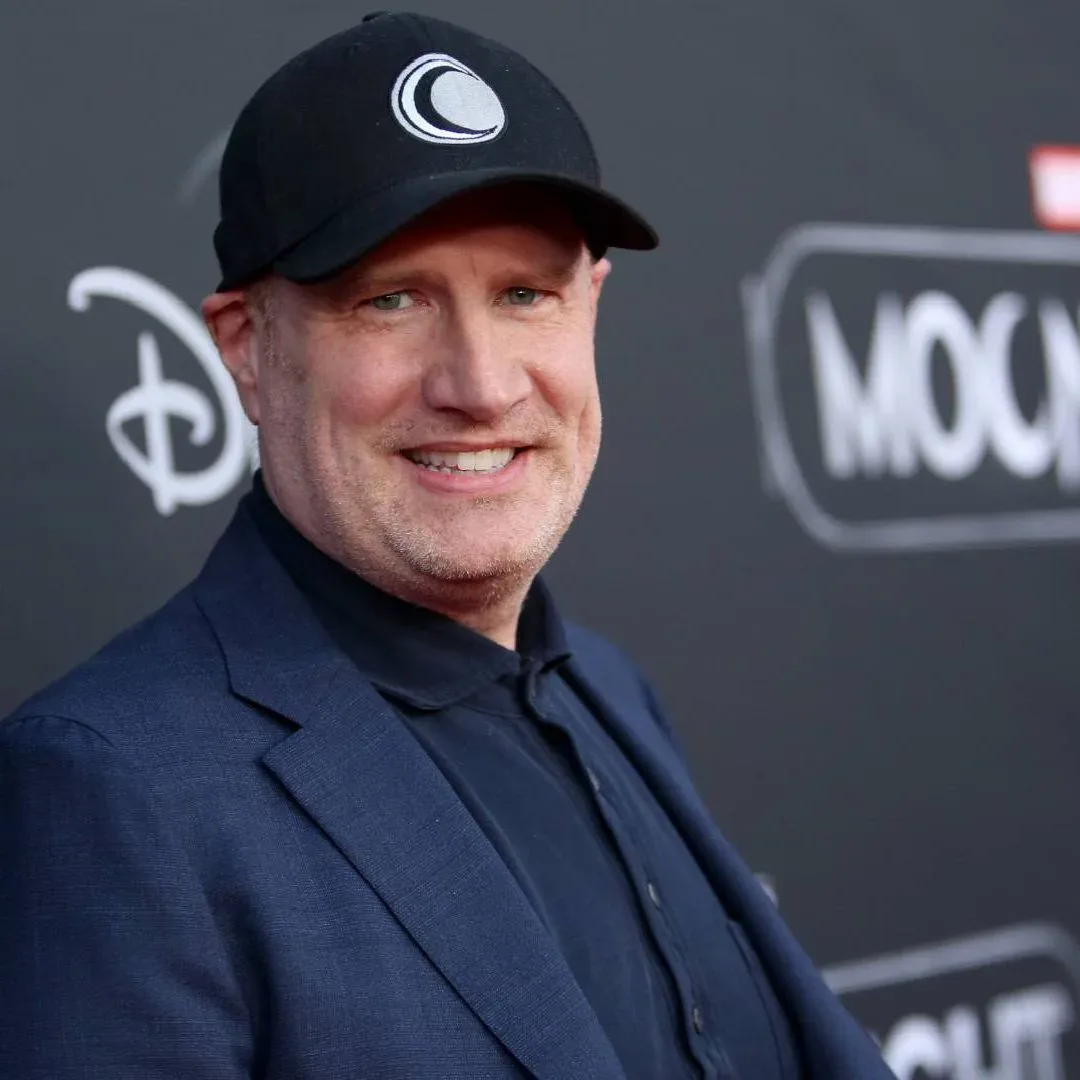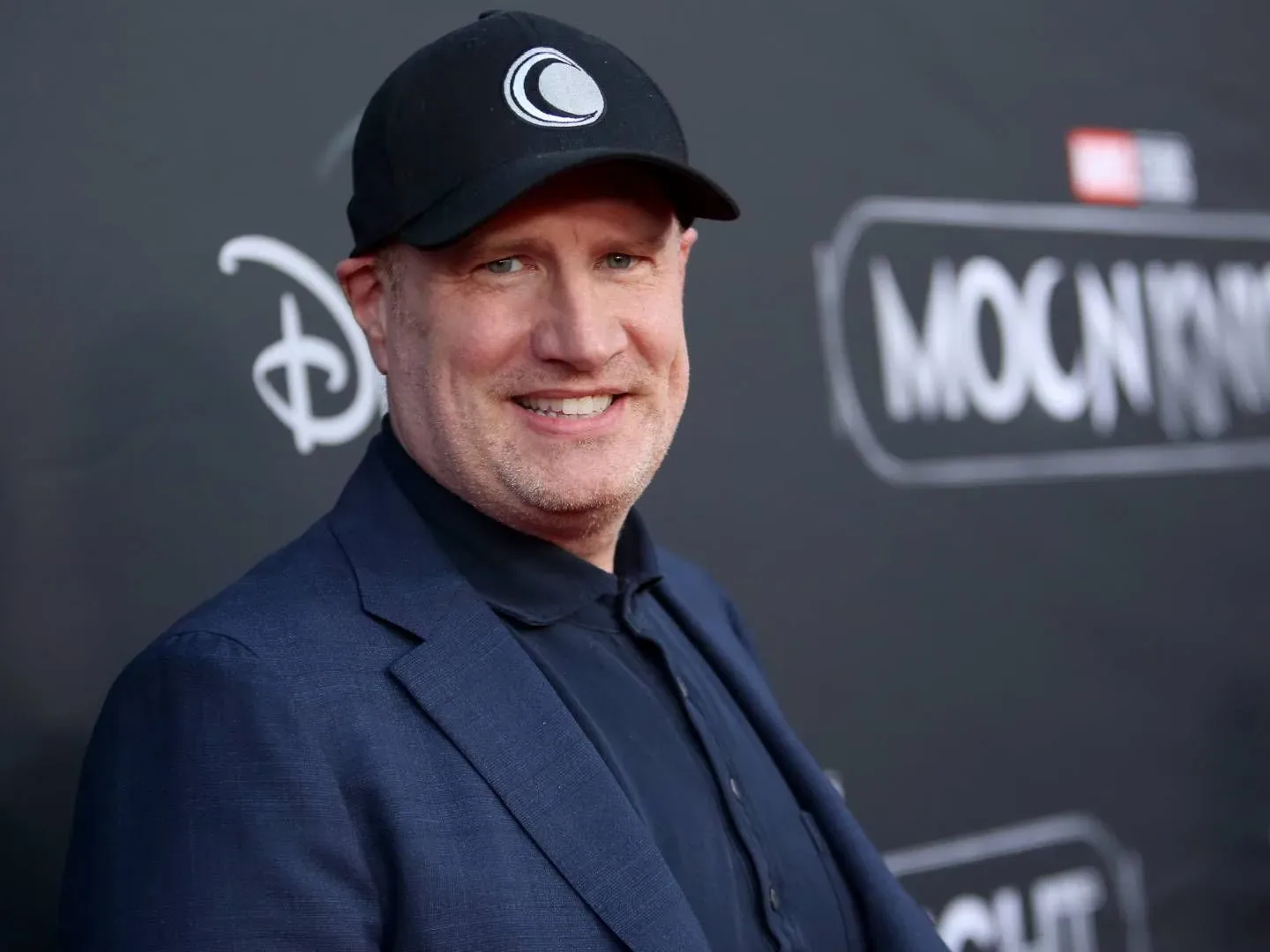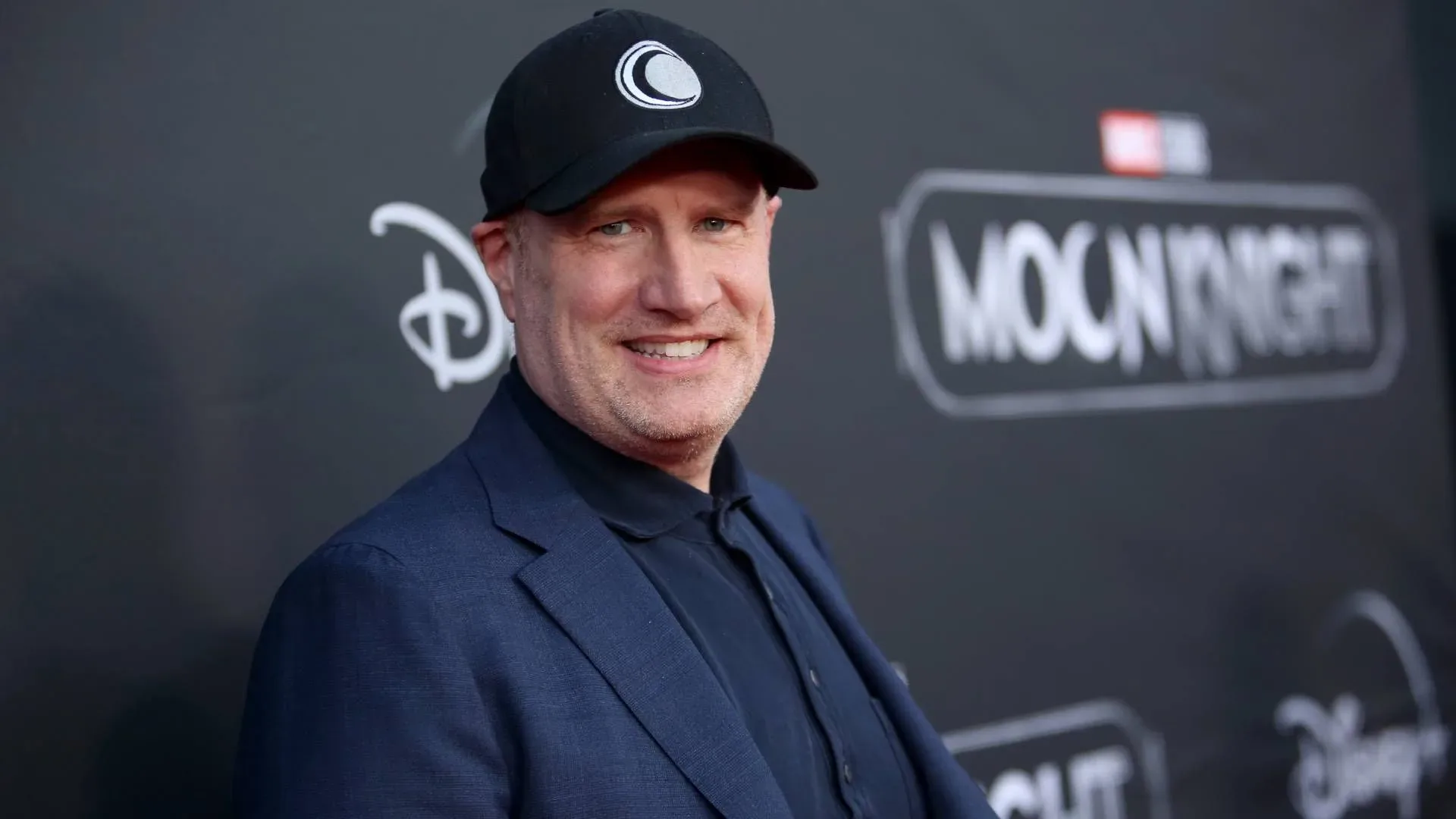
Marvel Studios president Kevin Feige has made the company’s position on the future of the Marvel Cinematic Universe unusually plain: 38 films in is not an endpoint. Speaking at the Pioneer of the Year dinner, Feige said Marvel still has “a lot of stories to tell” and “a lot of movies to make,” framing Avengers: Doomsday as only the MCU’s 39th theatrical feature rather than a closing chapter.
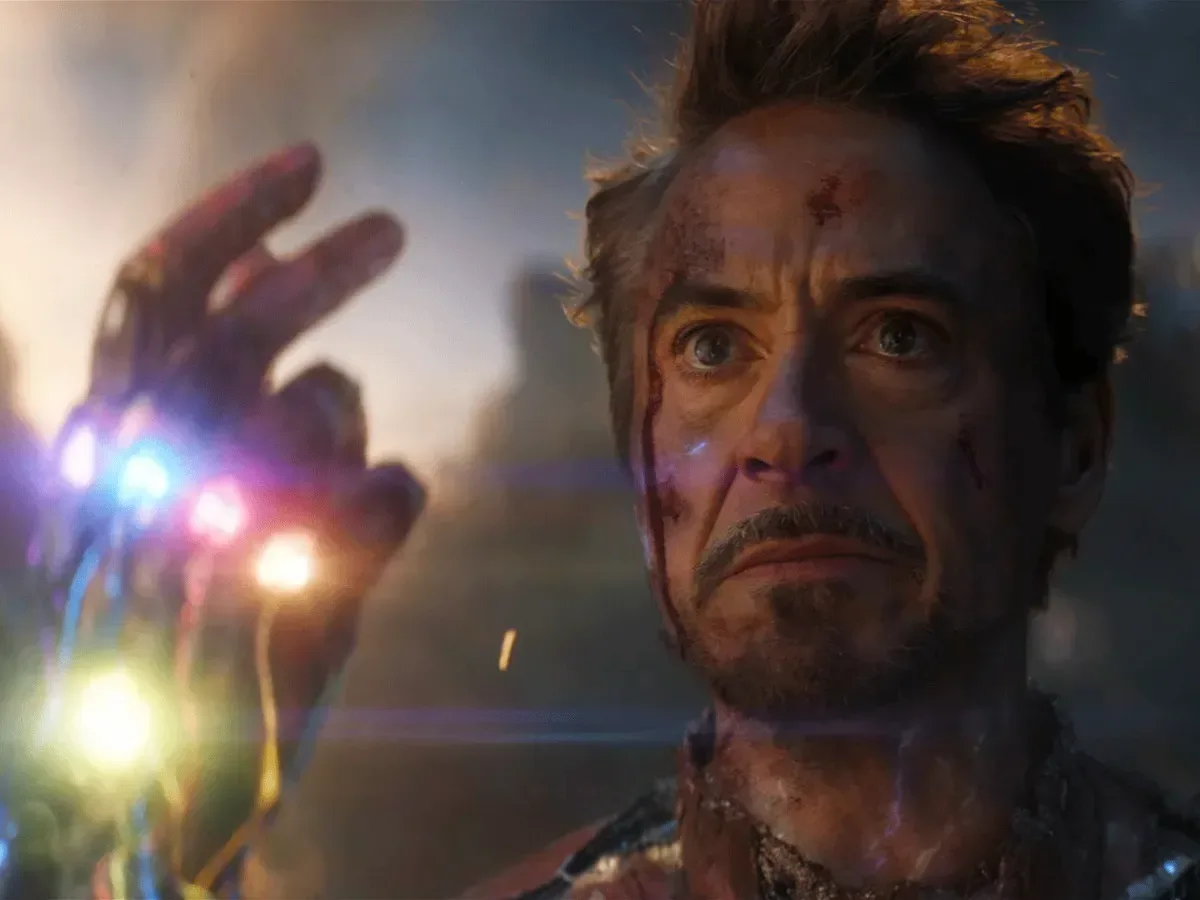
The point matters because Doomsday is being positioned as a major crossover event. The film is due in theaters December 18 and is set to bring together characters and groups spanning several corners of Marvel’s screen history: the Fox-era X-Men, the Fantastic Four, the Thunderbolts, Thor, Captain America, and Robert Downey Jr.’s Iron Man are all named as part of the shared-screen lineup.
That is a very large storytelling table. It also explains why Feige’s comments look beyond the immediate spectacle. A crossover can resolve conflicts, unite separate franchises, or redraw the status quo—but it can also create a fresh set of character relationships and unresolved consequences for later films. Marvel’s public emphasis here is not on a final curtain, but on continuation after a particularly ambitious event movie.
Doomsday is the next big MCU checkpoint
In franchise terms, an event crossover is a story designed to combine characters, teams, and plot threads that would normally occupy different films or series. Its appeal is scale: audiences get interactions that cannot happen within a more narrowly focused installment. Its challenge is coherence. The more strands a film gathers, the more carefully it needs to establish why those people are present, what they want, and what is at stake for them.
Avengers: Doomsday appears intended to operate at exactly that scale. The announced mixture of Marvel Studios-era heroes with the Fox-era X-Men and the Fantastic Four suggests that the film will need to make room for distinct histories as well as familiar MCU continuity. The reported presence of the Thunderbolts further broadens the possible range of perspectives, from established Avengers-level figures to a team with its own identity and dynamics.
That does not, by itself, confirm the precise plot, the size of each role, or the permanence of any character’s status after the movie. It does establish the breadth of the ensemble Marvel is presenting. For viewers, the practical takeaway is simple: Doomsday is likely to be less self-contained than a typical solo adventure and more dependent on the franchise’s larger web of characters.
Joe Russo has also teased that the movie’s ending will surprise audiences, calling both the film and its conclusion “very surprising.” That is a deliberately limited hint rather than a story detail. Still, when paired with Feige’s insistence that the MCU has extensive runway remaining, it leaves open the possibility that Doomsday is designed to change the board for stories that follow rather than merely stage a reunion.
Why Marvel is stressing longevity
Feige described Marvel mythology as rich territory for storytelling and argued that the company has much more to explore. He also made a broader claim about Marvel’s narrative longevity. That statement should be read as a description of his confidence in the depth and durability of Marvel’s fictional world, rather than as a settled, measurable fact about all fiction. “Longest-running fictional narrative” depends on how one defines a narrative, continuity, medium, and franchise ownership.
The more concrete point is the one attached to the film count: Marvel considers Doomsday its 39th movie and does not present that number as a finish line. There is a meaningful difference between saying a fictional universe has a deep library of characters and saying that every adaptation must continue forever. Feige’s comments only establish Marvel’s current intent to keep making films; they do not provide a release slate, a number of future projects, or a timetable beyond the titles already mentioned.
That distinction is useful for fans parsing franchise language. A promise of “more movies” is a long-range creative direction, not a complete announcement calendar. It signals that Marvel sees future potential in its characters and mythology, while leaving the exact shape of those stories unspecified.
Endgame Encore is being used as a bridge
Marvel’s current theatrical conversation is not confined to an unreleased film. Avengers: Endgame Encore is in theaters now, adding bonus scenes that directly set up the events of Avengers: Doomsday. The re-release is also described as a strong commercial success and is on course to reclaim the all-time global box-office crown from Avatar.
A re-release is the return of an existing film to theaters, often with new material, special presentation formats, or an event-style marketing angle. In this case, the added scenes give the re-release a narrative function beyond nostalgia. They are meant to point viewers toward the next Avengers film.
For audiences deciding whether the Encore screening is essential viewing, the confirmed detail is narrow but significant: its new scenes lead into Doomsday. That makes it a continuity bridge. It does not automatically mean viewers must see the re-release to understand the new film, because no complete viewing requirement or plot summary has been provided. It does mean that Marvel is using a landmark chapter from its past to build anticipation for its next major crossover.
The tactic also illustrates how a large shared universe can connect different kinds of releases. A theatrical re-release can serve as both a celebration of a prior movie and a promotional runway for a forthcoming one. For a franchise with decades of characters and a growing catalog of movies and series, that kind of connection is part of the business and storytelling model.
VisionQuest arrives before Doomsday
The next Marvel release on the small screen is VisionQuest, which is scheduled for Disney Plus on October 14. Its place on the calendar gives Marvel audiences a new series before Avengers: Doomsday reaches theaters in December.
No plot specifics, character list, or direct connection to Doomsday have been established here, so it would be premature to treat the series as required preparation for the Avengers movie. Its relevance is chiefly one of momentum: Marvel’s screen output is continuing across streaming and theaters as the company prepares for a large-scale theatrical event.
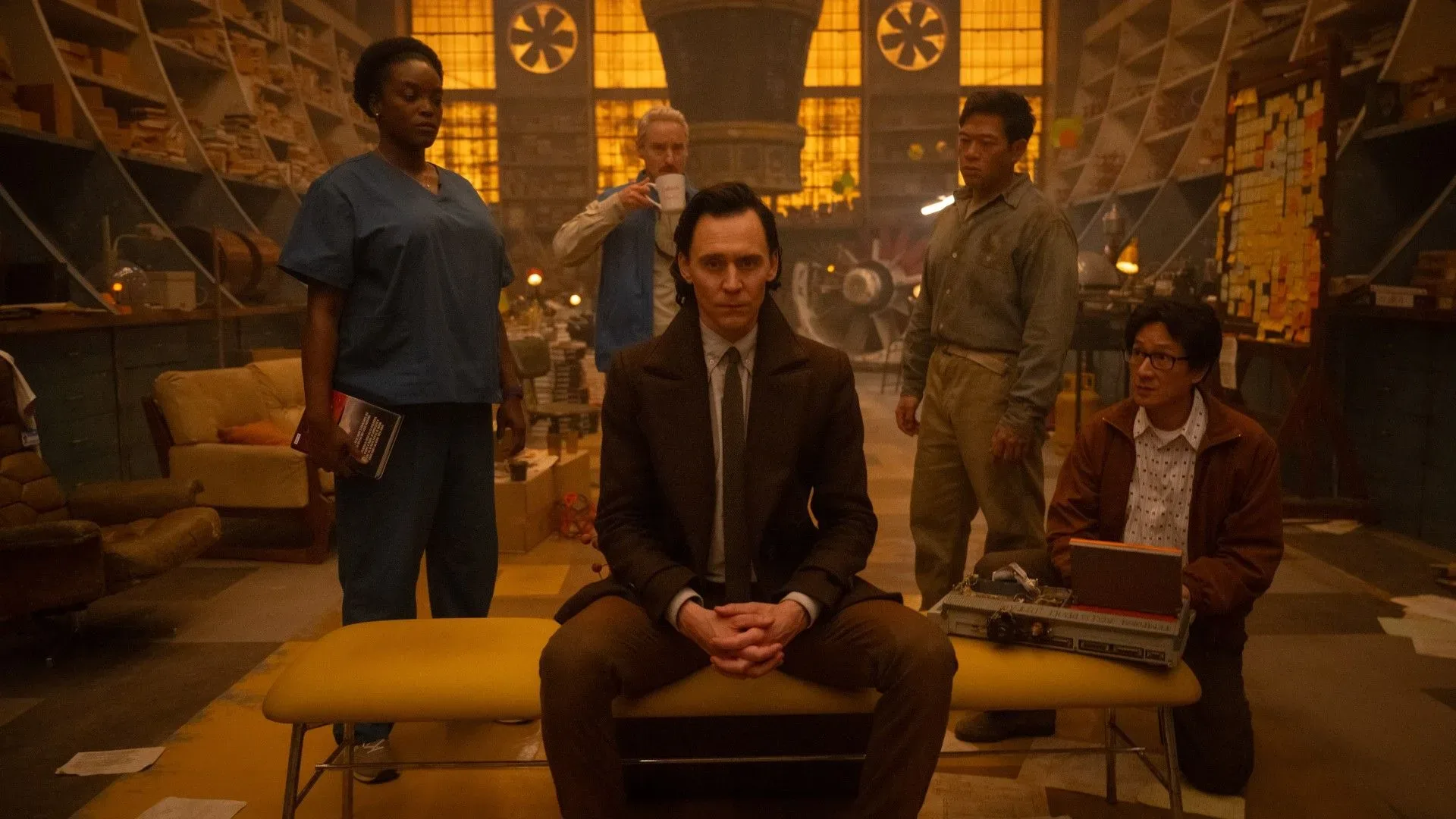
That cross-platform rhythm has become central to following the MCU. Films are still the destination for Avengers-scale stories, while Disney Plus provides another place for ongoing character narratives. Viewers who want to keep track of broader Marvel developments can also follow reports surrounding the franchise’s continuity mechanics, including recent TVA set-photo details involving Loki and incursions.
What is known—and what remains speculation
There is enough information to identify the near-term Marvel schedule and the scale of the next Avengers film. But some of the most consequential questions remain unanswered. Marvel has not laid out the post-Doomsday movie slate in these remarks, nor has it explained how every listed hero or team fits into the crossover.
- Confirmed: Feige says Marvel intends to keep making MCU movies after its 39th film.
- Confirmed: Avengers: Doomsday arrives December 18.
- Confirmed: The film is being described as a crossover involving the Fox-era X-Men, Fantastic Four, Thunderbolts, Thor, Captain America, and Robert Downey Jr.’s Iron Man.
- Confirmed: Avengers: Endgame Encore is playing in theaters with bonus scenes that set up Doomsday.
- Confirmed: VisionQuest arrives on Disney Plus October 14.
- Not established: The full plot, each character’s role, the meaning of Russo’s teased ending, or the complete slate of films after Doomsday.
For now, the clearest message is one of forward motion. Marvel is using an Endgame return to theaters, a new Disney Plus series, and an exceptionally crowded Avengers crossover to define the next phase of attention. Feige’s remarks make clear that the company views those projects as chapters in an ongoing MCU story—not a farewell tour.