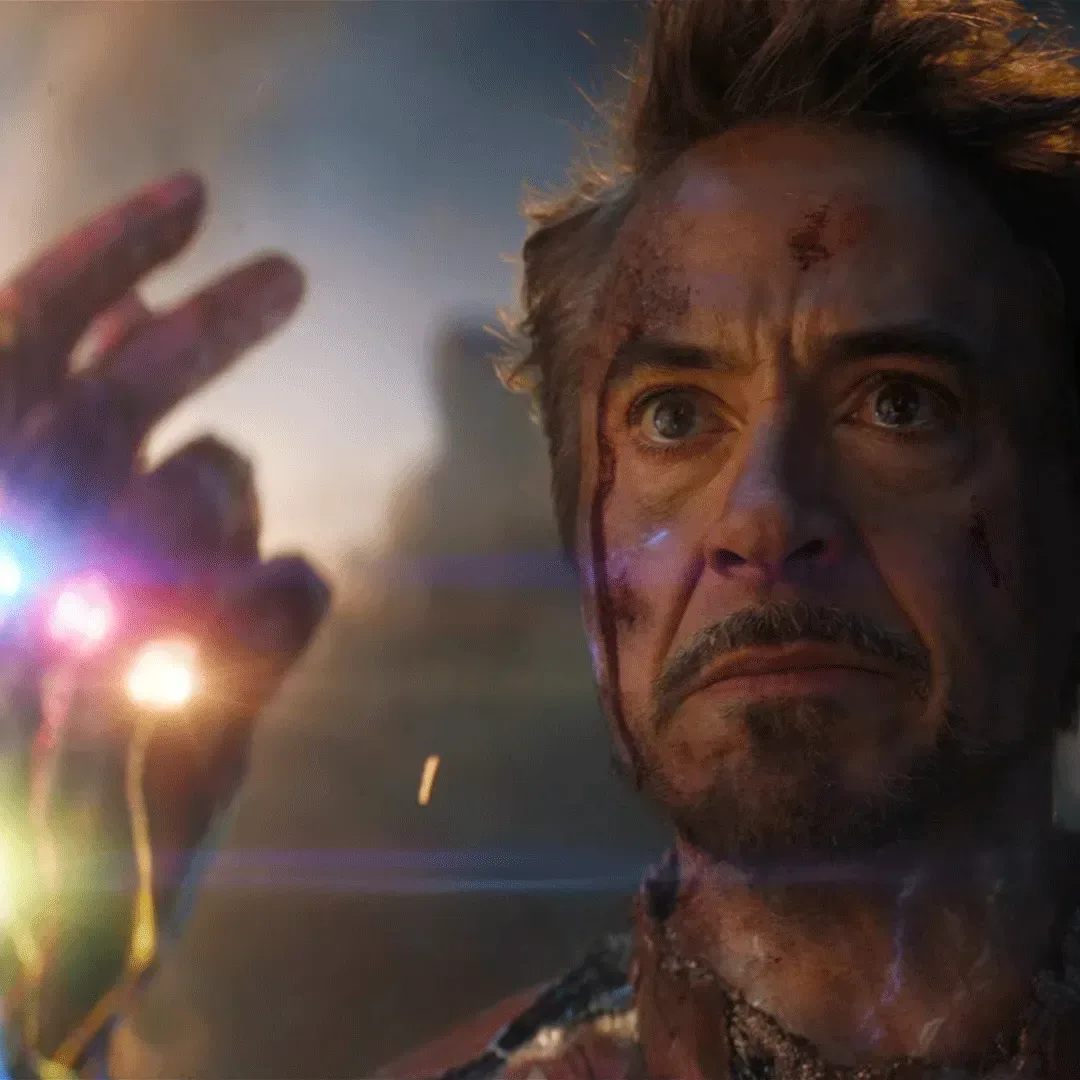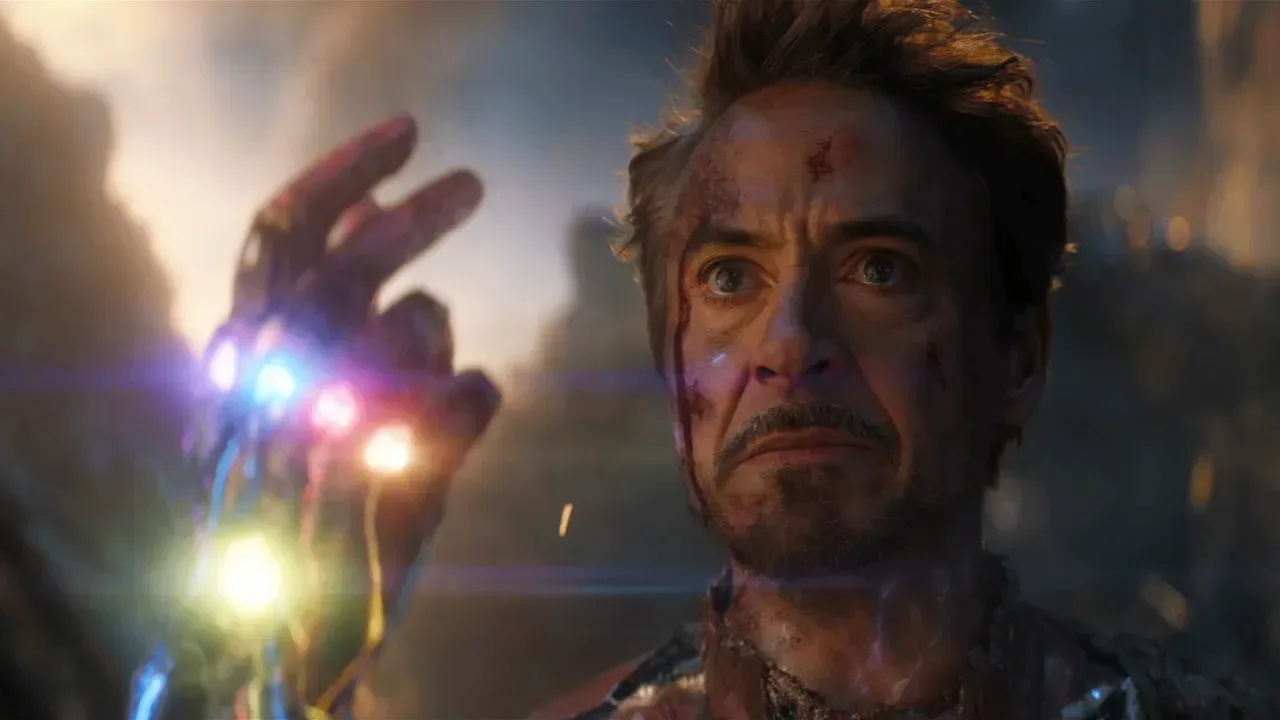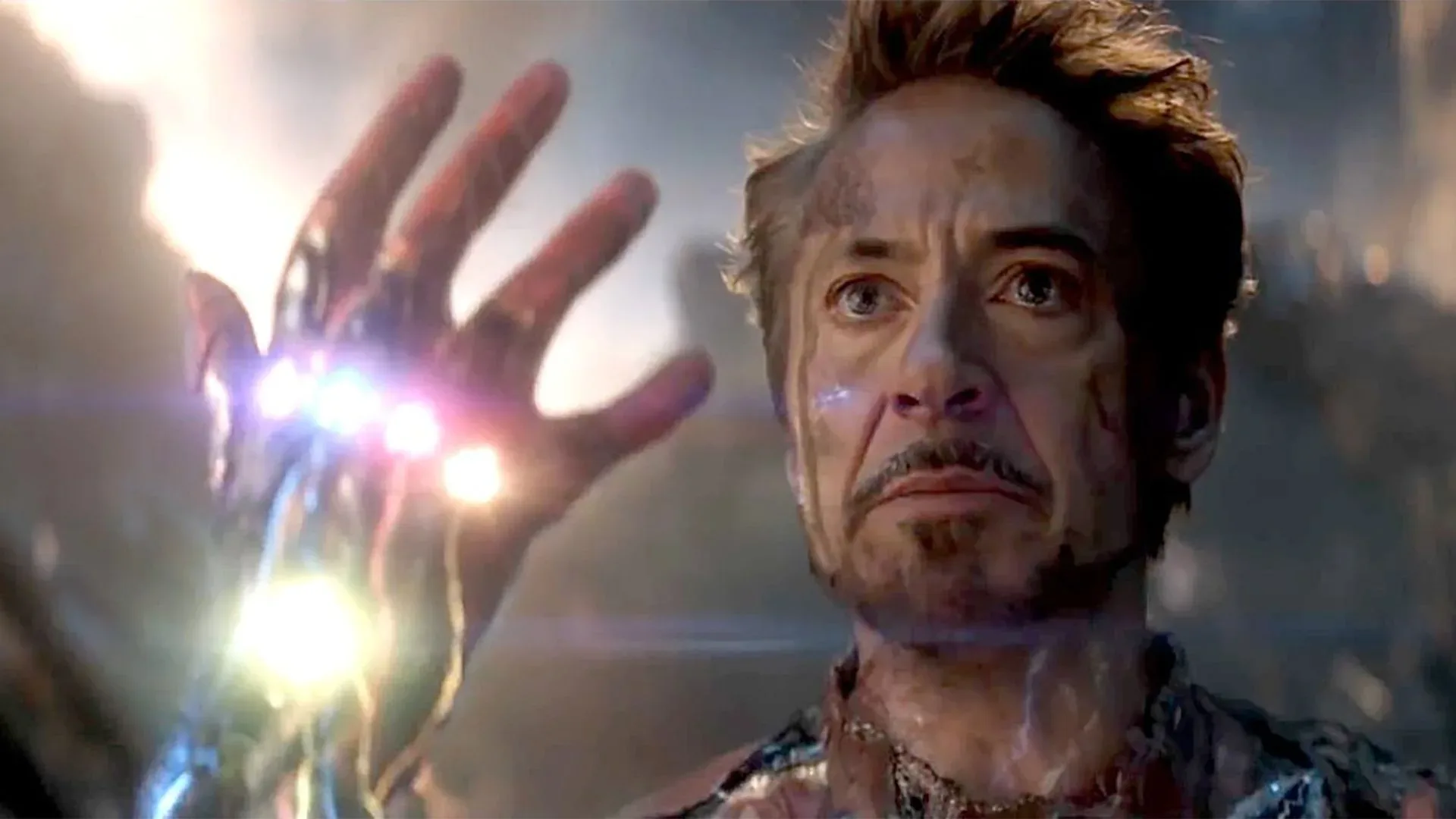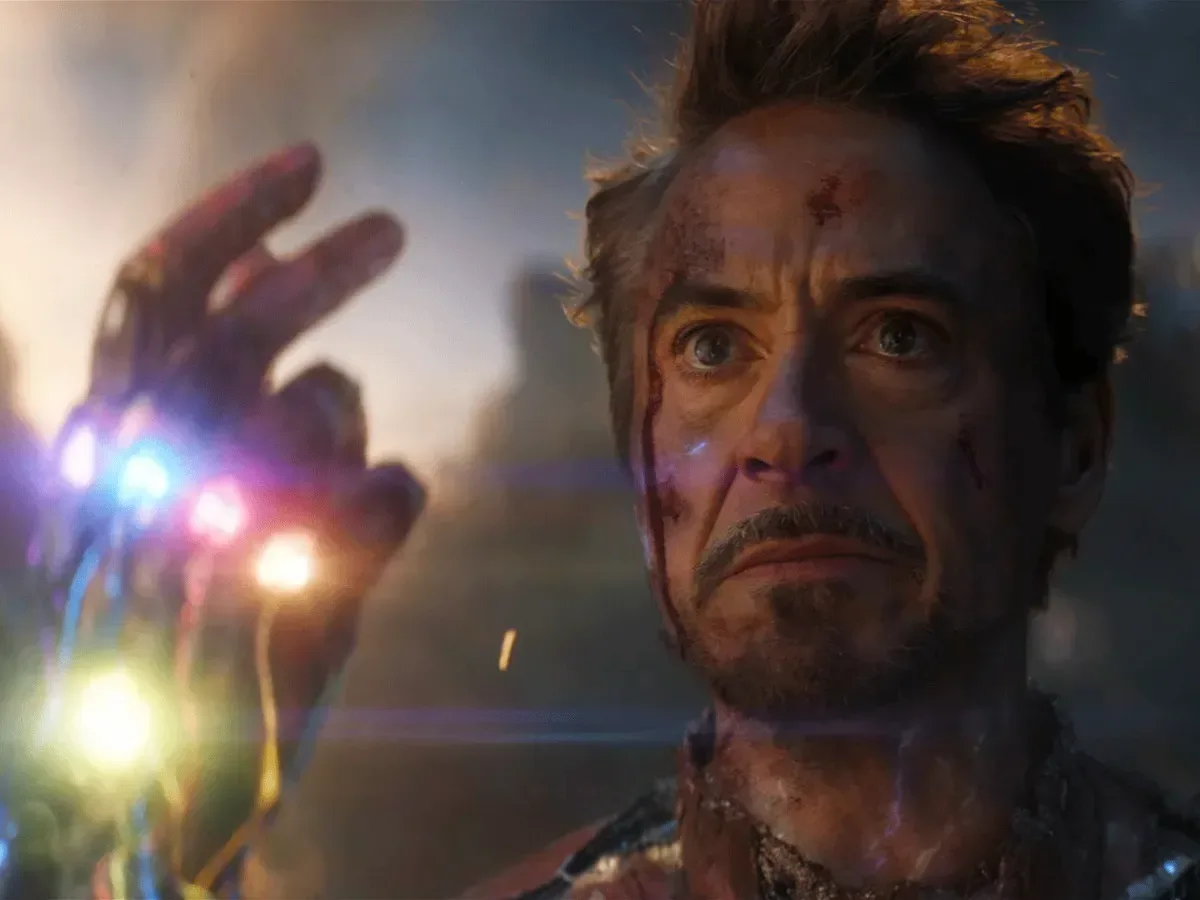
Avengers: Endgame Encore has opened to an estimated $86 million worldwide, a striking result for a theatrical return built around a film audiences first saw in 2019. The re-release took in $26 million domestically and $60 million internationally, placing it at the top of the global box-office charts for the weekend.
That performance is about more than nostalgia for the closing chapter of Marvel’s Infinity Saga. The Encore edition includes several minutes of new material intended to connect directly to Avengers: Doomsday, the superhero crossover scheduled for December. Joe Russo has described the added clips as critical to the next film’s story, turning this re-release into something closer to a franchise checkpoint than a standard repeat screening.
The marketing logic is blunt, but evidently effective: give viewers an opportunity to revisit one of the era’s defining blockbuster events, preserve almost all of its original impact, and add story material that makes an immediate sequel-viewing question hang over the credits. Marvel has effectively made the old homework optional in theory and tantalizing in practice.
What is actually new in Endgame Encore?
Endgame Encore is mostly the same movie that arrived in 2019. Its central story remains intact apart from one scene, with the new footage supplying the most direct reason for established MCU followers to return. That distinction matters. This is not presented as a wholesale recut, a replacement edition, or a new entry with an entirely different story. It is principally the familiar Endgame, supplemented with material designed to point ahead to Avengers: Doomsday.
For viewers deciding whether a second—or later—trip is worthwhile, the practical expectation should therefore be clear: the value proposition is a theatrical revisit plus a small amount of plot-relevant expansion, not an alternate version of the entire Infinity Saga finale. Fans wanting the new connective tissue are the obvious audience. So are moviegoers who simply want to experience the big crowd moments again with an audience that already knows the punchlines, reveals, losses, and cheers.
That latter appeal should not be dismissed. Avengers: Endgame was designed as the culmination of a long-running shared-universe story, bringing the conflict with Thanos and the Infinity Stones to a climax. Its scale depended on accumulated character history, and its theatrical presentation became part of its cultural identity. A re-release can recreate some of that communal atmosphere even when the broad beats are no longer a surprise.
There is also a new pre-movie opener featuring a star-studded request for audiences to silence their phones. It is a small addition rather than the central selling point, but it fits the event-screening approach: the Encore run is asking fans not only to see a film, but to re-enter a specific kind of blockbuster ritual.
Why the box office number stands out
An estimated $86 million worldwide opening is substantial on its own. It is even more notable given that the underlying film is seven years old and has already had a prior theatrical re-release, which arrived later in 2019. Disney has characterized Encore as the second-highest debut for a re-release, behind only Titanic 3D from 2012.
“Re-release” is the important term here. It refers to a movie returning to cinemas after its initial theatrical run, often with a remaster, format change, anniversary hook, added scenes, or some combination of those elements. The Encore strategy adds another use for that model: franchise preparation. Rather than merely asking audiences to celebrate a previous hit, the new footage gives the earlier film a stated connection to an upcoming one.
The domestic-international split is equally telling. The $60 million earned outside the domestic market represents the larger share of the $86 million global start, while the $26 million domestic figure remains a very large opening for a revisit. Together, the numbers show broad demand rather than a narrowly local nostalgia surge.
With Encore included, Avengers: Endgame has reached a reported $2.885 billion worldwide total. The 2019 release had already established itself as one of the largest theatrical successes ever, and the latest run adds another chapter to that unusually durable box-office story. Some of its records have remained in place for years, although Spider-Man: Brand New Day surpassed some of them last month.
The Doomsday factor is doing real work
The critical detail is timing. Avengers: Doomsday is due in December, and the franchise’s returning faces are expected to include Robert Downey Jr., Chris Evans, Chris Hemsworth, and others. In that setting, Endgame Encore does not need to persuade everybody that its 2019 story was incomplete. It only needs to make a meaningful portion of the audience feel that seeing the added footage now will improve, clarify, or heighten the next major crossover.
That is a different impulse from ordinary nostalgia. Nostalgia asks audiences to revisit something they loved. A direct narrative bridge adds anticipation and a fear of missing context. Neither response is automatically stronger than the other, but together they create a much clearer reason to buy another ticket than a simple anniversary presentation might provide.
There has been debate over whether a few extra minutes can justify the cost of admission. The opening result does not settle that subjective question for every viewer, but it does show that plenty of ticket buyers found the combination compelling. In box-office terms, interest in the clips, the return of a huge theatrical favorite, and the approaching Doomsday launch have converged at the right moment.
It also gives Marvel a useful reminder: event cinema can still be revived through context. A known title is not necessarily a spent title when an upcoming installment changes the audience’s relationship to it. The old film becomes newly relevant without ceasing to be old. For a serialized universe, that can be a powerful asset—provided the promised connection feels meaningful when the next film arrives.
What it means for viewers and the wider MCU conversation
For casual viewers, the choice is straightforward. Anyone who wants a large-screen return to Endgame can treat Encore as a chance to revisit its original emotional peaks. Anyone primarily interested in Avengers: Doomsday should understand that the altered material is limited in duration, though it has been positioned as important to the forthcoming plot.
For more committed MCU followers, the appeal is likely more layered. Endgame is not just another entry in the series; it is a reference point for character arcs, shared-universe continuity, and what an Avengers-scale crossover can look like when a long buildup pays off. Returning to it before a new crossover invites comparison, expectation, and plenty of theory-building around what the fresh scenes might signal.
It also puts renewed attention on the film’s legacy, including its callbacks to earlier MCU stories. One of the reasons the original worked as a finale was its ability to make years of prior moments feel newly consequential. The Encore edition’s forward-looking additions create a mirror image of that structure: a movie once understood as an ending is now being used to lead into another beginning.
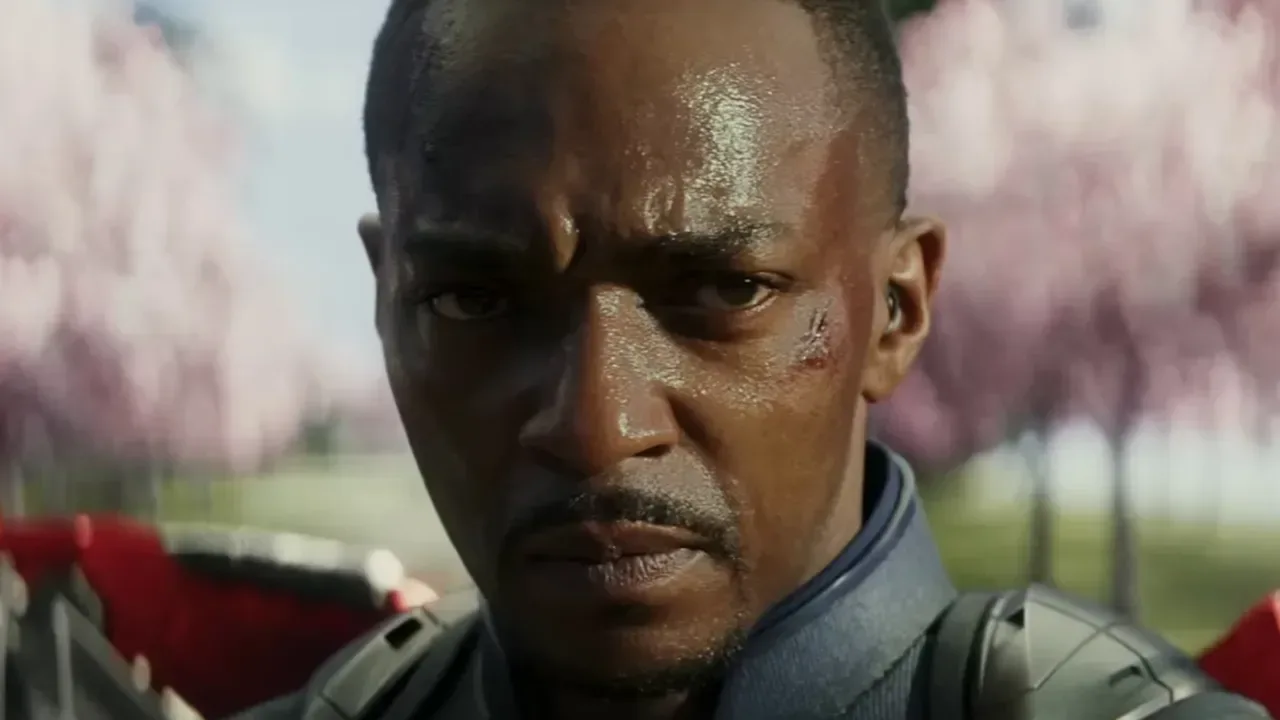
Readers looking to revisit one of the film’s pivotal legacy moments can also see how the Captain America handoff continues to resonate in this account of Chris Evans sharing the shield-passing scene with Anthony Mackie.
A busy weekend beyond Marvel
The weekend was not exclusively an Avengers story. Zach Cregger’s Resident Evil, adapted from Capcom’s game series, added $23 million domestically and $27 million internationally in its second weekend. Its reported two-weekend total now stands at $196.5 million against a reported $75 million budget. The film has also been described as the highest-rated video-game adaptation of all time, despite facing skepticism from some fans.
Heart of the Beast, the Brad Pitt-led survival movie, opened with $50.1 million globally. Meanwhile, Primetime, directed by Lance Oppenheim and starring Robert Pattinson, earned $19.2 million domestically.
Still, the major headline is the extraordinary pull of a return engagement. Avengers: Endgame Encore has converted a short stretch of new story footage into an estimated $86 million global opening and pushed its lifetime total to $2.885 billion. Whether the added scenes prove as essential to Avengers: Doomsday as promised remains a question for December. For now, the audience response has made one thing unmistakable: the Endgame is still very good at starting another event.