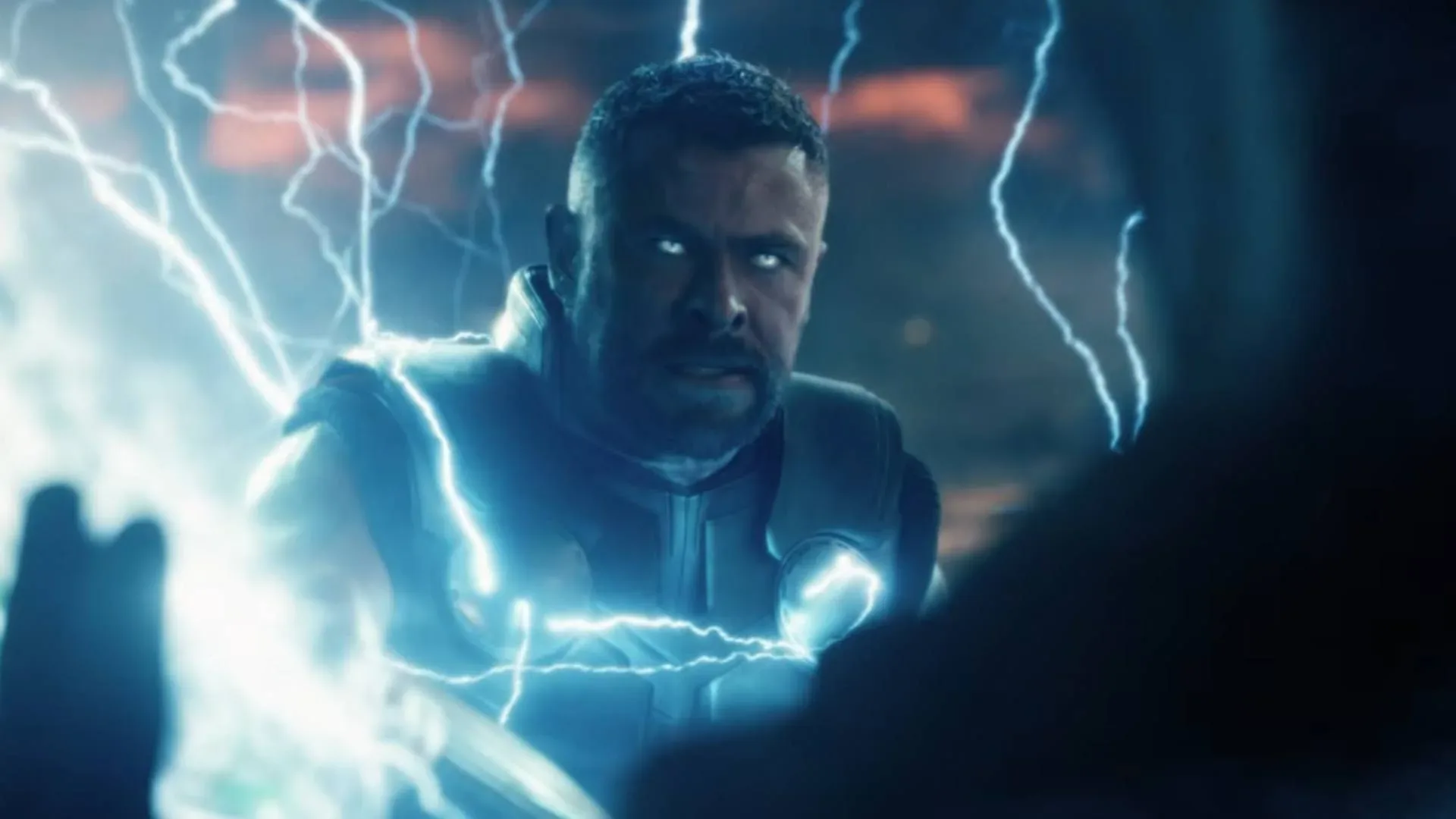
Avengers: Doomsday has received a Korean poster that shifts the emphasis from a standard superhero roll call to the catastrophe its title promises. A large lineup of returning Marvel characters stands beneath a masked Doctor Doom, while the image’s background appears to depict two worlds crashing together. That visual is significant because it gives the MCU’s long-running “incursion” concept its clearest promotional expression yet.
The poster appears to assemble a central group including Gambit, Loki, Steve Rogers, Captain America, Shuri, Professor X, Bucky Barnes, Thor, Cyclops, Mister Fantastic and Yelena. Doctor Doom looms above them, masked and separated from the heroes by both scale and composition. It is a familiar piece of blockbuster poster grammar—villain high, heroes gathered below—but the apparent planetary collision adds a danger that cannot be solved merely by assembling a team for one more fight.
That is the key distinction suggested by the artwork. The heroes are not simply confronting an opponent; they may be facing the destruction of the worlds that make their stories possible. The poster does not explain how the disaster begins, who is responsible or how it can be stopped. It does, however, make an abstract multiverse risk look immediate and physical.
What an incursion means in this context
An incursion, in the MCU’s multiverse storytelling, is a collision or convergence between realities. It is more consequential than a character travelling from one universe to another: the threat is to the timelines or worlds themselves. The poster’s image of two worlds meeting appears designed to translate that idea into a single, legible visual.
The concept has been seeded before. In the post-credits scene of Doctor Strange in the Multiverse of Madness, Clea warns Doctor Strange about an incursion that needs to be addressed. The TVA, meanwhile, has been tied to protecting timelines from collapse. More recently, bonus footage connected to Avengers: Endgame Encore teased the TVA’s response to a multiversal breakdown.
Those earlier moments established the vocabulary and institutional stakes. The new poster appears to go further by presenting the consequence: entire worlds headed toward convergence. That does not make every prior hint a complete explanation of Doomsday, and the promotional material leaves major questions unresolved. Still, the image gives audiences a much clearer sense of the scale involved.
The TVA’s problem is no longer theoretical
The TVA is important here because its purpose has been associated with safeguarding timelines. If the threat in Doomsday is a catastrophic collapse rather than a contained anomaly, the organization’s mission becomes part of the story’s pressure point. A timeline-management agency can sound bureaucratic on paper; a backdrop of colliding worlds makes the stakes considerably less administrative.
Director Joe Russo has characterized the incoming incursions as the most profound event yet faced by the MCU, describing them as a perceived end of times. He also framed the crisis as a failure on a vast scale: the TVA was created to prevent timelines from collapsing, and the timelines are now in catastrophic collapse.
“It is the perceived end of times. Everything the TVA was set up to do is to protect the timelines from collapsing, and now they’re in a catastrophic collapse.” — Joe Russo
That description helps explain why the poster’s composition puts the disaster on equal footing with its cast. Doctor Doom may be the prominent antagonist, but the convergence itself looks like a second enemy—one that cannot necessarily be punched, tricked or imprisoned in the conventional Marvel fashion.
A crossover roster with a potential multiversal cost
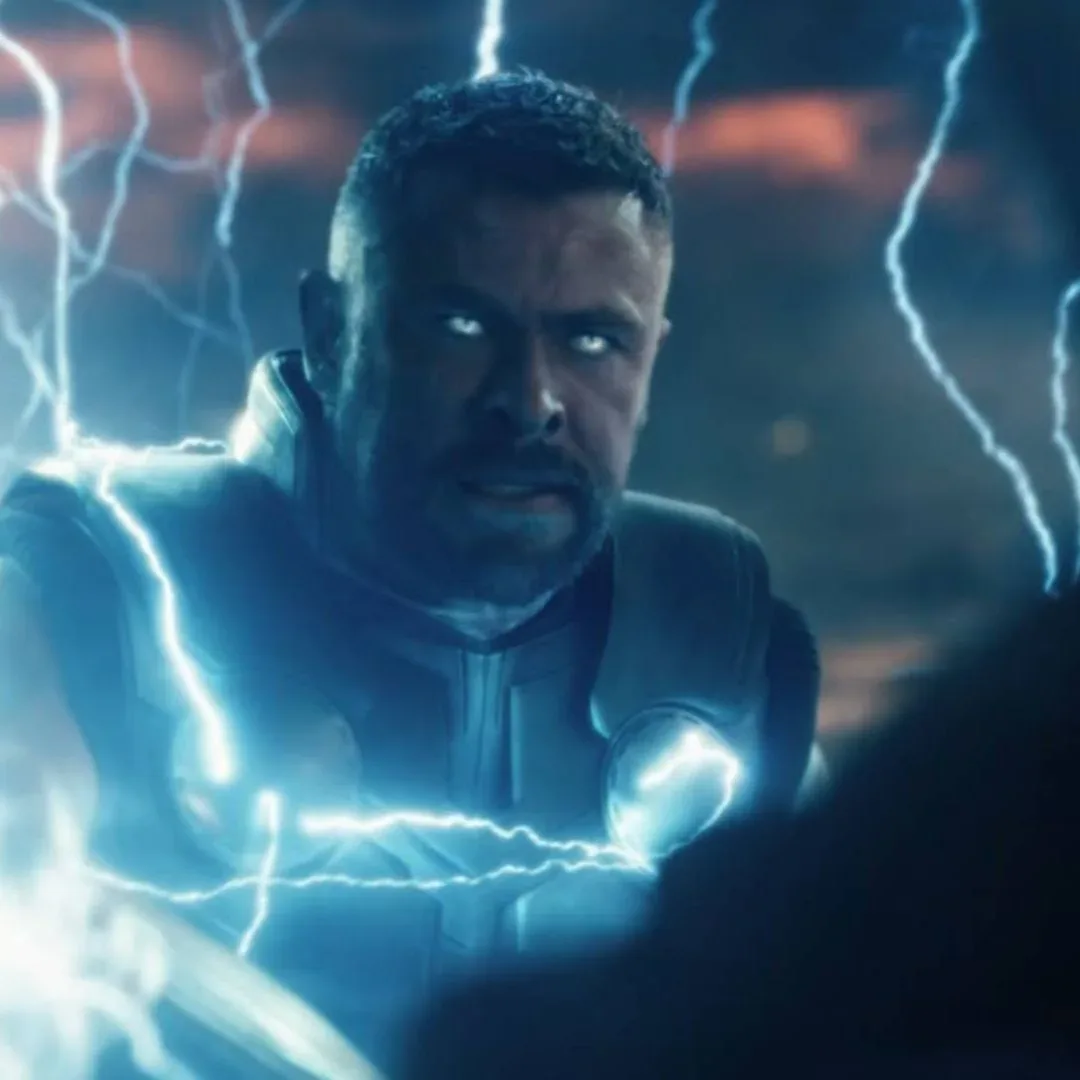
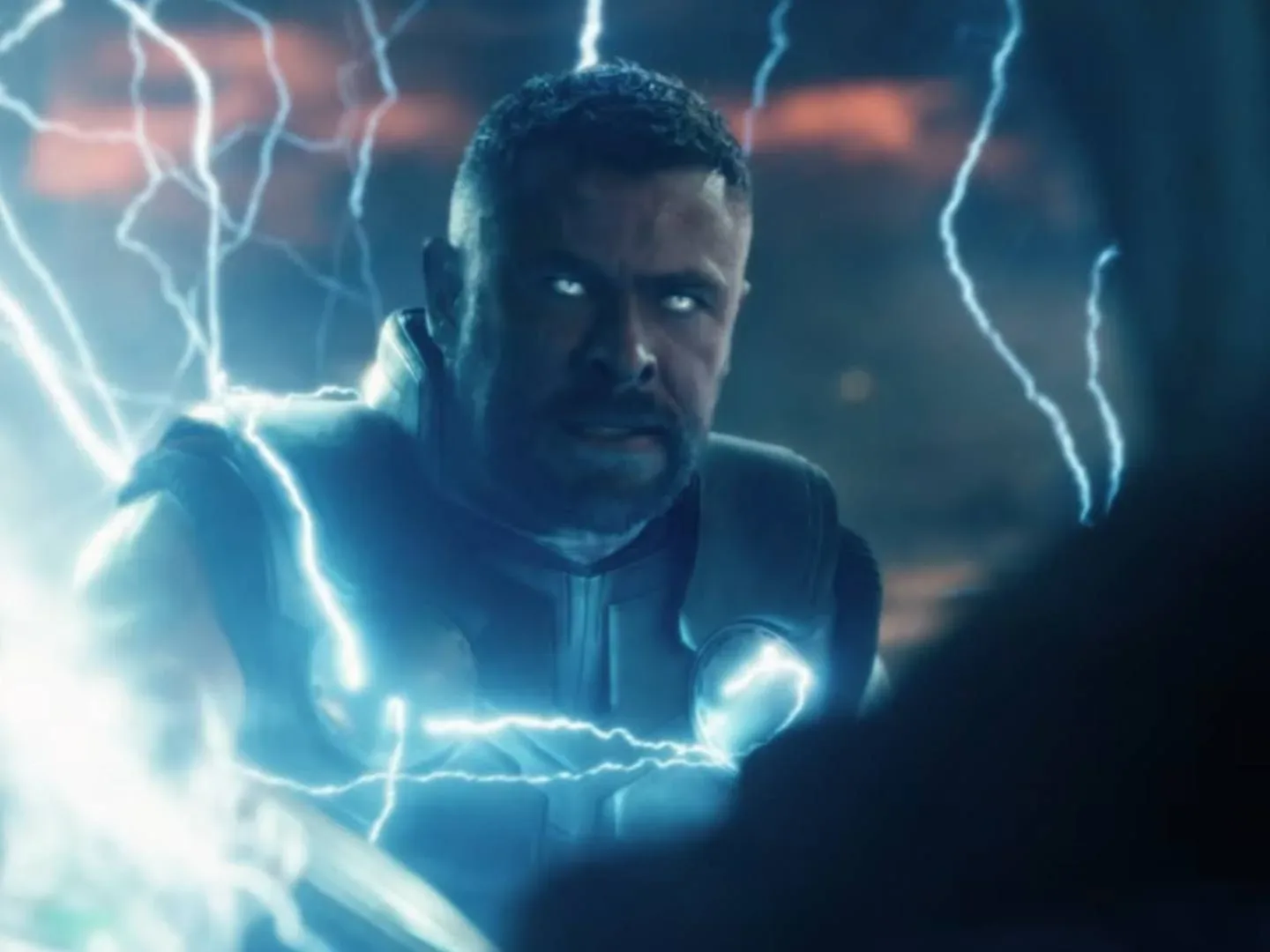
The character selection is as notable as the collision in the background. Gambit, Professor X and Cyclops immediately connect the film’s imagery to the X-Men side of Marvel’s screen history, while Loki’s presence carries obvious TVA associations. Mister Fantastic brings another major Marvel team into the mix. Steve Rogers, Captain America, Bucky Barnes, Thor, Shuri and Yelena represent different corners of the established MCU.
It is a deliberately broad collection of protagonists and allies, but viewers should be cautious about treating a poster as a full plot map. Promotional art can spotlight characters without spelling out their exact roles, allegiances or screentime. The image establishes that these figures are important enough to stand at the center of the campaign. It does not tell us which of them travel between universes, which world is most endangered, or whether the group begins the story as a united team.
One especially consequential reading concerns the universe commonly designated Earth-10005, associated with the Fox-era X-Men continuity. The poster appears to suggest that this reality could be among the worlds exposed to the convergence. That is an inference from the imagery and the identities of the characters presented, not a complete confirmation of the film’s mechanics. The precise cause of the crisis remains unknown.
That uncertainty matters. A multiverse story can use familiar faces as nostalgia, as parallel counterparts, as allies from another reality, or as evidence that one world’s destruction can affect another. The poster supports the idea that the film will put those possibilities under unusually high pressure, but it does not settle which answer applies to each character.
Doctor Doom’s place in the image
Doctor Doom’s mask makes him the visual center of authority in the poster, even as the apparent incursion dominates the landscape behind the heroes. The design therefore connects the villain to the event without explicitly establishing the nature of that connection. He may be the architect of the danger, an opportunist exploiting it, an adversary pursuing a separate objective amid the chaos, or some combination of those roles. The available material does not say.
That restraint is useful for a film with this many moving parts. If the campaign showed every answer, the central image would lose its purpose. Instead, it asks a simple question: when worlds collide, what does a villain standing above the surviving heroes intend to do? The poster’s answer is visual rather than narrative. Doom is watching. The heroes are grouped below. The worlds are coming together.
For fans, that also means the most reasonable expectation is not a specific theory but a particular kind of conflict. Doomsday appears positioned as a story where personal rivalries, team dynamics and the fate of separate Marvel realities are likely to meet. The scale of the image suggests that preserving any one world may require choices that affect another.
Why the poster is a meaningful marketing reveal
Trailers have largely kept the incursion concept obscured or abstracted. A poster cannot provide the movement, dialogue or rules of a trailer, but it can clarify the image at the heart of the campaign. Two worlds visibly colliding is much easier to grasp than a warning about unstable timelines.
It also provides a useful framing device for viewers who have followed different parts of the MCU at different times. Someone most familiar with the Avengers can recognize Thor, Steve Rogers, Shuri, Bucky and Yelena. Someone drawn in by multiverse-focused stories can follow Loki and the TVA implications. X-Men fans can focus on Gambit, Professor X and Cyclops. The artwork places all of those interests under one looming question: what happens when the boundaries separating their worlds stop holding?
That is more informative than merely revealing another costume or another hero pose. It indicates the type of threat the movie wants audiences to anticipate. The term “Doomsday” is no longer just a dramatic label attached to an Avengers title; the poster depicts an event that could earn it.
What remains unknown before release
Despite the additional clarity, the poster leaves the decisive details open:
- What triggers the apparent incursion.
- Whether Doctor Doom causes, controls or exploits the convergence.
- Which realities are directly involved and whether Earth-10005 is among those at greatest risk.
- How the TVA responds when the collapse exceeds its ability to contain it.
- What the listed heroes must sacrifice or accomplish to stop the event.
Those gaps are not shortcomings of the poster; they are the plot questions it is built to raise. The campaign has now supplied a more concrete image of the multiversal emergency while withholding the rules, the culprit and the solution.
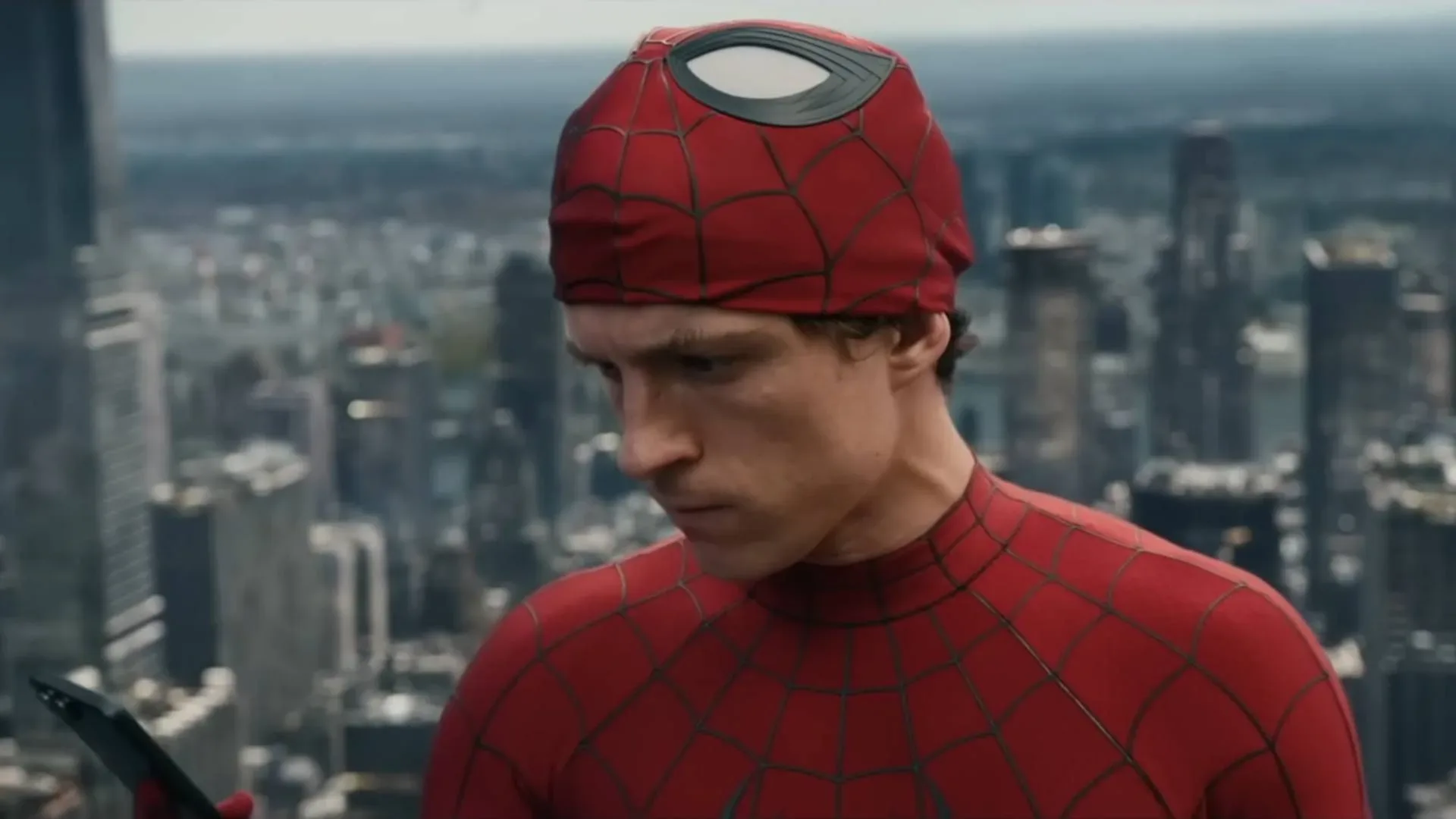
For broader context on Russo’s recent comments around Marvel’s leading figures, see Joe Russo’s remarks on Tom Holland and movie stardom.
Avengers: Doomsday is scheduled to reach cinemas on December 18, with a December 16 arrival in some regions. Until then, the Korean poster’s biggest contribution is a blunt one: the heroes may be numerous, but the thing they are trying to prevent is even bigger.