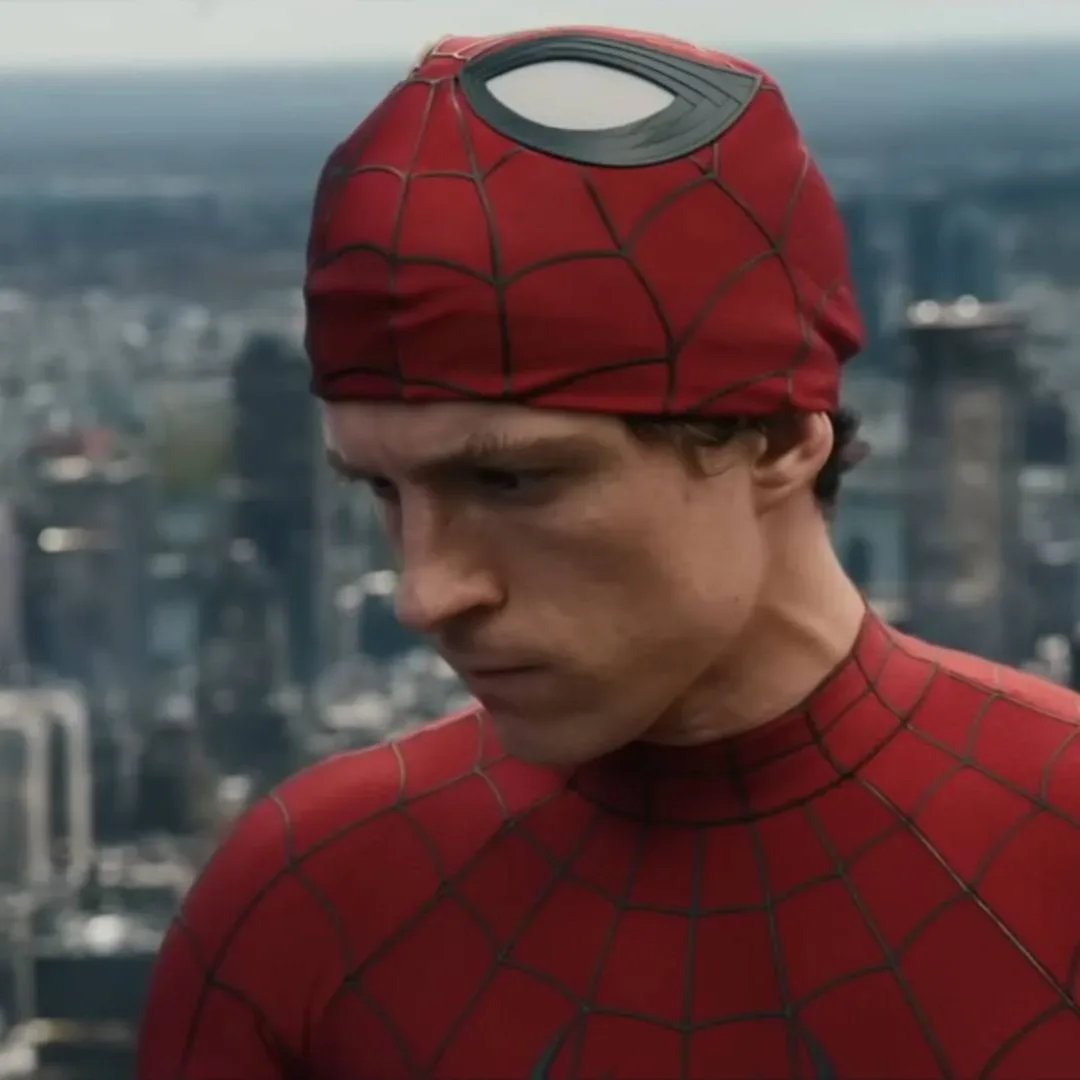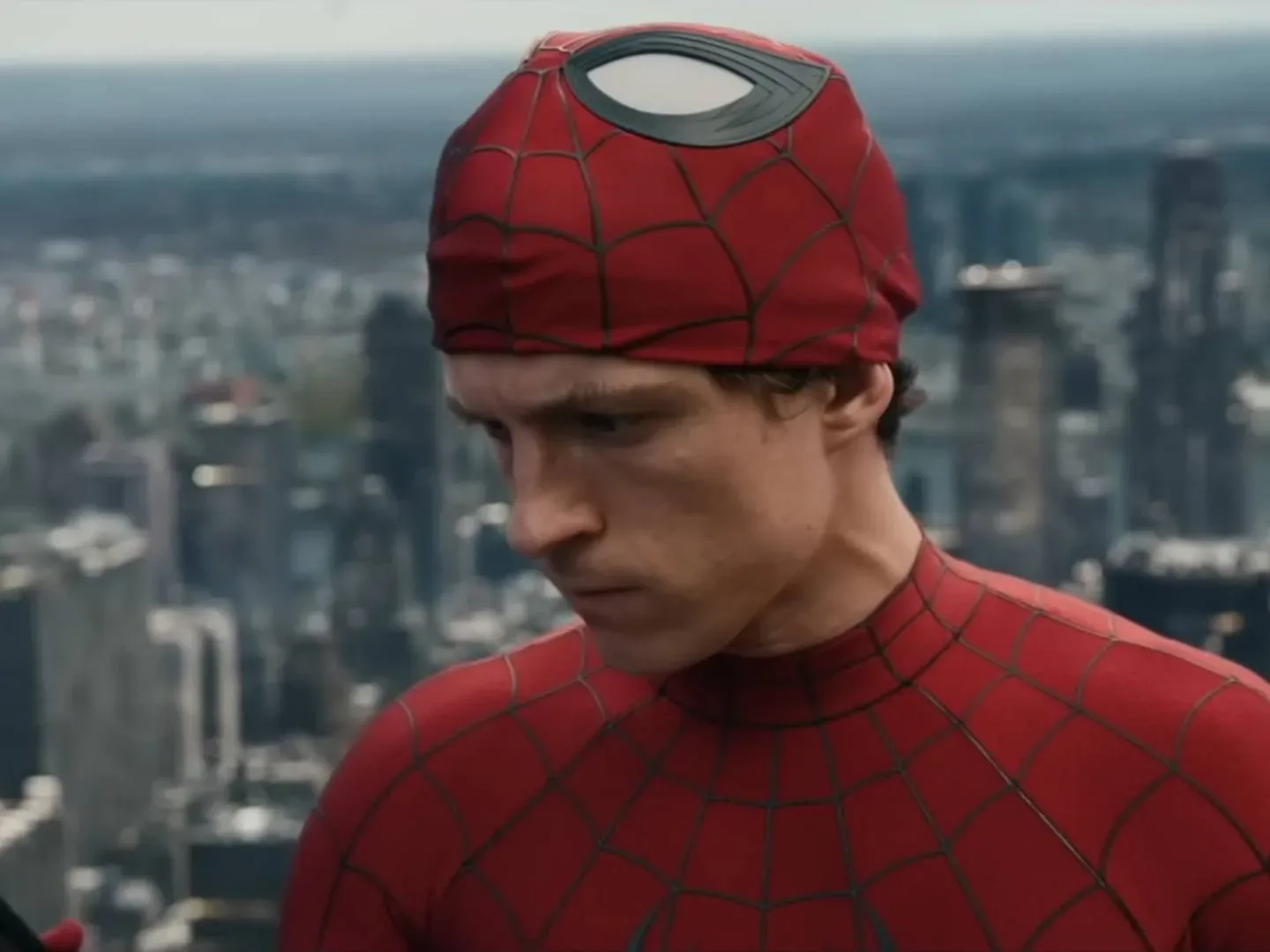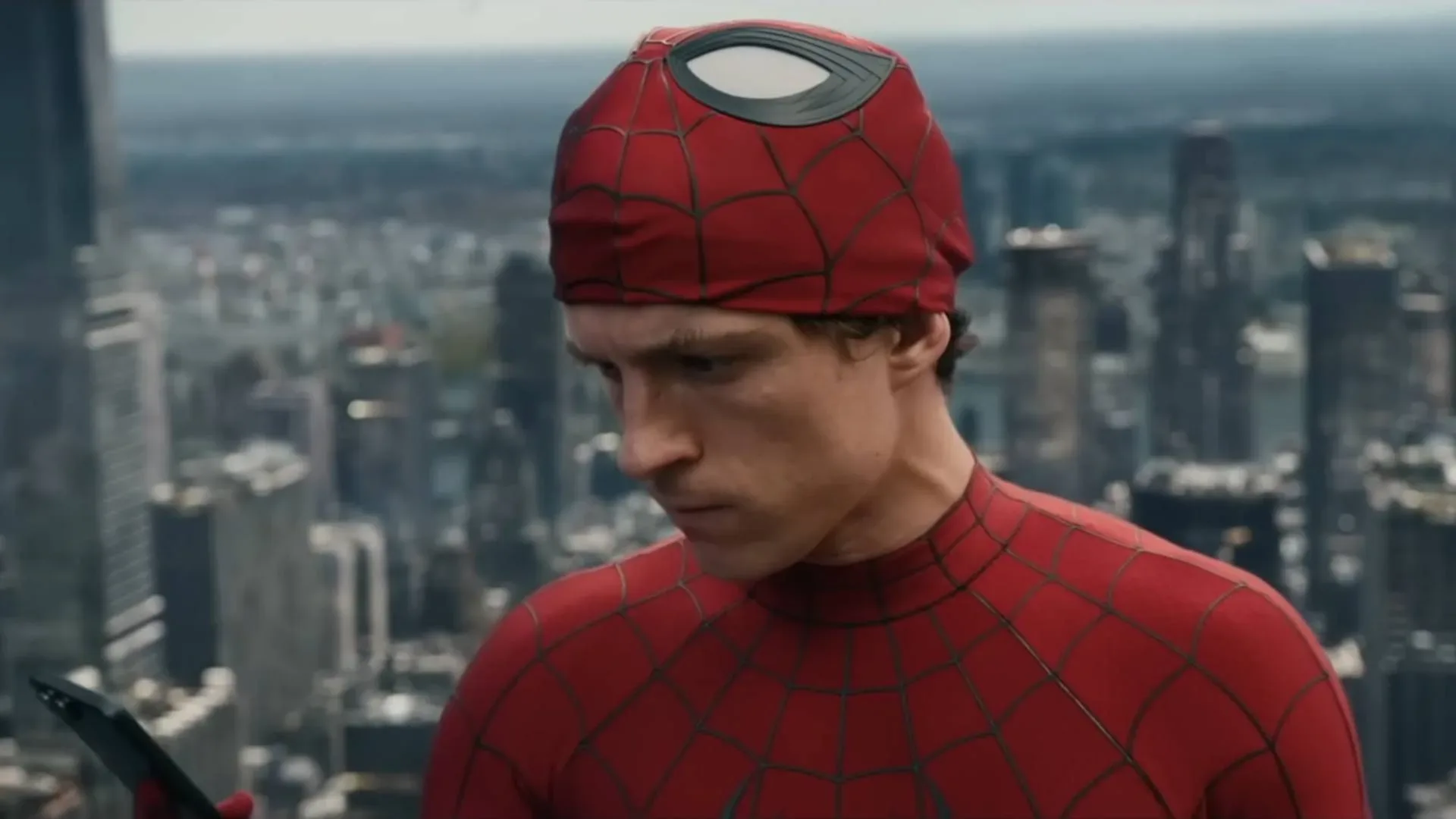
Joe Russo has offered an emphatic assessment of Tom Holland’s appeal following the financial success of Spider-Man: Brand New Day, arguing that the actor possesses a rare kind of screen presence. Russo singled out Holland’s charm, warmth and authenticity, then went further: “We’ve said this before, he’s the last great movie star.”
It is deliberately big language, especially in an industry where major franchises, familiar characters and worldwide marketing campaigns can carry as much attention as any individual performer. But Russo’s point is not simply that Holland stars in popular films. His argument is that Holland has a personal, audience-facing quality that carries across performances and makes his version of Spider-Man feel unusually direct.
“There is a charm and a genuineness and a warmth to him that really resonates with audiences,” Russo said. “And he’s so authentic as a person and his performances are so authentic, and he really embodies that character in a way that’s straight off the page of the comics.”
What Russo means by movie-star quality
“Movie star” is an imprecise term, and Russo’s comments frame it less as a measure of fame than as a particular connection with viewers. He describes Holland as someone who “translates” in a way very few actors have. In this context, that means an actor’s personality and performance register clearly with broad audiences: the qualities audiences perceive onscreen feel immediate rather than distant or manufactured.
Russo identifies three connected elements: charm, genuineness and warmth. Charm can make a performer watchable; warmth can make them approachable; and perceived genuineness can make the performance feel emotionally credible. For a character such as Peter Parker, those traits matter. Spider-Man must function as a superhero in spectacular situations, but the character’s appeal also rests on recognizably human anxiety, vulnerability, humor and responsibility.
Russo also emphasizes that Holland “embodies” Spider-Man in a way that feels faithful to the comics. That is not a claim about copying one specific comic-book version panel for panel. Instead, it speaks to character recognition: audiences familiar with Spider-Man can see traits they associate with the hero in Holland’s performance. The praise positions the actor as a performer who helps make a longstanding fictional character feel natural on screen.
The director’s use of the phrase “vintage quality” adds another layer. Russo says Holland has an energy from “a time that doesn’t exist now.” That does not mean modern performers lack talent—Russo explicitly says there are many great movie stars—but it suggests he sees Holland as possessing an older-fashioned form of screen magnetism: a quality that makes an audience want to follow the performer, not only the property around him.
A working relationship across Marvel and beyond
Russo’s admiration comes from a substantial shared history. Alongside his brother Anthony Russo, he directed Holland as Spider-Man in Captain America: Civil War, Avengers: Infinity War and Avengers: Endgame. The Russos also worked with Holland outside Marvel on Cherry.
That background makes the remarks more specific than a passing compliment about a box-office result. Russo has directed Holland in multiple ensemble films where Spider-Man interacts with established heroes, and in a non-Marvel project. His praise covers both the performer’s public connection with audiences and the authenticity he sees in Holland’s acting.
Still, “last great movie star” is a subjective judgment rather than a measurable title. The available information supports Russo’s belief that Spider-Man: Brand New Day demonstrates Holland’s star power, but it does not establish how much of that success should be assigned to Holland alone. Franchise films are collaborative productions involving a character’s existing popularity, fellow cast members, creative teams and distribution. Russo’s point is best understood as an assessment of Holland’s contribution and audience appeal, not a mathematical explanation for a film’s performance.
Spider-Man’s uncertain Avengers status
For now, Holland’s Spider-Man is not slated to appear in Avengers: Doomsday or Avengers: Secret Wars. That absence is worth stating plainly because the speculation around major shared-universe stories can easily turn a lack of confirmation into an assumed reveal. There is no confirmed appearance in either film in the information currently available.
That leaves the door open only in the broadest sense: plans can change, but audiences should not treat a possible future appearance as a promised one. The uncertainty itself is part of the current conversation around Marvel’s larger slate. In another franchise universe, development news can prompt similarly cautious fan responses, as seen in the continuing discussion around a Stargate series in development and the concerns created by an earlier project being scrapped.
Spider-Man’s potential absence would also shape the kind of Avengers story being told. Holland’s Peter Parker has been a key emotional presence in the Russo-directed Marvel films, particularly because his youth and openness contrast with older, more battle-worn heroes. But no plot inference should be made from a cast list alone. A character not currently announced is simply not currently announced.
What Russo has said about Doctor Doom
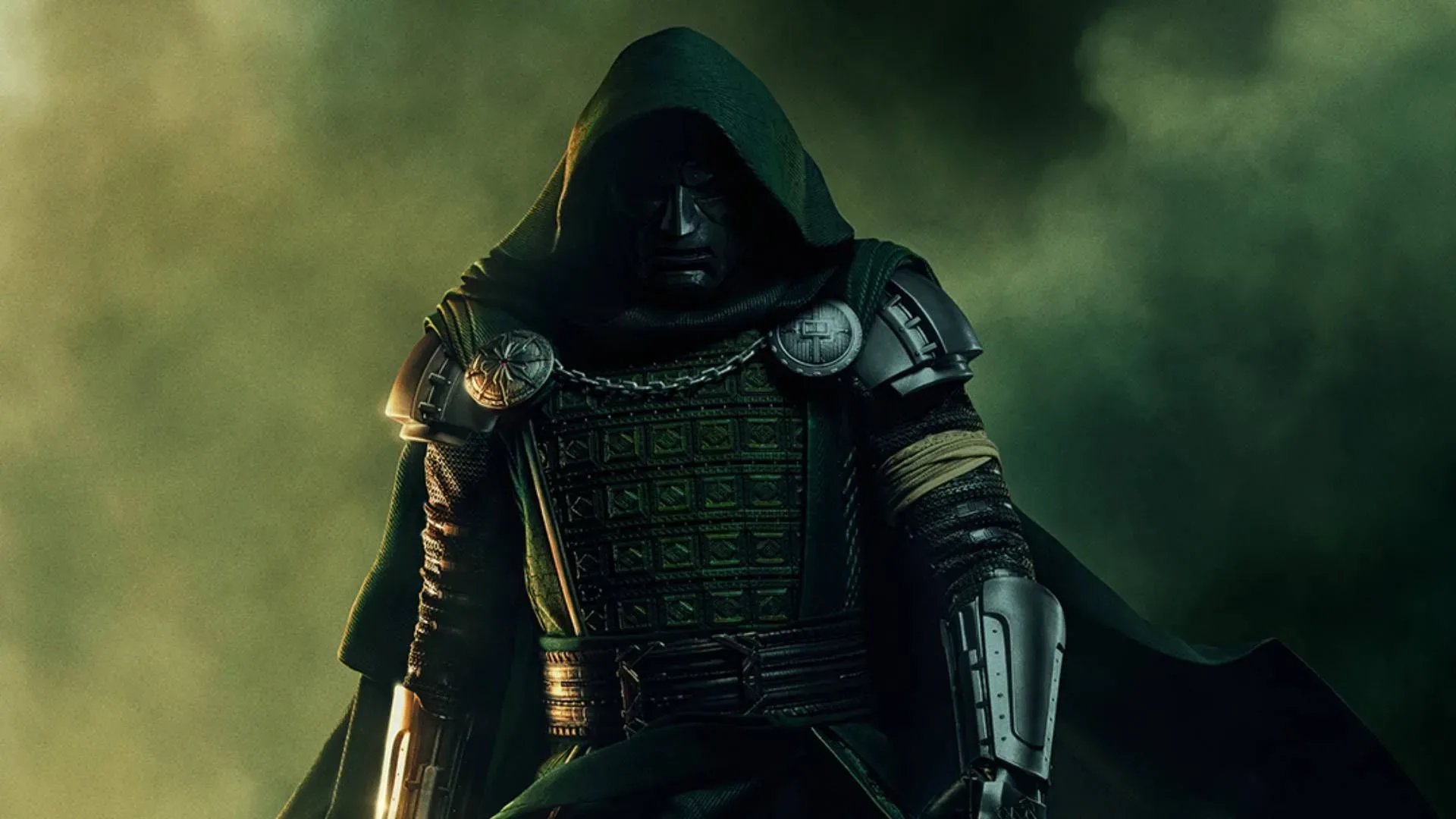
Russo has separately outlined the threat posed by Robert Downey Jr.’s Doctor Doom in Avengers: Doomsday. His description presents Doom not as an impulsive antagonist but as a patient strategist who studies opponents and ensures he enters a conflict with an advantage.
“Doom’s magic is ancient,” Russo said. “He is a very powerful character, as you can see in the trailer, and he’s a genius. He studies his foes. He understands them, and he’s also well-planned.”
The word “tactical” is important here. A tactical advantage is an edge created through planning, positioning or preparation rather than sheer force. Russo also mentions a power advantage, meaning Doom’s threat is not limited to intellect or planning. In the director’s description, the character combines ancient magic, intelligence and deliberate preparation—an opponent designed to be difficult to defeat because he tries to control the terms of any confrontation.
That characterization does not confirm which heroes Doom will face, nor does it indicate whether Spider-Man will be among them. It does establish the intended shape of the antagonist: meticulous rather than reckless, with a strategy before he steps onto the battlefield.
Why Holland remains central to the discussion
Russo’s comments ultimately put the focus back on the unusual challenge of playing Spider-Man. The role is not only about physical action or comic-book iconography. The actor has to make a globally recognizable hero feel personable enough that audiences care about the person beneath the mask. Russo believes Holland’s warmth and authenticity meet that challenge, while his comic-book fidelity helps anchor the character within a much larger Marvel world.
Avengers: Doomsday is set to arrive on December 18. Until Marvel confirms more of its cast and story, Holland’s involvement in that film or Avengers: Secret Wars remains unresolved. What is clear from Russo’s remarks is how highly he values Holland’s contribution to Spider-Man: not merely as a franchise lead, but as a performer whose connection with audiences is, in Russo’s view, increasingly rare.