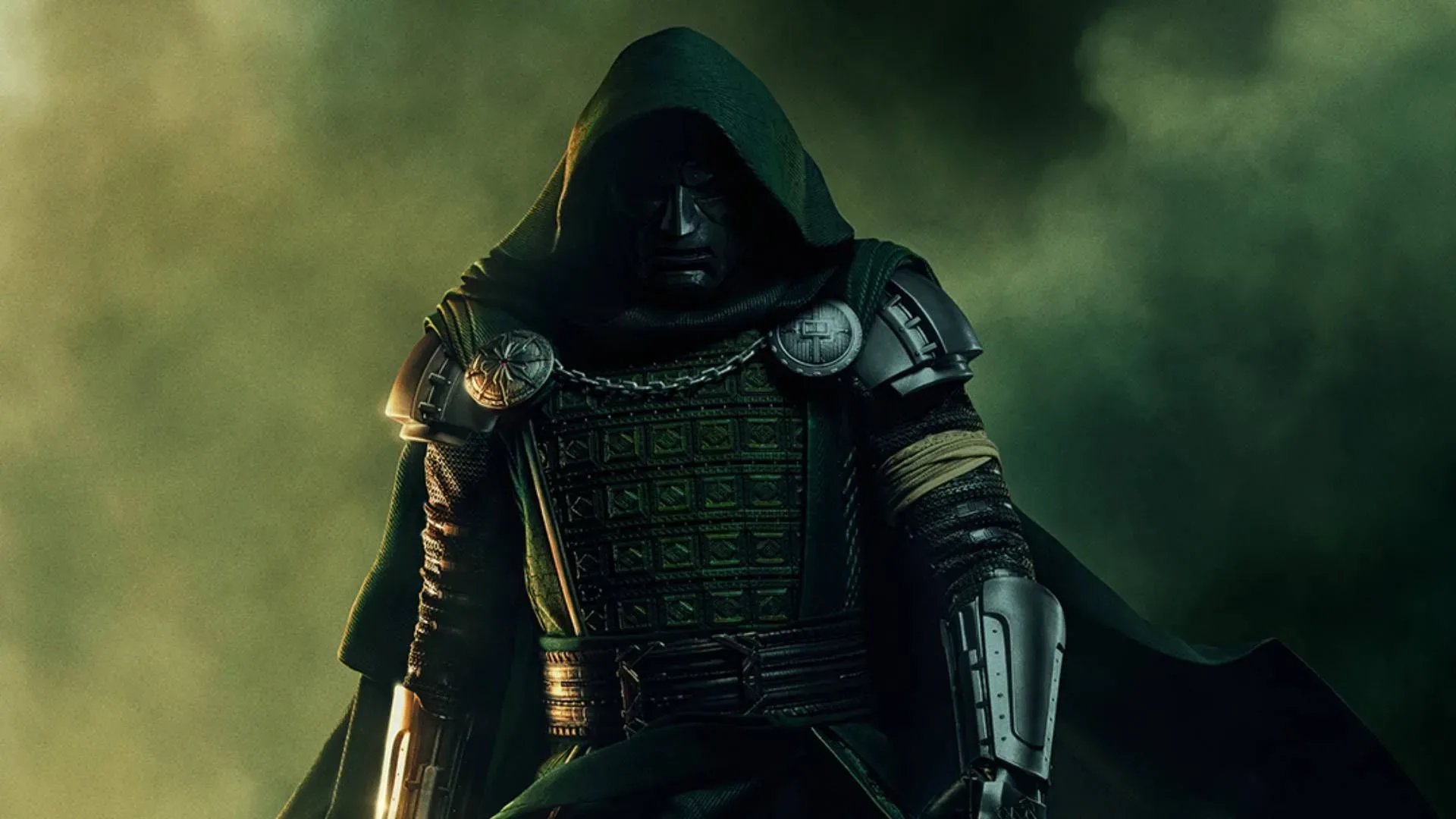
Avengers: Doomsday is still 100 days away from its planned theatrical arrival on December 18, 2026, but the next Avengers event movie is already being treated like opening weekend has started early. Figures attributed to Global Box Office place domestic U.S. advance sales above $40 million, an enormous claimed total for a movie that has not yet reached theaters.
If that figure holds, it would make Doomsday the first film reported to cross the $40 million domestic pre-sale threshold a full 100 days before release. That is a striking marker of audience demand, even in a franchise built around events designed to turn calendars, group chats, spoiler warnings, and increasingly elaborate seating charts into part of the entertainment.
It is also an early indication that Marvel’s biggest ensemble brand remains a heavyweight theatrical draw. The Avengers name has always operated differently from a normal sequel: it is less a single character’s continuing adventure than a franchise-wide crossover alarm, asking audiences to show up because nearly everybody may show up. The early ticket rush suggests plenty of viewers have heard that alarm loud and clear.
A huge start, but not a final box-office verdict
Pre-sales are useful evidence of anticipation, not a completed box-office result. A $40 million advance-sales figure would reflect intense early enthusiasm and the ability of a major brand to mobilize viewers far ahead of release. It does not by itself establish where the film will finish domestically or worldwide, nor does it guarantee that the movie will surpass prior Avengers landmarks.
That distinction matters because the franchise benchmark is comically high. Avengers: Endgame, released in 2019, remains Marvel’s highest-grossing movie worldwide at roughly $2.79 billion. It also sits second on the worldwide all-time box-office chart. Beating that total would require more than a thunderous opening: it would demand exceptional staying power across international markets, repeat business, premium-format demand, and a release run resilient enough to withstand new competition.
Still, the history of Avengers movies explains why observers are taking the early numbers seriously. These films have repeatedly been positioned as capstones and collision points for stories spread across a much larger shared universe. The gap since the last Avengers installment only heightens the sense of occasion. Doomsday will be the first Avengers movie in seven years, a lengthy pause for a series whose previous installments were engineered as major communal cinema moments.
There is an important bit of timing trivia here, too: September 9 to December 18 is exactly 100 days. So this is not merely the usual “under 100 days” marketing countdown. The reported milestone arrives right on the century mark, as if the movie’s campaign has decided subtlety is for heroes without portals.
Doctor Doom brings a multiverse-scale roster together
Joe Russo and Anthony Russo are directing Avengers: Doomsday. Their return places the film in the hands of the filmmakers behind Avengers: Infinity War and Avengers: Endgame, two movies that established a formidable standard for balancing a massive cast with a universe-level threat.
The setup points toward another all-hands scenario. The official premise describes heroes from three distinct universes converging on a deadly path while facing an existential danger unlike any they have encountered. In more practical fan terms, the advertised lineup brings together several corners of Marvel history and its current screen universe:
- The Fantastic Four
- The Thunderbolts
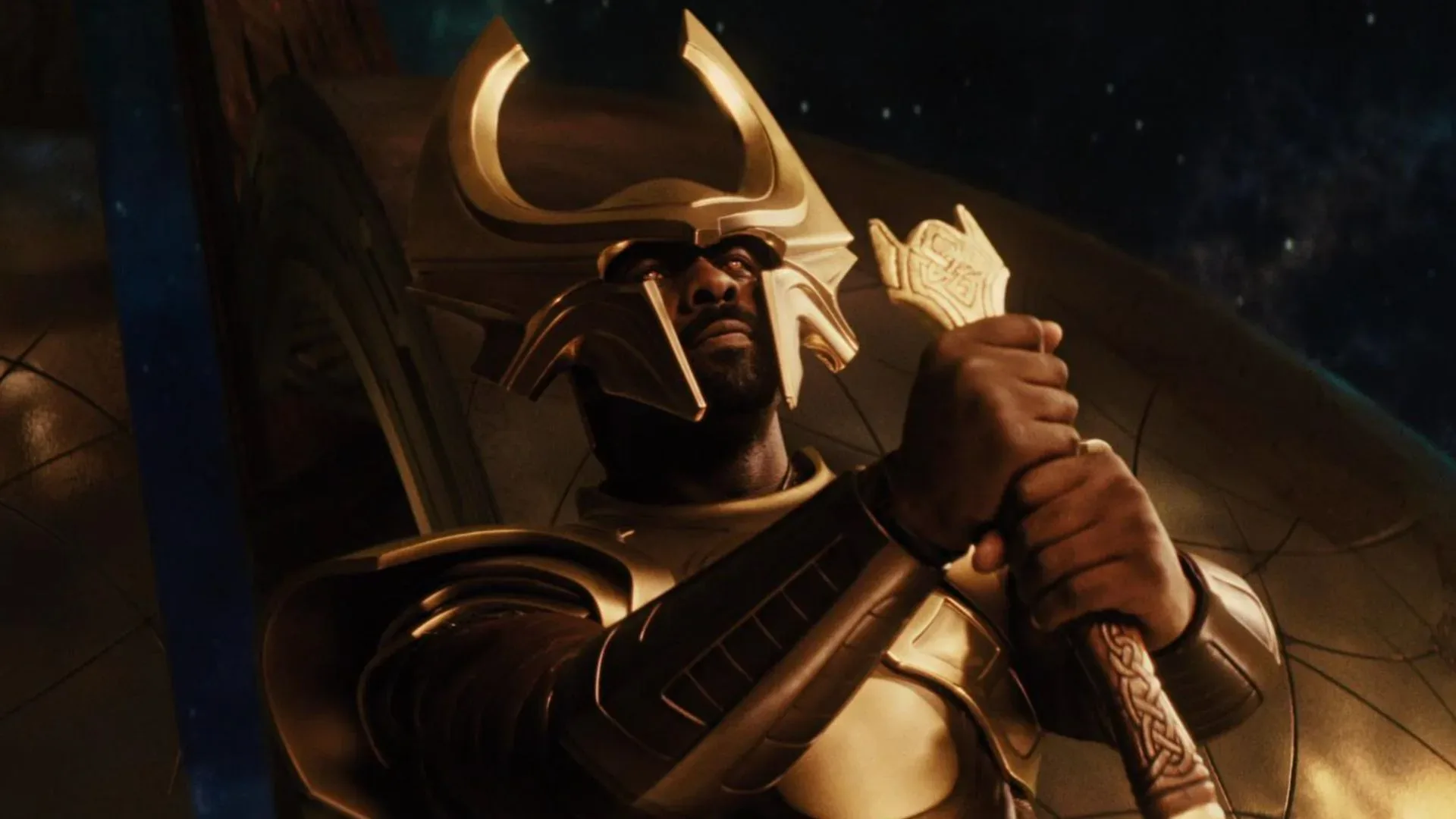
- Thor
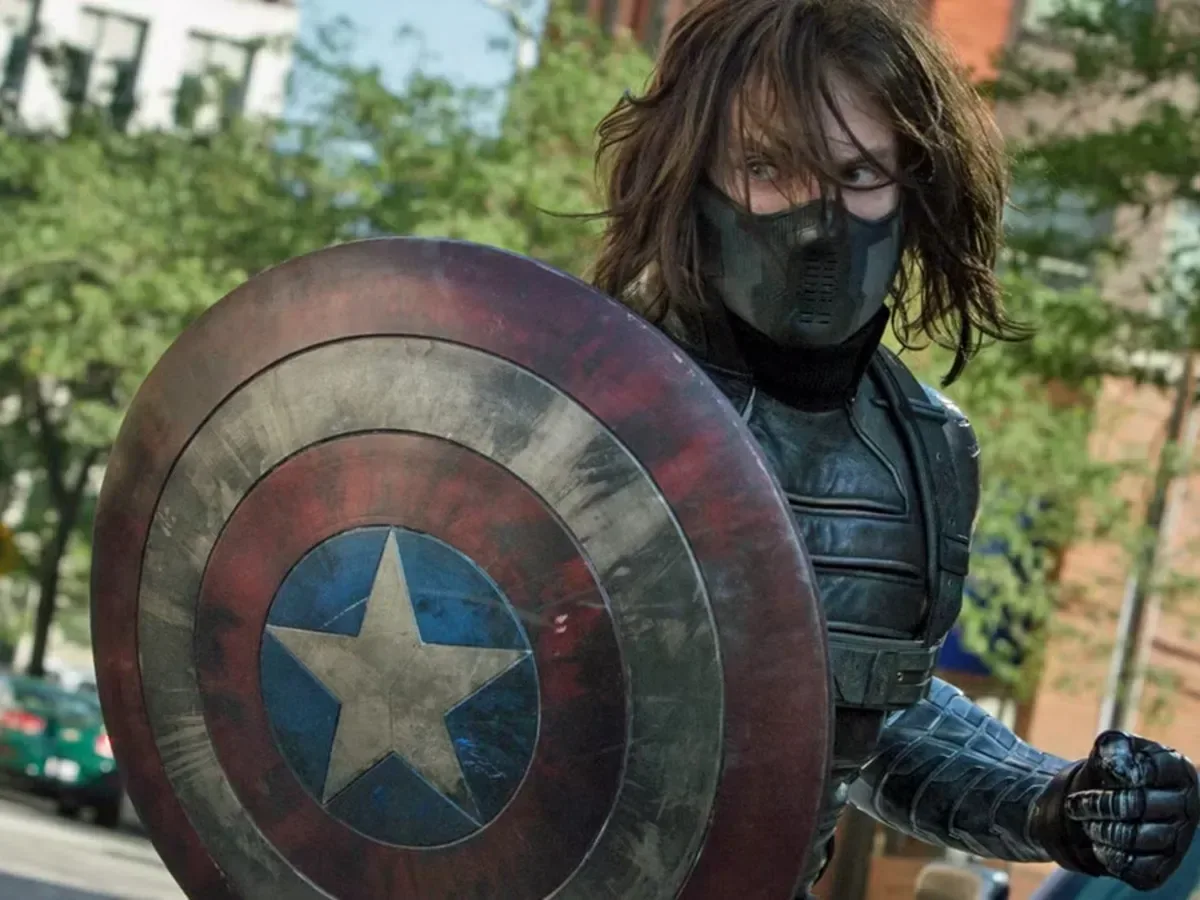
- Steve Rogers
- The original Fox-era X-Men
- Additional heroes and teams yet to be fully outlined
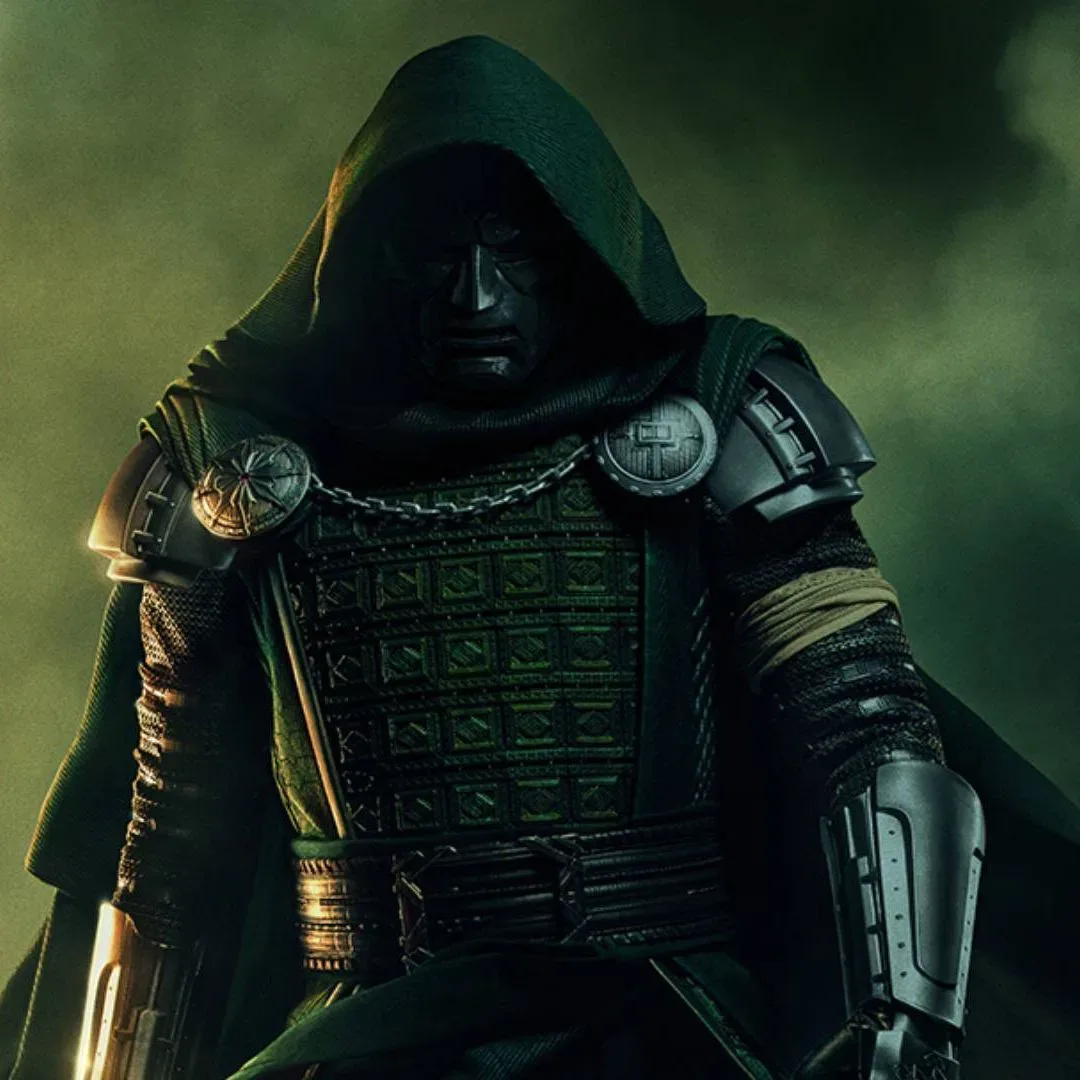
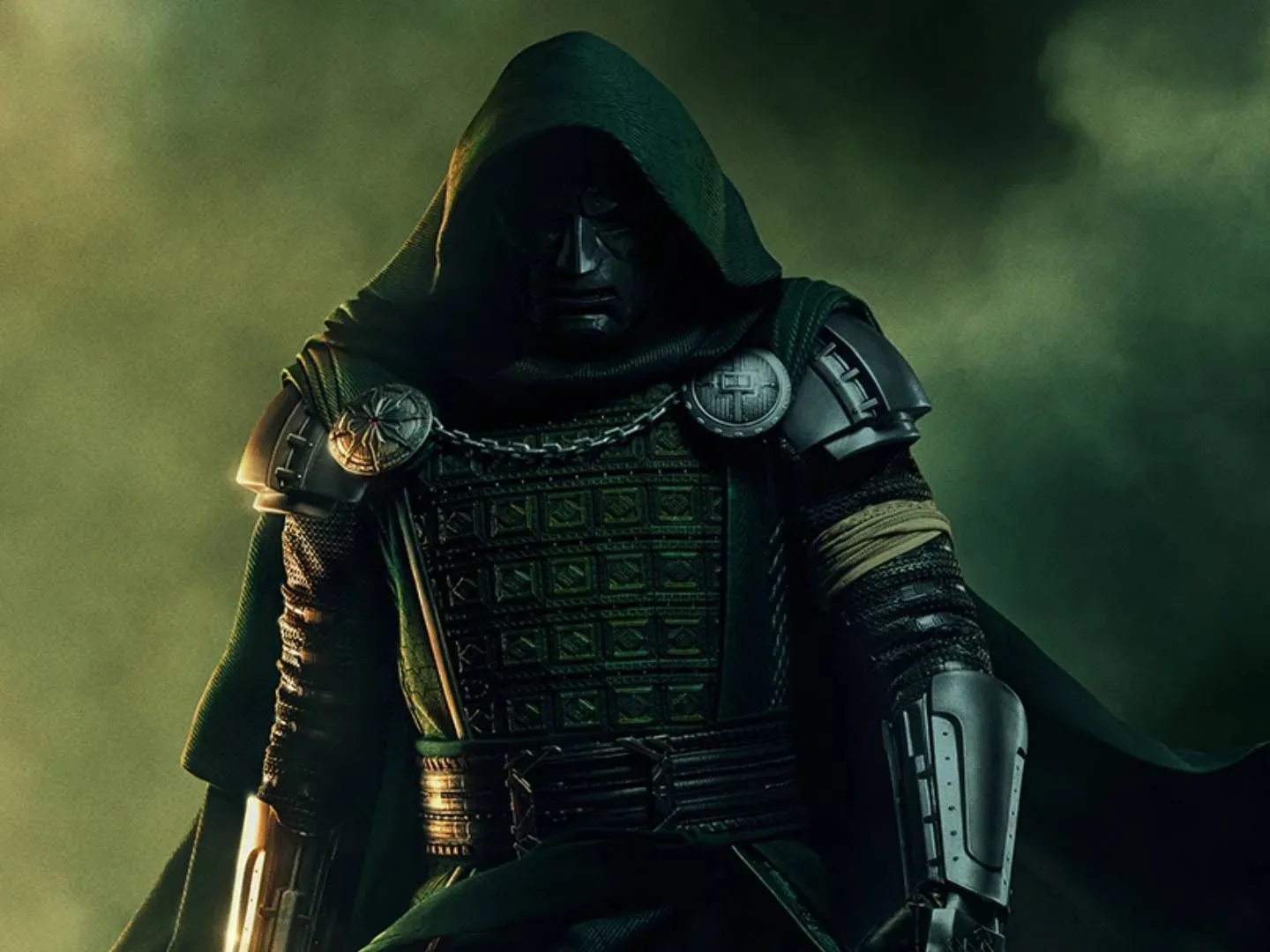
Standing against them is Doctor Doom, played by Robert Downey Jr. The character is described as a green-cloaked villain, a visual detail that is likely to be just as familiar to comic-book readers as it is ripe for the sort of theater-lobby merch that makes wallets quietly leave their bodies.
The casting is a major part of the film’s conversation. Downey’s long association with Tony Stark makes his appearance as Victor von Doom an unusually charged piece of Marvel casting, even before viewers know exactly how the movie will handle that connection, if it does at all. For now, the known fact is straightforward: he is playing Doctor Doom in a story built around heroes from multiple universes coming together to confront him.
There is a fitting bit of Marvel history surrounding Thor’s continued place in the ensemble. The character’s early cinematic journey was shaped by bold stylistic choices, including the famously tilted compositions associated with Kenneth Branagh’s first Thor film. For a look back at how those Dutch angles nearly became a costly problem, see our coverage of Branagh’s Thor camera-angle dilemma.
Dune: Part 3 complicates the premium-screen battlefield
Avengers: Doomsday is not entering an empty multiplex. It is scheduled to open in the United States on the same day as Dune: Part 3, directed by Denis Villeneuve. The shared release date creates an unusually direct contest between two giant-scale franchise attractions, each of which has a clear claim on viewers seeking the biggest possible screen and sound system.
That overlap is particularly meaningful because Dune: Part 3 has secured exclusive U.S. IMAX rights for its first three weeks. IMAX has become an important part of the economics and perception of contemporary event cinema. These screens often command premium ticket prices, and they carry real marketing weight for films intended to be seen as technical and visual spectacles.
Marvel’s answer is expected to involve its own premium presentation format, Infinity Vision. Disney is seeking to offset the absence of early exclusive IMAX access by offering audiences another upgraded option. Exactly how that format will be presented, how widely it will play, and how audiences will respond remain questions for the release window. But the strategic intent is easy to understand: when the largest rival owns a prized screen category, build another route for audiences who want the deluxe version.
The competition does not end with Dune. Spider-Man: Brand New Day is still in theaters and is described as rapidly approaching Endgame’s record. That creates a rare internal Marvel comparison point. One Marvel release is still accumulating box-office history while another is attempting to announce its own future through advance tickets. It is the sort of corporate-family reunion where everyone brings receipts, except the receipts are box-office charts.
Endgame Encore arrives before Doomsday
Before Avengers: Doomsday reaches cinemas, Marvel is bringing Avengers: Endgame back to theaters on September 25. The re-release is officially titled Avengers: Endgame Encore, and it is intended to help bridge the distance between the 2019 blockbuster and the new Avengers chapter.
The Encore version will include additional footage and a new post-credits tease. That makes the re-release more than a standard nostalgia lap for one of the defining superhero movies of its era. It is also a piece of connective promotion, inviting audiences to revisit the prior Avengers finale while planting something designed to point them toward what comes next.
For fans, that creates a clear runway: revisit the saga’s previous enormous climax in late September, then wait for the December collision of Fantastic Four, Thunderbolts, Thor, Steve Rogers, Fox-era X-Men, and Doctor Doom. For theaters, it means the Avengers brand could be occupying screens and conversation well before the new film’s first official day.
None of the early pre-sale reporting can tell audiences whether Avengers: Doomsday will reach or eclipse Endgame’s towering worldwide total. It can say something meaningful about the scale of interest, though. With $40 million in reported U.S. pre-sales at the 100-day point, a Russo-directed crossover, Downey’s Doctor Doom, a major re-release campaign, and a same-day showdown with Dune: Part 3, December 18 is shaping up to be one of 2026’s most consequential dates for theatrical franchise filmmaking.