Avengers: Doomsday has an unusually clear creative problem at its center: its filmmakers are returning to characters with years of audience attachment, but cannot simply preserve those characters in place. Director Anthony Russo addressed that tension during a New York Q&A following Avengers: Endgame Encore, describing surprise as an essential part of the job—provided it is balanced against the storytelling that made these figures matter in the first place.
That is a sensible way to frame the assignment. A long-running shared universe does not ask viewers to meet a character once; it asks them to remember choices, relationships, victories, losses and endings across numerous stories. The more weight a franchise gives to continuity, the more any new turn can feel either meaningful or arbitrary. Russo’s comments suggest that Doomsday is treating that contradiction as the point rather than pretending it does not exist.
There is no single version of the audience
Russo emphasized that fandom is not a unified bloc with one definition of what a character should be. Different viewers connect to different eras, traits and interpretations. That may sound obvious, but it has a major practical effect on a film such as Avengers: Doomsday.
When a character has a substantial history, “faithfulness” is rarely a simple checklist. One viewer may chiefly value the character’s earliest traits, while another may consider a later transformation the defining version. Some people want a familiar dynamic preserved; others want a story to challenge it. A sequel cannot satisfy every competing preference merely by repeating what worked before.
“Fandom does not speak with a single voice,” Russo said, noting the wide range of reactions people have to characters and their different versions.
That does not mean audience expectations are irrelevant. Russo said he and the creative team love the characters and their history themselves, and that they have considerable respect for the journeys already taken. His point is narrower and more useful: creators ultimately need a creative compass of their own. Attempting to treat every fan preference as an equally binding instruction would not produce a clearer story. It would likely produce a cautious one.
Analysis: Russo’s approach describes a balance between continuity and dramatic movement. Continuity means that prior events and established emotional stakes still count. Dramatic movement means characters must be able to make new choices, encounter new pressures and reveal sides of themselves that earlier stories did not require. Without continuity, a shared universe loses the value of its accumulated history. Without movement, it becomes a museum of recognisable poses.
Surprise is not the same as change for its own sake
Russo said the team needs to surprise itself about who the characters are, where they can go, what they can do and what might happen to them. In that formulation, surprise is not just a spoiler-management strategy. It is a test of whether the filmmakers have found a fresh dramatic use for established people.
That distinction matters. A surprise can be purely informational: a concealed identity, an unexpected entrance or a twist withheld until a particular scene. Those devices may generate a short burst of reaction, but they do not necessarily deepen a character. The kind of surprise Russo describes is more character-focused. It asks whether a familiar figure can remain recognisable while being placed in circumstances that expose an unforeseen dimension, force a difficult decision or alter the audience’s assumptions.
For a franchise with beloved characters, that is an especially difficult standard. Familiarity is part of the appeal, but familiarity can also make a new story feel predetermined. If every major figure behaves only as audiences anticipate, the film may honor the past while surrendering the possibility of discovery. If the film overturns established characterization without sufficient grounding, it may gain shock value while losing emotional credibility.
Russo’s comments do not reveal specific plot details or character arcs for Avengers: Doomsday. They do, however, identify the creative question behind those choices: how to maintain a sense that previous storytelling has weight while allowing the next chapter to alter what viewers think is possible.
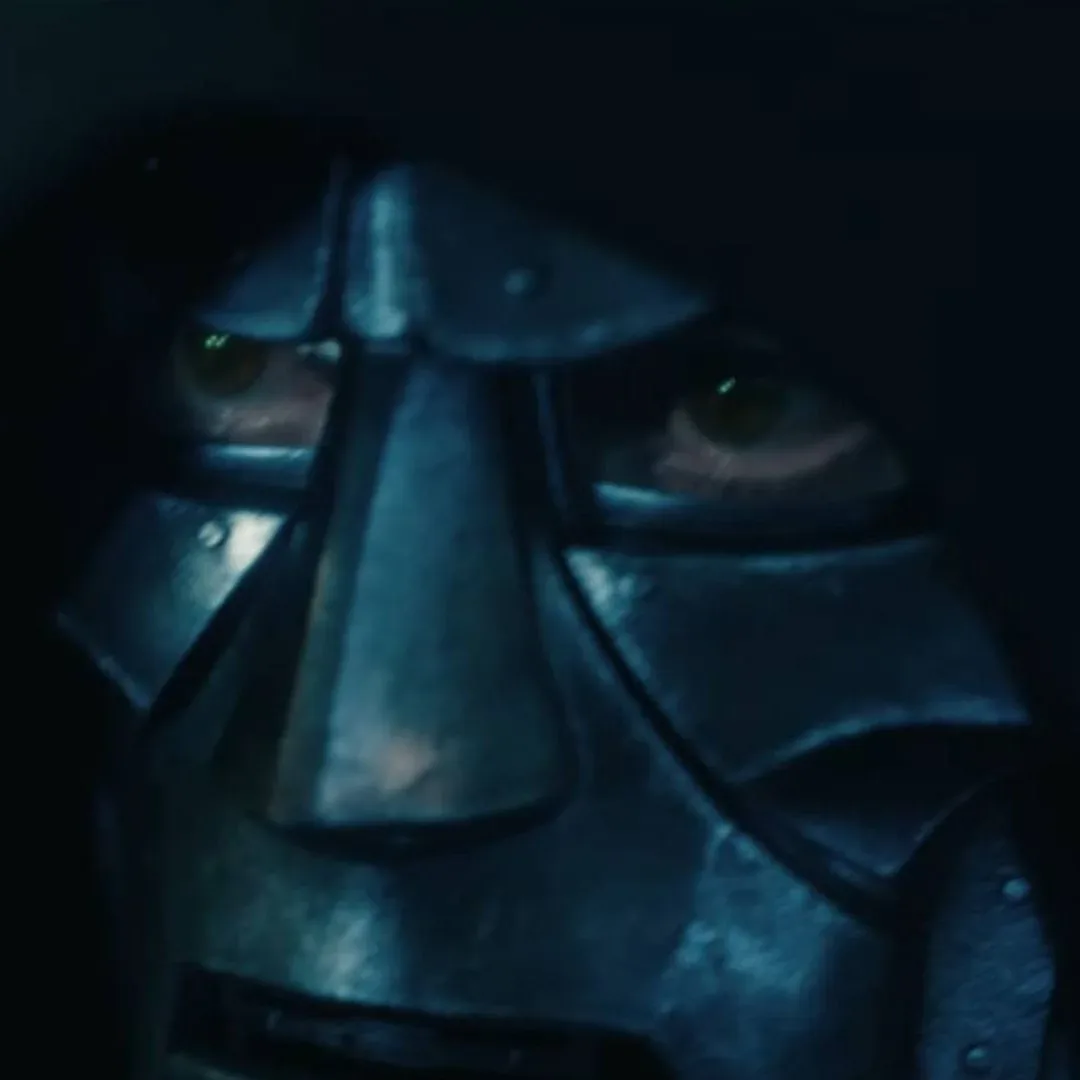
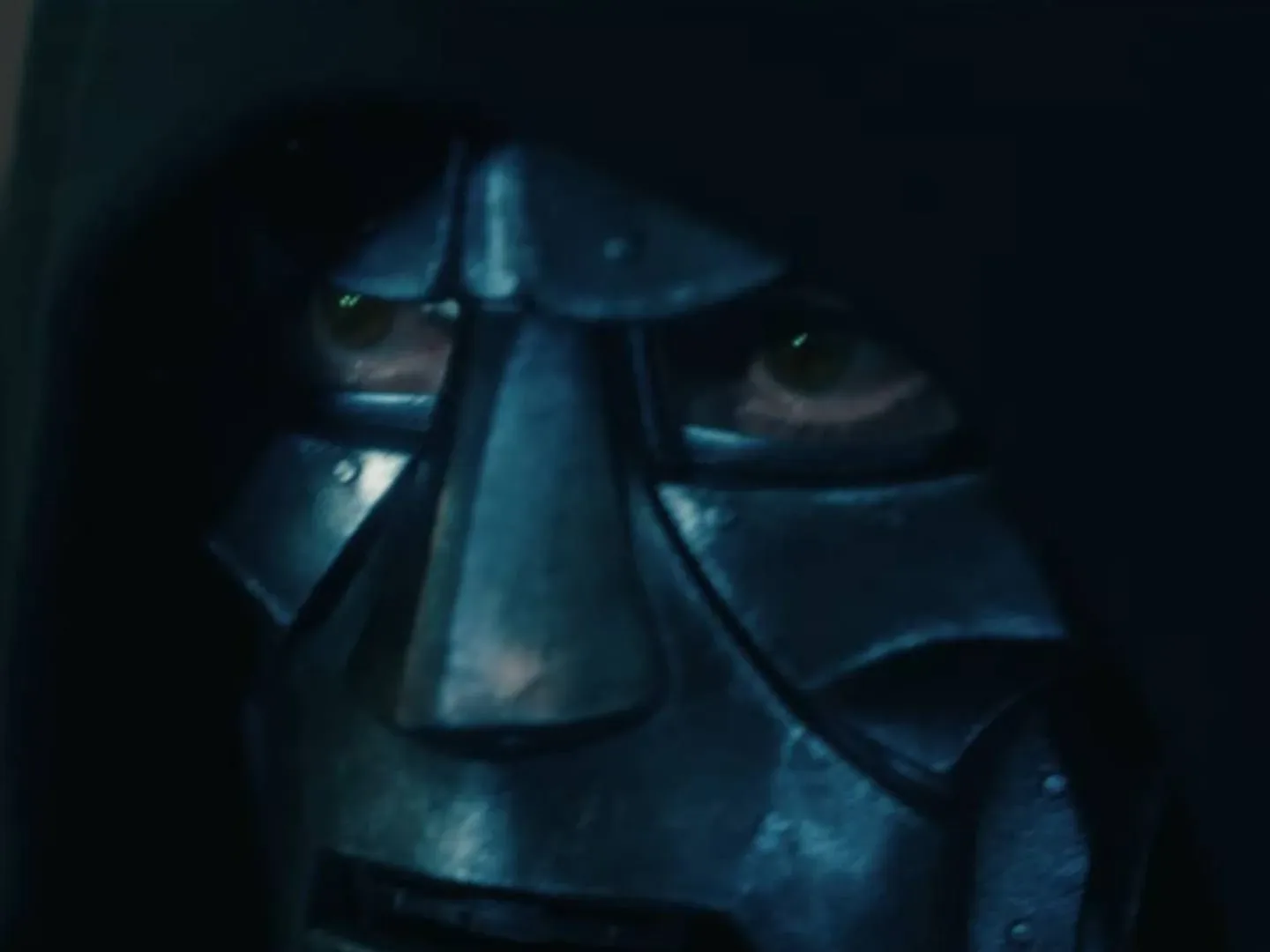
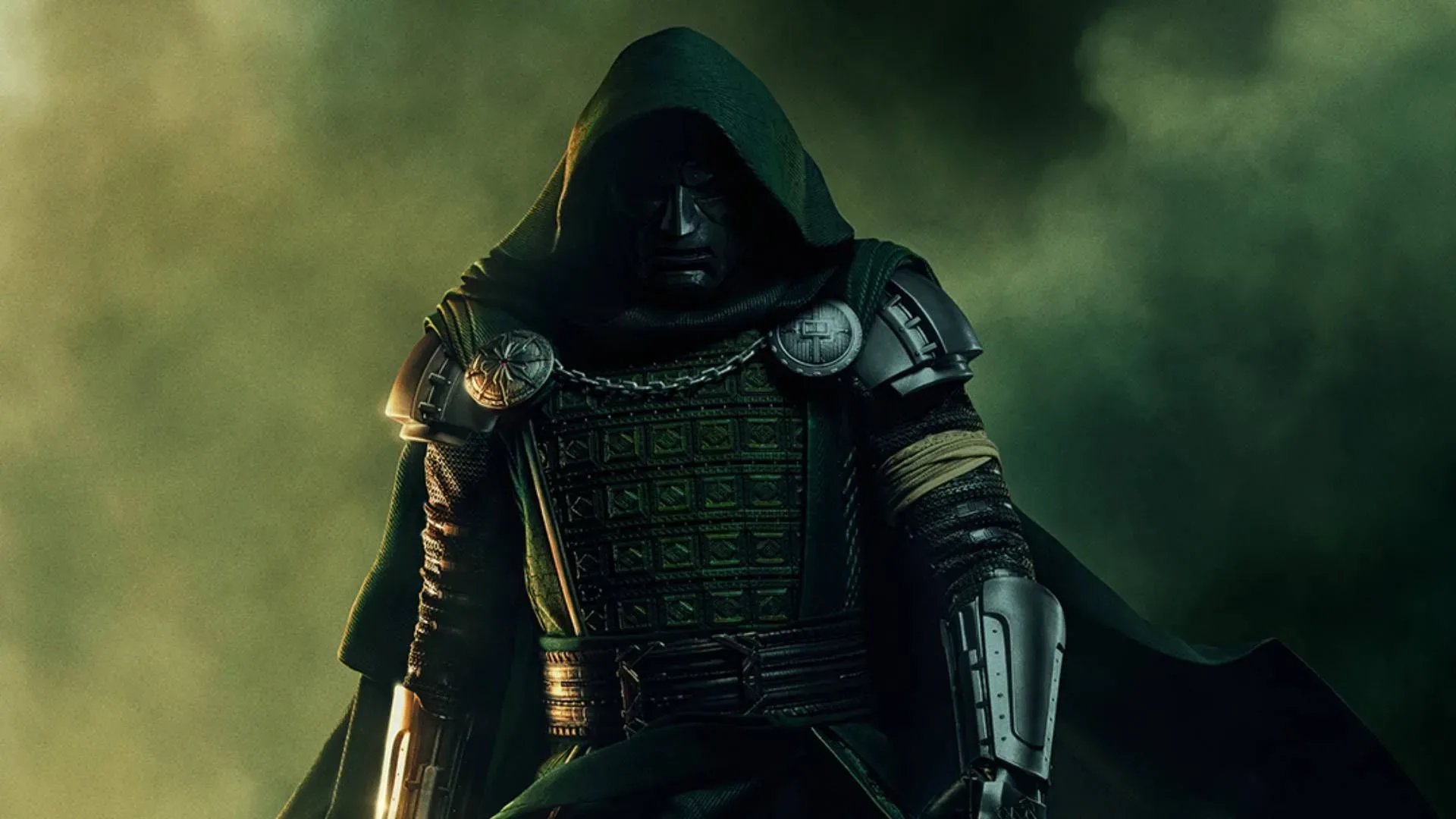
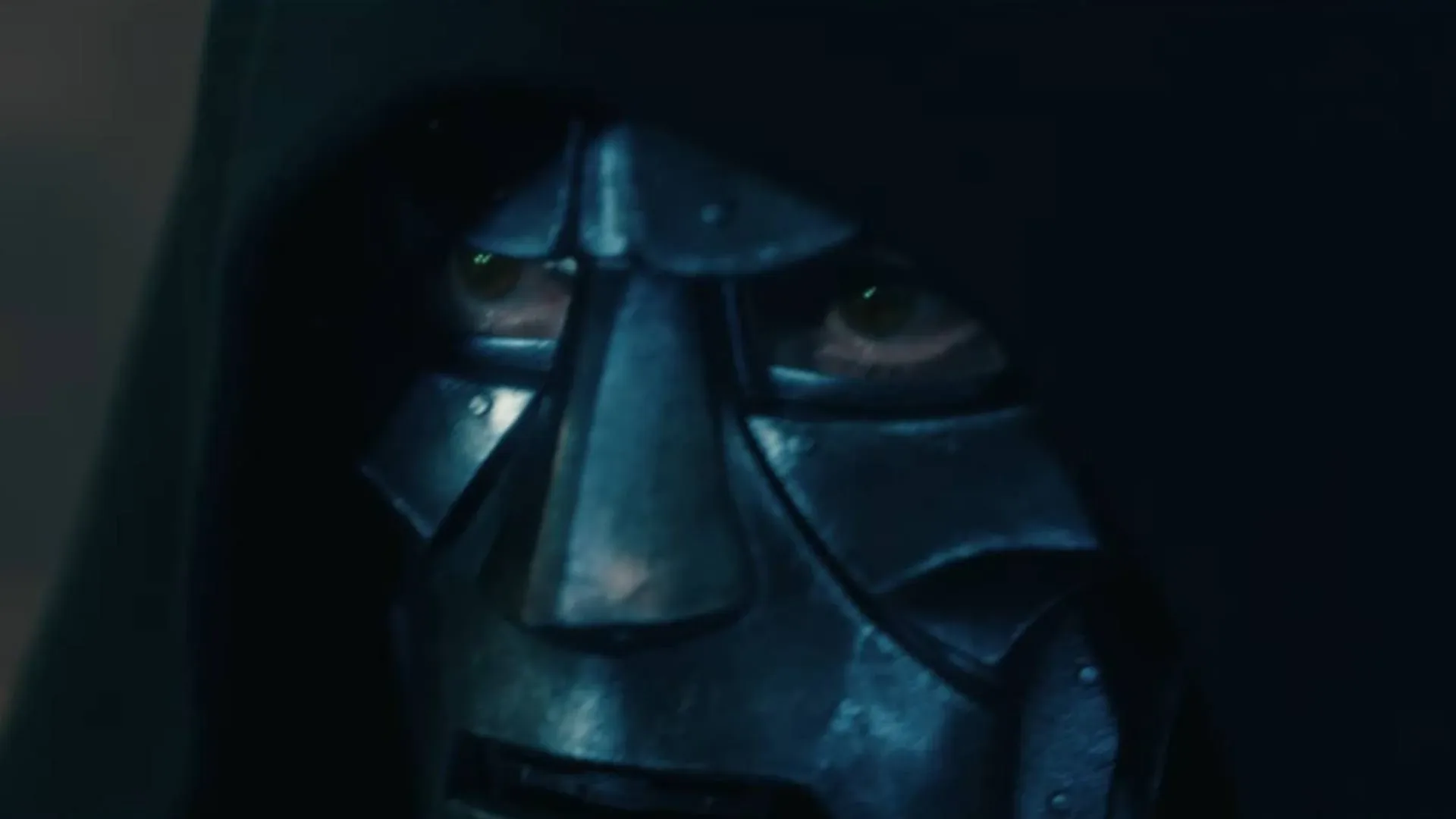
Robert Downey Jr. as Victor Von Doom makes that balance more visible
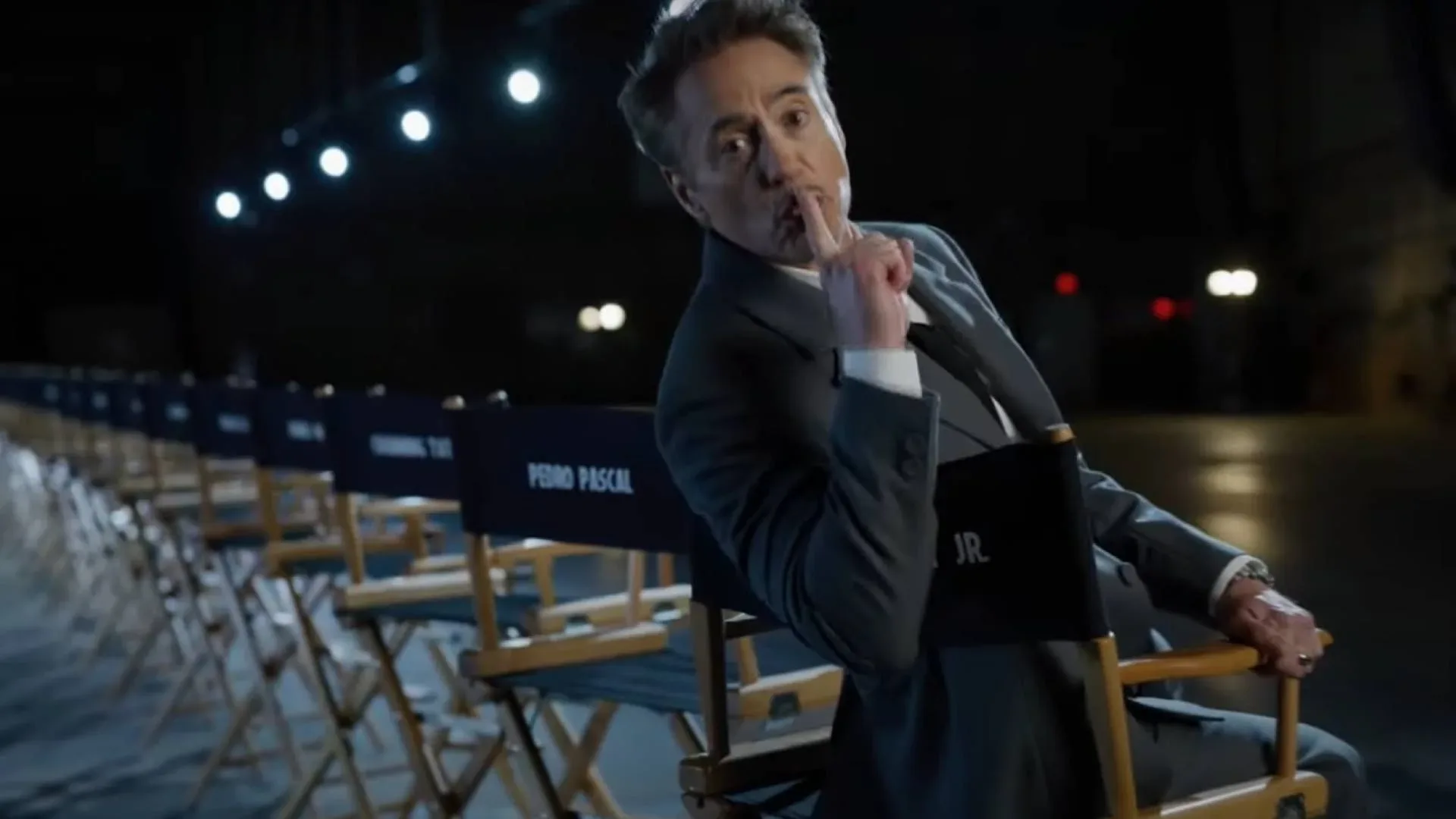
The most immediately charged example is Robert Downey Jr.’s casting as Victor Von Doom. Downey is closely associated with Tony Stark, whose story received a powerful ending in Avengers: Endgame: Stark sacrificed himself to save the world. Russo specifically cited casting Downey as Doom as an example of challenging the creative team while remaining faithful to the effective storytelling path that came before.
This is why the casting raises a larger storytelling issue than a typical villain role. The same performer brings immediate associations for viewers, especially when the earlier character had such a consequential conclusion. The creative challenge is not merely getting audiences to notice the connection. They plainly will. It is making the connection serve the new character and the new story rather than reducing Victor Von Doom to a reminder of Tony Stark.
Technical term: casting association. In film storytelling, casting association is the baggage—or useful resonance—an actor’s earlier roles bring into a new performance. Audiences do not enter a theater with a blank slate. A familiar performer can create instant emotion, expectation or unease before a character has fully explained themselves. That effect can be used deliberately, but it requires precision. If it overwhelms the role on screen, the new character risks being interpreted only through the old one.
Downey’s role as Victor Von Doom puts this effect directly into the foreground. The available information does not establish how, or whether, the film will address any connection viewers may perceive between Doom and Stark. It would be premature to presume a particular explanation. What Russo has confirmed is the underlying tension: the casting is intended as a challenge, and that challenge has to coexist with respect for what came before.
Russo described the task as finding the balance between challenging the filmmakers—citing Downey’s casting as Victor Von Doom—and staying faithful to the thoughtful storytelling road already traveled.
That careful phrasing is worth noting. “Faithful” does not necessarily mean repeating an old outcome or leaving it untouched. It can mean recognizing the emotional consequence of that outcome. Tony Stark’s ending in Endgame has importance precisely because it was an ending with sacrifice at its center. A new role for the same actor therefore enters a space already charged by audience memory.
Why character history changes the stakes
Shared-universe storytelling often operates through what might be called narrative inheritance: each new story receives the consequences, emotional associations and unresolved possibilities created by prior entries. That inheritance can be an advantage. A brief exchange, an appearance or a decision may carry more meaning because the audience knows the backstory.
It also narrows the margin for error. A character decision that seems exciting in isolation may conflict with a journey viewers regard as carefully earned. Conversely, a story that refuses to make any difficult changes can treat its own history as a restriction rather than a resource.
Russo’s emphasis on the complexity of people’s relationships with these characters acknowledges that long-term attachment is personal. Some viewers respond most strongly to an origin, others to a later development, and others to the cumulative journey. That variety is not something a film can solve with a single gesture. It is why an effective continuation needs internal logic: even a surprising development should feel connected to the pressures, themes and people involved.
Explanation: Internal logic does not mean an audience must predict an event in advance. It means that, after an event happens, viewers can see why it emerged from the story rather than feeling it was imposed from outside solely to create a headline or reaction. Russo’s language about honoring past journeys while seeking surprise points toward that standard.
What audiences can reasonably take from Russo’s comments
There are limits to what can be inferred here. Russo has not offered a plot outline, identified specific returning-character changes or explained the narrative mechanics surrounding Victor Von Doom. The remarks are about process and priorities, not a substitute for details the film has not provided.
Still, they establish a meaningful expectation for the project. Avengers: Doomsday is not being framed as an exercise in simply replaying recognizable material. Its director is openly describing the need to protect the value of prior character work while allowing those characters—and the audience’s view of them—to be unsettled.
That principle applies particularly strongly to the Downey casting, because it brings the memory of Tony Stark’s Endgame sacrifice into close proximity with a new villain role. Whether that tension proves dramatically rewarding will depend on execution the comments do not yet disclose. But it is at least being treated as a storytelling responsibility rather than an accidental side effect.
The broader idea also reaches beyond superhero films. Long-running franchises of every kind face versions of the same choice: preserve the parts people love, or take the risk of changing them. The strongest answer is usually neither total preservation nor novelty at any cost. It is change that understands why the old material mattered. That same question of how stories evolve across mediums has come up in gaming as well, including in a discussion of the distinctive storytelling room games can create.
Avengers: Endgame Encore is now available. For Avengers: Doomsday, Russo’s message is straightforward: established character history is an asset, not a set of handcuffs—but surprise has to be earned.