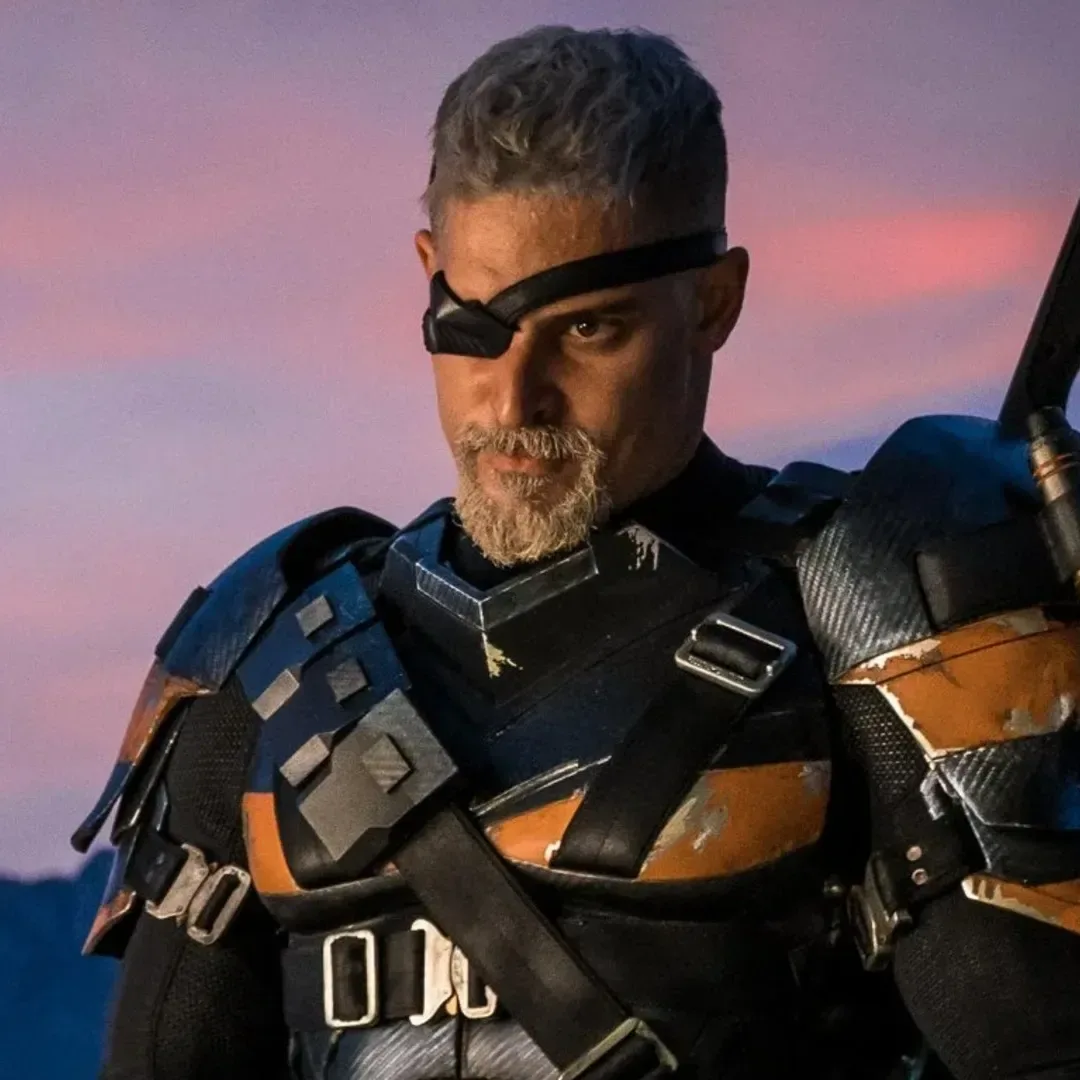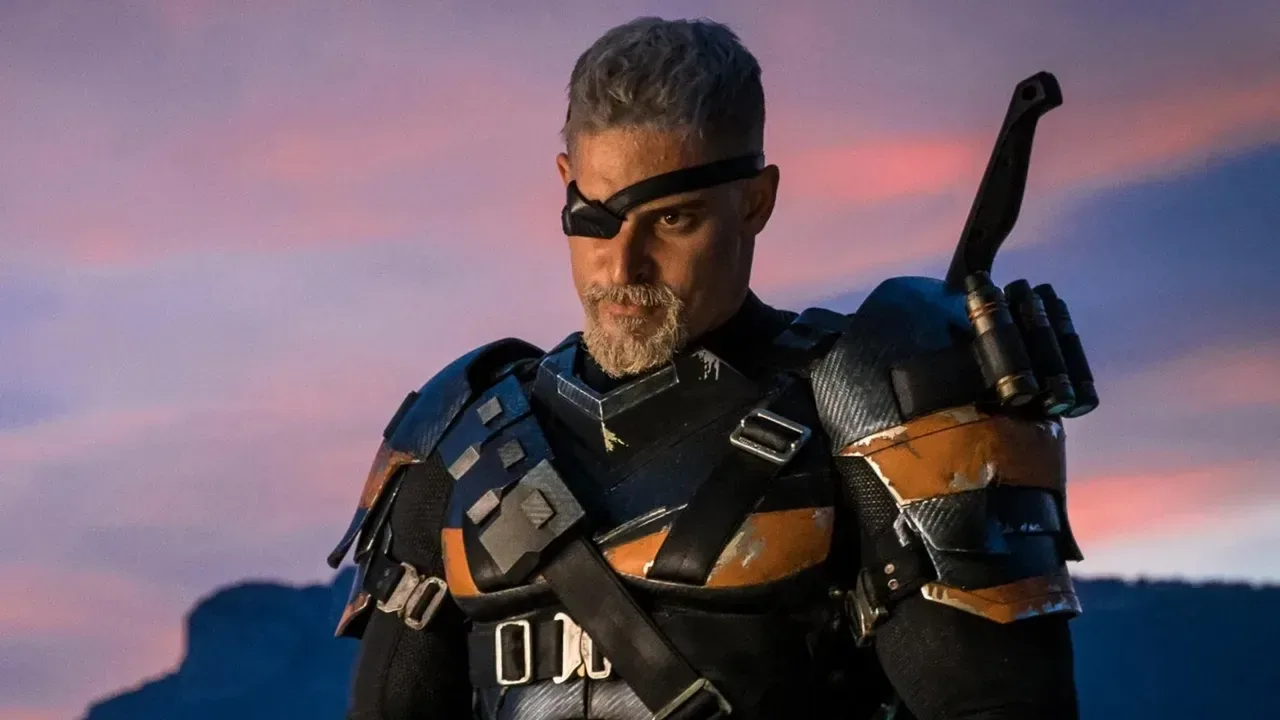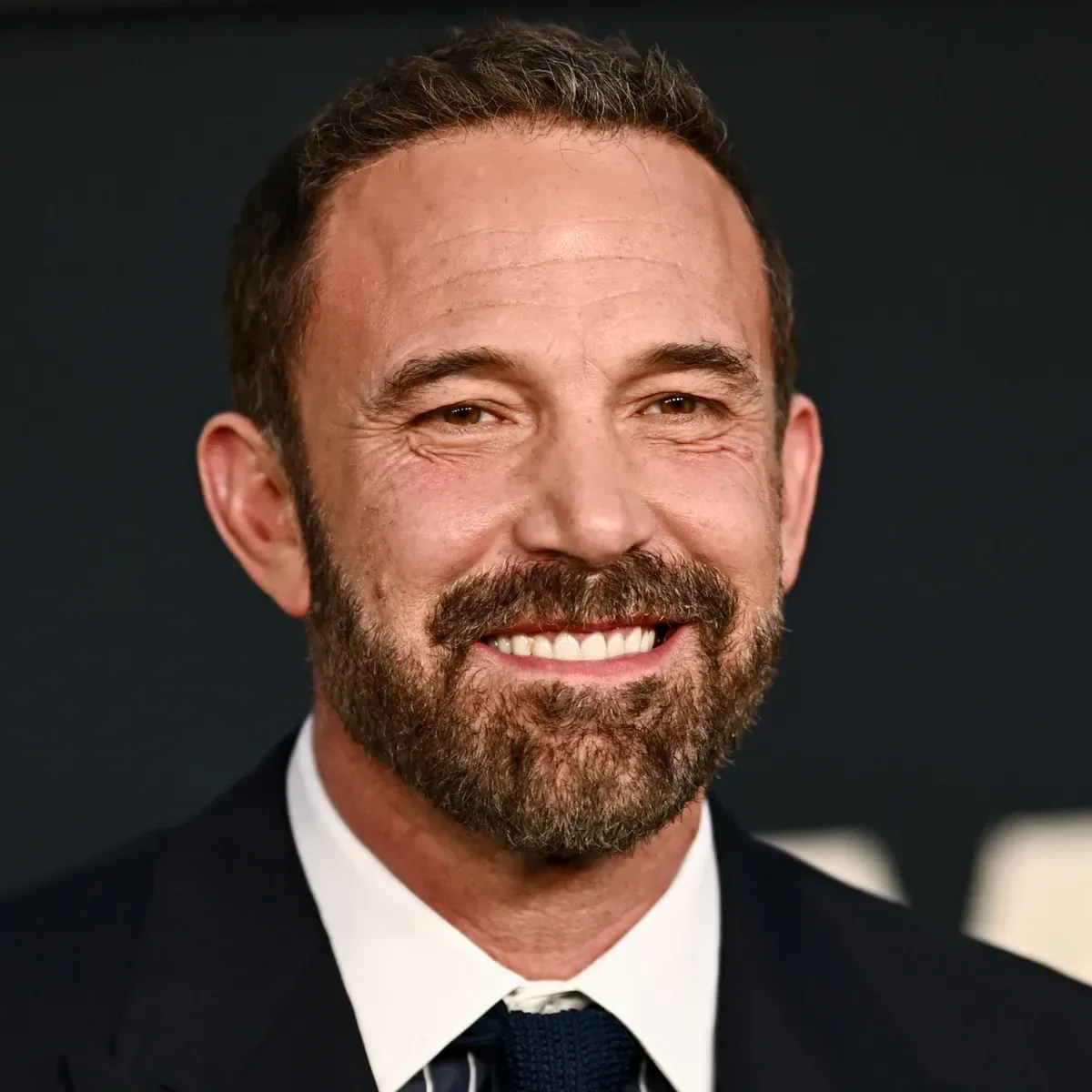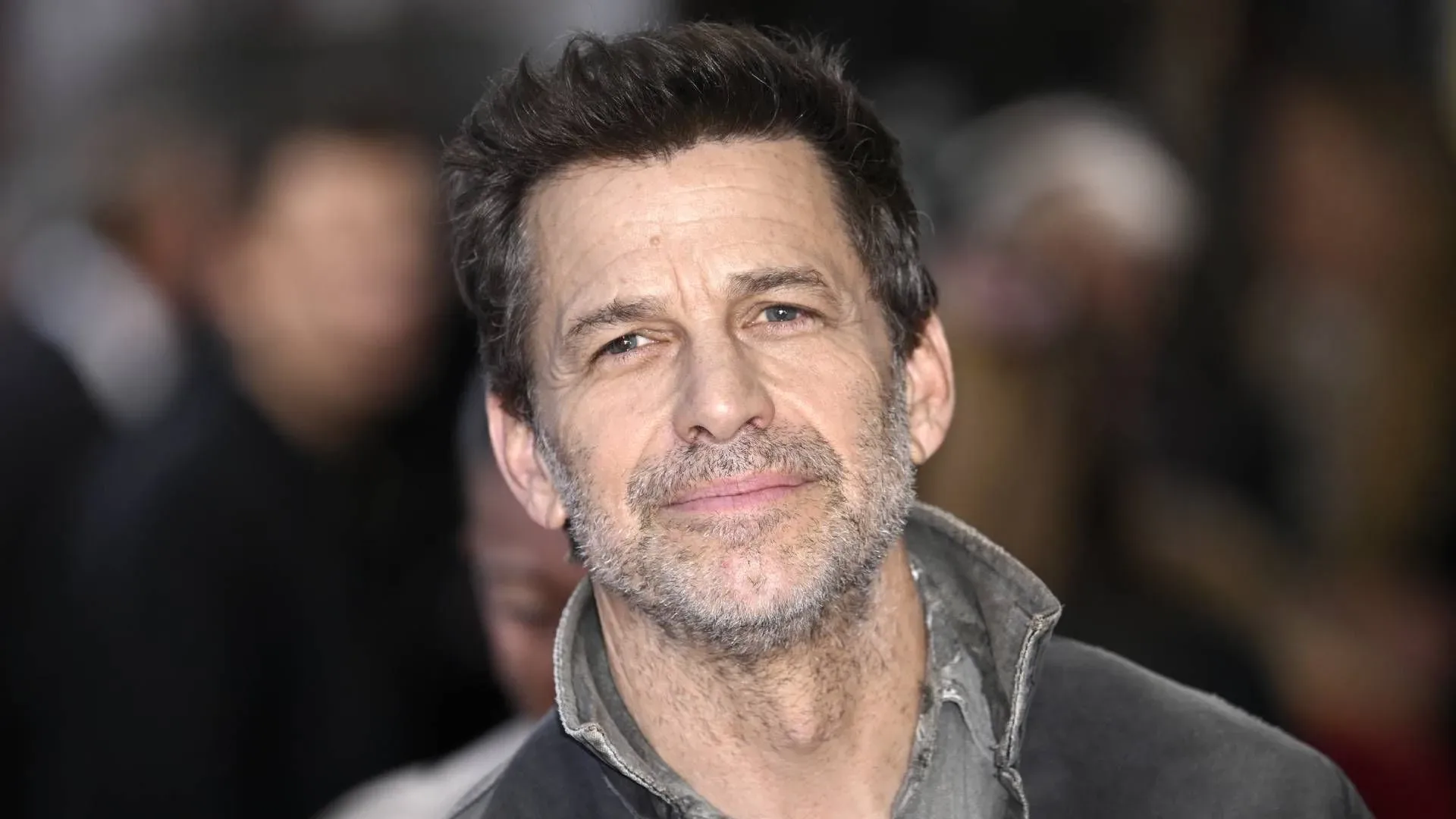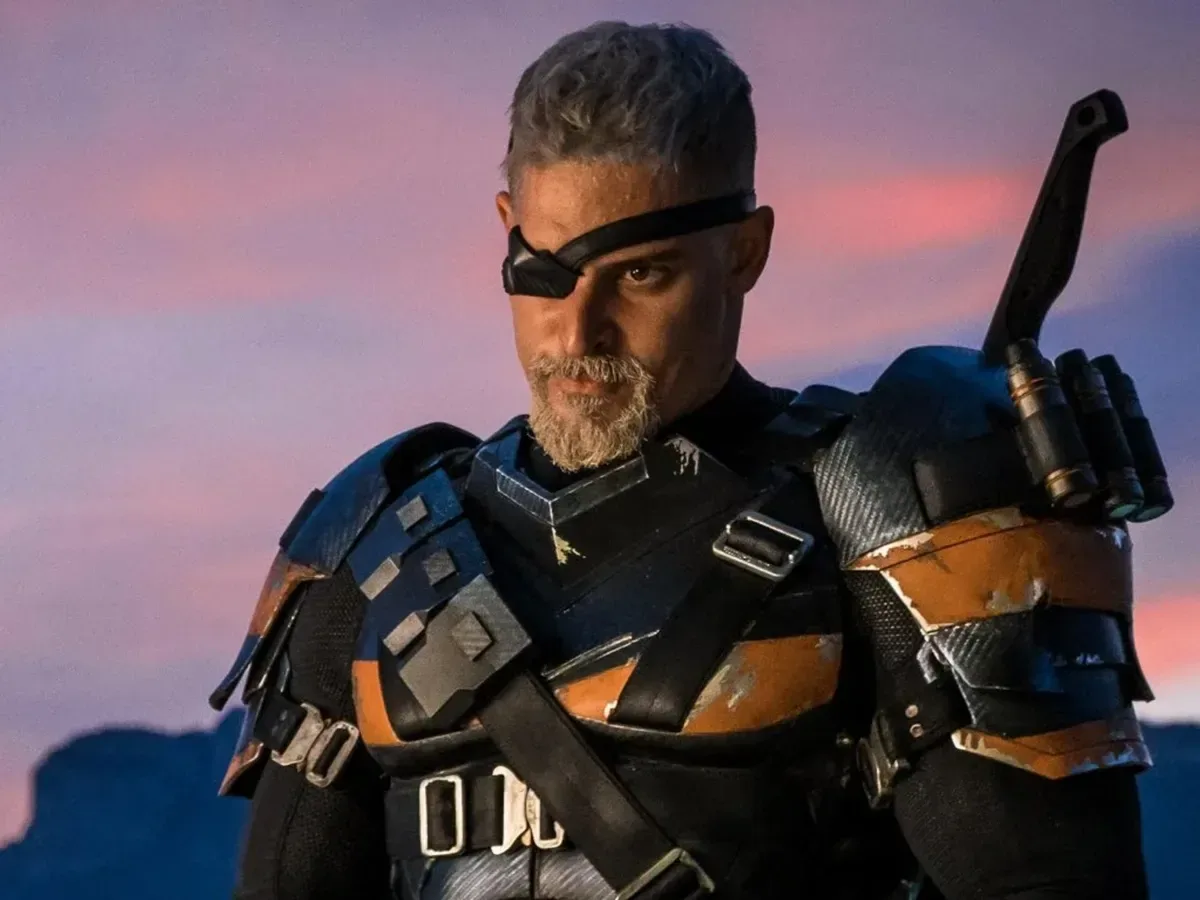
Joe Manganiello’s brief appearances as Deathstroke have long represented one of the most conspicuous unfinished threads from DC’s previous film era. The character appeared in Justice League, Ben Affleck released early test footage, and Manganiello later described a much darker Batman story that never reached cameras. Now, in his memoir Bloodlines, Manganiello has attached a profoundly personal meaning to that abandoned opportunity: he says being cast as Slade Wilson gave him something to fight toward during a severe, potentially fatal health crisis.
The account reframes the familiar “what might have been” around Affleck’s standalone Batman project. This was not simply an actor missing out on a high-profile comic-book role after a studio change in direction. For Manganiello, the possibility of playing Deathstroke arrived while he was recovering from an autoimmune illness that had led to emergency surgery, a lengthy hospital stay, dramatic weight loss and an ostomy bag. He presents the job as a shard of hope during a period in which normal life and his ability to work no longer felt assured.
A crisis before Deathstroke
Manganiello says he collapsed in 2016 while working on a Seal Team Six miniseries. Doctors subsequently spent an extended period trying to identify an autoimmune condition that, in his description, was affecting his thyroid and devastating his intestines. The deterioration became life-threatening: much of his large intestine had to be removed, and he began using an ostomy bag.
An autoimmune disease is a condition in which the immune system mistakenly attacks the body’s own tissues. The exact diagnosis is not identified in the available account, so it would be inappropriate to speculate beyond Manganiello’s description. What is clear is that he portrays the illness as sudden, serious and physically overwhelming.
An ostomy bag is an external pouch that collects digestive waste after surgery creates an opening in the abdomen. Manganiello describes the adjustment as difficult, including overnight leaks, and says the accumulated physical and emotional strain contributed to nervous breakdowns. His weight fell from 235 pounds to 176 pounds during recovery.
Those details matter because superhero casting is often discussed in terms of physique, costumes and stunt readiness. In Manganiello’s case, those ordinary demands of a physically imposing screen villain were entangled with an intensely private recovery. The Deathstroke suit was not merely a recognizable piece of comic-book costuming. It was an obstacle with practical implications for a performer managing an ostomy bag.
The role that represented a return
Affleck offered Manganiello the part of Deathstroke, intended as the principal antagonist in his planned Batman movie. It was, by Manganiello’s telling, the largest role of his career. His then-wife, Sofía Vergara, urged him not to take it because of how fragile his health remained. Manganiello nevertheless felt he needed to accept.
“The role contained the shred of hope that I might get my life back in some capacity, and I had to believe it was possible,” Manganiello writes.
That framing does not turn a demanding film job into treatment, and Manganiello does not claim that it was. Rather, he describes the casting as motivation: a future-facing professional goal at a time when illness had reduced the horizon of daily life. It offered a reason to imagine returning to a version of himself capable of taking on a major production.
There is also a difficult tension in the story. Manganiello says he did not disclose his condition to Affleck or the production team. For his costume fitting, he says he went without eating for 18 hours to empty his digestive system and reduce the risk of an accident. He feared that the fitted spandex and armor components could put pressure on the bag.
That episode illustrates the hidden labor behind a public-facing performance. Comic-book adaptations are designed to make extraordinary bodies look effortless; Manganiello’s account instead describes a performer taking painstaking steps simply to get through a fitting without revealing what he was enduring. It is a reminder that an actor’s onscreen image, especially in an armor-heavy role, can conceal circumstances that audiences never see.
The Batman movie that never happened
Affleck’s Batman film was ultimately cancelled, with a new Batman continuity later moving forward under director Matt Reeves and star Robert Pattinson. Affleck has also spoken publicly about his alcoholism and depression during that period, and about stepping away from the project. The result was that the version of Deathstroke Manganiello prepared to play never became the centerpiece of a Batman film.
The cancellation did not erase all evidence of the concept. Affleck shared Deathstroke test footage during pre-production, offering a glimpse of Manganiello in the character’s distinctive tactical armor. Manganiello then appeared in two brief Deathstroke cameos: one in the theatrical version of Justice League and another in Zack Snyder’s Justice League.
Those scenes established the basic look of the character but could not convey the larger arc Manganiello had been preparing for. In 2020, he described Deathstroke as a horror-influenced force who would methodically tear apart Bruce Wayne’s life. Rather than positioning Slade as only a fighter who could challenge Batman physically, the abandoned plan reportedly would have made him a relentless, strategic antagonist pursuing revenge over an unspecified past event.
That approach makes sense of the “horror movie villain” comparison Manganiello used. In this context, it does not mean the proposed Batman movie was a horror film. It describes narrative function: Deathstroke would have been a persistent threat, attacking Bruce’s relationships and sense of security rather than arriving solely for a climactic showdown. The comparison to a shark similarly suggests an enemy who keeps moving forward and cannot easily be negotiated with or ignored.
It remains an outline rather than a finished film, and fans should distinguish between a performer’s recollection of the intended direction and a completed screenplay available for audiences to judge. Still, the idea helps explain why the project has retained interest. It promised a Batman-versus-Deathstroke conflict built around sustained psychological pressure, not just a showcase for two costumed combatants.
Why the unfinished role still resonates
For DC viewers, Manganiello’s account adds emotional context to a familiar fragment of franchise history. The test footage, the cameo and the character’s small number of scenes have encouraged years of speculation because they hint at a story whose central conflict was never played out. The newly shared personal circumstances do not reveal a lost cut of the film or make a revival more likely. They do explain why the chance mattered so much to the actor at that specific moment.
Manganiello has remained open to returning as Deathstroke. In 2021, after appearing in Zack Snyder’s Justice League, he said an origin-film treatment had been developed with the studio over roughly six months and that he had made his willingness to reprise the part clear. But he also acknowledged that the decision was not his. With DC now operating under a rebooted universe, there is no indication here that his Deathstroke will receive another appearance.
That uncertainty is worth keeping separate from the memoir’s central point. A project’s cancellation can be a professional disappointment; in Manganiello’s case, the role had also become a symbol of recovery and agency. Its personal importance was never dependent on the film actually arriving in theaters.
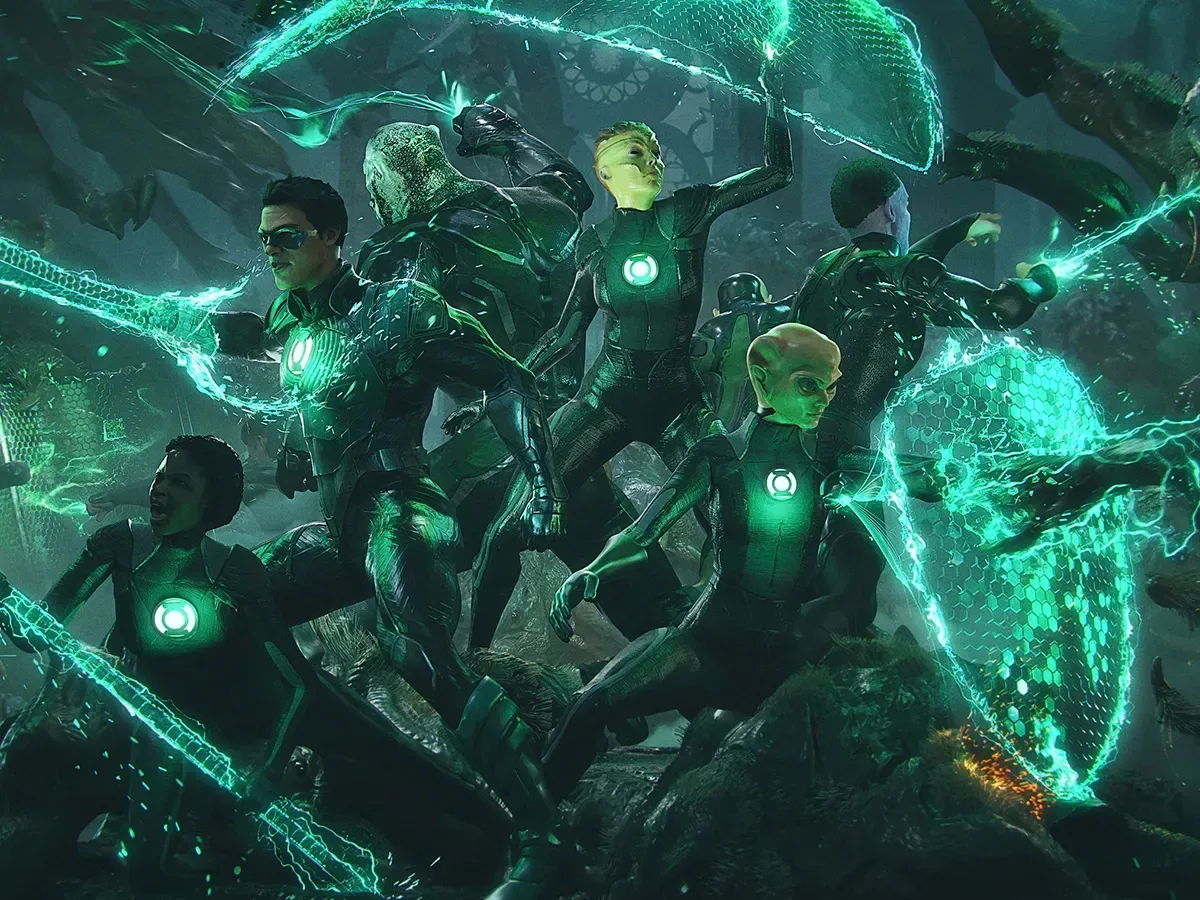
DC has no shortage of unmade or reworked screen ideas, from unproduced Gotham stories to other projects preserved only through artwork and fragments of planning. A recently revealed cancelled Green Lantern series is another example of how tantalizing a project’s surviving concepts can be. Manganiello’s story differs because the surviving material is inseparable from a health ordeal that he says nearly took his life.
Beyond superhero speculation
There is an understandable temptation to turn every abandoned superhero production into a list of tantalizing hypotheticals: who would have fought whom, which costume would have appeared, and where a villain might have gone next. Manganiello’s account asks for a more human reading. It is about surgery, recovery, the unpredictable aftermath of critical illness, and the strange power a job can have as a marker of a possible future.
It also avoids a simplistic message about “pushing through.” His story includes severe trauma, difficult adaptation and concern from someone close to him. The role was meaningful to him, but the evidence here does not suggest that a career opportunity resolves an illness or that people facing serious medical crises should conceal their condition. Its significance was personal: it gave Manganiello a reason to believe that work, ambition and a fuller life could still be ahead.
Deathstroke may remain a small on-screen presence in this era of DC films. Yet for Manganiello, the part occupies a far larger place. It was the role he hoped would let him return to himself—and that makes the cancelled Batman movie’s legacy more complicated than another piece of franchise trivia.