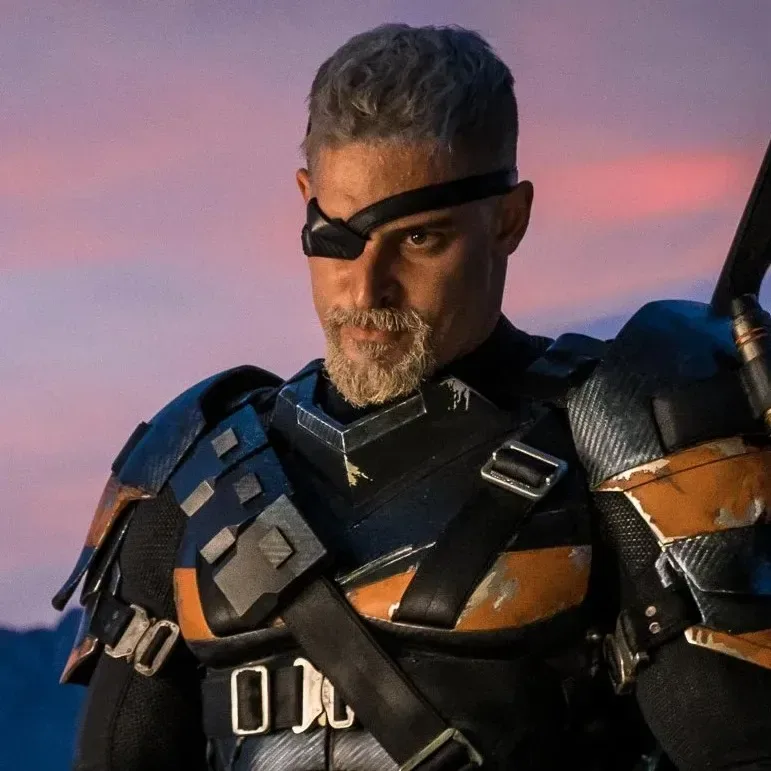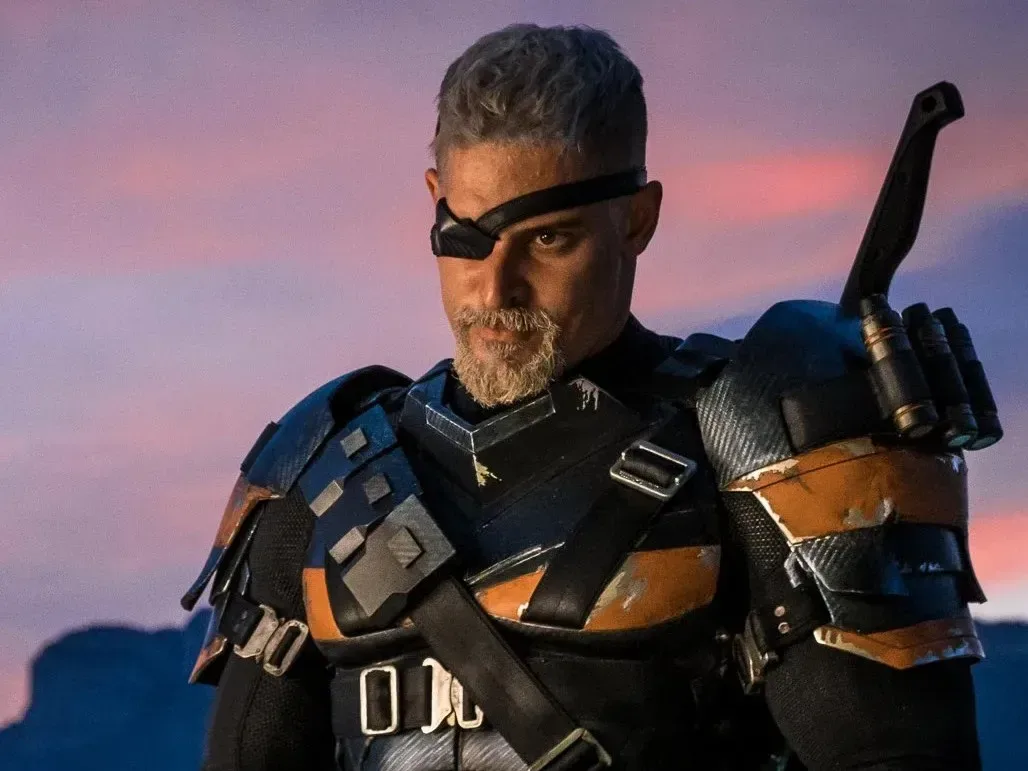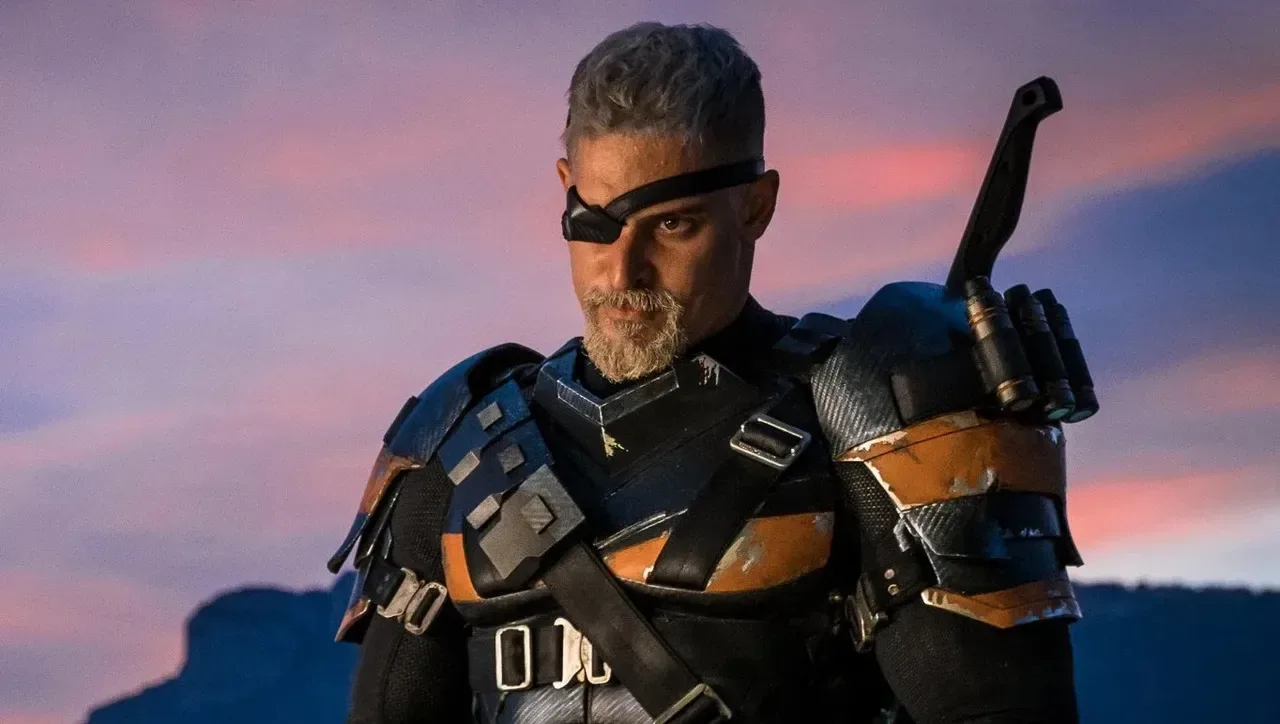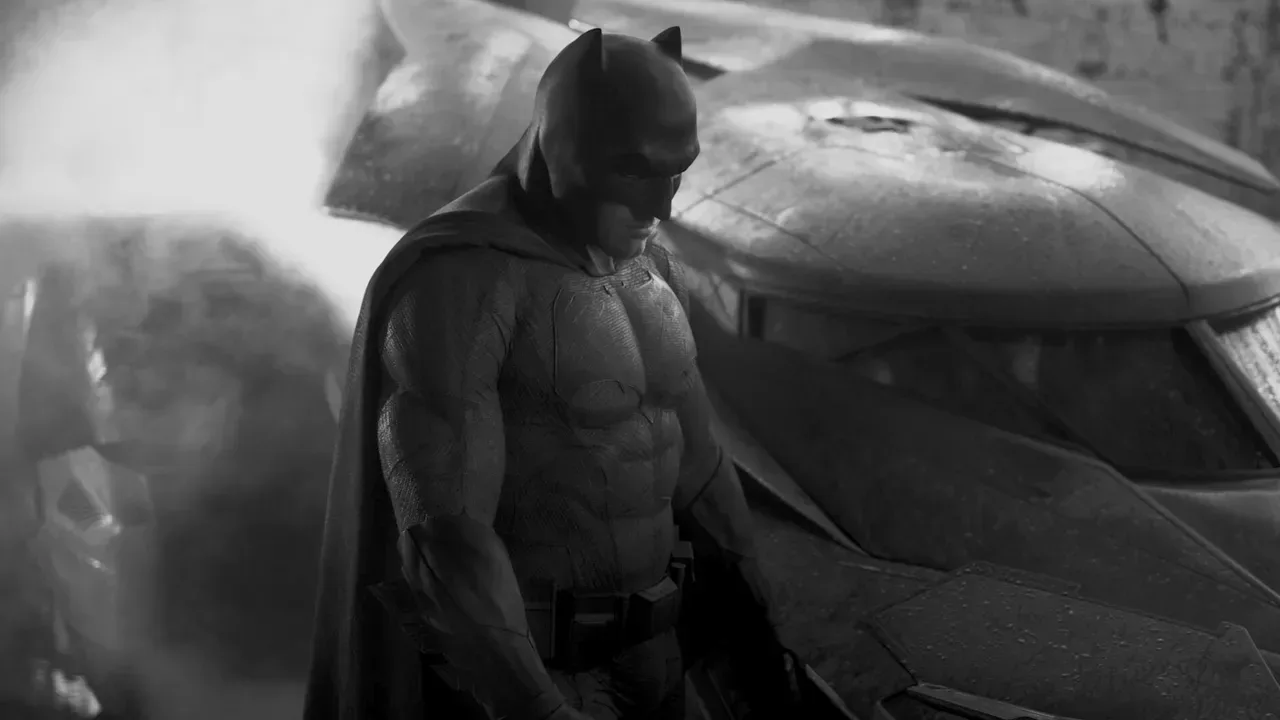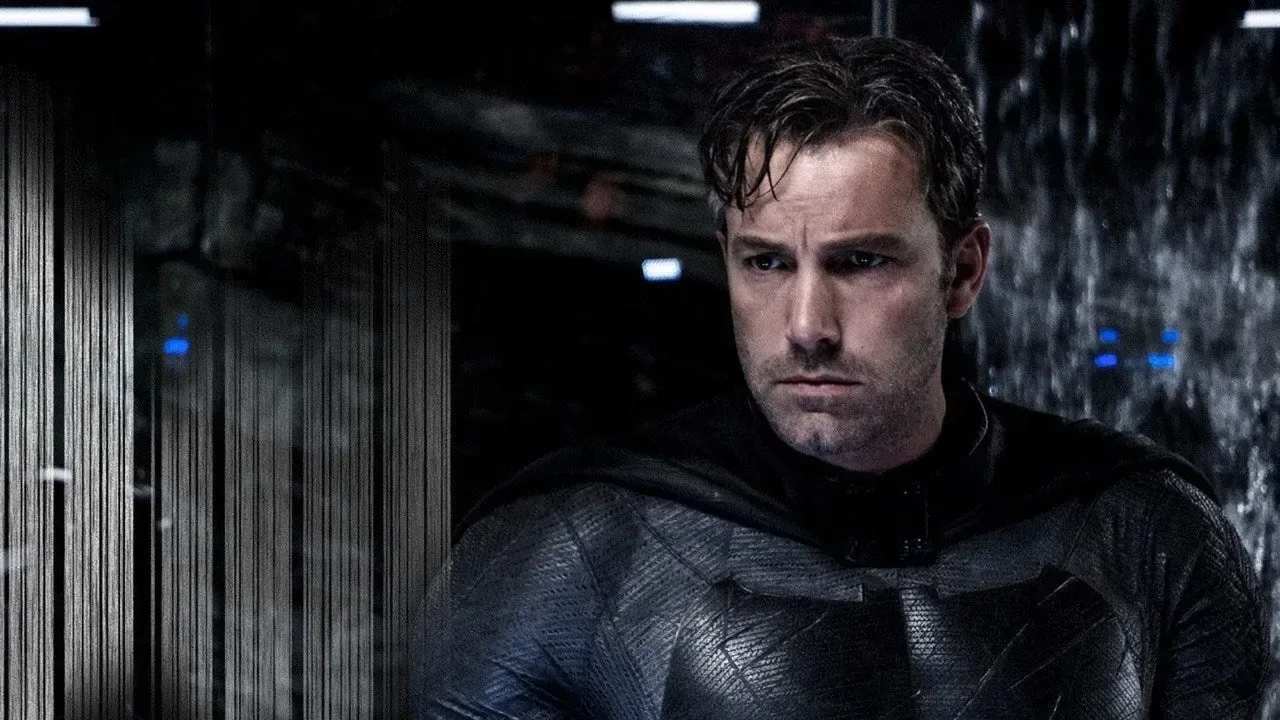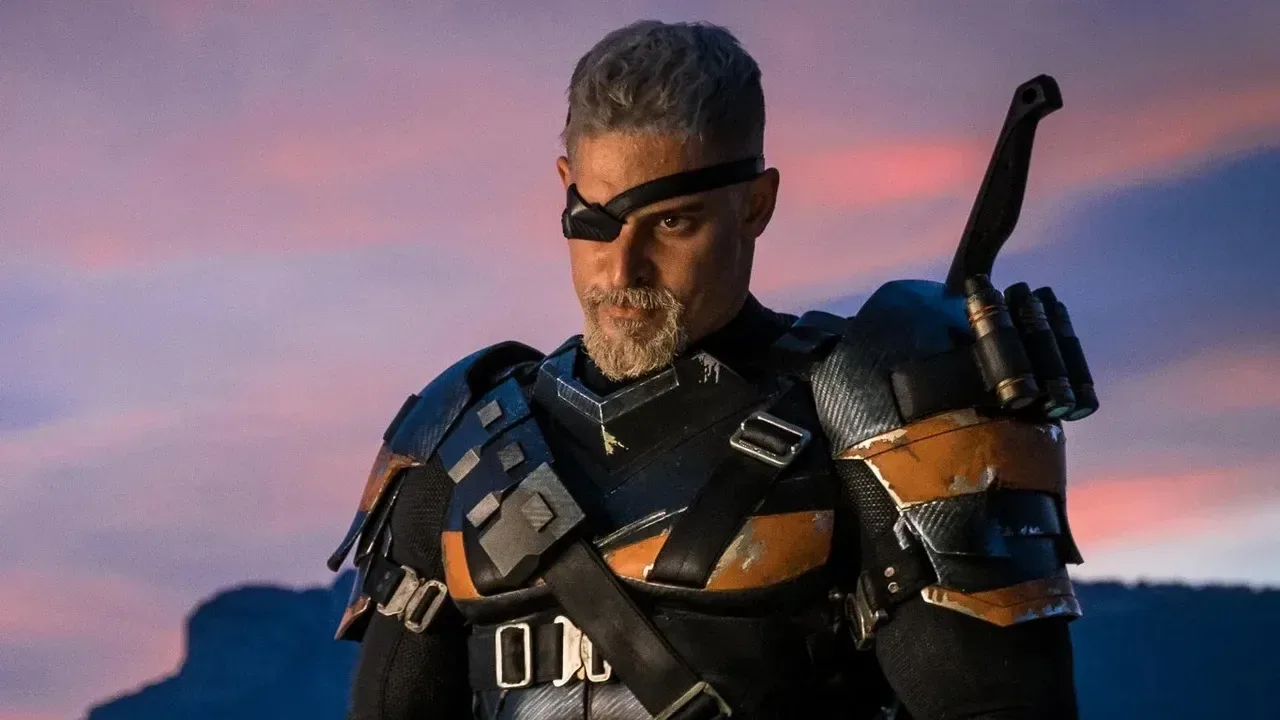
Some canceled superhero movies become footnotes: a logo, a casting report, perhaps a tantalizing concept image that sends fans into speculation mode. Ben Affleck’s abandoned Batman film has a more personal meaning for Joe Manganiello. The actor, who briefly appeared as Slade Wilson/Deathstroke in Zack Snyder’s Justice League, has explained that the prospect of playing Batman’s principal adversary became a powerful source of motivation during a difficult medical recovery.
Manganiello had been expected to return as Deathstroke opposite Affleck’s Batman in the planned standalone feature. At the same time, he was dealing with an autoimmune disease and surgery. He said his weight fell from 235 pounds to 176 pounds while he was in the hospital. Preparing for Deathstroke gave him a concrete goal: regain the weight he had lost and get physically ready to portray the armored mercenary.
That makes the project’s cancellation more consequential than the usual case of a performer missing out on a franchise part. In Manganiello’s account, the role became intertwined with a period in which he was trying to regain his health. When the film ceased moving forward, he said, the motivational anchor he had attached to it disappeared as well.
“I just knew I needed to fight,” Manganiello said of his response to the illness and the role. “I needed to get in better shape, I needed to gain the weight back that I had lost in the hospital.”
Deathstroke was meant to be Batman’s major opponent
Deathstroke’s screen time in Zack Snyder’s Justice League was brief, but it introduced Manganiello’s version of the character and positioned him for more. Slade Wilson is commonly known as Deathstroke, a highly trained and heavily armed antagonist whose tactical skill makes him a natural foil for Batman. Where many comic-book villains derive their danger from supernatural abilities or elaborate schemes, Deathstroke’s appeal is in the idea that he can meet a hero through preparation, combat experience and precision.
The unmade Batman film would reportedly have drawn together material from eight decades of Batman mythology. That description signals an expansive ambition, although it does not establish which characters, stories, settings or comic runs would have been included. What is clear is that Manganiello had been lined up for a much larger part than his earlier appearance, as the lead antagonist in a Batman story centered on Affleck’s Caped Crusader.
Affleck was initially attached to star, write and direct. He later stepped away from directing duties, and the film was ultimately canceled amid broader changes to the screen continuity associated with Snyder’s DC films. The 2023 release of Aquaman and the Lost Kingdom marked the end of that DCEU era, leaving Manganiello’s Deathstroke without a confirmed path into a subsequent film.
For audiences, a canceled project can feel like an unresolved piece of continuity. For an actor, it also means the work of preparation, the creative possibilities of a role and the professional momentum behind it can end without an on-screen result. Manganiello’s comments offer an unusually direct example of the latter, without turning the story into a claim that the movie was ever close to completion.
The loss of a role, and a changed perspective
Manganiello said he “lost” his mind when the Batman project fell apart. He had interpreted the offer to play the villain as a sign that things would be all right while he was recovering. Once the opportunity went away, he described being forced to confront what he had been through, including the visible effects of surgery.
His later interpretation is markedly different. Rather than framing Deathstroke solely as an opportunity taken from him, Manganiello now sees it as something that arrived at the right point in his life. In that view, the role’s most important effect was not a finished performance in an Affleck Batman film; it was the drive it gave him to continue getting stronger before doctors attempted to reconnect his digestive system.
That distinction matters. The comments are not a confirmation that the abandoned Batman movie will return, nor do they announce a new Deathstroke appearance. They are a reflection on recovery and on the strange weight an unrealized creative job can carry. A future casting decision, should one ever happen, would be separate from the meaning the actor has already assigned to the role.
It is also an example of why the language around “canceled” productions needs care. The end of a film can mean that scripts, casting and early creative work never reach an audience. It does not mean that those efforts had no real-world effect on the people involved. Manganiello’s health journey makes that point in especially human terms.
A helmet in the office—and an open door
Manganiello still keeps Deathstroke’s helmet from his first time playing the character in his office. He called getting to portray Deathstroke his greatest achievement and made plain that he has not closed the door on returning. “You want a warrior? You know who to call,” he said when asked whether he would still be interested.
The helmet is therefore more than a leftover costume component. In this context, it represents the small amount of finished screen history that remains from a larger intended arc, as well as the personal fight that Manganiello associates with it. Fans may read it as a nod to possible future casting, but the concrete information is narrower: he remains enthusiastic about the character.
That is a useful line to keep intact in superhero-film discussions, where enthusiasm can quickly become treated as confirmation. An actor’s willingness to return is not the same thing as a project being in development, a studio making an offer or a character having a place in a particular continuity. No new Deathstroke film or appearance is established by Manganiello’s comments.
Why Affleck moved away from directing Batman
Affleck has separately described his experience on Justice League as deeply negative and as a major factor in his decision not to direct a DC film. He cited several reasons, including personal circumstances, a tragedy during the period and what he saw as the damaging effect of a studio and filmmaker being at odds.
That last point speaks to a core tension in large-scale franchise filmmaking. The director is typically responsible for shaping performances, visual storytelling and the film’s creative whole, while a studio manages financing, distribution and the wider commercial strategy. Those responsibilities need not conflict, but Affleck’s assessment was that they did in this case—and that the conflict was creatively destructive.
It provides important context for why the Affleck-led Batman project did not simply proceed with a new director while preserving every element already attached. A movie’s lead performer, writer, director, villain and continuity are all connected, particularly when the project is designed around a particular creative vision. When the central arrangement changes, retaining individual components is possible but not automatic.
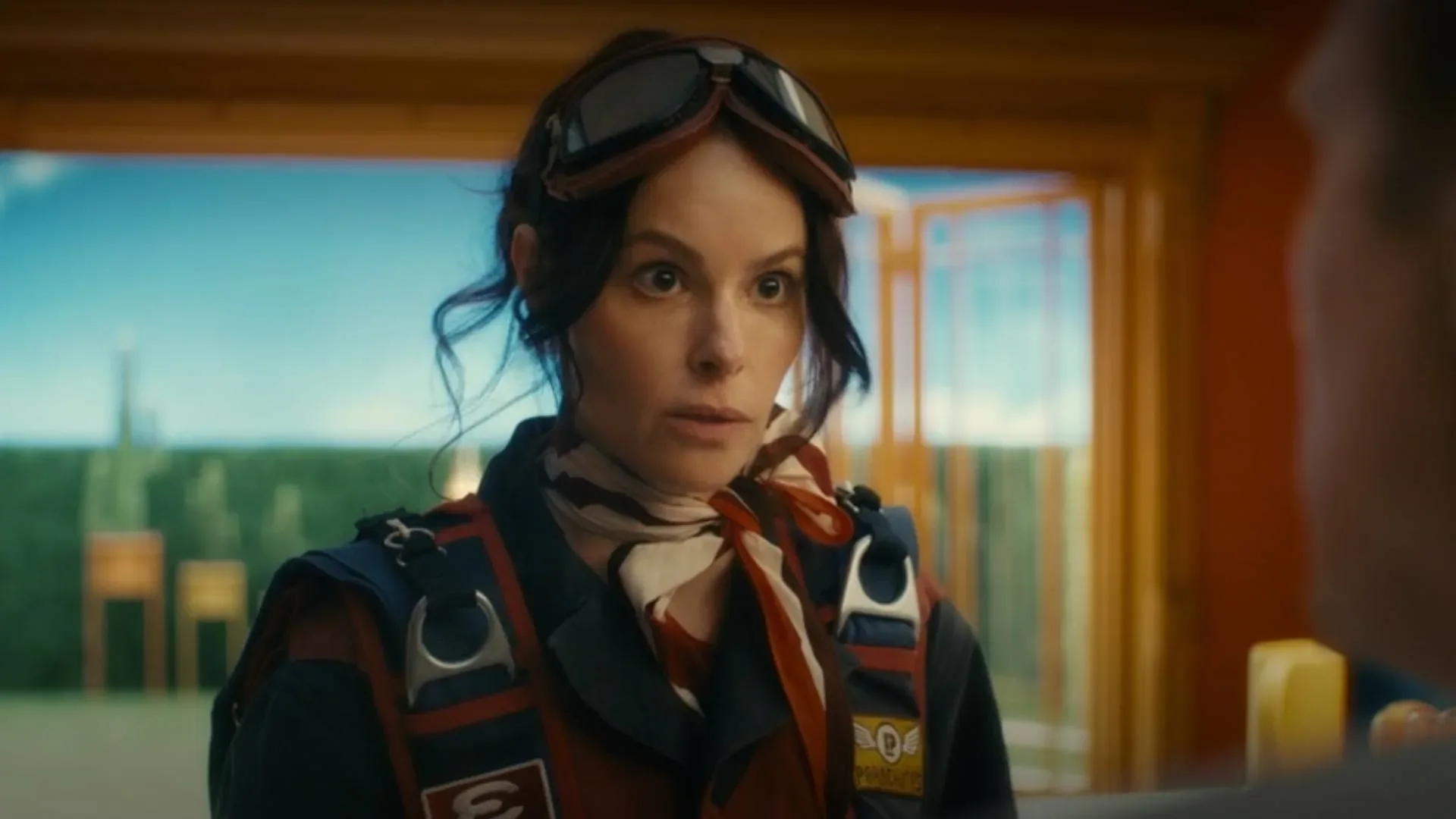
The broader superhero landscape continues to produce new stories beyond that canceled path. For another recent character-focused piece of genre casting, see Emily Hampshire’s comments on VisionQuest’s human E.D.I.T.H.
The Batman Part II is a separate Batman path
The next announced big-screen Batman continuation is The Batman Part II, reuniting Robert Pattinson and Matt Reeves. It is a different creative track from Affleck’s unrealized project, with Pattinson’s version of Bruce Wayne continuing a story about a younger Batman working out where his moral boundaries lie.
Production had been underway for several months, but filming was recently paused while Reeves stepped away for personal reasons. The film is planned for an early 2028 release. That schedule and pause concern the Pattinson-Reeves sequel; they do not indicate a revival of Affleck’s script or Manganiello’s planned leading-villain role.
For Deathstroke fans, then, the immediate takeaway is emotional rather than logistical. Manganiello’s account adds context to a role that appeared only briefly on screen but was poised to grow into something much bigger. The planned movie is gone, and no return has been announced. Yet the character’s helmet remains in his office, carrying the memory of a performance opportunity that, even unfinished, helped him keep fighting through an intensely difficult time.