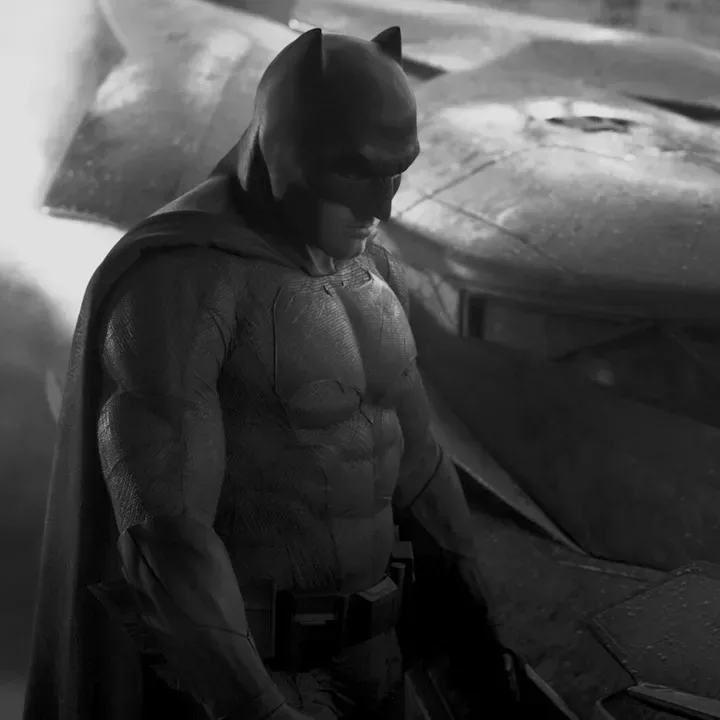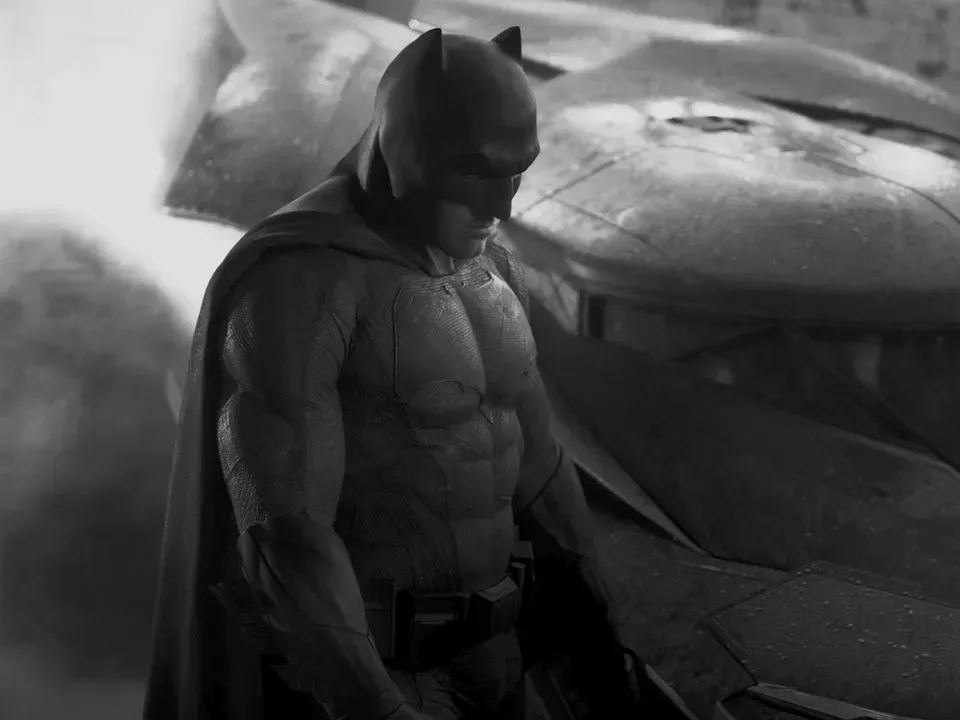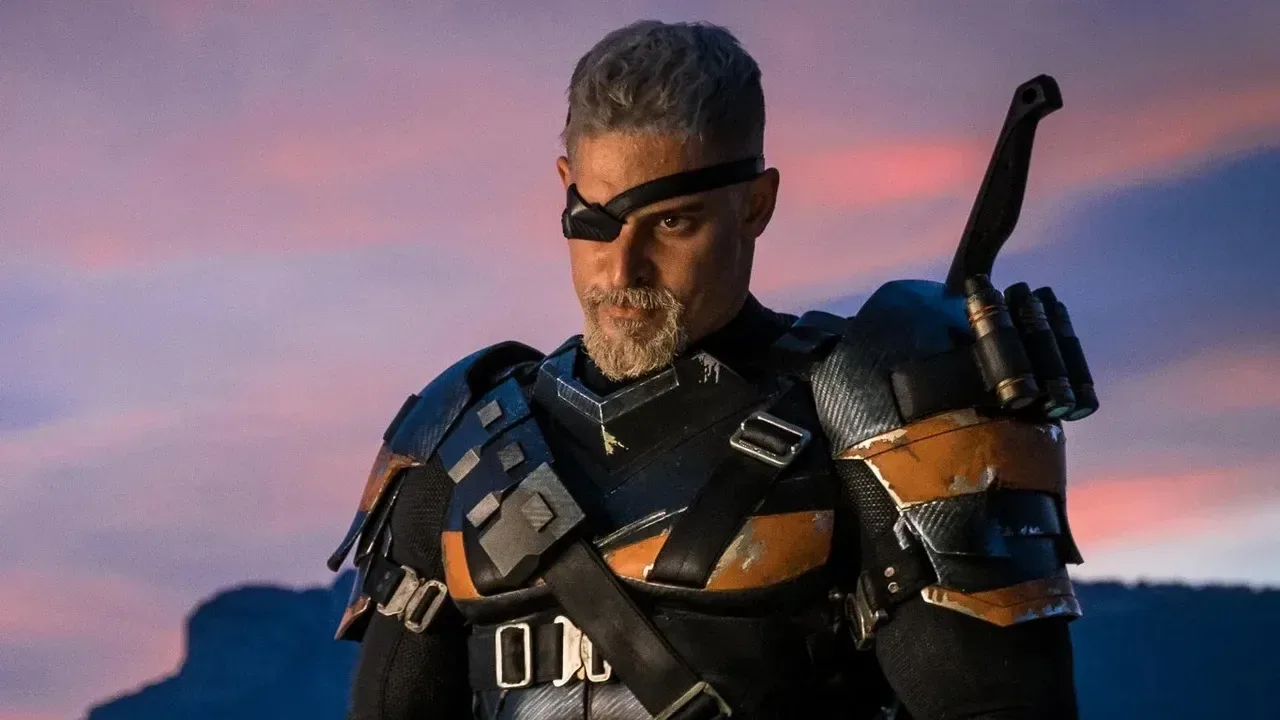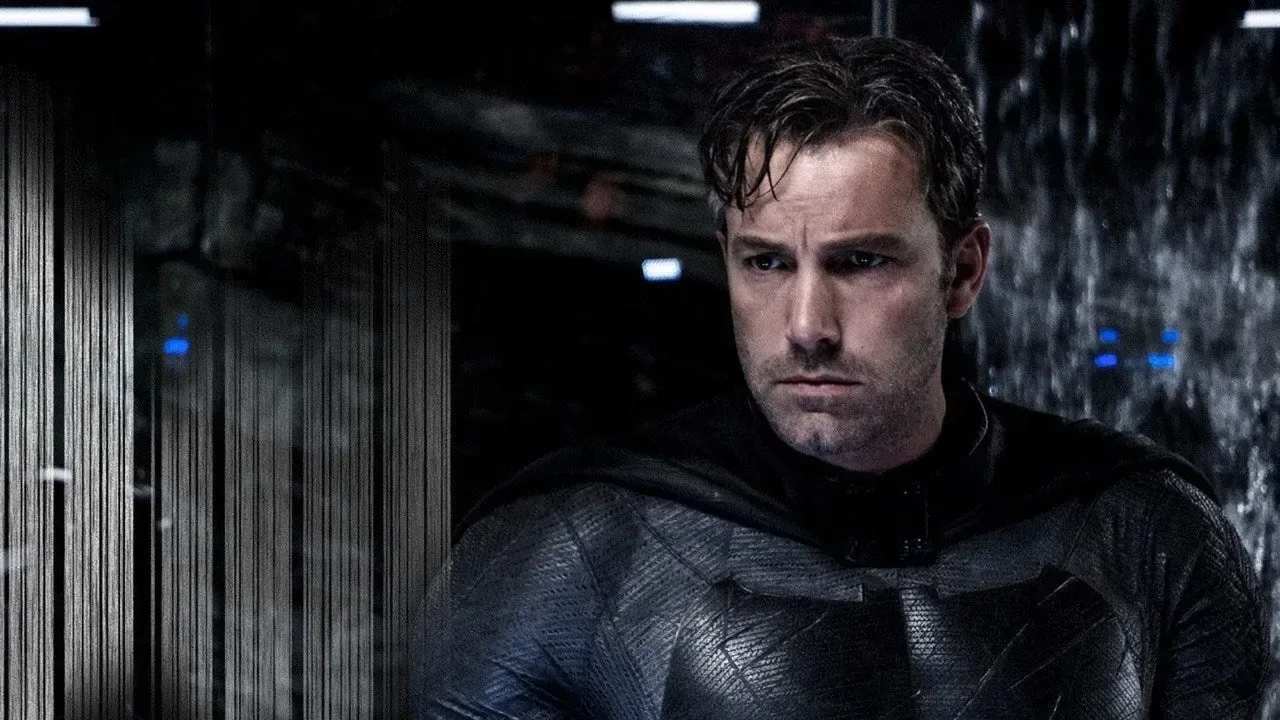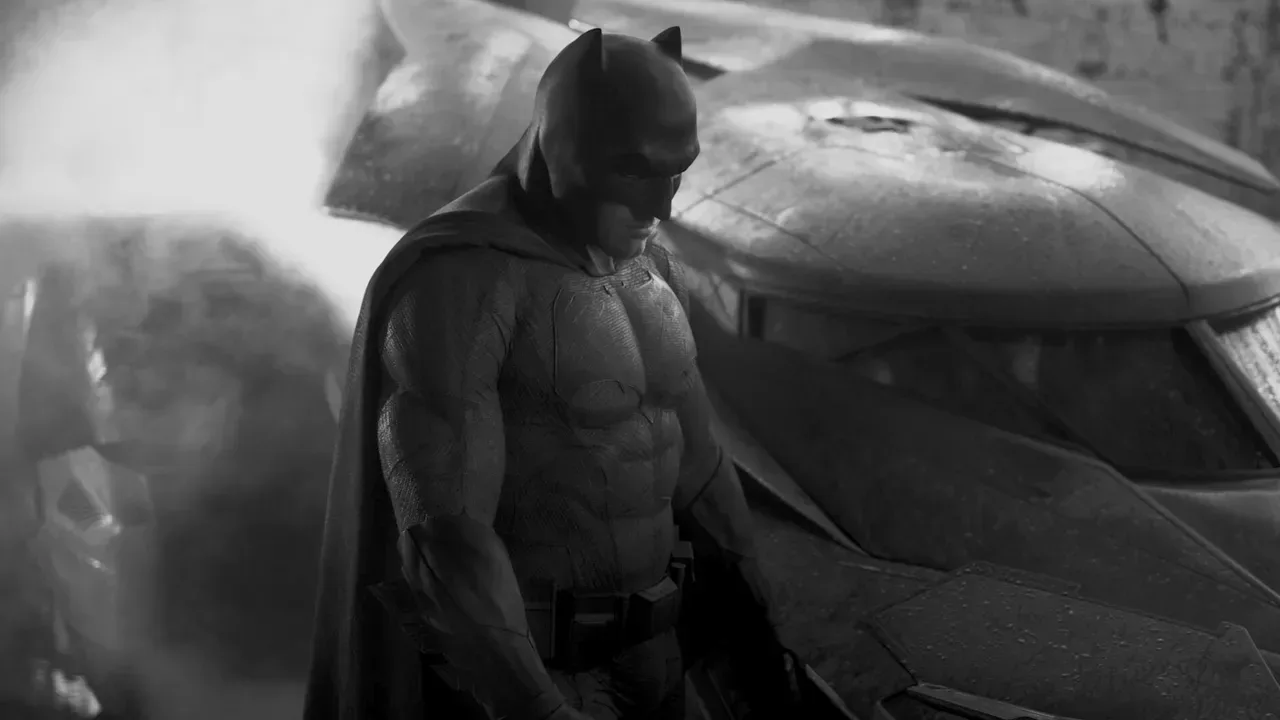
Ben Affleck’s unrealized standalone Batman film has long occupied an unusual corner of DC history: a project that was publicly discussed enough to inspire years of speculation, but never completed enough for anyone outside its development to know precisely what would have reached the screen. New recollections from Joe Manganiello, who was cast as Slade Wilson/Deathstroke, add substantial shape to that missing movie.
The broad idea was not simply Batman versus a physically imposing hired gun. Manganiello describes a story in which Deathstroke would methodically attack the foundations of Bruce Wayne’s life, turning Gotham, the Batcave and Batman’s closest relationships into pressure points. It is a premise that sounds designed to test Batman as a detective, strategist and person rather than merely as a combatant in armor.
That distinction matters. Deathstroke is often framed as an adversary capable of matching Batman in a fight, but the reported plan appears to have treated Slade’s threat as much more personal and structural. Rather than waiting for Batman in an alley or staging one isolated confrontation, he would allegedly have sought to dismantle the hero’s support system piece by piece.
Deathstroke’s motive was reportedly rooted in his son
Manganiello had previously characterized the intended film as a tense, psychologically driven superhero story, comparing its shape to David Fincher’s The Game. The newer detail is Deathstroke’s reported motivation: Slade had been led to believe that Batman killed his son.
That wording is important. The available account does not establish what Bruce Wayne’s exact role would have been in the son’s death, if any. It instead establishes the belief driving Slade’s revenge campaign. For a film centered on manipulation and destruction, that uncertainty could have been dramatically useful: Batman might have been confronting not only an elite enemy, but also an accusation potent enough to motivate every escalating attack.
Affleck’s interpretation of Bruce had previously been shown taking lives, which would have made the allegation especially volatile within that version of the DC film continuity. But there is no confirmed explanation of the alleged killing, no indication of which son was involved, and no reason to treat unproduced story material as a final screenplay. These are remembered plans from a canceled project, not a finished film whose canon can be definitively mapped.
Alfred, Gordon and the Batcave were reportedly in the firing line
The scale of Deathstroke’s campaign, as recalled by Manganiello, extended well beyond Batman himself. Slade would have broken into the Batcave, one of Bruce Wayne’s most closely guarded spaces, and taken Alfred Pennyworth hostage. In the continuity established by Batman v Superman: Dawn of Justice and Justice League, Alfred was played by Jeremy Irons.
A Batcave breach is more than a convenient action-movie escalation. The location represents Batman’s operational center: the place where his resources, identity and private life converge. Having Deathstroke enter it would signal that Bruce’s secrecy had failed at the most consequential level. Taking Alfred hostage would turn that security failure into an emotional weapon.
Manganiello also says Jim Gordon would have returned, with J.K. Simmons expected to reprise the commissioner role. Deathstroke reportedly would have killed Gordon during the story. If that remained in the eventual script, it would have given the film a major irreversible loss, while also removing one of Batman’s central allies within Gotham’s institutions.
None of this means the movie would necessarily have been crowded for its own sake. The apparent connective idea is that every development would narrow Batman’s options. Alfred represents home and trust; Gordon represents the city’s legitimate institutions; the Batcave represents control and preparation. Deathstroke attacking all three would make the villain’s mission legible without requiring him to say it repeatedly: Bruce Wayne is being isolated.
Batgirl was reportedly part of a near-fatal clash
The project also would have introduced a Batgirl, according to Manganiello’s account. The character and Batman were planned to fight Deathstroke in a confrontation that nearly killed both heroes before they escaped on an aboveground train.
That is an intriguing but incomplete piece of the picture. Batgirl never officially appeared in the DC Extended Universe, despite a separate feature entering production with Leslie Grace in the title role before it was canceled. That separate production was associated with Michael Keaton’s Bruce Wayne and a return for Simmons’ Gordon.
There is no confirmation that Grace would have played the Batgirl envisioned for Affleck’s film, nor is there enough information to determine how that incarnation would have fit within the wider continuity. Treating them as automatically identical would be speculation. The useful takeaway is narrower: a Batgirl was part of the planned version of Affleck’s Batman story, and she was apparently intended to be an active participant in one of its most dangerous action sequences.
The aboveground-train escape is also consistent with the film’s reported emphasis on vulnerability. Batman and Batgirl were not described as cleanly defeating Deathstroke and moving on; they were described as barely surviving and escaping. That would have reinforced the sense that Slade had seized the initiative.
The Arkham reference needs a little careful decoding
The most game-specific detail is Manganiello’s recollection of the finale: a one-on-one confrontation between Batman and Deathstroke through Gotham’s streets. Affleck reportedly pointed to a CGI fight associated with the Batman: Arkham games as an inspiration, with Tim Miller connected to the sequence.
There is a wrinkle, though. The recollection identifies Batman: Arkham Asylum, while the prominently remembered cinematic Batman-versus-Deathstroke fight is commonly associated with the trailer for Batman: Arkham Origins, set in a snowy shipyard. The supplied details do not resolve whether the title was being used loosely, whether a different clip was meant, or whether the intended inspiration blended several ideas. The safest reading is that a polished, game-style CGI confrontation was a creative reference point—not that the film would have recreated a particular game scene shot for shot.
That nuance is worth preserving because the Arkham games carry a particular action vocabulary. Their fights are often built around readable momentum, rapid counters, gadgets, environmental hazards and the contrast between Batman’s controlled movement and an opponent’s specialized aggression. Translating that language into a live-action street pursuit could mean borrowing pace and intensity rather than copying mechanics from a controller-driven game.
It also says something about why Deathstroke made sense as the lead opponent. A climactic duel needs an antagonist who can plausibly sustain a prolonged contest with Batman. The reported street fight would have been the final expression of the story’s larger conflict: after attacking Batman’s allies and invading his spaces, Slade and Bruce would finally meet without intermediaries.
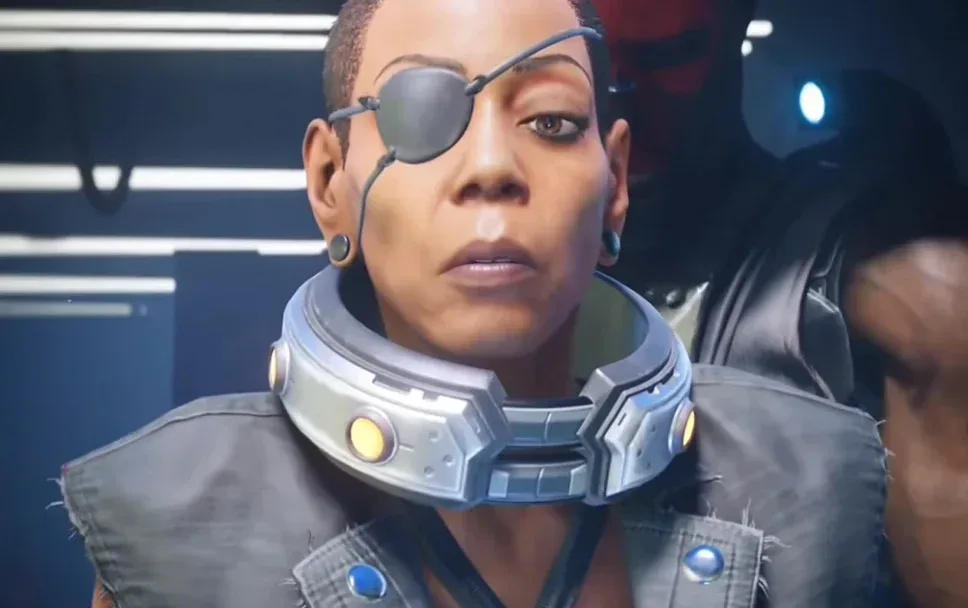
Game influences continue to be part of the broader pop-culture conversation around cinematic action and performance. For a related look at the people who bring game characters to life, see this discussion of Debra Wilson’s experience with appearing in video games.
Why the project remained unrealized
Affleck never completed the standalone Batman movie. Its development ultimately gave way to the 2022 film The Batman, directed by Matt Reeves and starring Robert Pattinson. That does not make the Affleck/Manganiello material a hidden version of the later film; the available description points toward a distinct approach, rooted in an established shared-universe Batman and the repercussions of his prior relationships.
Manganiello’s remarks also underline how ambitious Affleck’s planned workload was. Affleck was expected to write, direct, produce and star in the project. Manganiello recalls telling him that this was a great deal to take on, while also expressing excitement over what he believed could have been a prestige-minded Batman film.
That ambition helps explain both the appeal and the lingering fascination. The project appears to have aimed for a Batman story in which action set pieces were inseparable from escalating personal consequences. A hostage situation involving Alfred, the reported death of Gordon, Batgirl’s introduction, an exposed Batcave and an extended Deathstroke duel would all have asked the movie to carry considerable narrative weight.
Yet the same evidence requires restraint. Creative plans change, especially before a film is finished. No final footage exists to demonstrate how these elements would have been balanced, which scenes were fully scripted, or what version of the story would have gone before cameras. Manganiello’s memories are valuable insight into the project’s direction, but they are not a substitute for a completed film.
What remains on DC’s Batman slate
Although Affleck’s solo Batman film is unlikely to materialize, Batman remains central to DC’s live-action plans. The Brave and the Bold is in development under DC Studios leadership, while The Batman Part II is also being assembled as the continuation of Reeves and Pattinson’s separate Batman series.
The latter has drawn attention for set imagery suggesting possible Arkham Asylum-inspired changes to Pattinson’s suit, though that is separate from Affleck’s abandoned Deathstroke project and should not be read as a revival of its ideas.
For fans of both Batman films and the Arkham games, the new account offers something more useful than a vague “what if.” It supplies a reasonably coherent outline: Deathstroke, driven by a belief about his son’s death, would turn Bruce Wayne’s world against him; Alfred and Gordon would be caught in the assault; Batgirl would enter the story amid a brutal fight; and Batman’s final confrontation with Slade would draw inspiration from the visual force of a game-related CGI battle. It is still an unwritten chapter of DC cinema, but it is no longer quite as shapeless as it once was.