Debra Wilson has become one of the most recognizable performers in modern games, sometimes in the most literal possible sense. Across major productions, players have seen characters whose faces closely resemble the actor behind them. But Wilson says she does not have a simple master-plan explanation for the recurring digital doubles: the decision generally belongs to the developers making each game.
That distinction matters because the public conversation around a familiar face in several blockbuster games can quickly drift from casting to speculation. Wilson’s own view is more creatively interesting than any imagined behind-the-scenes arrangement. She has said she enjoys roles where the character does not resemble her, because a different appearance can make it easier to disappear into the performance.
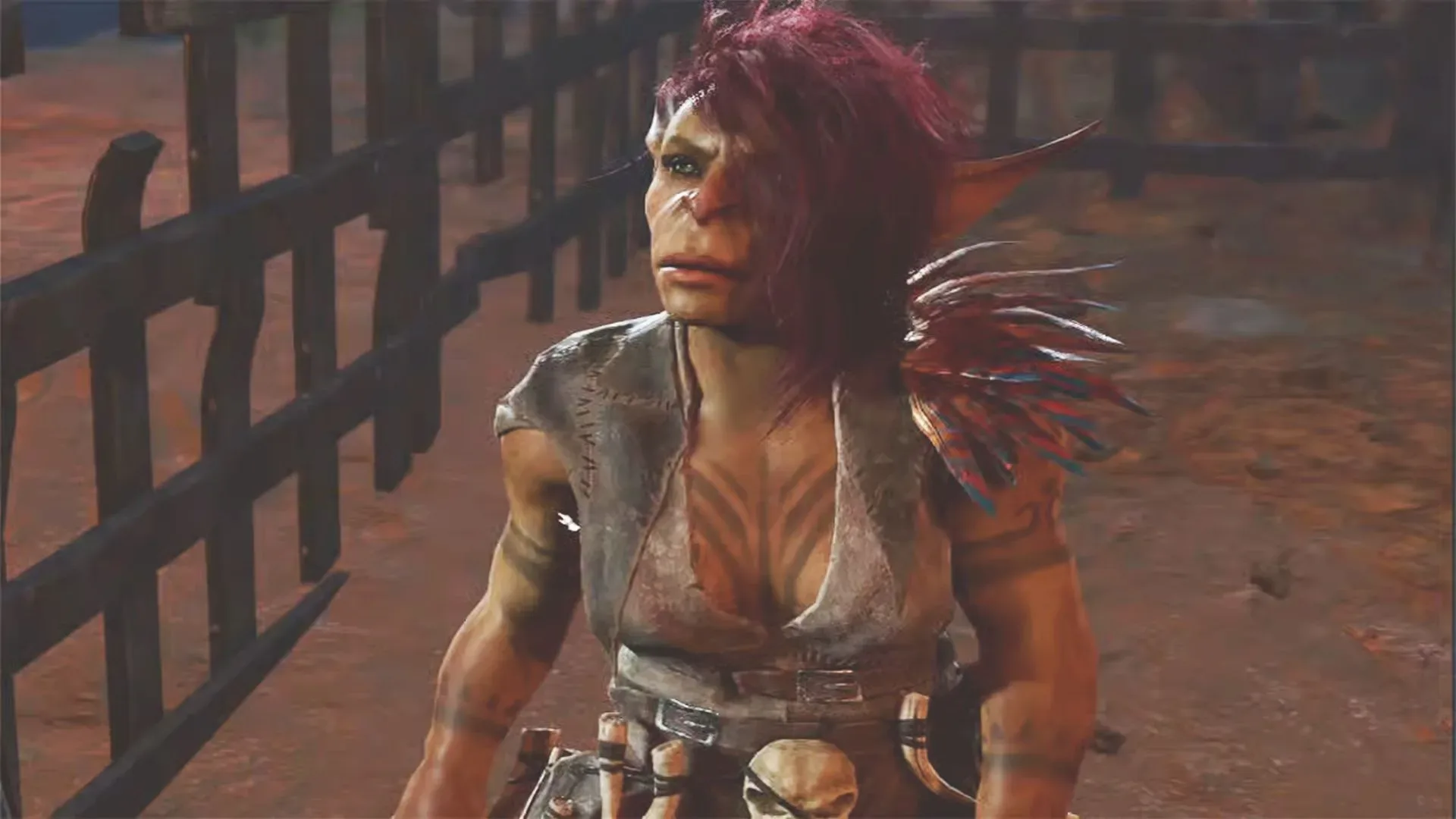
“Honestly, I love games where they don’t look like me at all,” Wilson said in a podcast conversation. “If it just looks like me, then how do you get a chance to really escape into a character?”
It is an unusually useful reminder that facial resemblance and character acting are related tools, not the same thing. A digital character can be built around an actor’s face, voice and physical performance. Or the same actor can lend a voice and performance to someone visually nothing like them. Both approaches can produce a memorable role; they simply place the performer’s identity in different places on the screen.
For more context, explore ‘Sense and Sensibility’ Costume Designer Grace Snell Builds a Dashwood Wardrobe Meant to Be Shared.
Wilson’s face is familiar, but the roles are not interchangeable
Wilson’s game work spans decades and includes roles connected to Wolfenstein, Marvel’s Wolverine, Suicide Squad: Kill the Justice League, Star Wars Jedi and Death Stranding. The current attention stems in part from how clearly certain recent characters echo her real-world appearance.
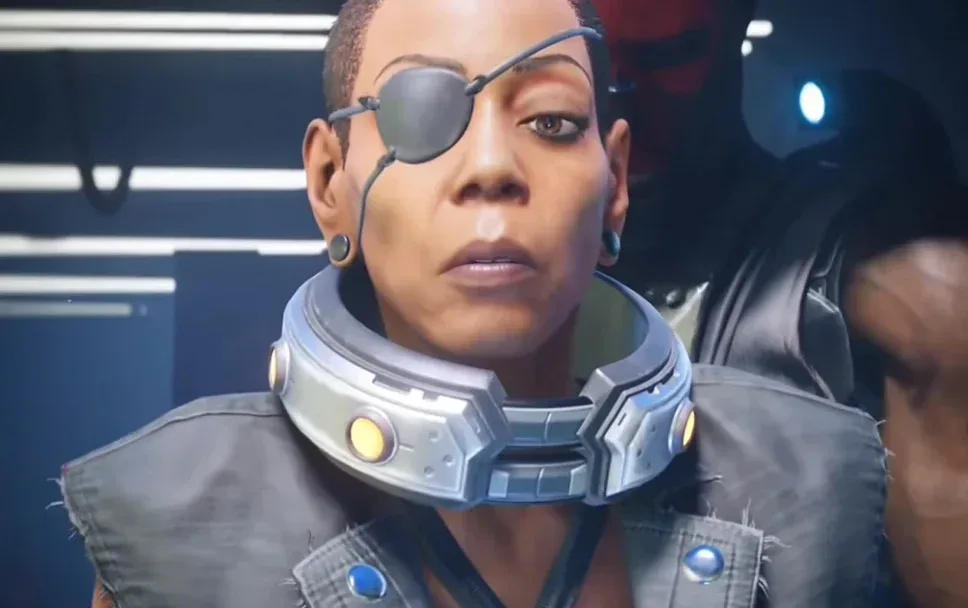
In Marvel’s Wolverine, Wilson plays Callisto, identified as the one-eyed leader of the Morlocks. She has expressed uncertainty over why that character shares her appearance. The creative choice fits a broader casting approach in which a production’s principal digital characters resemble the actors performing them, an approach also familiar from series including Call of Duty, Death Stranding and Star Wars Jedi.
Other examples are even harder to miss. Amanda Waller in Suicide Squad: Kill the Justice League and Grace Walker in Wolfenstein are close visual matches for Wilson. That can make the recurrence feel conspicuous to audiences who encounter several of her projects in a short time. Yet resemblance alone does not tell players why a casting choice was made, how a character was written, or which parts of the performance process were used.
Related coverage includes Debra Wilson Says Developers Decide When Her Game Characters Share Her Likeness.
The more grounded explanation is also the least flashy one: an experienced actor keeps getting work because teams want to work with an experienced actor. Del Walker, who worked on both Jedi and Suicide Squad, previously praised Wilson’s casting auditions in emphatic terms, comparing the gap in capability to watching “1996 Michael Jordan” arrive for a high-school game. It is colorful praise, but its basic point is clear. A formidable audition and a long record of reliable work are powerful advantages in a competitive casting process.
For readers following the discussion as it continues, a separate overview of Wilson’s comments likewise centers the point that developers decide whether her likeness is used.
What “likeness” means in a game performance
In this context, an actor’s likeness means the recognizable visual characteristics of the person: their face and overall appearance as rendered on a digital character. It is distinct from a voice performance, which supplies dialogue and vocal expression, and from motion capture, a process that records an actor’s movement so it can inform animation.
Those elements may be combined, but they do not have to be. A production may hire one performer for a character’s voice, use a different person’s face as visual reference, and build movement through a separate capture process. At the other end of the spectrum, a studio may intentionally align the character model, vocal performance and physical performance around one actor. That alignment gives audiences an immediate association between the person and the role.
Wilson’s comments underline why the second route is not automatically the performer’s preferred artistic option. A close digital replica can bring a pleasing sense of presence, particularly when audiences already know the actor. But transformation is a major pleasure of acting. A character who looks radically different can give a performer more room to surprise viewers and to be received as the character first rather than as a celebrity-shaped avatar.
Recognition can help—and it can change how audiences watch
There is no reason a recognizable digital face cannot support a strong performance. In some games, making a character resemble the actor can make the work feel more immediate, especially when the performer’s voice, expression and physicality point in the same direction. It can also help audiences connect a name in the credits to an actual person, which is no small thing in a medium where many excellent performances are experienced without the player ever seeing the performer.
Still, Wilson’s preference for occasional visual distance identifies the trade-off. Recognition can become a lens through which every scene is viewed. Players may notice the performer before they notice the character, or may compare one role against another because the face is familiar. A transformed character shifts that attention toward behavior, voice, posture and writing.
That is especially relevant for character actors, whose careers are often defined by versatility rather than one fixed screen identity. Wilson can be recognizable across the industry while still wanting individual roles to stand apart. Those positions are not in conflict. They are two sides of a performer working in a medium capable of both photorealistic resemblance and total reinvention.
A credit to the craft, not a conspiracy
Online jokes about Wilson appearing everywhere have occasionally escalated into theories about why she is repeatedly cast. The available explanation is considerably more ordinary: development teams choose whether to use her likeness, and people who have worked with her have stressed the strength of her auditions and experience.
That should be a welcome reading of the situation. Games increasingly rely on performers who can handle the technical demands of recording while delivering the precision needed for demanding dramatic, comic or antagonistic roles. The craft is more than a recognizable face, and it is more than reading lines into a microphone. When a performer has accumulated a body of work across such different games, repeat casting may simply reflect the value of someone who can consistently meet the job.
The industry also offers performers several ways to appear. One role may place Wilson behind a character designed to look like her; another may allow her to vanish behind an entirely different person. Wilson’s comments make a persuasive case for preserving both possibilities. For players, the familiar face can be fun. For actors, the unfamiliar one may offer the greater escape.