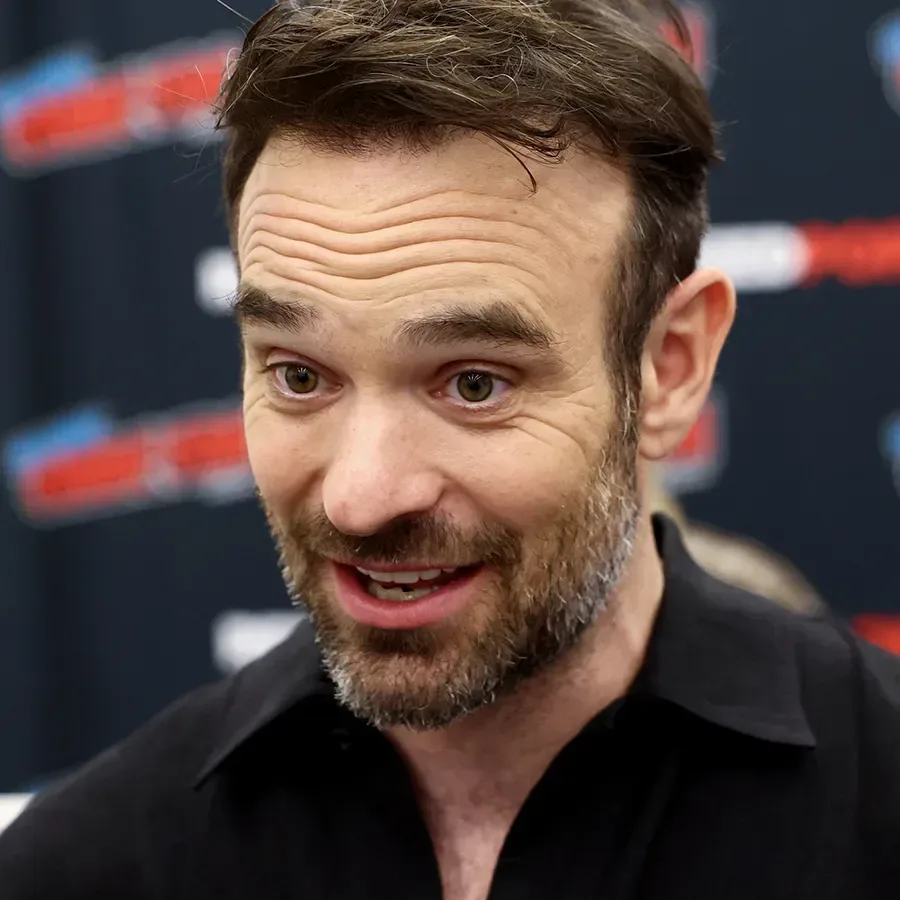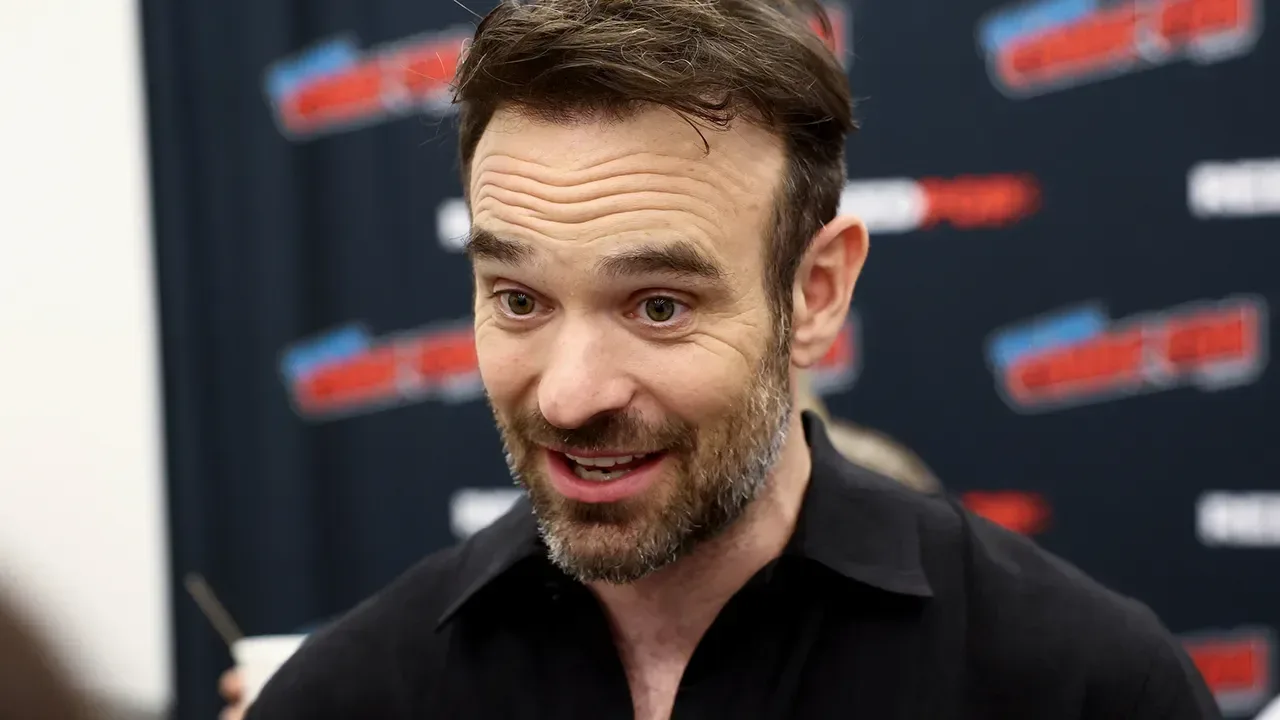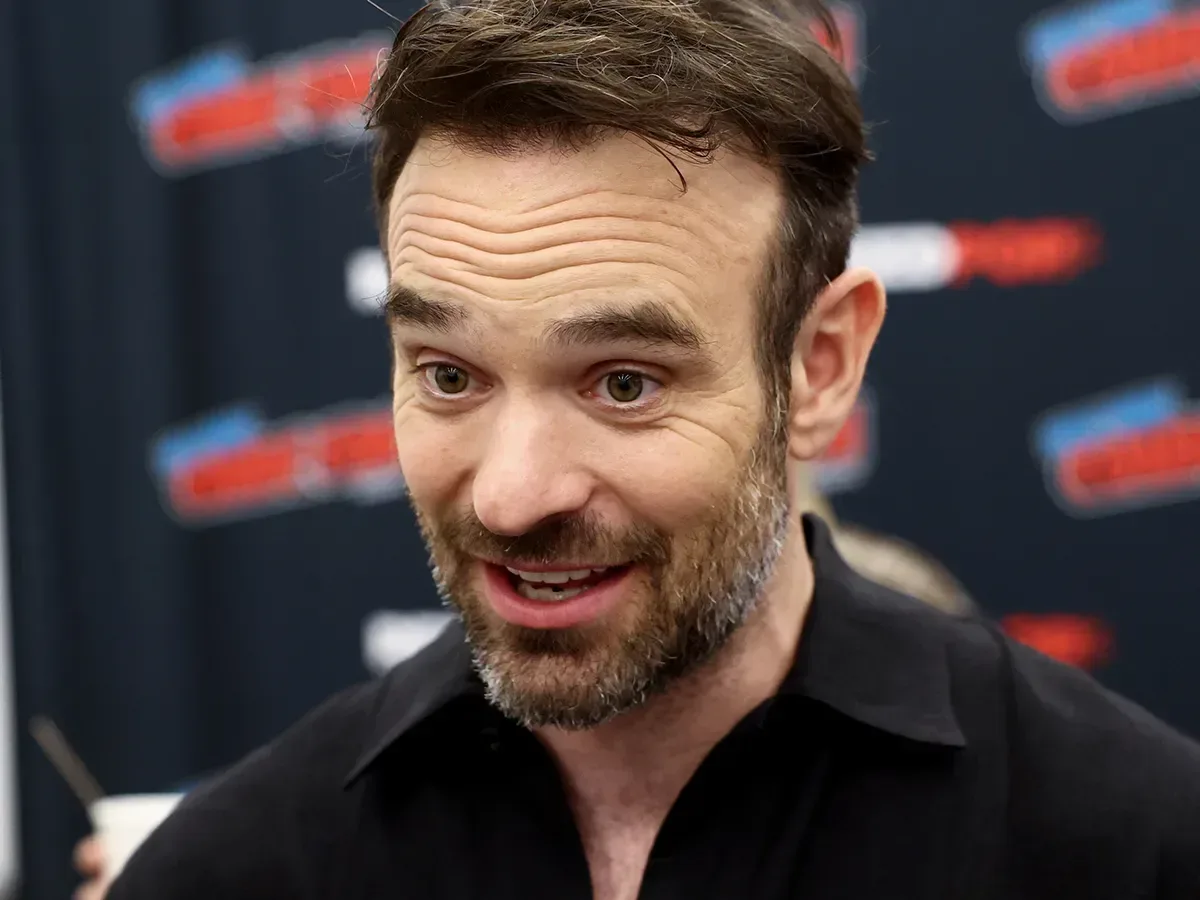
Charlie Cox has revealed that he has completed voice recording for an unannounced game connected to Sega, adding a notable acting credit to a project that currently has no public title, genre, platform list or release date.
The actor discussed the work during New York Comic-Con 2026, confirming that the game remains unnamed publicly and has not yet been released. Cox described the assignment as enjoyable but difficult, stressing that game performance is a distinct discipline from his other screen work.
“I did another one! It doesn’t have a name yet,” Cox said of the Sega project.
That is the central confirmed fact: Cox has finished his recording work on a Sega game that has not been announced. Everything beyond that needs careful handling. There is no confirmed character name, no confirmed developer, no indication of whether Sega is publishing or developing the title, and no basis to attach it to any existing Sega franchise.
What Cox’s comments actually reveal
Cox shared one useful detail about the recording process. He said the team initially appeared to expect an American actor, only realizing on his first day that he is English. He then had to perform what he described as roughly 40 hours of dialogue using an accent he had not prepared in advance.
That makes an American accent—or at least a character who speaks with one—the clearest detail available about his part. It also suggests the job involved a substantial amount of recorded material. However, a long recording commitment does not establish a protagonist role by itself. Games can require extensive dialogue from companions, antagonists, mission-givers, narration, branching scenes, gameplay callouts, downloadable content or material that may later be changed or removed. The safe reading is simply that Cox’s contribution was sizeable.
Forty hours of lines should not be confused with 40 hours of a player hearing the actor in a finished game, either. Voice recording captures raw performance material. A final release can contain alternate takes, unused dialogue, different branches that no single player encounters, and lines separated across cutscenes and interactive sequences.
Why video-game voice work can be so demanding
Voice acting for games often differs from recording a tightly fixed film or television scene because the performer may need to deliver many variations around the same situation. A character can react differently to success, failure, an alternate player choice, a changed location or a repeated combat encounter. The actor may be asked to match emotional intensity across scenes that will ultimately be encountered far apart in the game.
Related coverage includes Charlie Cox Confirms He Has Finished Recording an Unannounced Sega Game.
Technical requirements can add another layer. Dialogue may be recorded as pickups, meaning extra or revised lines captured after an earlier session. Performers can also make isolated efforts—breathing, exertion, pain, impacts and movement sounds—that support gameplay animation. None of those processes have been confirmed for Cox’s Sega job, but they illustrate why a large number of studio hours cannot neatly tell audiences the size of a role or the length of a game.
The accent issue is significant in a more immediate way. Accents are not only about sounding geographically appropriate; a performance also has to remain consistent across a long recording schedule. Cox’s account indicates he was asked to sustain an American voice over a substantial set of sessions despite arriving without prior accent preparation. It is a revealing reminder that voice casting can involve far more than simply supplying a recognizable face or name.
A new game credit after Gustave
Cox has already appeared in a recent major game role as Gustave in Expedition 33. That game launched in 2025, and his performance drew praise from players. Cox was also nominated for Best Performance at that year’s Game Awards.
His work on Gustave provides context for why this otherwise sparse Sega disclosure will attract attention. It demonstrates that Cox is not merely making a one-off appearance in the medium: he has now confirmed another completed game-recording job. At the same time, his earlier work offers no dependable clue to the identity of this new title. A performer’s previous genre, character type or production scale does not prove that a future project will follow the same pattern.
The contrast in reported recording time is interesting but should not be overread. Cox’s lines for Gustave were recorded in a four-hour session, while the unnamed Sega work took approximately 40 hours. Recording schedules are shaped by writing volume, revisions, session structure, availability, performance direction and the technical needs of individual productions. The difference supports the conclusion that these were very different assignments, not a conclusion about the quality, budget, format or eventual prominence of either game.
What the Sega connection does not confirm
Sega has several already announced projects in its wider release slate, including Stranger Than Heaven, Virtua Fighter Crossroads, Persona 6 and Alien: Isolation 2. Cox’s statement that his game does not yet have a public name makes it unwise to identify any one of them as the project.
It would also be a mistake to frame this as confirmation of a franchise return, a new character in a known series, or a newly revealed Sega studio production. Those claims would require an official title announcement or further on-record details. At present, the actor has identified the company connection and his completed involvement, but not the game itself.
That uncertainty is valuable information for fans tracking announcements. A voice actor can finish recording far ahead of a game’s marketing debut, but the gap does not create a firm release timetable. Development plans, announcements and casting disclosures are separate milestones. Until Sega names the project, speculation is likely to outrun evidence.
What to watch for next
The most concrete next step will be a Sega announcement that identifies the game and its cast. If one arrives, it could clarify whether Cox is playing a lead, a supporting character or a role designed around interactive branching. It may also establish the developer, target platforms and release plans that are all absent from the current picture.
For now, the practical takeaway is straightforward: Charlie Cox has completed a substantial voice role in a still-secret Sega game, apparently as a character using an American accent. Fans looking for hard news should treat the unnamed-project status as the key part of the story, rather than trying to force the credit onto an announced game.
More broadly, the reveal arrives amid ongoing discussion about how performance and player experience meet in modern games. For a separate perspective on design choices and the player-facing side of game development, see Naoki Hamaguchi’s comments on the Final Fantasy 7 minigame debate.
Cox’s next known screen project is Daredevil: Born Again season 3, which is scheduled for early 2027. But his unnamed Sega role remains a different kind of mystery: the performance work is done, while the game it belongs to is still waiting for an introduction.