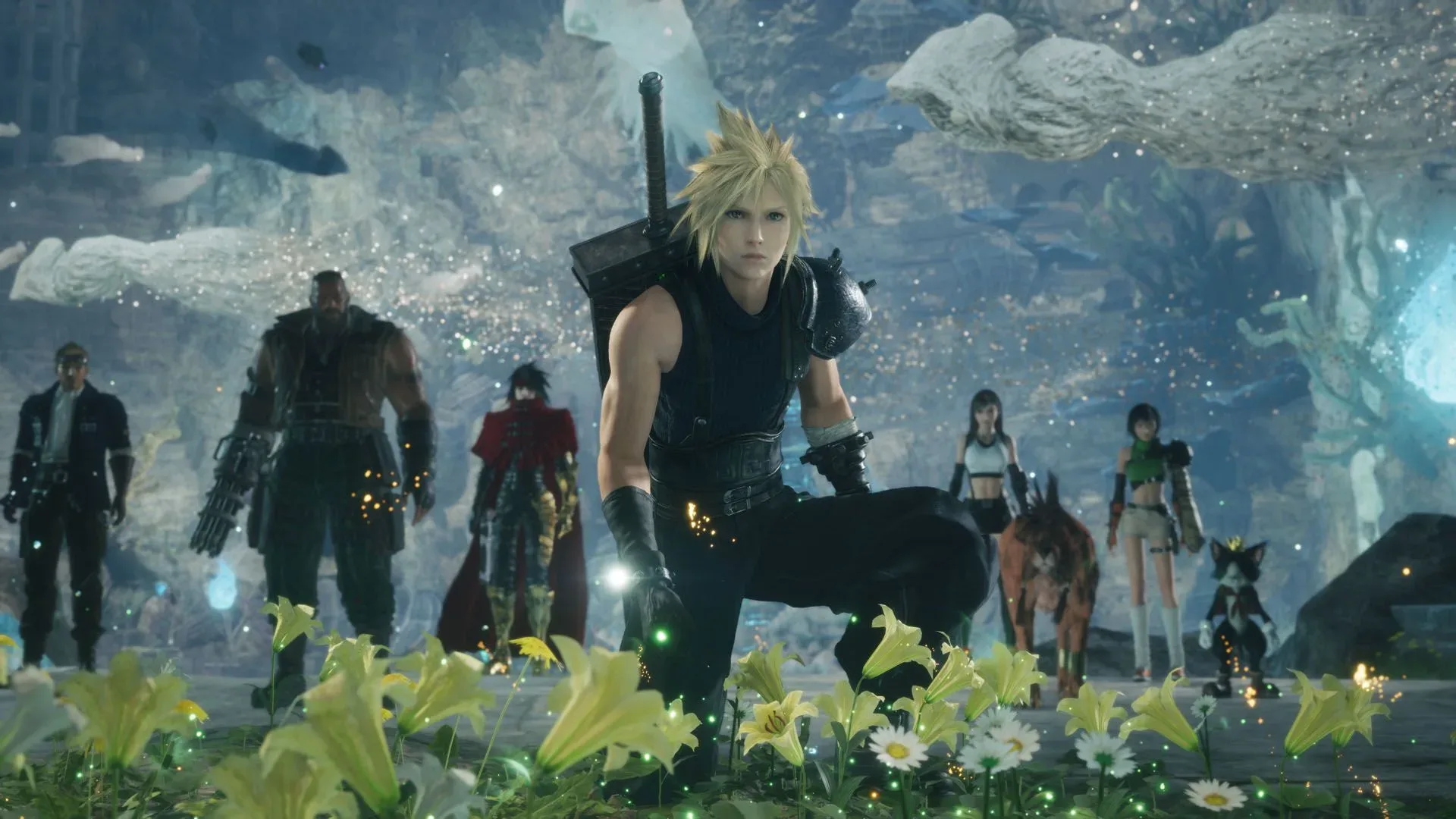
It is hard to discuss Final Fantasy 7 Rebirth without eventually reaching the minigame question. The RPG puts activities such as Queen’s Blood, Fort Condor, Chocobo Racing, Galactic Survivors and Pirate’s Rampage alongside its central adventure, and that abundance has become a major dividing line among players. Some see the diversions as a playful extension of the world; others see them as distractions that interrupt momentum or impose unfamiliar skills on people who came primarily for a role-playing game.
Naoki Hamaguchi, who directed Rebirth and is directing Final Fantasy 7 Revelation, has addressed that argument by shifting the focus away from the number of activities. In his view, “more” and “fewer” are not the useful measurements. The key design question is what kind of experience fits a given title—and whether players meet its optional games as appealing breaks rather than obligations.
“I often see debates about whether it’s better to have more minigames or fewer,” Hamaguchi said. “However, I don’t think that discussion really gets to the heart of the matter.”
That is not a dismissal of responsibility. Hamaguchi explicitly identifies the remake project’s broad policy—providing an experience as rich in minigames as the original Final Fantasy 7—as his decision as director. He says that responsibility is his to bear. In other words, the volume of side activities was intentional, not merely an accidental byproduct of enlarging the game.
The argument is about friction, not arithmetic
“Minigame” can be a misleadingly small term. It covers activities that ask players to use rules, inputs and goals different from the core RPG loop. A card game such as Queen’s Blood can demand planning and knowledge of its own systems. Racing emphasizes control and performance. Other diversions may ask for timing, puzzle-solving or a short burst of arcade-style execution.
For a large RPG, those mechanical detours can serve several purposes. They can alter the pace after combat and exploration, give towns and regions a more lived-in quality, and create a distinctive change of mood. They can also create friction. A player comfortable with party-building and story progression may not enjoy being assessed on a separate ruleset, especially if advancement appears to depend on succeeding at it.
Hamaguchi’s comments place that friction at the center of the issue. He said the team should keep improving whether activities are easy to begin and whether players can enjoy them without unnecessary stress. That distinction matters. An activity can be detailed, difficult or simply not to a player’s taste without automatically being a design failure. The concern is whether the game communicates its expectations, provides a manageable point of entry and respects the player’s decision to participate.
“We prioritised ensuring that players engage with the minigames because they want to, rather than feeling like they’re being made to play them,” Hamaguchi said.
Related coverage includes Final Fantasy 7 Revelation Director Says Minigame Debate Misses the Bigger Design Question.
That is a useful way to separate two debates often bundled together. One is a matter of creative preference: should a Final Fantasy 7 remake be packed with silly, experimental and varied diversions? Hamaguchi’s answer is clearly yes, consistent with the original game’s spirit. The other is implementation: when do those diversions appear, how much do players need to master them, and how stressful are they? His remarks suggest those are the areas that deserve continued scrutiny.
Why optionality changes the conversation
The difference between an optional diversion and a required roadblock is central to the practical player experience. Rebirth includes extensively developed minigames, but many of the more demanding activities are not necessary for the critical path—the sequence of objectives required to progress through the main story. That does not mean everyone will experience them as entirely consequence-free, nor does it settle every complaint. Players may still care about rewards, completion goals, personal curiosity or the feeling that they are leaving part of a game unexplored.
Still, optionality is a meaningful design tool. It allows an RPG to offer a fuller spread of activities without asking every player to treat every system as equally important. Someone who enjoys Queen’s Blood can engage deeply with it. Someone who would rather race chocobos can spend time there. Someone interested chiefly in the story can focus on the core route where possible.
The challenge is that “optional” is not a magic word. For choice to feel real, players need clarity about what they can safely skip and a reasonable path through any moments that do require participation. Accessibility in this narrower design sense is not only about difficulty. It also includes understandable rules, low-stress onboarding and avoiding the impression that the player has been unexpectedly transferred into a completely different game for too long.
Hamaguchi’s emphasis on ease of engagement points toward that broader definition. A minigame does not need to be stripped down to justify its place. Rather, the player should understand how to approach it and feel that their time with it is voluntary and proportionate.
The original game is part of the creative premise
The remake trilogy’s relationship to the 1997 original is not limited to plot, characters or locations. Hamaguchi’s comments make clear that the abundance of side attractions is also part of the adaptation’s design identity. The original game is remembered not only for high-stakes drama, but for its willingness to detour into unusual activities. Preserving that texture in a modern, expanded production means grappling with a difficult balance: honoring eccentricity without letting it become exhausting.
That balance is especially complicated because modern versions can flesh out an idea far beyond a brief older-game diversion. More depth can make an activity more rewarding for its audience, but it also raises the stakes for players who do not connect with it. A short novelty is easy to tolerate; a more robust standalone-style system naturally invites stronger opinions about tutorialization, pacing and its relationship to the larger game.
Hamaguchi does not argue that every player must enjoy every minigame. Instead, he frames the objective as delivering the appropriate overall experience. That is a more ambitious and more subjective goal than choosing a count. There is no universal ideal number of activities. A game with three poorly introduced mandatory diversions could feel more burdensome than one with a long list of clearly signposted, largely voluntary pastimes.
What this could mean for Revelation
There is no detailed minigame roadmap for Final Fantasy 7 Revelation in these remarks, so it would be premature to treat them as a promise of particular modes, changes or content. They do, however, establish the director’s stated priorities. The series’ richness of side activities remains a deliberate creative direction, while player willingness, ease of engagement and avoiding unnecessary stress are the standards Hamaguchi says matter most.
For players, that makes a more useful set of questions than simply asking whether the next game has “too many” minigames. Are the activities explained well? Do they arrive at a sensible pace? Is their relationship to the critical path clear? Can a player who dislikes one type of challenge move on without feeling punished? Do the diversions reinforce the game’s atmosphere and variety rather than dilute its dramatic stakes?
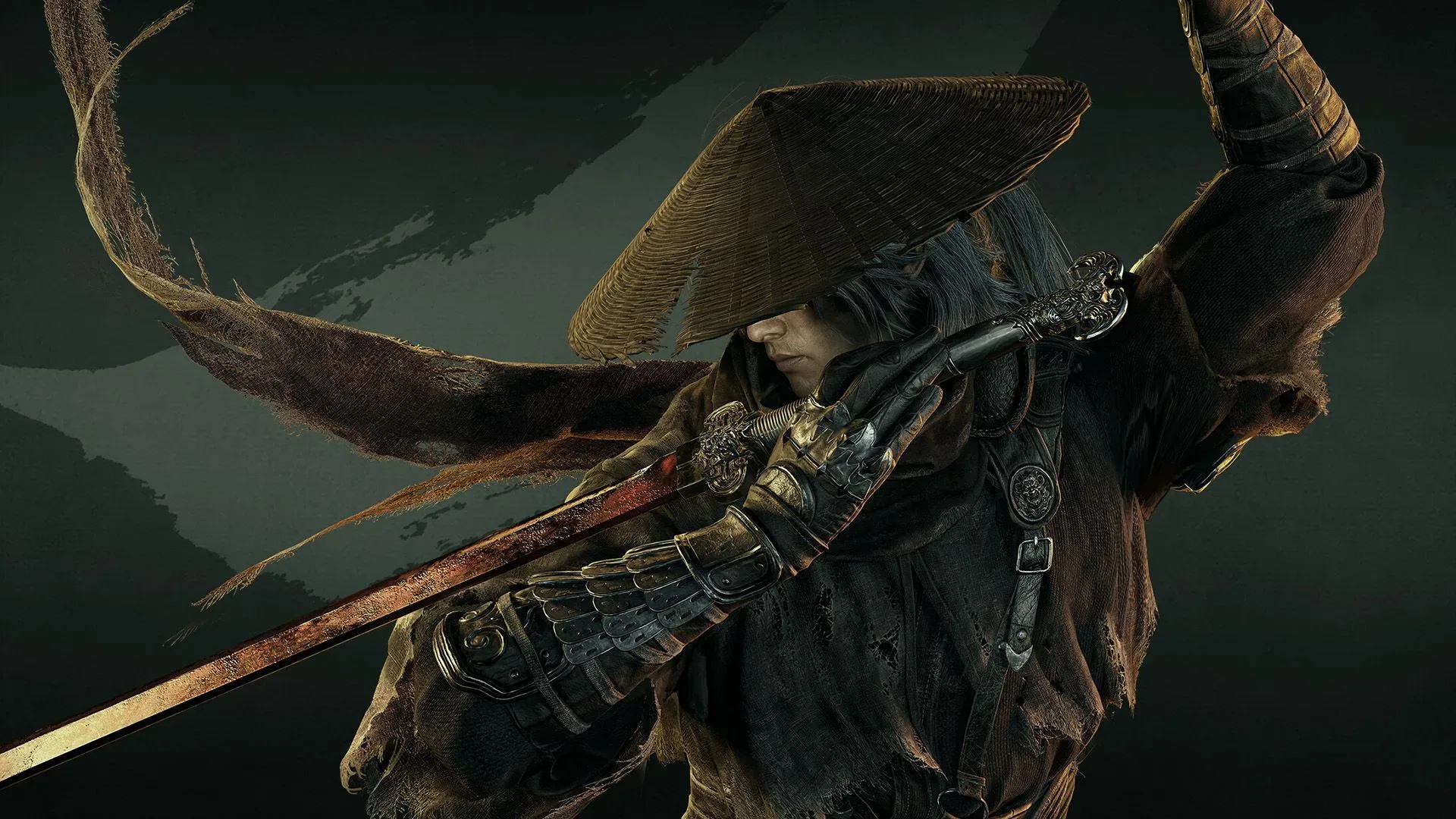
Those questions apply widely to games that combine a long main campaign with dense optional content. Even action-focused releases face similar choices around side systems and the clarity of their intended play experience, as seen in the discussion around Phantom Blade Zero’s combat and vertical-route ideas. The point is not that every game needs a card game or a race. It is that extra systems need a clear role in the larger design.
Hamaguchi’s position also asks critics and fans to be precise. It is perfectly reasonable to dislike Queen’s Blood, racing or any individual diversion. It is equally reasonable to prefer an RPG that stays tightly fixed on combat and story. But a raw tally cannot explain whether the activities work for a particular game or audience. The more revealing discussion is about player agency, pacing and whether the game makes its many detours feel like invitations.
For the Final Fantasy 7 remake project, the minigames are not being treated as accidental clutter around the “real” game. They are part of the intended game. The difficult task, and the one Hamaguchi accepts as the director’s responsibility, is making that abundance feel welcoming rather than compulsory.