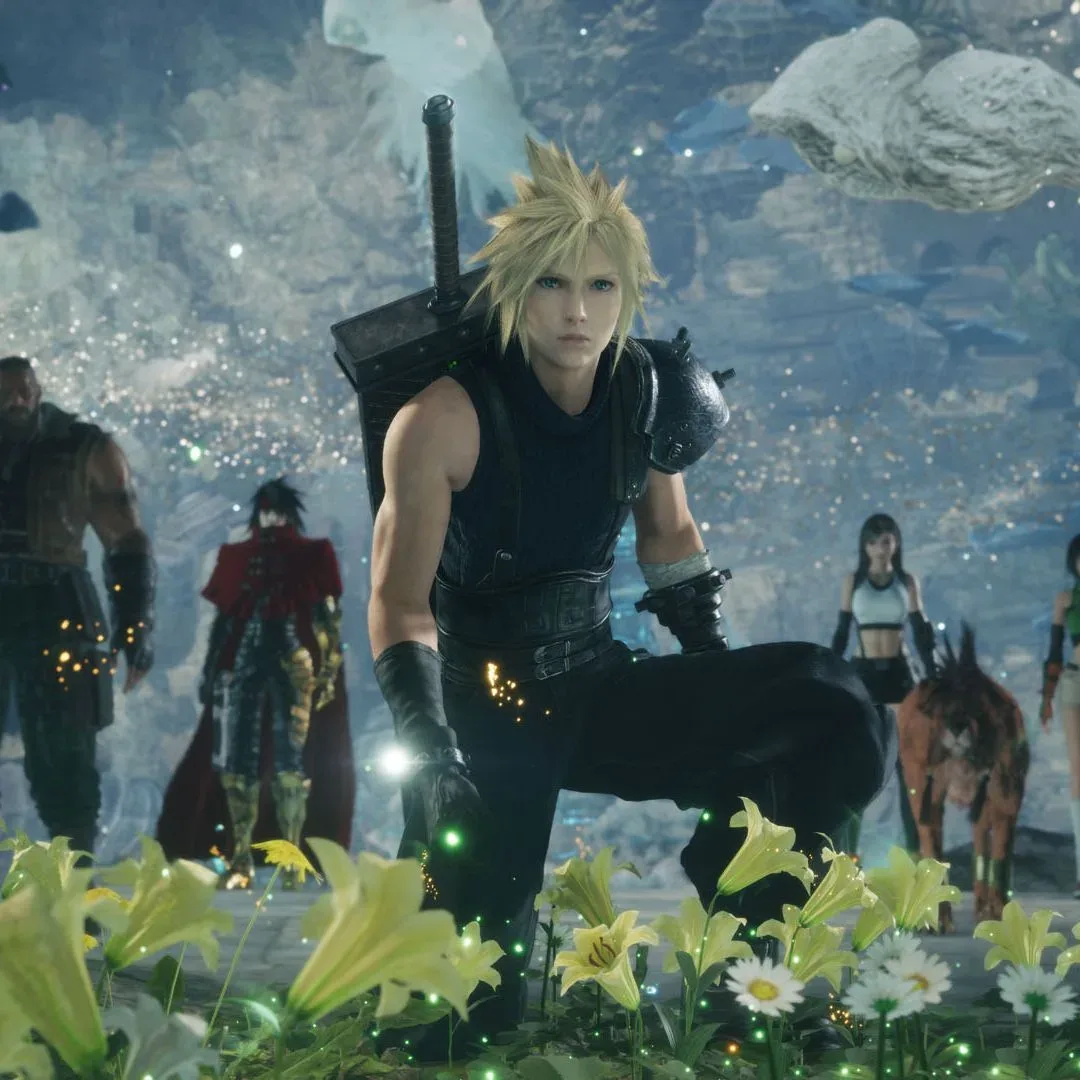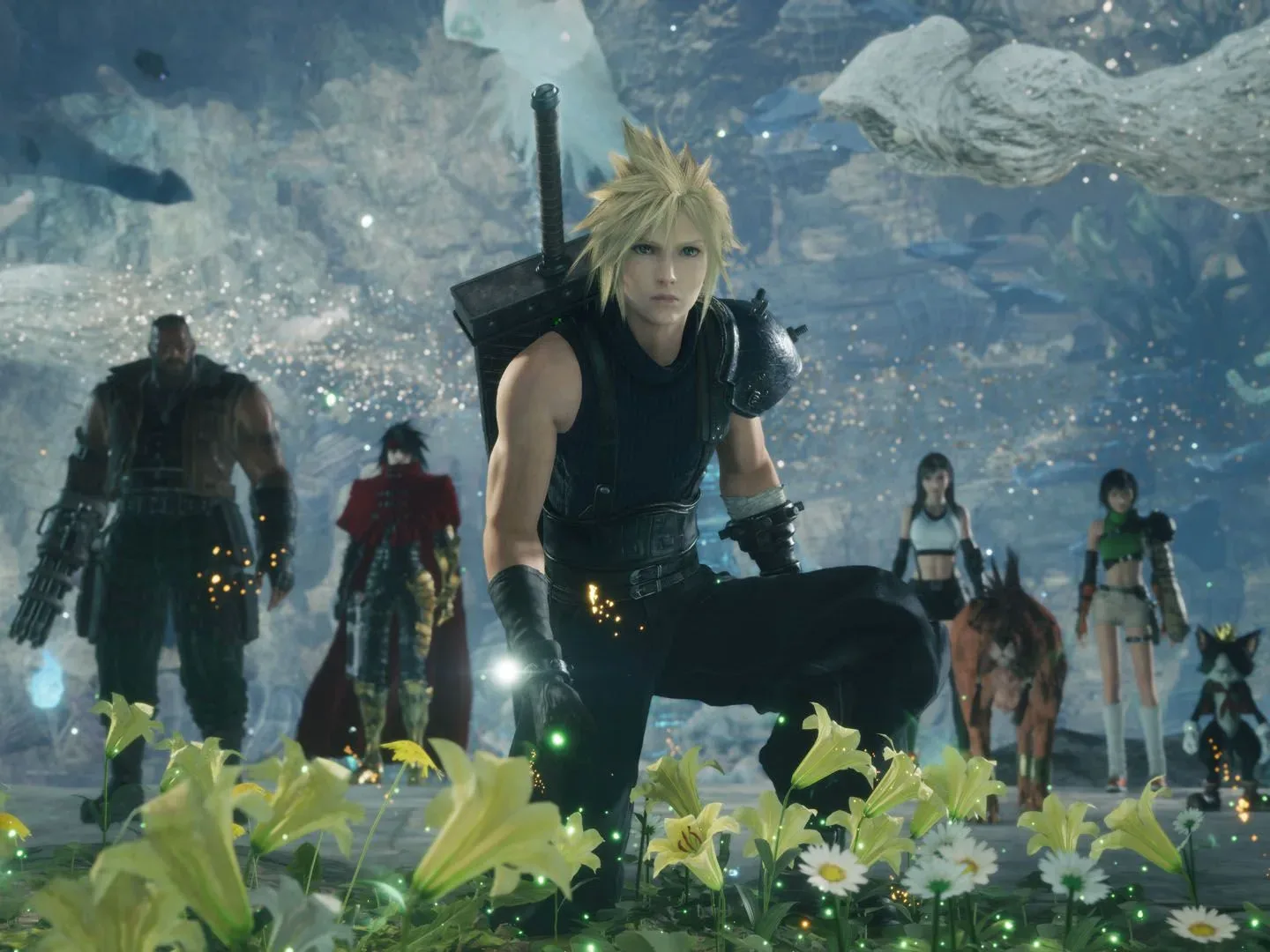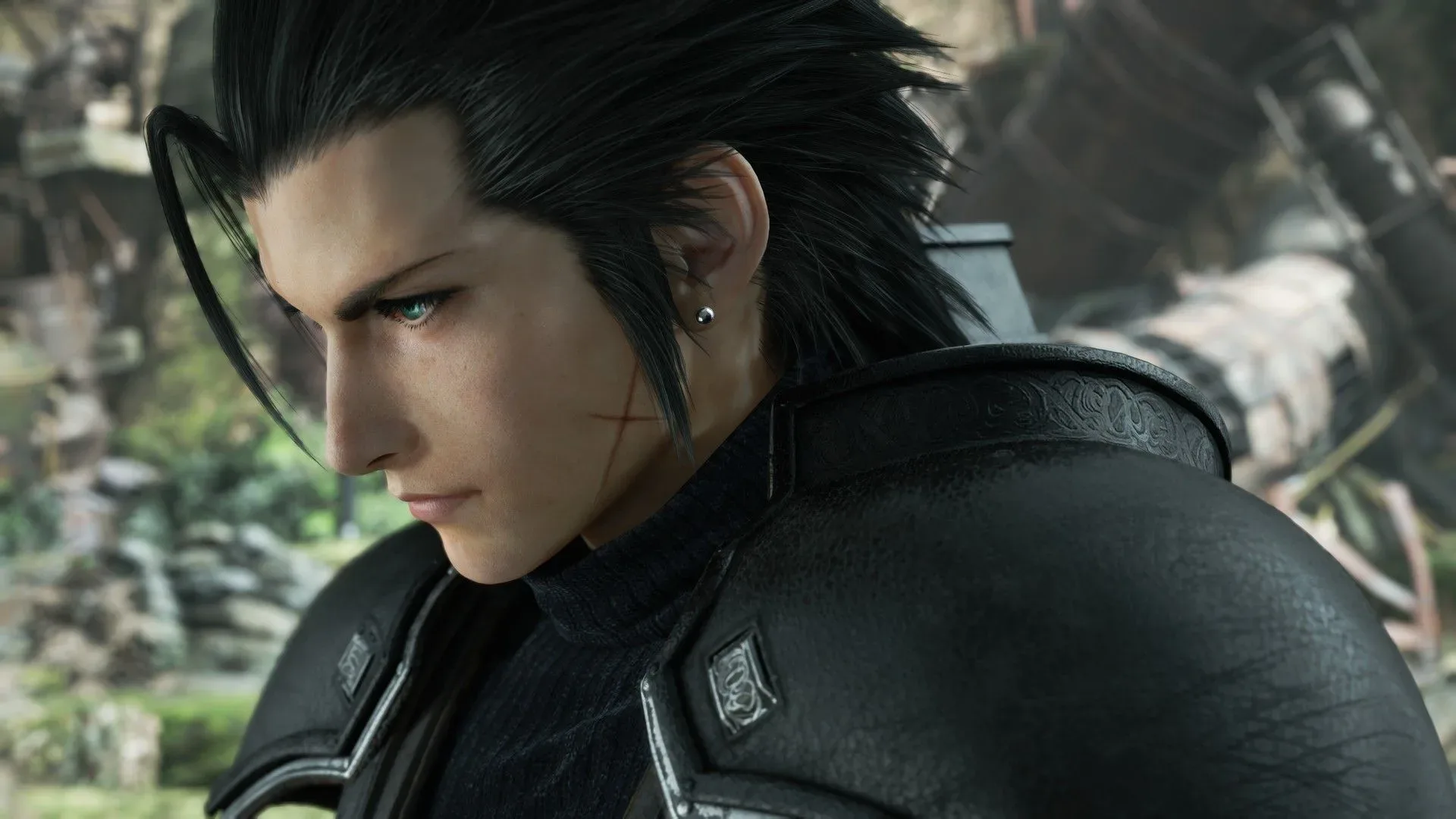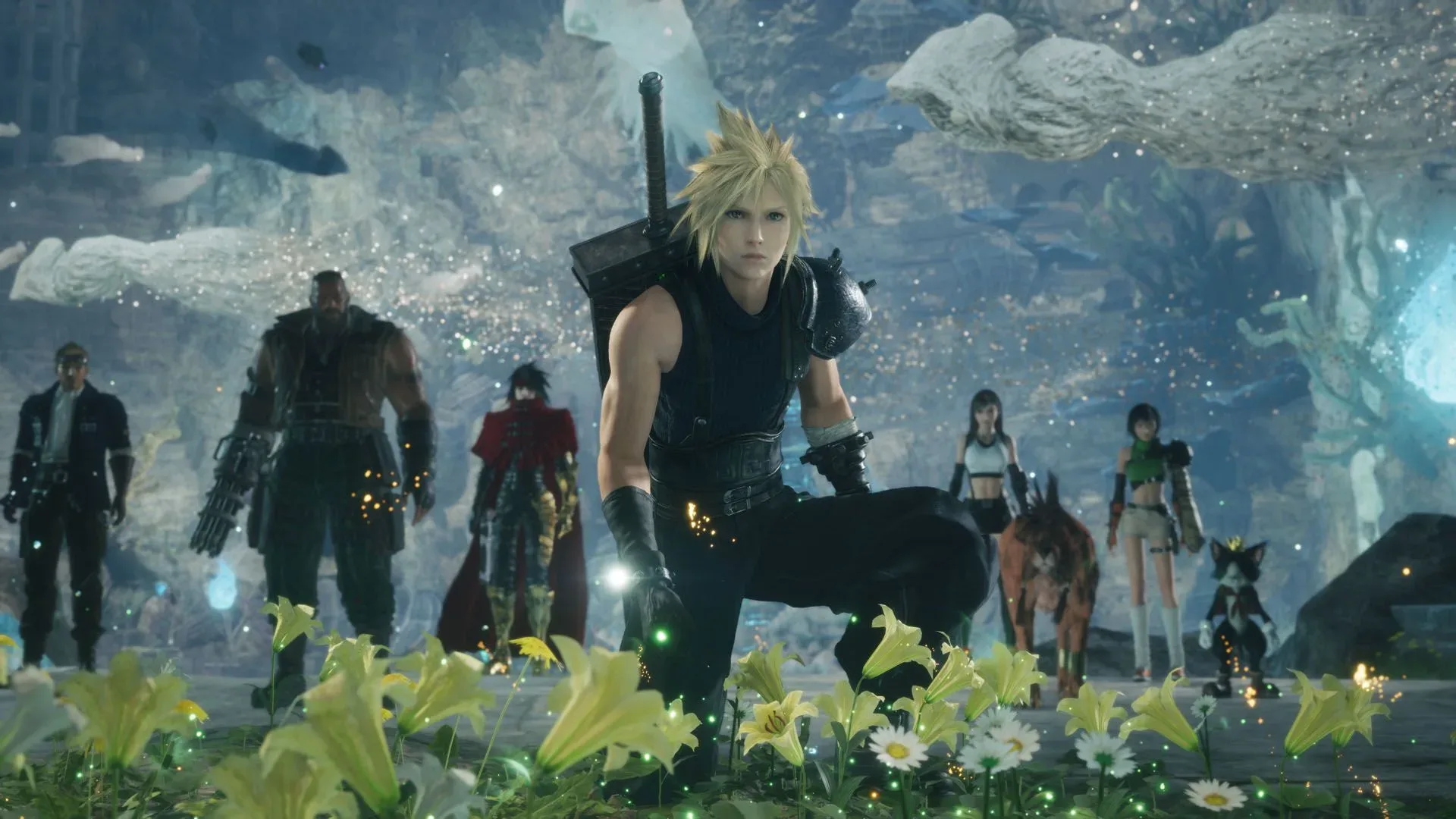
Final Fantasy 7 Revelation director Naoki Hamaguchi says the hardest part of rebuilding one of gaming’s most cherished stories was not simply deciding where to change it. It was making sure every creative decision still belonged to Final Fantasy 7.
Revelation is set to complete the modern three-part retelling, with a stated release date of April 8, 2027. In comments about the project’s development, Hamaguchi described a discipline that may sound obvious but becomes exceptionally difficult when applied to a story with such a large legacy: the team had to avoid treating the remake as an individual creator’s personal version of Final Fantasy 7.
“We haven’t altered the core of the story based on reactions at any given time,” Hamaguchi said. “It feels as though we’ve built up each title one by one without wavering from the central theme we established at the very start of the Remake series.” He added that he considered it essential not to turn “a masterpiece like FF7” into something resembling his own fan project.
That distinction is central to understanding what a remake trilogy is trying to do. Faithfulness is not necessarily a matter of copying every scene, line, encounter, or plot beat unchanged. But a project can introduce new material and still be expected to preserve a recognizable identity: its themes, emotional stakes, character dynamics, and the logic that makes the world feel like Final Fantasy 7 rather than merely a story borrowing its names.
The question was bigger than any one change
Hamaguchi’s comments make clear that the team did not view individual departures from the 1997 game as the core problem. The deeper challenge was repeatedly asking whether the work could genuinely be called FF7R—the shorthand he used for the remake series.
That is a more demanding creative test than asking whether a particular new scene, system, or interpretation is entertaining in isolation. A change might be interesting on its own and still feel out of place if it does not reinforce the remake project’s wider purpose. Conversely, an addition may differ substantially from the original while still serving the original’s ideas and dramatic shape.
This approach also suggests the trilogy was planned around a central direction rather than reconstructed in response to each fresh wave of audience reaction. Hamaguchi said the story’s core was not altered based on reactions “at any given time.” That does not mean players’ responses were ignored in every respect; it specifically describes the handling of the narrative core. The important point is that the trilogy’s story was built title by title around an established theme, not continually redirected by the loudest immediate demand.
For a multi-game project, that consistency matters. The first entry has to establish expectations; the second has to develop them; the final entry has to bring those decisions into focus. If the guiding identity shifts dramatically between installments, a trilogy can start to feel less like one long interpretation and more like three competing answers to what the original should have been.
Related coverage includes Final Fantasy 7 Revelation Director Says Protecting FF7's Identity Was the Remake Trilogy's Biggest Test.
Why the Whispers matter to this debate
The remake series has not presented itself as a beat-for-beat reproduction of the 1997 JRPG. Its most conspicuous creative liberty is the introduction of the Whisper entities, a meta-narrative device associated with the possibility of major changes to the original story.
Meta-narrative is a useful term here. It refers to storytelling that comments on, incorporates, or becomes aware of the story’s own construction or inherited form. In this case, the Whispers do more than populate the setting as another ordinary threat. They allow the remake to engage with expectations surrounding an already-known narrative and with the possibility that its route may not exactly match the earlier game’s.
That device turns adaptation itself into part of the drama. Players familiar with the original can recognize its place within the remake’s world while also confronting uncertainty about how directly events will be repeated. Newcomers, meanwhile, are offered a story designed to function on its own terms instead of being positioned only as a museum piece for veterans.
It is an ambitious balancing act. The original is still a landmark reference point, and its themes—particularly corporate greed and environmental harm—remain part of why the story has endured. Yet Revelation is not being framed as a simple technical upgrade of a decades-old game. It is the endpoint of a retelling that has openly created space for new interpretations.
Hamaguchi’s explanation gives the creative logic behind that tension. The team’s standard was not “never change anything,” nor was it “change enough to surprise people.” The standard was whether the resulting work retained its Final Fantasy 7 remake identity.
A remake is not the same thing as a personal rewrite
Hamaguchi’s use of “personal fan project” is revealing because it identifies a risk that comes with adapting beloved work. A creative lead can be deeply enthusiastic about an original and still make choices that primarily reflect their own preferences rather than the material’s established character. Respect for a classic is not demonstrated solely through affection; it is demonstrated through restraint, coherence, and a willingness to let the source’s essential qualities set boundaries.
That does not require reverence so rigid that no new idea can enter the picture. In fact, the remake trilogy’s Whispers show the opposite: it is willing to make its divergence from the 1997 game an explicit part of its storytelling. The challenge is whether those divergences illuminate the project’s core themes or obscure them.
There is a useful broader design principle in that. Creative work often benefits from asking not just whether a feature or narrative twist is good, but whether it is good for this game. The same applies to combat systems, progression, interface choices, and difficulty rules. A related discussion of how designers account for the ways players actually behave can be found in this examination of save-scumming and game design. In Revelation’s case, Hamaguchi is describing the narrative equivalent: choices must be evaluated in the context of the project’s identity, not as isolated demonstrations of ingenuity.
That is especially relevant for Final Fantasy 7 because the trilogy has two audiences with overlapping but not identical needs. Longtime players bring knowledge of the 1997 story and may be alert to every deviation. Players arriving through the remake series need the current games to tell a clear, satisfying story without requiring prior study. Hamaguchi has said that the original story is “very much enshrined” in the remake series’ world and narrative, while also maintaining that newcomers can begin with the remakes and have a good time.
What players can reasonably take from Hamaguchi’s comments
The remarks do not confirm specific plot outcomes, characters, or the precise role of the Whispers in Revelation. They should not be read as a promise that every event will play out exactly as it did in 1997. Just as importantly, they are not evidence that the team is abandoning the original’s significance.
What they do establish is a philosophy: the trilogy’s development has been guided by a continuing central theme, and its leaders have measured changes against the question of whether they still feel authentically like Final Fantasy 7’s remake project.
- For returning players: the original remains relevant, not as discarded homework, but as a story embedded within the remake series’ narrative framework.
- For newcomers: Hamaguchi’s stance supports the idea that Remake and Rebirth are intended as accessible starting points rather than incomplete companions to the 1997 release.
- For expectations around Revelation: major reinterpretations are compatible with the series’ stated approach, but they are being framed as part of a larger plan rather than impulse-driven revisions.
There is still substantial time before Revelation arrives on April 8, 2027. That leaves room for players to revisit the story through Remake and Rebirth, return to the original 1997 JRPG, or simply wait for the final chapter. None of those paths guarantees a particular reading of what Revelation will do. But Hamaguchi’s comments offer a useful lens for watching it: the finale’s biggest test will not be whether it reproduces the past perfectly, but whether its changes, old and new, resolve into something that still earns the Final Fantasy 7 name.