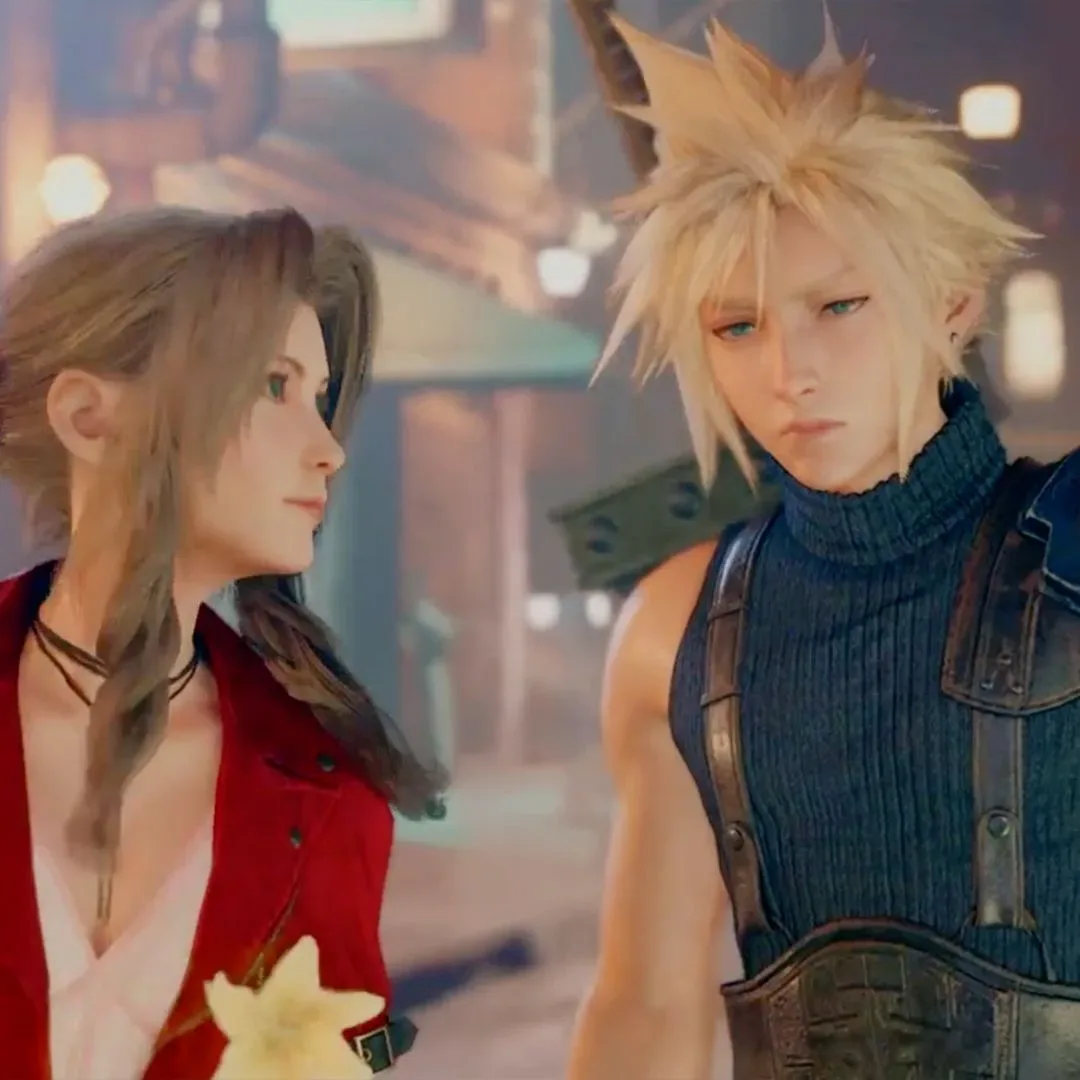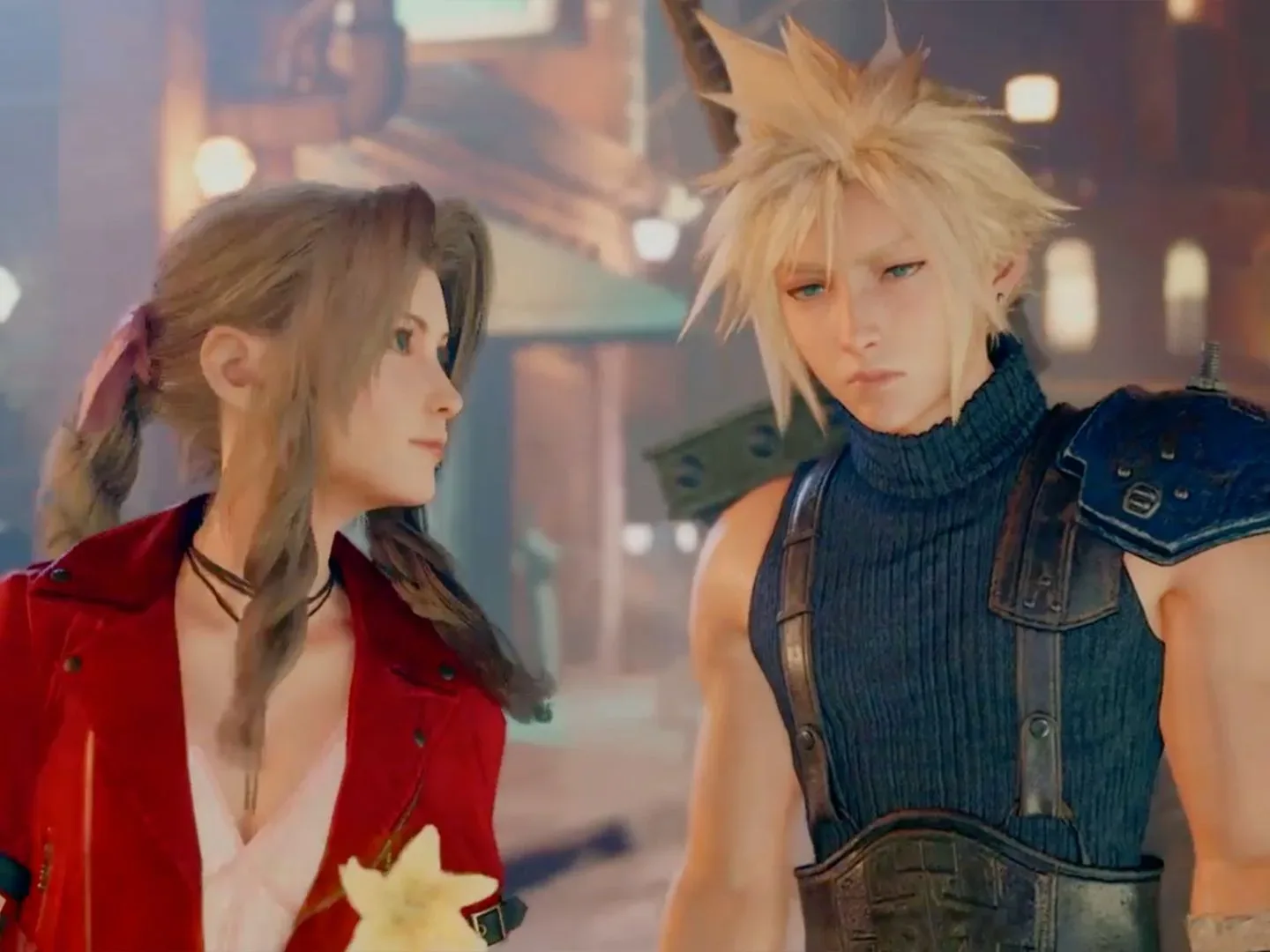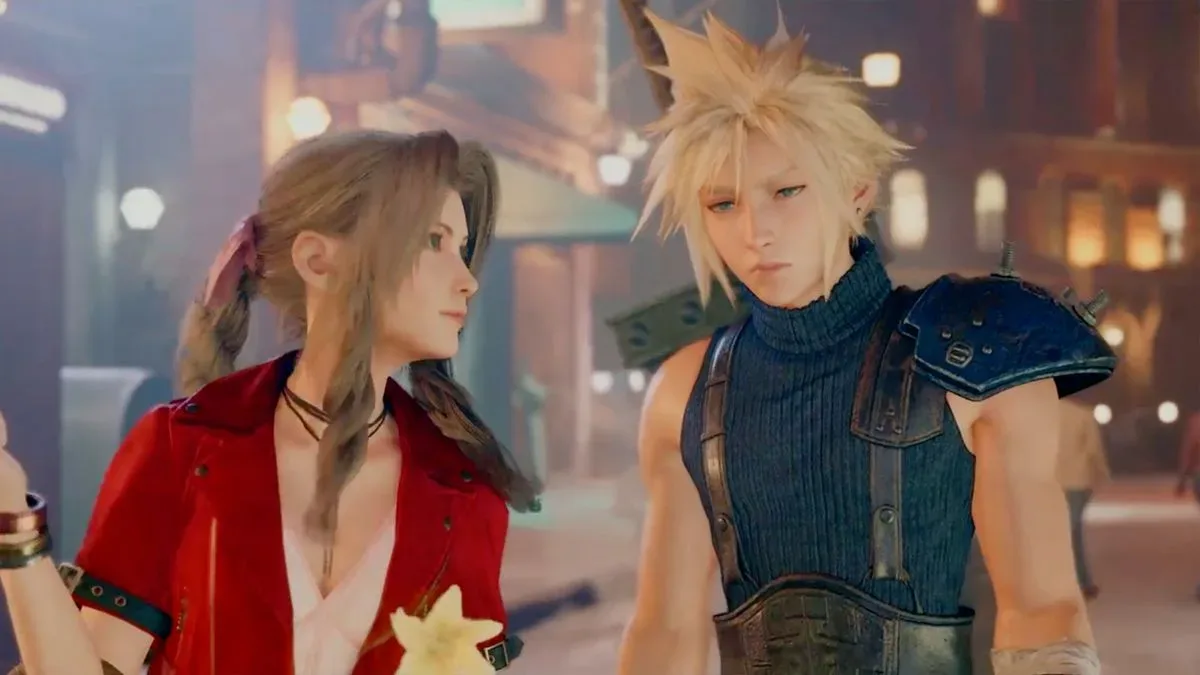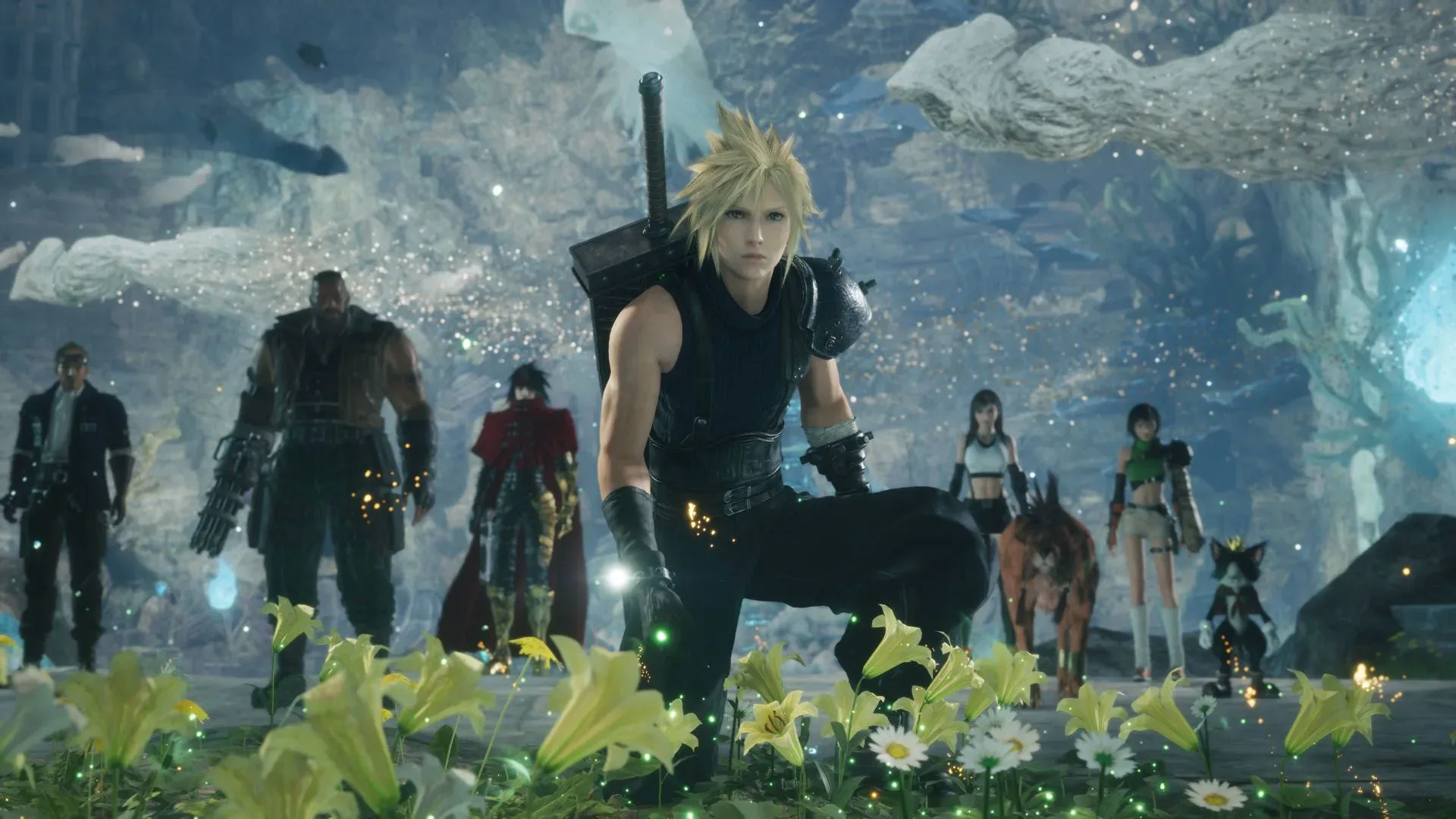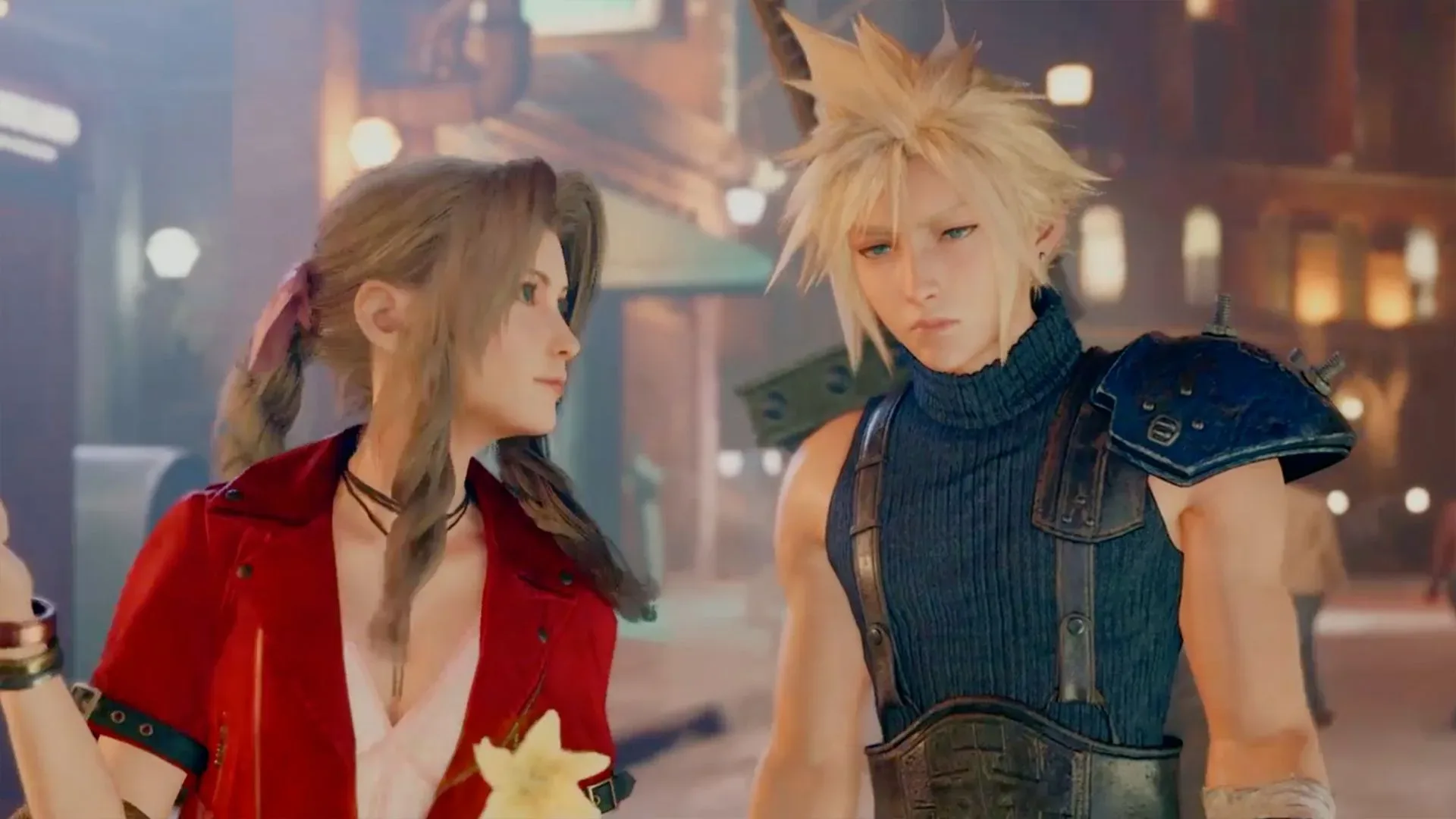
Final Fantasy 7 Remake may have been the first step in a three-part project, but trilogy lead Naoki Hamaguchi says it was also the most difficult game of the three to make. The reason is not simply that it arrived first. Remake had to establish the production foundation that its successors, Final Fantasy 7 Rebirth and the upcoming Final Fantasy 7 Revelation, could build upon.
In remarks from a recent interview, Hamaguchi pointed to the scale of that initial task. The team began with only 30 people, he said, a striking contrast with the much larger group represented in Remake’s final credits. More importantly, the team was making decisions that would shape the entire trilogy: its visual direction, its graphical standard, and the baseline players would use to judge the project.
That gives a useful perspective on why a first installment can be more challenging than a bigger sequel or finale. Rebirth and Revelation may be more ambitious in scope, but they were developed after Remake had already answered many foundational questions. The early game did not have that luxury.
Why Remake had a different kind of pressure
When developers talk about a project’s “foundation,” they do not merely mean a set of reusable files. A foundation includes the creative choices and production standards that let a team work consistently across a larger series. In this case, Hamaguchi identified the trilogy’s visual look and graphical quality as decisions Remake had to set.
Those choices matter because they become a promise. Once the first game presents a particular level of detail and a particular interpretation of the world, later entries need to feel connected to that identity. A sequel can evolve the formula, but it cannot casually disregard the standards that established the series’ version of its characters and environments.
Remake also faced the particular expectations attached to Final Fantasy 7. Hamaguchi described the pressure of trying to satisfy a large and passionate audience, alongside the concern that the team’s work might not meet the high expectations placed on it. That is a different problem from simply increasing the volume of content. It is a challenge of interpretation: creating something new enough to justify the project while still carrying the weight of what players care about.
Remake’s central difficulty was that it had to define the framework for everything that came next.
The small starting team adds another layer to that story. A team of 30 is not only responsible for making immediate progress; it is also laying down processes that must support a substantially broader effort later. The eventual credit roll reflects how the project grew, but Hamaguchi’s comments place emphasis on the uncertainty of the early stage, when the eventual scale and structure had not yet been fully established.
Related coverage includes Final Fantasy 7 Remake Was the Trilogy's Toughest Development Challenge, Hamaguchi Says.
Rebirth and Revelation inherited a working base
Hamaguchi’s comparison is not a claim that the second and third games are easy. His point is that they began with advantages Remake did not have. Rebirth and Revelation could follow a foundation that was already in place, while the team itself had grown and changed over time.
That distinction is important. “Larger” and “harder” are not automatically the same thing in development. A game can expand in size while becoming more manageable to create because its teams have shared standards, established pipelines, clearer creative boundaries, and experience with the work. None of that removes the challenge of a more ambitious project, but it reduces the number of fundamental questions that need to be solved for the first time.
For players, the practical consequence is that continuity is not accidental. The visual and technical expectations set by Remake are part of the groundwork enabling the trilogy’s later escalation. Revelation can pursue a larger, bolder finale in part because the first game did the less visible work of defining the project’s identity.
That does not mean later entries are locked into every prior decision. A trilogy format gives the developers room to adjust between releases, rather than requiring every response to arrive in a single all-encompassing game. The team has previously discussed using player feedback from one installment to help inform the next.
That iterative approach is worth separating from a promise that every criticism will be solved. Feedback is input, not an automatic design order. Developers must weigh it against their intended experience, production realities, and the systems already connecting the three games. Still, the format creates an opportunity: lessons from one release can be applied before the story’s conclusion rather than only after the project is complete.
Revelation’s content may be bigger, but clearer to navigate
One of the clearest examples concerns optional content. Hamaguchi has acknowledged that some players felt Rebirth contained an overwhelming amount to do. Revelation will “probably” include even more content, he said, but the team is making changes intended to make the choice of what to pursue easier.
The key term here is signposting. In game design, signposting means communicating useful information so players can make informed decisions without unnecessary guesswork. It can involve indicating where an activity leads, what sort of reward it offers, or how important it is relative to the player’s goals. It does not necessarily reduce the number of tasks in a game. Instead, it can reduce uncertainty around whether a task is worth the player’s time.
That distinction matters for a game with substantial side content. An abundance of activities can appeal to players who want to explore deeply, experiment with systems, or chase rewards. The same abundance can feel burdensome if players cannot tell which activities matter to them. Better reward signposting could let completion-focused players pursue more of the game while allowing others to focus on the objectives and rewards they value most.
At this stage, the specific form those changes will take has not been detailed. It would be premature to assume a particular menu structure, map feature, reward category, or activity type. What is established is the design aim: make the relationship between optional content and its rewards more legible, so players have a clearer basis for choosing their path.
That is a potentially meaningful refinement rather than a simple reduction of content. It recognizes that player agency is not only about offering choices; it is also about giving players enough information to understand those choices. A long list of activities is not automatically freedom if every item looks equally opaque.
Hard mode will return in a changed form
Hamaguchi has also said that Revelation will let players select hard mode from the start. However, he stressed that it will not function in exactly the same way it did in Remake and Rebirth.
The confirmed takeaway is deliberately limited. Revelation is planned to offer a hard-mode option immediately, but its rules or structure should not be assumed to mirror the two earlier games. “Hard mode” is a broad label, and the comments do not specify how Revelation will distinguish its version—whether through combat rules, progression, resource limitations, encounter tuning, or another approach.
For players who prefer a higher challenge level, day-one access to that choice could be significant. It may allow them to experience the story at their preferred intensity rather than treating difficulty as an option that must be reached later. But until the team explains the revised system, the most sensible expectation is variation, not a known set of restrictions carried over unchanged.
A trilogy’s first game does work that is easy to overlook
Hamaguchi’s account reframes the usual sequel conversation. It is easy to see the most expansive entry as the hardest one because its ambitions are the most obvious from the outside. Yet Remake’s burden was more structural. It had to create the standards, direction, team momentum, and audience confidence that could make those later ambitions possible.
Revelation therefore arrives with both opportunity and responsibility. It has the benefit of an established base and a team that has developed through the trilogy, while also carrying the task of closing the project. Its reported approach to side-content clarity suggests the developers are trying to use the trilogy’s format as intended: not just to divide a large undertaking into parts, but to learn from each chapter before making the next.
For a broader look at how game makers and platforms are responding to changing development and player-facing challenges, see our coverage of Itch.io’s new search filtering and AI-spam cleanup.
For now, Hamaguchi’s comments offer a grounded explanation for the trilogy’s trajectory. Remake was not merely the opening act. It was the difficult act of deciding what the entire production needed to be—before the team had the full scale, established tools, or prior installment to guide it.