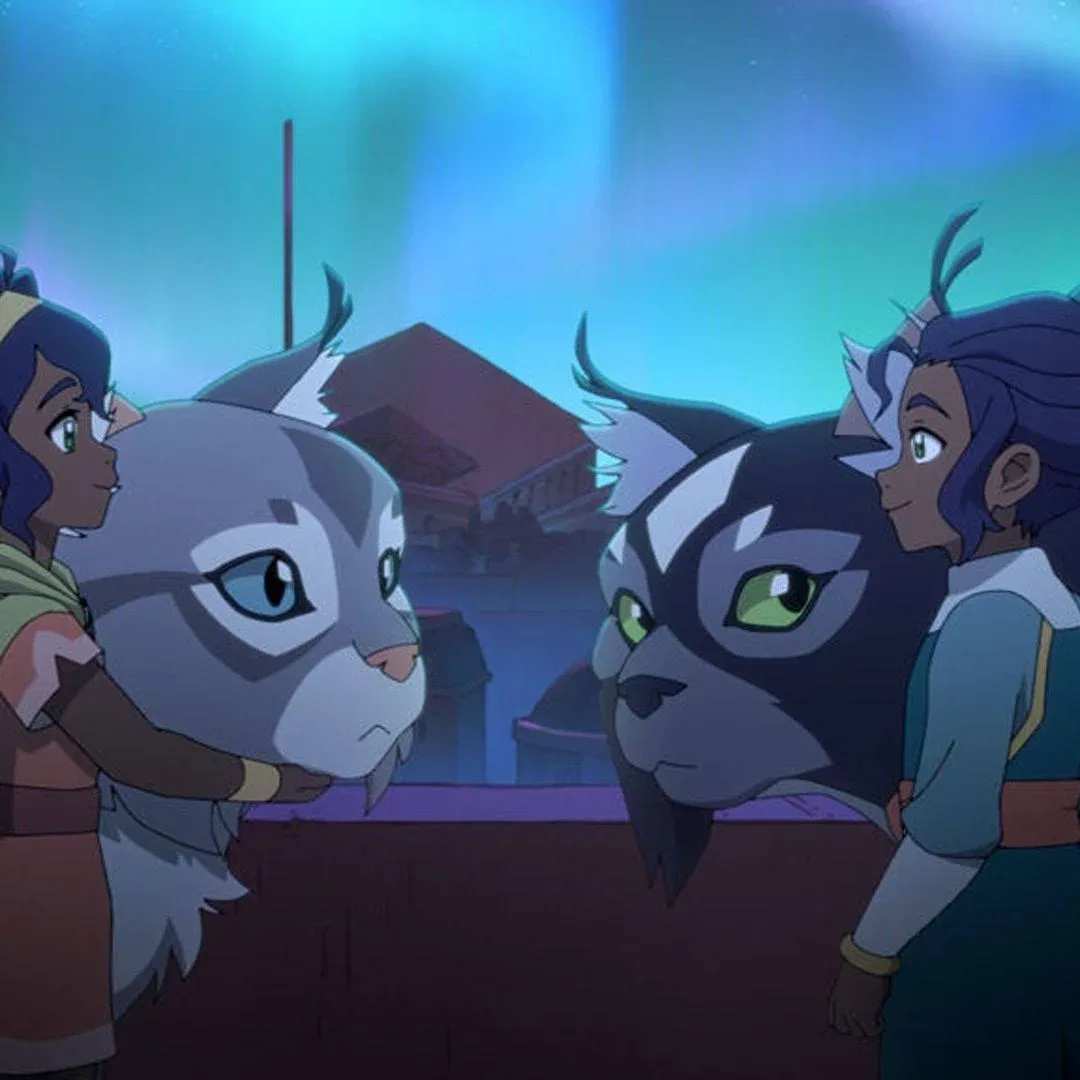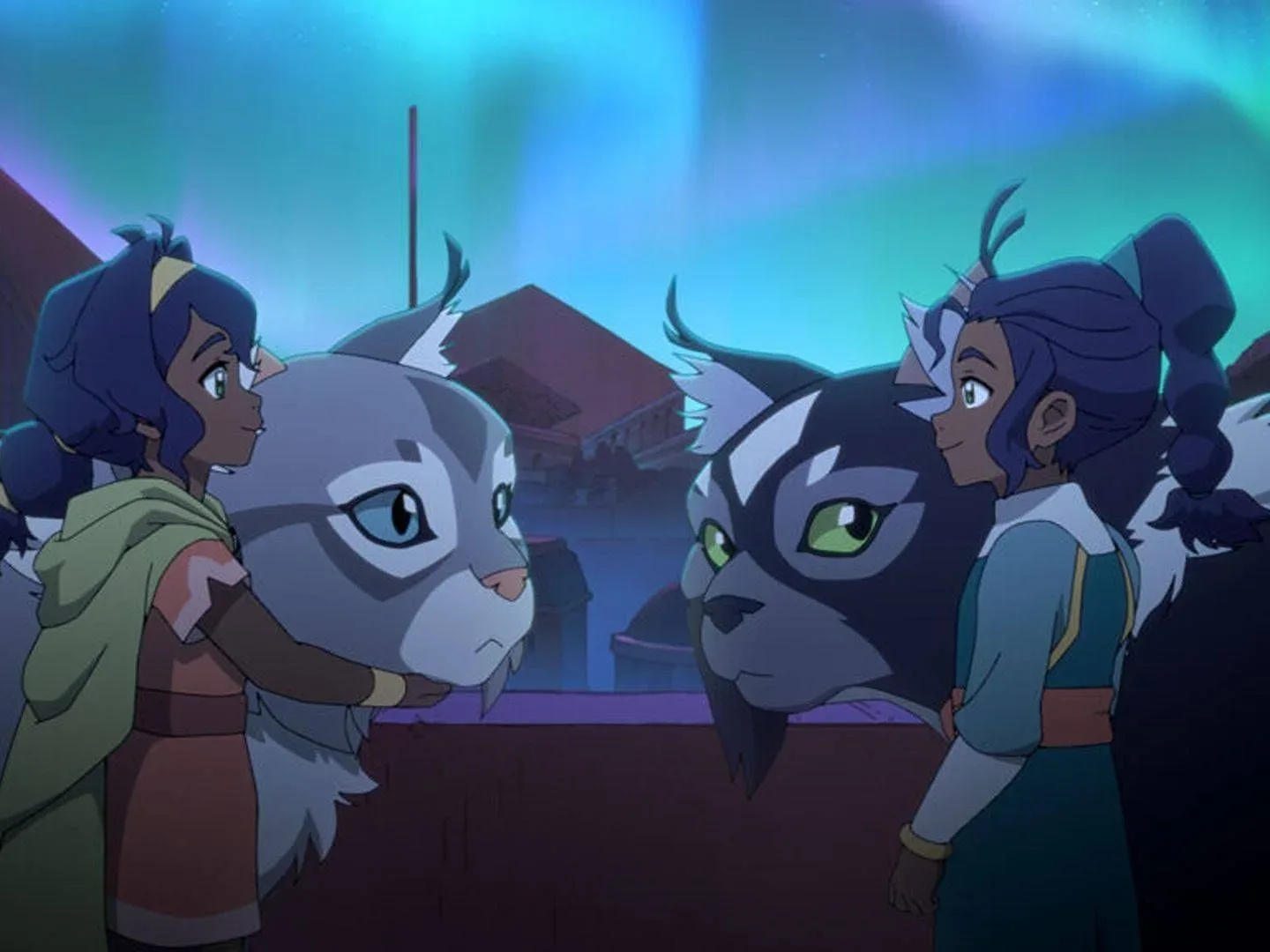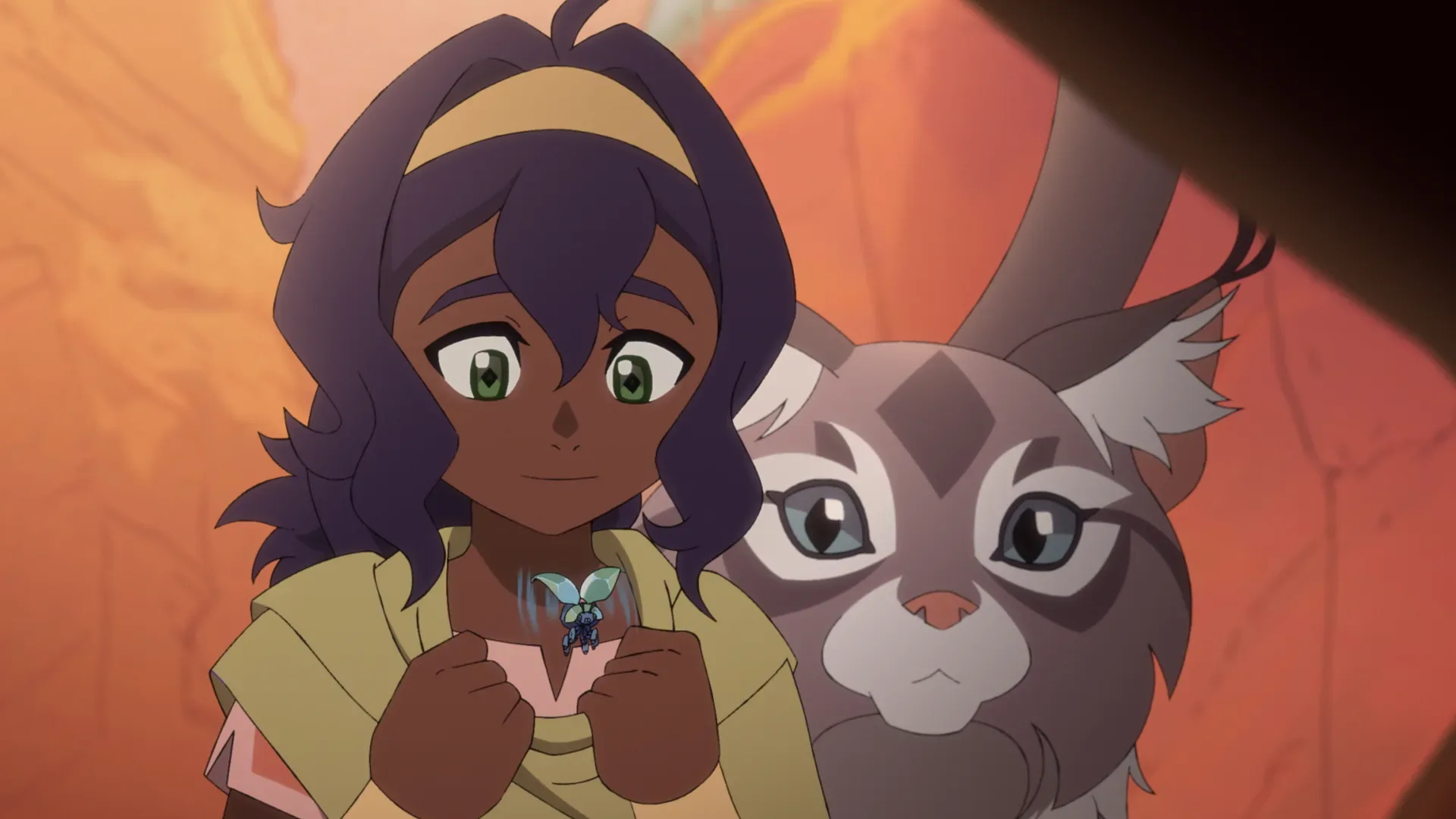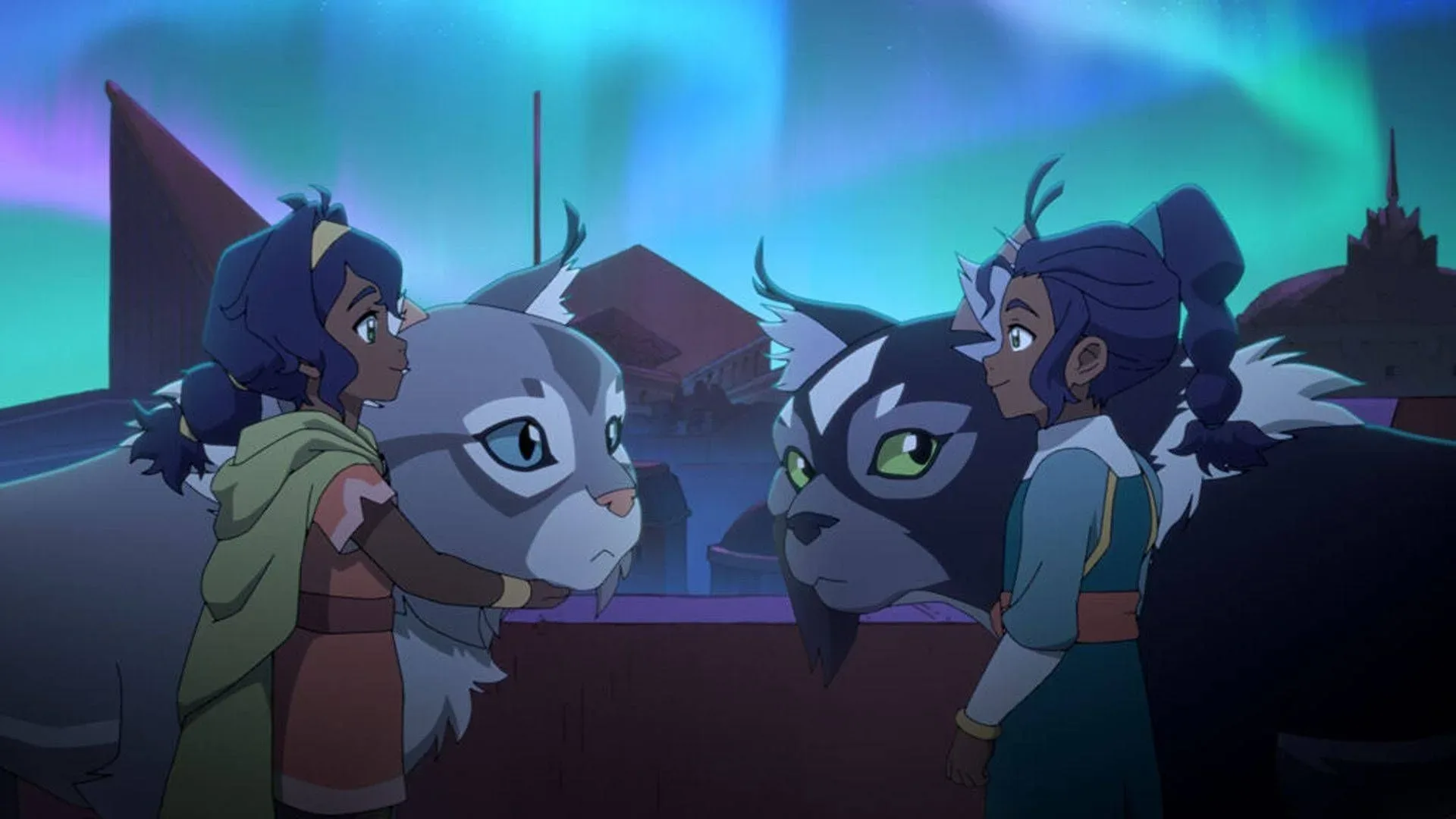
Avatar: Seven Havens is not treating its place in the Avatar lineage as a mandate to look exactly like what came before. The new sequel series, which has released its first three episodes, follows twin Avatars Pavi and Nisha in a world shaped by the aftermath of Korra and the mysterious, world-altering Cataclysm. Its most immediately noticeable point of difference is visual: the show has adopted a more colorful, fantasy-forward animation approach informed by older Japanese animation.
Co-creator Bryan Konietzko and executive producer Ethan Spaulding have framed that change as an intentional creative direction rather than a minor refinement of the established formula. Their comments suggest Seven Havens wants its imagery to establish a distinct era for the franchise—one that can still support air, water, earth, and fire while giving Pavi and Nisha a visual identity of their own.
Why Seven Havens looks different
Konietzko described Spaulding as deeply knowledgeable about Japanese media from the 1970s and 1980s. He also cited Nadia: The Secret of Blue Water as a reference point closer to his own interests, while describing the goal in broader terms: a little more fantasy and a particular atmosphere.
That is a useful distinction. “Old-school anime” here is not a promise that Seven Havens will reproduce one single historical visual style. It instead identifies a set of inspirations informing the new show’s presentation. The available details emphasize mood, color, and a more overtly animated quality, not a claim that the series is abandoning its own franchise identity.
Spaulding said the opportunity to make a stylistic change was part of what appealed to him about the project. He characterized the result as feeling more animated than the prior Avatar series. His explanation also points to an early design consideration that could have a major impact on the finished image: character art potentially without shadow layers, relying much more directly on the colors themselves.
The creative aim was for a more colorful look, rather than one built around darker coloration and heavier character shadowing.
What “shadow layers” can mean for the image
In animation, a shadow layer is broadly an additional area of darker color used to suggest form, lighting, or depth on a character. It can make a face, costume, or action pose feel more dimensional, and it can establish a more subdued or dramatic lighting mood. Removing or limiting that treatment does not mean a production has no depth or visual sophistication. It means the art can lean more heavily on flat color, silhouettes, linework, composition, and movement to communicate the scene.
Based on Spaulding’s description, Seven Havens appears to be pursuing a lighter and more color-led visual vocabulary. That can make individual hues and shapes more prominent: a character’s clothing, an elemental effect, or the division between a subject and its setting may read differently when less of the design is covered by darker tonal modeling.
It is important not to turn that intent into a rigid technical rule for every shot. Spaulding discussed an idea from the beginning of the process, not a scene-by-scene specification. The early episodes are the evidence viewers have for how that concept has been applied, while the creative team’s comments explain the philosophy behind the overall shift.
A new visual era for Pavi and Nisha
The story context gives the design change extra weight. Seven Havens comes after both Avatar: The Last Airbender and Avatar: The Legend of Korra, but it is centered on Pavi and Nisha rather than returning its predecessors to the lead role. The twins are successors to Korra, whose legacy has been affected by the belief that she caused the Cataclysm.
That setup makes a distinct visual treatment more than surface-level differentiation. The series is presenting an Avatar world in which the position itself carries difficult associations. A brighter, more fantastical palette could provide contrast with that burden, or it could make the consequences of the Cataclysm feel stranger and more pronounced when the story turns serious. Either way, it gives the new protagonists a framework that is recognizably connected to Avatar while not asking them to live entirely inside the visual shadow of Aang or Korra.
There is also an obvious practical benefit for an ongoing franchise. A sequel series has to communicate continuity quickly, but it benefits from being instantly identifiable on its own. A new color strategy, altered shading, and a vintage-anime-inspired sensibility are clear differentiators before the audience even reaches the plot’s larger mysteries.
What the comments do—and do not—confirm
The comments from Konietzko and Spaulding firmly establish the team’s intention to make a visual departure, draw from older Japanese animation, and favor stronger color over darker treatment. They do not provide a complete guide to every production decision, nor do they reveal how that approach will develop across Pavi and Nisha’s story.
They also do not confirm any future appearance by Aang or Korra. Their potential involvement remains a question for the series as it continues, rather than an element established by these animation discussions. For now, the confirmed focus is on the twin Avatars and the fallout from the Cataclysm.
That restraint matters for a property with a long-running audience. Familiar characters can be exciting, but the visible creative priority is the setting, leads, and aesthetic of Seven Havens. The show’s newer look is part of telling viewers that this is a new chapter, not merely a continuation using the old visual blueprint.
How to watch and what to watch for
The first three episodes of Avatar: Seven Havens are available, and the series is continuing on Paramount+. Viewers looking to trace the stated creative direction can pay particular attention to how scenes use color separation, how characters are lit and shaded, and whether action relies more on broad shapes and motion than on dense tonal detail.
The larger question is how those choices will serve the emotional contours of Pavi and Nisha’s journey. A deliberate style shift only becomes meaningful over time when it supports setting, action, character, and atmosphere. With the creators explicitly pointing to fantasy vibes and a brighter palette, Seven Havens has made its first major statement before its story has fully unfolded: this Avatar era intends to be seen on different terms.
For another recent discussion of how creative decisions and performer protections can shape a screen project, see our look at the Spider-Noir AI waiver dispute.