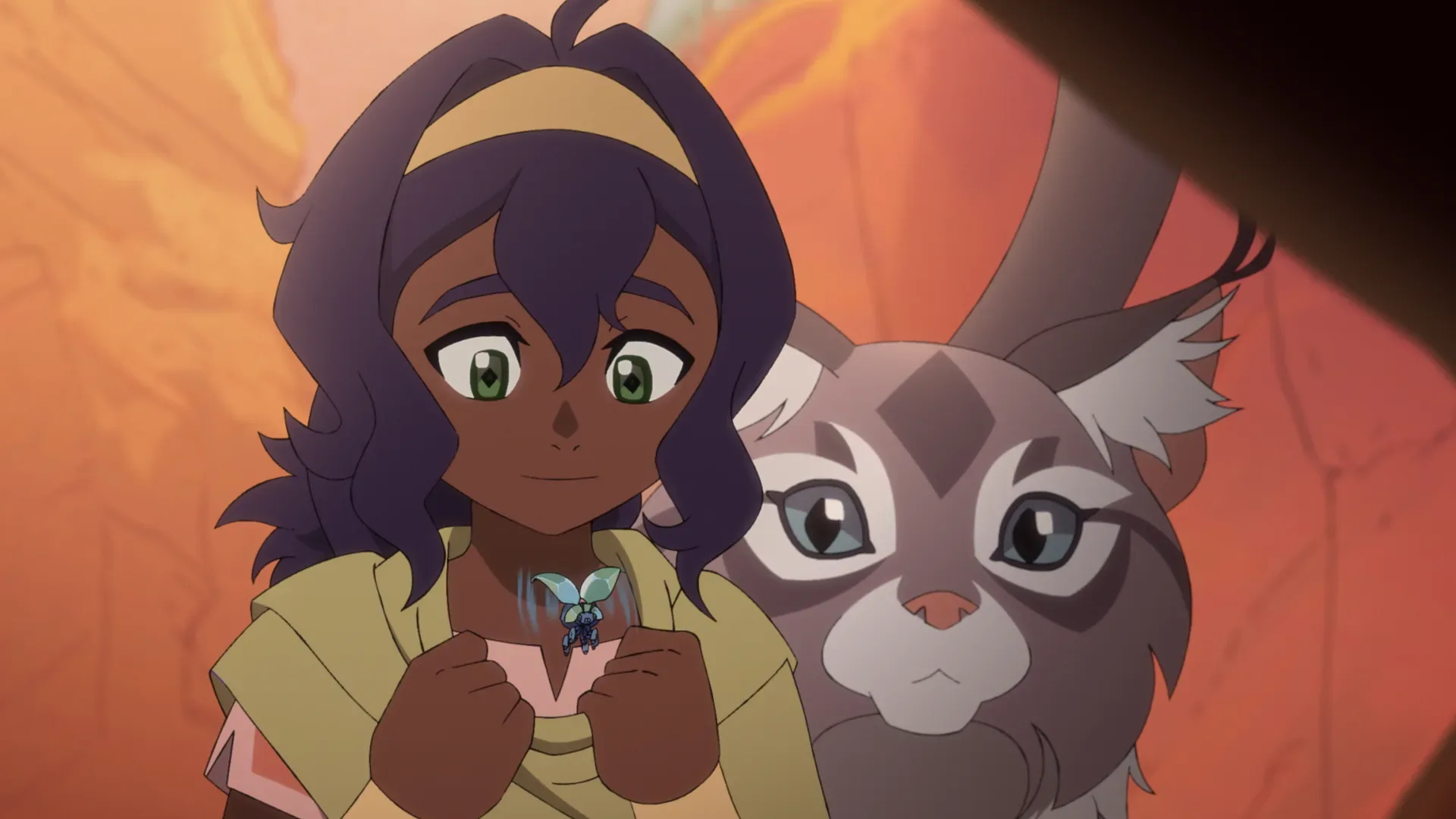
Avatar: Seven Havens does not treat the future as a victory lap. The new Paramount+ animated series moves the Avatar timeline more than two centuries beyond The Legend of Korra and makes that distance matter: the old political order has fallen away, the landscape is hostile, and the Avatar is no longer an uncomplicated symbol of hope.
That is a meaningful reset for a franchise historically organized around four nations and an elemental balance repeatedly thrown off course and restored. In Seven Havens, the central locations are instead city-states offering shelter from a wider wasteland. Sandstorms, bandits, lightning and punishing winds define life beyond their boundaries. The premise turns survival into an everyday concern rather than an occasional detour on a grand quest.
The first three episodes are now streaming on Paramount+, with later installments arriving in weekly Friday batches of three. Created by Michael Dante DiMartino and Bryan Konietzko, the series has the difficult job of welcoming a new audience while persuading longtime viewers that its sharp break from the old status quo is still recognizably Avatar.
A world where the Avatar has become a warning
The series’ largest change is not merely the passage of time. It is the standing of the Avatar inside this new society. The previous Avatar, Korra, is blamed by many people for the environmental cataclysm that reduced the world to its current state. Whether that belief is fair, complete or deliberately distorted remains an important question, but its immediate social effect is clear: the Avatar has become a stigmatized, almost bogeyman-like figure absent for generations.
That reversal gives the new protagonist a markedly different starting point from Aang and Korra. Aang inherited a world that desperately needed him, even when he initially resisted that responsibility. Korra entered a world willing to debate, scrutinize and challenge the Avatar’s place within modern institutions. Pavi begins in a setting where revealing her connection to all four elements can be dangerous because the role itself has become synonymous with catastrophe.
Bending, in the franchise’s terminology, is the ability to manipulate one of the four classical elements: air, water, earth or fire. The Avatar is exceptional because they can bend all four. Seven Havens expands the stakes around that idea by establishing that benders are becoming rarer with each generation. That decline matters in practical terms. Elemental abilities are not framed only as martial arts or spectacle; they are an important means of surviving a volatile and dangerous environment.
The setup creates a useful tension. If the Avatar is feared and bending itself is fading, then Pavi’s emergence could represent both a danger to the haven communities and a possible route toward their survival. Karthik, the captain of Ellora’s municipal Bending Brigade, leans toward the hopeful interpretation. Others see an old disaster returning. The series reportedly introduces an additional wrinkle to the Avatar mythology, though that development is best left undisclosed for viewers approaching the show fresh.
Pavi is a smaller-scale hero in a much harsher world
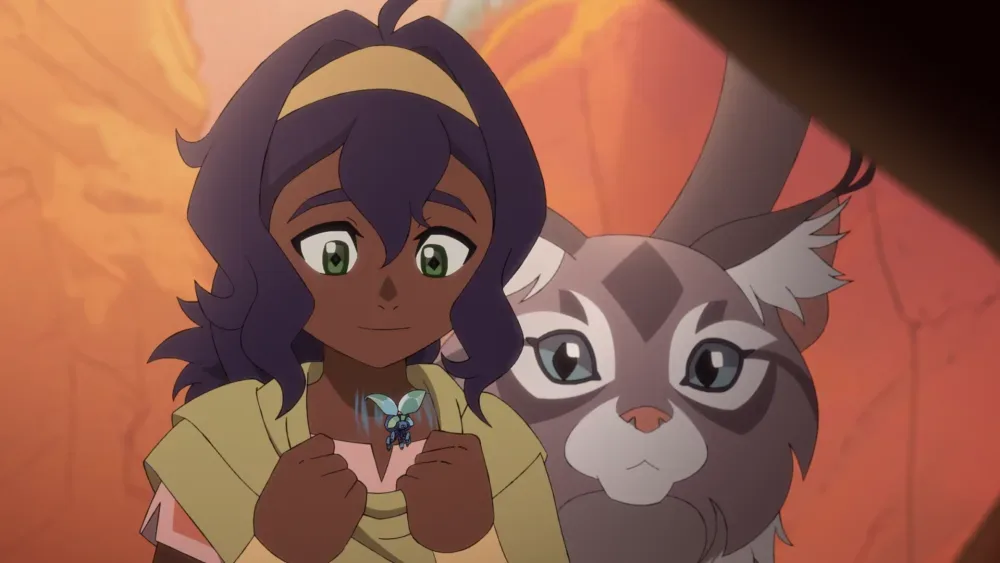
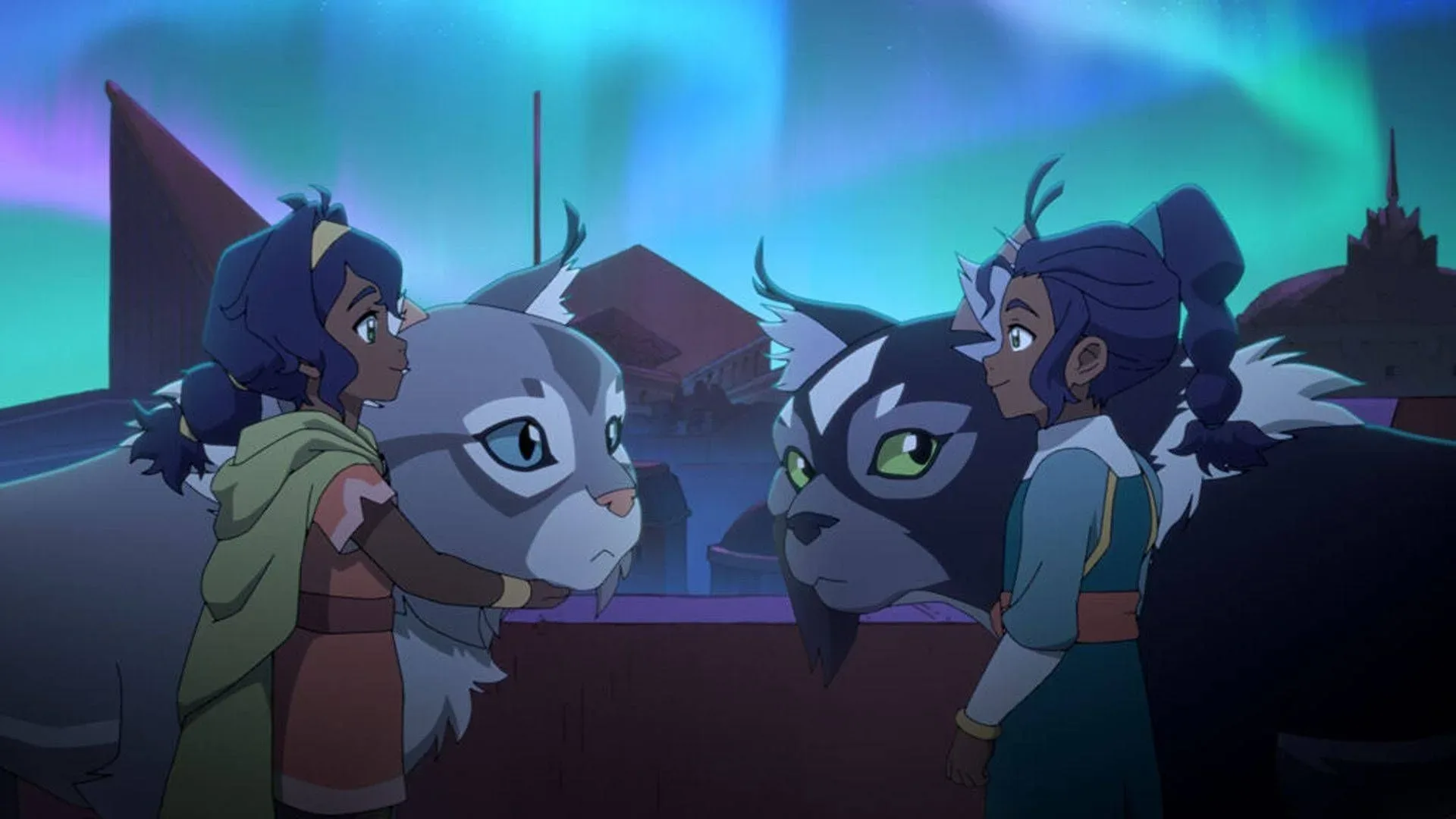
Pavi, voiced by Saheli Khan, is an orphan from the haven of Ellora. Rather than opening with a poised young champion, the series introduces a child who scavenges for food, conceals her multi-element abilities and speaks to inanimate objects in place of friends. She is shy, bookish and inclined toward pacifism—traits that make her feel intentionally unlike a conventional post-apocalyptic action lead.
Related coverage includes Avatar: Seven Havens Builds a Stark, Postapocalyptic Future for the Franchise.
Her age is also notable. Pavi is younger than Aang was at the start of Avatar: The Last Airbender, emphasizing a perspective shaped by limited agency and immediate vulnerability. She is not positioned as someone who can simply stride into a leadership role. The early material suggests a character still forming an identity while the world around her insists that her very existence carries a political and historical burden.
Major Curda voices Jae, a member of Ellora’s Bending Brigade who becomes Pavi’s mentor. Akshay Khanna plays Karthik, Jae’s captain and a believer in the possibility that the Avatar can help restore bending’s place in the world. Sakina Jaffrey also appears as a local shopkeeper who knowingly leaves out kachoris for Pavi.
The relationships have room to develop. The central group does not immediately arrive with the easy, fully synchronized camaraderie viewers may associate with earlier Avatar ensembles. That is not necessarily a weakness in a story built around distrust, scarcity and uncertainty, but it does mean the show’s early strength lies more in the questions it poses than in a completely settled team dynamic.
Ellora broadens the franchise’s cultural vocabulary
Avatar has always drawn on multiple real-world cultural traditions without mapping its fictional world one-to-one onto any single place. Seven Havens continues that practice while bringing South Asian influences further into view through Pavi, Ellora and the specificity of daily life. The show’s food references are especially revealing: kachoris, mochi, kimchi jjigae and bitter melon all appear in its early episodes.
Those details are not just decorative. In a setting where food is scarce enough to shape Pavi’s routines, named meals and ingredients give the world texture while grounding the broader disaster in ordinary needs. A civilization-ending catastrophe can feel remote when conveyed only through ruins and lore. A character looking for something to eat makes the consequences immediate.
The wider environment takes a different visual route from the greener or more urban spaces viewers may connect with earlier entries. The Harshlands around Ellora are rocky and sandy, rendered in warm oranges and pinks that evoke a vast desert-like expanse. The landscape has an eerie beauty, but it is fundamentally indifferent to the people moving through it.
Its animal life preserves the franchise’s taste for hybrid creatures: there are cats with monkey tails and camels that curl into armadillo-like balls. These designs keep the setting from becoming a generic wasteland. They also reinforce a defining Avatar tradition: even in a grim environment, the natural world remains strange, expressive and worth studying.
Environmental collapse changes what elemental fantasy means
The Avatar world has long been interested in the relationship between people, spirits and nature. Because its action system is built around air, earth, fire and water, natural balance has never been merely background scenery. Seven Havens makes that connection more severe. An environmental cataclysm is not simply the inciting incident; it is the framework that governs politics, belief and personal safety.
The term post-apocalyptic describes fiction set after a disaster that has shattered or fundamentally altered a society. Here, the point is not simply that ruined land looks dramatic. The collapse has replaced nations with havens, made travel dangerous, fueled suspicion of the Avatar and placed heightened value on abilities that could protect people from the elements.
That premise gives the series a more survival-focused version of the franchise’s usual world-building. The question is no longer only how the Avatar will restore balance among major powers. It is whether a world of separated refuges can recover enough trust, ecological stability and access to bending to become something other than a collection of places trying to endure.
Jeremy Zuckerman’s score supports that break in atmosphere with a more electronic sound than the franchise’s prior series. It is a small but important creative signal. The visual palette, music and political setup all suggest that this is intended as a distinct era rather than an imitation of Aang or Korra’s adventures.
A familiar mythology, restructured rather than discarded
Franchise expansion often faces a simple trap: repeat the old formula closely enough to reassure returning fans, or change so much that the property’s identity becomes unclear. Seven Havens appears to be attempting a middle course. The familiar foundations remain—elemental bending, an Avatar who bridges all four disciplines, elaborate creature design and deep interest in world history—but their meaning has changed.
The Avatar is still potentially the most consequential person in the world, yet that power is now socially isolating. Bending is still spectacular, yet its shrinking presence makes it a resource under pressure. Nature is still vividly imagined, yet it no longer reliably shelters human life. Those inversions offer a coherent reason for the far-future setting beyond simply making room for new characters.
They also distinguish the show from nostalgia-driven returns built around established heroes. Earlier this year, the franchise revisited Aang, its original protagonist. Seven Havens takes the opposite task: it asks viewers to invest in someone with no inherited familiarity, facing a history that has turned a prior lead’s legacy into a source of fear.
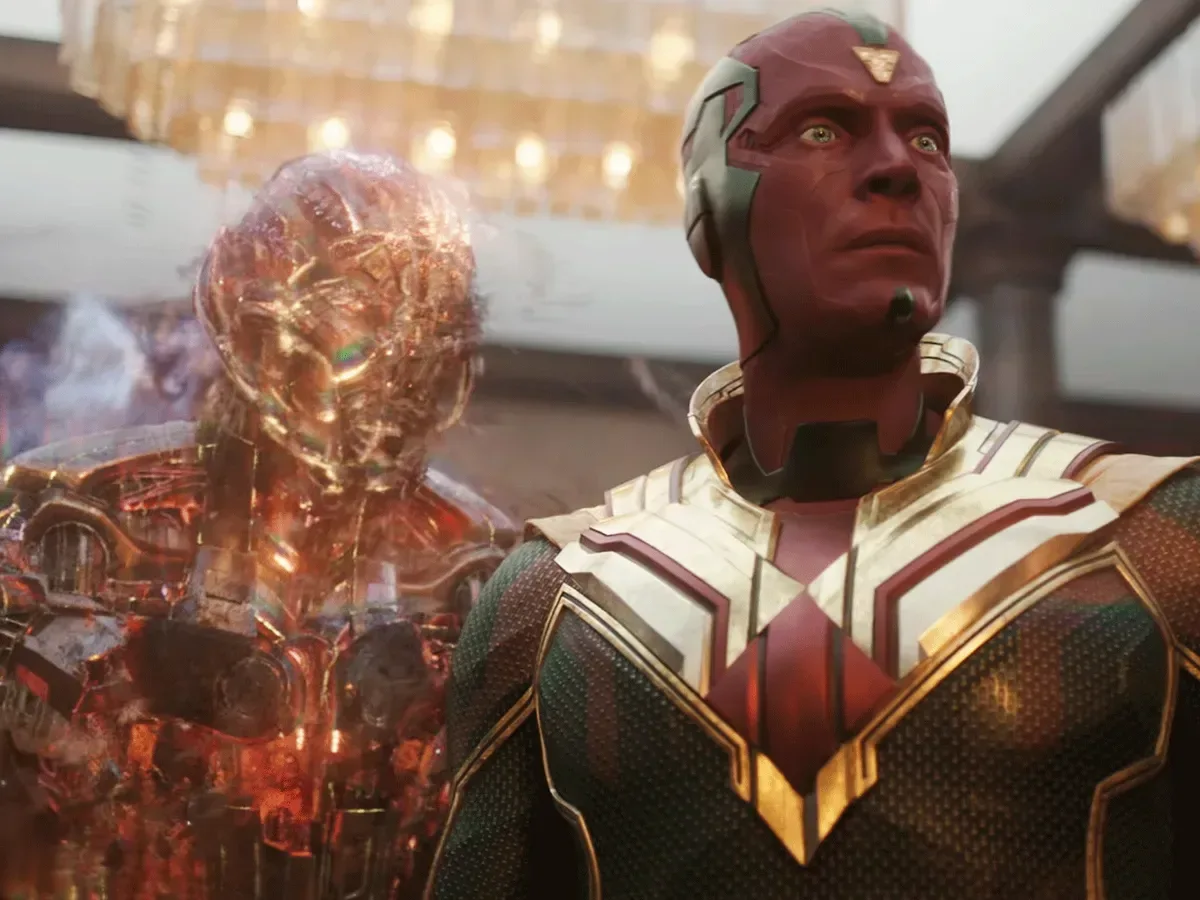
For viewers following animation beyond this series, the larger appeal is the willingness to let an established universe age, fail and become unfamiliar. That does not guarantee every new character relationship will land immediately, but it creates narrative space for discovery. Similar questions of identity and legacy continue to matter in other current television conversations, including a recent look at VisionQuest’s identity-focused premise.
What to watch as the season continues
- Pavi’s confidence: The early episodes establish a thoughtful, frightened child rather than a ready-made savior. Her response to that pressure should define the season.
- The truth behind Korra’s legacy: The accusation that Korra ended the world shapes public life, but the series leaves space for the audience to question how complete that account is.
- The fate of bending: The dwindling number of benders turns a core piece of Avatar lore into an urgent cultural and defensive problem.
- Ellora’s group dynamic: Jae and Karthik give Pavi potential allies, though the central crew is still taking shape in the material available so far.
- The Harshlands themselves: The setting is more than a route between plot points. Its weather, terrain and creatures may prove central to understanding what rebuilding can mean.
Avatar: Seven Havens has not been built as a comfortable return to a restored balance. Its strongest early idea is that balance may no longer be a state that can simply be recovered. In Pavi’s era, it may have to be rediscovered, redefined and defended by people who have grown up believing the Avatar was the reason it disappeared.