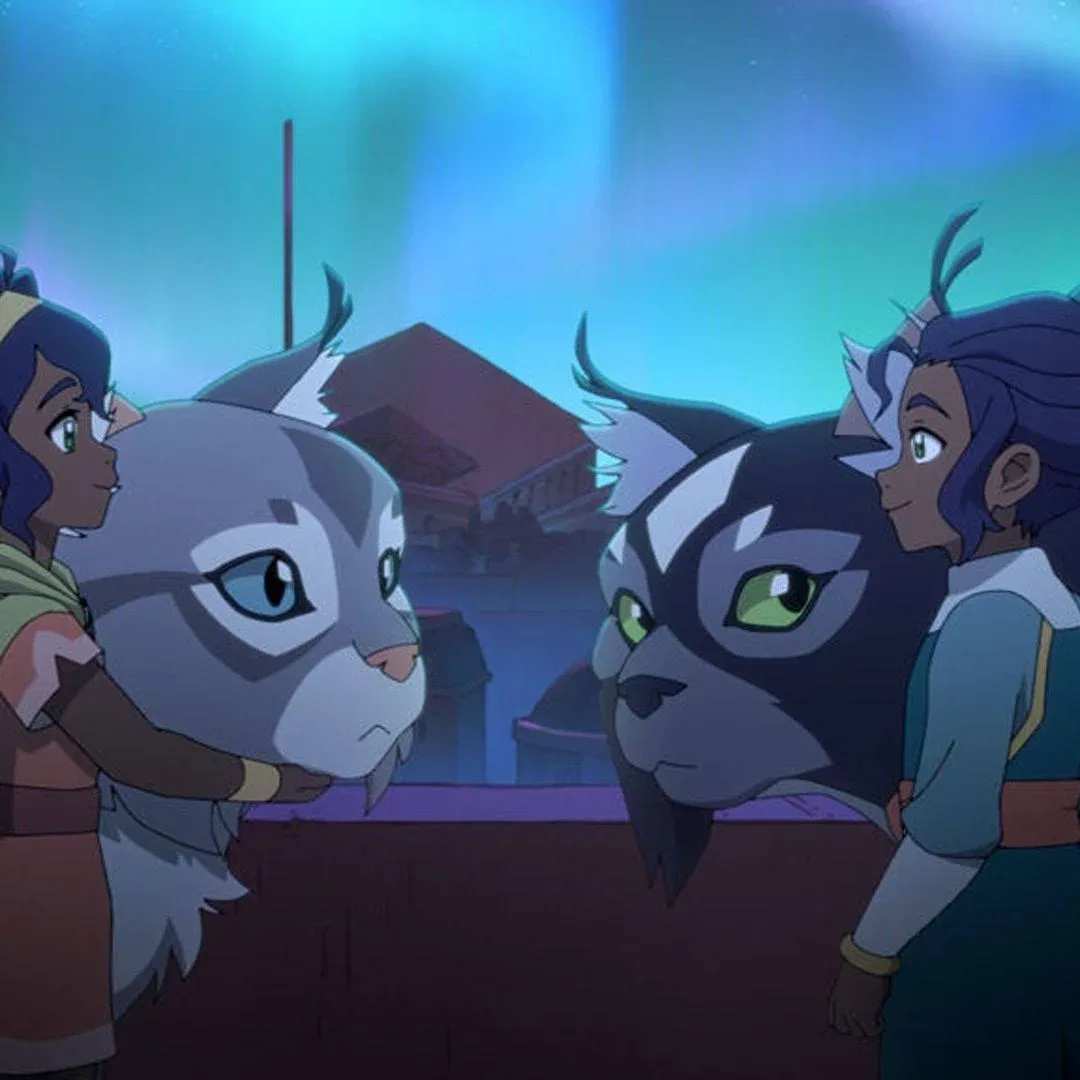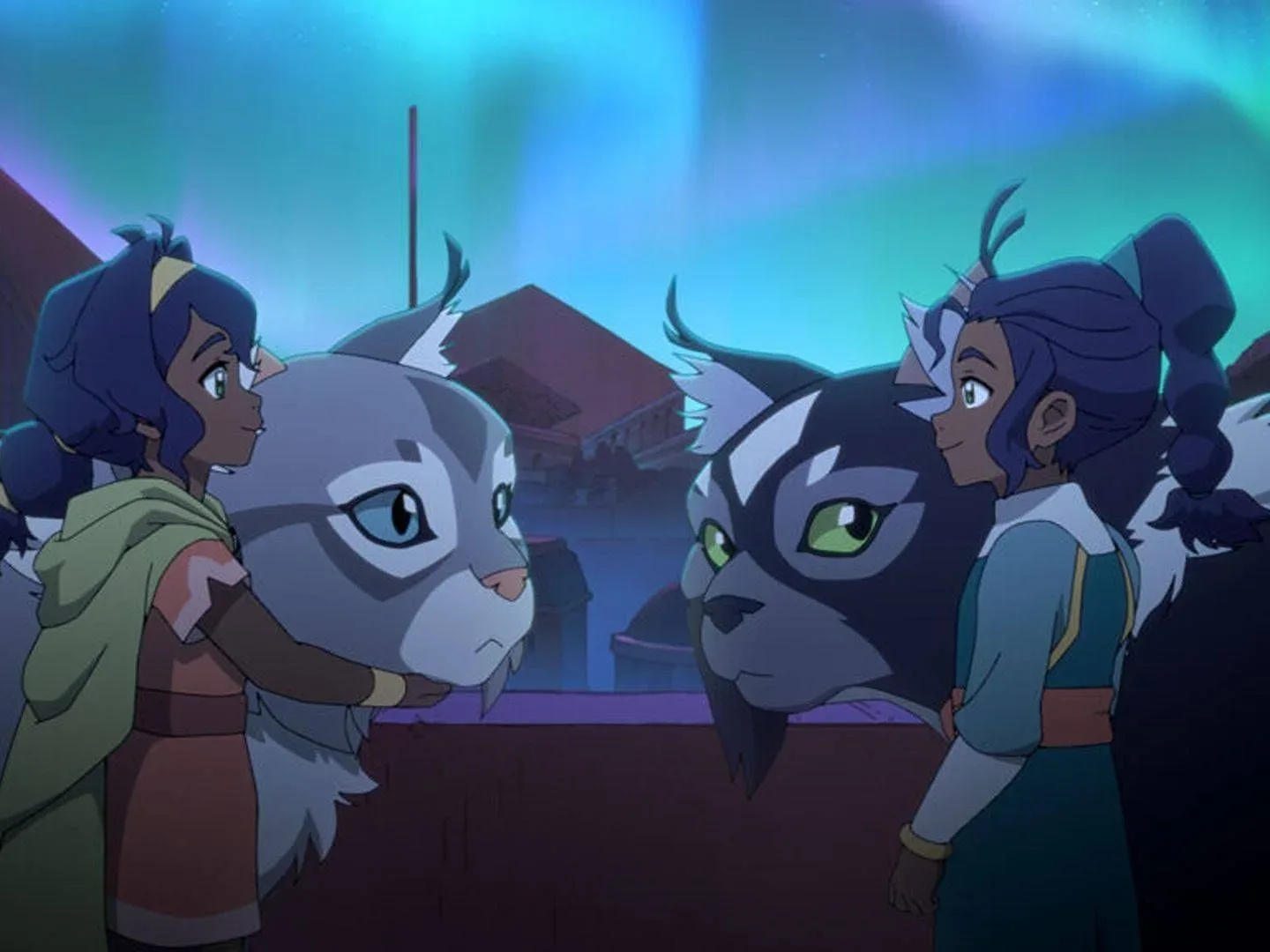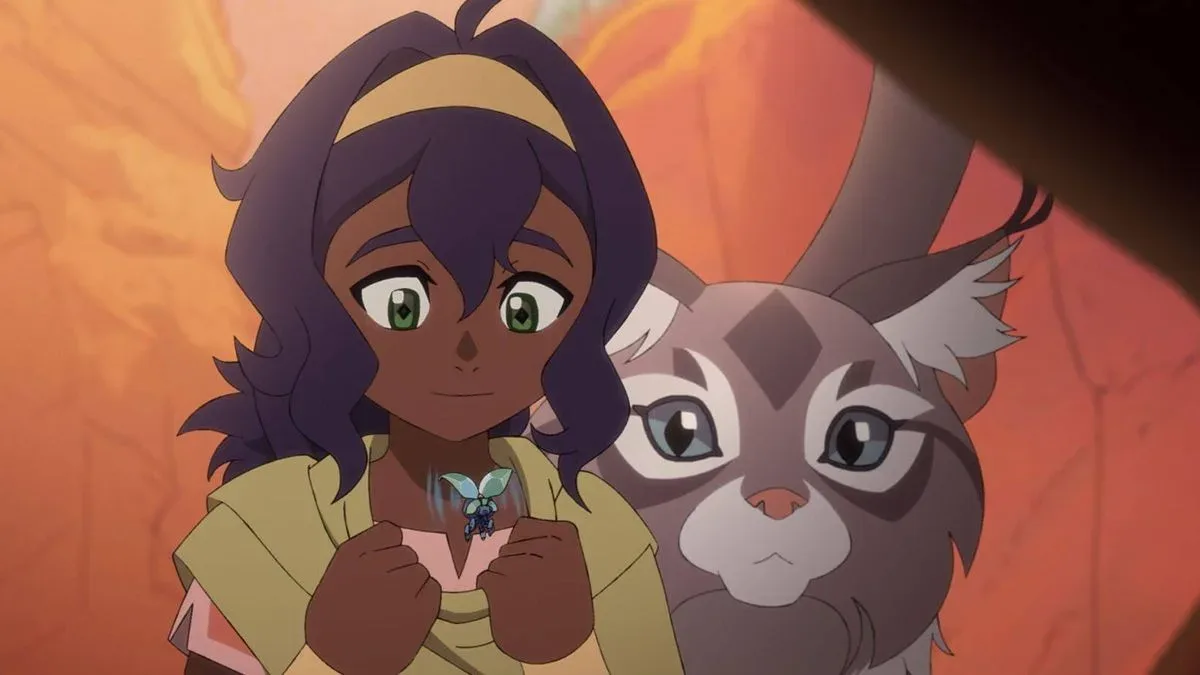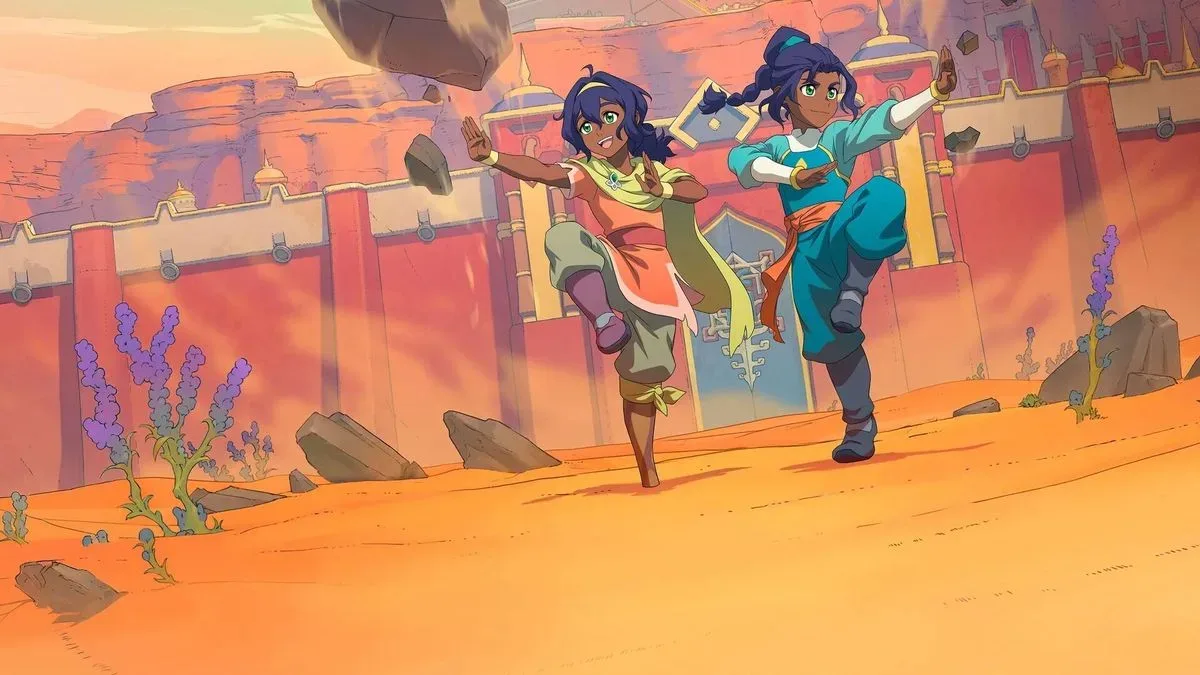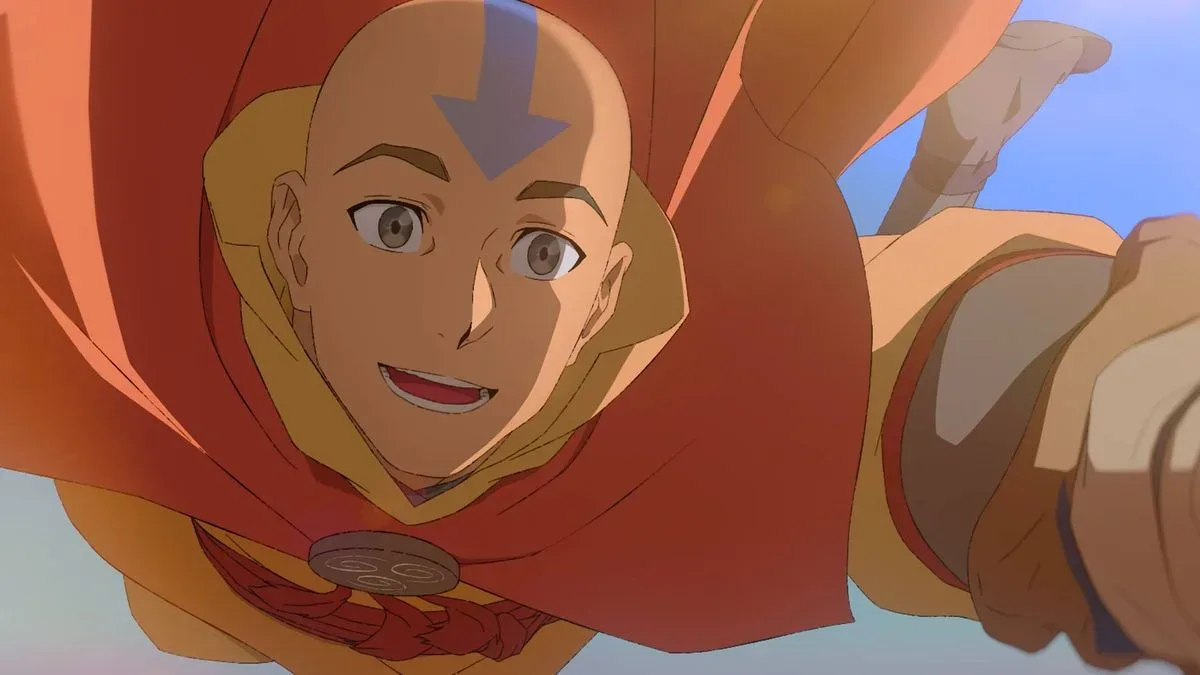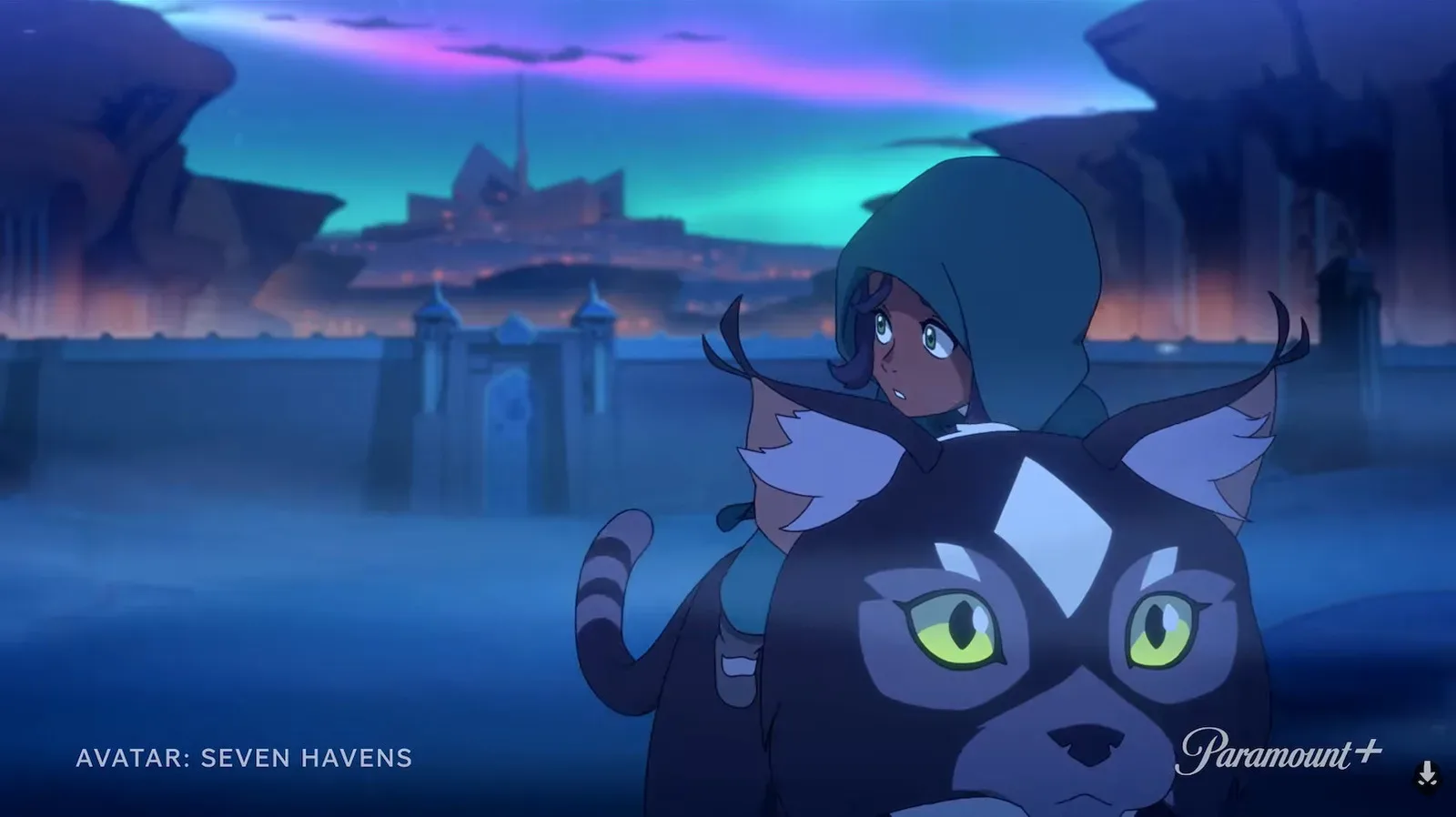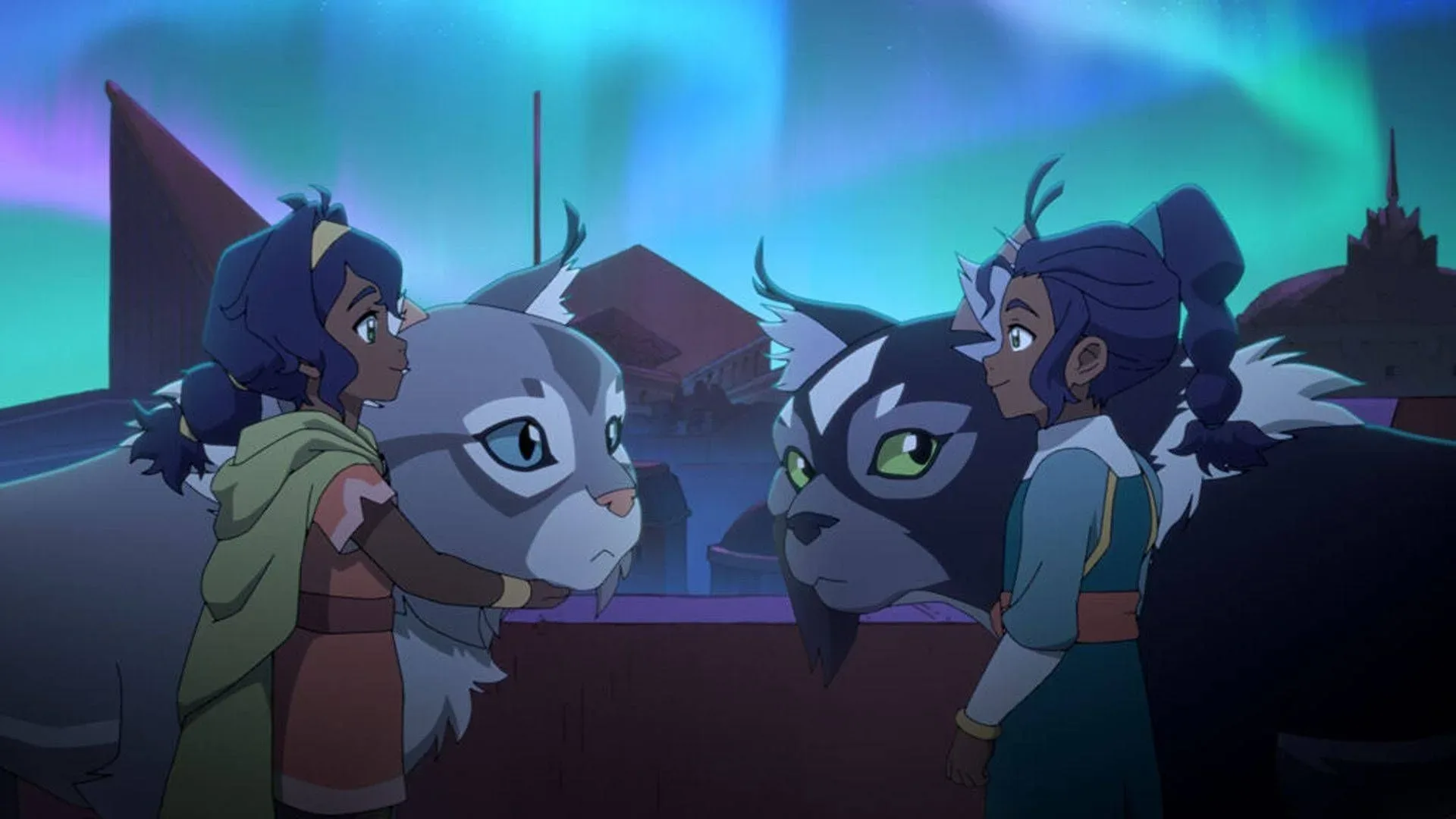
Avatar: Seven Havens is the next animated chapter set in the world of Avatar: The Last Airbender and The Legend of Korra, but its premise is deliberately far removed from the familiar version of that world. The series follows Pavi, a young Earthbender who discovers she is the new Avatar in an age where the title inspires hostility instead of hope.
That is a major reversal for the franchise. Pavi lives amid ongoing sandstorms and tornadoes, sheltered in a refuge while civilization appears to be nearing collapse. In Ellora, children have grown up blaming the Avatar for their world’s misery. Discovering that she is the figure everyone resents puts Pavi in a uniquely precarious position: she has inherited extraordinary importance, but none of the automatic trust that is often attached to a saviour figure.
The show is created by Michael Dante DiMartino and Bryan Konietzko. It is planned as two Books, with 13 half-hour episodes in each, for 26 episodes in total. Book One begins rolling out on Paramount+ in October, in batches rather than as a single all-at-once release.
What is Avatar: Seven Havens about?
The confirmed central story concerns Pavi’s discovery that she is the Avatar, against the backdrop of a ruined world. She is an Earthbender, meaning her established element is earth. In this setting, an Avatar is the person at the center of a spiritual lineage and can connect with earlier Avatars in the Spirit World. That inherited role is central to the new series because Pavi’s public image is shaped by events that occurred generations before she was born.
Pavi’s immediate world is defined by relentless destructive weather. She has lived in a refuge, while the city of Ellora has fostered anger toward the Avatar. The exact cause of the catastrophe has not yet been resolved in the material available, and that uncertainty matters: the series is not simply presenting Pavi as a universally accepted answer to a crisis. Instead, she must establish what the Avatar should mean to people who believe that position helped cause their suffering.
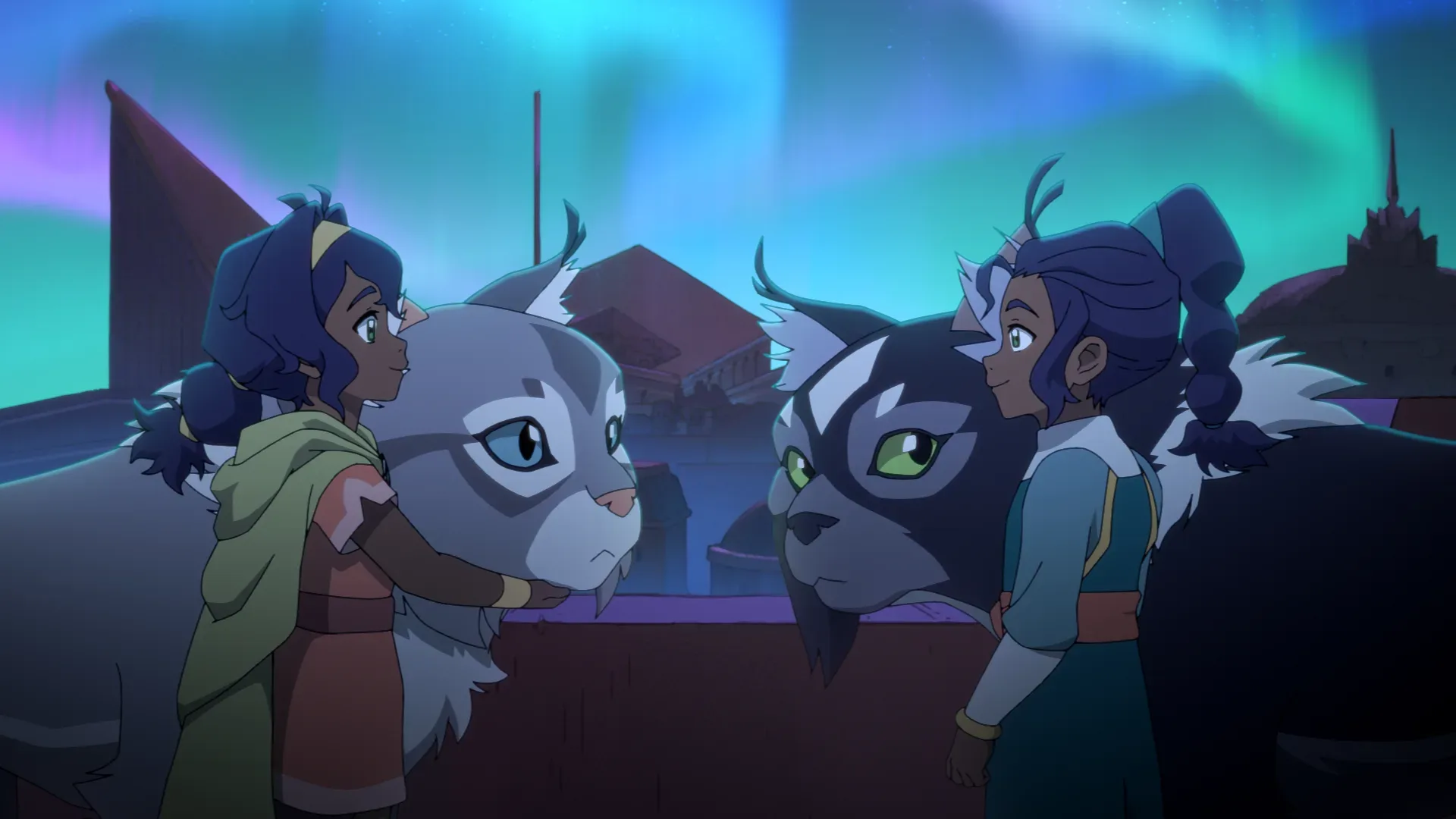
She will not undertake that task alone. Her companions include Jae, an Airbender, and Nisha, Pavi’s long-lost twin. The trio’s search for answers about Pavi and Nisha’s mysterious origins is tied directly to the struggle to save the Seven Havens before civilization falls apart completely. The series also places them under threat from enemies associated with both the human world and the Spirit World.
“Seven Havens” appears to be more than decorative franchise vocabulary. The name is attached to the stakes of the plot: these havens need saving in a world damaged enough to require places of refuge. Beyond that broad setup, the show has not yet established exactly what the Seven Havens are, how they function, or why the environmental destruction has reached its present scale.
Why Korra matters, even 225 years later
Seven Havens takes place 225 years after The Legend of Korra. That distance makes it a new era rather than a direct continuation featuring the old cast in their original roles. But Korra’s legacy is not background trivia. Within Pavi’s era, Korra is blamed for the destruction and rage that people associate with the post-apocalyptic conditions around them.
Crucially, blame is not the same as proof. It remains unclear whether Korra is actually responsible for the disaster that later generations attribute to her. That gap between popular belief and historical truth gives the series a strong starting mystery. Pavi is not merely inheriting the Avatar’s powers and spiritual responsibilities; she is inheriting an accusation.
For viewers, that makes The Legend of Korra the most directly useful earlier series to revisit. It provides the clearest available context for the reputation looming over Pavi’s story and for the possibility that old decisions have been remembered, simplified, or misunderstood over centuries. It is not confirmed as mandatory viewing, however. The new series is positioned far enough from past events that it should be able to introduce its own conflict and cast.
Avatar: The Last Airbender and the sequel film Avatar Aang: The Last Airbender are set about three centuries away from the new story, so their plots are not presented as direct prerequisites. Their significance is broader: they establish the same fictional world and the Avatar lineage whose reputation Pavi now has to confront.
There is a useful distinction here between continuity and required homework. Continuity means a story shares prior characters, rules, history, and consequences. Required homework means a viewer cannot follow the new plot without consuming every earlier installment. Seven Havens plainly has continuity with previous Avatar stories, especially through Korra, but the premise is designed around a fresh protagonist encountering the legacy for herself. Newcomers can begin with Pavi; returning viewers are more likely to recognize the additional weight behind the world’s distrust.
That generational approach is one reason the franchise remains an interesting point of comparison for other long-running fantastical settings. The focus is not simply on bringing back a familiar hero, but on exploring what the public does with a hero’s legacy long after the original events have become history. For a different angle on how games make extraordinary beings central to a world’s personality, see this look at the trainable creature at the heart of Black & White.
Could Aang, Korra, or Vaatu appear?
Korra will have a presence in the most important sense: the society Pavi inhabits has been shaped by what it thinks Korra did. Whether Korra herself appears on screen remains unconfirmed.
There are established narrative avenues for earlier Avatars to return. Avatars can meet past selves in the Spirit World, which means the show could potentially use that setting to bring Pavi into contact with predecessors such as Korra or Aang. Flashbacks are another possible route. Neither possibility is confirmation of an appearance, though. They explain how a return could fit the world’s existing rules, not what the production has promised.
Fans have also identified what appears to be Vaatu in promotional footage. Vaatu is known as the Great Spirit of Darkness and Chaos and was a major antagonist in Korra’s story, nearly defeating her. The visual observation makes Vaatu a significant possibility for Seven Havens, especially given the new series’ Spirit World dangers and ruined setting. Still, it is safest to treat this as trailer-based speculation until the show identifies the character and its role directly.
The difference between these claims is worth keeping clear:
- Confirmed: Korra’s perceived actions shape the premise of Pavi’s era.
- Possible under established lore: Aang or Korra could appear through flashbacks or a Spirit World encounter.
- Unconfirmed trailer interpretation: a figure seen by fans may be Vaatu.
That hierarchy prevents a compelling theory from turning into a false promise. The premise already gives Pavi enough to handle without assuming every major figure from earlier stories will arrive for a reunion lap.
The confirmed voice cast
The core cast places Pavi’s family connection and traveling group at the center of Book One:
- Saheli Khan as Pavi, the new Avatar and an Earthbender.
- Aishu Devan as Nisha, Pavi’s twin sister.
- Major Curda as Jae, an Airbender who joins the journey.
- Dee Bradley Baker as Geet and Ruhi, Pavi and Nisha’s pet cat-monkeys.
Additional named characters include Karthik, voiced by Akshay Khanna; Agam, voiced by Sakina Jaffrey; Daemin, voiced by Darren Barnet; and Zi, voiced by Dianne Doan. Their exact relationships to Pavi and the wider conflict have not been detailed here, so their place in the story remains to be discovered in the episodes.
Avatar: Seven Havens Book One release schedule
Book One contains 13 episodes. Rather than releasing all 26 planned episodes at once, Paramount+ will release the first Book in four weekly drops during October. The first three drops each contain three episodes, while the last contains four.
- October 9: Episodes 1–3
- October 16: Episodes 4–6
- October 23: Episodes 7–9
- October 30: Episodes 10–13
Calling the 13-episode installment a “Book” follows the franchise’s familiar way of grouping a larger arc. Practically, the October schedule gives viewers three episodes to establish Pavi’s setting and conflict, then follows with weekly batches that can advance the mystery of the Seven Havens, the twins’ origins, and Korra’s contested legacy.
What comes after Seven Havens?
The long-term direction of the Avatar universe has not been mapped out publicly in detail, and there is no confirmed explanation for how Seven Havens will lead into future stories. DiMartino and Konietzko have indicated that another, currently unannounced television project is in production. They have also said that there are no feature projects in production at present.
That means Pavi’s series arrives as part of continuing television development, but viewers should not assume the new show exists chiefly to set up something else. Its confirmed framework is already substantial: two Books, a new Avatar, an environmental and societal crisis, human and spiritual threats, and a history mystery with roots in Korra’s era. The immediate question is not which old character will cameo next. It is whether Pavi can earn trust in a world that has decided the Avatar is the problem.