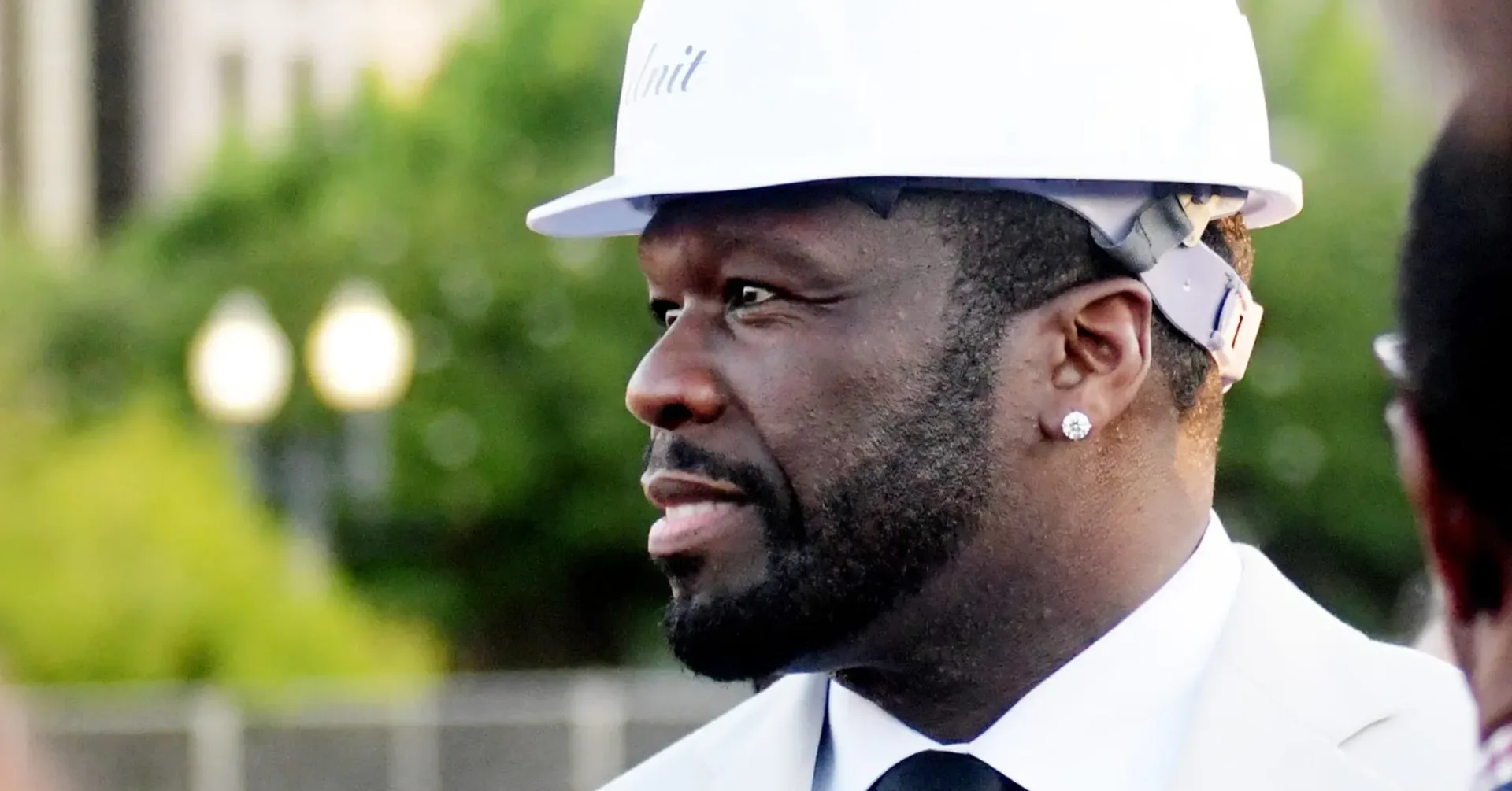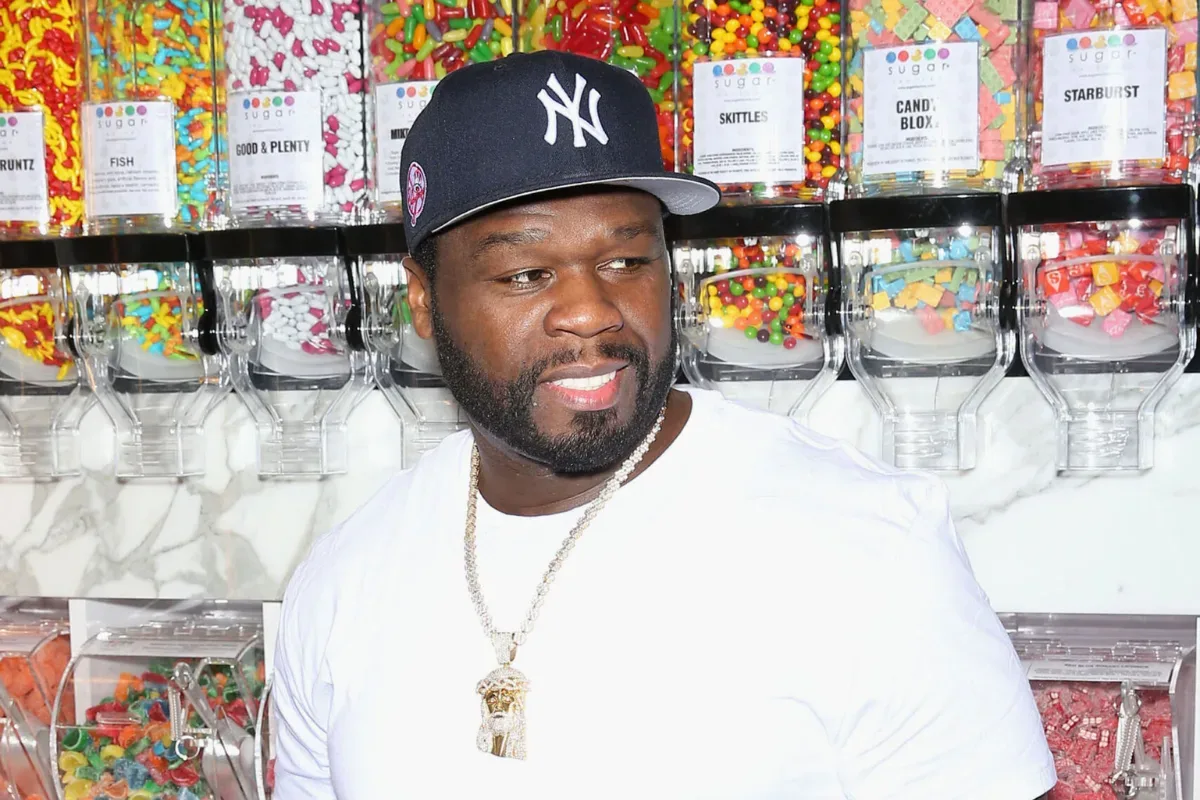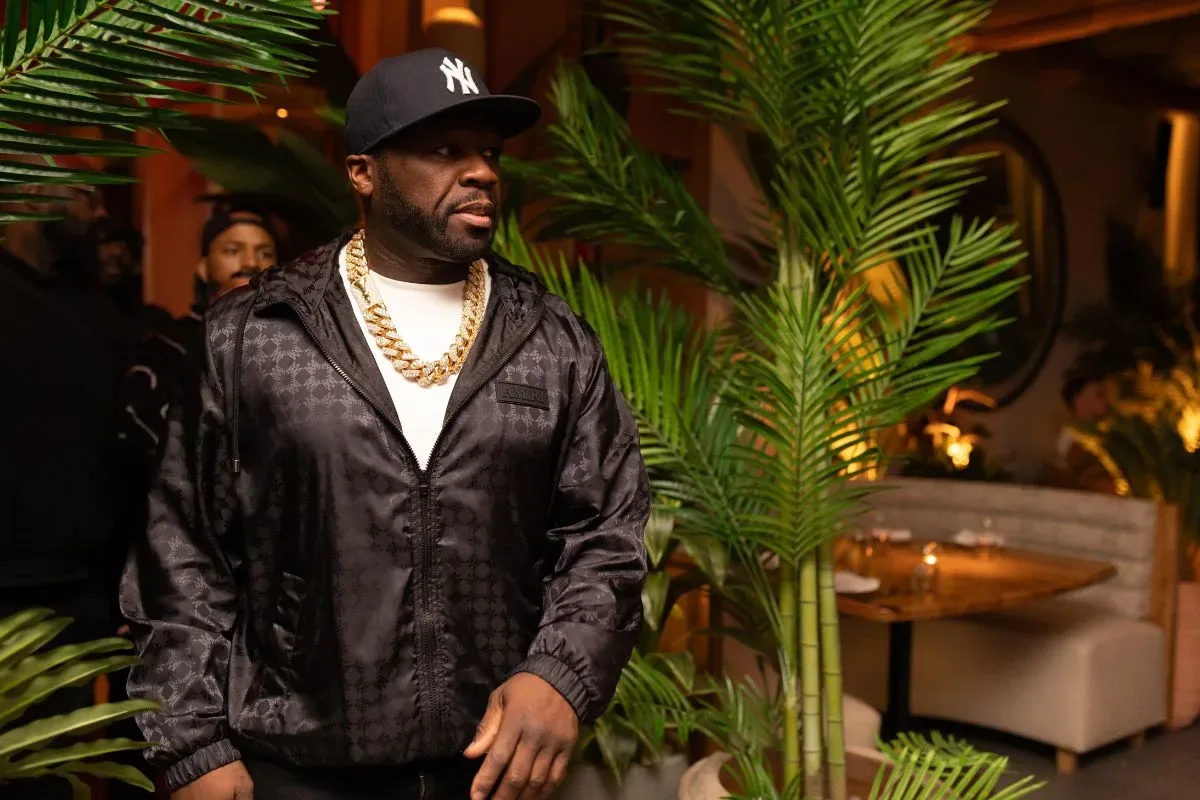
50 Cent has pointed to Shreveport’s Humor and Harmony Festival as evidence that a concentrated burst of entertainment, investment and community activity can change a city’s atmosphere—at least temporarily.
The performer and entrepreneur said he invested $5 million in the festival, held in Shreveport, Louisiana, in August 2024. He said roughly 35,000 people attended. Most notably, he said the festival period and the following 16 days passed without a reported violent crime in the city, compared with what he described as a usual rate of four to five violent crimes a day.
That is a striking claim, and it deserves to be read precisely. A period with no reported violent crime is not the same thing as proof that one event permanently reduced crime, nor does it establish that the festival alone caused the result. But the reported run, if measured as described, is still a notable outcome—and one that has become central to 50 Cent’s case for bringing major entertainment projects to places seeking investment and momentum.
A festival built around comedy, R&B and scale
Humor and Harmony was designed as more than a conventional music booking. 50 Cent described an R&B-heavy lineup alongside a substantial group of comedians, including Dave Chappelle, Katt Williams, Andrew Schulz, Pat Rice, Earthquake and Bill Bellamy.
That combination matters to the underlying idea. A festival is not simply a collection of performances; it is a temporary gathering space requiring audiences, artists, workers, organizers and local services to operate around a shared schedule. In 50 Cent’s telling, that shared activity created an energy that remained after the shows ended.
“I put $5 million into it and it turned into a great investment because 35,000 people showed up to Shreveport,” 50 Cent said while discussing the event.
His emphasis on “investment” is important. It frames the spending as a bid to create measurable activity rather than as a one-off celebrity appearance. Attendance alone does not reveal the event’s complete economic effect, and no detailed breakdown of local revenue, employment or visitor spending is provided here. Still, a crowd of that size is meaningful in practical terms: it gives a city event visibility, puts demand on hospitality and venue infrastructure, and demonstrates that people will travel or gather for a locally staged cultural program.
What the violent-crime figure does—and does not—say
The most attention-grabbing part of the story is the reported 16-day stretch after the festival without violent crime. “Violent crime” is a category that can encompass multiple serious offenses, but the supplied information does not define which offenses were counted, what reporting system was used, or whether the comparison covers identical periods and definitions. Those details matter when interpreting any crime statistic.
It is also important to distinguish reported crime from all crime. A report reflects incidents recorded by authorities under a particular classification and time frame. The absence of reported incidents in a category is a significant data point, but it cannot by itself show every factor that shaped behavior during that period.
There are several reasons not to overstate a short-term correlation. Crime totals can fluctuate naturally from day to day. Seasonal patterns, policing activity, community initiatives, weather, travel and countless local circumstances can affect a period’s numbers. A festival may be part of the environment around a result without being the exclusive explanation for it.
That caveat does not erase 50 Cent’s broader argument. His point is not presented as a technical crime-study finding. It is a practical argument about opportunity: give people a major event, paid work and a reason to participate in a positive public moment, and a community may respond differently. The Shreveport example is being used to support that proposition.
The opportunity argument behind the headline
50 Cent said the experience showed him that an environment can respond to opportunities “coming in.” It is a broader claim than the number attached to the 16-day period. At its core, the argument is that cultural programming can produce more than ticket sales and social-media attention.
For residents, a large event can provide access to performances that might otherwise happen elsewhere. For local businesses and workers, it can generate immediate demand. For organizers and civic partners, it can demonstrate that a city can host a project of significant size. None of those outcomes guarantees long-term change. Yet they can alter perceptions of what a location is capable of attracting and sustaining.
That distinction between a temporary event and durable local impact is the key test for festival-led redevelopment. A single successful weekend can create a valuable proof of concept. Repeating that success requires planning, resources and partnerships that persist after the stage lights are down. The most useful question is not whether an event can produce excitement—it plainly can—but whether the people and institutions around it can convert that excitement into recurring economic and social opportunity.
Why this became a redevelopment conversation
50 Cent said he brought the festival’s results to Louisiana Governor Jeff Landry, who was immediately surprised by what the project appeared to demonstrate. The festival’s momentum also helped G-Unit finalize a $124 million entertainment redevelopment deal.
The available information does not provide the deal’s terms, scope, timeline or a full account of how it was structured, so it would be premature to describe exactly what the redevelopment will deliver. What is clear is that the festival became part of a larger pitch: entertainment activity can serve as a visible opening move for longer-horizon investment.
That is a familiar logic in the entertainment business. A high-profile event can prove audience demand, attract attention from decision-makers and give prospective partners a real example instead of a speculative proposal. Bigger deals still depend on their own financing, approvals and execution, of course. The festival does not eliminate those requirements; it supplies a compelling signal that an audience and a civic appetite may be present.
Entertainment and games regularly intersect with that same wider investment conversation, from franchises seeking new media opportunities to companies making high-stakes leadership and ownership decisions. Recent industry deal news is another reminder that the business case surrounding culture can be as consequential as the work audiences see on screen or on stage.
Expansion will require more than copying a lineup
50 Cent’s stated next step is to take the festival idea to other cities facing related challenges. The Shreveport story makes clear why the model may appeal: a recognizable organizer, established performers and a multi-genre bill can concentrate public attention very quickly.
But expansion is not as simple as transplanting the same names and expecting the same outcome. Each city has its own venues, local artists, transportation needs, public-safety conditions and community relationships. A successful adaptation would need to fit the place hosting it, rather than treating a festival brand as a plug-and-play solution.
There is also a question of measurement. If the goal is to show that an event creates opportunity, the strongest future case would track more than attendance and a single safety statistic. Useful measures could include repeat attendance, local participation, the continuity of programming, and clearly defined crime reporting over comparable periods. Such data would not turn culture into a guaranteed policy cure, but it would make the case for investment more concrete.
For now, Humor and Harmony’s clearest reported milestones are substantial: a $5 million investment, 35,000 attendees, a lineup spanning comedy and R&B, a claimed 16-day period without reported violent crime, and subsequent momentum toward a $124 million redevelopment deal. The numbers should not be stretched into a simple claim that a festival solved crime. They do, however, help explain why 50 Cent sees Shreveport as a model for an entertainment project with ambitions beyond the bill.