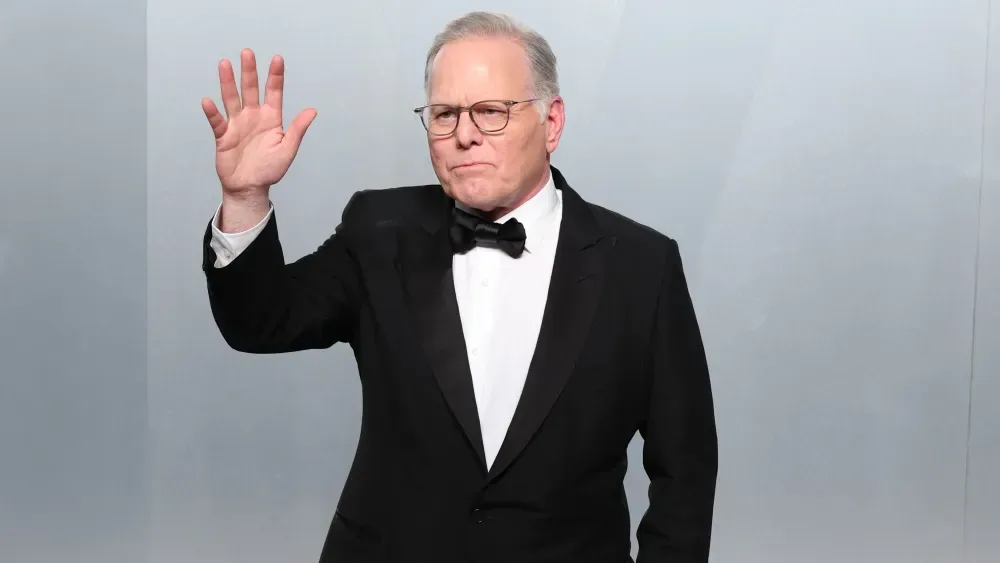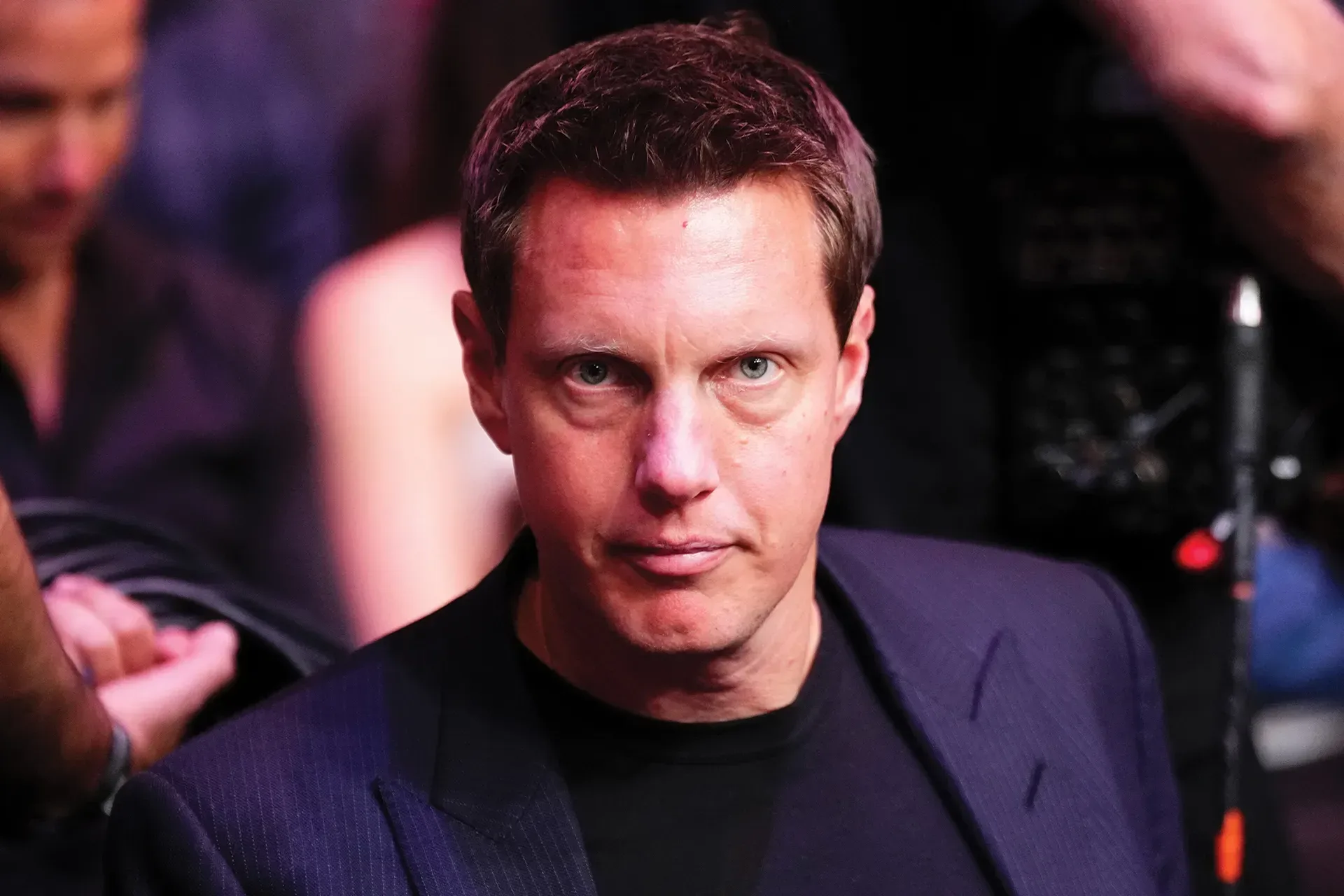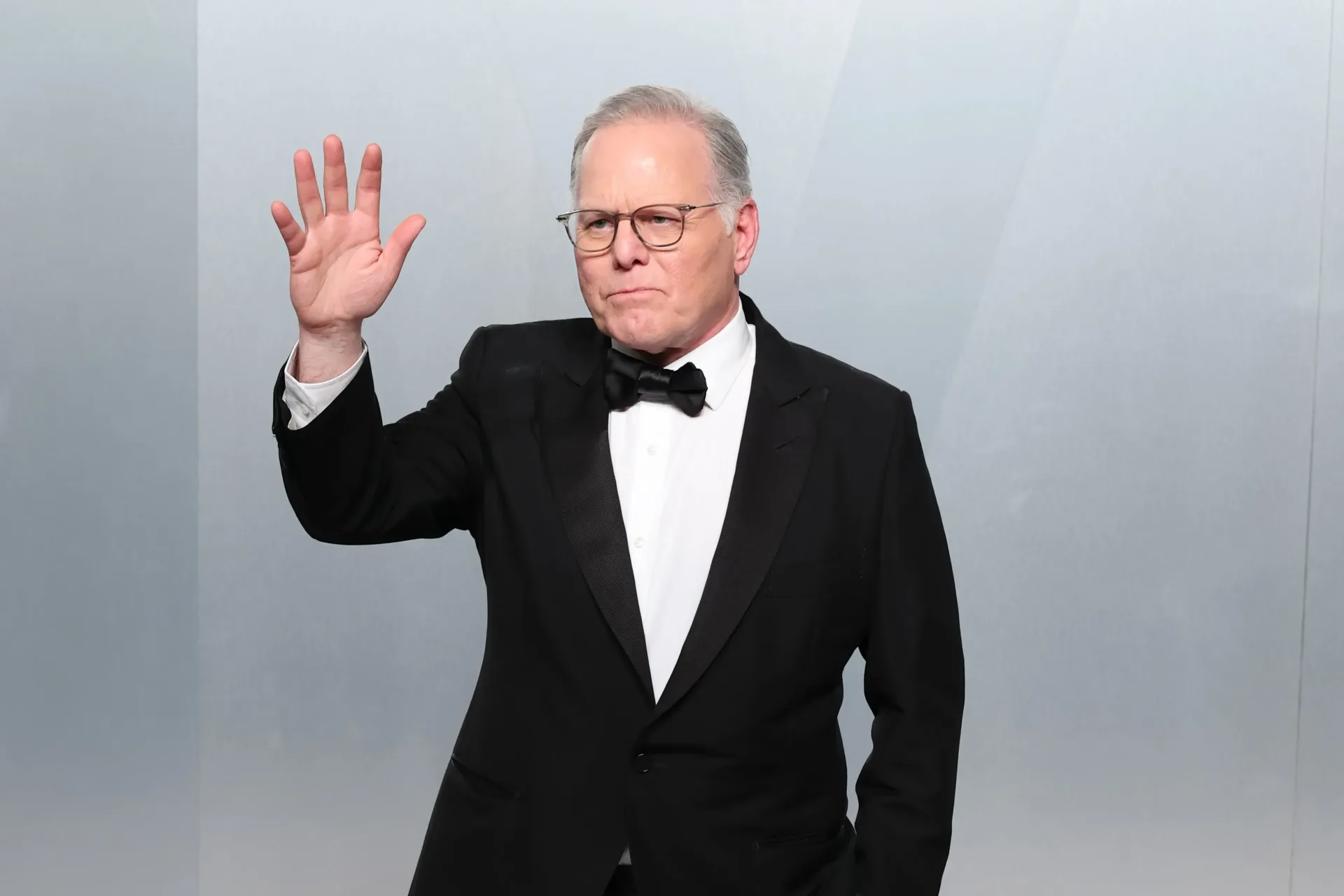
David Zaslav’s four-plus-year run leading Warner Bros. Discovery has ended with a $606.1 million payout connected to the closing of Paramount’s acquisition of the company. The sum became effective October 6, when the transaction closed and Warner Bros. Discovery became part of the newly formed Skydance organization.
Zaslav had served as Warner Bros. Discovery’s president and CEO. The company was created through the combination he led, and its sale brings an end to a planned corporate split that would have instead separated the studio, HBO and HBO Max operations from a business centered on linear television networks, Discovery+ and other assets.
For viewers, game audiences and employees, a CEO’s merger payout can feel far removed from the entertainment itself. But it is a highly visible indicator of how takeover agreements distribute value—and of the incentives built into executive compensation at the companies controlling major film, television, streaming and games businesses.
What makes up the $606.1 million
The $606.1 million consists of the value attached to Zaslav’s Warner Bros. Discovery shares, including restricted stock units, or RSUs, that converted into a right to receive cash once the deal closed. A substantial portion of the total came from stock options: $381.7 million worth, before applicable withholding and taxes.
Stock options give an executive the ability to buy shares at a preset exercise price. If the shares are worth more than that price, the option holds value; if not, the option may expire with no value. That distinction is significant in this case. Zaslav also held 14.98 million options that became worthless after the merger because their exercise prices sat above the acquisition price of $31.0167 per share.
In short, the headline number is not a simple cash salary for leaving the company. It reflects the merger treatment of a set of equity holdings and awards, some of which gained value at the deal price and some of which did not. The proceeds from options and RSUs are subject to withholding taxes, while Zaslav’s proceeds also face capital-gains taxes where applicable.
Separately, Zaslav had sold nearly $200 million in Warner Bros. Discovery stock after the Paramount deal was clinched in February. That activity is distinct from the value disclosed in connection with the deal’s October closing.
A very public departure after a difficult corporate era
The ownership change was immediately visible at the Warner Bros. lot in Burbank, where the famous water tower was updated to include “A Skydance Corporation.” It is a symbolic detail, but a useful one: the takeover is no longer simply an agreement or regulatory process. It has been completed, and Paramount’s new ownership structure now sits behind one of entertainment’s most recognizable studio identities.
Related coverage includes David Zaslav’s Paramount-Warner Exit Pays $606.1 Million.
Zaslav is not the only Warner Bros. Discovery leader leaving. Departures include chief financial officer Gunnar Wiedenfels; chief revenue and strategy officer Bruce Campbell; Warner Bros. Motion Picture Group co-chairs Pamela Abdy and Michael De Luca; and Scott Miller, president of networks and streaming distribution.
Other executives received multimillion-dollar sums associated with the transaction, including Wiedenfels, Campbell, international chief Gerhard Zeiler and JB Perrette. Perrette, previously responsible for Warner Bros. Discovery’s streaming and games operations, has moved to Skydance as co-chair and chief business officer of its television and direct-to-consumer streaming divisions.
That last role is worth watching for audiences who follow games as part of a larger entertainment ecosystem. Direct-to-consumer, commonly shortened to DTC, means services delivered directly to the audience rather than through a traditional cable or satellite distributor. Streaming strategy, subscriber revenue and franchise stewardship are all business questions that can affect which entertainment brands receive sustained investment. For a snapshot of the games coverage operating in that wider platform landscape, see this report on Astral Ascent’s Expedition 33 crossover.
Why the payout is controversial
At Warner Bros. Discovery’s annual shareholder meeting in June, a majority of shareholders voted against the golden-parachute arrangements for Zaslav and other named executives, as well as against their 2025 compensation plans. Those votes were symbolic rather than a mechanism to halt the packages, but they made shareholder disapproval unmistakable.
A golden parachute is a term for compensation and benefits triggered when an executive departs after a takeover or major change in corporate control. Advocates of such packages argue that they can help executives evaluate a sale without being personally punished for losing their job in the resulting structure. Critics argue that enormous exit rewards can appear detached from the experience of workers, subscribers and shareholders—particularly at a company that made repeated cuts in pursuit of lower costs.
Warner Bros. Discovery did make job cuts under Zaslav and his leadership team as it sought greater operating efficiency. At the same time, the company more than doubled the number of employees holding equity compared with the predecessor companies separately. Both facts matter when assessing the tenure: cost reduction affected the workforce, while ownership through equity was extended to a broader group of employees.
There is also a narrower but important distinction between anger over the size of a payout and the financial mechanics that created it. The disclosed $606.1 million is tied to securities and merger conversion terms. It is not described as a new discretionary bonus granted on the way out. That does not resolve the debate over whether the compensation structure was appropriate; it does explain why the acquisition price and the executive’s pre-existing awards are central to the final figure.
Financial turnaround claims alongside heavy debt
Zaslav leaves behind a company whose financial picture changed markedly on several measures. Warner Bros. Discovery reduced gross debt from $53 billion in mid-2022 to $33.1 billion as of June 2026. Its full-year 2022 pro-forma EBITDA result was a loss of approximately $2.1 billion. By 2025, the company reported EBITDA profit of $1.4 billion and was tracking toward double-digit percentage growth in subscriber-related revenue in 2026.
EBITDA stands for earnings before interest, taxes, depreciation and amortization. It is a frequently used measure of operating performance because it removes several expenses that can differ dramatically among companies and capital structures. It can be useful for showing whether the underlying business is generating earnings, but it is not the same as cash in the bank, net income or debt repayment capacity. In a highly leveraged media deal, that caveat is especially important.
The combined Skydance organization now assumes the Warner Bros. Discovery debt and faces roughly $80 billion in debt. That is a much larger figure than Warner Bros. Discovery’s June debt total, and it establishes the key constraint around the next phase of the business. Debt does not automatically dictate creative decisions, release plans or product changes. It does, however, raise the importance of dependable revenue, cost discipline and management’s choices about where to invest.
For a company spanning movie studios, television networks, premium streaming, library assets and games-related operations, the practical pressure is to turn valuable brands and subscription relationships into durable returns while managing financing obligations. The available information does not establish what specific decisions the new owners will make. It does show that the corporate reset begins with substantial financial commitments, not a clean balance sheet.
The abandoned split and Zaslav’s 2025 pay package
Zaslav’s compensation had already drawn attention before the sale closed. His 2025 package totaled $165 million, including a one-time stock-option grant valued at $109.6 million. The award was made in June 2025 for work connected to the proposed split of Warner Bros. Discovery into two publicly traded companies.
Under that proposal, HBO, HBO Max and the studios business would have been grouped together, while the other public company would have largely held the linear networks, Discovery+ and additional assets. Such a split never moved forward because the Paramount-Skydance transaction overtook it.
The abandoned plan matters because it illustrates the speed and scale of the strategic change. The company moved from preparing to divide itself in two to being acquired outright. The option grant was connected to the former direction; the $606.1 million disclosed at close reflects the latter. Both underscore how executive compensation at the highest level is often tied to corporate restructurings, not only annual operating results.
What the merger changes—and what remains unknown
The completed acquisition has established several concrete facts: Zaslav is out as CEO, a number of senior Warner Bros. Discovery executives have departed, Perrette has taken on a new Skydance role, and the Warner Bros. Discovery debt is now part of a combined company carrying approximately $80 billion in debt.
What the close does not, by itself, establish is the precise future of individual brands, teams, streaming products or creative slates. Merger headlines can make an ownership change sound like an immediate programming roadmap. It is not one. Those choices will be made afterward by the company’s new leadership, within the financial and operational pressures the deal has created.
For now, Zaslav’s $606.1 million exit is the starkest numerical symbol of the handoff. It arrives after a tenure marked by aggressive cost controls, shareholder pushback, a reduction in Warner Bros. Discovery debt, improved EBITDA results and a final change of course from a proposed split to a completed sale. The new Skydance-led company inherits both the assets that made Warner Bros. Discovery attractive and the debt load that will shape what comes next.