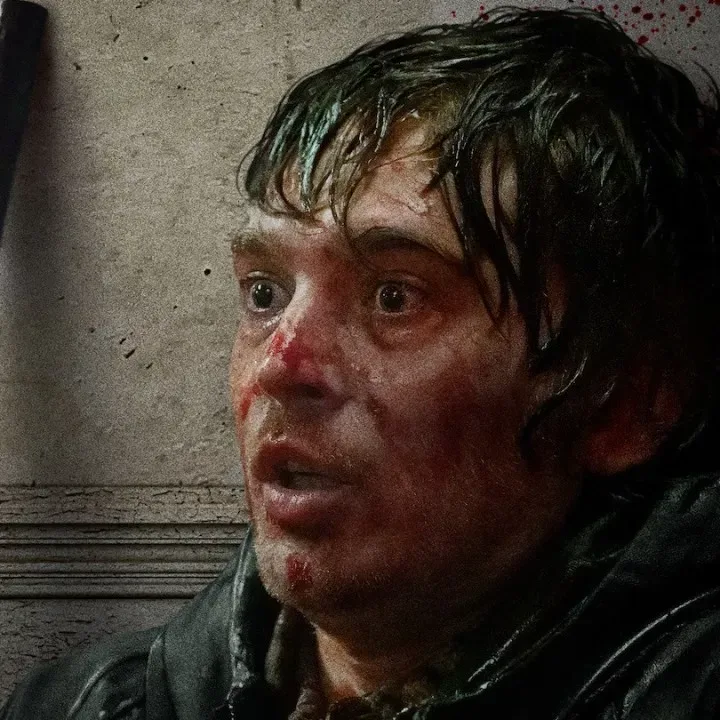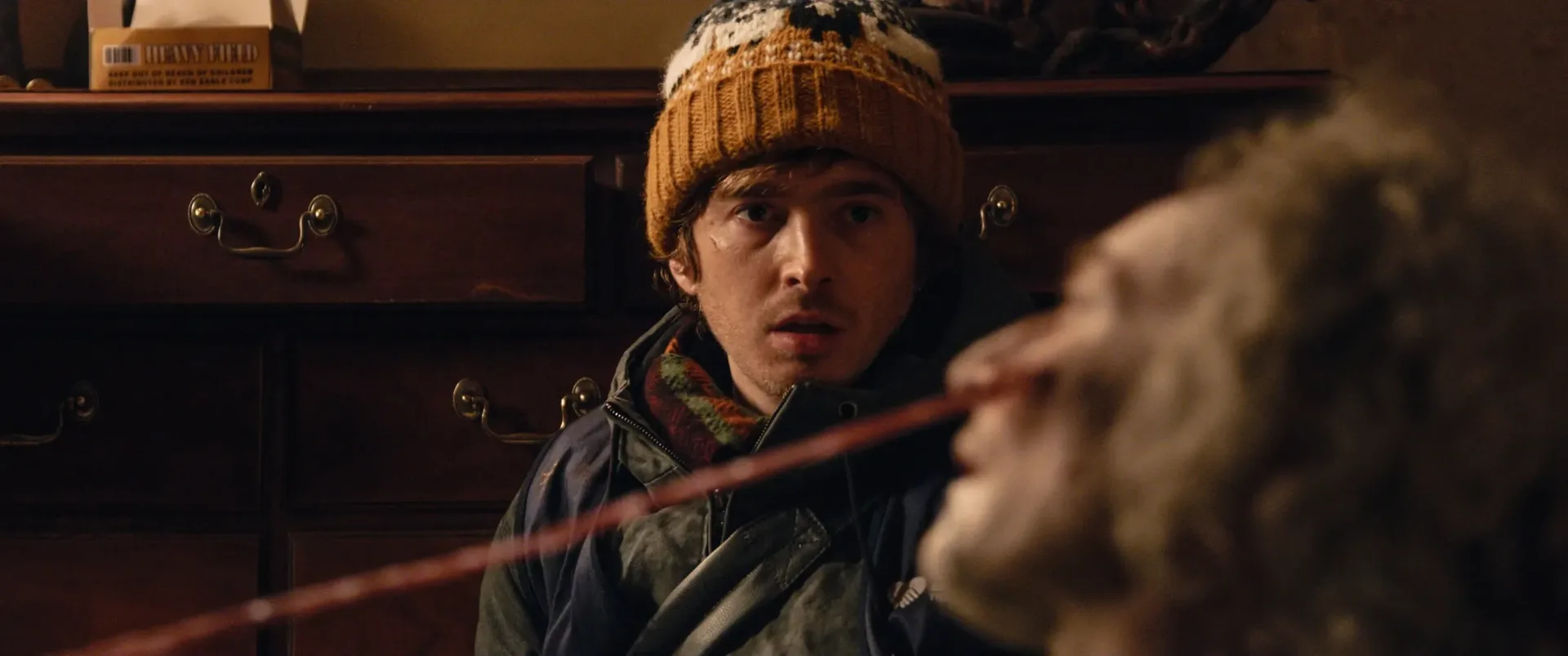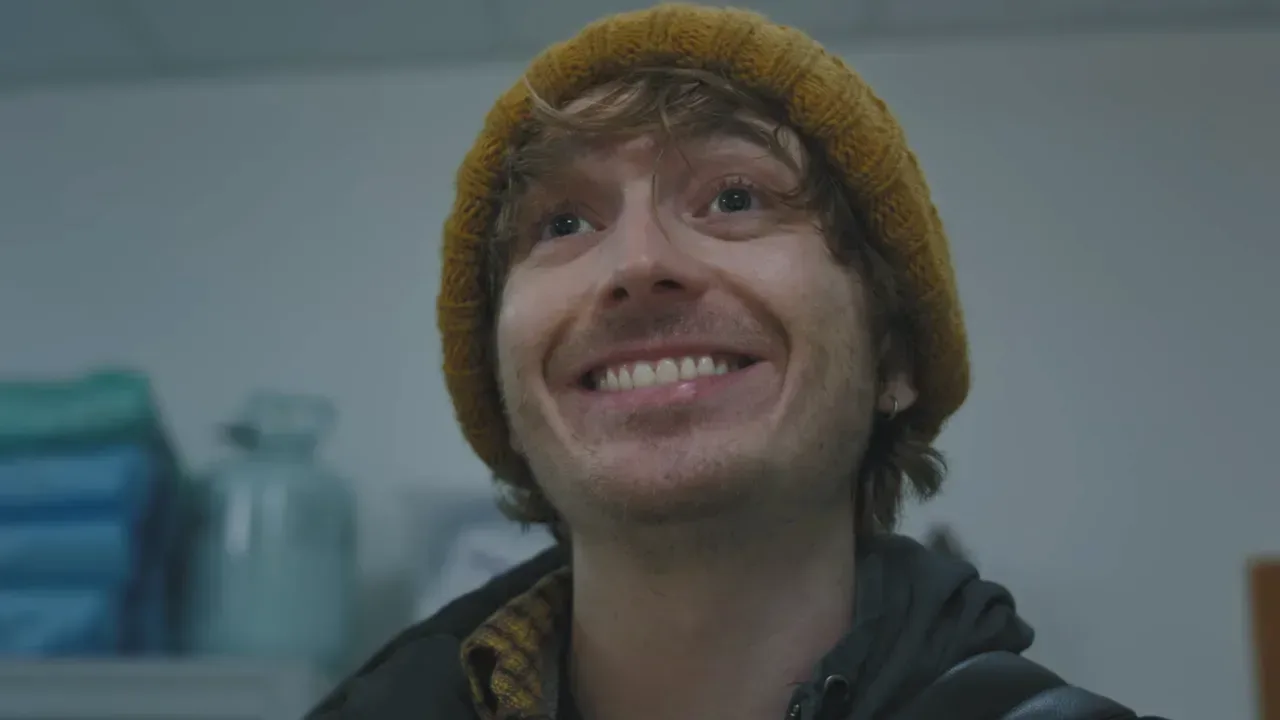
Zach Cregger’s Resident Evil has cleared $361.1 million at the global box office after five weekends in theaters, establishing a new theatrical revenue record for the long-running horror franchise. Its most recent weekend contributed $22.6 million to that total, keeping the adaptation on a pace that has surpassed several recent horror releases at the same point in their theatrical runs.
The result is significant for more than one reason. It makes the 2026 film the biggest commercial hit of Cregger’s career and the highest-grossing Resident Evil movie to date. It also suggests that a film which initially drew debate for prioritizing the games’ atmosphere over a direct transfer of their established storylines and characters has connected with an audience far beyond the existing fan base.
A franchise record at the five-week mark
Box-office totals are cumulative ticket-sales figures, meaning the $361.1 million worldwide figure combines revenue earned across the film’s theatrical markets through its fifth weekend. That differs from a film’s opening weekend, which measures its first few days, and from its eventual final total, which is only known when its theatrical run is effectively finished.
At this five-week checkpoint, Resident Evil is ahead of several prominent horror comparators:
For more context, explore Spotify Memberships Opens a New Subscription Lane for Podcasters, With a 90% Creator Revenue Share.
- Resident Evil: $361.1 million worldwide
- Alien: Romulus: $330 million at the equivalent point
- Backrooms: $331 million at the equivalent point
- Obsession: $287 million at the equivalent point
Those comparisons show the relative speed of the movie’s run rather than a final league table. A film can be ahead after five weekends yet end lower if its ticket sales decline more quickly later on. Conversely, a release that starts at a more modest level can accumulate a large final figure if audiences continue recommending it and theaters retain it for longer.
That distinction matters particularly here. Backrooms and Obsession ultimately showed considerable theatrical staying power. Their final worldwide totals stand at $400.6 million and $522.8 million, respectively. Obsession is also listed as the fifth-highest-grossing horror movie of all time on an unadjusted basis.
What Resident Evil needs to do next
With $361.1 million already recorded, a $400 million finish is within reach for Resident Evil. Crossing that line would put it ahead of Sinners, which finished with $370.4 million worldwide. It would not automatically guarantee a place ahead of Backrooms, however: that film’s $400.6 million final total is just beyond the round-number milestone.
Related coverage includes Zach Cregger's Resident Evil Movie Passes $361 Million Worldwide, Setting New Franchise Record.
Reaching Obsession’s $522.8 million is a much larger ask. The relevant point is not simply the gap in dollars; it is the need for sustained demand after the early, high-attention portion of a release cycle. The available figures show that Resident Evil has started from a strong position, but they do not establish how long its run will last or where it will finally land.
Strong word of mouth can be especially important for horror. In practical terms, that phrase describes a situation in which viewers’ recommendations keep attracting new ticket buyers after the marketing-led opening period. It can also limit the typical week-to-week drop in attendance. Backrooms and Obsession benefited from this sort of endurance; whether Resident Evil follows the same pattern remains uncertain.
China has been a major contributor
China has accounted for $56 million of the film’s worldwide total so far. That is a substantial share of the current $361.1 million figure and helps explain the scale of the movie’s international performance. Worldwide box office is not one uniform audience response: results are built market by market, and especially strong performance in one territory can materially influence the overall trajectory.
The movie’s reach also appears to be producing a measurable game-side effect. Sales of the Resident Evil 2 remake on PlayStation 5 rose by 50% in connection with the film’s popularity. The figure is a reminder that a successful adaptation can function as a new entry point for an older game as well as a separate entertainment product.
That kind of crossover is not automatic. A movie audience may be interested in a recognizable name without wanting to play the games, while longtime players may be selective about adaptations that diverge from familiar protagonists or plotlines. In this case, the renewed PS5 sales indicate that at least some moviegoers and returning fans are moving from the theater back toward the series’ interactive catalog.
Why the approach was debated—and why it may have worked
Cregger’s film attracted initial controversy because it sought to capture the feel of the games rather than reproduce their specific stories and character lineups. That is an important creative distinction. A direct adaptation treats a game’s particular narrative as the blueprint for the screenplay. A mood- or sensibility-driven adaptation instead tries to translate the broader experience: in this case, the survival-horror tension associated with the series.
Survival horror is a genre built around vulnerability, dread and constrained resources or options. In games, those feelings can come from exploration, enemies, ammunition management and the player’s limited ability to predict danger. Film does not have the same player-controlled systems, so an adaptation taking inspiration from survival horror has to communicate that pressure through pacing, setting, framing and escalating threats rather than through gameplay mechanics.
The commercial result suggests that this approach has not prevented the film from finding viewers. Its critic reception has also been unusually strong for a video-game adaptation: Cregger’s Resident Evil is described as the highest-rated game-to-film adaptation with critics, ahead of Sonic the Hedgehog 3. One prominent review awarded it 8/10 and characterized it as a straightforward, exciting survival-horror story shaped by Cregger’s own filmmaking sensibilities.
Commercial success and critical approval are separate measures, but the two can reinforce each other over a longer theatrical run. Positive reviews may give undecided audiences more confidence to buy a ticket, while audience enthusiasm can keep a release visible after its initial promotional push. Neither factor guarantees the film’s final total, yet the combination helps contextualize its performance through five weekends.
Sequel interest is already visible
The box-office record naturally raises the question of a follow-up. In September, Cregger said he would like to tell more stories in the Resident Evil universe and that he already had ideas for where a potential Resident Evil 2 could go. That expresses creative interest, not confirmation that another film has been made or scheduled.
Interest has emerged outside the production as well. Actor Chandler Riggs has released a fan-film interpretation of Resident Evil 7 in hopes of working with Cregger on a sequel. The gesture illustrates how a high-profile franchise revival can energize fan creativity while also attracting performers who want to be part of its future.
For now, the concrete story is the first film’s continued theatrical performance. Resident Evil has already secured the franchise record, Cregger’s personal commercial best, and an impressive five-week comparison against major horror releases. The next question is whether its momentum will carry it beyond $400 million and into closer competition with the genre’s biggest recent finishers.
Where it sits among game adaptations
Even with its new franchise high, Resident Evil is not the largest video-game movie adaptation overall. That position remains with The Super Mario Bros. Movie, followed closely by its sequel and A Minecraft Movie. Those family-oriented releases have access to a broader potential audience than a horror film featuring graphic imagery such as falling corpses.
That makes the comparison useful only when its limitations are clear. A horror movie and a family movie compete in the same global theatrical marketplace, but their age appeal and tone are fundamentally different. Resident Evil’s achievement is therefore best read not as a challenge to the all-genre game-adaptation leaders, but as evidence that an adult-oriented, survival-horror interpretation can become a major worldwide theatrical success on its own terms.