Resident Evil is off to a muscular start in theaters. The new reboot, directed by Zach Cregger, brought in $8.8 million from preview screenings ahead of its full domestic opening, establishing an early benchmark that could put it on course for the biggest opening weekend in the film franchise’s history.
Current expectations place the movie’s domestic debut in the $40 million to $50 million range. Some forecasts extend as high as $60 million, a possibility tied to the film’s positive critical response. Those are estimates rather than final results, but the preview total gives the projection conversation real teeth: audiences turned out before the normal weekend run had fully begun.
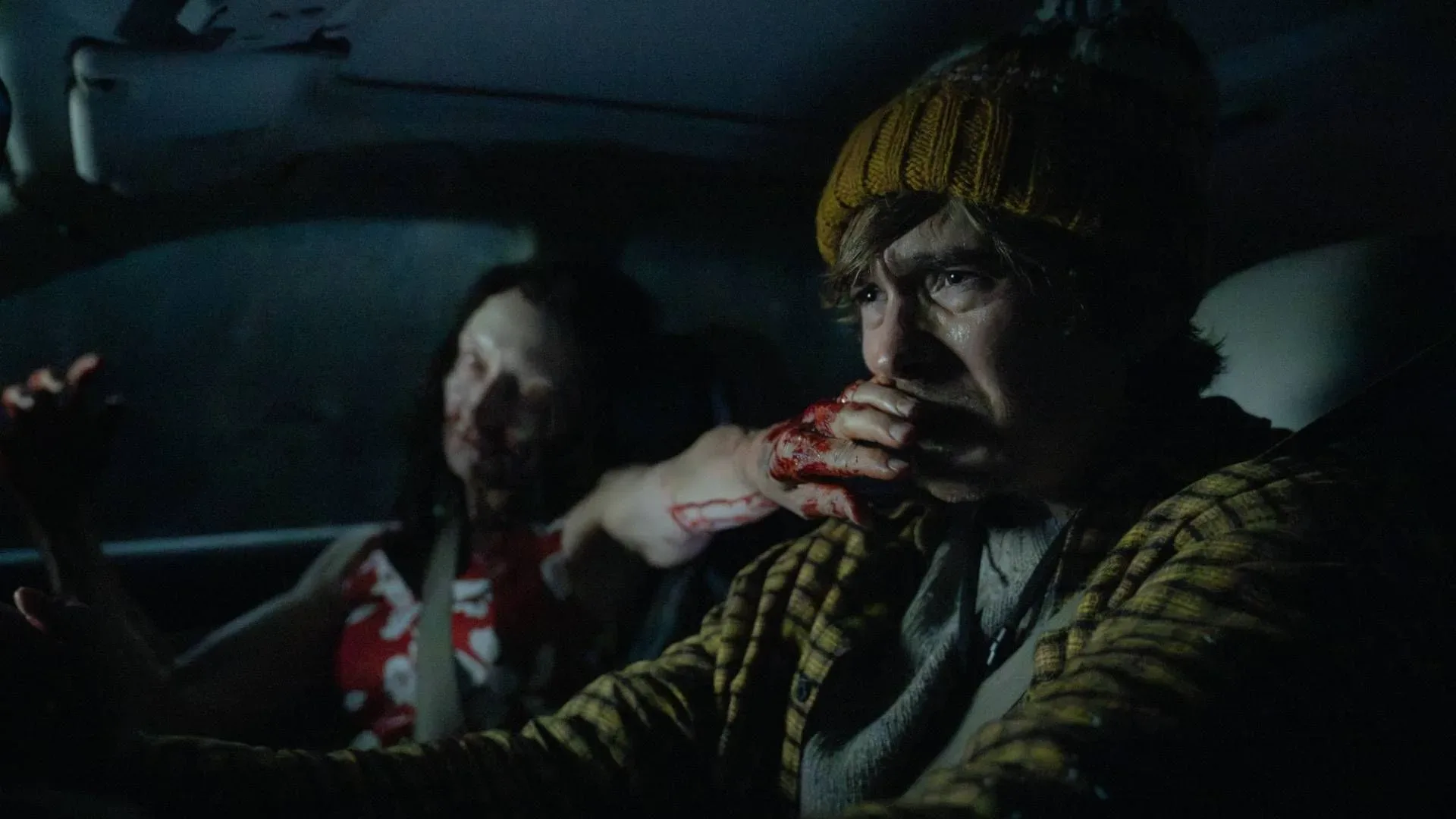
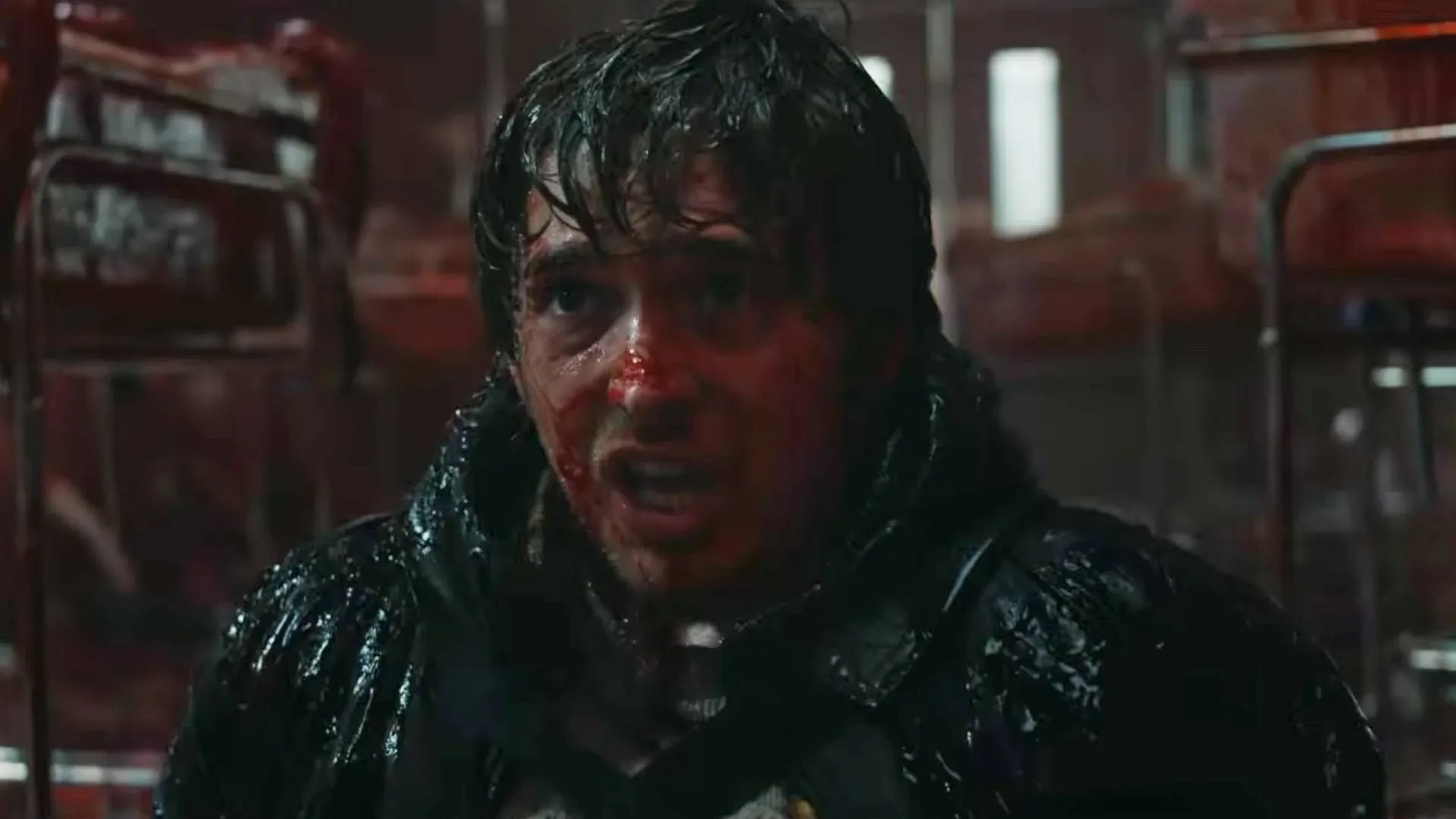
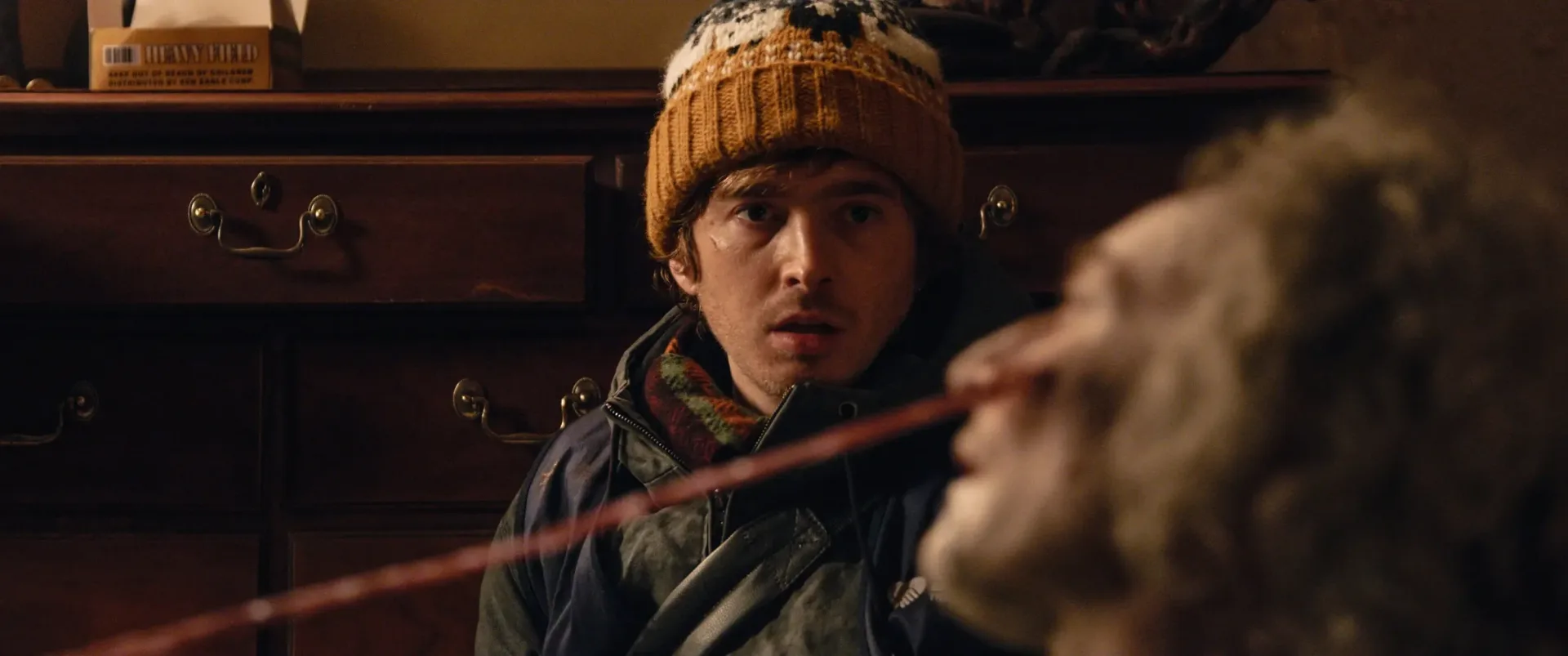
The result is especially notable because this is not positioned as a continuation of the prior movie storyline. It is described as a new, original take on the long-running horror game property, one with a fresh protagonist and a zombie-stricken-town premise. Austin Abrams, who also appeared in Cregger’s Weapons, plays Bryan, a medical courier tasked with taking a mysterious package into a town overrun by the undead.
What $8.8 million in previews actually tells us
Preview grosses are the ticket sales from early showings held before the standard opening day and weekend schedule. They are useful as an early gauge of interest, particularly for horror and franchise pictures whose most eager viewers often attend as soon as screenings are available. They are not, however, the same thing as an opening-weekend gross.
That distinction matters. A preview tally indicates strong early demand, but it cannot by itself settle where the finished weekend will land. The eventual total depends on continued attendance through the rest of the weekend, including people who did not buy into the first wave of screenings. A $40 million to $50 million launch remains the central expectation, while the $60 million scenario is the more optimistic end of the available estimates.
Still, the $8.8 million figure compares favorably with the start of Cregger’s previous horror success. Weapons earned $5.7 million in previews before a $43 million opening weekend and went on to collect $270 million worldwide. The two films are different releases with different audiences and commercial circumstances, so the comparison does not guarantee a matching trajectory. It does show that Resident Evil began its theatrical run with a larger advance audience than Cregger’s earlier breakout did.
For Cregger, a debut within the stated $40 million-to-$50 million range would make this his largest opening weekend. It would also reinforce the commercial momentum following Weapons, rather than treating that film as a one-off horror hit.
A reboot arriving with a $75 million production cost
The reported production budget is $75 million. That number gives the opening-weekend projections more context, while also illustrating why the first few days are only one part of the picture. A movie’s production budget reflects the cost of making the film; it is not a declaration of a theatrical break-even point, and the preview gross is not money that can be evaluated in isolation against that budget.
What can be said from the available numbers is narrower: a strong domestic launch would give the reboot meaningful early momentum, and a larger final domestic opening would make that start more significant. The film’s longer-term box-office outcome will depend on how attendance develops after the initial rush, as well as its performance outside the domestic market. No final verdict on its profitability is available from preview sales alone.
That measured framing is worth keeping in mind because franchise revivals are often judged in binary terms—either an instant triumph or a disappointment—before the weekend numbers are complete. The early turnout here supports the case that there is active interest in this version of Resident Evil. It does not erase the difference between tracking, projections and actual totals.
Why this could reset the series’ domestic-opening record
The potential record is substantial within the history of Resident Evil on film. The property began as a 1996 horror video game, then grew through sequels, spin-offs and remakes before expanding into film and television adaptations. Its movie history now spans eight films.
The previous film cycle was led by Milla Jovovich and directed by Paul W. S. Anderson across the 2000s and 2010s. Those films became major examples of video-game adaptations finding a durable international audience. They were once the highest-grossing video-game movies, before the Super Mario films overtook them.
The franchise’s biggest individual movie remains 2010’s Resident Evil: Afterlife, which opened to $26 million domestically and ultimately grossed $300 million worldwide. That history makes the reboot’s current outlook clear. Even the bottom end of the projected $40 million-to-$50 million domestic range would be well above Afterlife’s $26 million domestic opening. If the higher projections materialize, the margin grows wider.
It is important not to confuse an opening record with a worldwide-gross record. A large first domestic weekend would establish a new front-loaded milestone for the series, but it would not automatically mean the reboot has surpassed Afterlife’s $300 million global total. Worldwide box office is accumulated over a full release, across markets, and the supplied figures do not provide a final worldwide target for the new film.
An original story instead of a direct game retelling
The reboot’s approach is one of its most consequential creative details. Rather than being presented as a direct retelling of a specified game installment, this film follows Bryan, the medical courier, and a package he must deliver through a zombie-infested town. That leaves the film operating in the recognizable territory of viral horror, escalating danger and survival pressure associated with the brand, while telling an original movie story.
For a game adaptation, an “original take” generally means the screen story is not locked to reproducing one game’s exact sequence of events. That can give filmmakers room to build a self-contained premise for audiences arriving with no prior knowledge. At the same time, it raises a practical expectation for longtime fans: the new film needs to feel compatible with the larger identity of Resident Evil, even as it introduces a different lead and scenario.
The preview number suggests the franchise name and Cregger’s recent horror credentials have created a strong opening audience. Positive reviews may help broaden that audience beyond viewers who were already planning to attend. Again, that is a plausible effect behind the higher forecast rather than a confirmed final outcome.
What the opening means for game adaptations and theatrical horror
This start provides a useful reminder that video-game films are not one uniform genre. Resident Evil originated in horror gaming and has long been associated with zombies, infection and survival. Cregger’s recent track record is also in horror. The alignment between the property and the filmmaker is therefore more direct than it would be in an adaptation that radically changes a game’s underlying tone.
That does not mean familiar branding alone delivers a hit. The series already has a large film history, and the reboot still has to persuade moviegoers that it offers something distinct. Its early numbers suggest that its combination of recognizable IP, an original setup and a director coming off Weapons has given it a meaningful opening advantage.
The immediate competitive picture also looks favorable. The film is expected to take the top spot following the underperformance of Practical Magic 2 the prior weekend. The more relevant question is no longer whether Resident Evil can arrive with attention—it has done that through $8.8 million in previews—but how much of that attention converts into sustained weekend and subsequent-week attendance.
For now, the strongest confirmed number is the preview result. The central domestic projection is $40 million to $50 million, the upside case reaches roughly $60 million, and the franchise comparison point is Afterlife’s $26 million opening. If the reboot clears that older mark, it will give the series a new domestic opening leader while giving Cregger his biggest launch to date.
For more coverage where games and screen culture meet, see our report on the opening response to Stranger Things: Tales from ’85 season 2.