Stranger Things: Tales from ’85 season 2 has arrived with a rough early critical reception, posting a 43% score on Rotten Tomatoes at the time of writing. That figure is described as the lowest score yet for the wider Stranger Things franchise, a notably difficult start for an animated series built around one of Netflix’s best-known fictional worlds.
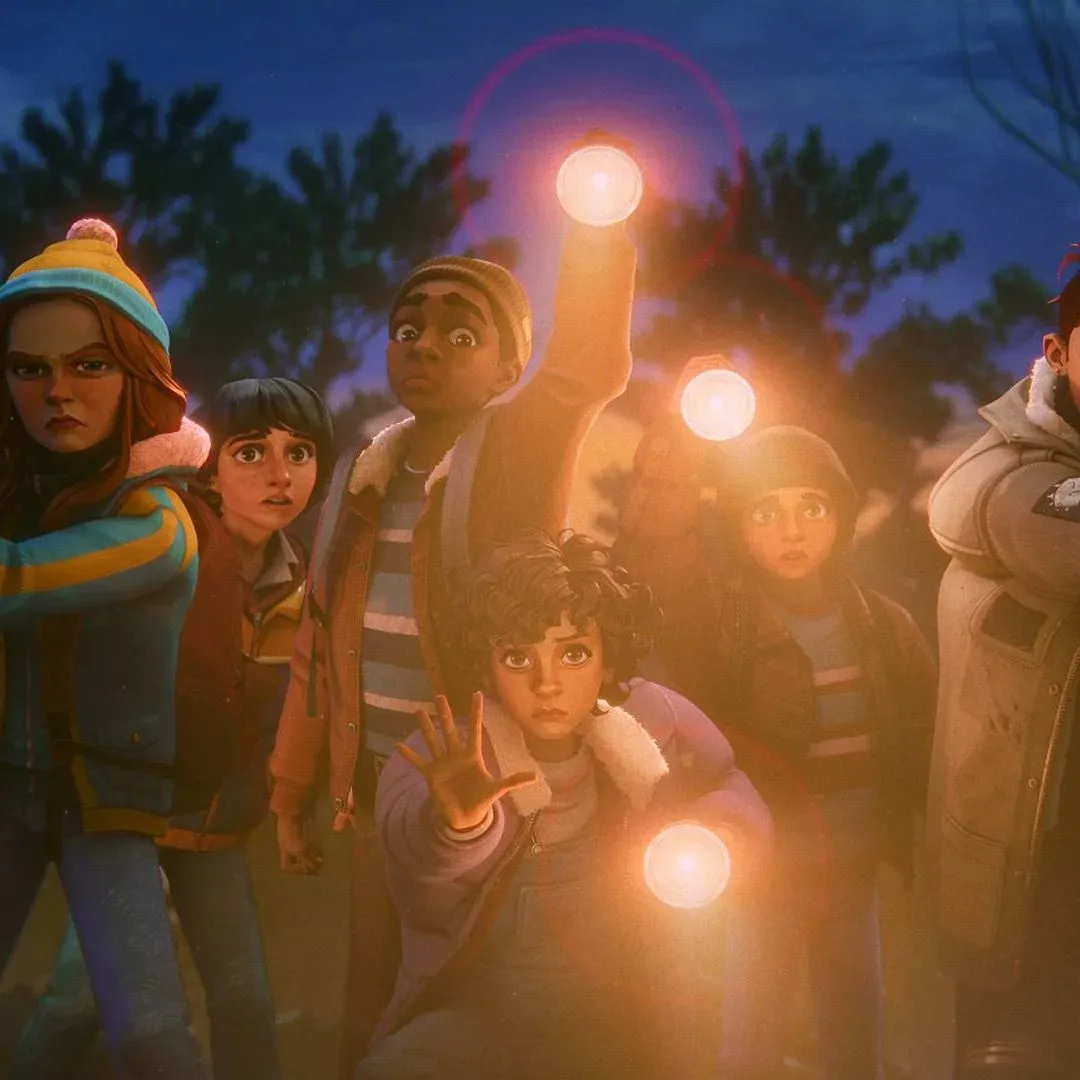
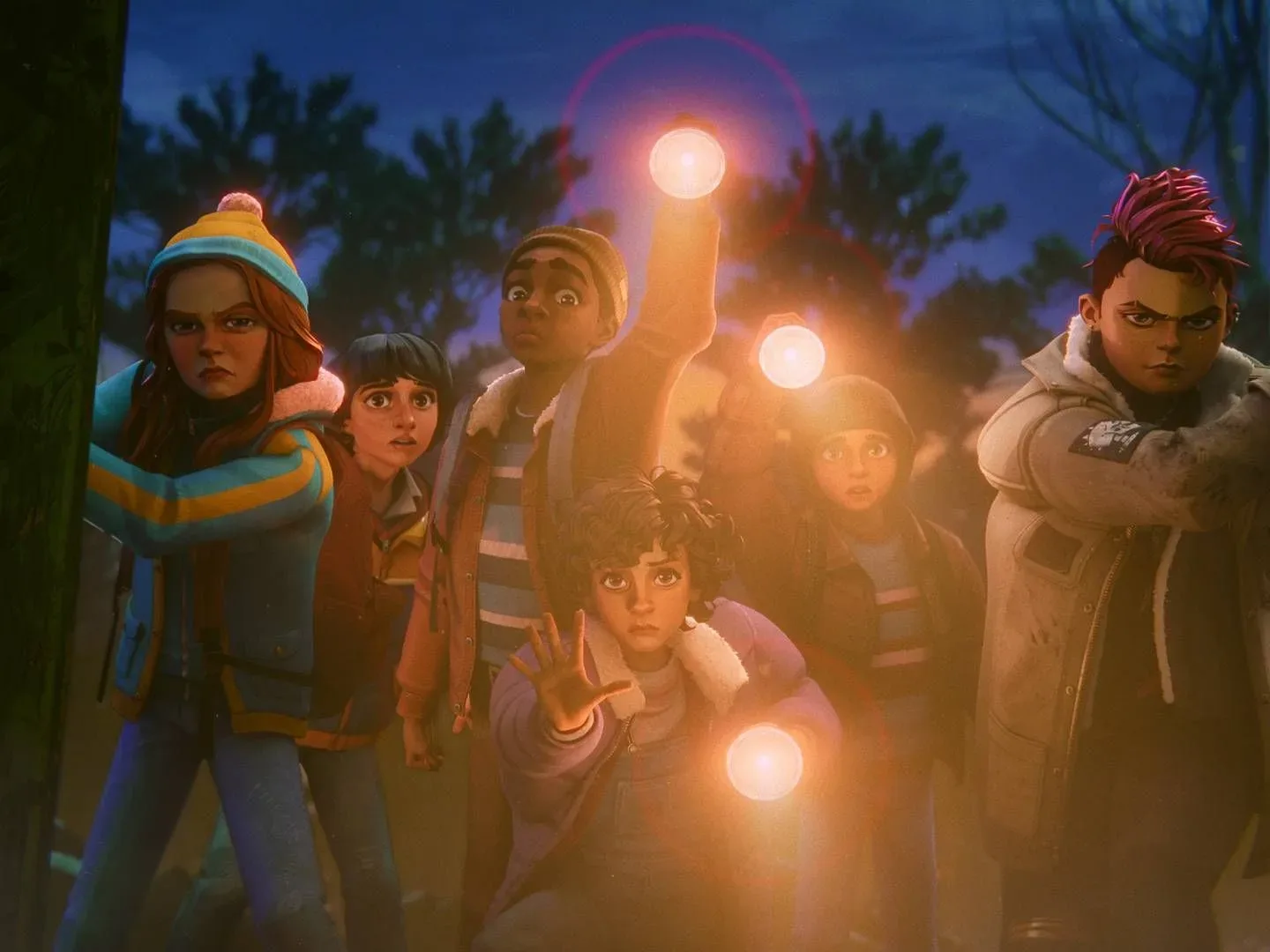
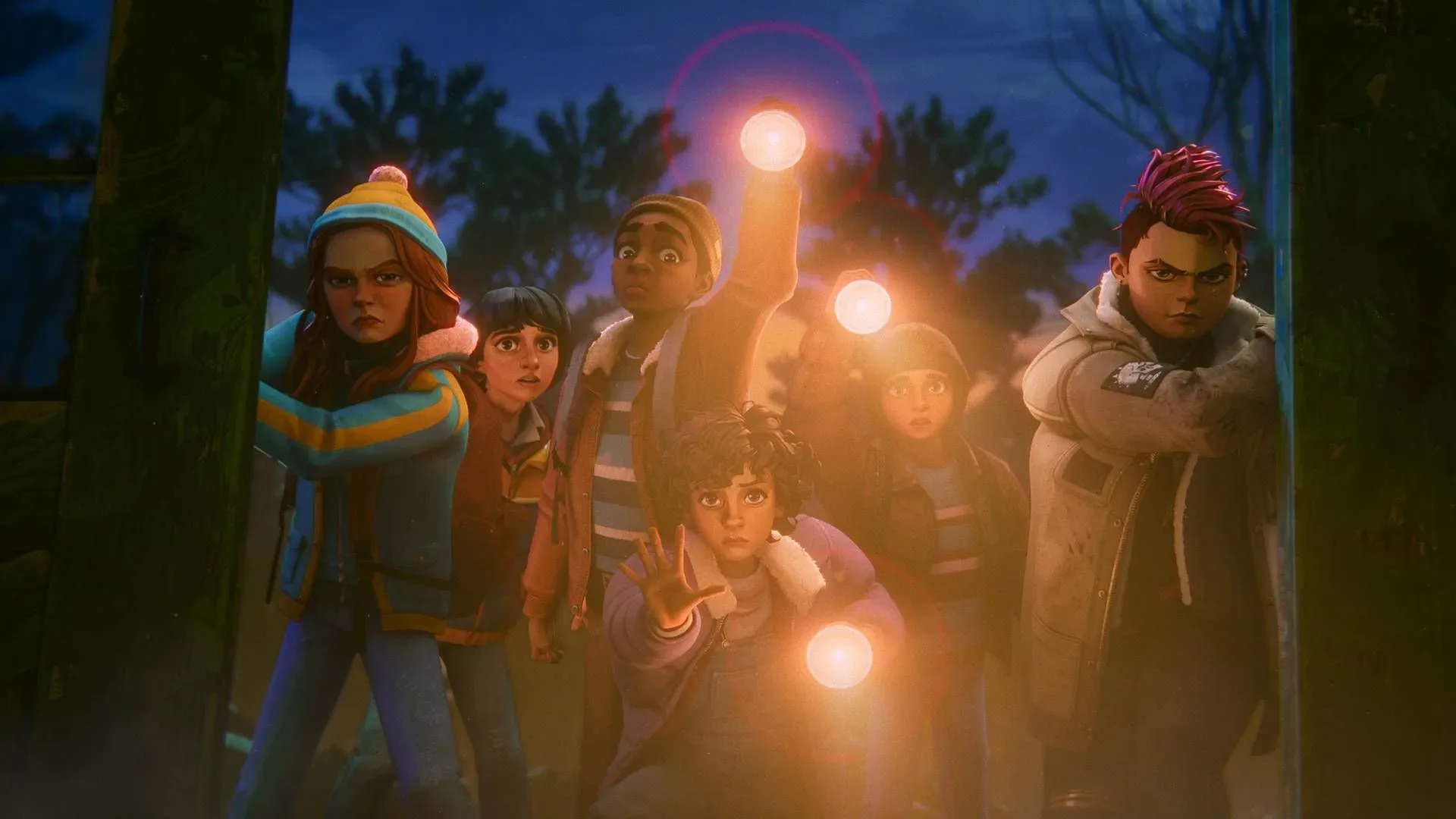
The new chapter returns viewers to a period between seasons 2 and 3 of the live-action series. El and the Hawkins group head into the woods alongside Nikki Baxter, an animated-series-specific ally voiced by Odessa A’zion, to confront a different strain of threat: a ghostly apparition of a Demogorgon that hunts humans.
There is no single, universal response in the available criticism. A favorable review calls season 2 an improvement over its predecessor, while several harsher assessments agree that the animation remains striking. The central complaint, however, is that visual polish and monster action are not consistently matched by character development, pacing, or an emotionally distinctive reason for this particular story to exist.
A low score, and what it actually measures
Rotten Tomatoes is a review aggregator: it converts a pool of published reviews into a percentage representing the share classified as positive. A 43% score does not work like an average grade out of 100, and it does not automatically tell prospective viewers how much any one critic liked or disliked the season. It does indicate that, in the reviews counted at that point, negative notices outnumbered positive ones.
For more context, explore Evercade’s Dual Thumbstick Wireless Controller Gives Its Cartridge Console a Purpose-Built 3D Pad.
That distinction matters here. The score is a snapshot rather than a final verdict, and it can shift as more reviews are added. Still, the early number is significant because this is not simply a new cartoon finding its footing in isolation. It is an extension of a large, established franchise, drawing on familiar characters, familiar monster imagery and a tightly recognizable era of the existing story.
For a spin-off, recognition can be a shortcut: audiences already understand the setting and the stakes. It can also create an unusually high bar. Viewers and critics are inclined to compare its emotional texture, character chemistry and sense of discovery directly with the live-action series. In that context, “well animated” is praise, but it is not necessarily enough to settle the bigger question of whether an additional story feels essential.
The recurring praise: its design and animation
The clearest positive thread in the early reaction is visual. One assessment calls the show gorgeously designed and animated, even while arguing that it lacks the heart of the original live-action series. That is an important split: it recognizes craftsmanship in the production while questioning whether the drama gives that craft sufficient weight.
Animation is not merely decorative in a supernatural adventure. It determines how a creature moves, how an environment establishes dread, and whether an action scene communicates the difference between danger, confusion and triumph. The premise gives season 2 an opportunity to use a more spectral monster than the creatures previously encountered by the Hawkins crew. A ghostly Demogorgon-like apparition has an immediately different visual identity from a physical predator, at least in concept, and animation is a medium well placed to make an unreal threat feel strange.
But high-quality design is only one piece of narrative engagement. The most memorable genre scares generally matter because the people facing them matter. If the audience feels that a group’s choices, relationships or vulnerabilities are not meaningfully changing, even energetic monster sequences can begin to feel detached from consequence.
That appears to be the broad concern behind the “style and no substance” criticism: not that the show has no action or no atmosphere, but that its strongest elements may not be joined tightly enough to a character-driven story.
Why the “between seasons” setting can be difficult
Tales from ’85 takes place in a deliberately narrow gap, positioned between the second and third seasons of the live-action show. This kind of placement is often called an interquel: a story set between two previously established installments. An interquel can enrich a fictional world by showing what its characters were doing off-screen, exploring a corner of the setting the main story skipped, or introducing a conflict whose resolution does not disrupt later events.
Its built-in limitation is equally clear. The audience already knows that the major characters move beyond this period. That does not make suspense impossible, but it changes where the suspense needs to come from. Rather than relying only on the question of whether familiar heroes will survive, a story can create stakes through emotional fallout, new relationships, a fresh perspective, or a problem that has personal consequences even if the franchise’s larger timeline remains intact.
Nikki Baxter is particularly relevant to that challenge. She is presented as an ally who has appeared only in the animated show, which potentially gives the spin-off a character who is not constrained in precisely the same way as the returning Hawkins cast. The supplied details do not establish what role she plays in the season’s emotional arc, but her presence underlines an opportunity that franchise side stories often need: a reason to see the familiar setting through a perspective that cannot simply be recreated by revisiting the original episodes.
Several critical responses suggest that season 2 does not always make that case. One says the series has entertaining moments and plenty of action, but identifies limited character development, pacing problems and a persistent sense that it is a lesser version of stories already told many times. Another argues that the franchise may be showing uncertainty about where to take the universe next.
Those are judgments, not settled facts about the show. They do, however, identify a coherent analytical concern: repetition. Returning to the woods with El, Dustin and their friends to battle a new monster can deliver dependable Stranger Things ingredients. The harder task is making familiar ingredients combine into a new experience rather than a reminder of a stronger earlier one.
Monster variety is not the same as story variety
A new enemy is the season’s most obvious differentiator. The creature is described as a ghostly apparition hungry for humans, setting it apart from other monsters the characters have faced. In a genre series, changing the antagonist can alter the shape of the action: a physical enemy and an apparition need not be confronted in the same way, and a threat’s rules are often a source of tension.
Yet critics’ concerns about familiar ground point to a broader issue. New creature design alone does not necessarily create a new dramatic engine. Story variety usually depends on changing at least one major relationship, conflict, objective or point of view. If the dramatic rhythm remains “the friends discover a strange threat, investigate it, then fight it,” a different monster may provide fresh imagery without fully changing the underlying experience.
This is why complaints about character work and pacing are connected rather than separate. Character development is the meaningful change in a character’s understanding, relationships, behavior or priorities over the course of a story. Pacing is how a story distributes information, scenes and escalation so that events feel neither stalled nor rushed. If a season spends too little time establishing what an encounter means personally to its cast, the later action may have less emotional force. If it lingers on familiar setup without adding a new dimension, the premise may start to feel repetitive.
The early notices therefore do not read as a rejection of animated Stranger Things in principle. One positive review explicitly sees season 2 as a solid advancement from season 1 that keeps its strengths while addressing earlier issues. Rather, the negative response reflects dissatisfaction with execution: the season’s visual and action-oriented strengths have not persuaded all critics that the narrative advances its characters or franchise in a comparably compelling way.
What the split reception means for fans
Season 2 is available to binge in full, meaning viewers can assess its overall structure rather than waiting for a weekly rollout to reveal whether its narrative issues resolve. That is useful in a show receiving specific criticism about pacing. Some stories that feel uneven episode to episode may play differently when watched as a complete arc; equally, a full-season binge makes repeated story beats more apparent when the episodes do not add enough variation.
Fans chiefly interested in the world’s creatures, ’80s-set Hawkins atmosphere, and animated interpretations of El and the group may find the praised art direction and action worthwhile. Fans looking for the emotional effect they associate with the live-action series should enter with more measured expectations, given how frequently the early criticism contrasts the spin-off’s visuals with an alleged shortage of heart.
It is also worth separating a franchise-low aggregation score from a declaration that nobody will enjoy the season. The available reaction already includes at least one clearly positive dissent. Review aggregation is valuable for identifying patterns across responses, but it cannot decide whether a particular viewer values the same things that reviewers emphasize. A viewer whose priority is character growth may weigh the recurring criticism heavily; someone drawn to animation and supernatural set pieces may come away differently.
The larger franchise question raised by the reviews
Spin-offs usually operate under a basic tension. They are expected to preserve the traits that made the parent work popular, but they also need enough independence to justify their own existence. Too much distance can make a project feel disconnected from the property audiences wanted. Too much familiarity can make it feel like a diluted repeat.
Tales from ’85 season 2 appears to have landed directly in that tension. It has returning heroes, a recognizable supernatural threat, an established place in the timeline and a polished animated presentation. Critics who are unconvinced do not appear to dispute that it looks like a convincing part of the world. Their contention is that it does not consistently generate the character-centered impact or novelty they want from an expansion.
That is more constructive, and more specific, than treating a 43% score as a blanket judgment on animation, nostalgia or franchise storytelling. The early notices identify what they see as a mismatch between form and function: appealing design and active spectacle on one side, insufficiently fresh or emotionally resonant storytelling on the other.
For now, the season’s place in the franchise is defined by that divide. It is the lowest-rated entry on Rotten Tomatoes so far, but not one without defenders. Its complete availability gives fans the chance to test the disagreement for themselves—especially the question at the center of the criticism: whether this untold Hawkins adventure becomes more than a handsome return to territory audiences already know.