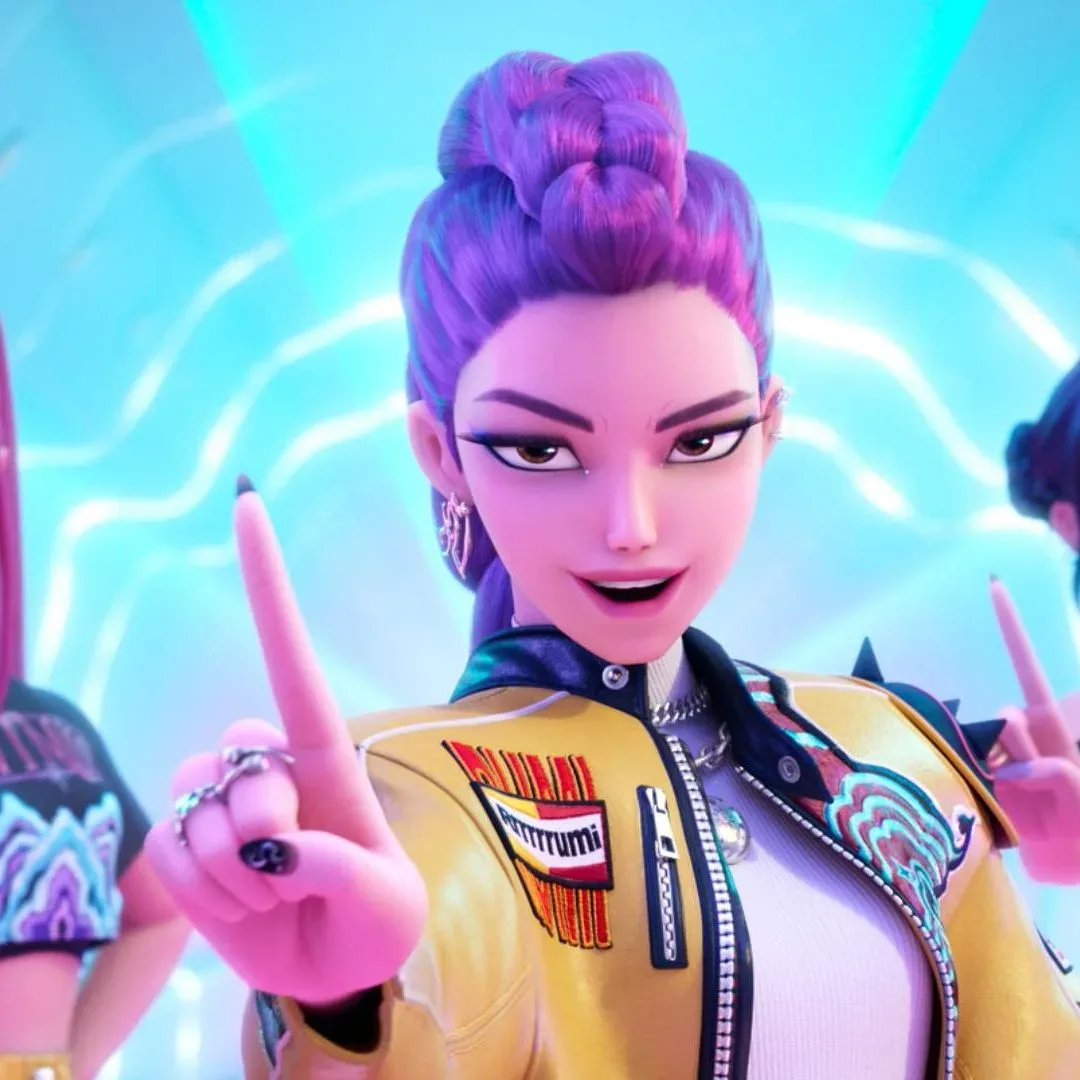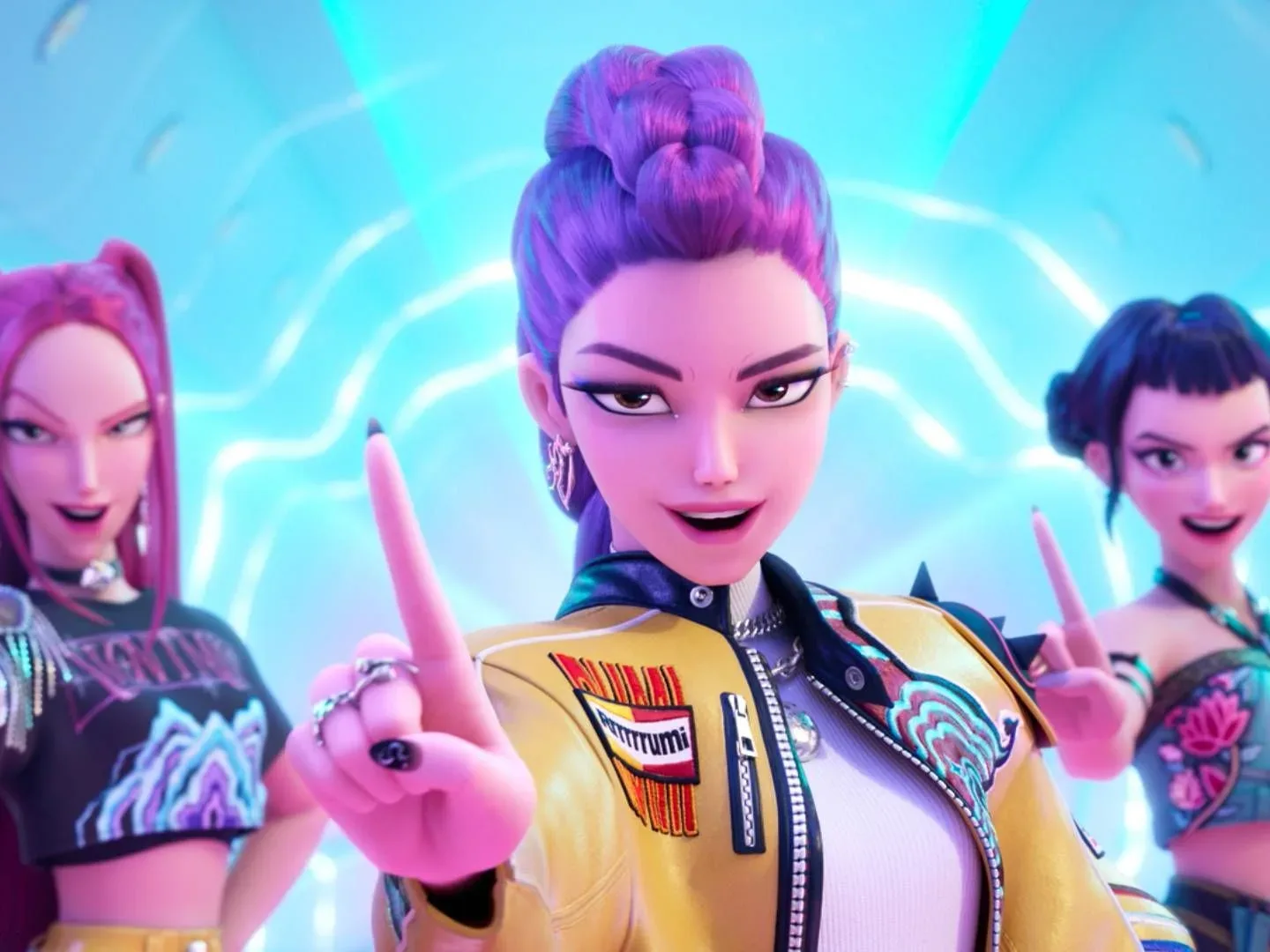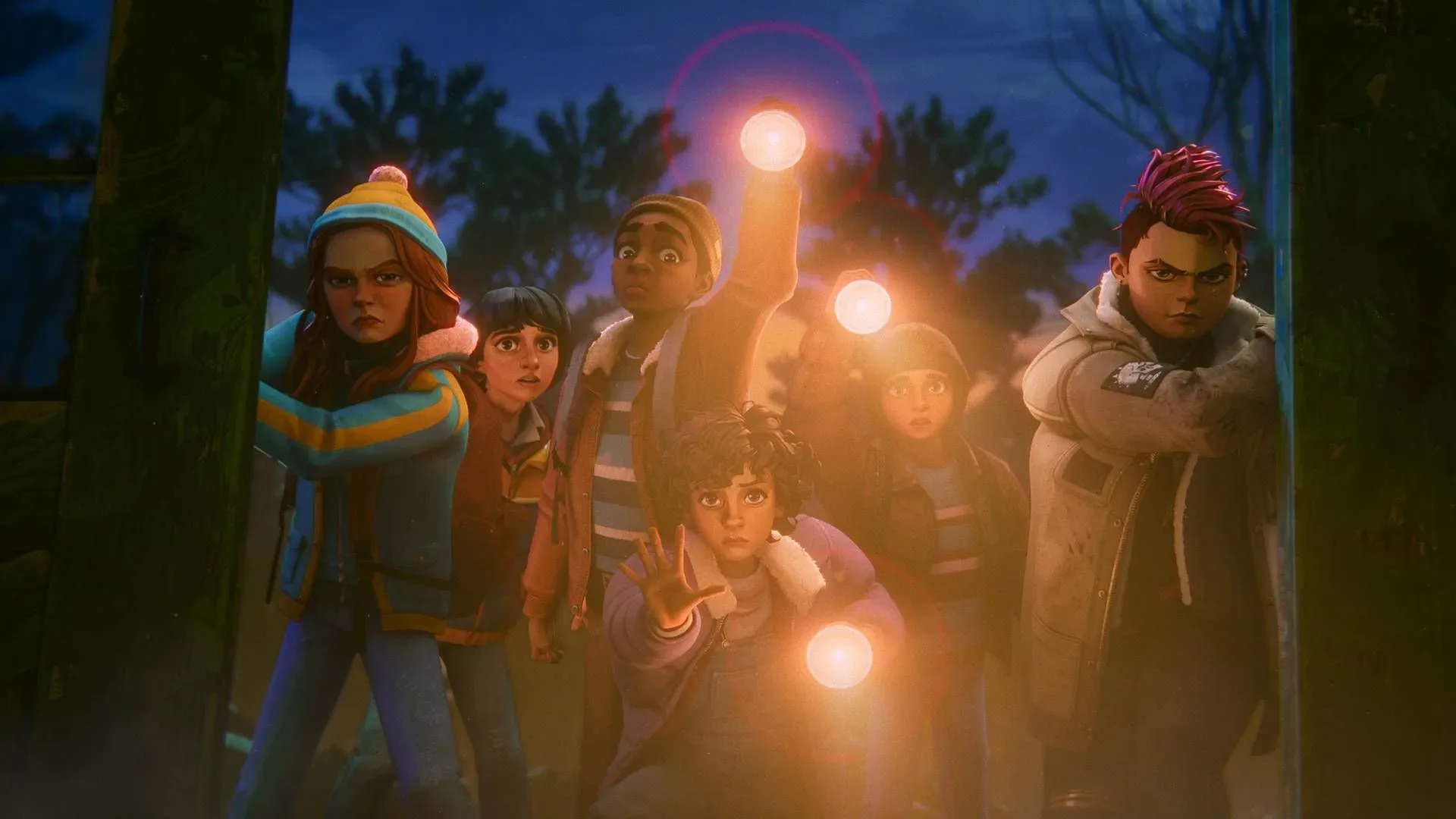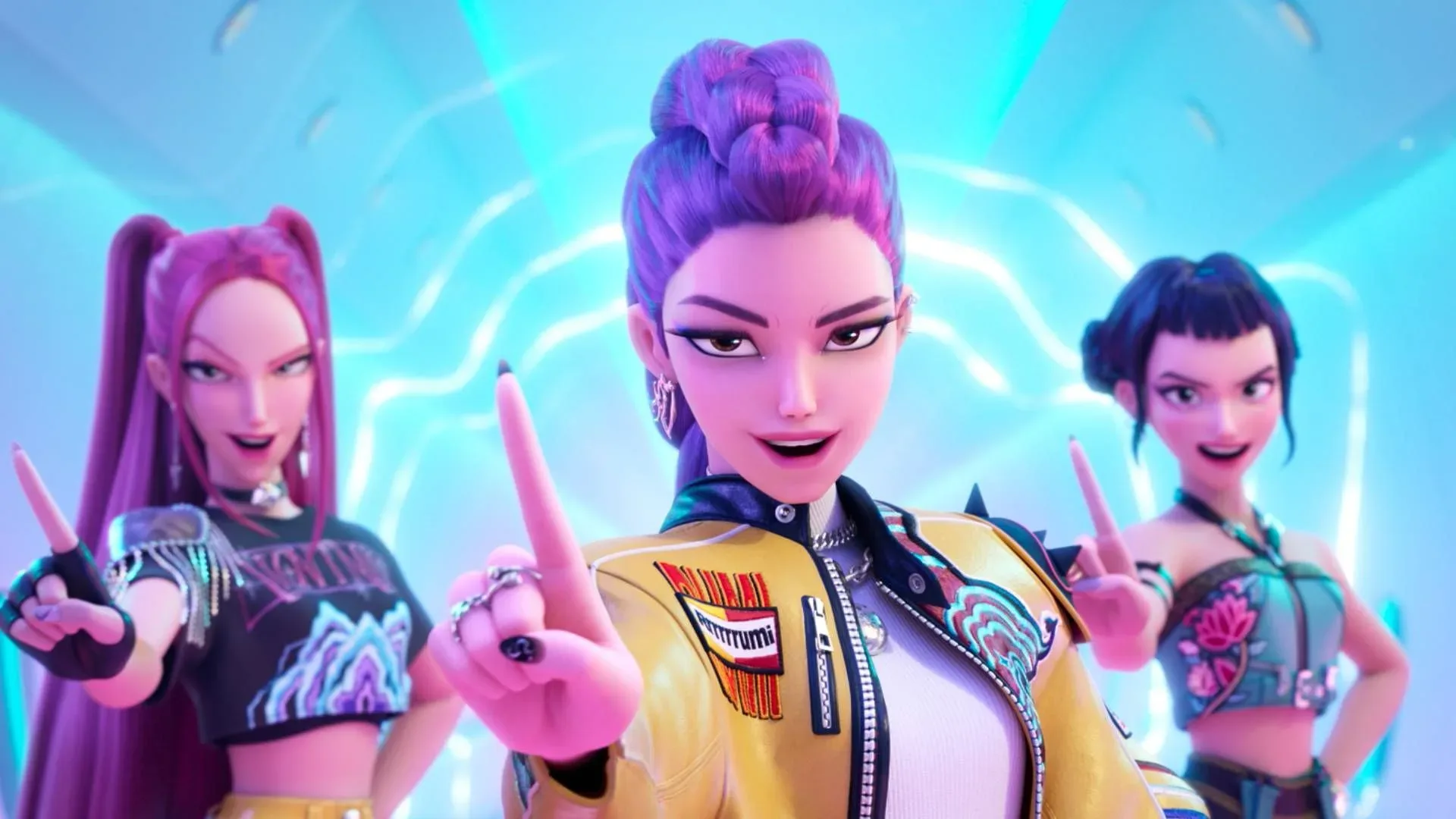
KPop Demon Hunters 2 is headed to cinemas on a genuinely large scale. Netflix chief executive Ted Sarandos has said the sequel will receive a “very broad” theatrical release, later grouping it with Greta Gerwig’s Narnia: The Magician’s Nephew as a film intended for a “big, broad, global release.” That is a meaningful clarification for a sequel to a streaming hit whose musical audience has already shown up for theatrical sing-along events.
What is confirmed is the direction: the next KPop Demon Hunters movie is not being framed as a tiny awards-qualifying run or a one-weekend fan event. It is being positioned for cinemas across multiple international markets. What remains unconfirmed is nearly everything moviegoers normally need in order to plan: specific opening dates, the countries included in the first wave, participating theater chains, ticketing information, the length of its theatrical window, and exactly when it would arrive on Netflix after its theatrical play.
The previously reported target for the sequel is 2029. Until an official calendar date is attached, that should be read as a target rather than a full release schedule. A worldwide theatrical strategy is now part of the picture, but it does not itself establish when audiences in individual regions will get the film.
What “broad” and “global” release mean here
The language matters because theatrical releases come in several very different forms. A limited theatrical release is commonly restricted to a small number of venues or markets. It can be used to create an event atmosphere, support an awards campaign, or test interest before a possible expansion. That is not how the sequel is being described.
A broad theatrical release, by contrast, signals an intention to reach substantially more screens. Adding “global” goes further: the plan is meant to extend beyond a single domestic market. Neither phrase tells us the precise screen count, the complete country list, or whether every territory will open on the same day. Still, it establishes a far wider ambition than a narrowly targeted engagement.
Netflix’s theatrical plan for Narnia: The Magician’s Nephew was cited in the same discussion as another example of a major global release. That title had a 50-day cinema run. It is reasonable to view that duration as a reference point for the company’s current theatrical ambitions, but it would be premature to treat 50 days as a confirmed window for KPop Demon Hunters 2. No runtime in theaters has been announced for the sequel.
That distinction is important. A theatrical window is the period in which a movie plays in cinemas before it becomes available through another distribution channel. Windows can vary considerably depending on territory, commercial performance, and distribution plans. For a Netflix film, the length of that gap is especially central to the audience question: some viewers will want the communal cinema experience, while others will wait for the eventual streaming release.
Why the cinema push fits this particular sequel
KPop Demon Hunters already has a track record of working as a communal music event. The original film has had sing-along screenings that generated significant box-office revenue, and HUNTR/X appeared in a McDonald’s short. Those two developments point to an audience relationship that reaches beyond a conventional at-home streaming watch.
Sing-along screenings change the basic rhythm of a film showing. Rather than treating the soundtrack as something to appreciate quietly, they explicitly invite the crowd to participate. For music-driven stories, that format can turn a repeat viewing into an event in its own right. A full theatrical sequel can build on that dynamic, though there is no announcement yet that sing-along versions of the new film will be part of its release plan.
The HUNTR/X short also demonstrates that the property has been used in a brand partnership format outside the core feature. It does not reveal what the sequel’s marketing campaign will include, but it offers context for why a theatrical release could be more than a simple detour before streaming. Cinema provides another shared venue for music, character fandom, and promotional activity to meet.
For theaters, movies with an active musical fan base can have an advantage that is difficult to reproduce on a personal screen: a room full of people responding at the same time. That is analysis, not a promise of any specific box-office result for the sequel. The available information does not provide a forecast, ticket price, or theater count. It does show why a major big-screen rollout is a sensible fit for a property that has already connected with audiences through theatrical sing-alongs.
The emphasis on an audience experience also arrives as theaters look for ways to make the pre-show and the visit itself feel more distinctive. Cinema pre-show initiatives are likewise being built around the idea that moviegoers may want more than a standard wait for the feature. A broad release for a music-centered animated hit sits naturally within that wider event-minded conversation, even though no connection between the initiatives has been announced.
What has not been announced
The broad-release confirmation answers one major question, but it leaves many others open. Fans should be careful not to fill those gaps with assumptions based on the first film or on another Netflix release.
- No exact 2029 release date: 2029 remains the reported target, not a dated launch announcement.
- No territory breakdown: “Global” signals worldwide scope but does not identify which markets will open first or whether releases will be simultaneous.
- No theater list or screen count: There is no confirmed information on chains, premium formats, or the number of locations.
- No stated theatrical window: The 50-day Narnia run is context, not a declared plan for KPop Demon Hunters 2.
- No confirmed streaming date: A cinema release has been confirmed, but the point at which the sequel will be available on Netflix has not been detailed.
- No plot, antagonist, or format details: Ideas raised by performers are wishes for the story, not confirmed story elements.
Creative ideas the cast has put forward
Several performers connected to the film have discussed what they would personally like to explore next, and their comments sketch out a few possible directions without revealing the actual sequel storyline.
EJAE, who provides Rumi’s singing voice and is an Oscar winner, has said she would like more Korean traditional elements in the follow-up, specifically mentioning history, music, and food. That suggestion is notable because it points toward cultural texture as well as soundtrack choices. It is not confirmation that the sequel will adopt those elements, but it makes clear that there is interest in deepening that side of the world.
Audrey Nuna, who plays Mira, has expressed an interest in seeing the girls visit different cities and exploring what they bring globally. The phrase aligns intriguingly with the announced global theatrical strategy, but the two should not be conflated: one concerns a possible narrative direction, while the other concerns where the finished movie will be shown. A worldwide cinema rollout does not confirm a globe-spanning plot.
Rei Ami, who plays Zoey, has suggested an origin story for how the girls came together. She also floated the alternative of bringing Gwi-Ma back and questioned who the next antagonist could be. Again, these are possibilities voiced by a performer rather than announced creative decisions. The sequel’s premise, returning characters, and villain remain undisclosed.
What audiences can realistically expect next
For now, the most practical expectation is a gradual build toward 2029 rather than immediate ticket information. A broad global release requires details that have not yet been made public: a release date, regional distribution schedule, exhibition partners, and eventually trailers or other marketing materials. Those are the announcements that will turn a high-level theatrical commitment into a usable cinema plan.
There is also room for the release strategy to evolve. “Broad” communicates scale, but it does not lock the film into one uniform presentation worldwide. The eventual rollout could still involve differing local dates, special screenings, or region-specific promotion. None of that has been confirmed, so fans should regard claims of exact bookings, window lengths, or story content with caution until Netflix provides them.
The key development is straightforward: the sequel is being built for a major theater presence, not merely an incidental stop in cinemas. Given the success of the original, its sing-along momentum, and the audience recognition around HUNTR/X, the decision gives KPop Demon Hunters 2 the opportunity to arrive as a shared big-screen event before its eventual streaming life begins.