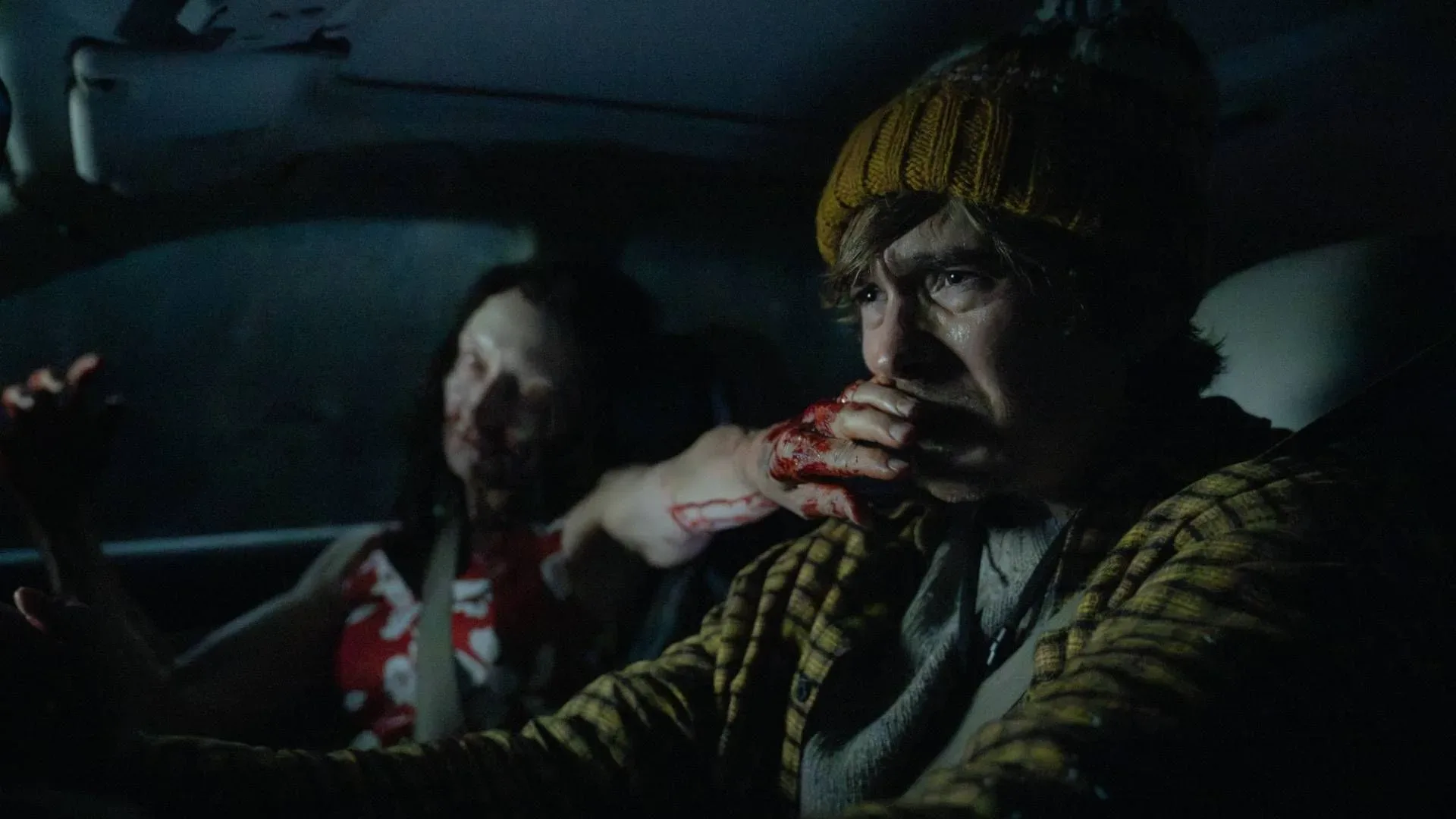
Early reactions to Zach Cregger’s Resident Evil are notably enthusiastic, with the strongest recurring point being less about lore accuracy than atmosphere. The film reportedly aims to recreate the anxious, unstable sensation of moving through a Resident Evil game: danger can arrive quickly, the hero is outmatched, and the next stretch of hallway may be far worse than the one behind it.
That is a meaningful choice for a series whose appeal has never rested on plot alone. Resident Evil has recognizable characters, locations and monsters, but its identity is also built from pressure: limited safety, sudden attacks, grotesque transformations and the uncertainty of what waits around a corner. The first responses suggest Cregger’s film is trying to adapt that emotional grammar rather than treating a list of familiar names and events as a checklist.
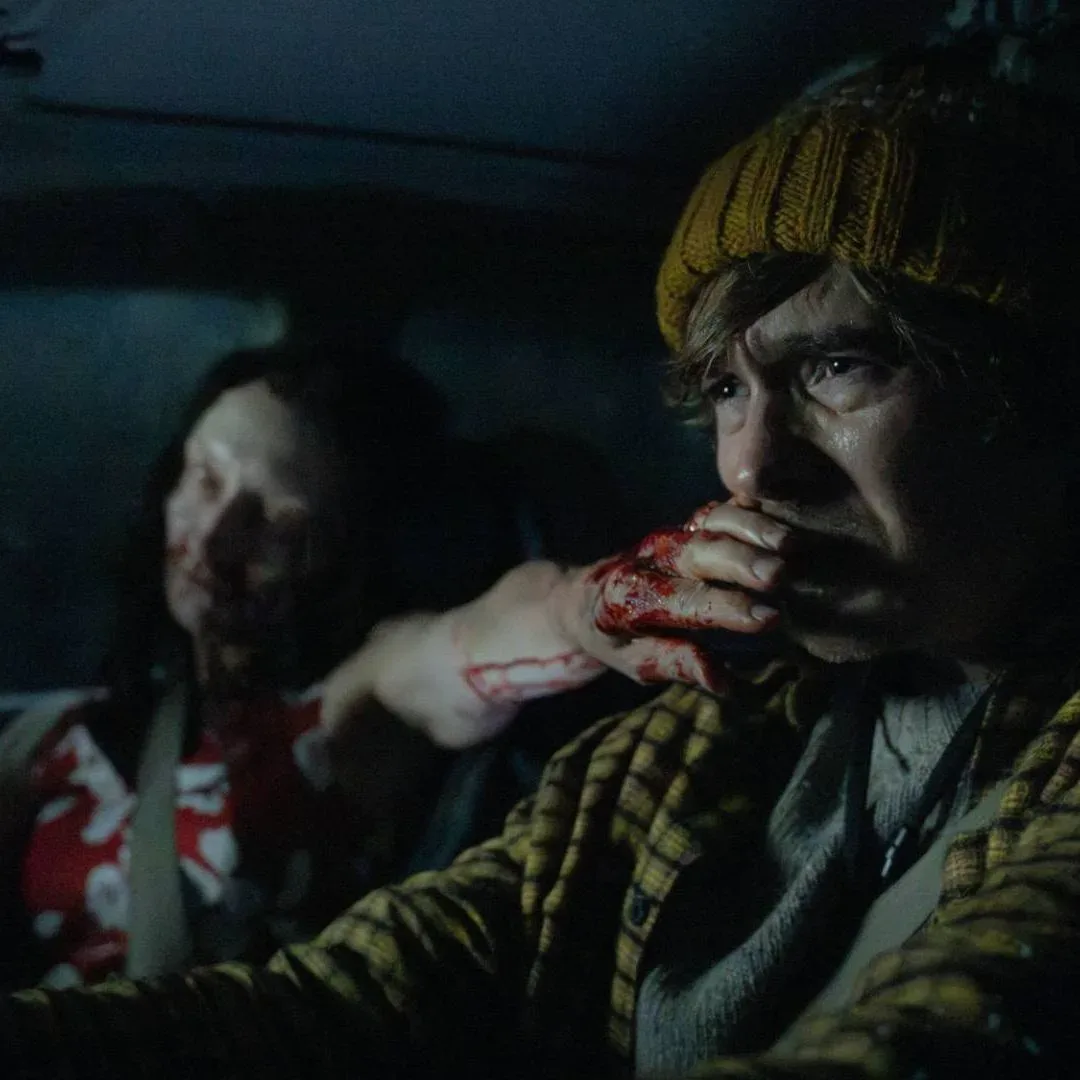
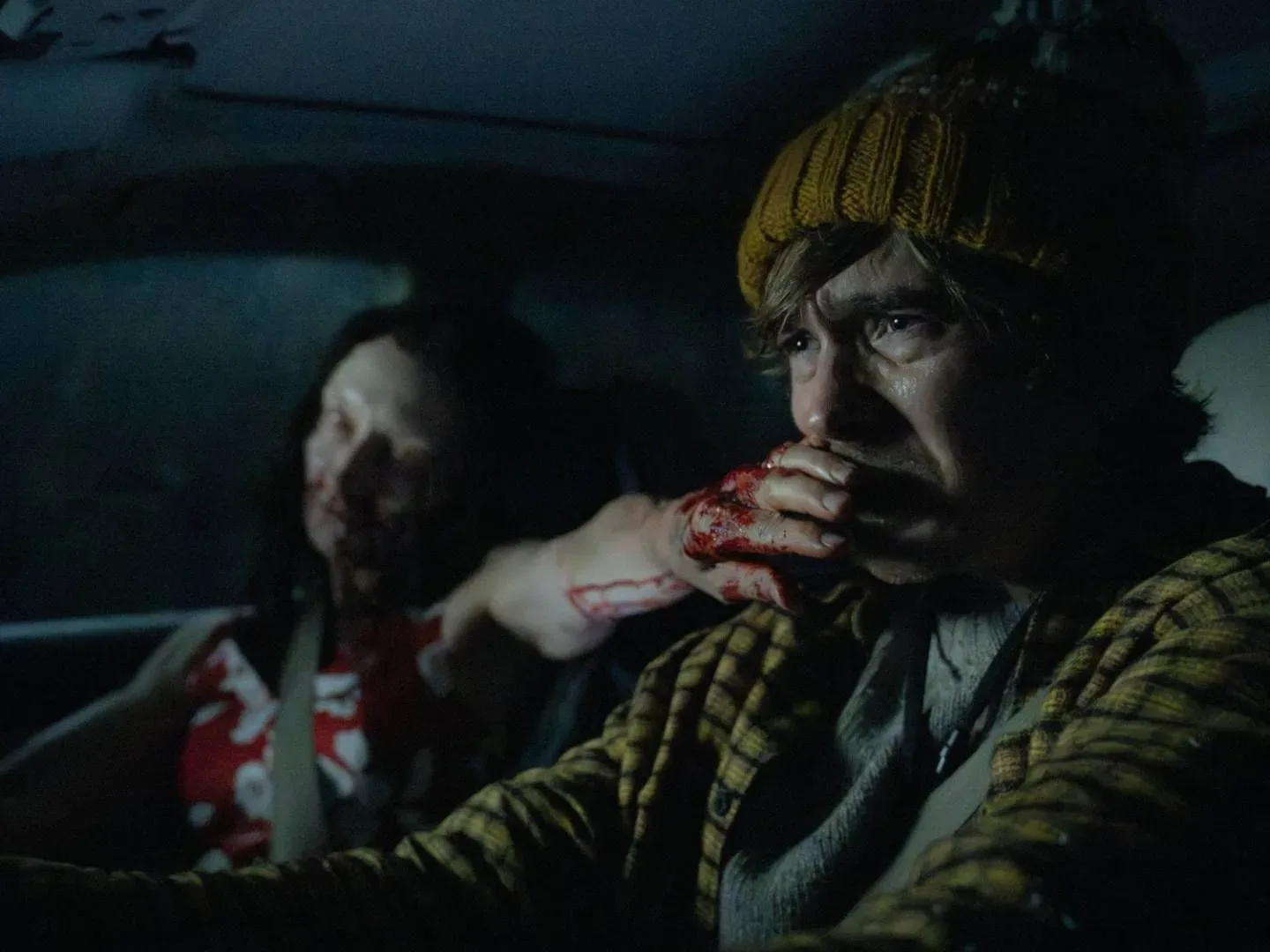
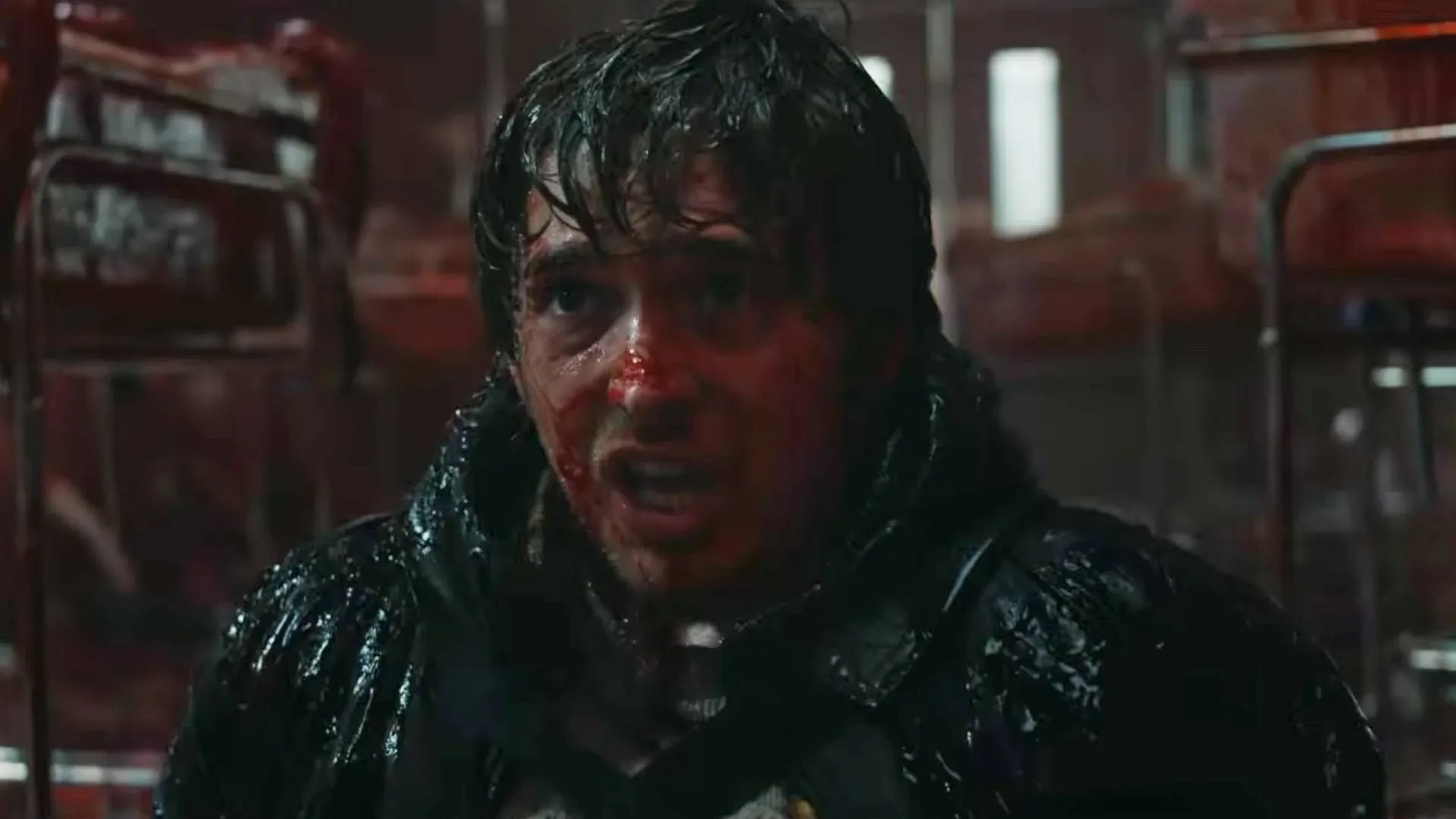
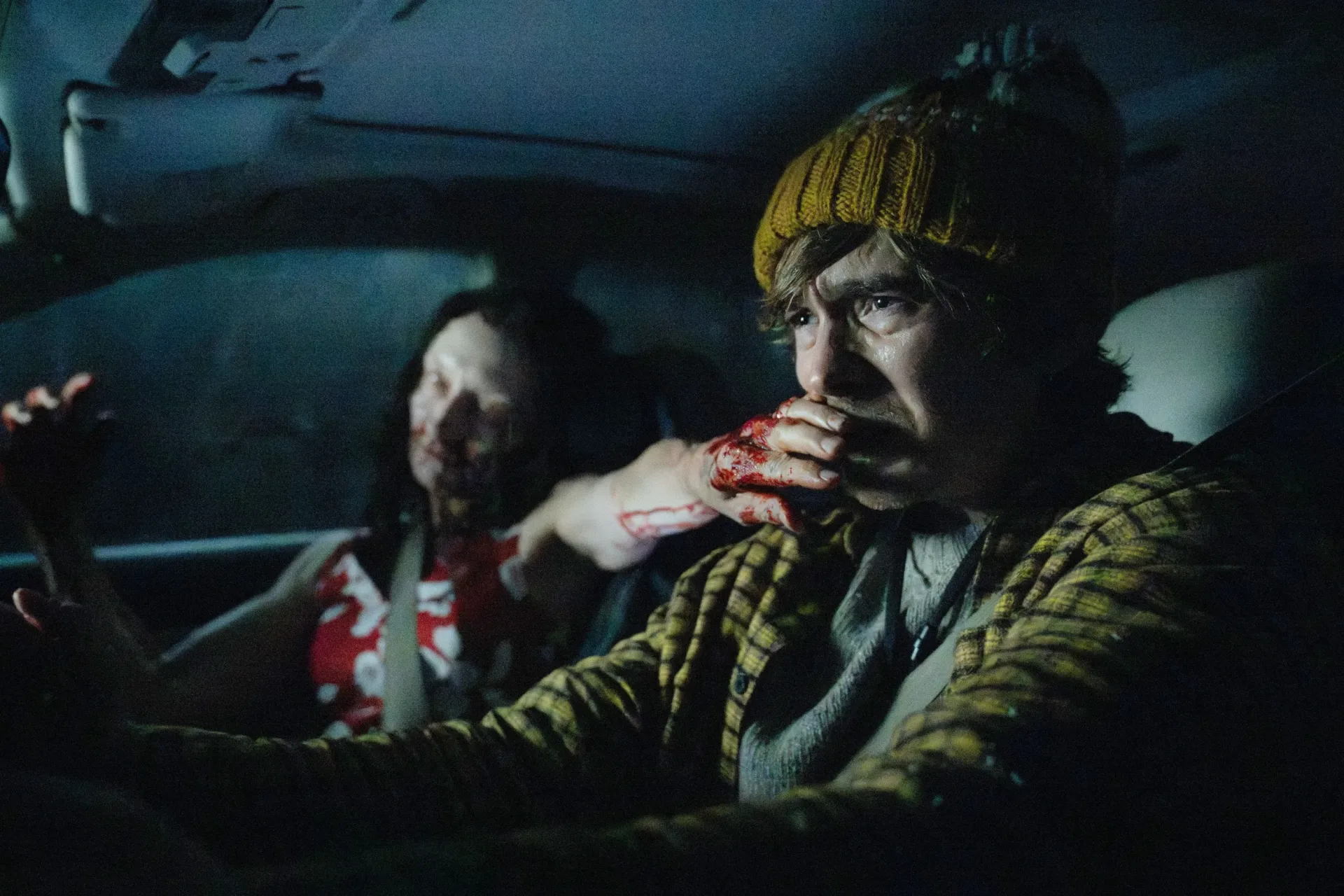
The movie arrives in theaters on September 18. Austin Abrams plays Bryan, a hospital courier sent to make a delivery to Raccoon City General Hospital. His route is interrupted by a horrifying outbreak, leaving him to fight for survival. Rather than placing an established game protagonist at the center, the story follows Bryan on the edges of the events surrounding Resident Evil 2.
A film set near Resident Evil 2, not a scene-for-scene remake
That peripheral setup explains much of the early conversation. Cregger has described the project as an effort to translate how the games feel, rather than a direct adaptation. In practical terms, that gives the film room to tell a new survival story while remaining connected to one of the franchise’s best-known settings and crises.
A direct adaptation usually invites a particular kind of scrutiny. Viewers can reasonably ask whether a famous character behaves as expected, whether a specific sequence appears, or whether the order of events matches the game. None of those questions disappear entirely when a movie uses an established property, but an original lead character changes their weight. Bryan’s situation can unfold with more uncertainty because the audience is not simply waiting to see a known game plot point recreated.
That may be especially useful for a survival-horror property. The genre works by denying certainty. A player who already knows every room, enemy encounter and escape route in a game may still enjoy a faithful recreation, but surprise becomes much harder to preserve. Setting a story alongside Resident Evil 2 offers another route: the larger disaster is familiar, while the immediate journey is not.
It is also consistent with the reactions so far. One response characterized the movie as something that feels more like playing a game than watching an adaptation tick through game material. Another said viewers should not become overly preoccupied with what is or is not taken directly from the games, arguing that the film instead runs with their spirit. Those assessments are subjective early impressions, not a substitute for a full critical consensus, but they do establish a clear expectation for the theatrical release.
What “the feeling of playing” can mean in survival horror
“Feels like a video game” is not automatically praise. It can sometimes imply a film is overly mechanical, visually busy or too reliant on references. Here, however, the phrase is being used to describe tension and momentum. For a Resident Evil movie, that distinction matters.
Survival horror is a genre organized around vulnerability. The protagonist may have a weapon, but not enough security to feel powerful. Progress often comes from navigating hazardous spaces, avoiding or surviving monsters, and making choices while under pressure. The fear is not only that something frightening is present; it is that the character may be unable to deal with it cleanly.
Early reactions indicate that this film leans into that pressure. One called the movie the most faithful take yet specifically because it captures the games’ “relentless tension,” even without recognizable characters or storylines. That response gets at the central adaptation question: is faithfulness about reproducing surface details, or about preserving the experience those details were designed to create?
The answer can be both, but the first reactions suggest Cregger’s priority is the latter. Bryan is described as a hapless hero, which fits a structure where survival has to be earned rather than assumed. A courier unexpectedly trapped in an outbreak is not automatically equipped for a catastrophe. That premise supports the kind of escalating danger associated with Resident Evil: an ordinary task becomes a desperate attempt to escape a city and institution overwhelmed by something monstrous.
There is a potential benefit to this approach for people who know the games well and people who do not. Established fans may recognize the broader setting around Resident Evil 2, while newcomers can follow a protagonist whose predicament requires no previous knowledge. The movie does not appear to ask audiences to memorize franchise history before it can function as a horror story.
Horror comedy without deflating the danger
The other major point in the early reaction round-up is tone. The movie has been described as a horror comedy as well as an intense survival story, with hilarious beats that reportedly do not undercut the stakes or the terror. That is a difficult balance, and it is likely to be one of the film’s most closely watched elements.
Horror comedy does not simply mean alternating jokes and scares. At its best, it uses humor to make characters feel human under impossible circumstances, to release tension briefly, or to create an even sharper contrast when danger returns. The risk is that comedy can make a threat feel disposable. If the audience believes every horrifying situation exists chiefly to set up a punchline, fear loses its teeth.
The early responses argue that Resident Evil avoids that trap. Descriptions of a wild, unpredictable ride and praise for Abrams as the awkward central figure point toward comedy arising from the character’s circumstances rather than replacing the horror. Bryan may be doofy and overwhelmed, but the outbreak itself is still being presented as frightening.
That mixture is not inherently at odds with the franchise’s identity. The games can be sincerely alarming and spectacularly strange at once. Their worlds make room for outbreaks, conspiracies, mutants and elaborate monsters, often delivered with an intensity that can become pulpy or outrageous. A movie that acknowledges the absurdity of its escalating predicament while treating the immediate danger seriously could be well suited to that register.
The early reaction language also points to body horror as a major part of the package. Body horror is a horror mode focused on physical transformation, mutation, injury or the loss of control over the body. In the context of Resident Evil, it is a natural fit: the source material is fundamentally concerned with infection and creatures altered into increasingly disturbing forms. Reports of “mutant mayhem” and demented body horror suggest the film does not shy away from that visual side of the premise.
Why an original protagonist could be the movie’s biggest advantage
Choosing Bryan rather than a familiar game lead carries an obvious trade-off. Some fans looking for a particular character or storyline may find the distance from established material disappointing. The movie’s early defenders are already effectively acknowledging that difference: it may not feature recognizable characters or familiar plots in the expected way.
But the same decision can protect the movie from a common adaptation problem. When a beloved character is placed onscreen, every casting choice, dialogue line and plot deviation can compete with the audience’s personal version. An original protagonist gives the film a chance to be judged more immediately as a horror narrative. The question becomes whether Bryan’s route through the outbreak is compelling, frightening and entertaining, rather than whether he has recreated someone else’s signature moments.
It also preserves a key part of the game experience: not knowing exactly what will happen. A story placed at the periphery of Resident Evil 2 can share the catastrophe without being locked into a known sequence of events. That does not guarantee the movie will satisfy every fan, and early social reactions are often more enthusiastic than later, broader criticism. Still, the reported response is encouraging because it praises the film for the very quality this strategy was meant to create.
For viewers deciding what kind of adaptation to expect, the safest framing is straightforward. This does not sound like a film built primarily to reenact favorite scenes. It sounds like a new outbreak story using the world around Resident Evil 2 to deliver chase-driven survival horror, grotesque mutations, kinetic action and a comedic streak.
What remains unknown before release
Early reactions can reveal a movie’s broad reception, but they cannot answer every practical question. The available responses are impressions rather than scored reviews, and they do not establish how the film handles every connection to the games, which creatures appear, or how much of its runtime is action versus horror. They also cannot show whether this initial enthusiasm will be shared by a wider audience.
What they do provide is a consistent early picture. Cregger’s Resident Evil is being received as a fast, funny and frightening genre film that values tone over strict recreation. Abrams’ Bryan is central to that design: a regular worker caught in an outbreak rather than a pre-established franchise hero moving through a predetermined story.
For more context on the filmmaker’s stated direction for the property, see why this Resident Evil adaptation is taking a different path. The early word suggests that path may be its defining strength—provided audiences are ready for a movie that chases the franchise’s tension and chaos instead of simply retracing its best-known routes.