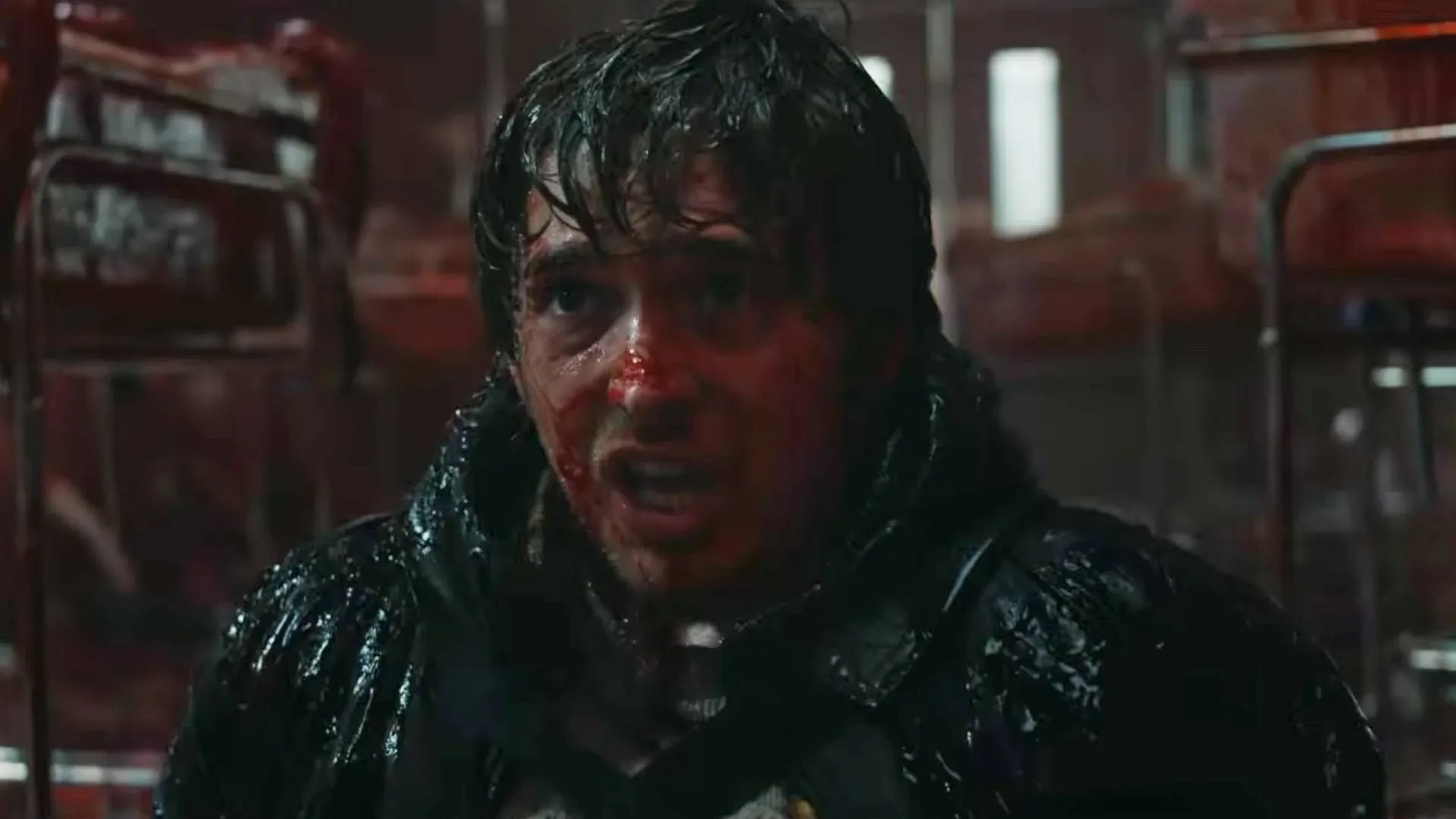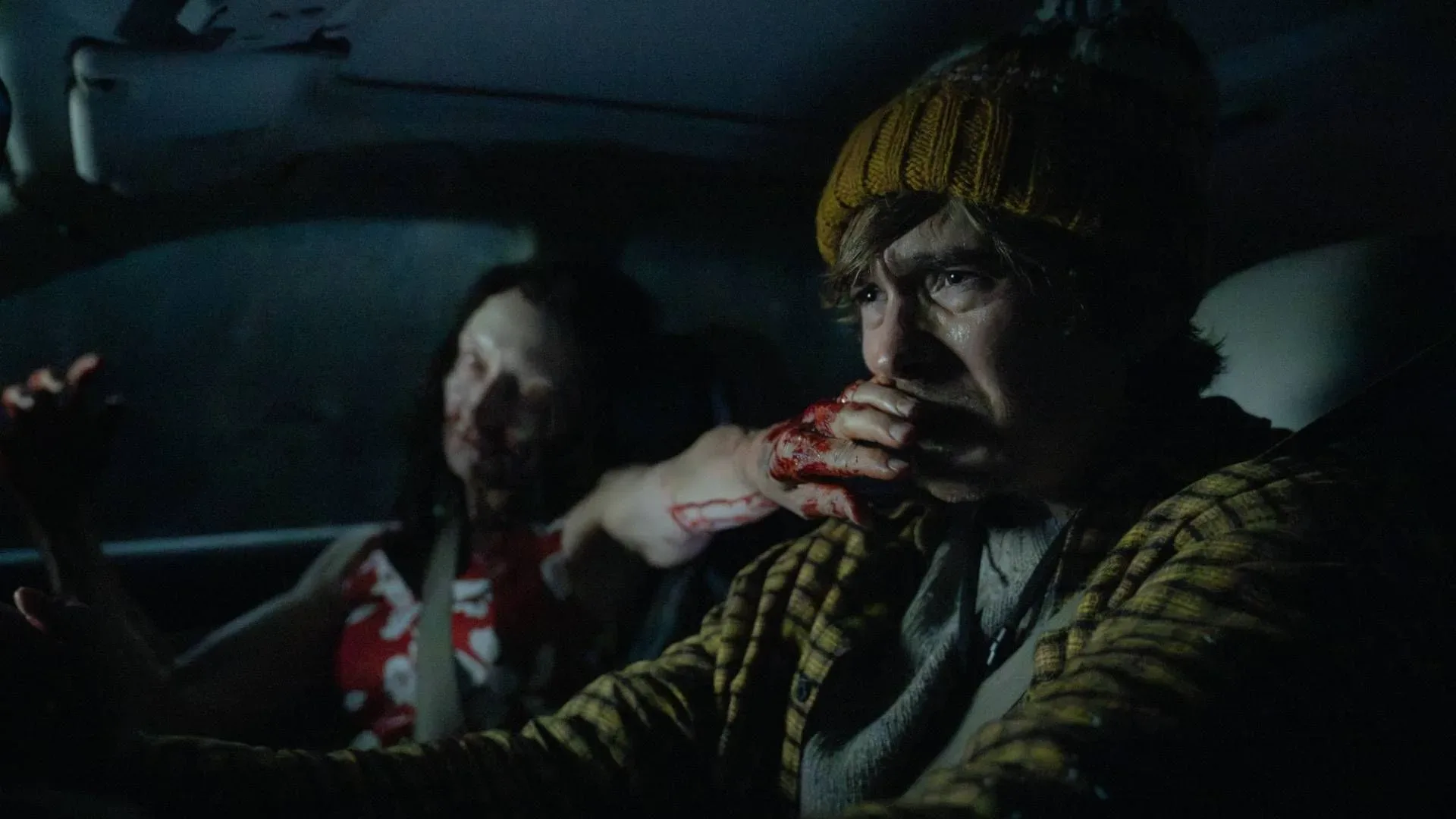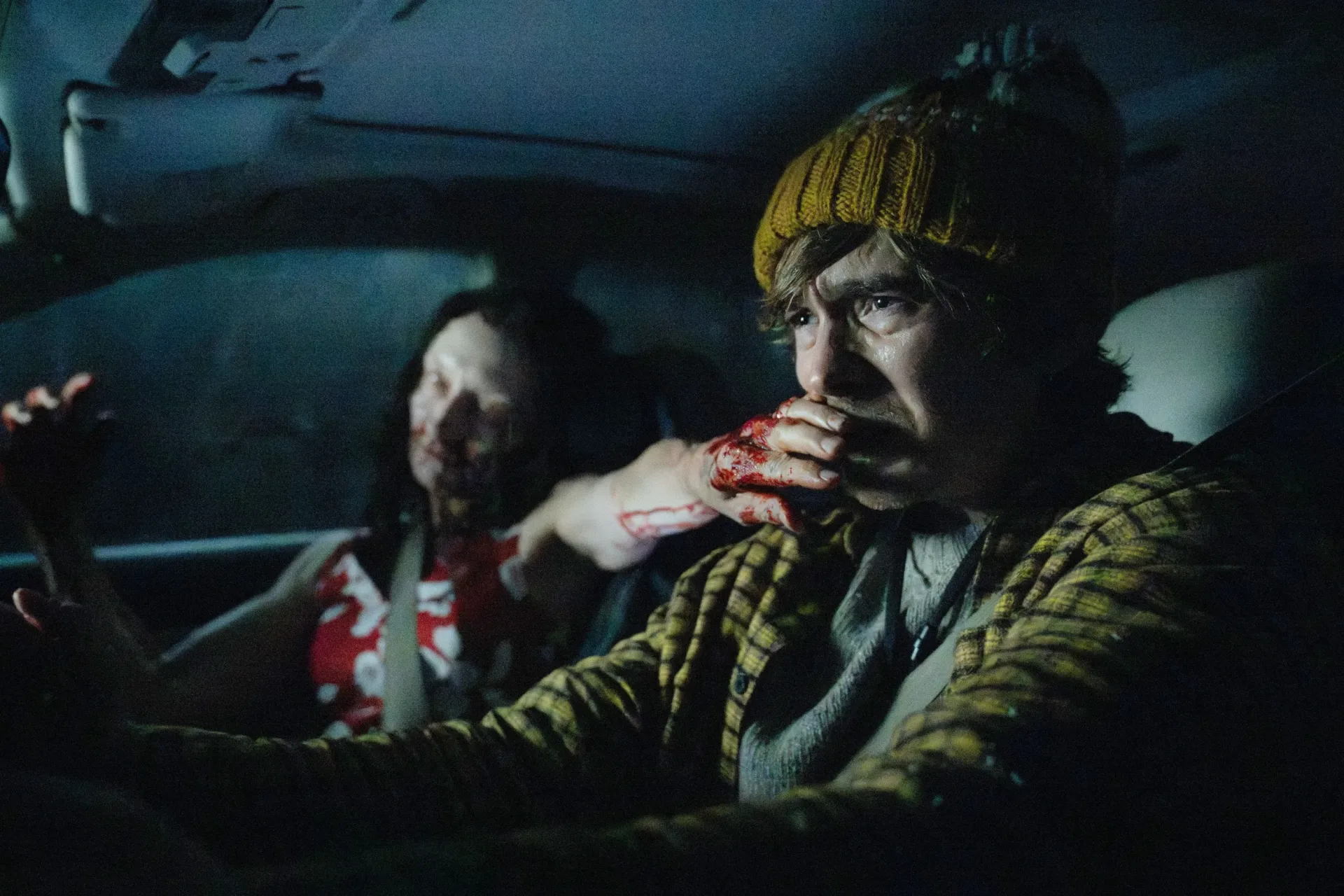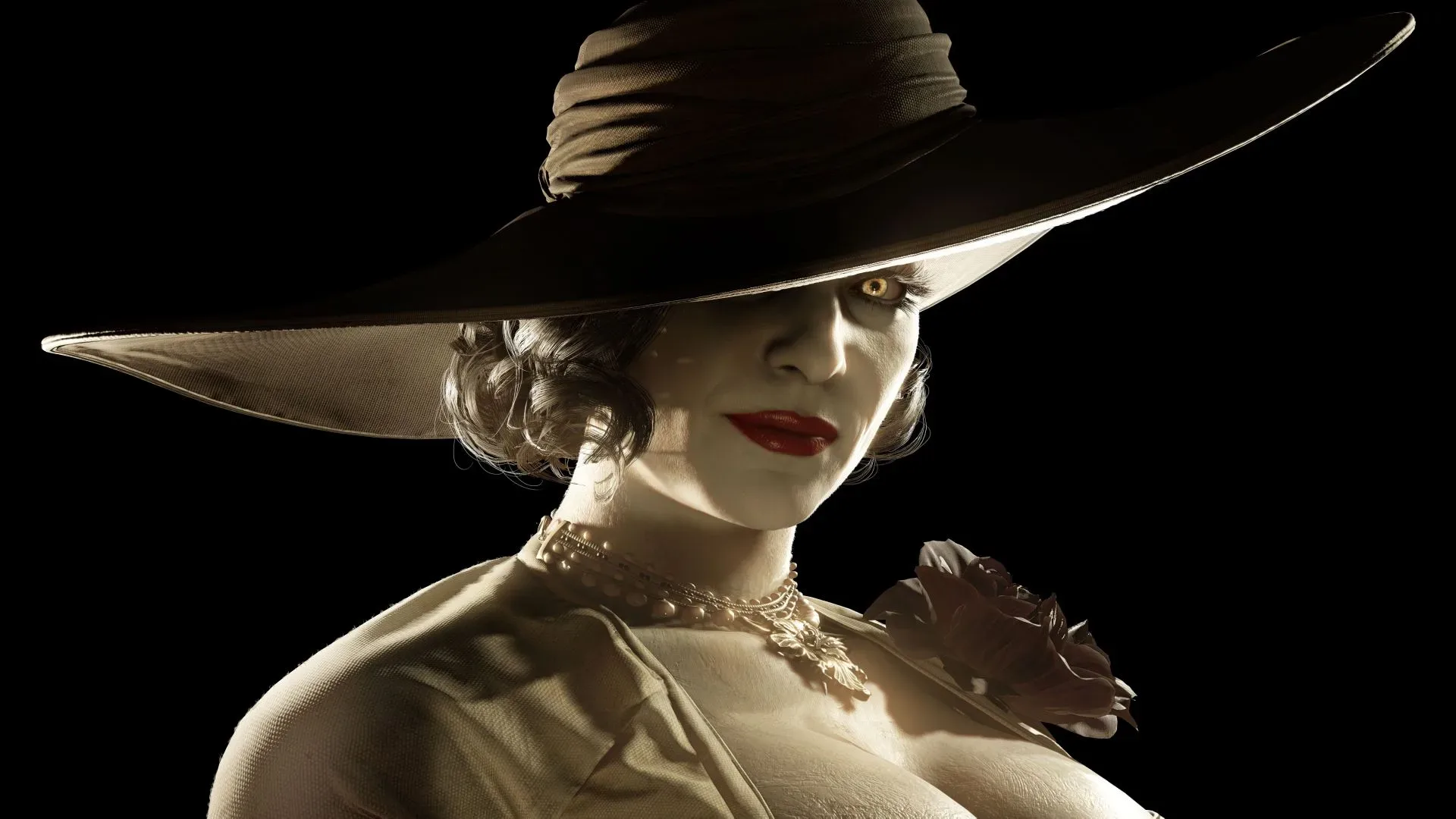
Zach Cregger’s Resident Evil movie is not shaping up to be a straight trip through the franchise’s most recognizable game plotlines. That makes one recent piece of casting talk especially important to frame correctly: Lady Dimitrescu is not presented as a confirmed character in the film, and Cregger has said his story will not lean heavily on established game lore. But when asked who he would choose for the towering Resident Evil Village antagonist, his answer was Christina Hendricks.
“That feels about right to me,” Cregger said of Hendricks as a possible Lady Dimitrescu. The exchange was hypothetical rather than a casting announcement, but it is an entertaining glimpse at how the filmmaker views one of the series’ most immediately recognizable modern villains. Another suggestion in the conversation was Joan Cusack, which Cregger also warmly received, saying he could watch her in anything.
The distinction matters. It would be easy to turn a fun fancast into a promise that Alcina Dimitrescu will step into the new film. Nothing provided about the movie establishes that. What is established is that Cregger’s approach is intentionally adjacent to, rather than directly recreating, a game story.
A Lady Dimitrescu fancast, not a confirmation
Lady Dimitrescu debuted in 2021’s Resident Evil Village, the Ethan Winters-led entry in the long-running survival-horror series. She quickly became a major cultural fixture around the game, so the question of how she might be cast on screen is a natural one. Hendricks is Cregger’s pick, but viewers should treat it as precisely that: a filmmaker’s preference in an interview, not evidence of a role, a contract, or the character’s inclusion.
That distinction also reveals something useful about the current conversation around game adaptations. Fancasting tends to jump ahead of the project itself. A character is popular, an actor seems visually or tonally suited to the part, and the internet starts sketching out a movie that may not be the movie actually being made. In this case, the movie’s stated premise points away from a Village adaptation in the first place.
Cregger’s admiration for the character is still meaningful as a sign of familiarity with the games. Yet familiarity does not automatically mean literal adaptation. The more relevant question for this Resident Evil is whether the film conveys the pressure, movement, uncertainty and horror that players associate with the series.
The film’s setting sits alongside Resident Evil 2
Cregger has described the movie as taking place “on the periphery” of Resident Evil 2. His explanation is that Raccoon City is enduring its catastrophic night while the film follows another story happening in parallel. That is a specific creative lane: use a familiar crisis and location as the backdrop, but do not require the movie to retell the game’s central route.
For newcomers, a parallel story means the film can occupy the same fictional moment without asking audiences to recognize every plot beat or character connection. For longtime players, it leaves room for the setting’s atmosphere without turning the experience into a checklist of scenes that must be reproduced. The games’ lore—the accumulated fictional history, characters, events and rules of the setting—can enrich that approach, but it does not have to dictate every turn.
Related coverage includes Zach Cregger Names Christina Hendricks as His Ideal Lady Dimitrescu Casting.
That strategy carries an obvious trade-off. A direct adaptation can give fans the immediate pleasure of seeing beloved scenarios and personalities realized in another medium. A peripheral narrative has more freedom, but it also has to earn trust on its own. The movie cannot rely only on recognition; its new characters and dangers have to make the Raccoon City setting matter.
It is also why Lady Dimitrescu’s absence, if she is absent, would not be an unexpected omission. Her debut belongs to a later game and a different protagonist’s story. Cregger’s stated setting instead anchors this film beside the events of Resident Evil 2. A hypothetical casting answer should not override that larger description.
What Cregger means by capturing the games’ feeling
Cregger has said he worships the Resident Evil games and draws inspiration from the experience of playing them. His clearest explanation of that ambition concerns pacing: he tried to change the environment every seven or eight minutes, comparing the effect to moving into another level in a game.
That is not the same as importing a game’s structure wholesale. A film has no player input, inventory screen, route planning or controller in the audience’s hands. Its version of progression has to be created through editing, staging, changing spaces and escalating threats. But the comparison identifies a particular quality Cregger wants to preserve: the sense that survival horror keeps pushing the player—or, here, the viewer—forward into an unfamiliar new problem.
In practical terms, regularly shifting environments can prevent a siege scenario from becoming static. A character may escape one location only to confront a different kind of vulnerability in the next. The tension does not necessarily disappear when a door closes; it changes shape. That is a useful fit for Resident Evil, whose identity is tied not merely to monsters, but to navigating spaces that continually become less safe than they first appeared.
Cregger’s comments suggest the film is pursuing an adaptation of feel rather than a scene-by-scene translation. That phrase can be vague, so his pacing example is valuable. The intended feeling appears to involve relentless forward motion, environmental change and sustained suspense. Whether the finished movie achieves that is, naturally, something audiences will have to judge after release.
Early response points to tension, not lore density
Early viewers have reacted positively, with comments highlighting a video-game-like quality and the franchise’s “relentless tension.” These are early reactions, not a substitute for a full critical consensus, and they do not confirm how every part of the film will land. They do, however, line up closely with Cregger’s own description of the project.
The overlap is notable: the filmmaker says he wants shifting environments and the sensation of advancing through levels; early audience response emphasizes the feeling of playing a strong game and sustained pressure. If those impressions hold, the movie’s connection to Resident Evil may rest less on how many lore references it includes and more on whether it creates the franchise’s distinctive forward-driving dread.
That does not mean recognizable elements are irrelevant. Raccoon City remains a major point of connection, and its “big night” gives the parallel story a clear dramatic context. Rather, the approach seems designed to let the setting work as a living disaster zone rather than as a museum of references. Fans can reasonably expect a film informed by the games; they should not assume it is built to reenact all of them.
What to expect before September 18
Resident Evil arrives September 18. Until then, the most grounded expectation is a Raccoon City-set horror story occurring alongside Resident Evil 2, made by a filmmaker who is openly trying to translate the games’ rhythm and tension more than their complete lore. Christina Hendricks as Lady Dimitrescu remains an appealing piece of hypothetical casting conversation, not a confirmed addition to that plan.
For more on the movie’s release-window questions and the line between verified information and projection, see what is confirmed about when Zach Cregger’s Resident Evil could stream on Netflix.