Major spoilers for Resident Evil follow.
Zach Cregger’s Resident Evil, scheduled to reach theaters September 18, is built less like a scene-for-scene translation of one game and more like a compact survival-horror remix. Its central character, medical courier Bryan, is not treated as a replacement for an established playable hero. Instead, his route through Raccoon City gives the film room to borrow the franchise’s visual language: ominous medical containers, cramped rooms with suspiciously useful supplies, corporate laboratories, sewers and dogs that are emphatically not just dogs.
That approach matters because many of the references are not dialogue callouts. They are props and environmental details that veterans will recognize almost subconsciously. In the games, an object’s placement can communicate a rule: a typewriter means saving, herbs suggest recovery, and ammunition near a weapon implies the immediate problem that needs solving. The movie can use the same iconography while refusing to give Bryan the player’s knowledge, confidence or inventory screen.
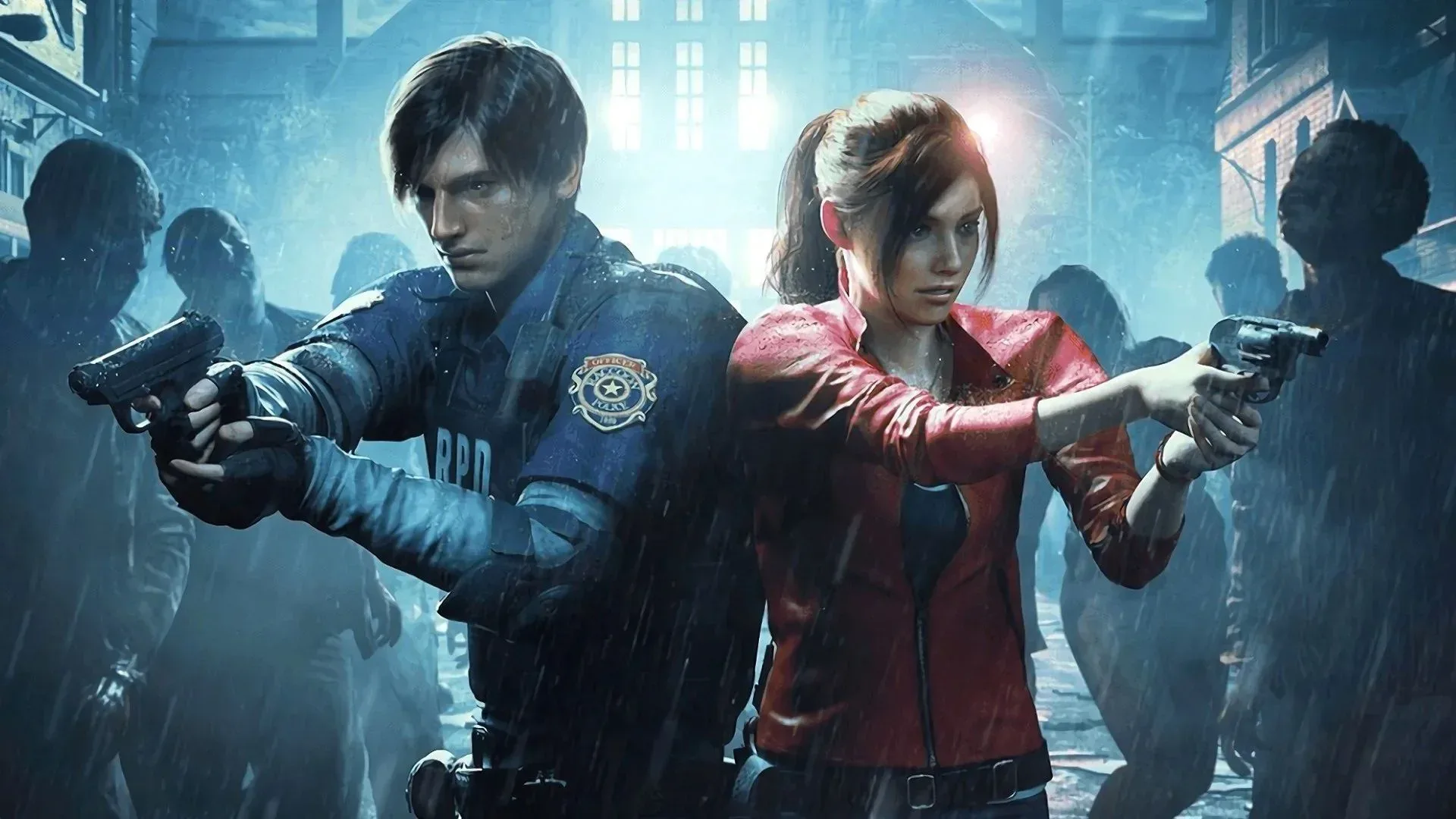
For a broader spoiler discussion of familiar characters and how this film connects to the wider series, see our explanation of whether Leon and Claire appear in Zach Cregger’s Resident Evil.
The green medical bag connects healing items and a puzzle box
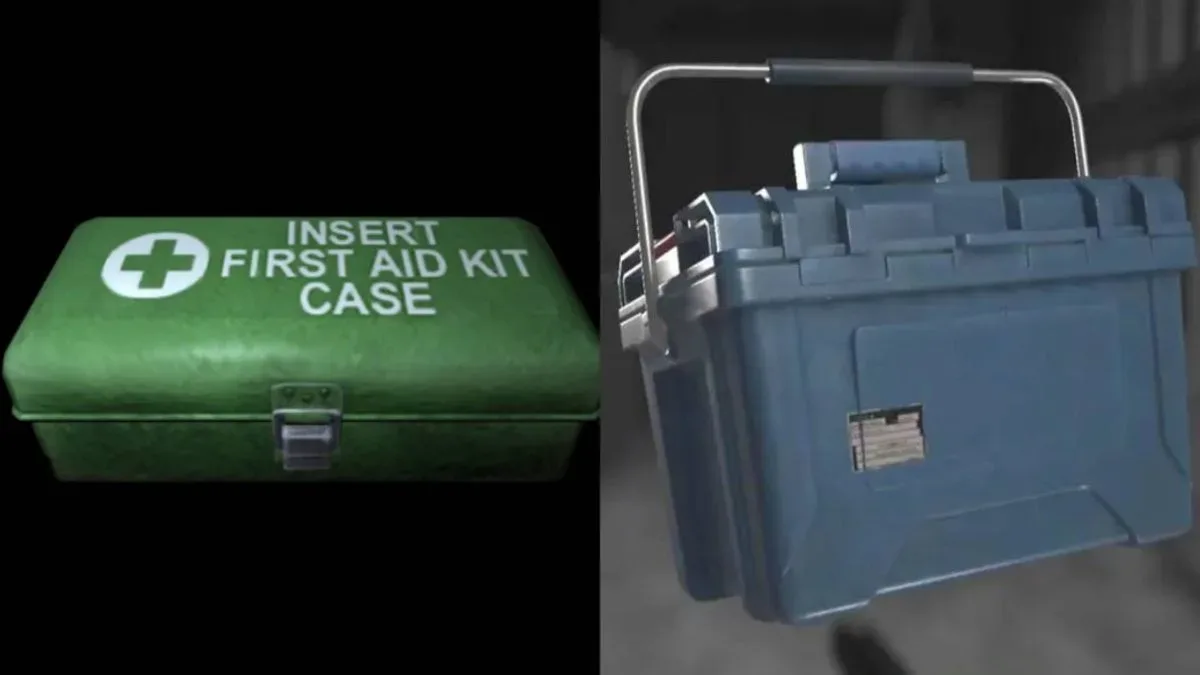
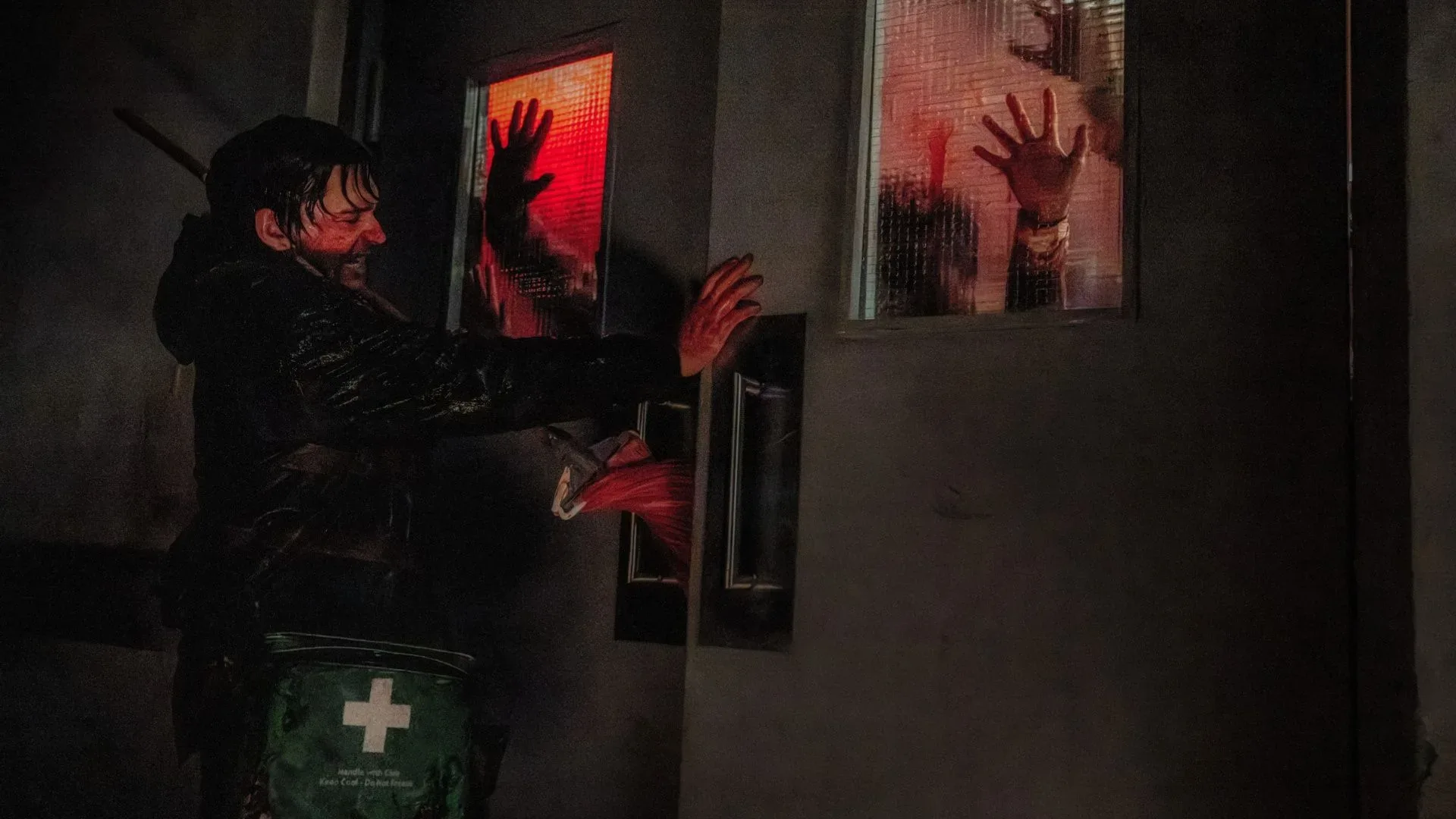
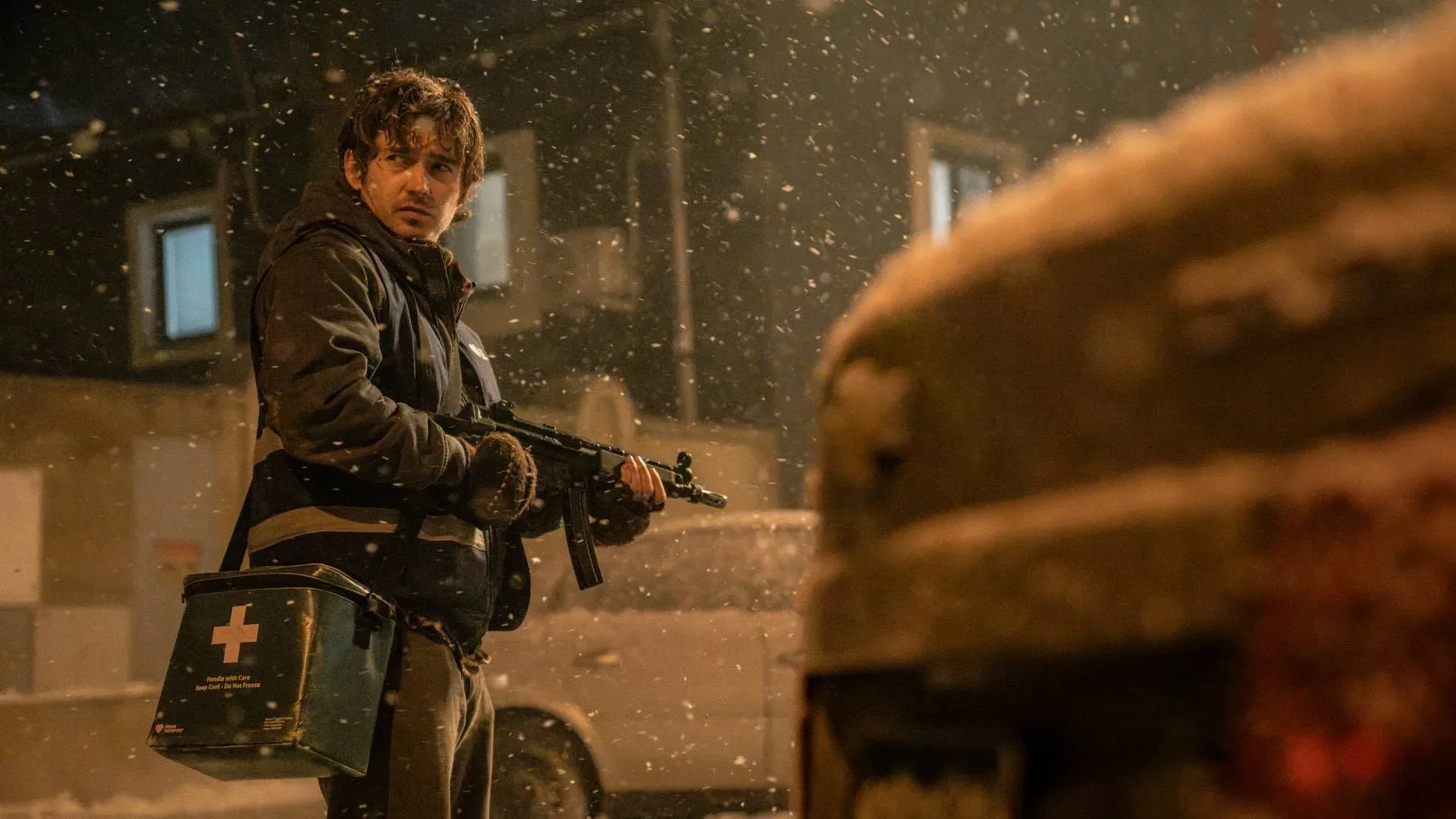
Bryan begins with an ordinary red transplant bag marked by a white cross. Later, he receives a green version for the delivery that sends him toward Raccoon City. Green-and-white is a pointed visual choice in a franchise where medical supplies have a long history of being coded by shape, color and function.
The closest direct game comparison is the First Aid Box in the Resident Evil remake. That specificity is useful: First Aid Boxes do not look identical across the entire series, and one in Resident Evil 3, for example, is gray. The film’s green bag also has a second association with Resident Evil Requiem, where an Organ Transplant Box is a puzzle object that must be opened to obtain organs needed for a body in an examination room.
It is therefore more than a generic hospital prop. The bag fits Bryan’s job while operating as a crossover-style nod to two separate game traditions: survival resources and anatomical puzzle-solving. The plot’s eventual clarification that his delivery contains an ingredient for a cure, rather than a routine organ transplant, turns the visual gag into story machinery.
The typewriter deliberately breaks the games’ safety promise
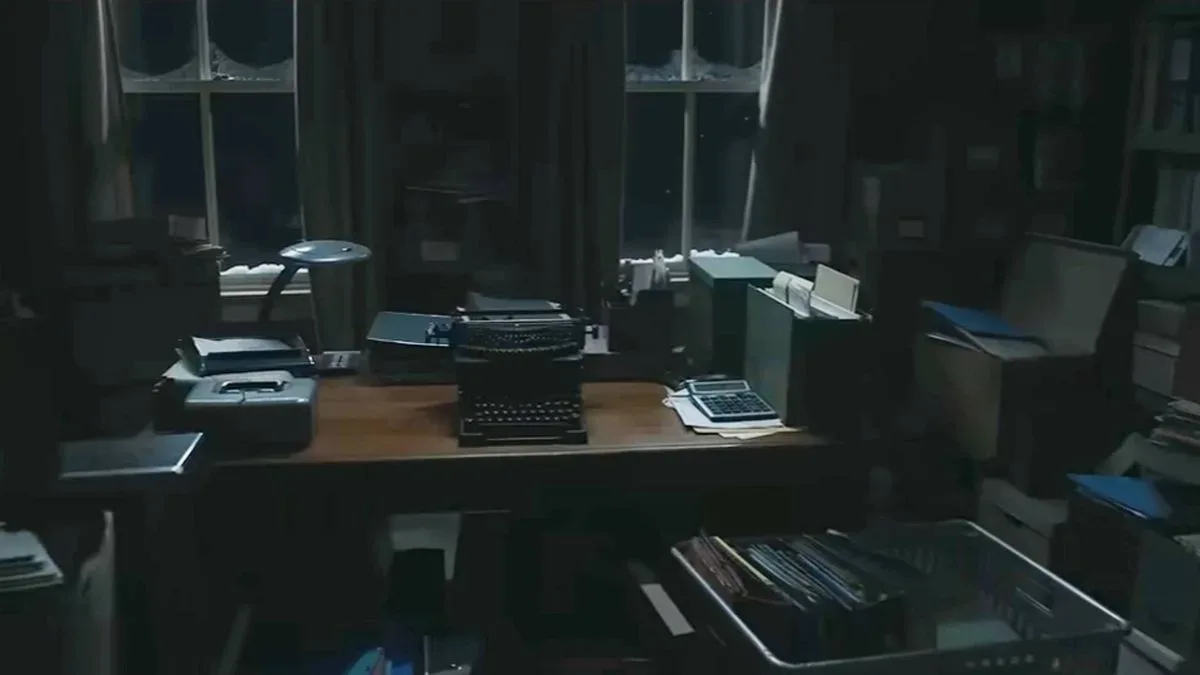
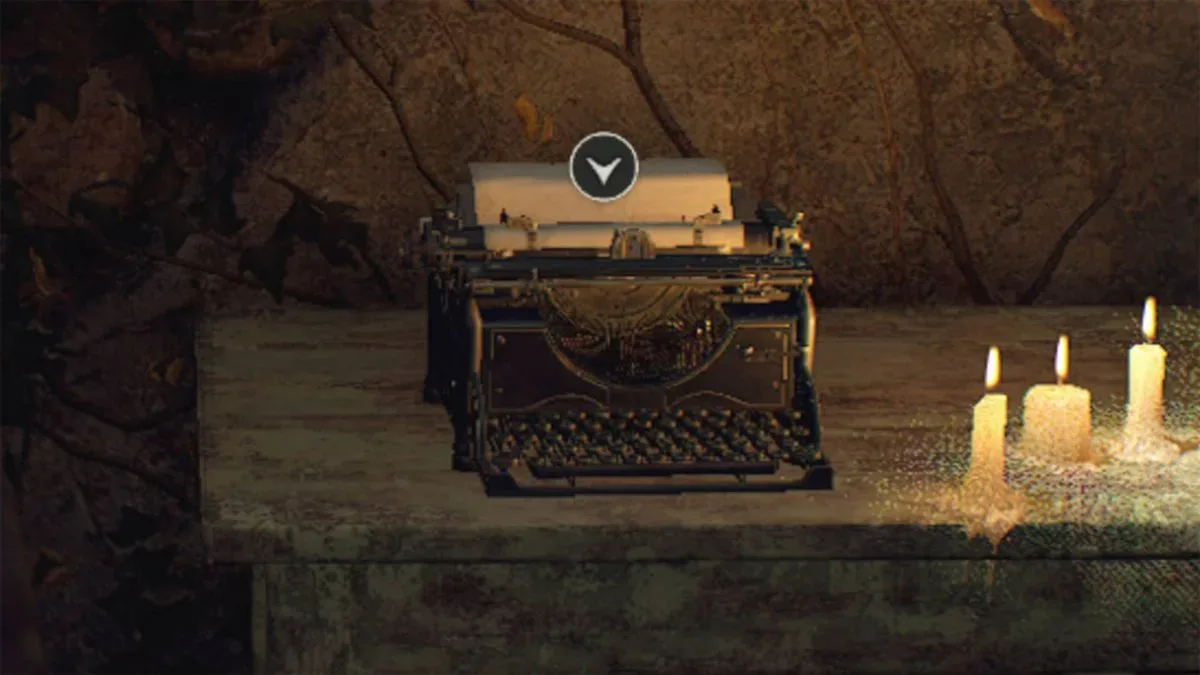
One of the clearest visual references arrives when Bryan enters an apparently abandoned house and finds a typewriter in an upstairs office. In earlier Resident Evil games, typewriters are save points. A save point is a location where the game records the player’s progress, allowing them to return there after death or after stopping play.
Related coverage includes Resident Evil Movie Hides 10 Game References for Sharp-Eyed Fans.
In the classic system, saving is not always free. Players need ink ribbons, consumable items found in the environment, to use the typewriter. That limitation turns a comforting prop into a tactical decision: save too often and risk running short; wait too long and lose more progress if the next corridor is disastrous.
The film has no literal save system, of course, but the typewriter still carries its inherited meaning for players. It evokes a breath of relief just before removing it. Bryan is not safe in that room and does not linger. That inversion is a neat survival-horror joke: audiences trained by the games see sanctuary, while the movie shows a character with no such protection.
The wall shotgun is a franchise trap with two possible roots
Bryan taking a shotgun from a wall has roots in more than one game. In the original Resident Evil, a shotgun mounted inside a painting is an infamous test of player caution. Taking it triggers a lethal ceiling trap unless the player handles the room’s puzzle correctly. In Resident Evil 4, a shotgun appears in a frame in the Village Square, where it serves as an early and valuable upgrade.
The movie’s version is not presented as a recreation of the crushing-ceiling trap. Still, the visual of a weapon displayed on a wall is too loaded within this series to feel accidental. It condenses a basic Resident Evil lesson: helpful items often arrive with a catch, whether that catch is a puzzle mechanism, an enemy ambush or a desperate lack of ammunition.
Heavy Field shells make the reference more specific
After taking the shotgun, Bryan searches drawers for ammunition and finds Heavy Field shotgun shells, matching the shell boxes found in Resident Evil 4. The named packaging narrows what could otherwise be dismissed as ordinary horror-movie scavenging.
The sequence also makes a practical contrast between a game protagonist and an ordinary person caught in a catastrophe. Resident Evil 4 players controlling Leon Kennedy generally understand the interface, weapon readiness and the value of opening every nearby drawer. Bryan has to figure out the gun under immediate pressure before firing at a mutated man in the house. The film borrows the player behavior—take weapon, loot drawers, find shells—but not the competence that games conventionally grant their heroes.
The green herb pot is a confirmed Resident Evil 4 replica
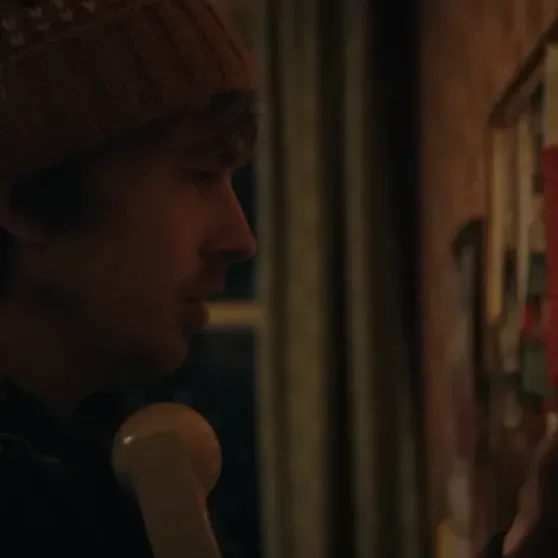
A green herb sits in a black pot with gold or copper-toned horizontal striping near Bryan while he calls his girlfriend Michelle from the kitchen. It is easily missed because the action does not stop to frame it as a clue. Yet this is among the most intentional details in the film.
Cregger has explained that the plant and its container were replicated from Resident Evil 4, including the distinctive striped pot. He also noted that the movie otherwise seems closer to the world of Resident Evil 2, but that he wanted elements from Resident Evil 4 because it is his favorite entry. That makes the herb pot a confirmed cross-game insertion, not merely an educated fan comparison.
Herbs are one of the series’ foundational recovery systems. Players use them to restore health and, depending on the game and combinations involved, obtain stronger benefits. Their colors and mix-and-match logic transform a familiar plant into instantly readable survival-game shorthand. Putting one quietly in a domestic kitchen lets the film insert a health-item reference without asking the story to behave as if Bryan can simply consume foliage and restore a life bar.
The cuckoo clock is plausible, but not proven
Not every resemblance deserves the same certainty. Bryan hears a cuckoo clock somewhere downstairs in the house, and Resident Evil 4 contains a cuckoo-clock puzzle during Ashley’s section. There, entering the correct time opens a passageway; failing to solve it leaves the player unable to progress.
The connection is possible, especially given the film’s confirmed affection for Resident Evil 4 details. But a cuckoo clock is also an established horror-movie tool: it can make an empty house feel inhabited, punctuate silence and deliver a small shock without invoking a particular game. Unlike the replica herb container or branded shell box, there is no supplied confirmation that this clock was meant as a direct reference.
That distinction is worth preserving. The best way to read it is as a possible nod, rather than a definitive Easter egg. It is a useful reminder that an Easter egg is a deliberate hidden reference, not simply any object that happens to appear in both works.
Umbrella’s bright top-floor lab recalls darker game spaces
Paul, an Umbrella scientist, and Maxine, an Umbrella enforcer, explain that Bryan’s bag holds a cure ingredient. An intercom voice later pushes him toward the hospital’s 28th floor, where the laboratory awaits. The setting resembles the underground laboratories that recur throughout the games, though this one is brighter and less outwardly sinister.
That contrast is part of the reference’s appeal. Umbrella labs in the games are often the places where institutional authority turns into the clearest evidence of scientific catastrophe. Their underground placement reinforces secrecy and confinement. Moving the movie’s lab to a high hospital floor changes the geography, but not the implication: the legitimate-looking medical infrastructure conceals something deeply wrong.
It also gives the movie a vertical objective rather than a subterranean descent. Bryan’s target is specific—the 28th floor—and the lab is tied directly to the cure plot. The visual similarity supplies fan recognition, while the brighter space prevents the film from simply copying the games’ usual final-lab image.
The sewer detour favors Resident Evil 2 atmosphere over exact recreation
As Raccoon City’s residents become mostly mutated and pursue Bryan, he escapes into the sewers. He encounters a bloated corpse filled with rats and a multi-person mutated creature created for the movie rather than taken from a named game enemy.
The broader setting evokes Resident Evil 2, where both Leon and Claire move through sewers, face puzzles and encounter monstrous threats including a giant G-Virus creature. The G-Virus is associated with extreme mutation, which helps explain why a sewer environment is such a natural place for the movie to signal escalation from zombies toward something stranger.
Still, the new multi-person creature should not be retroactively labeled as a game monster. It was made for this film and has no established game designation in the material available here. The sewer reference lies in the location and survival-horror mood, not in an exact enemy adaptation.
The attacking dog looks like a hybrid of later-game mutations
A Doberman attacks Bryan at the house, breaks through a wooden barn, and opens its jaw to reveal tentacles and multiple rows of serrated teeth. It is tempting to call any infected dog in Resident Evil a Cerberus, the canine enemy associated with the first game. But this particular design seems closer to a blend of later creatures.
The tentacles resemble the Colmillos from Resident Evil 4, while the serrated teeth recall the Adjule from Resident Evil 5. Since the movie dog does not duplicate one established enemy exactly, “hybrid” is the most careful description. It takes recognizable mutation traits from separate games and folds them into a fresh creature for Bryan to face.
That hybrid design captures the film’s wider strategy. Its references are not limited to a single canon checkpoint or a strict adaptation template. The movie uses items, spaces and monster anatomy as a visual vocabulary—one that rewards longtime players while still functioning for viewers who only need to know that the typewriter is unsettling, the green bag is important, and the dog should absolutely be avoided.