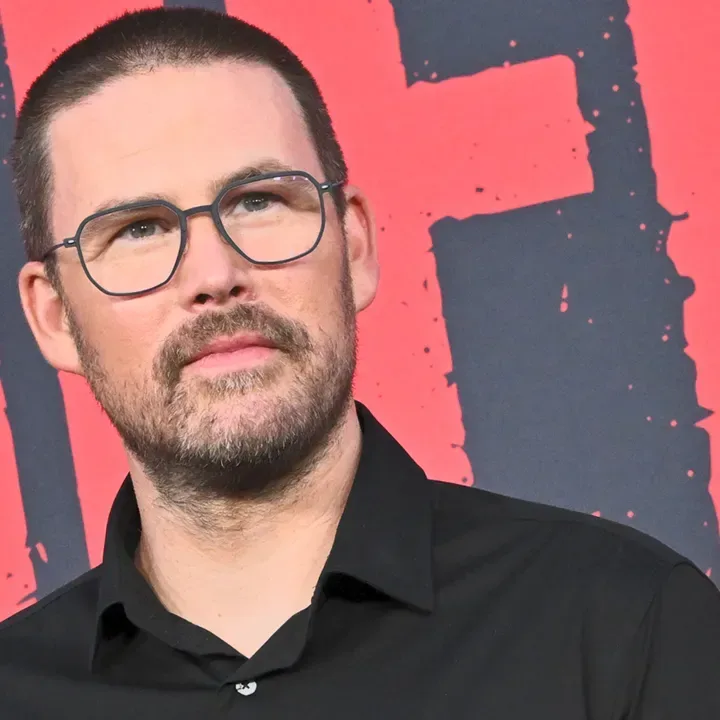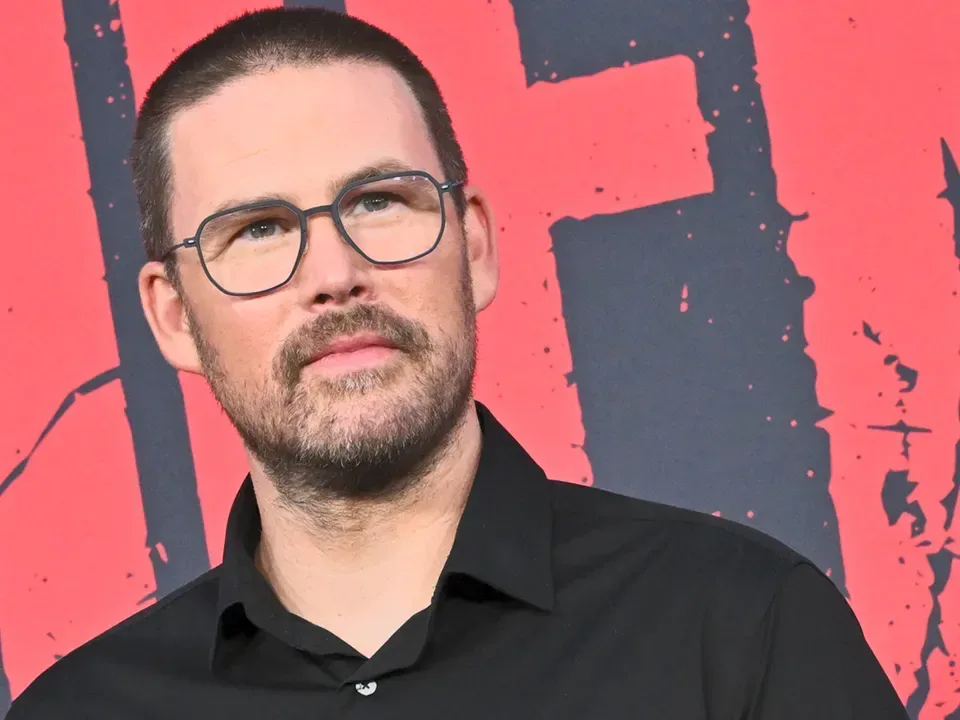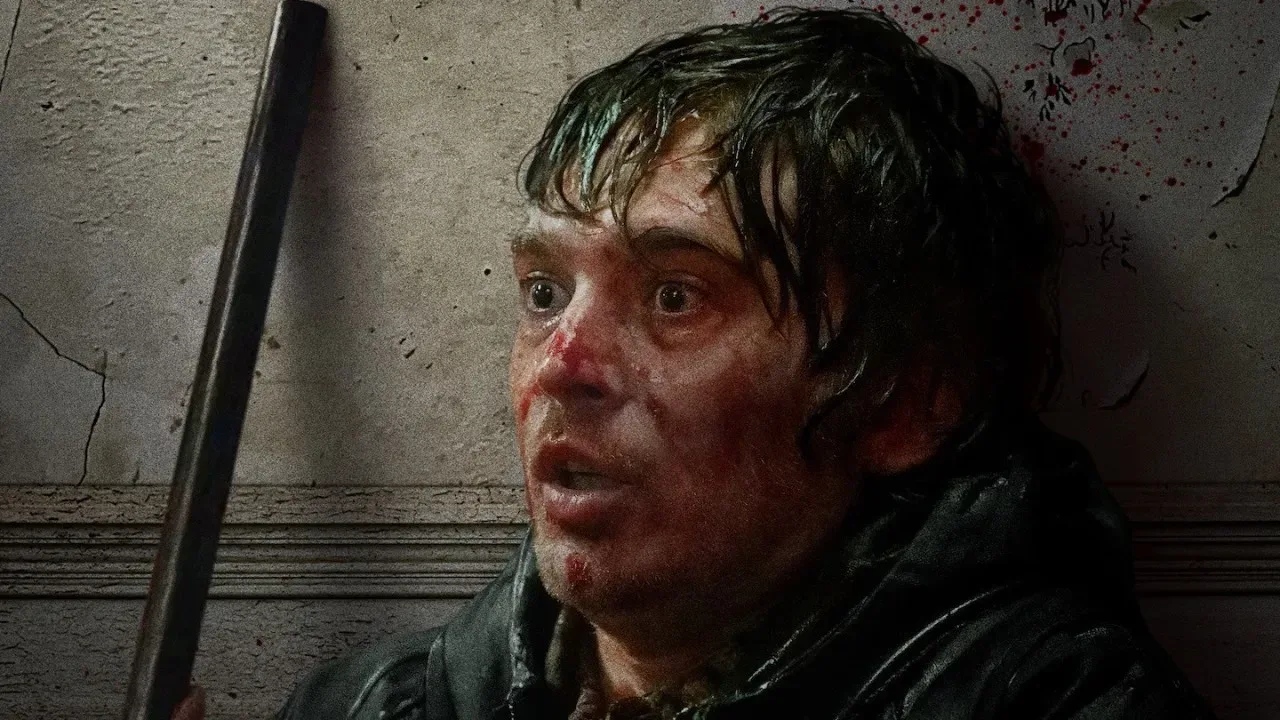
Zach Cregger’s Resident Evil has become a commercial success, but its director says the lead-up was defined by a kind of debate he found frustrating: arguments about what the film owed to the game series before audiences had seen the finished movie.
Speaking on The Town with Matthew Belloni, Cregger said much of the online conversation “didn't have anything to do with the movie.” Instead, attention centered on whether his interpretation met competing expectations for Capcom’s long-running survival-horror universe: which characters were present, how faithfully its lore was handled, and whether departures from familiar game details were acceptable.
“It had everything to do with whether the movie was living up to the different standards that different fans of the games had,” Cregger said. “All the conversation just felt like it was about not the movie.”
That distinction matters because adaptation discourse often combines two separate questions. One is fidelity: how closely a film reproduces established characters, locations, plot points and continuity. The other is execution: whether the movie works through its own performances, structure, atmosphere and ideas. Both are legitimate ways to evaluate an adaptation, but Cregger’s point is that the first question swallowed the second well before viewers could judge the complete film.
Why the trailer became a lore argument
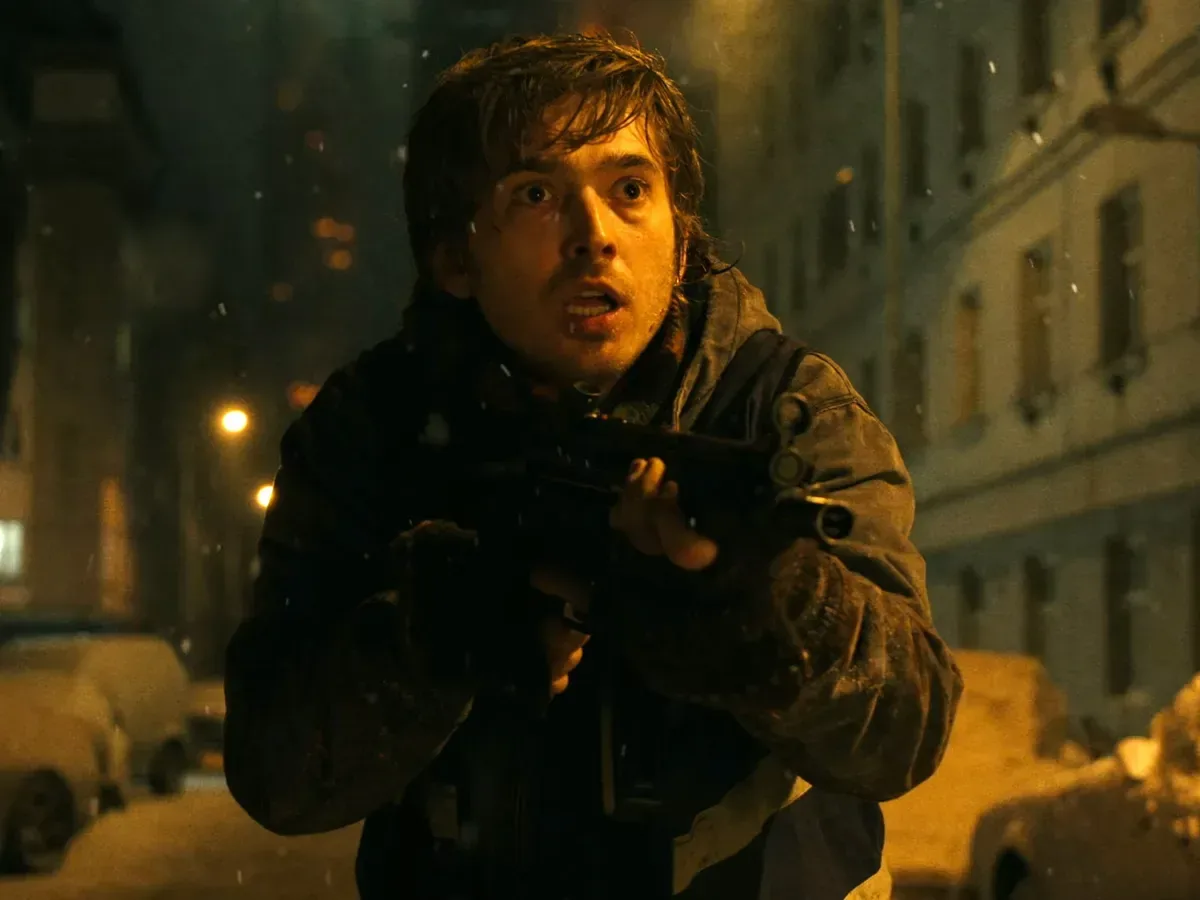
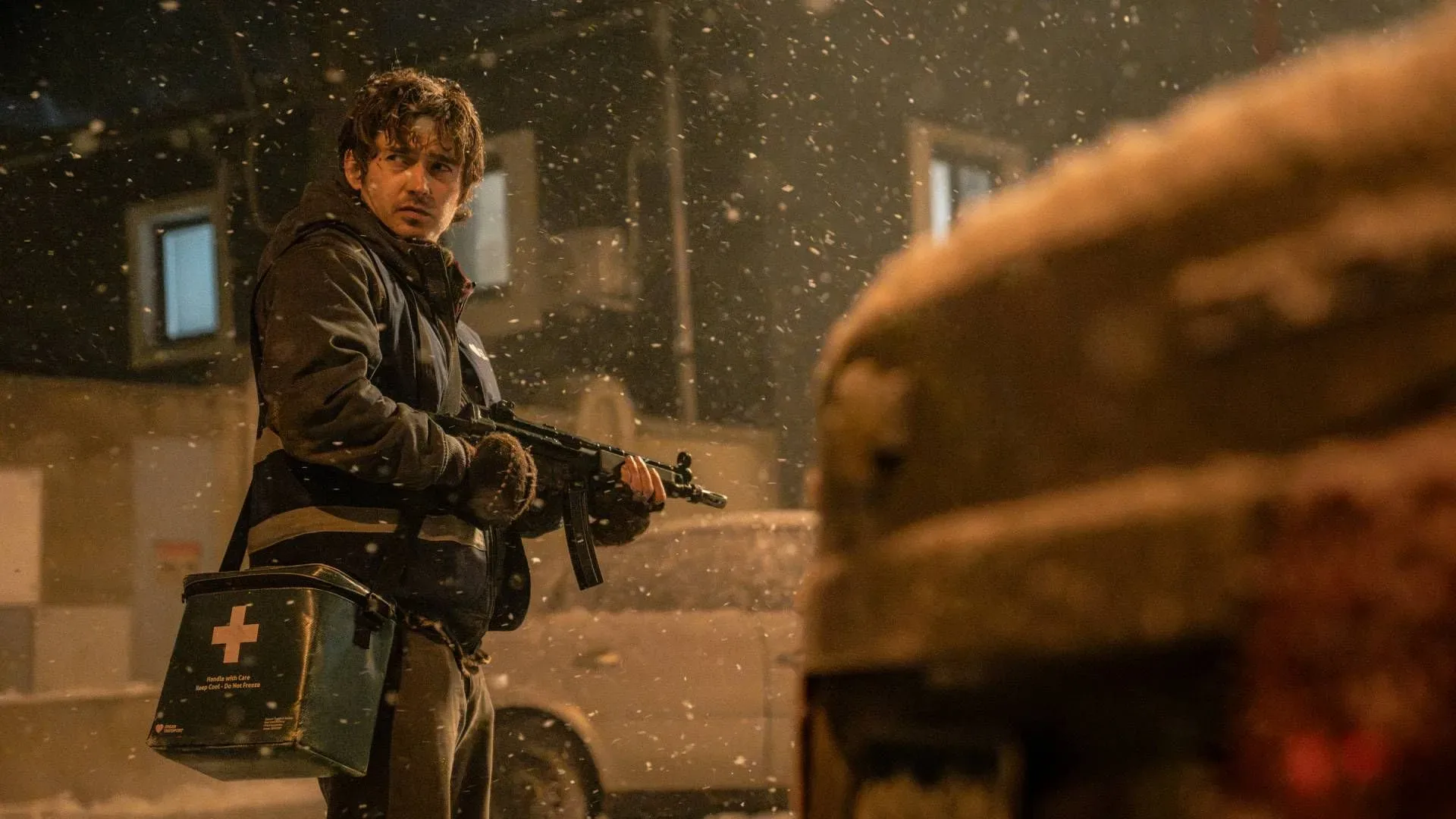
Some viewers scrutinized details in the first trailer, asking why Leon was absent, why Raccoon City was snowy, and why Austin Abrams’ character used a smartphone. Those objections were not simply about individual props or weather. Each became shorthand for a broader anxiety: that the film would be a version of Resident Evil operating beside the games rather than recreating the specific version fans had already carried with them.
For a property with an established canon, that reaction is predictable. Canon is the set of characters, events, rules and relationships audiences regard as official within a fictional universe. A game-to-film adaptation can preserve that canon closely, select parts of it, or build a new continuity with recognizable elements. The source material does not establish precisely where Cregger’s film falls on that spectrum, but the public debate clearly treated changes as evidence that it was making its own choices.
Cregger had said he took creative liberties in service of the movie’s quality. That is an explanation of process, not necessarily a promise that every longtime player will agree with the result. It also did not settle the dispute. Fans hoping to see particular faces and places transferred directly to the screen remained uneasy through the September 18 release.
In retrospect, Cregger says he was naïve to be surprised by that response. He now recognizes that working with established intellectual property brings a built-in set of expectations that do not attach to an original premise. The creative team is not only introducing a new story; it is entering an ongoing conversation between players, publishers and multiple versions of what the franchise means to its audience.
Related coverage includes Zach Cregger Reflects on Resident Evil Backlash as Film Passes $400 Million.
Success did not erase the disagreement
The box office gives the story a more complicated shape than the pre-release backlash might suggest. Resident Evil opened to $108 million worldwide and has now passed $400 million globally. Its reported budget was $75 million. Those figures do not resolve every artistic argument, and the available information does not provide a full accounting of marketing costs or the eventual profitability split between theatres and studios. They do show, however, that controversy over adaptation choices did not prevent a large audience from buying tickets.
The film was also received positively by many moviegoers, including those open to a new, snowy vision of Raccoon City. That does not mean every game fan had the same experience, nor does it turn the early concerns into bad-faith criticism. It means the eventual audience was broader than the loudest pre-release argument. A movie can prompt real disagreement among dedicated fans while still connecting with people who assess it on its own horror-movie terms.
Cregger himself is unequivocal about his own response to the finished work. “I'm proud of the movie. I really love the movie,” he said. At the same time, he acknowledged that he should have anticipated how discussion would form around a famous game property. That dual position is notable: he is standing by the film rather than retreating from its decisions, while accepting that he misread the scale and nature of fan scrutiny.
What “existing IP” asks of a filmmaker
In entertainment-industry language, IP, short for intellectual property, generally refers to a recognizable creative property and the rights associated with it. In practice, it can mean a franchise that comes with prior characters, lore, audience familiarity and commercial value. That recognition can help a film reach people who already care about the world. It can also make every visible change feel like a referendum on the entire franchise.
Cregger indicated that the experience may lead him away from films based on established IP. He has ideas for a possible Resident Evil 2, but he also said he wants to step back from franchise filmmaking after this release. His position is not an absolute refusal; it is a “never say never” situation. That leaves a sequel possible without making one a confirmed next step.
The distinction is important for audiences tracking what comes next. A successful opening and a $400 million worldwide total may make further installments commercially attractive, but neither financial performance nor Cregger’s ideas constitute a sequel announcement. No confirmed follow-up is established here, and Cregger’s comments suggest he is weighing the creative burden of returning as much as the opportunity.
That broader tension is familiar across game adaptations. Audiences often want the specific pleasures they remember—an iconic character, a precise location, a recognizable plot beat—while filmmakers may prioritize pacing, visual mood or a self-contained dramatic arc. Neither preference is inherently unserious. The difficult part is that a single movie cannot always satisfy them in the same proportion.
There is a useful distinction between adaptation and reproduction. Adaptation reshapes material for a different medium and may rearrange elements to serve a new format. Reproduction aims to retain the original in closer detail. Games and films have different structures, but the supplied information does not claim that one medium requires radical change over another. Cregger’s account instead shows that the question of how much change is acceptable remains central to viewers who have a long relationship with a game world.
The next project is original
For now, Cregger is working on The Flood, an original science-fiction thriller that he is writing, producing and directing. Jennifer Lawrence is set to star, and the film is scheduled to premiere on August 11, 2028.
That move toward an original project fits his comments about franchise pressure. With a new setting, there is no pre-existing lore checklist for audiences to litigate ahead of release. That does not make an original film immune to criticism, but it changes the terms of engagement. Viewers can debate the movie that is actually there rather than whether it has sufficiently mirrored a separate work.
There is still a productive way for fans to approach adaptations without discarding the canon questions that matter to them. It helps to identify the criticism precisely: is the concern that a favorite character is missing, that a new detail contradicts established continuity, or that the film’s own storytelling does not work? Those are related issues, but they are not interchangeable. Separating them can make the conversation more useful for players and movie audiences alike.
Game adaptations will continue to invite these disputes because familiarity is part of their appeal. Recent discussion around another major game adaptation has likewise focused on casting and how a recognizable game figure will translate to screen; the developing God of War project is a reminder that audience expectations arrive long before a finished episode or film does.
Cregger’s Resident Evil experience is a clear example of the trade-off. A director can gain the reach of a globally recognizable game universe, make deliberate changes intended to strengthen the movie, and still find that the central public argument is about continuity rather than craft. The film’s strong box office shows that such a debate is not the same thing as rejection. Whether Cregger chooses to revisit Raccoon City remains unresolved, but his comments make clear why an original world may feel more inviting after this one.