Resident Evil has made an estimated $108.3 million worldwide in its opening weekend, delivering the biggest opening in the franchise’s film history and a substantial result for director Zach Cregger. The horror-comedy adaptation earned $60 million domestically and $48.3 million internationally, finishing first in the domestic chart.
That domestic figure is especially notable because pre-release expectations had generally placed the opening in the $40 million to $50 million range. An estimated $60 million debut puts the film above that window and gives its theatrical run a far stronger starting point than its divided rollout might have suggested.
The result also marks Cregger’s largest opening to date. Barbarian began with $10 million, while Weapons opened to $70 million last year. The new film’s $108.3 million global launch is therefore a major commercial step up, even before considering how it performs after its first frame.
A big opening, but not a final verdict
Opening weekend is a useful box-office measurement because it shows how successfully a studio converted awareness and pre-release interest into ticket sales. It is not, however, the same thing as a film’s final theatrical total or profitability.
The reported production budget for Resident Evil was approximately $75 million. Marketing costs have not been disclosed, and theatrical ticket revenue is shared with cinemas, so comparing the $108.3 million worldwide opening directly with that production number would not establish whether the movie has recouped its total costs. What it does establish is momentum: the film has generated a large initial audience and has done so more quickly than forecasts anticipated.
Its next stage will be determined by what the business calls hold, or how much revenue a movie retains in later weekends. A steep decline can indicate that the opening audience was heavily front-loaded; steadier performance can point to continued interest beyond the most committed fans. The first weekend has already cleared the immediate expectation hurdle, but it cannot by itself settle the question of the film’s full theatrical endurance.
Why this Resident Evil approach mattered
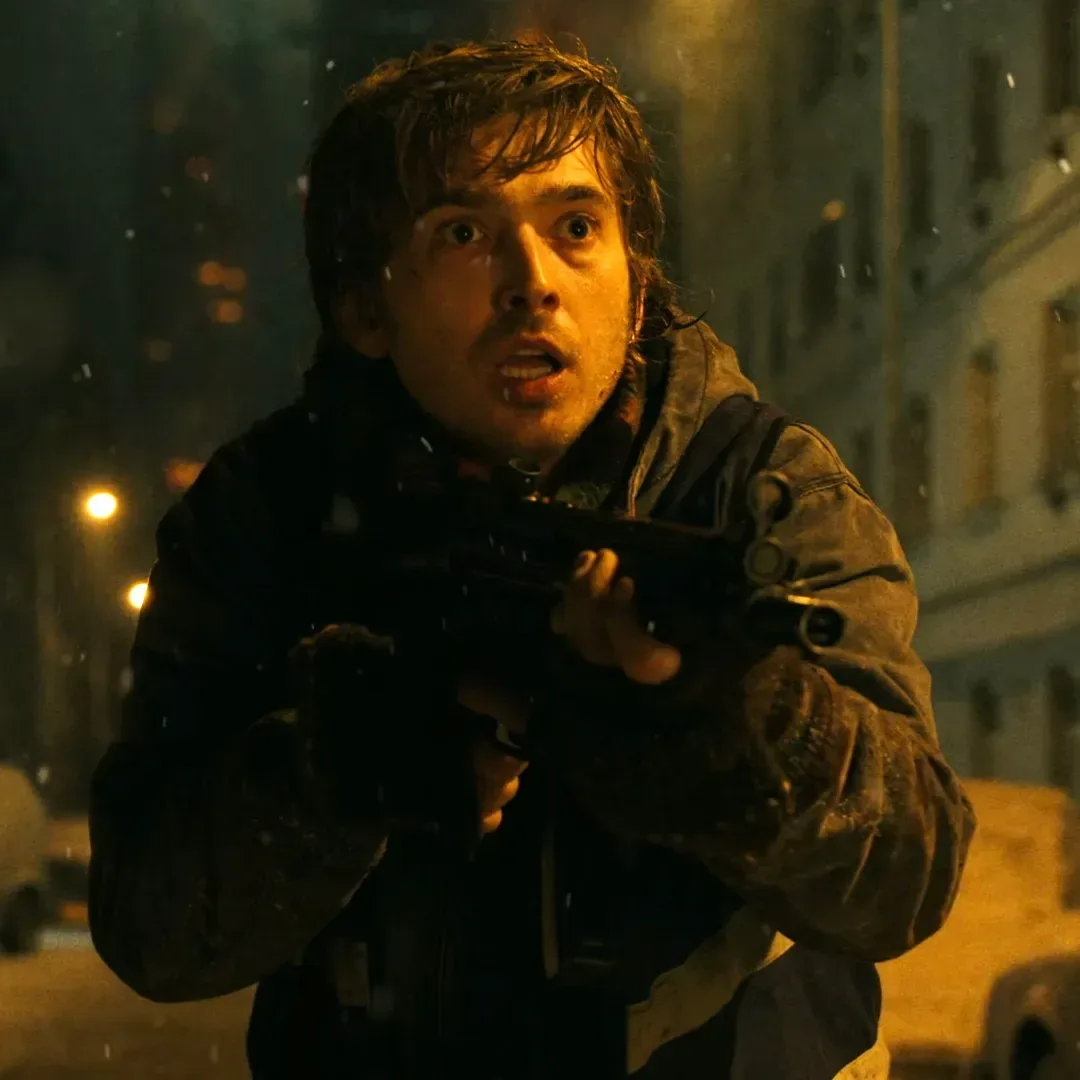
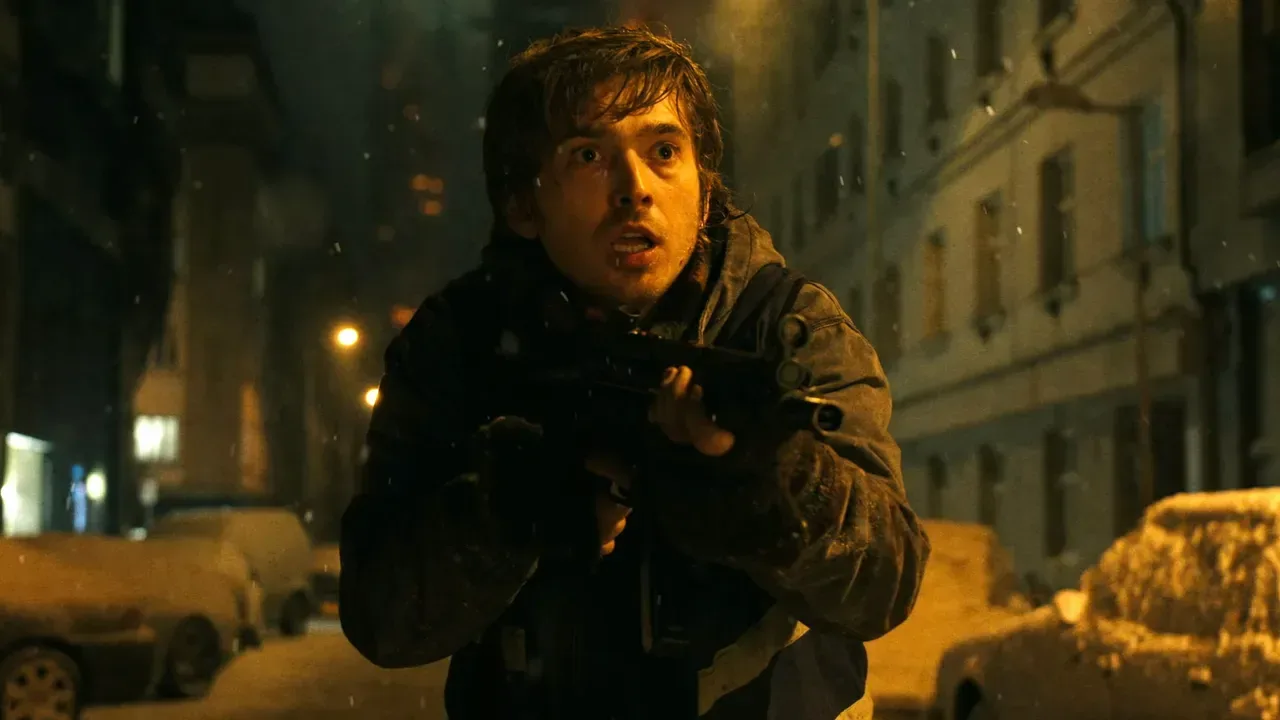
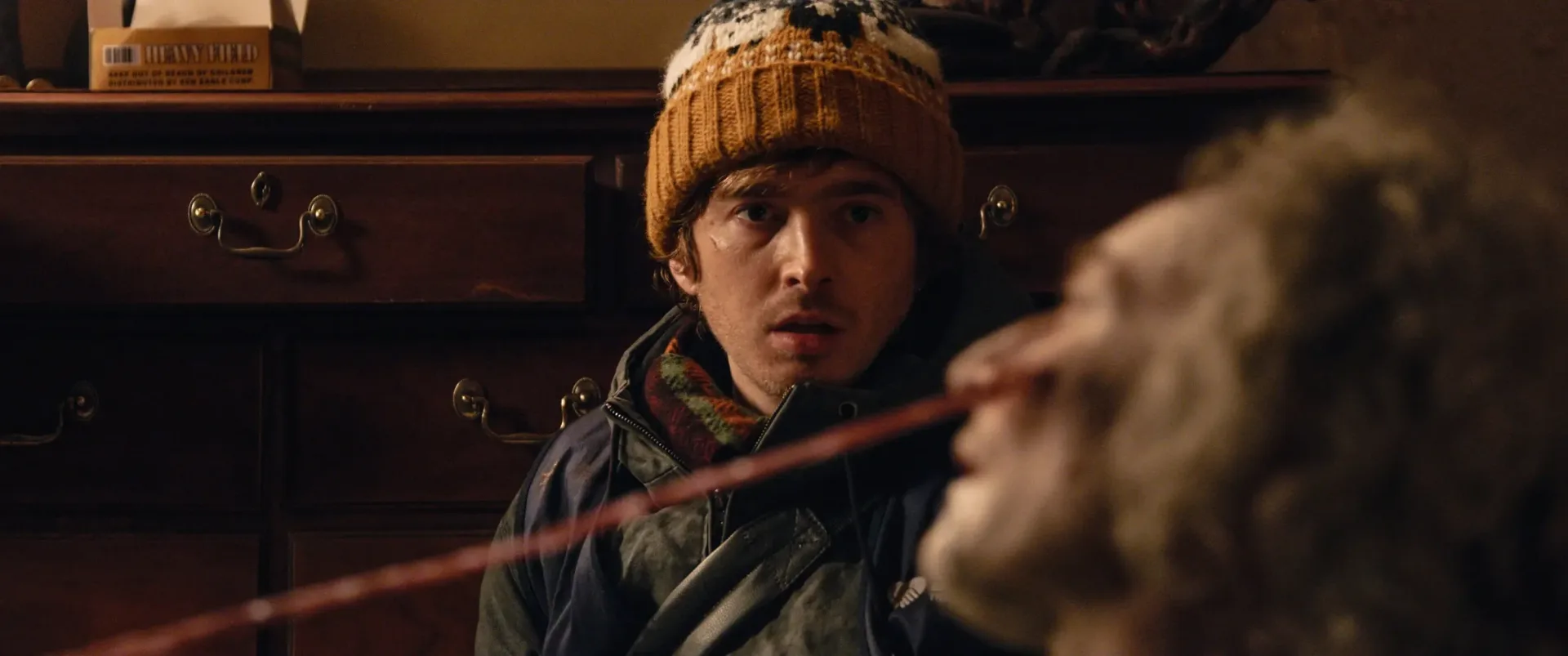
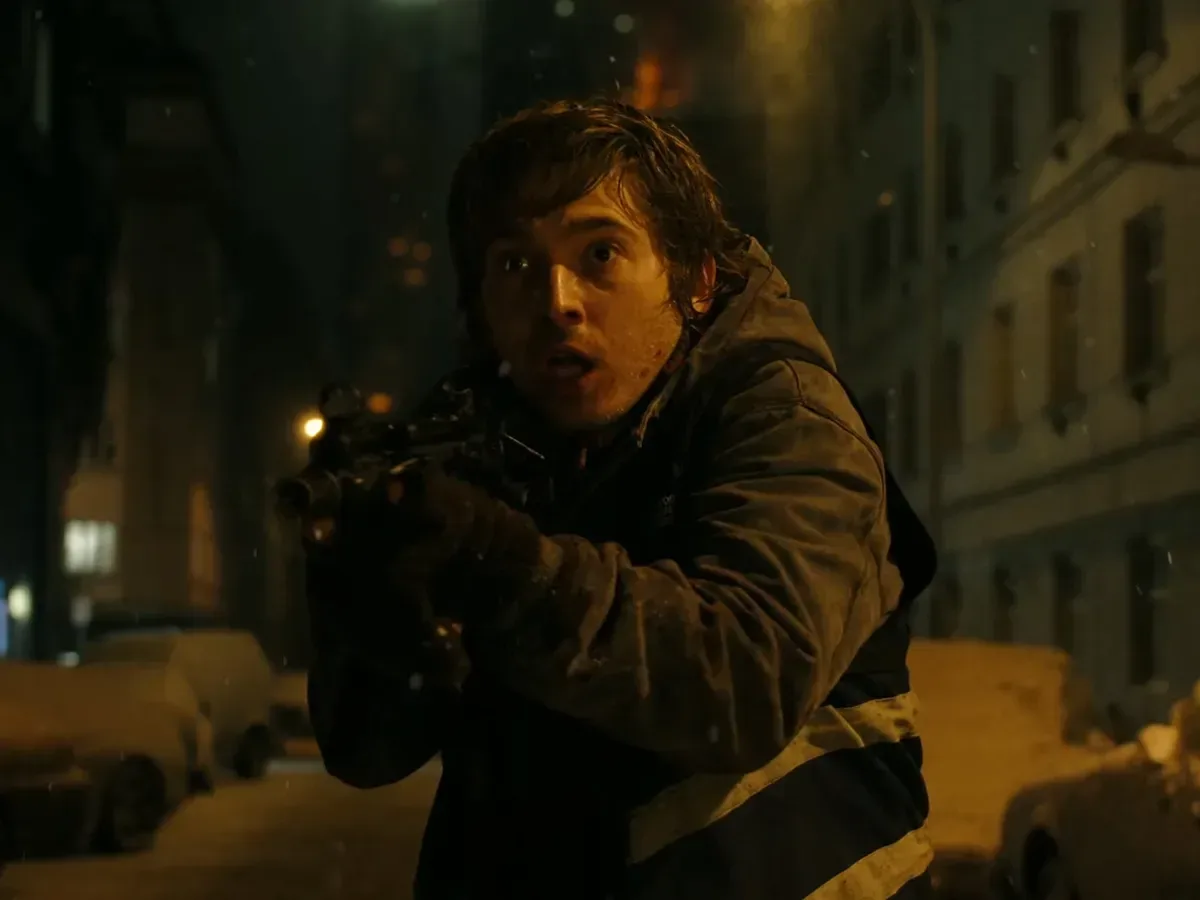
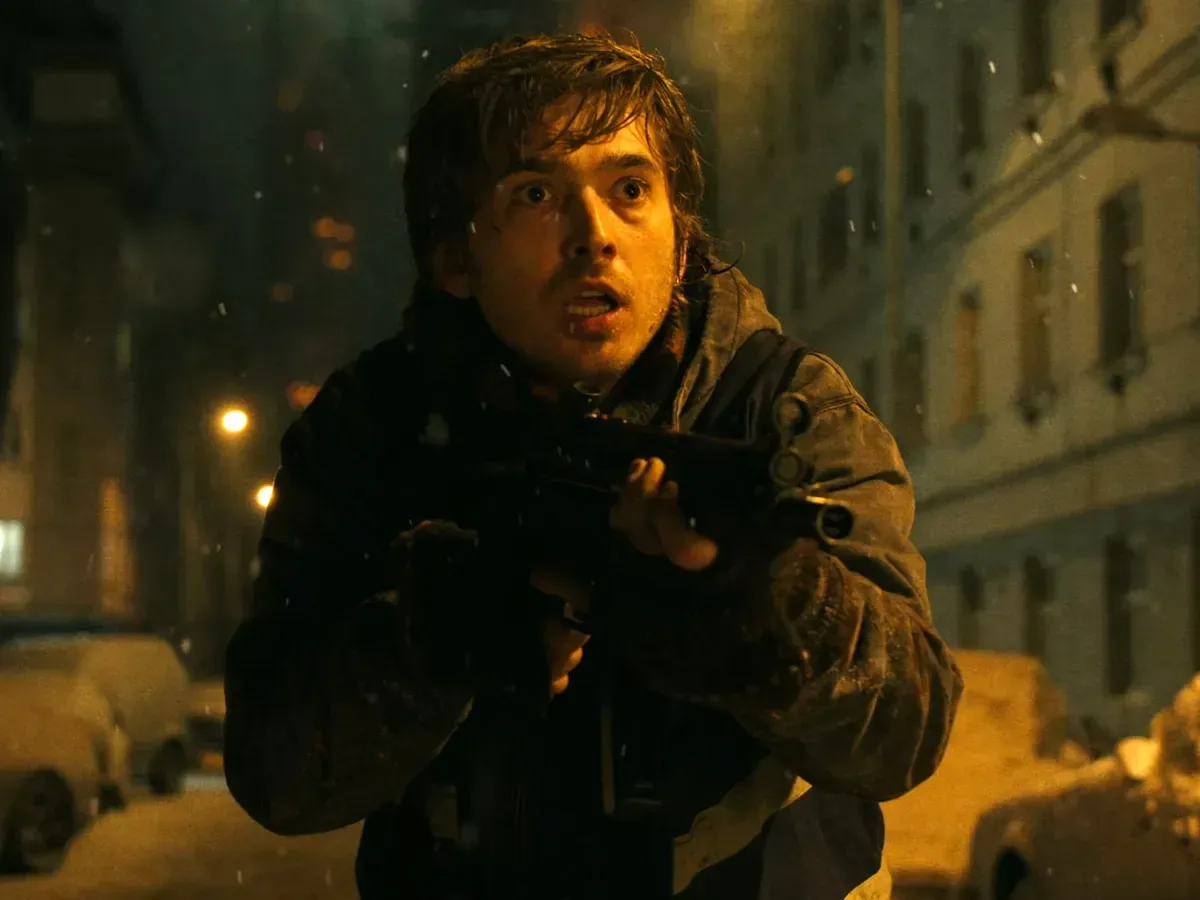
Cregger’s film stars Austin Abrams as Bryan, an original character drawn into the bleakest corners of Raccoon City. Zach Cherry, Kali Reis and Paul Walter Hauser also appear.
That setup is important because the film did not arrive as a simple recreation of the game series’ most recognizable cast. Some longtime fans questioned the absence of figures such as Leon S. Kennedy and the T-Virus from its central identity. Others were wary of the more modern setting and a snowy version of Raccoon City. Early trailers also prompted concern from viewers who were unsure that Cregger could turn the material into another successful horror feature.
Related coverage includes Resident Evil Movie Opens to $108.3 Million Worldwide, Setting New Franchise Mark.
Yet the creative pitch had a clear purpose: to shape a story around the survival-horror feel associated with the games. Survival horror is a genre built around vulnerability, pressure and dread rather than uncomplicated power fantasy. In game form, that experience can come from limited resources, threatening environments and the need to navigate danger carefully. A film cannot reproduce player control, but it can try to translate the mood: isolation, escalating peril, constrained choices and a setting that feels hostile rather than merely decorative.
That distinction helps explain why the new movie’s premise may have resonated with viewers despite the changes. The earlier Milla Jovovich-led film cycle often moved away from the elements players most closely associate with the games. The 2021 film Welcome to Raccoon City, meanwhile, leaned more heavily into recognizable game references but still did not satisfy many fans as an adaptation.
The lesson is not that references are unimportant. Familiar places, monsters and names can be meaningful connective tissue in an adaptation. But recognition alone is not the same as recreating the experience that made a game memorable. In the case of Resident Evil, the apparent draw was a film that attempted to put atmosphere and survival-horror tension ahead of a checklist of callbacks.
Original characters are a calculated adaptation choice
Making Bryan an original lead is one of the film’s most consequential decisions. It risks alienating fans who want a screen version of established heroes, but it can also give an adaptation more room to create suspense. A character without a familiar game storyline carries less built-in certainty about where the plot must go.
That can be useful in horror. When audiences know a beloved character’s history, relationships and expected role, the adaptation may have less flexibility in how it structures danger. An original protagonist can encounter Raccoon City without requiring the story to duplicate a particular campaign or chronology from the games.
There is a trade-off. Established characters bring immediate emotional recognition and can act as a shorthand for the identity of the property. Replacing them—or simply moving them out of focus—requires the film to earn audience investment in new people. The box-office opening suggests that this approach did not prevent a large turnout. It does not prove every fan agreed with the creative decision, but it does show that resistance to it was not enough to suppress the debut.
Critical reception adds another milestone
Alongside its commercial start, Resident Evil has moved past Sonic the Hedgehog 3 as the highest-rated video game movie on Rotten Tomatoes. That ranking is specific to that review-aggregation measure, rather than a universal declaration that one adaptation is definitively better than every other. Still, it is a meaningful promotional and cultural marker for a franchise that has repeatedly faced questions over how closely its films should follow the games.
The strong reception and the large opening also reinforce a broader practical point for game adaptations: fidelity is more complicated than preserving every plot element. For some audiences, fidelity means the inclusion of canonical characters and lore. For others, it means preserving a game’s tone, pacing and relationship to fear. Those standards can conflict, particularly when a long-running series has multiple eras, protagonists and interpretations.
Here, the early response indicates that Cregger’s interpretation found an audience by emphasizing the latter. That does not eliminate the debate around the changes, but it shows the commercial value of a recognizable property being treated as a genre film in its own right rather than only as a delivery system for references.
What the weekend says about the franchise
Resident Evil took the top domestic spot ahead of Practical Magic, Spider-Man: Brand New Day, The Odyssey and Coyote vs. Acme. In an active marketplace, reaching number one gives the film added visibility and gives the franchise a fresh theatrical benchmark.
For the games business, the result is another reminder that an adaptation’s success does not necessarily depend on copying a game beat for beat. The more demanding task is identifying which ingredients are essential when moving between media. In this case, the reported emphasis was on the sensation of surviving a nightmare in Raccoon City, even as the story introduced Bryan and departed from some familiar iconography.
It is too early to treat one weekend as a template every future adaptation should follow. Different game series have different strengths: some are driven by character relationships, others by worlds, mechanics, spectacle or mystery. But this opening does make one conclusion difficult to ignore. A video game film can withstand loud pre-release disagreement when its audience believes the adaptation understands the kind of experience the original property is meant to create.
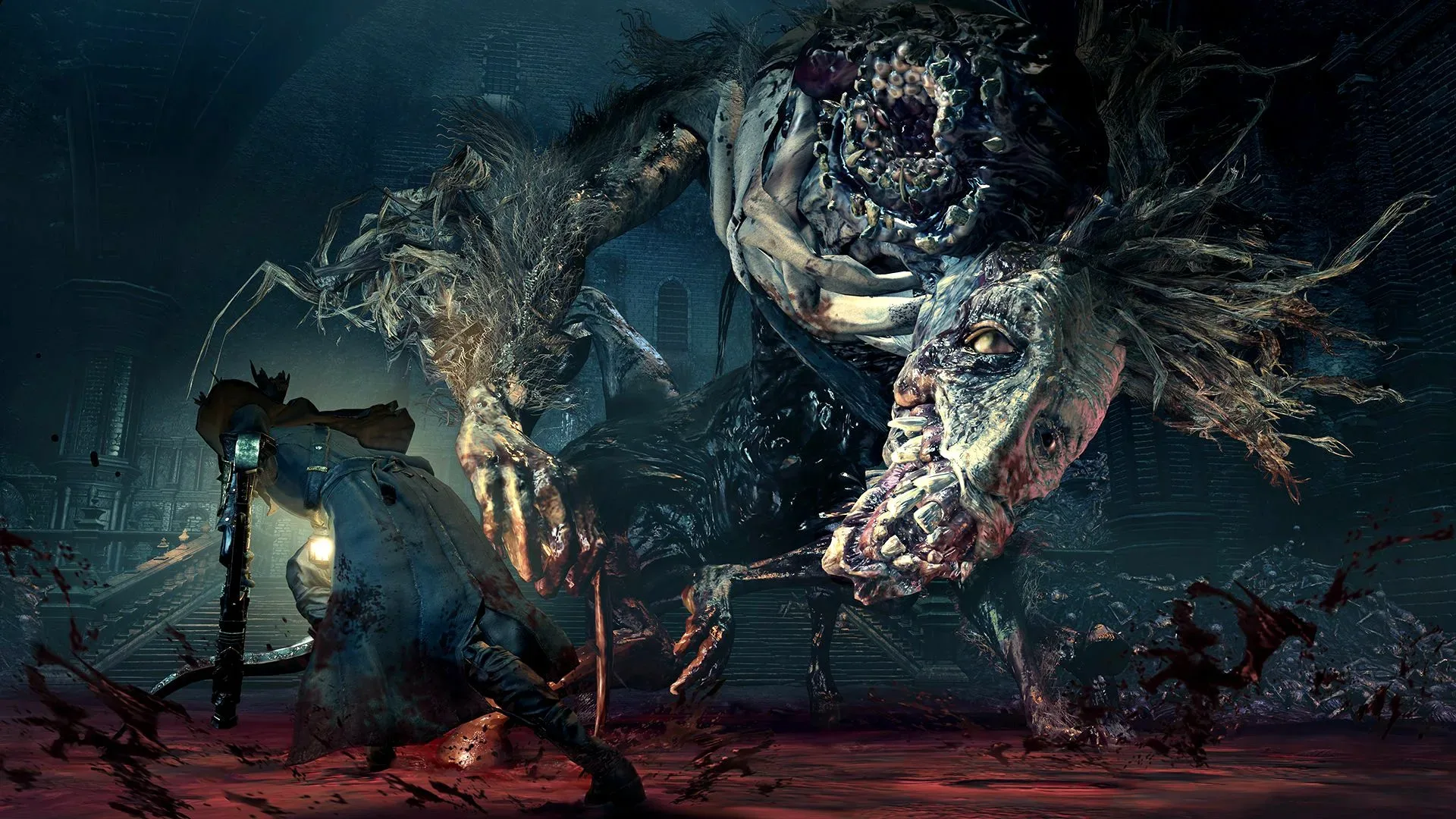
That is a valuable result for a series whose screen history has long been debated by fans. It also arrives at a moment when creators across games are thinking hard about how their work is interpreted beyond the controller; Hidetaka Miyazaki’s comments on real-world inspiration behind FromSoftware enemies are a separate example of how authorial choices can shape the identities audiences attach to game worlds.
For now, the headline is straightforward: Resident Evil began its theatrical life above expectations, with $108.3 million globally, $60 million domestically and a new franchise-best opening weekend. Whether it sustains that pace remains to be seen, but its opening has already made the case that audiences were ready to give this darker, gameplay-inspired take on Raccoon City a chance.