Hidetaka Miyazaki has spent years putting players face-to-face with creatures that are frightening, sorrowful, majestic, inexplicable, and occasionally all four before the health bar has finished animating onto the screen. Now there is one more possible ingredient in that unmistakable FromSoftware recipe: the executives’ meeting.
Miyazaki, who became president of FromSoftware in 2014 shortly before Bloodborne launched, once reflected on how the job had taken him into unfamiliar rooms. The new role, he said, meant visiting places he otherwise would not have seen and encountering experiences he could draw from creatively. Among the most memorable encounters were other company presidents.
“Now I’m president, I get to meet a lot of other company presidents,” Miyazaki said. “They’re such weird people. I’m fascinated by them. I use some of them as enemy characters in our games.”
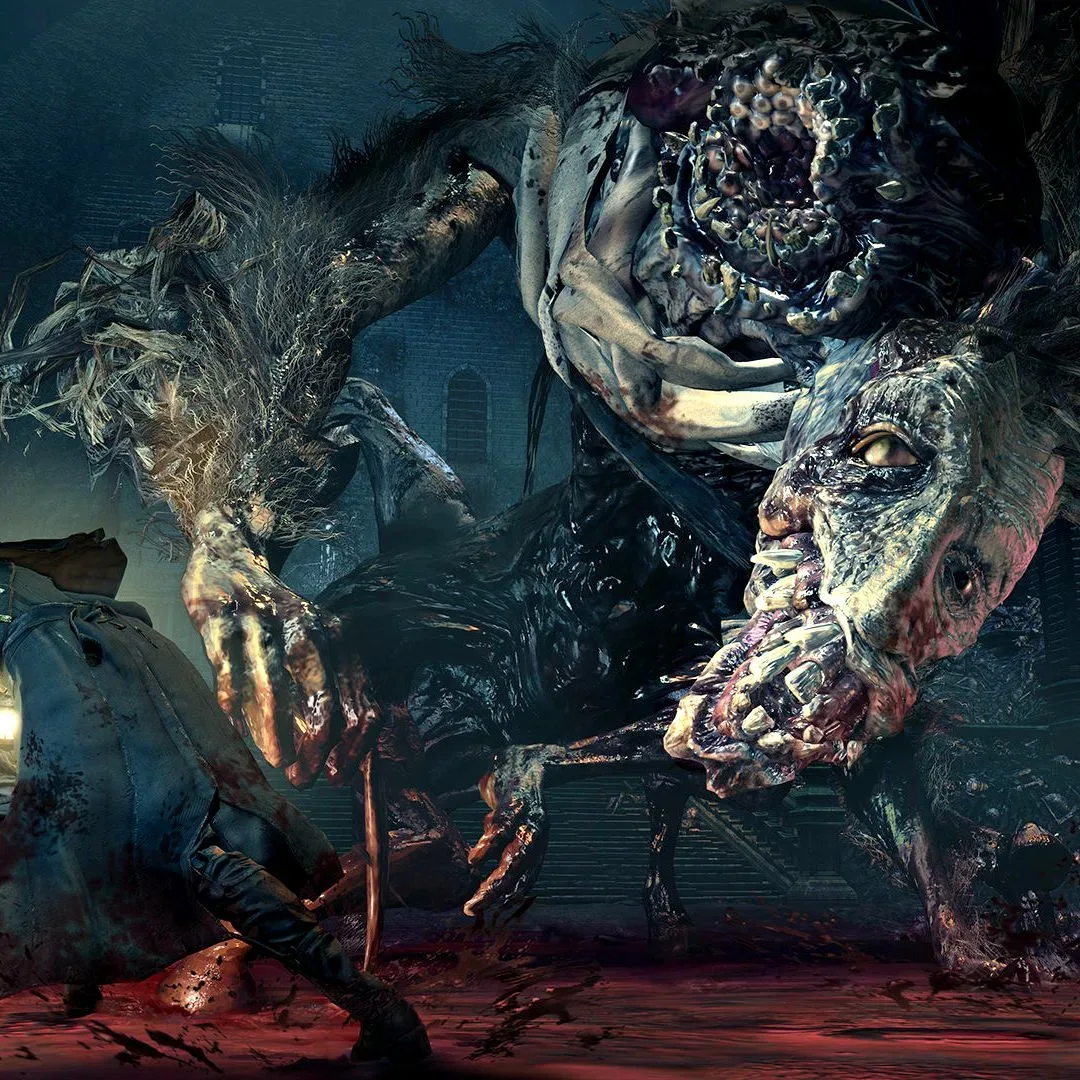
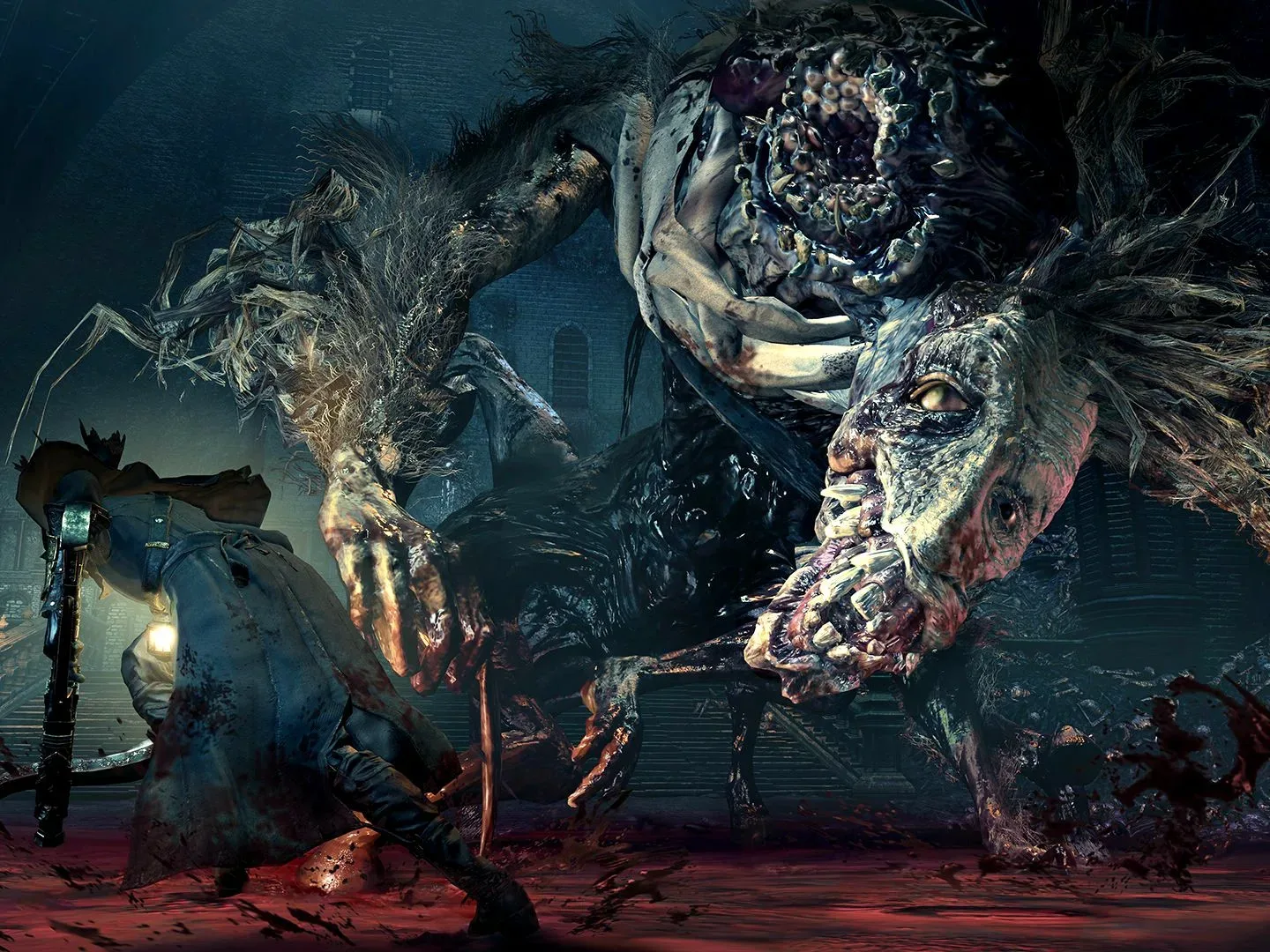
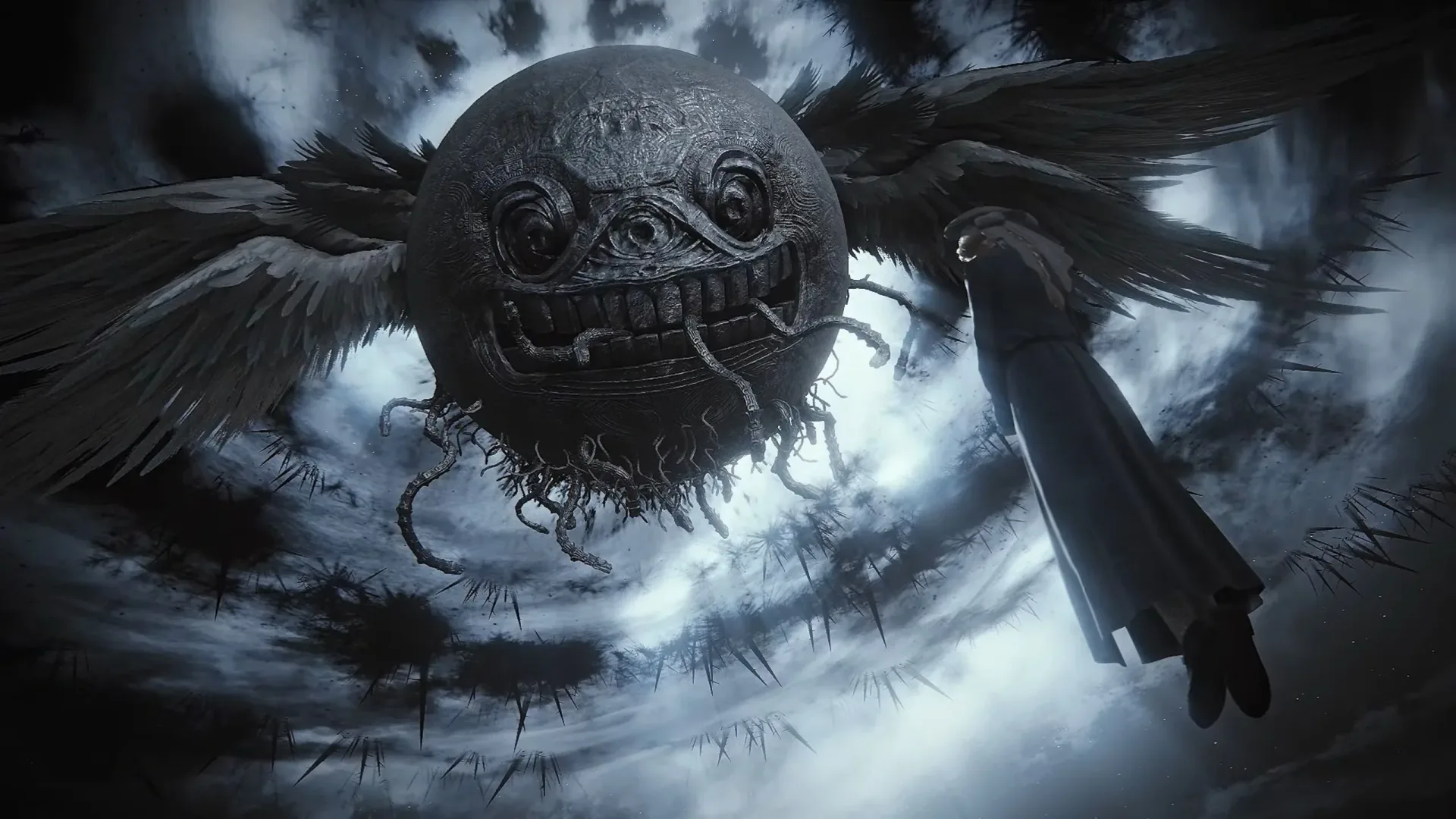
It is a wonderful line, and almost certainly one delivered with a healthy amount of mischief. It should not be treated as a field guide to identifying a real-world executive behind every towering knight, diseased cleric, or multi-limbed cosmic horror. Miyazaki did not name anyone, did not identify a particular enemy, and did not suggest that FromSoftware’s monsters are simple industry caricatures.
Still, the remark feels revealing in a more useful way. It points to an artistic habit: noticing people closely, finding strange textures in ordinary authority, and turning an impression into something imaginative rather than literal. In a studio famous for enemies that communicate through silhouette, movement, sound, arena design, and environmental context, “weird” can be creative fuel without becoming a one-to-one joke.
Not every strange creature is a secret executive portrait
There is an immediate temptation to play detective. Fans could spend an afternoon assigning business-world labels to every oversized boss in Demon’s Souls, Dark Souls, Sekiro, Bloodborne, and Elden Ring. That game is fun precisely because it is unverifiable—and because it is not necessary for understanding what these enemies do.
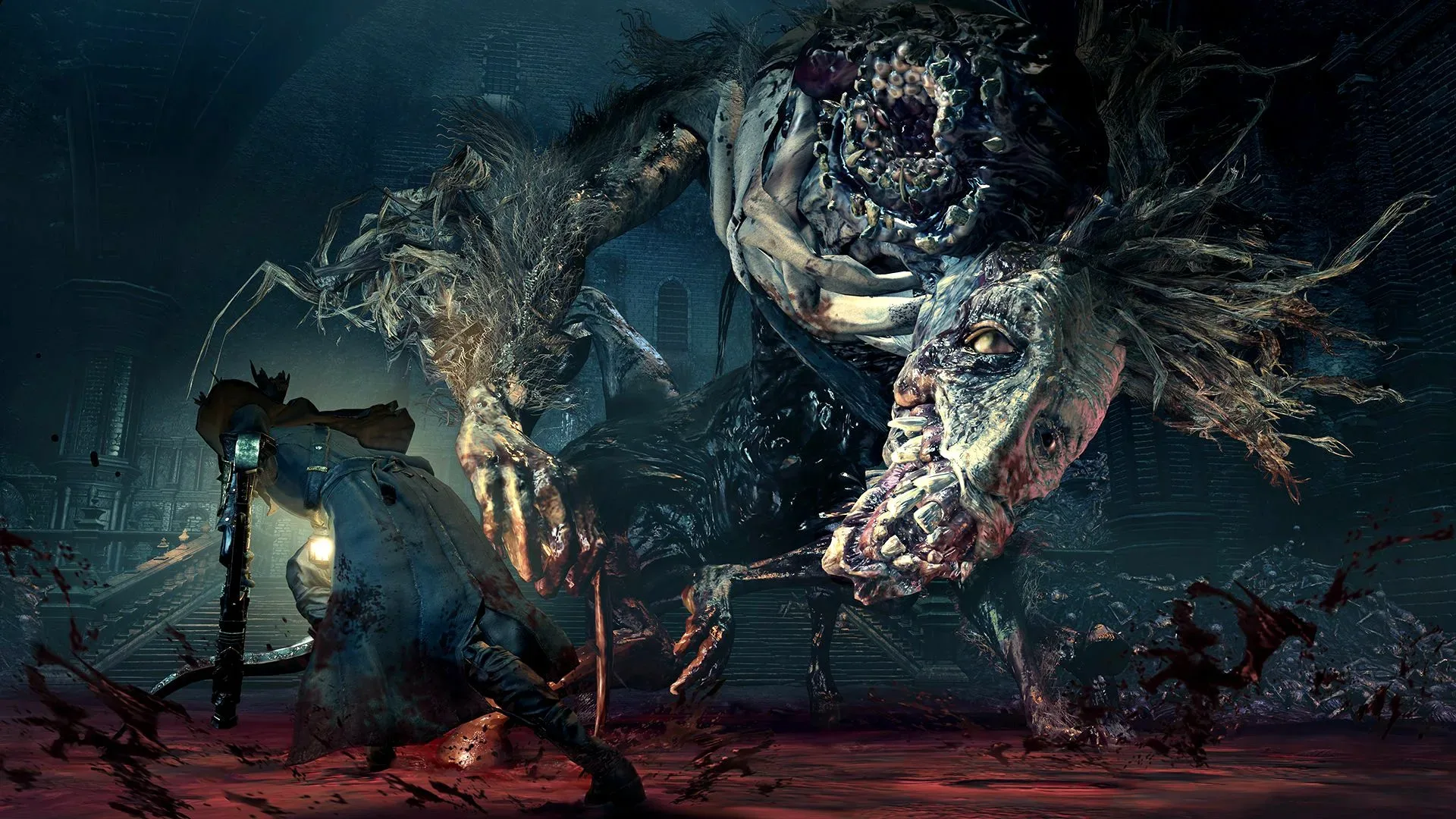
FromSoftware’s major foes are usually built to serve several jobs at once. They must pose a mechanical problem for the player, establish a mood, fit an area’s visual language, and often carry emotional or thematic weight. A boss can be terrifying because its attacks are difficult to read, but also tragic because its design suggests a history of decay, duty, grief, obsession, or transformation.
That layered function is important. A caricature is generally designed to be recognized quickly: exaggerate one trait, make the target obvious, and let the audience laugh or recoil. A FromSoftware enemy can certainly have exaggerated traits, but the games’ most memorable designs tend to resist a single clean explanation. Their visual excess is often paired with ambiguity.
Related coverage includes Miyazaki Says Fellow Company Presidents Have Helped Inspire FromSoftware Enemies.
So the entertaining takeaway is not that players have unknowingly been dueling specific executives for years. It is that Miyazaki may see the oddities of professional power—the gestures, mannerisms, intensity, or peculiar social atmosphere around leadership—as material worth transforming. The result can retain the sensation of a real observation while leaving behind the literal person who sparked it.
What Miyazaki has said about beauty in the grotesque
Miyazaki’s other comments on enemy design give the “company presidents” line a much larger context. When discussing the Undead Dragon in Dark Souls, he urged the team to convey “the deep sorrow of a magnificent beast doomed to a slow and possibly endless descent into ruin.” That is not the language of a designer interested only in a punchline.
The phrase matters because it describes a central tension in these games. A creature can be ruined and still magnificent. It can be repellent in form while evoking empathy. It can exist as an obstacle in a combat system and still invite the player to wonder what happened to it.
Miyazaki later framed his goal even more directly: “I think what I’m trying to do is depict something beautiful, at the end of the day.” He added that beauty does not have to mean physical charm or outward prettiness; it can be something internal that lets a person empathize more deeply.
That is a useful definition for anyone trying to understand why a ruined monster, cursed knight, or devastated beast can stay in the mind longer than a conventionally attractive hero. In this context, empathy does not mean a player must approve of an enemy or excuse what it does. It means the design allows room to sense a life, loss, purpose, or suffering behind the threat.
Environmental storytelling is another term often relevant to this kind of design. It means a game conveys narrative through spaces, visual details, objects, character placement, and the state of the world rather than explaining every element in direct dialogue. An enemy’s body, location, behavior, and connection to a ruined setting can all help communicate its story. The Undead Dragon example shows why creature design is not separate from narrative in Miyazaki’s work; it can be one of narrative’s most potent forms.
The executive joke works because power is already visually strange
Presidents, directors, and other leaders are ordinary people, but their positions come with rituals that can appear highly theatrical from the outside. Meetings, titles, formal presentation, negotiation, and the pressure to project certainty all create distinctive social behavior. It is easy to see how an artist attuned to character could find that environment interesting, even before making any supernatural leap from boardroom to boss arena.
There is also a particularly sharp contrast in Miyazaki’s situation. He is both a leading creative figure behind games including Demon’s Souls, Dark Souls, Sekiro, and Elden Ring, and the president of the company making them. Moving into that executive role broadened the range of people he met. His comments suggest he did not compartmentalize those experiences away from his creative work.
That does not mean executive observation dictates a design brief. Inspiration is not authorship, and an initial spark is not the same thing as a finished character. A single impression may join many other considerations: gameplay readability, animation, combat pacing, tone, a location’s history, and the team’s own ideas. But the anecdote is a reminder that inspiration often begins with something small and slightly absurd.
For players, that may be more satisfying than an answer key. The mystery surrounding FromSoftware’s creatures is part of their appeal. A fully confirmed list of real-life counterparts would narrow them down. Leaving the remark as a mischievous clue preserves the larger imaginative space: maybe a posture, a voice, a habit of speaking, or simply the uncanny sensation of encountering authority did make its way into an enemy somewhere.
Why the distinction matters for fans
Speculation is a normal part of following games with deliberately ambiguous lore, but it is worth separating confirmed information from fan invention. The confirmed portion here is straightforward: Miyazaki said interactions with fellow company presidents fascinated him and that he used some of them as enemy characters. The rest—the identity of any supposed inspiration, the degree of resemblance, and whether a particular boss reflects a particular person—is unknown.
That distinction does not make the anecdote less funny. It makes it better. The joke lands because it is broad enough to invite imagination while specific enough to sound like it might contain a sliver of truth. It also sits comfortably beside the more serious design philosophy Miyazaki has expressed: find beauty beyond surface attractiveness, and build creatures capable of provoking a deeper response.
There is a practical creative lesson here, too. Good inspiration does not require treating real people as raw material to be copied exactly. It can come from observing a feeling: intimidation, awkwardness, grandeur, sadness, vanity, or the strange pressure of being around someone with institutional power. Fiction becomes stronger when that feeling is transformed, combined with other ideas, and given a purpose within the work.
That broader industry lens remains relevant as games continue to mix ambitious creative direction with the realities of development and publishing. Even projects such as the newly dated dungeon-management game heading to Steam Early Access and Xbox Game Preview underline how closely creative concepts and business structures can sit together. Miyazaki’s anecdote gives that overlap a wonderfully monstrous image.
Ultimately, the lasting point is not that some nameless president might secretly be lurking under a helmet, behind a grotesque mask, or at the far end of a fog gate. It is that FromSoftware’s enemy design can start from observation and arrive somewhere far more emotionally complex. The weirdness of power may provide a spark. The finished creature, ideally, becomes something stranger, sadder, and perhaps even beautiful.