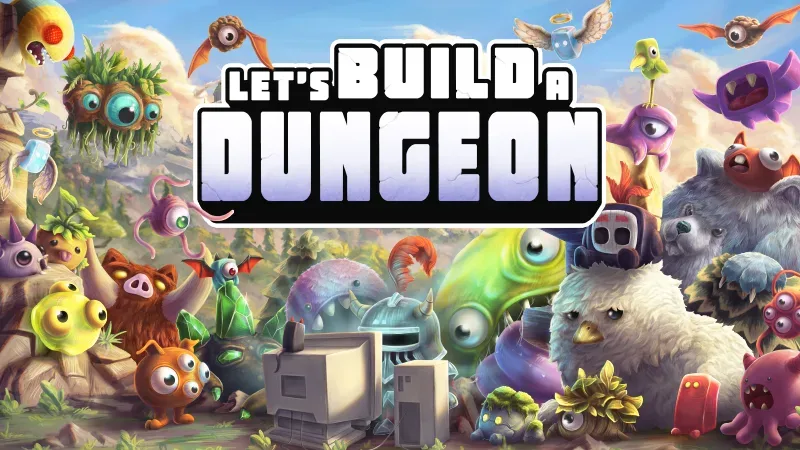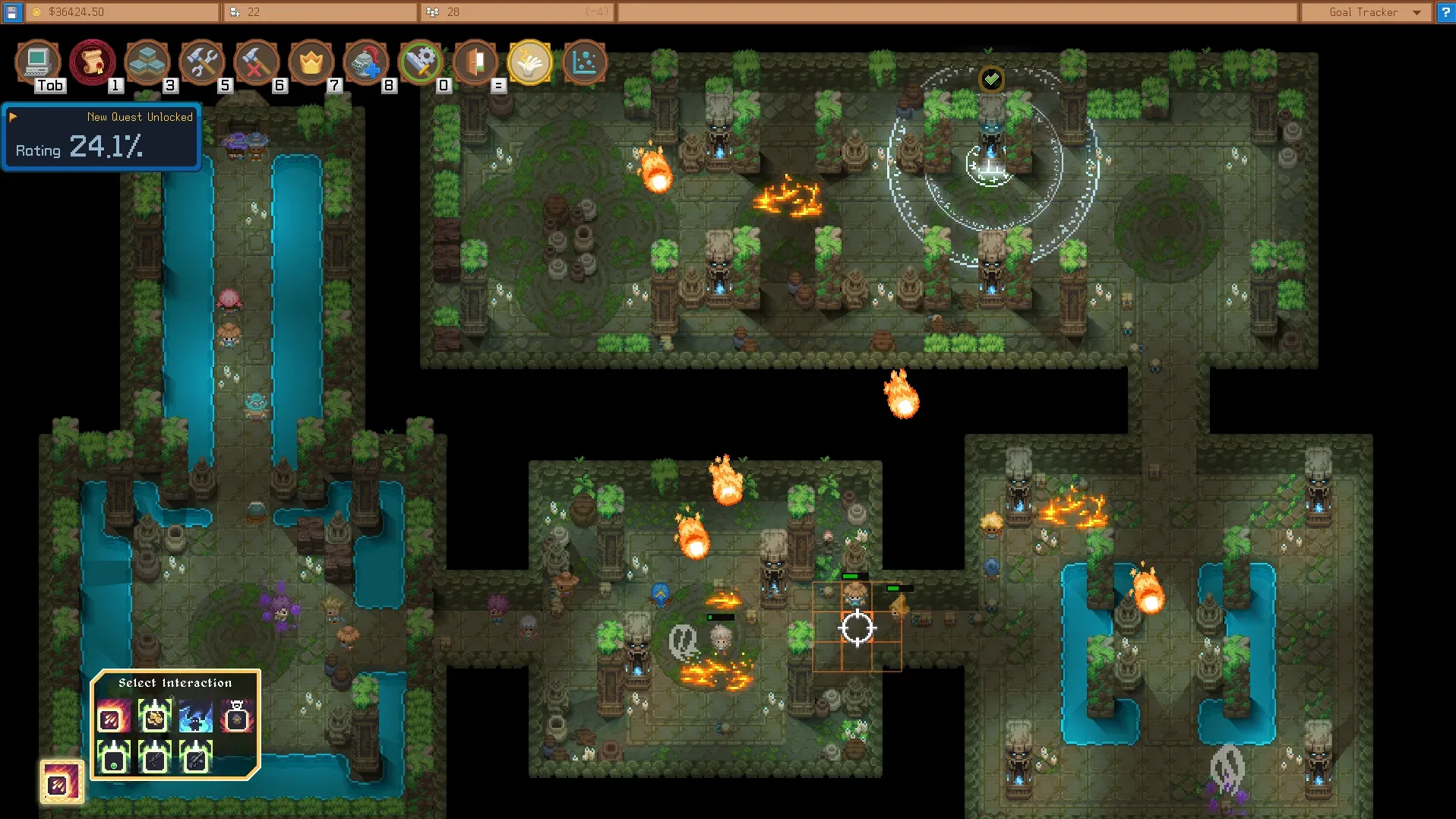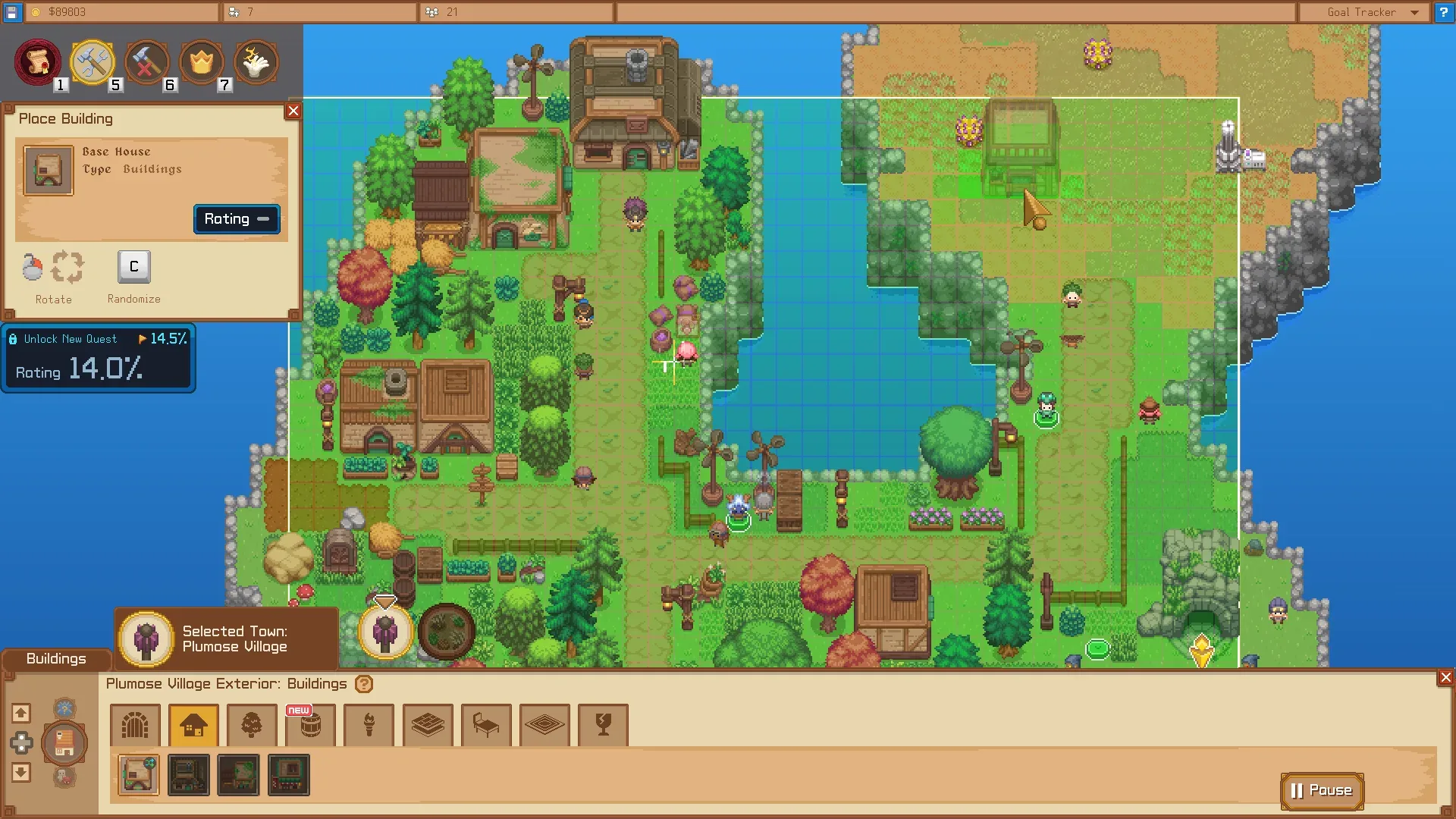
Let’s Build a Dungeon will enter Steam Early Access and Xbox Game Preview for PC on February 11, 2027. The release gives players a game-development simulation built around creating, managing and ultimately releasing an MMORPG of their own—while dealing with the kind of audience response and iteration that accompanies an in-development game.
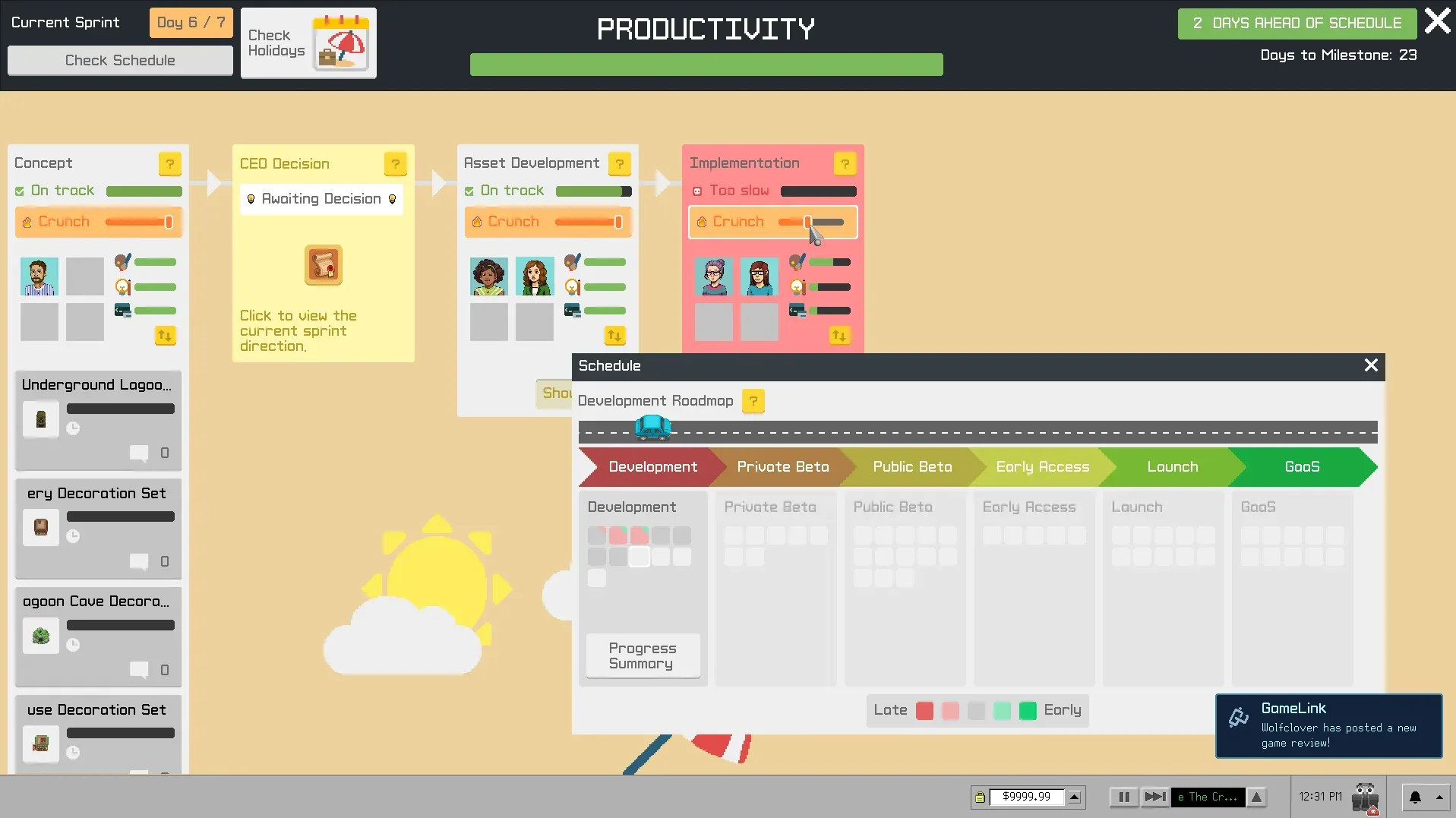
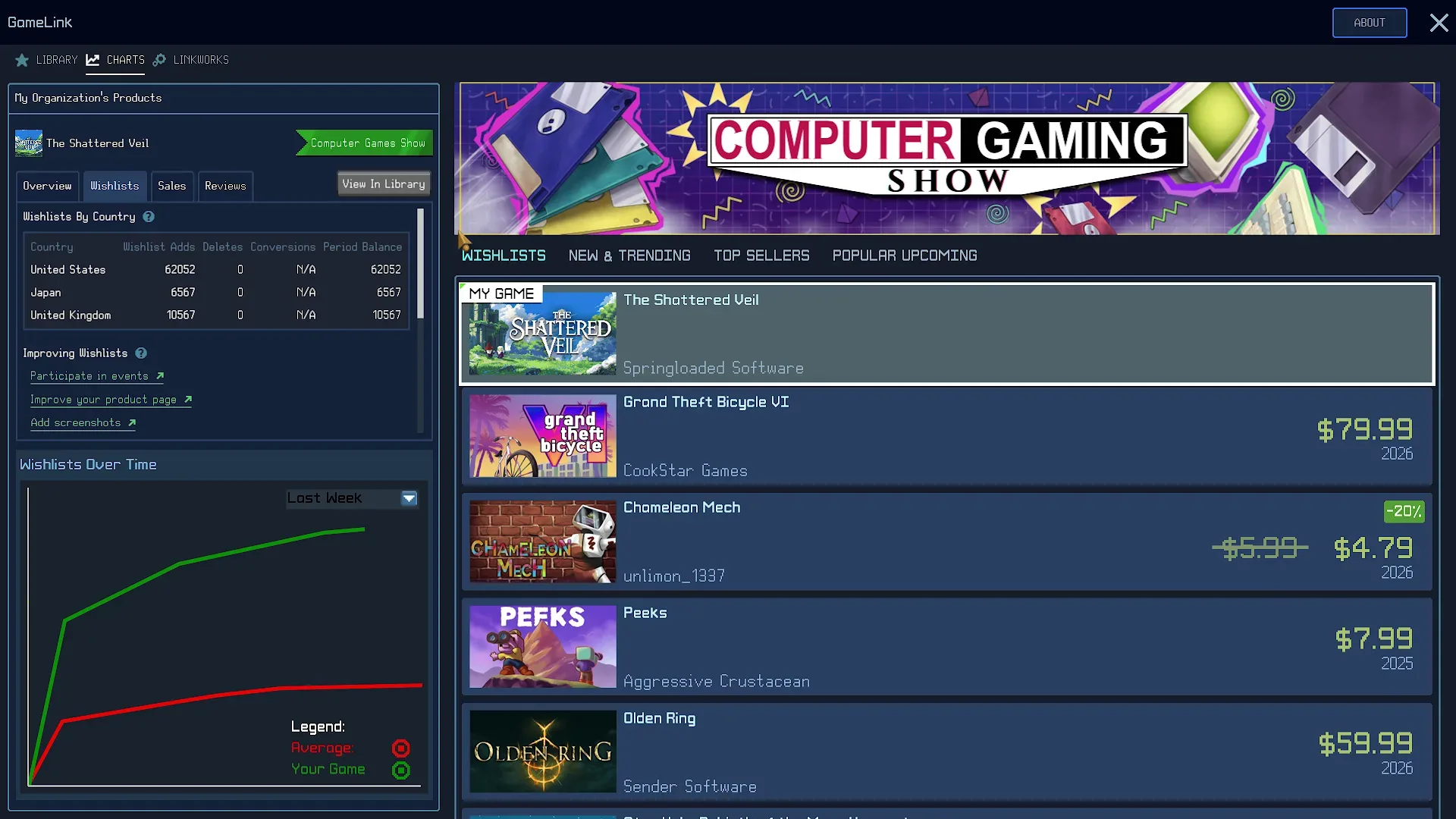
Springloaded has positioned the project as both a studio-management game and a game-making toolkit. Its central premise is deliberately recursive: players are constructing a virtual online role-playing game, then responding to virtual players as their creation develops. The campaign’s stated milestone is releasing that game into a parody service called GameLink Early Access.
A demo is currently available through Steam and the Windows Store. The game has also passed 195,000 wishlists ahead of its February 2027 Early Access debut. Springloaded says the Early Access period will bring substantial updates on the route to version 1.0, including further opportunities to develop player-made creations and advance in Campaign Mode.
Four routes into building a dungeon—and a game studio
The launch version is set to contain four distinct modes. That matters because “game creation” can mean very different things depending on the player: some may want a structured management challenge, others may prefer building without pressure, and some may chiefly want to play content made by other people.
- Campaign Mode: The main, multi-layered simulation combines studio management, RPG creation and hands-on playtesting. This is the mode most directly tied to the idea of taking an MMORPG from concept through to the in-game early-access release milestone.
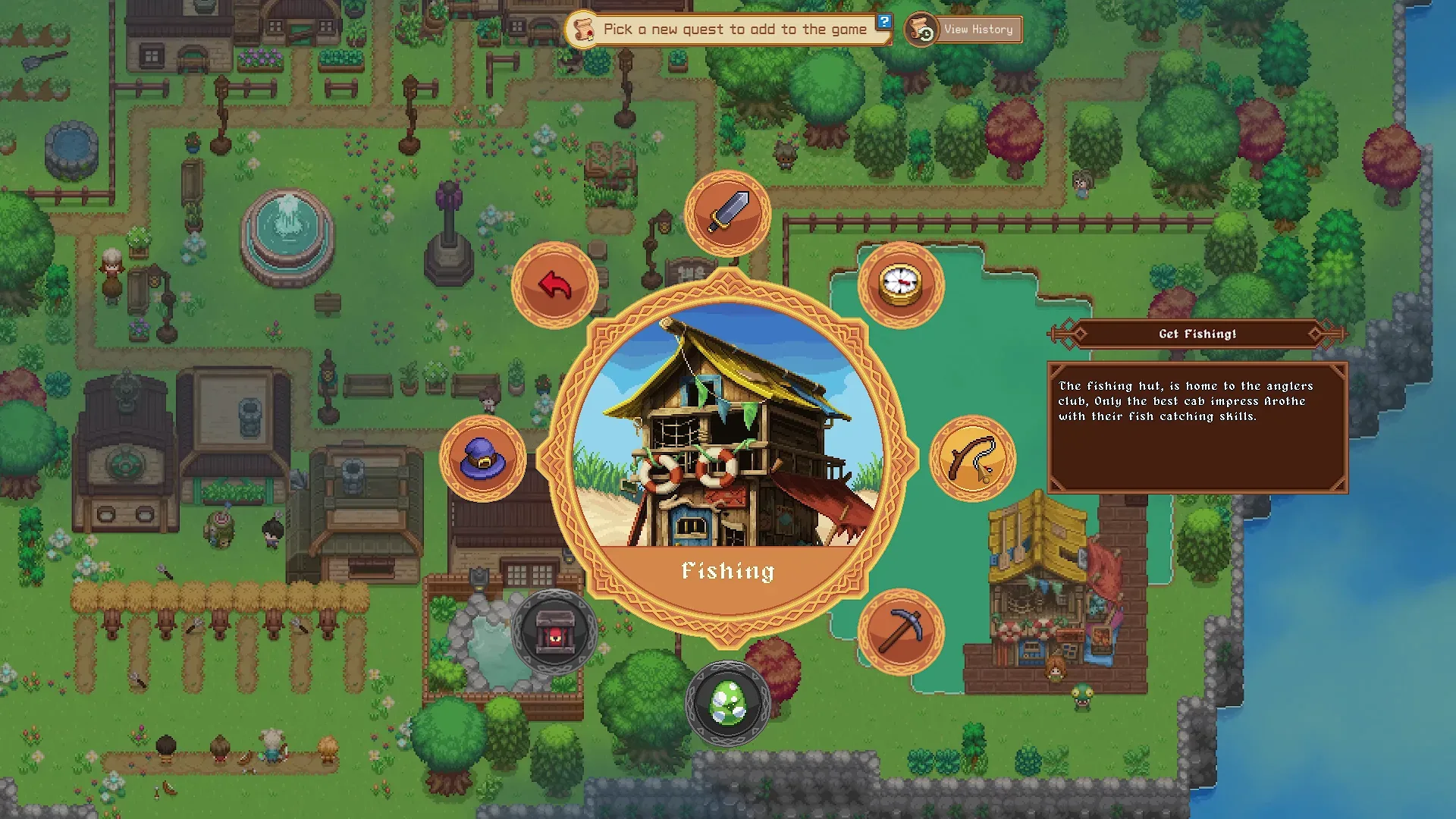
- Just Build Mode: A lower-pressure building option driven by a relaxing deck-building system. In this context, deck-building refers to gameplay shaped by cards and the combinations or choices they provide, rather than a conventional construction interface alone.
- Creative Mode: An open sandbox intended to offer full creative control alongside accessible game-making tools. A sandbox mode generally removes or reduces fixed objectives, allowing a player to set their own design goals.
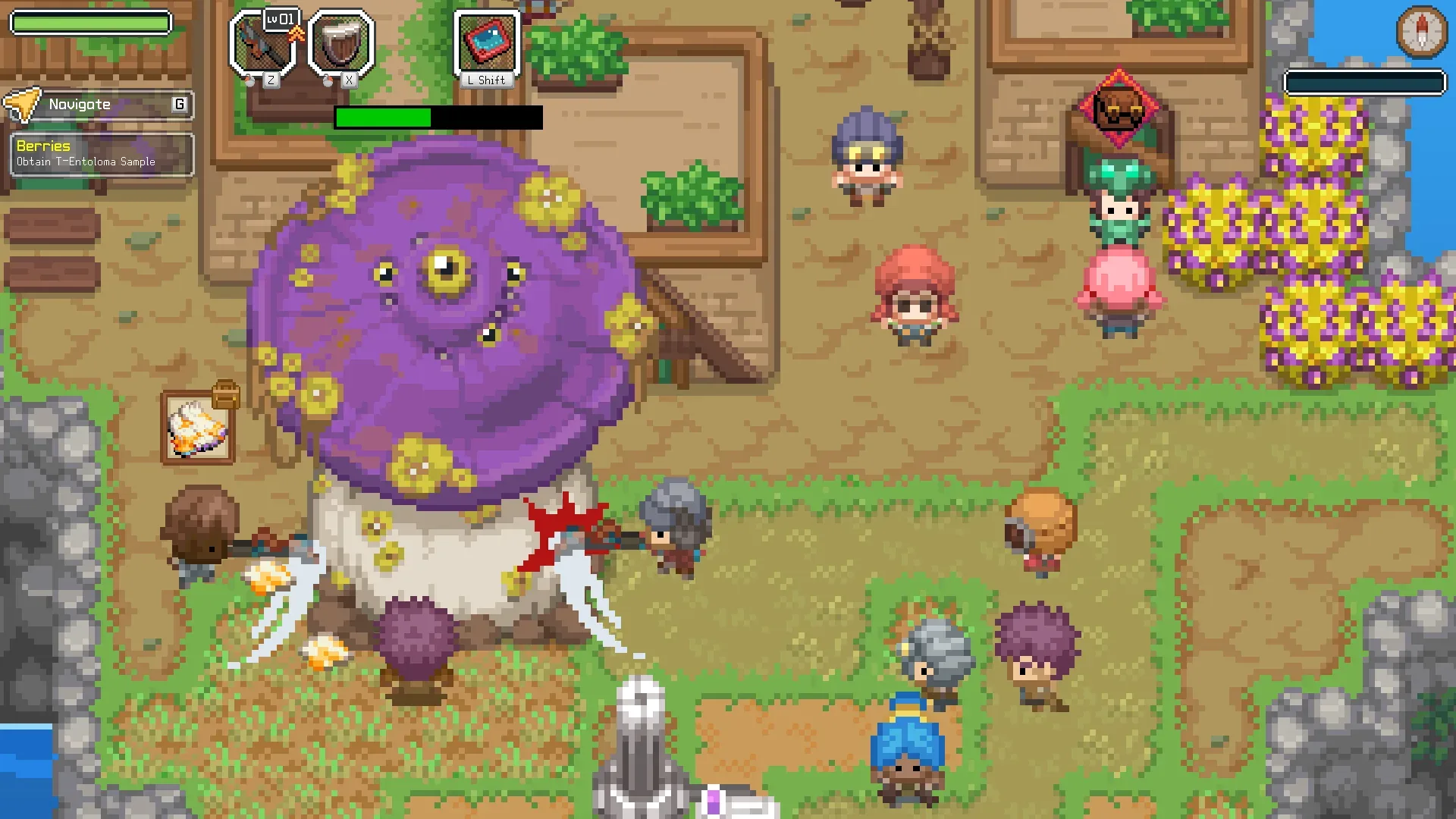
- Dungeoneering Mode: A place for curated experiences from Springloaded, other developers and the community. It is the mode that emphasizes exploring designed content rather than only managing the process of making it.
At launch, the game is also planned to include multiple quest pillars and a library of thousands of hand-drawn assets. “Assets” is a broad development term for reusable game components. Here, the stated library suggests creators will have a large pool of illustrated materials to use when shaping their own RPGs and dungeons, though the precise limits of those tools and the ways each asset can be used have not been detailed.
The campaign’s key idea is feedback, not just construction
Let’s Build a Dungeon’s Campaign Mode is not presented simply as a level editor wrapped in a business-management layer. Its defining loop is the relationship between a studio’s decisions, its MMORPG and the reactions of fictional players. That makes playtesting part of the core concept rather than a background checkbox before release.
Playtesting means testing a game by playing it in order to identify issues, evaluate whether its systems are working as intended and gather feedback on how it feels to use. In a game about developing an MMORPG, that can encompass more than whether a dungeon is functional. The studio-management premise implies players will be weighing development choices against the response of the audience they are trying to serve.
The use of a fictional early-access platform reinforces that theme. Early Access is a development and distribution model in which players can access a game before its full 1.0 release, while the creators continue to improve and expand it. Let’s Build a Dungeon uses a parody version of that system inside its own campaign, while also launching through real Steam Early Access and Xbox Game Preview on PC. The result is a meta setup: the player is managing a virtual development cycle while Springloaded is itself inviting feedback during a real one.
Related coverage includes Let’s Build a Dungeon Sets February 2027 Early Access Launch.
“By allowing players to mimic the real-life development cycle of Let’s Build a Dungeon within the game, we’re making good on our commitment to show players what game development is really like,” Game Director James Barnard said. “In the exact same way that our players need to adapt to the feedback of their virtual players to succeed in Campaign Mode, we know that we need to do the same and take as much valuable feedback as we can from our community during Early Access.”
That parallel is an important expectation-setter for anyone considering the 2027 launch. Springloaded has committed to substantial updates during Early Access, but has not supplied a detailed update schedule, a 1.0 date or a complete feature-by-feature roadmap in the information available so far. The confirmed foundation is the four-mode structure, the creation and management focus, Twitch options and the planned expansion of Campaign Mode as development continues.
Twitch integration could make studio decisions a shared activity
Let’s Build a Dungeon will include Twitch integration with chat collaboration and voting on studio decisions. The announced feature potentially turns a normally solitary management decision into something a streamer’s viewers can influence in real time.
For creators, that could fit the game’s premise unusually well. A development simulation already revolves around competing priorities and audience reactions; inviting chat to vote introduces a literal audience layer. Viewers may help shape choices rather than merely watching a finished dungeon run. For players who do not stream, the more immediate relevance may be Dungeoneering Mode, which is intended to include curated experiences from the community as well as from Springloaded and other developers.
There are still boundaries to what has been confirmed. Chat collaboration and voting are announced options, but specifics such as the full list of decisions eligible for votes, the moderation controls, or how collaboration works in practice have not been outlined. It is best understood as an intended social layer, not a guarantee that every studio system will be externally controllable.
What the Early Access release does—and does not—confirm
The February 11, 2027 date applies to Steam Early Access and Xbox Game Preview for PC. Steam Early Access is Valve’s PC program for games that continue development after becoming publicly playable. Xbox Game Preview is Microsoft’s equivalent label for in-progress games. The announcement identifies PC for both services; it does not establish a release for Xbox consoles.
Players interested in the project can use the existing demo to get an initial look at the game before deciding whether to wishlist it. A high wishlist count signals interest, but it is not the same as a sales figure or a promise of a particular launch audience. The useful practical takeaway is simply that Springloaded is entering its public-development phase with a sizeable group of people already tracking the project.
Early Access is especially relevant to a game with creation tools and a campaign about reacting to player feedback. Feedback can influence how features are prioritized, how approachable creation tools become and what campaign progression needs more work. It also means prospective players should evaluate the launch as an evolving version of the game rather than assume the eventual 1.0 feature set will already be complete.
That broader model is increasingly familiar to PC audiences, including players watching other projects make the same transition from demo or reveal to a public work-in-progress. For another recent example of a PC title planning that step, see Escape From Playtime’s Steam Early Access plans.
Why its mode split is significant
Much of Let’s Build a Dungeon’s potential rests on whether its different modes successfully accommodate different appetites for complexity. Campaign Mode sounds designed for players who want systems, progression and the pressure of responding to an audience. Just Build Mode offers an alternative for those more interested in an easygoing construction loop. Creative Mode shifts further toward open-ended authorship, while Dungeoneering Mode creates a route to engaging with the output of others.
In other words, the game’s announced design does not ask every player to become a meticulous studio manager. The four-mode setup could allow someone to move between creating, testing and playing curated material based on what they want from a session. That breadth is ambitious, and the Early Access period will be where Springloaded demonstrates how clearly those paths connect and how much depth each receives.
The project is being supported in partnership with Kowloon Nights. For now, the concrete next step is the demo on Steam and the Windows Store, followed by the February 11, 2027 launch into Steam Early Access and Xbox Game Preview for PC. From there, Springloaded’s stated aim is to evolve Let’s Build a Dungeon with community input on the way to 1.0.