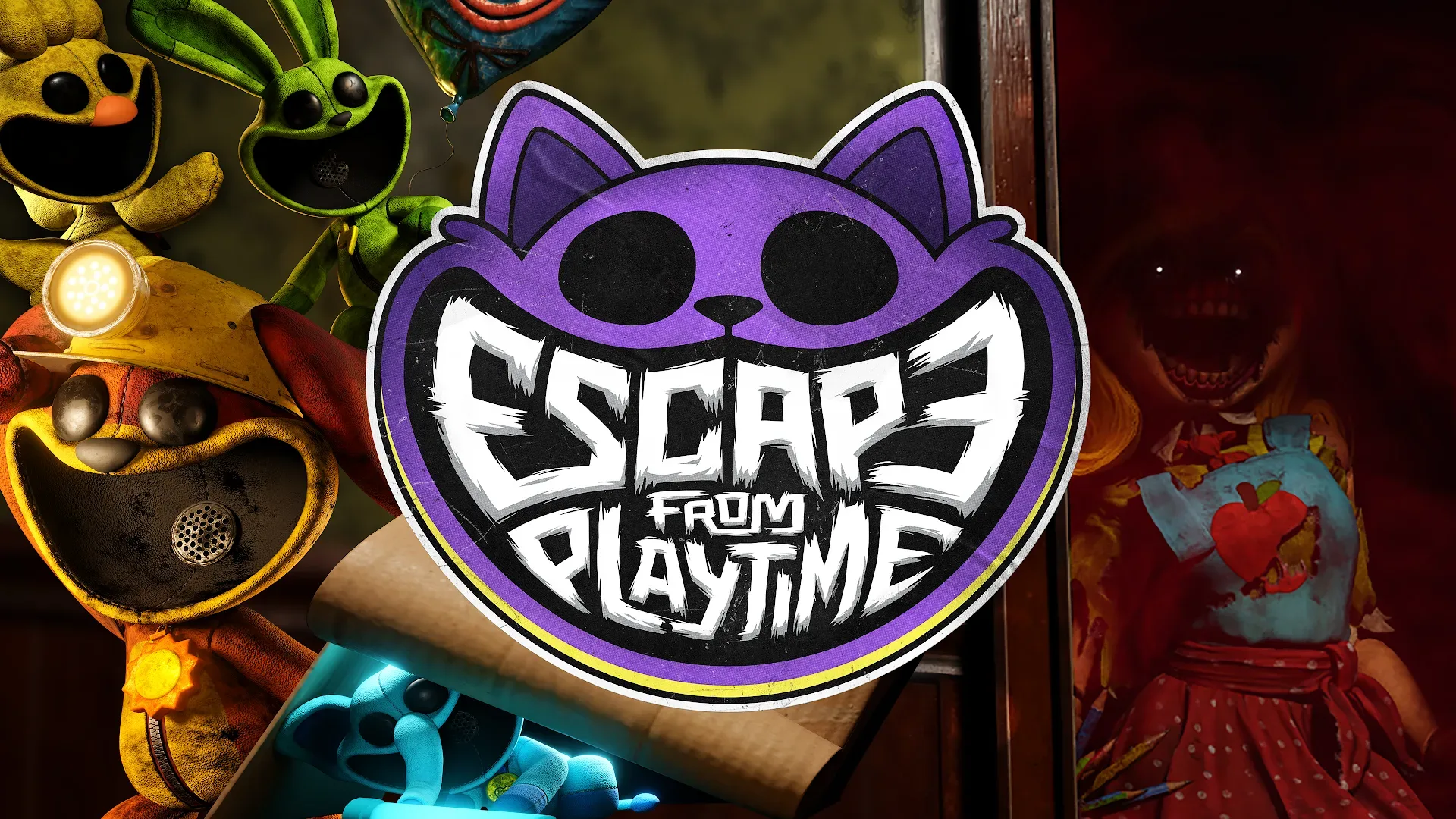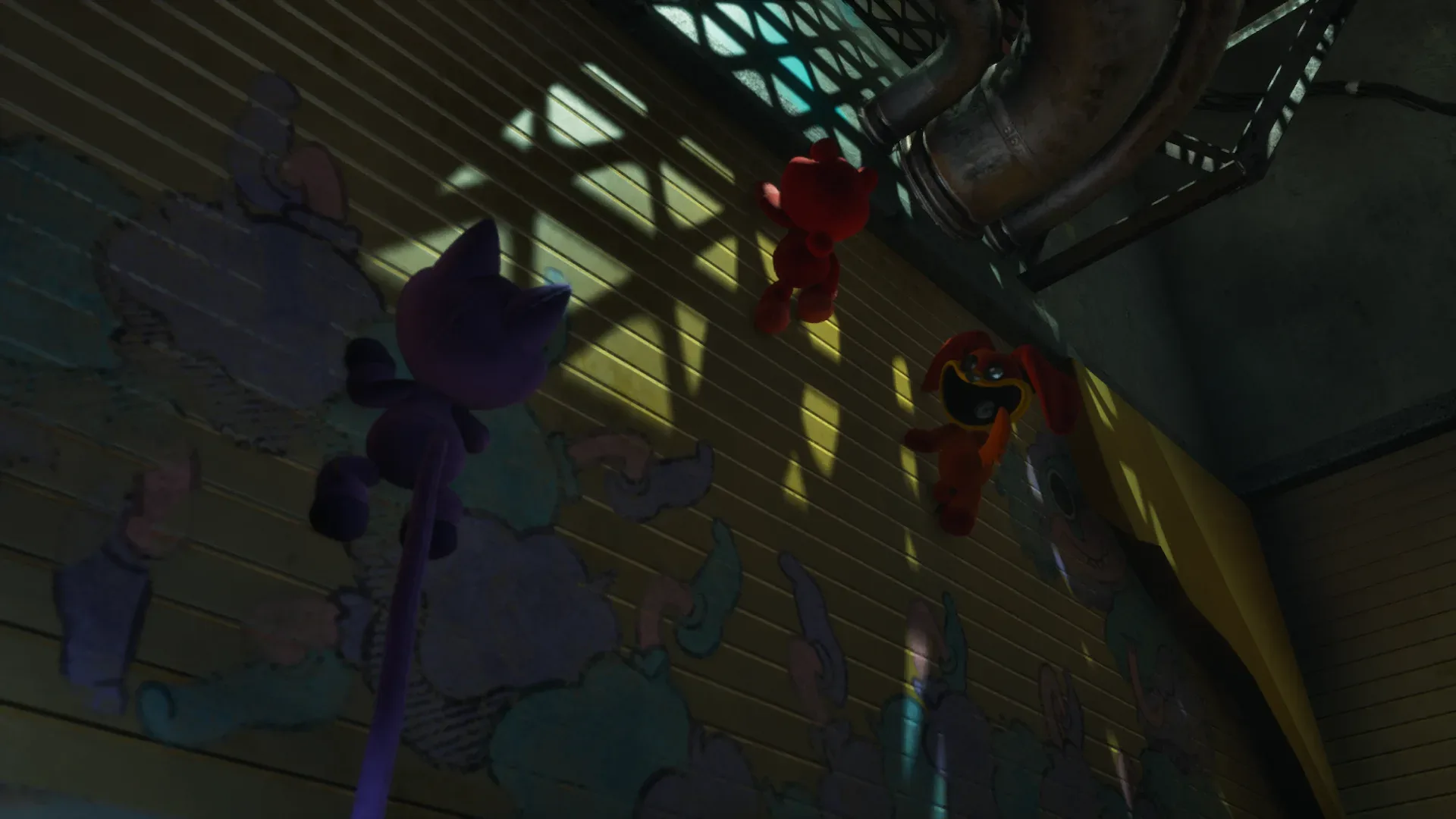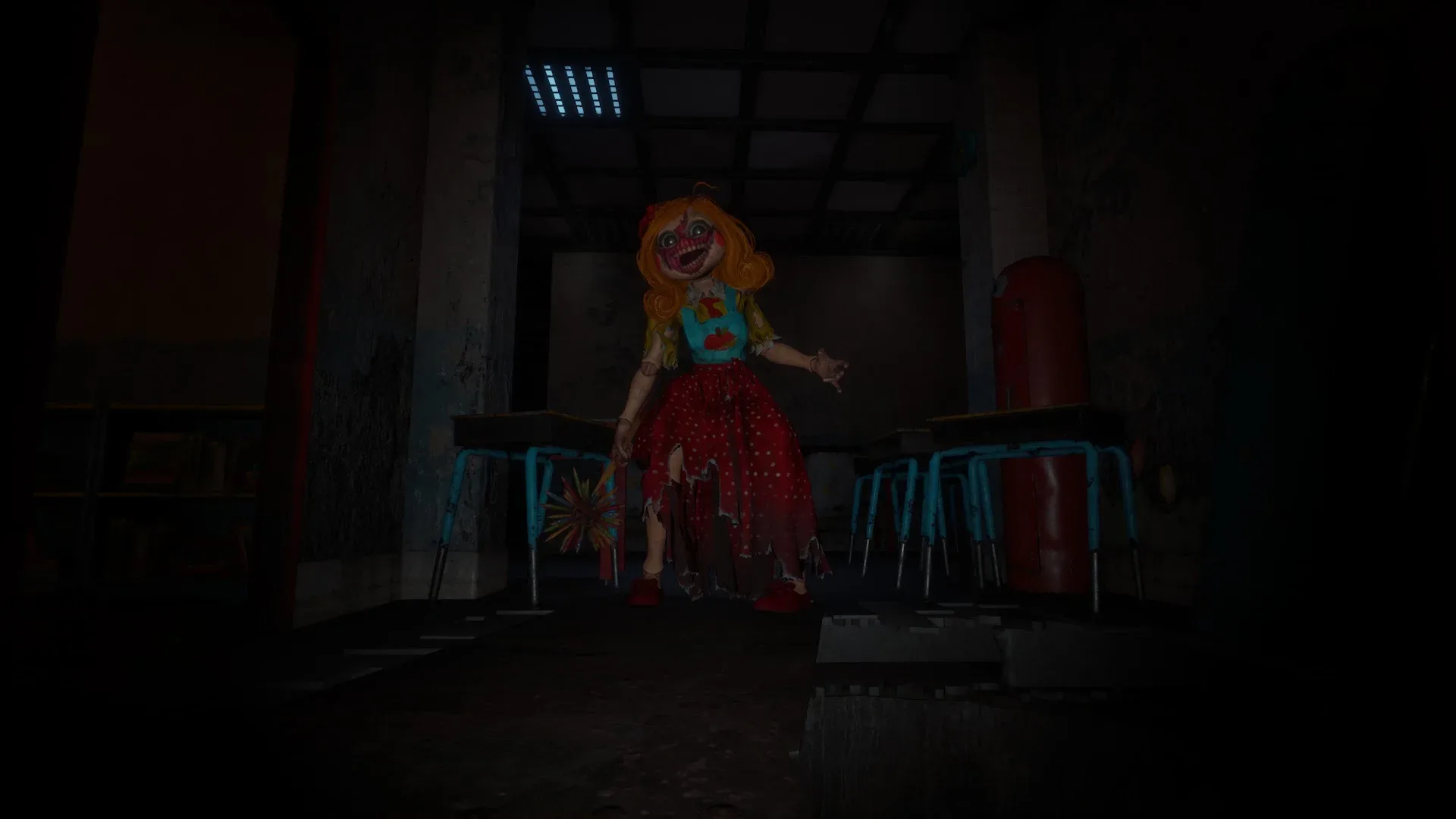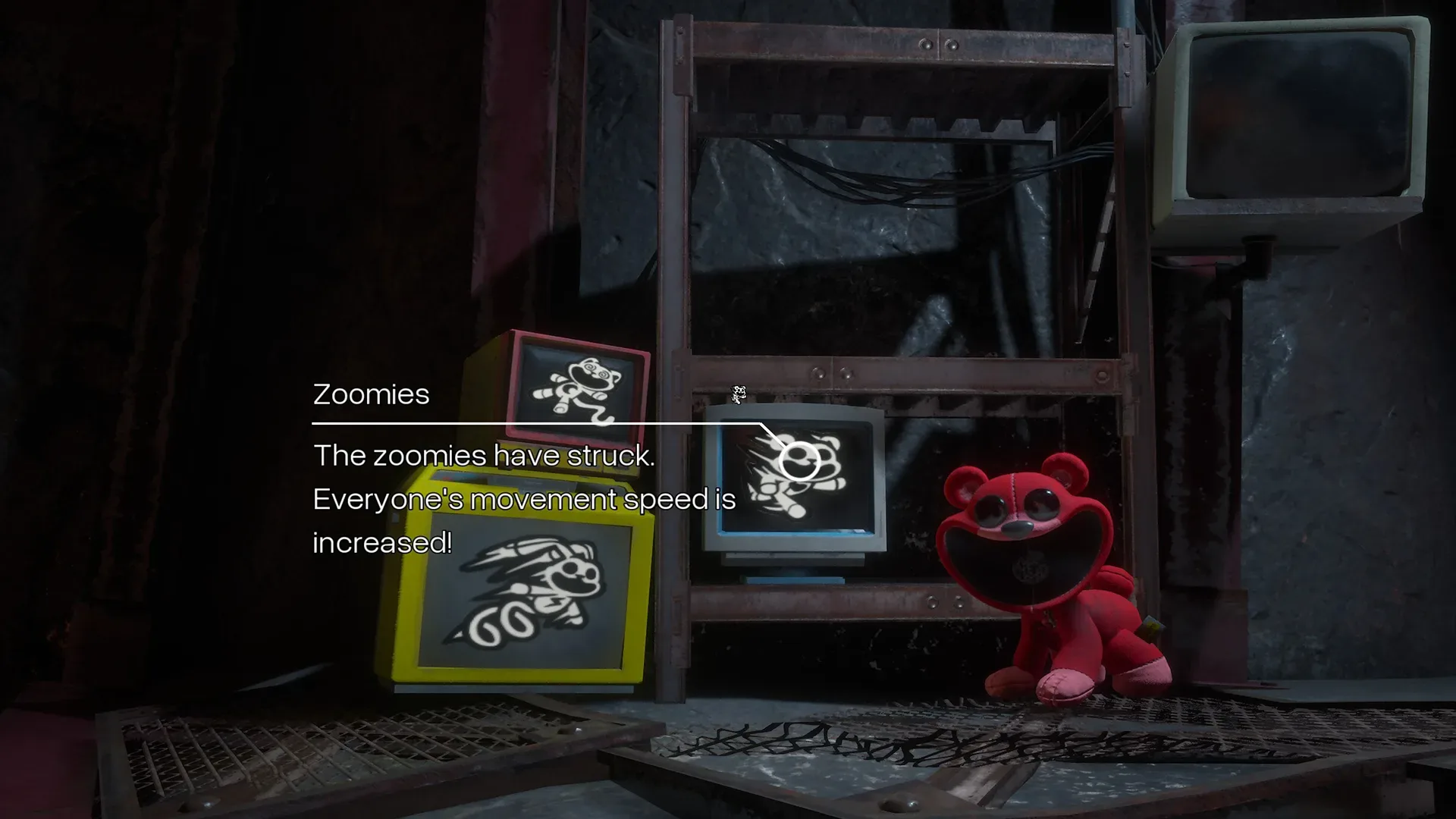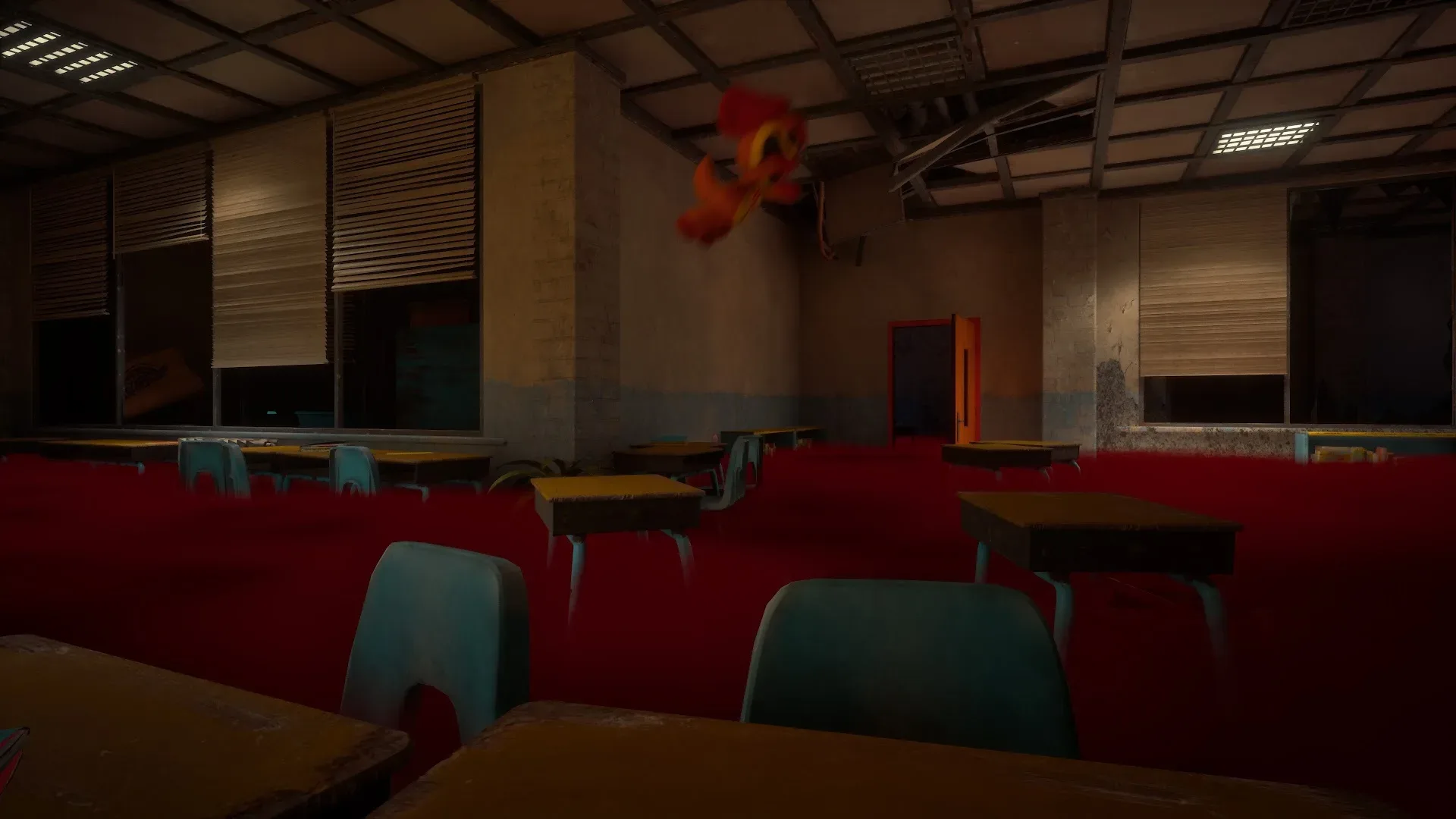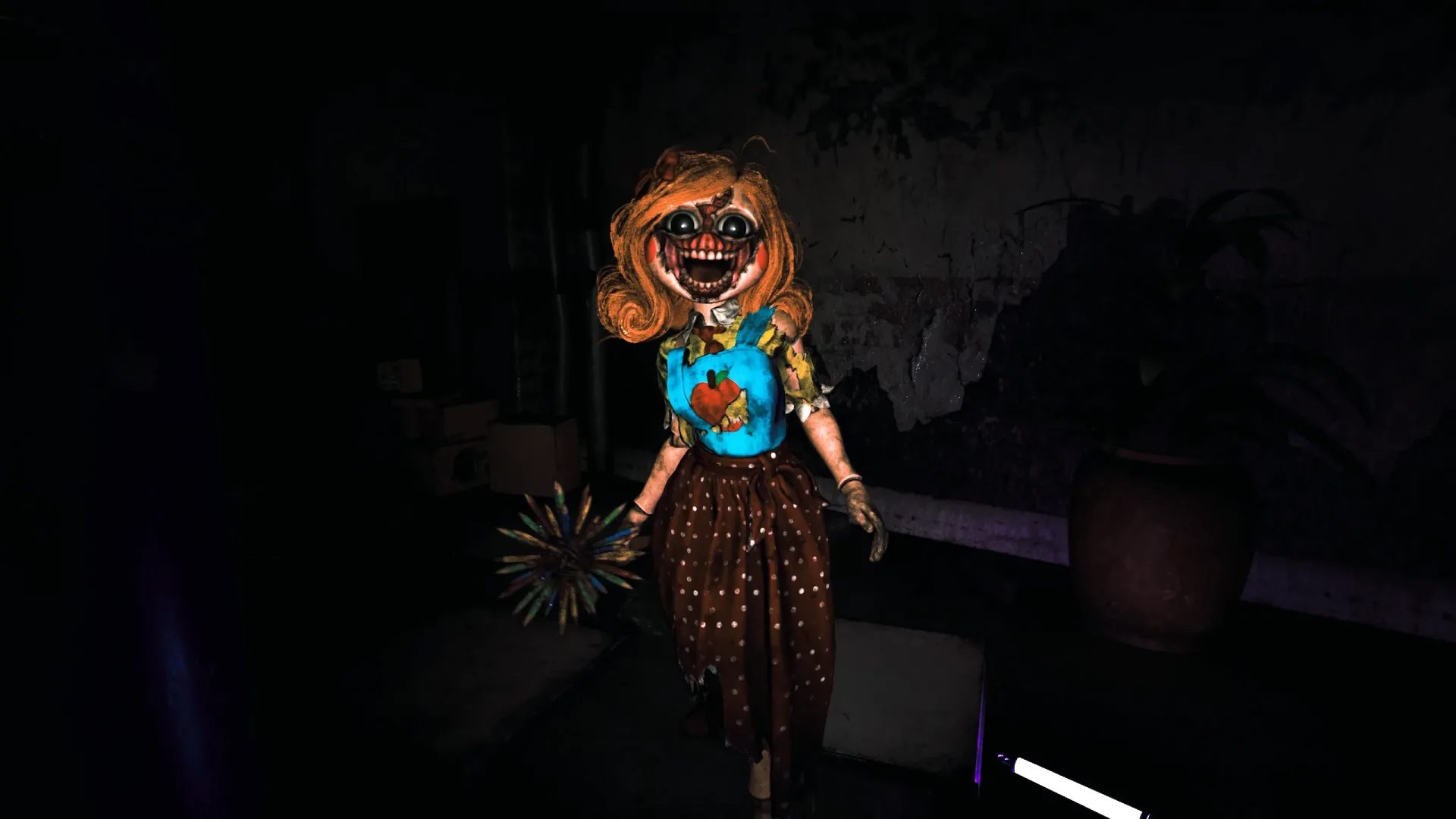
Escape From Playtime, a co-op survival-horror extraction game set in the Poppy Playtime universe, is scheduled to enter Steam Early Access on October 21, 2026. Developed by Mob Entertainment, the game shifts the viewpoint to the Smiling Critters and sends players into the Playtime Co. factory to collect materials for an unseen force known only as the Voice.
The premise is not simply to survive a trip through the facility. Players are gathering and transporting resources for a mysterious building project while avoiding dangerous rejected Playtime Co. creations. The Voice promises salvation, a home and freedom, but its actual purpose is unclear. That ambiguity makes every successful collection run part of a larger question: what, exactly, is being built from all those recovered materials?
Escape From Playtime can be played alone or with a group of up to four players total. Its Early Access version is planned to begin with four playable Smiling Critters, with another four available to unlock, alongside one starter zone and a core enemy lineup. Mob Entertainment says later updates are expected to add more zones, Critters, features and refinements shaped by player feedback.
A Poppy Playtime spin on extraction survival
“Extraction” is a useful term here because it describes the central pressure of a run: finding valuable resources is only one half of the job. Players must also get those materials where they need to go while navigating the factory’s threats. A run can therefore ask a group to weigh speed, safety and coordination instead of simply clearing a fixed sequence of rooms.
The announced structure gives players several kinds of problems to solve. They will scavenge tools, search for clues, work through puzzles and decide when to use hiding places, distractions or alternate routes. The factory is also intended to change procedurally between runs. In plain terms, its layout is altered rather than remaining identical every time, so knowledge of a previous trip may help without turning future trips into a fully memorized route.
That changing structure is a meaningful fit for a game built around repeatable collection runs. A static horror setting can depend on carefully staged surprises, but a run-based format needs reasons to make another attempt. Altered layouts can change where a team encounters danger, where useful items are found and whether a familiar route remains practical. The announcement does not specify the exact extent of those changes, so players should not assume every aspect of the factory is randomly rebuilt. What is confirmed is that the factory layouts will be procedurally altered from run to run.
Players will be dealing with hostile rejected creations throughout Playtime Co.’s facility. The announced toolset suggests that direct confrontation is not the sole or necessarily preferred answer. Hiding spots and distractors point toward evasive play; alternate routes suggest that a team may have choices about how it moves through a dangerous area. Puzzles and clues add an investigative layer to the pressure of carrying resources back through the factory.
Four-player cooperation, with room for risky decisions
Mob Entertainment labels the multiplayer component “Critter Co-Op.” A player can enter alone, or bring up to three friends. The game also uses proximity voice chat, meaning communication is linked to how close players are to one another in the game world rather than operating as a constant, map-wide conversation.
Related coverage includes Escape From Playtime Enters Steam Early Access October 21, 2026.
Proximity voice is more than a social feature in this kind of horror setup. If teammates stay close, communicating and responding to a threat should be simpler. But separating can let a group search different places at once, cover more ground and potentially locate resources faster. The trade-off is that distant teammates may be harder to coordinate with at the precise moment something goes wrong.
Escape From Playtime explicitly frames that decision—split up or stick together—as part of each run. That gives the cooperative element a practical role beyond merely having more players in the same space. A group will need to determine when efficiency outweighs safety, who is carrying resources, and whether a discovered route is safe enough for everyone or better suited to a quick solo detour.
Solo play remains an option, but the available details do not describe separate balancing, matchmaking systems or difficulty adjustments for lone players. What is clear is that solo participants will be taking on the same basic scavenging-and-survival objective without the immediate assistance of other Critters. That distinction may matter to players deciding whether the game’s tension is most appealing as a group communication challenge or as a more isolated factory escape.
The Voice connects each run to a wider mystery
The Voice is the narrative presence directing the Smiling Critters’ collection efforts. It promises salvation and freedom, while ordering runs for resources tied to an ominous construction effort. The announcement intentionally leaves its motives unresolved. There is no confirmed explanation yet for what the Voice is building, why it needs the materials, or whether its promises can be trusted.
That setup deepens Escape From Playtime’s stated connection to the larger Poppy Playtime story. Rather than treating collection as an abstract score chase, the game gives the activity a narrative consequence: every delivery appears to contribute to something bigger. The result could make success feel uneasy rather than purely triumphant. Completing the Voice’s assignments may move players closer to the freedom it describes, but it may also strengthen a plan whose true outcome is unknown.
For players who enjoy piecing together environmental storytelling, clues are an important detail in the announced feature list. They indicate that the factory’s mysteries are not limited to surviving a chase or locating materials. Still, the announcement does not reveal what form those clues take, how much of the story can be uncovered during Early Access, or how directly the game will answer questions about the Voice. Those are elements that will need to become clearer as the game approaches launch and receives updates.
Mini Mode changes the factory’s scale
Another announced feature is Mini Mode, which lets players explore iconic locations from a smaller Critter perspective. The key implication is scale. Places that may be recognizable within the Poppy Playtime setting can take on a different character when viewed from the height of a Smiling Critter.
The announcement does not identify which locations will appear in Mini Mode or explain whether it is a separate activity, a perspective-specific portion of the main game, or something else. It does, however, establish that the Critters’ smaller point of view is an intentional part of Escape From Playtime’s identity rather than a purely cosmetic character choice.
That perspective also complements the game’s emphasis on hiding, alternate paths and scavenged tools. A smaller character viewpoint can make routes and spaces feel different in principle, but the exact mechanics remain unannounced. Players should treat Mini Mode as a confirmed feature, while reserving judgment on how it will affect navigation, puzzles or enemy encounters until more details are shared.
What Steam Early Access will include at launch
The October 21 release is an Early Access launch, not a statement of a finished content lineup. Early Access generally means a game is released while development continues, with additions and adjustments arriving afterward. In Escape From Playtime’s case, Mob Entertainment has been specific about the broad starting package and the direction of future expansion.
- Four playable Smiling Critters at the outset.
- Four additional Critters planned as unlocks.
- One starter zone.
- A core lineup of enemies.
- Solo play or co-op for up to four players.
- Proximity voice chat.
- Procedurally altered factory layouts between runs.
Future updates are expected to introduce additional zones, Critters and features, while refinements are planned to take player feedback into account. That is useful framing for anyone considering the game at launch: the initial version is designed as a foundation for an evolving experience, rather than a promise that every planned setting, character or system will be present on day one.
The announced roster structure also creates a clear progression question. Four Critters will be available initially, while four more are meant to be unlocked, but the announcement does not say how those unlocks work or whether each Critter has distinct abilities. Likewise, the “core enemy lineup” confirms opposition at launch without naming the individual enemies or detailing their behaviors.
For a broader look at another newly revealed PC project structured around repeatable runs, see Piroker’s announced Steam playtest and eight-player runs.
What is confirmed—and what remains open
The central facts are firm: Escape From Playtime is coming to Steam Early Access on October 21, 2026; it supports one to four players; it is a survival-horror extraction game in the Poppy Playtime universe; and it casts players as Smiling Critters carrying out the Voice’s resource-gathering demands inside the Playtime Co. factory.
Its design places recurring runs at the intersection of cooperation, stealth, scavenging and uncertainty. Dynamic factory sections and proximity voice chat should make route planning and group separation significant. Puzzles, clues, tools, hiding places, distractors and alternate routes give players several stated ways to approach danger, even if the finer mechanical details have not been outlined yet.
Equally important are the unanswered questions. The Voice’s identity and goals are still a mystery. The construction project remains unexplained. The full scope of procedural changes, the nature of Mini Mode, the differences between Critters, and the precise unlock path for the additional roster have not been detailed. The Early Access roadmap provides the direction—more zones, Critters, features and refinement—but not a timetable for those additions.
For now, the appeal rests on a simple but appropriately unsettling proposition: enter a changing toy factory as a small Critter, recover what the Voice demands, avoid what the factory has rejected, and decide whether following orders is the safest route to freedom—or exactly what the Voice wants.