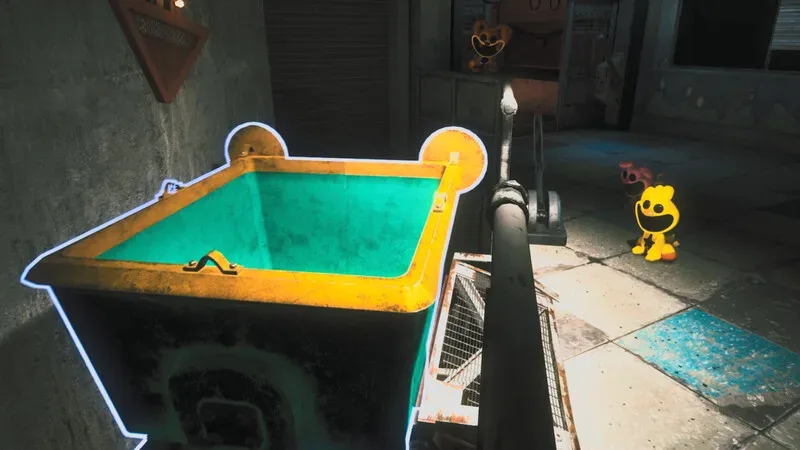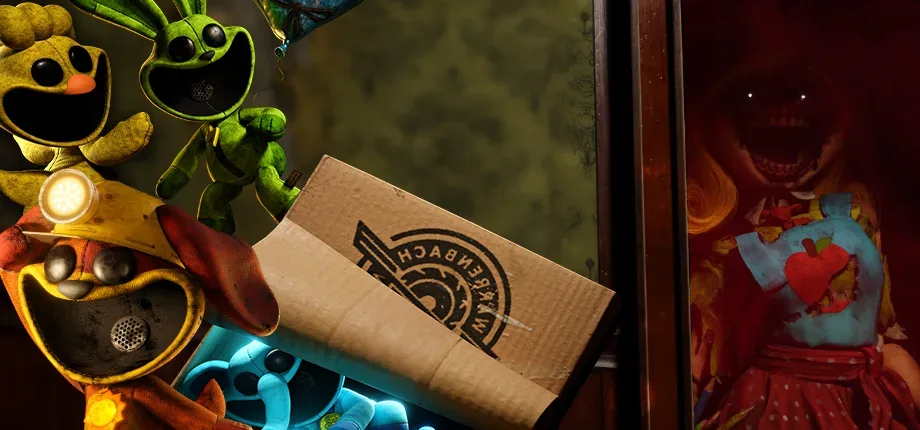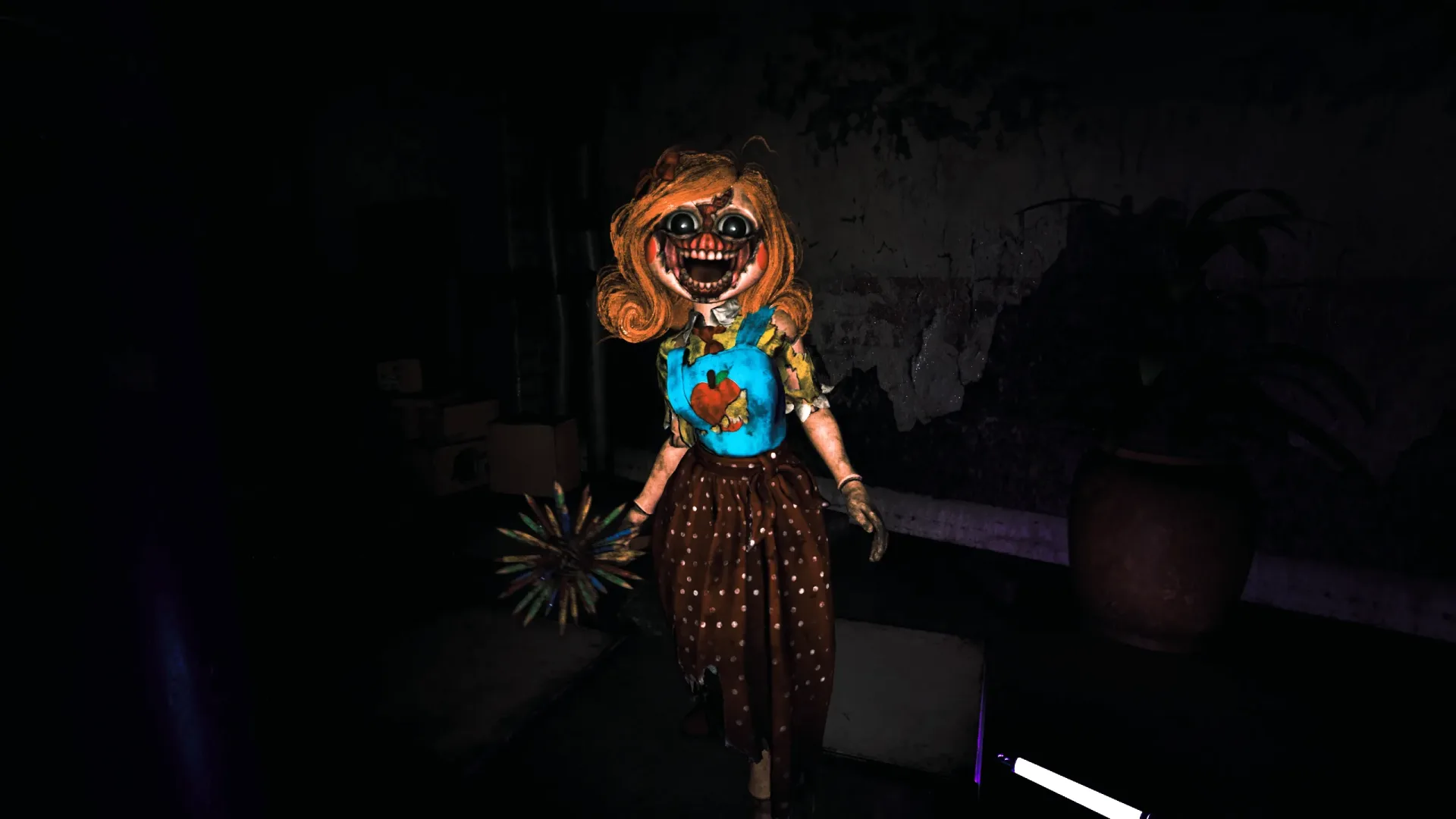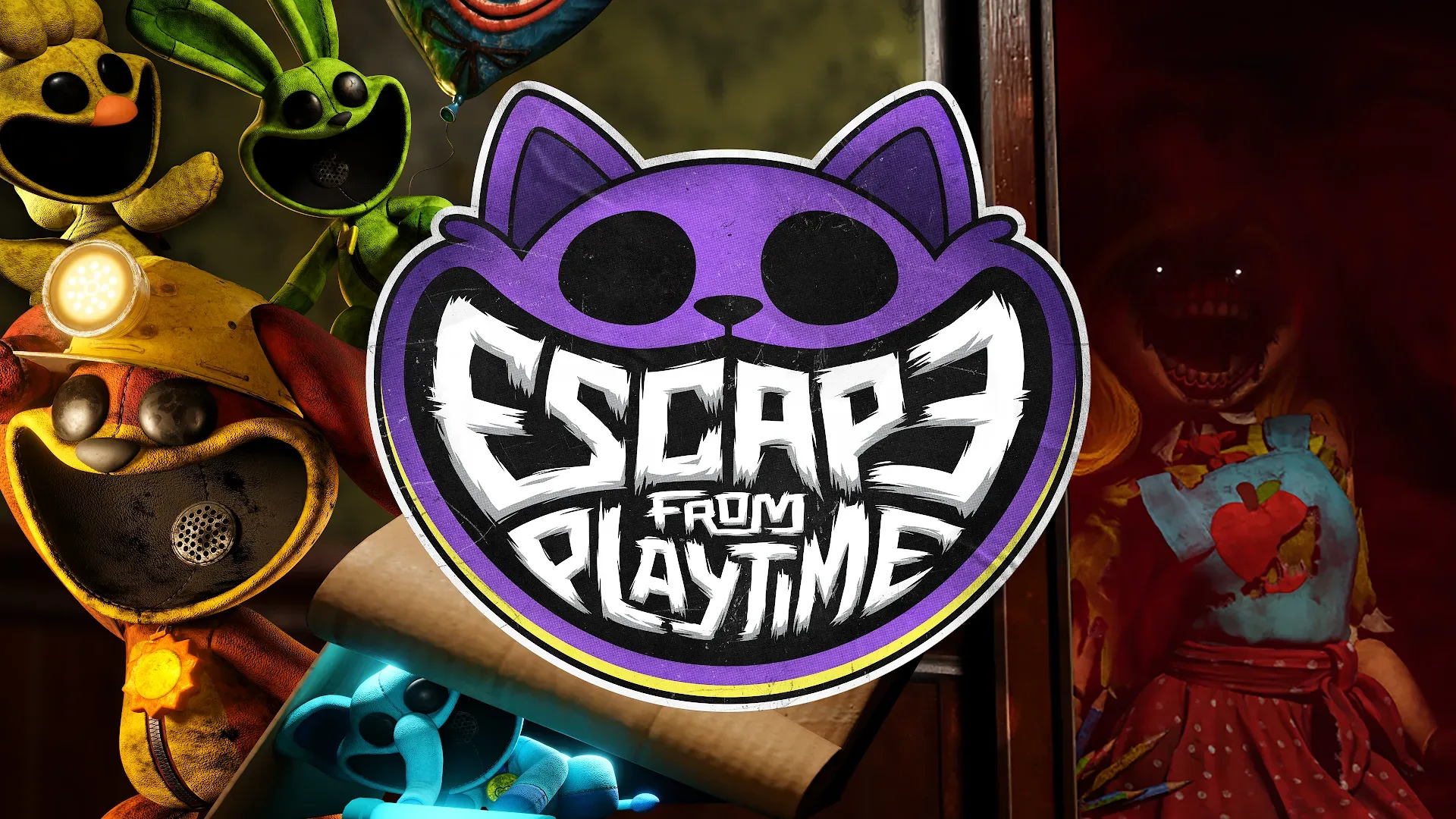
Escape From Playtime, a co-op survival-horror extraction game set in the Poppy Playtime universe, entered Steam Early Access for PC on October 21, 2026. Developed by Mob Entertainment, the game supports one to eight players and places its story in the gap between the Hour of Joy and the opening of Poppy Playtime: Chapter 1.
That placement makes the project more than a detached multiplayer spin-off: it is described as canonical, with players entering a previously unexplored period of the Playtime Co. factory as the Smiling Critters. Their apparent objective is to scavenge resources, carry out dangerous assignments and bring hidden information to light. Standing over those jobs is a mysterious figure called the Voice, which offers the possibility of freedom and a new sanctuary.
The premise gives the game a clear extraction-horror shape. Players are not simply trying to survive a single scripted route through a haunted factory; they are expected to enter, gather what they need, manage threats and make it out. The game combines scavenging, stealth, puzzle-solving and evasion, while its changing factory layouts are intended to make repeated runs less predictable.
What “extraction” means for Escape From Playtime
Extraction games are generally built around the tension between opportunity and escape. A team moves into a hazardous space, seeks useful resources or objective items, and has to decide how far to push before attempting to leave. The important pressure point is not just finding something valuable, but surviving long enough to bring that progress through the run.
Escape From Playtime applies that framework to Playtime Co.’s factory. Teams search for tools and clues, use hiding places and alternate routes, and can make distractions to get past danger. Assignments directed by the Voice give each visit an explicit task, while scavenging is positioned as a core survival requirement rather than incidental set dressing.
For a group, that setup creates practical choices. Staying together can make it easier to solve puzzles, protect a player who has found an important item, and react when a route becomes unsafe. Splitting up could cover more of the factory or allow one part of the team to pursue an assignment while another looks for tools. It also carries an obvious risk: players separated by corridors, hiding spots or shifting paths may have fewer options when trouble arrives.
Solo play is supported, so the eight-player ceiling is an option rather than a requirement. The available information does not spell out separate difficulty tuning or solo-specific systems, but the supported range means prospective players should view Escape From Playtime as a game designed to accommodate both individual runs and much larger co-op groups.
Proximity chat turns communication into another risk
One of the game’s more pointed multiplayer features is proximity voice chat. Unlike a full-party chat channel, proximity chat bases audibility on where players are positioned relative to one another in the game world. Nearby teammates can communicate directly, but distance can leave a group without immediate verbal coordination.
Related coverage includes Escape From Playtime Enters Steam Early Access With 1–8 Player Co-Op Horror.
In a stealth-focused horror game, that is more than a social convenience setting. The system can make a group’s formation matter: a tightly packed squad can talk more readily, while players who spread out may have to rely on timing, regrouping and limited information. It fits the game’s stated emphasis on deciding whether to divide the team or stay together.
It is also a notable contrast with games where co-op communication remains unaffected by map position. Escape From Playtime’s tension is meant to come not only from enemies and puzzles, but from whether players can keep track of one another when the factory encourages alternate routes and evasive movement.
Mini Mode changes the scale of familiar spaces
Escape From Playtime also includes a Mini Mode, letting players experience iconic locations from the smaller perspective of a Smiling Critter. The announcement does not detail which areas are included or how objectives change in the mode, so its precise role in a run remains unclear. Still, scale is a meaningful horror tool: a familiar environment can feel different when its routes, cover and sightlines are viewed from a much smaller character’s height.
Mini Mode appears to sit alongside the game’s procedural systems rather than replace them. The Voice can alter the factory’s layout, generating runs with changing environments. “Procedurally generated” here means that the game uses systems to vary the arrangement or conditions of a play session instead of presenting one wholly fixed layout every time. It does not necessarily mean every room is created from nothing; the confirmed point is that factory runs can change.
That variation could be especially important for an extraction structure. When players are repeatedly weighing routes, hiding places and distractions, a familiar answer to every problem would undercut the intended uncertainty. Changing layouts give the Voice an in-universe explanation for why prior knowledge may not always be enough.
All eight Smiling Critters are available at launch
The Early Access release starts with all eight Smiling Critters available. Four are unlocked through progression, meaning players will have to advance within the game to access half of the launch roster. No further detail has been provided on the requirements for those unlocks, distinctions between the Critters, or whether they have separate abilities.
The game also expands multiplayer support to its full eight-player maximum. That scale has obvious implications for the assignments and evasion mechanics described so far: a large team may have more people to search, distract and solve problems, but proximity chat and changing routes can make organization harder rather than easier.
Progress and rewards are tracked through the Playtime Web Portal, called Perm-A-Lounge. The provided details identify it as a progress-and-reward hub, but do not specify its reward pool, whether it contains gameplay items, or how its progression connects to the four initially locked Smiling Critters. Those are useful details for players to watch as Early Access development continues.
Price, launch discounts and the free Founders’ Pack window
Escape From Playtime is listed at $9.99 USD on Steam. A limited-time launch discount reduces that price by 10 percent. Owners of the free-to-play Poppy Playtime: Chapter 1 receive an additional 10 percent off.
For the first 30 days after launch, the game’s Founders’ Pack is free. The pack includes exclusive alternate looks for all eight Smiling Critters as well as additional rewards. The details confirm the cosmetics and the presence of further rewards, but do not identify every item in that additional set. Players interested in the alternate appearances should pay attention to the 30-day eligibility window rather than assuming the pack will remain free indefinitely.
- Platform: PC via Steam Early Access
- Players: 1–8, with solo play supported
- Launch price: $9.99 USD
- Launch offer: 10 percent discount for a limited time
- Chapter 1 ownership offer: an additional 10 percent off for owners of the free-to-play first chapter
- Founders’ Pack: free for the first 30 days, with alternate looks for all eight Smiling Critters and additional rewards
What Early Access means here
Early Access means the released version is playable while active development continues. Mob Entertainment’s plan covers the remainder of 2026 and extends into 2027. The stated additions include new areas, enemies, items, cosmetics and gameplay features, with the roadmap expected to evolve in response to community feedback.
That is a meaningful qualification for anyone considering the game at launch. The core loop, player count, roster, Mini Mode, procedural factory changes and progress portal are part of the Early Access starting point, but the game’s content set is not presented as final. Future additions are planned, not a guarantee of a particular timetable or a specified feature list beyond those broad categories.
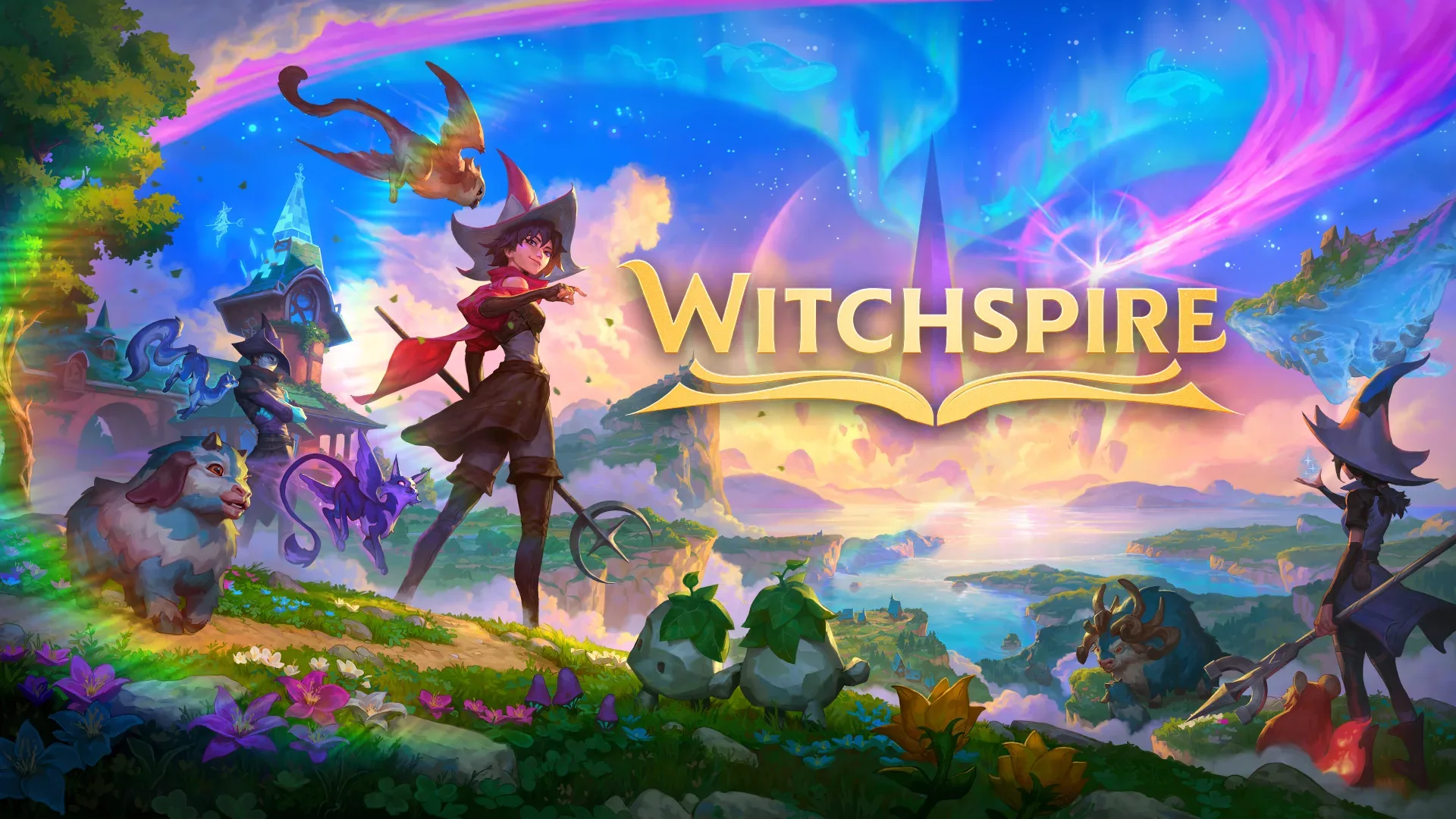
For players who follow PC games while they grow, this is another release built around an evolving update plan; the recently announced Witchspire update is a separate example of how post-launch systems and content can substantially reshape a game’s ongoing offering. Escape From Playtime’s own future updates will determine how broad its factory, enemy and item pool becomes over its Early Access period.
A new multiplayer lens on Playtime Co.
Escape From Playtime’s central hook is the way it turns a lore-defined gap in the Poppy Playtime timeline into a repeatable co-op format. The Smiling Critters, the Voice and the setting after the Hour of Joy give its runs a specific narrative frame, while scavenging and extraction provide the structure for returning to the factory.
The most important questions left for the Early Access phase concern depth rather than premise: how varied the Voice’s assignments become, how strongly the changing layouts affect strategy, what the locked Critters add once earned, and how new areas, enemies and items expand the choices available during a run. For now, the release establishes a lower-priced, PC-only entry with a large co-op ceiling, optional solo play and a factory designed to make communication, routing and escape part of the horror.