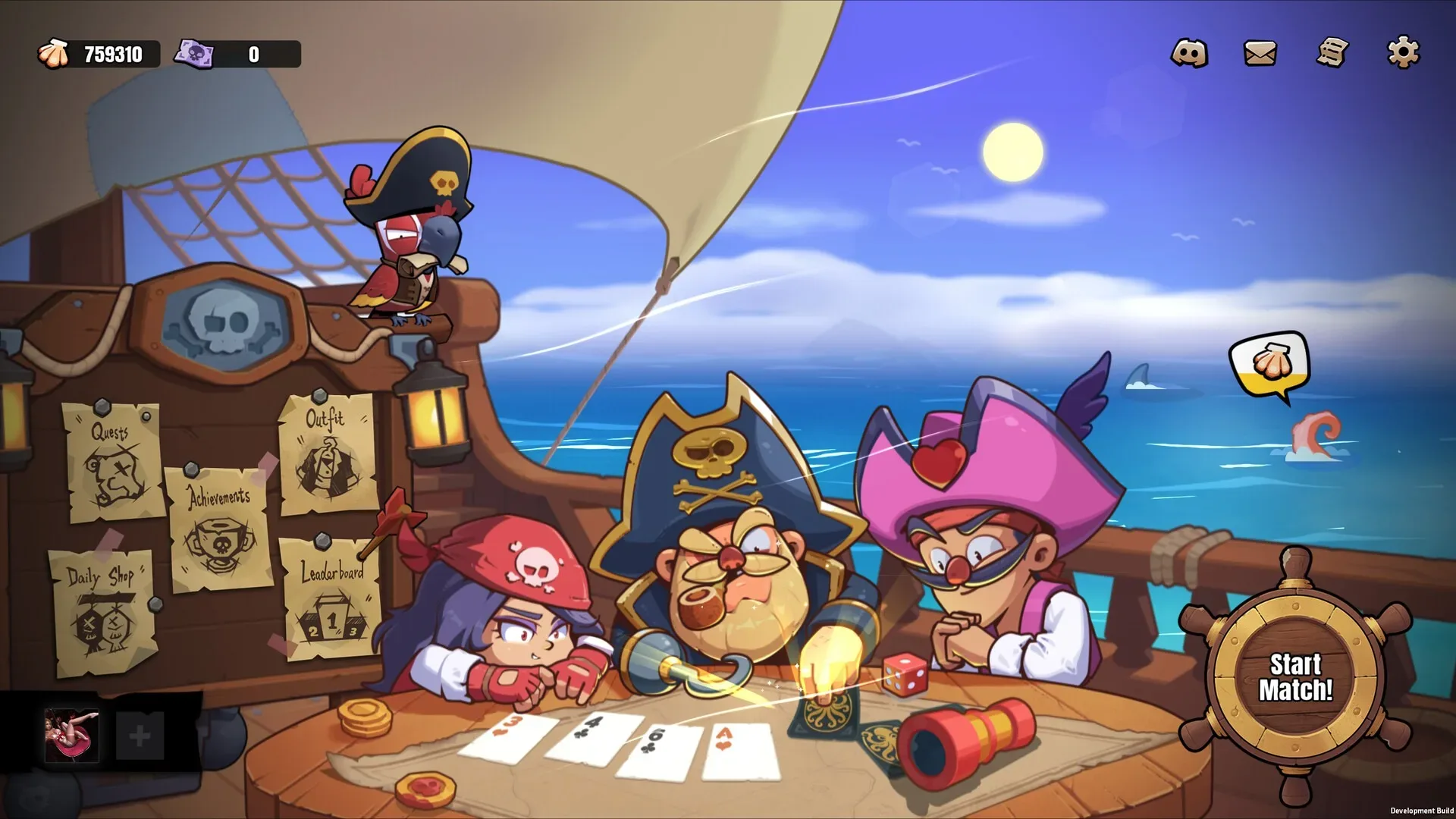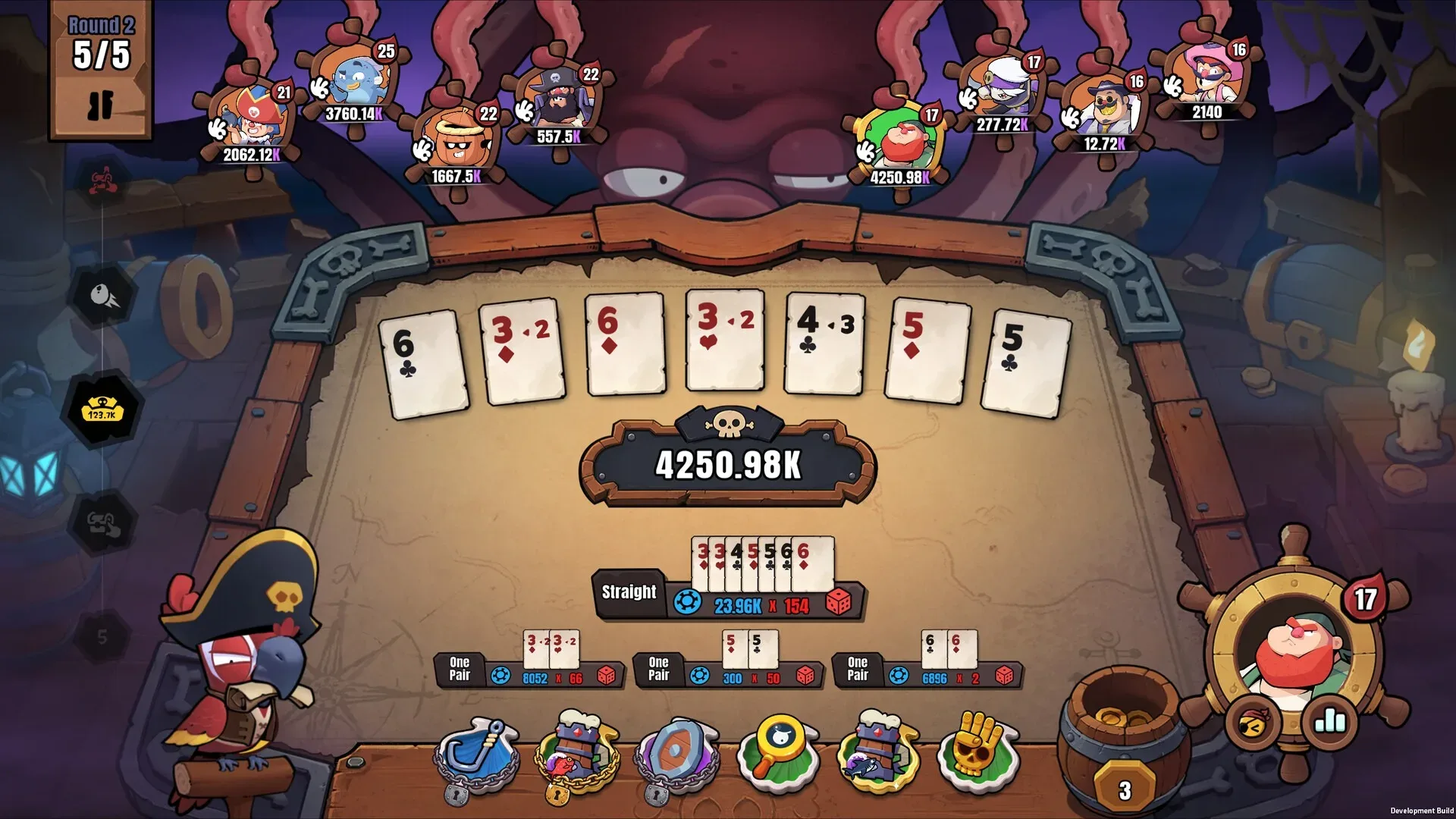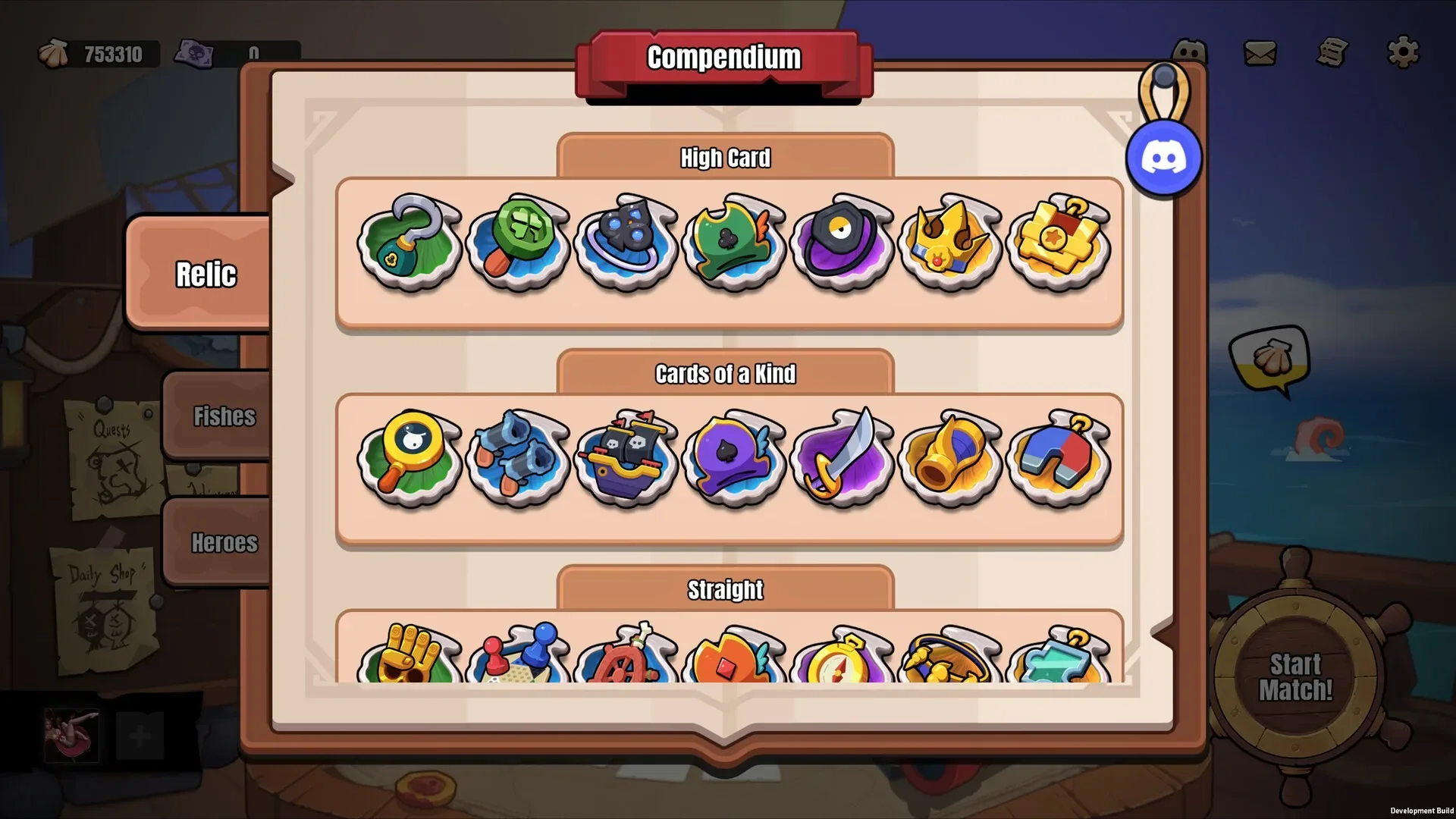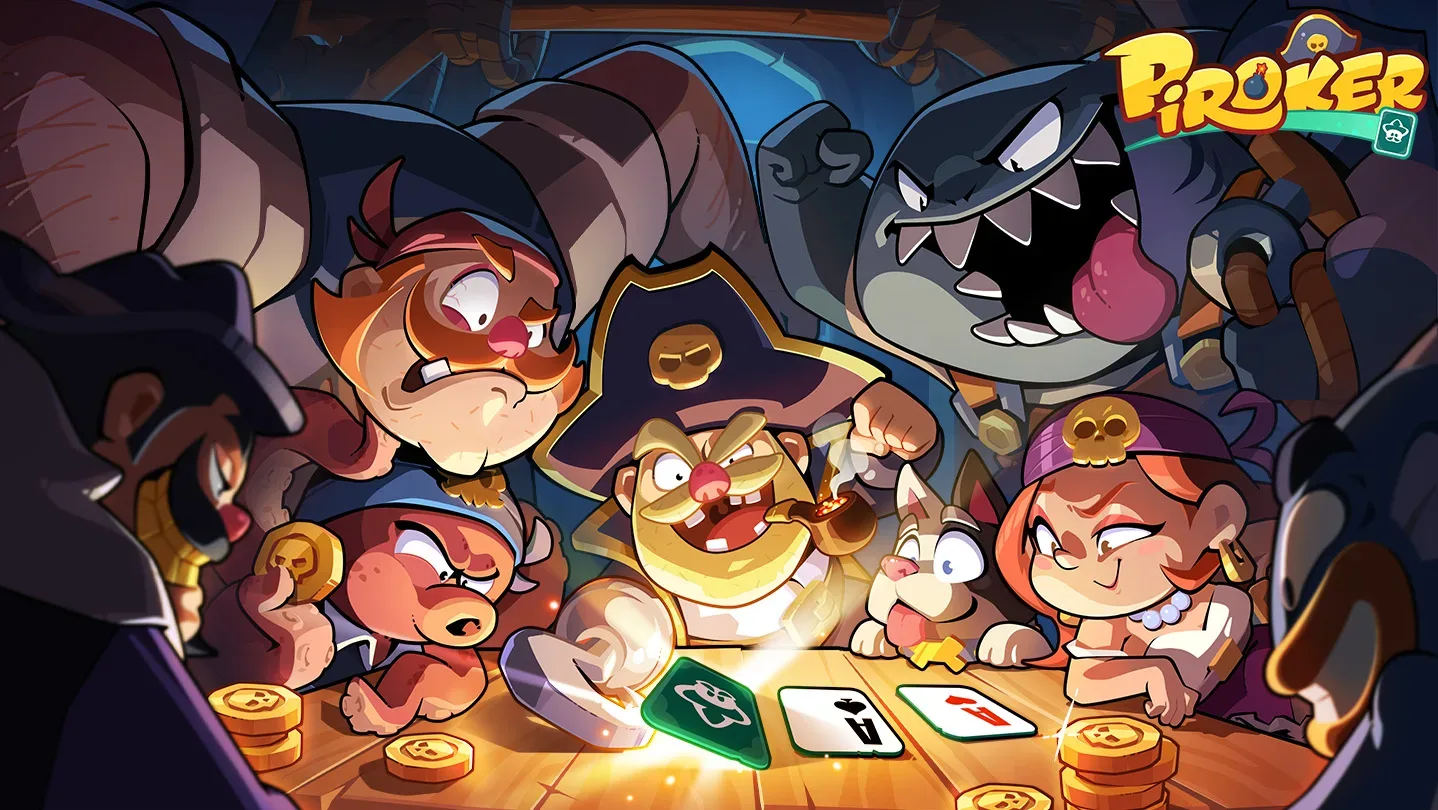
There are plenty of games that borrow poker’s vocabulary, but Piroker is putting the card-game logic at the center of its pirate brawls. Habby.FUN has revealed a cinematic trailer for the pirate-themed roguelike autobattler, alongside plans for an exclusive Steam playtest and a call for prospective players to wishlist it.
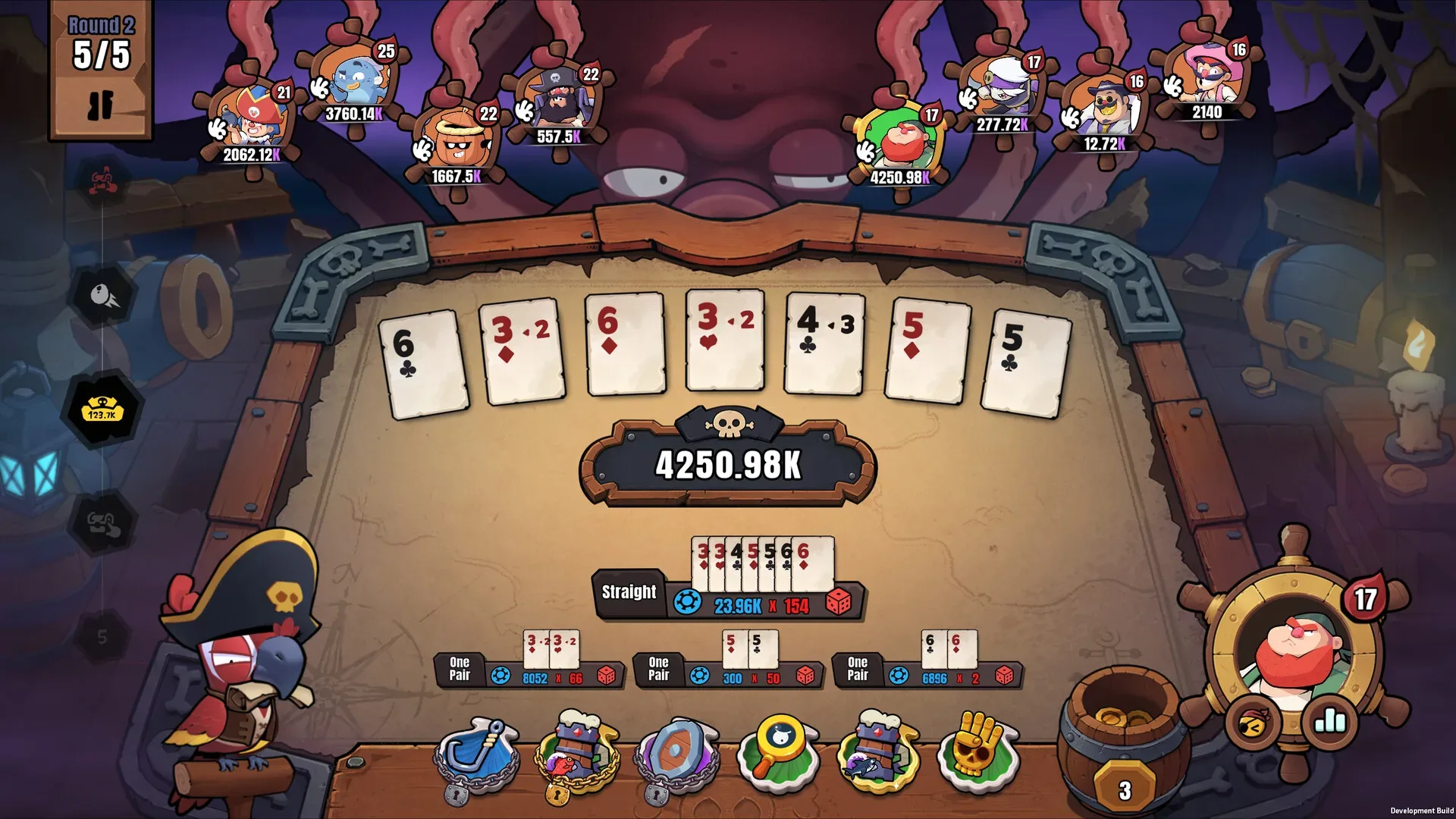
The basic pitch is unusually direct: poker hands determine combat outcomes. Players choose a pirate hero, make decisions around a shared deck, assemble combinations such as pairs, straights and full houses, then try to avoid finishing each round among the lowest-scoring pirates. It is an eight-player free-for-all where sea-faring style is important, but the important question is likely to be whether a player can make their hand, hero, relic and long-term buffs cooperate before the cannons go off.
That puts Piroker in a space between a deck-driven strategy game, a run-based roguelike and an autobattler. Its trailer’s hand-drawn nautical look, accordion melodies and cannon-fire effects give the game a broad cartoony pirate identity, while the systems described so far point toward an experience built around repeated adaptation rather than a fixed campaign solution.
How Piroker’s eight-player contest works
A match begins with a hero pick. Piroker has more than 60 pirate heroes planned, and each starts with different abilities. The stated selection also includes unique starting strategies and economy modifiers. In practical terms, an economy modifier is a rule that changes how a player earns, preserves or spends the resources used during a run. That can matter as much as a combat perk in a game where shop rerolls are part of the decision-making.
Players then enter a choice phase and select one relic treasure. This selection changes how power is drawn from the shared deck. The shared-deck detail is central to the game’s identity: the competing pirates are not simply making isolated card choices. Their builds are tied to the same underlying card pool, meaning that the value of a strategy is likely to depend on what the deck offers and how a particular treasure reshapes that access.
Each round awards points. Treasures and exotic fish can increase those scores, while the pirates at the bottom of the table take damage. The announced rules do not spell out every scoring calculation or elimination threshold, so it is too early to assume exactly how a given poker hand translates into damage. Still, the structure establishes a meaningful distinction between making a respectable hand and making one that keeps a player clear of the danger zone. In an eight-player lobby, survival appears to be comparative: the key is not merely improving a personal total, but avoiding the bottom positions.
Autobattler is the useful technical term here. It generally describes strategy games in which players make choices before or between clashes—building a lineup, selecting upgrades, arranging synergies or managing resources—while battles resolve automatically. Piroker’s announced hand-building and relic choices suggest that its player agency sits in those strategic decisions. The pirate crew will then turn those choices into outcomes through the game’s combat and scoring rules.
Poker hands are a build language, not just a card minigame
Piroker uses familiar poker categories including pairs, straights and full houses. That makes the opening layer legible even to players who do not normally seek out complex strategy games: a pair matches ranks, a straight uses consecutive ranks, and a full house combines a three-of-a-kind with a pair. But the game’s design appears to make the hands more than a tally at the end of a round.
Related coverage includes Piroker Reveals Its Pirate Poker Roguelike Battles and Steam Playtest.
According to the announced feature set, poker combinations activate crew abilities. A hand is therefore both a scoring object and a trigger condition for a player’s pirate setup. A player may have to weigh a combination that provides immediate points against another that activates a powerful crew effect. That is the sort of tension that gives a poker-based system room to become a broader build game rather than a simple race to make the nominally strongest hand.
The game will also let players reroll shop offerings. Rerolling means replacing a current selection of purchasable or selectable options with a new set. It is a common way to inject calculated risk into a run: keeping the current offers may be inefficient, but spending a resource to refresh them does not guarantee the desired result. The inclusion of hero economy modifiers makes this feature especially notable. A hero that changes resource conditions could approach shop decisions differently from one that starts with a combat-oriented advantage.
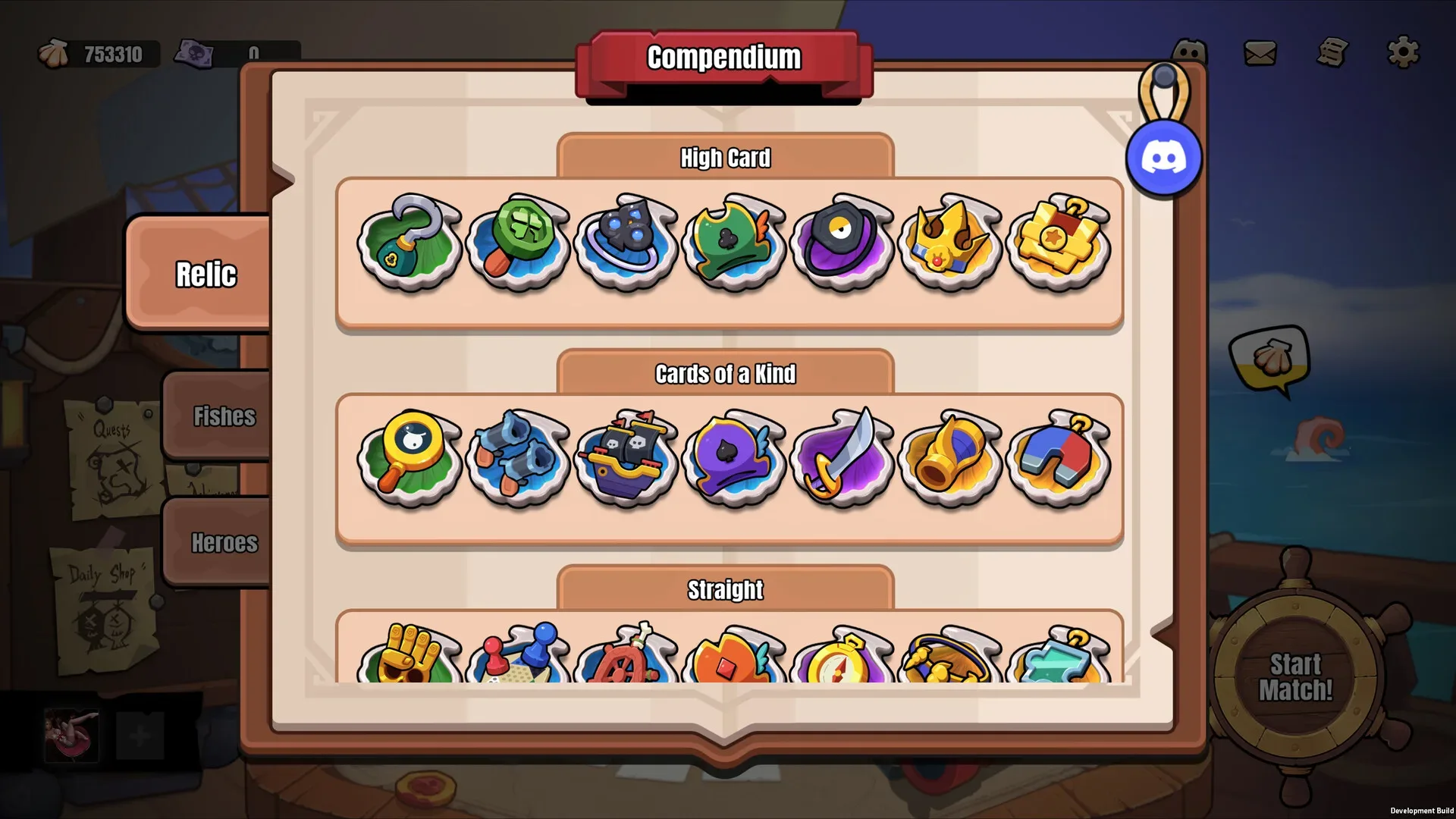
Piroker also highlights more than 100 Treasure skills, all drawing from the same deck, and more than 40 exotic fish that grant persistent buffs. A persistent buff is an ongoing bonus that remains active rather than applying to only one moment or one attack. The exotic fish are therefore positioned as a run-shaping layer, not just as a visual flourish added to the pirate setting.
The announcement additionally refers to mutant fish and to “illegal” tactics. The exact rules, limits and consequences of those tactics have not been detailed. For now, they are best understood as part of Piroker’s promise of unconventional strategy rather than as a fully explained subsystem. The important confirmed point is that relic treasures, pirate heroes, fish buffs, poker hands and shop choices are meant to interact across a run.
What the roguelike label means for Piroker
The roguelike description matters because Piroker is not presenting a single solved roster puzzle. Its runs mix pirates, relics and mutant or exotic fish, creating different strategic combinations from attempt to attempt. In this context, a run is one self-contained attempt in which a player builds a strategy from the choices available. The long-term objective is often to learn how systems overlap, not simply to repeat a perfected sequence.
“Limitless build variety” is an ambitious marketing phrase, and it should be read as an intent to support many combinations rather than as a literal mathematical guarantee. The tangible ingredients behind that claim are clearer: 60-plus heroes, 100-plus Treasure skills and 40-plus exotic fish, alongside the choice of poker hands and shop rerolls. Even without a complete list of individual effects, it is easy to see how different starting abilities and persistent buffs could steer players toward different hand priorities.
One pirate may be better served by pursuing a particular crew-ability trigger, while another may lean into its economy modifier and seek stronger shop options over time. A relic that changes power draws from the shared deck could further push the same starting hero in a different direction. The intended appeal is that players should react to the tools actually offered instead of arriving with only one rigid answer.
That approach places clarity at a premium. When a game combines hand rankings, damage pressure, a shop, hero traits, relic effects and permanent-for-the-run buffs, players need to understand why a score rose, why a crew ability fired and why one lineup outperformed another. Piroker’s announced detailed on-screen statistics are consequently an important part of the package. The game says players will be able to review lineups and plays, offering a route to examine outcomes instead of treating them as inscrutable automatic combat.
For strategy players, that information can turn an unsuccessful run into a useful lesson. Seeing another lineup is not automatically enough; knowing which play, ability or setup drove the difference is what lets someone change course in the next lobby. Piroker’s full interface and the depth of those statistics remain to be seen, but the stated emphasis is well aligned with a system-heavy autobattler.
Ghost fleets and real-time pirate lobbies
Piroker’s Arena mode will support both asynchronous PvP and real-time multiplayer lobbies with friends. The asynchronous option uses a “ghost fleet,” allowing players to battle another player’s saved presence on their own schedule rather than requiring both sides to be online at the same time.
Asynchronous PvP is often useful in games whose matches rely on build comparisons and automated resolution. It gives players a way to engage with competitive lineups without arranging a simultaneous session. Here, it also fits the game’s promise of detailed statistics: reviewing how a ghost fleet was assembled may become part of figuring out stronger combinations.
Real-time lobbies, by contrast, provide the direct multiplayer option. Friends can join a live contest, make their selections in the same session and see the shared-deck pressure play out together. The announcement does not define lobby size for each Arena format beyond describing Piroker overall as an eight-player free-for-all, nor does it explain every matchmaking rule. It does confirm a global matchmaking leaderboard, however, giving the competitive side a stated progression target beyond a single successful run.
The social structure has potential to serve different types of play without pretending they are identical. A ghost fleet is suited to flexible timing; a real-time lobby is built for a shared match. Both rely on the same key question: can the player turn a pirate’s starting identity and a changing flow of card-game opportunities into a score that stays above the damage line?
Unlocks, presentation and the near-term Steam focus
Outside individual matches, Piroker is set to use a treasure-map progression system with unlockable pirates, skins and achievements. The announcement identifies these as progression rewards, but does not explain the conditions attached to each one. That means it is not yet clear which unlocks change available gameplay options, which are cosmetic, or how quickly the map opens up.
The visual presentation is more firmly defined. Piroker uses hand-drawn nautical art and a cartoony audio-visual direction that includes accordion tunes and cannon fire. That is a fitting wrapper for a game asking players to combine pirate crews, treasure skills and unusual fish while building poker hands. It also gives the project a distinct thematic angle among roguelike strategy games that can otherwise communicate complexity through abstract icons and menus.
The immediate opportunity for interested players is the planned Steam playtest; the announcement specifically describes it as exclusive to Steam and encourages wishlisting. No wider release timing, pricing, platform list beyond Steam’s playtest, or final feature schedule is provided here. The playtest is therefore the concrete next step, not a confirmation that all announced systems are finalized.
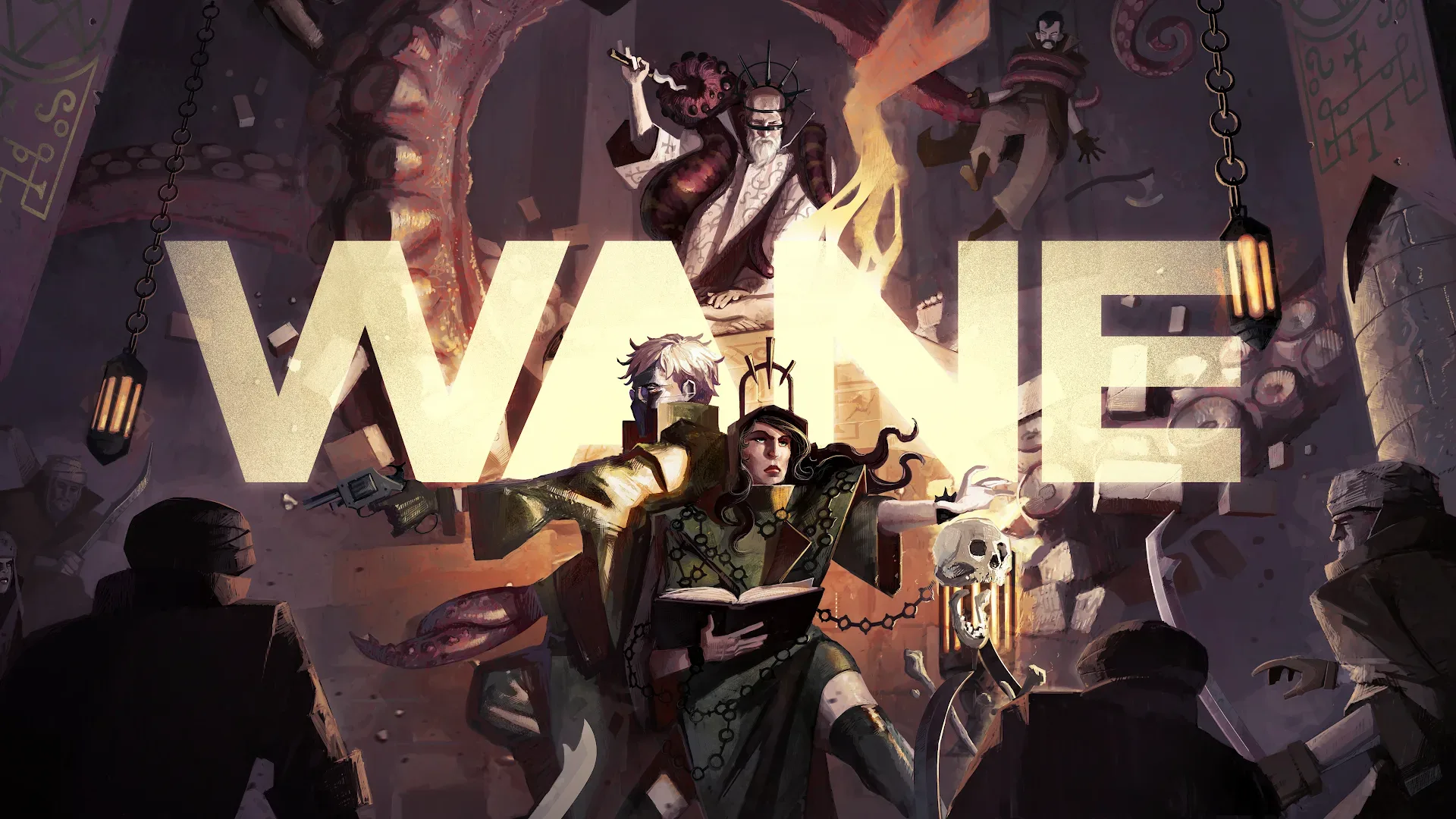
Players following the wider PC roguelike space may also want to look at WANE’s roguelike tactical-RPG premise, though its setting and structure are markedly different from Piroker’s pirate poker contest.
Piroker’s premise ultimately rests on whether its many layers remain readable: a shared deck, hero-specific starts, relic-driven power drawing, persistent fish buffs, poker-hand triggers, shop rerolls and an eight-player scoring race. The announced stats tools and distinct Arena formats suggest the game is designed to support experimentation as well as competition. Its upcoming Steam playtest should provide the first clearer look at how smoothly those moving pieces come together when the ghost fleets and pirate crews start playing their hands.