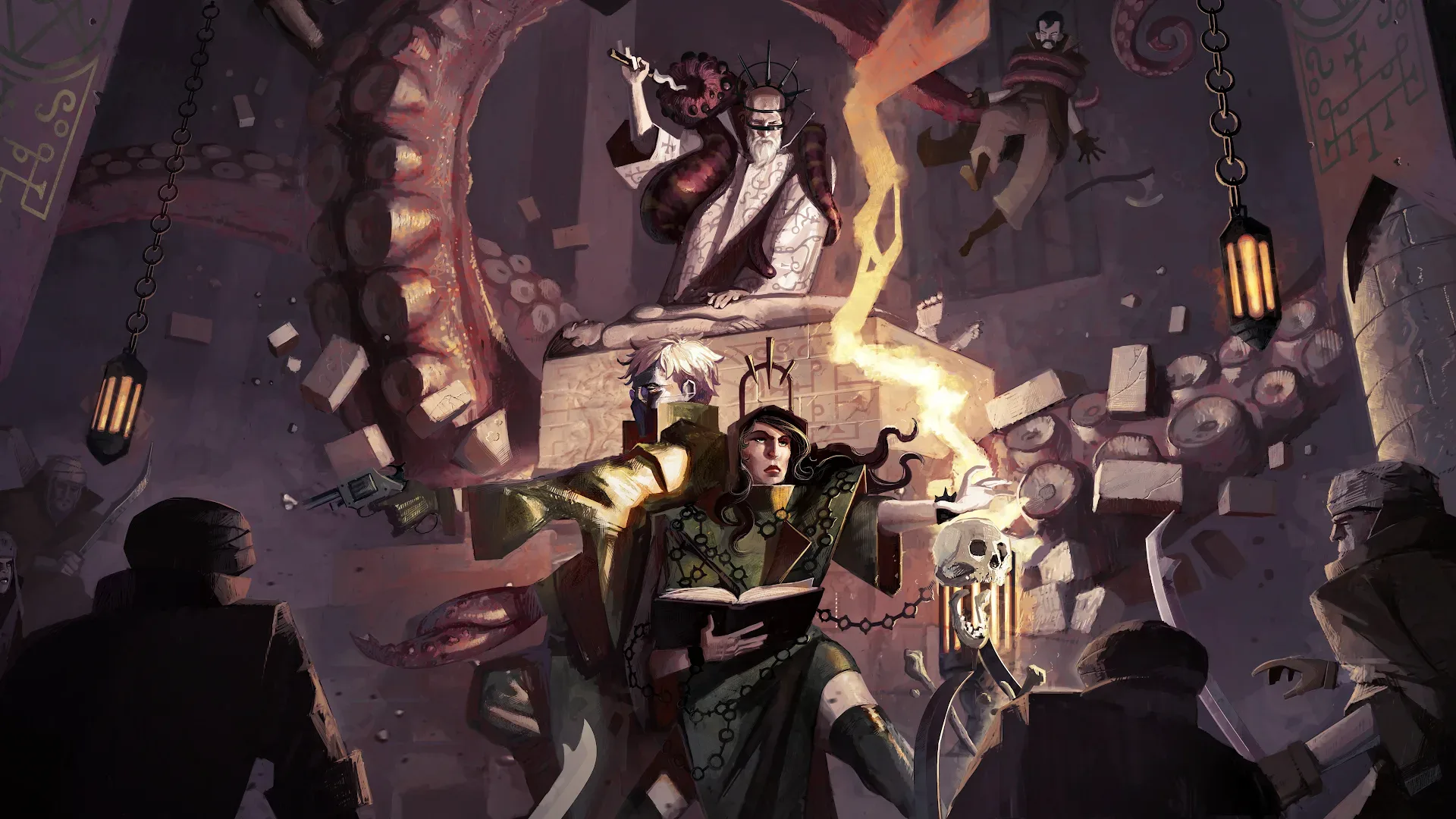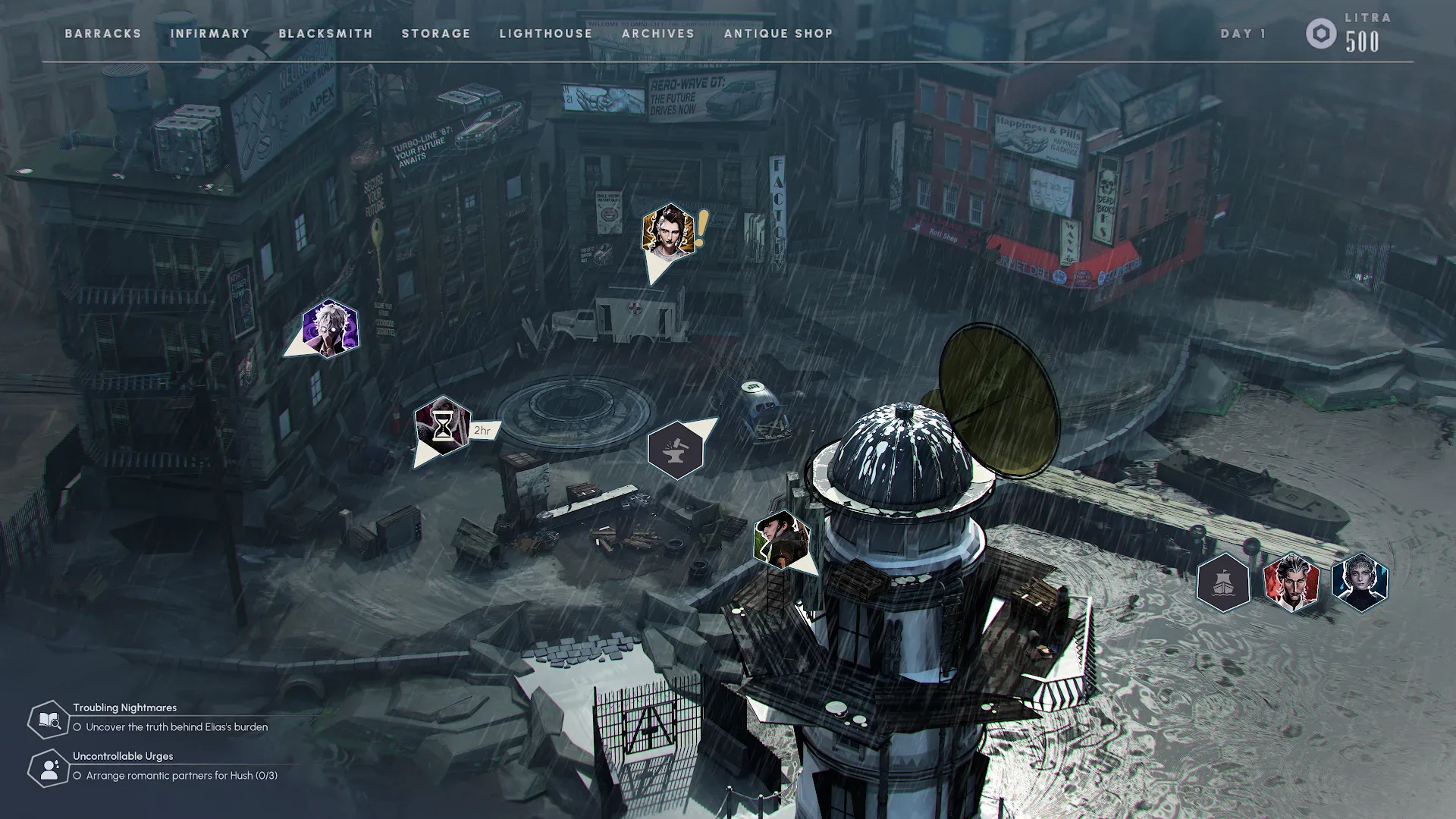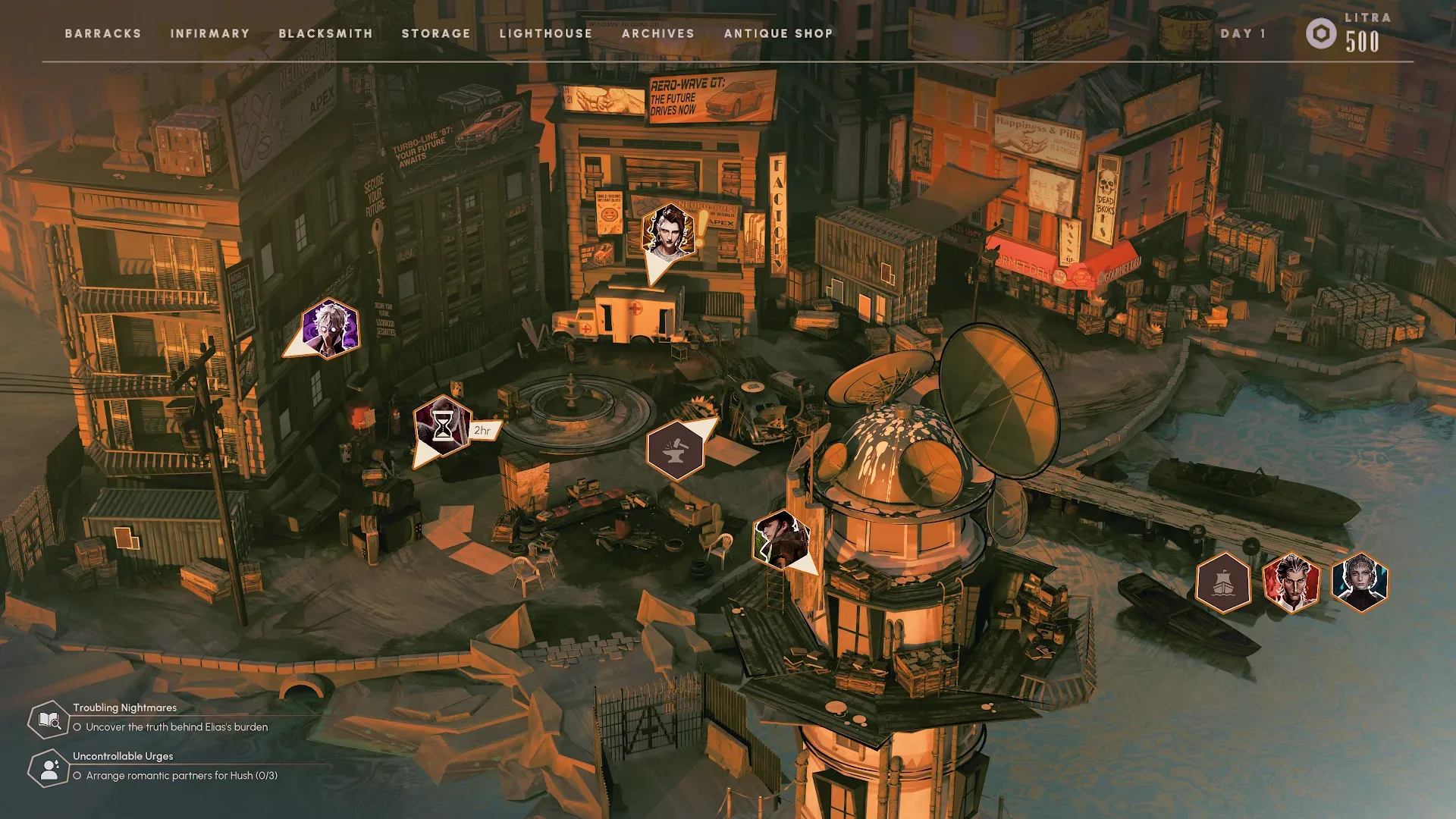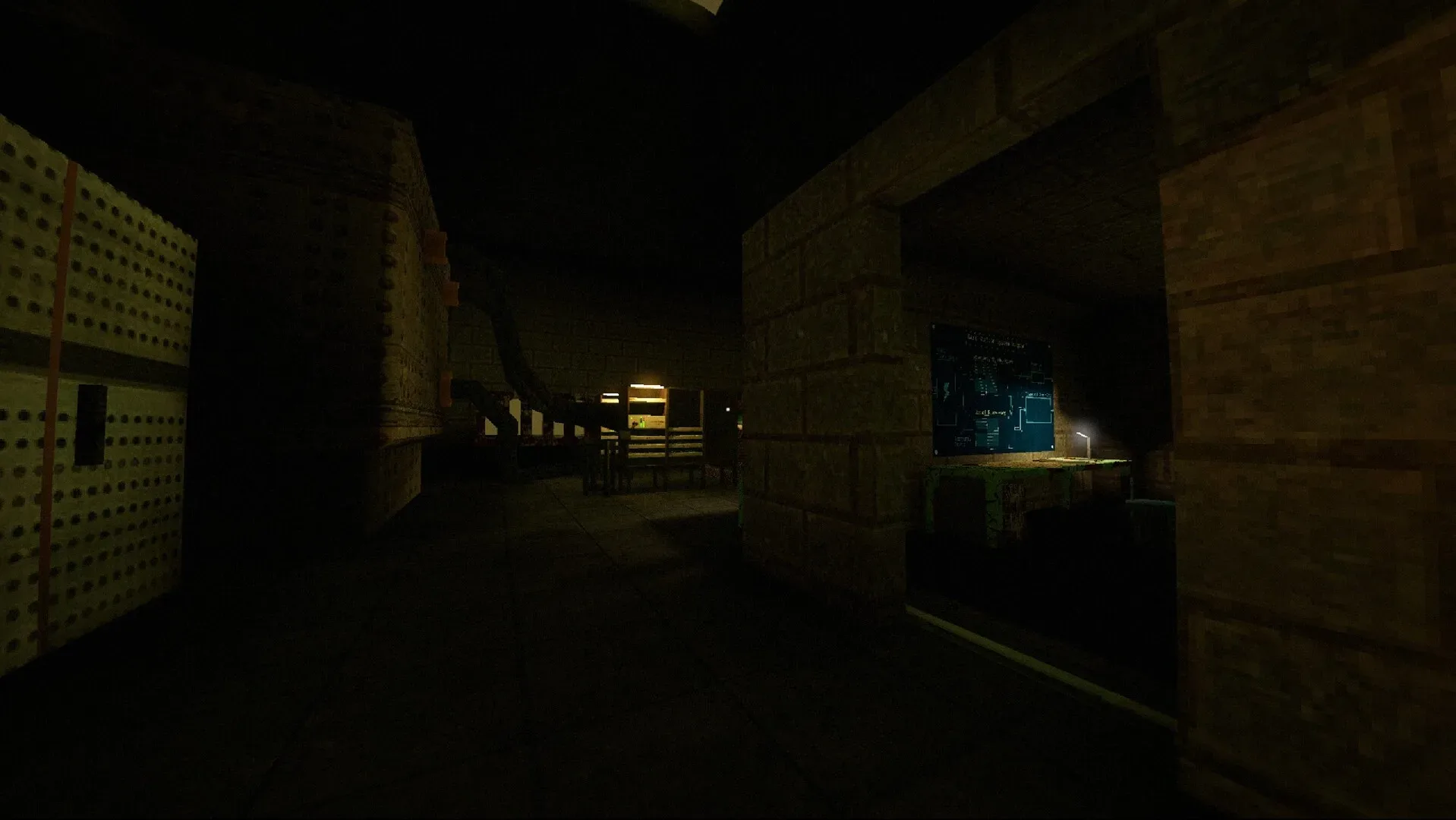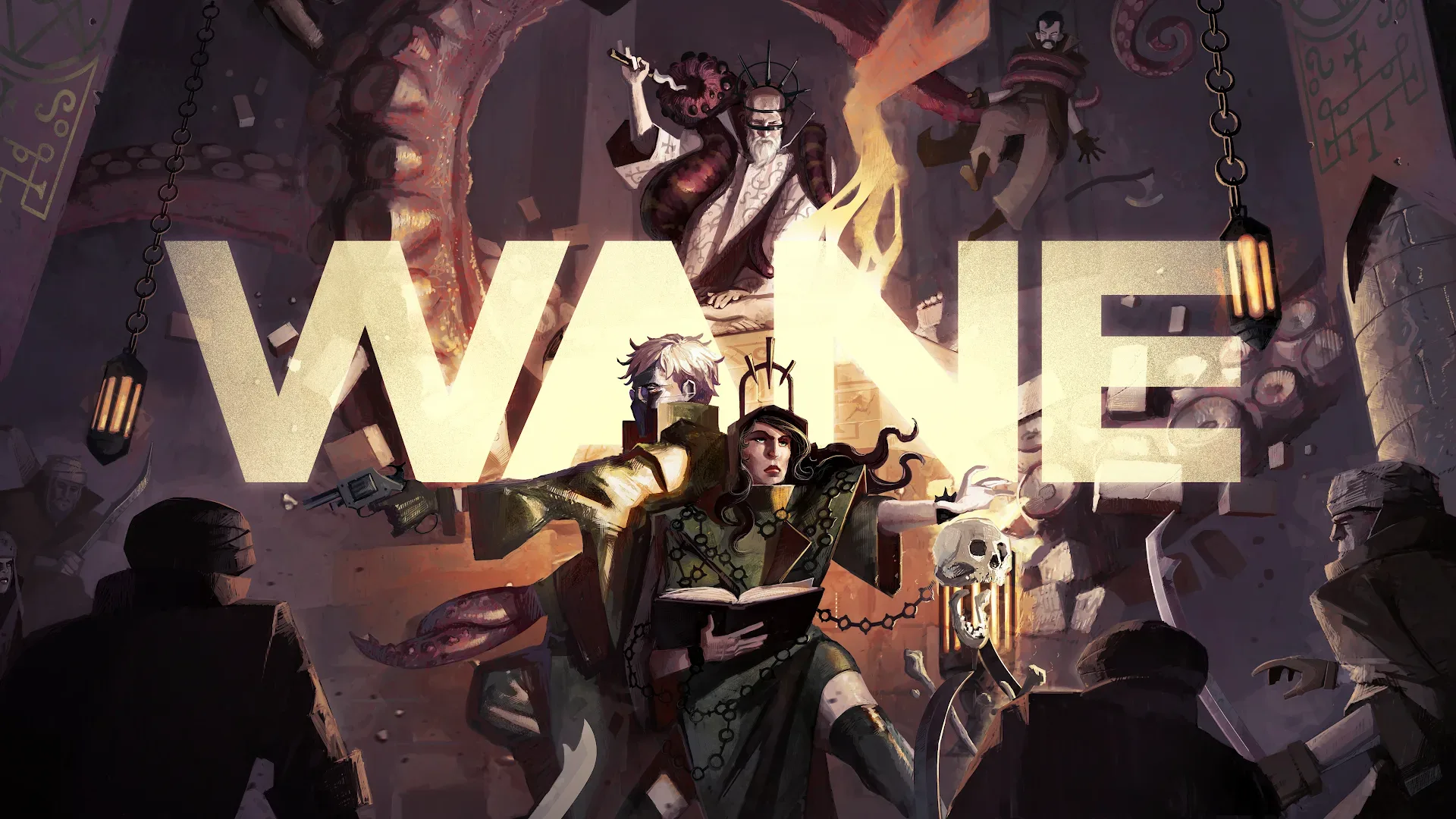
Metis Creative has revealed WANE, an occult turn-based RPG in development for PC and published in partnership with Shoreline Games. Its premise makes the journey through a roguelike dungeon unusually personal: the sprawling realm of Ravelle is formed from the fractured recollections of Declan Wayne, a fading archaeologist whose trauma, obsession and regret reshape the places players explore.
Unveiled during PC Gaming Show Tokyo Direct, WANE combines grid-based tactical battles with repeat-expedition progression. The broad pitch is not simply that a character is remembering the past; it is that memory actively determines the structure of the game world. Metis Creative calls the approach “Memory is the Map,” and that idea connects the game’s story, its shifting expeditions and its longer-term upgrade loop.
The announced package places a noir-inflected occult story inside an industrial dystopia styled around the 1980s. It is a distinct setup for a tactical RPG, particularly because Ravelle is not presented as a conventional, fixed setting. It is a labyrinth made from Declan’s broken memories, leaving room for narrative revelations and mechanical changes to develop together across multiple descents.
A tactical RPG built around placement, cover and sightlines
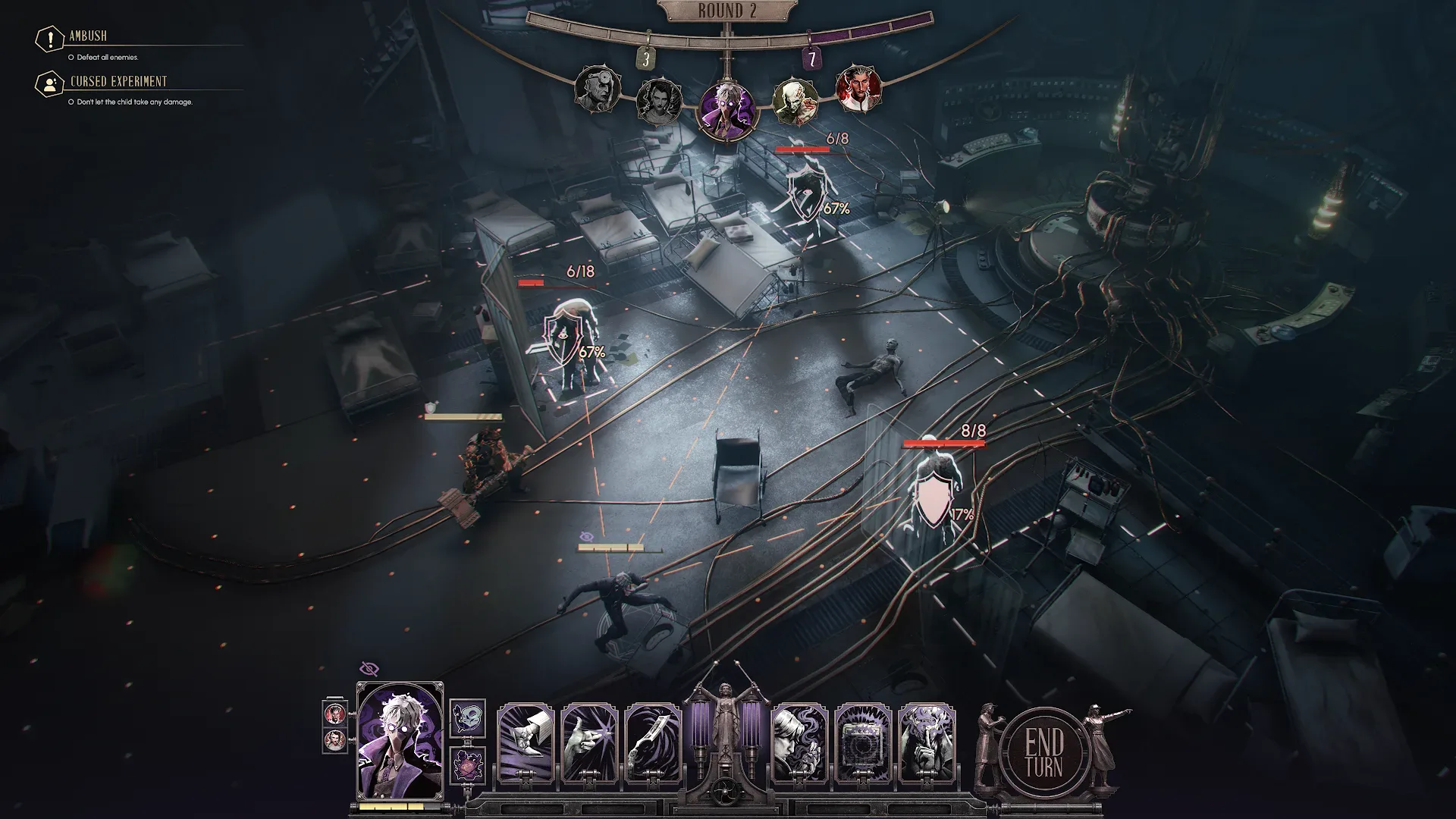
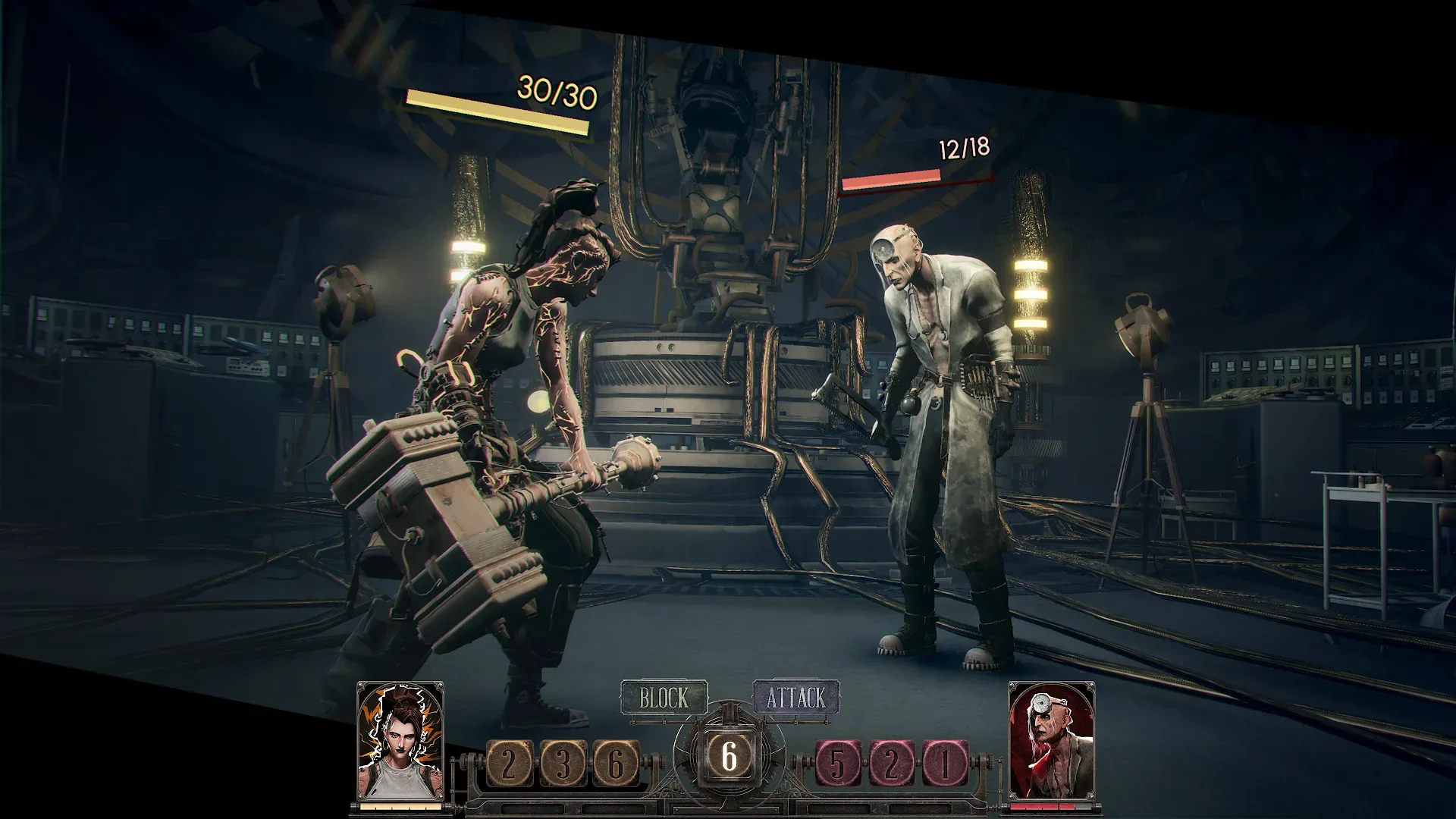
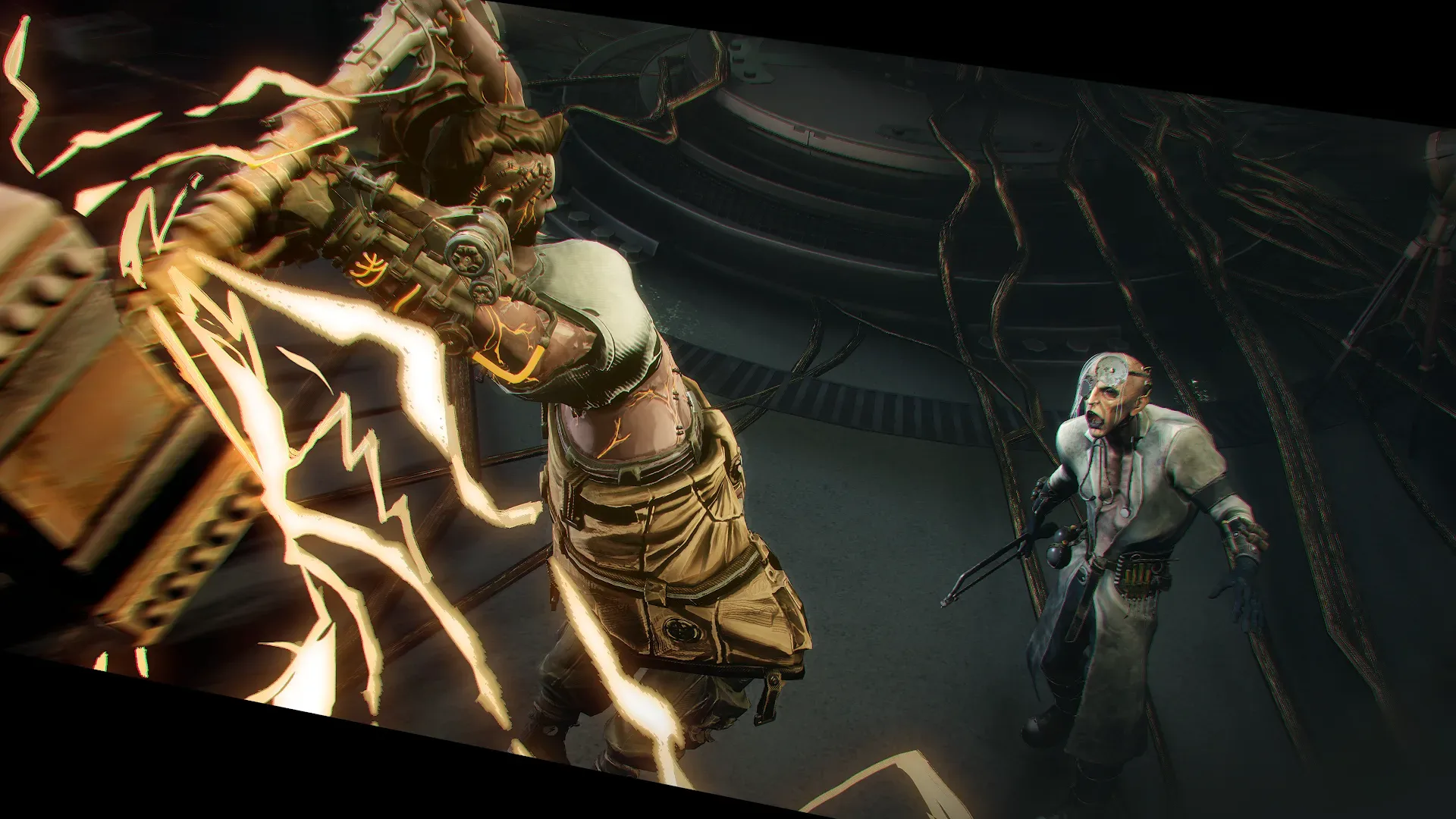
WANE’s combat is turn-based and grid-based. In practical terms, players move characters across a battlefield divided into discrete spaces rather than freely positioning them in real time. That makes each turn a question of where a unit should stand as much as what ability it should use.
The disclosed combat systems include positioning, cover, line of sight and percentage-based attacks. Those terms point to a tactical layer where the terrain and arrangement of allies matter:
- Positioning is the strategic choice of where to place a character before attacking, defending or setting up a teammate.
- Cover indicates that battlefield objects or geometry can help shield a unit from danger, rather than every combatant being equally exposed.
- Line of sight means a character’s ability to target an enemy may depend on whether a clear route exists between them. An obstacle can therefore matter as much as distance.
- Percentage-based attacks communicate the chance that an attempted hit will connect. Players will need to weigh a risky opportunity against a safer move, instead of treating every selected action as guaranteed.
None of that alone defines how WANE will feel in motion, and details such as its classes, enemy types and individual abilities have not been announced. But the stated ingredients make the design direction clear: combat is intended to reward reading a board, creating favorable angles and accounting for uncertainty. A strong party composition may be valuable, yet it will still need the correct formation and a workable view of the enemy to capitalize on its advantages.
Players will recruit adventurers and assemble teams of three. A three-person party is a deliberately compact group, which can make every roster choice carry more weight. With only three available positions, there is less space to bring a character solely for a narrow situation. The game’s mention of new synergies suggests that finding combinations among recruited adventurers will be a major part of its progression, although the specific combinations remain under wraps.
Roguelike progression means expeditions are only part of the campaign
WANE pairs its tactical systems with roguelike progression. In this context, “roguelike” describes a structure built around repeated runs or expeditions, random encounters and incremental advancement between attempts. It does not, by itself, confirm every rule players may associate with the label. The confirmed elements are random encounters, boss fights, recruitable adventurers, repeated descents and persistent improvements that open over time.
Related coverage includes WANE Revealed as Occult Tactical RPG Set Inside a Fractured Memory.
The result is a loop with two connected levels of decision-making. During an expedition, the immediate challenge is surviving encounters and bosses with the party currently available. Across several expeditions, the challenge becomes how to use what has been learned and earned to push further into Ravelle. New shortcuts, permanent upgrades and synergies are all described as unlocks that emerge through repeated exploration.
That distinction matters because permanent upgrades are not the same thing as a temporary boon found during a single run. A temporary advantage changes the current expedition; a permanent upgrade changes the player’s future starting position or strategic options. Likewise, shortcuts can potentially reduce repeated travel or provide alternate routes, although WANE has not yet detailed precisely how those routes will function. Together, these systems suggest that failure or retreat is designed to feed back into the next attempt rather than simply resetting progress.
Ravelle contains three named biomes: the Ravellian Sanatorium, the Palace of Arvanshah and the Death Pilgrimage to Erabel. A biome is a major themed environment, generally distinguished by its visual identity and structure. The names alone set a grimly varied tone, ranging from institutional unease to royal grandeur and an explicitly funereal journey. However, Metis Creative has not specified which enemies, hazards, bosses or mechanical twists belong to each area.
The three-biome structure gives the game a stated larger frame for its descents without overpromising a linear sequence. What is known is that players will descend through these locations and face bosses along the way. What remains to be seen is how their order, accessibility and random events will interact with the memory-driven premise.
The antiquarian shop anchors the time between runs
When an expedition ends, players return to an antiquarian shop. This hub is where relics can be appraised and sold, facilities can be upgraded, and resources can be directed toward future expeditions. It is an important part of WANE’s announced structure because it turns artifacts recovered from Ravelle into more than atmospheric treasure.
Appraisal means evaluating an object’s worth or qualities. Since WANE specifically pairs appraisal with selling relics, the shop appears set to be an economic and strategic pause between dangerous trips underground. The exact currencies, prices and relic effects have not been revealed, so it would be premature to assume that every artifact will have a combat function or that selling will always be the correct choice. Still, the shop establishes a clear loop: recover items, assess them, convert their value into resources, and strengthen the base for another journey.
Facility upgrades reinforce that long-term framing. Facilities are usually permanent or semi-permanent hub improvements, rather than supplies consumed in a single battle. In WANE, they are explicitly tied to funding the next expedition. This gives the game a material counterpart to its psychological setting: Declan’s memories shape Ravelle, while the antiquarian business provides the practical means to keep venturing back into it.
The archaeological angle is especially compatible with that arrangement. Declan is described as an archaeologist, and the game has players handling relics between expeditions. The available information does not establish the origin of every relic or whether they are directly connected to his professional past, but the overlap gives the premise a coherent thematic throughline. Exploration, recovered objects and buried memories all sit at the center of the announced concept.
Why the memory premise could matter beyond the story
The most intriguing element of WANE is the claim that Ravelle is shaped and reshaped by Declan’s memories. A changing dungeon is familiar territory for roguelike games; WANE’s stated twist is to give that variability a character-driven explanation. Trauma, obsession and regret are not merely background themes but forces that influence the realm players repeatedly enter.
That does not guarantee a particular style of storytelling. There is no announced dialogue system, branching-ending structure or confirmation of how much control players will have over Declan’s recollections. Yet the framework has practical potential. If shortcuts, upgrades and newly available synergies emerge as expeditions continue, then narrative discovery and mechanical progression can plausibly feel linked rather than existing as separate tracks.
For tactical RPG players, the appeal is likely to rest on whether those persistent options create meaningful new choices without eliminating the importance of individual battles. For roguelike fans, the appeal is the prospect that repeat runs carry both strategic and narrative significance. WANE will need to show more of its moment-to-moment systems before either question can be answered, but its initial reveal gives a focused outline rather than a vague genre mash-up.
Its setting also puts it among a growing number of dark PC projects exploring horror-adjacent moods through systems beyond direct action. Readers looking for another upcoming PC game with a more overtly horror-focused angle can also check out The Hollowing’s Steam demo news.
What has and has not been confirmed
WANE is confirmed to be in development for PC. No release date has been announced, and no additional platforms have been confirmed. The reveal establishes Metis Creative as the developer and Shoreline Games as the publishing partner.
Players can expect further details later. For now, the confirmed pillars are a three-member recruitable party, grid-based turn-based encounters shaped by terrain and accuracy chances, randomized events and bosses, three named biomes, an antiquarian-shop hub, and an expedition structure built around permanent progress. The official reveal trailer is available here.
That is enough to make WANE one to watch for players drawn to tactical positioning and roguelike momentum, especially when both are tied to a setting that treats the map itself as a reflection of a troubled protagonist. The next useful reveal will be the one that shows how Declan’s memories change the decisions made from one turn, one expedition and one return to the shop to the next.