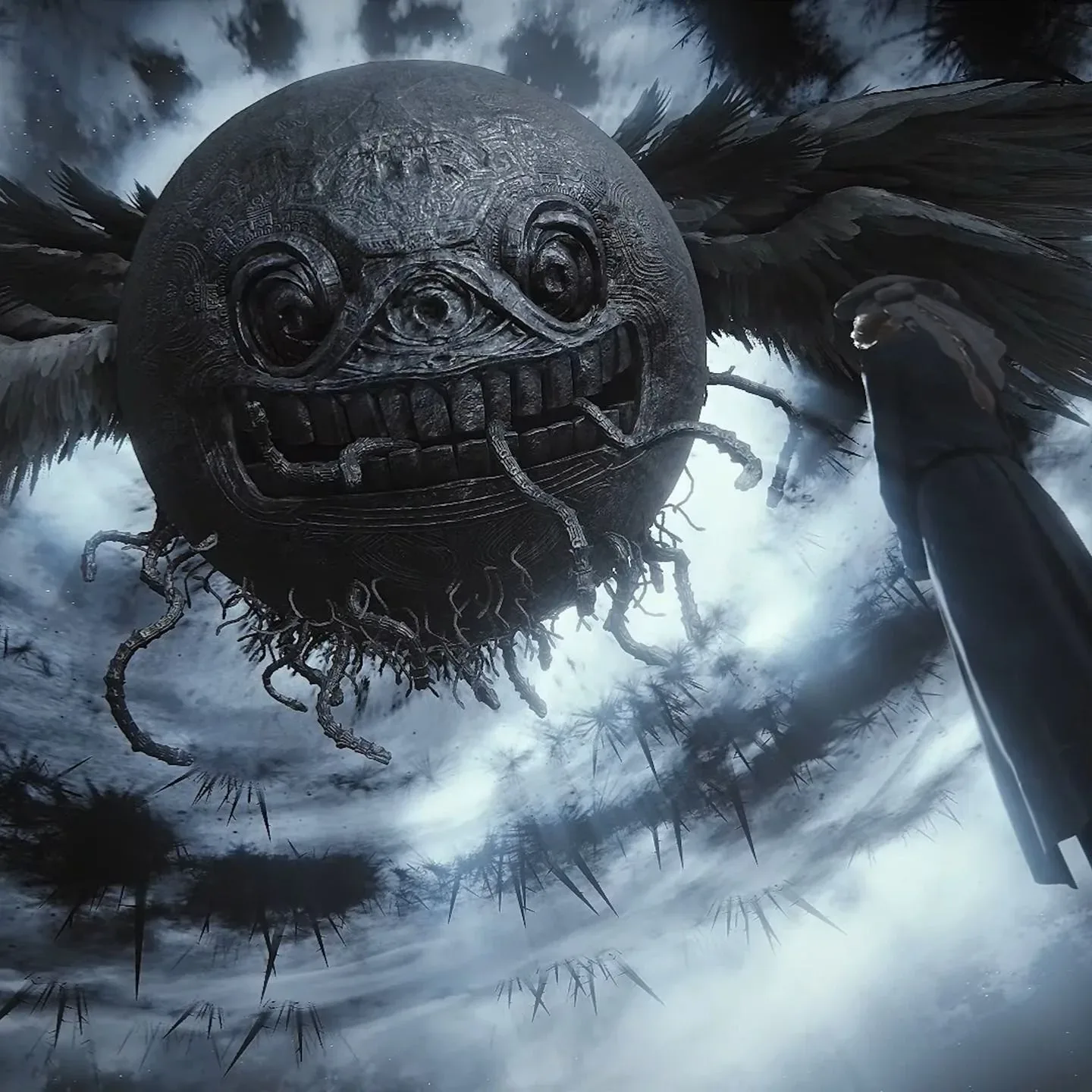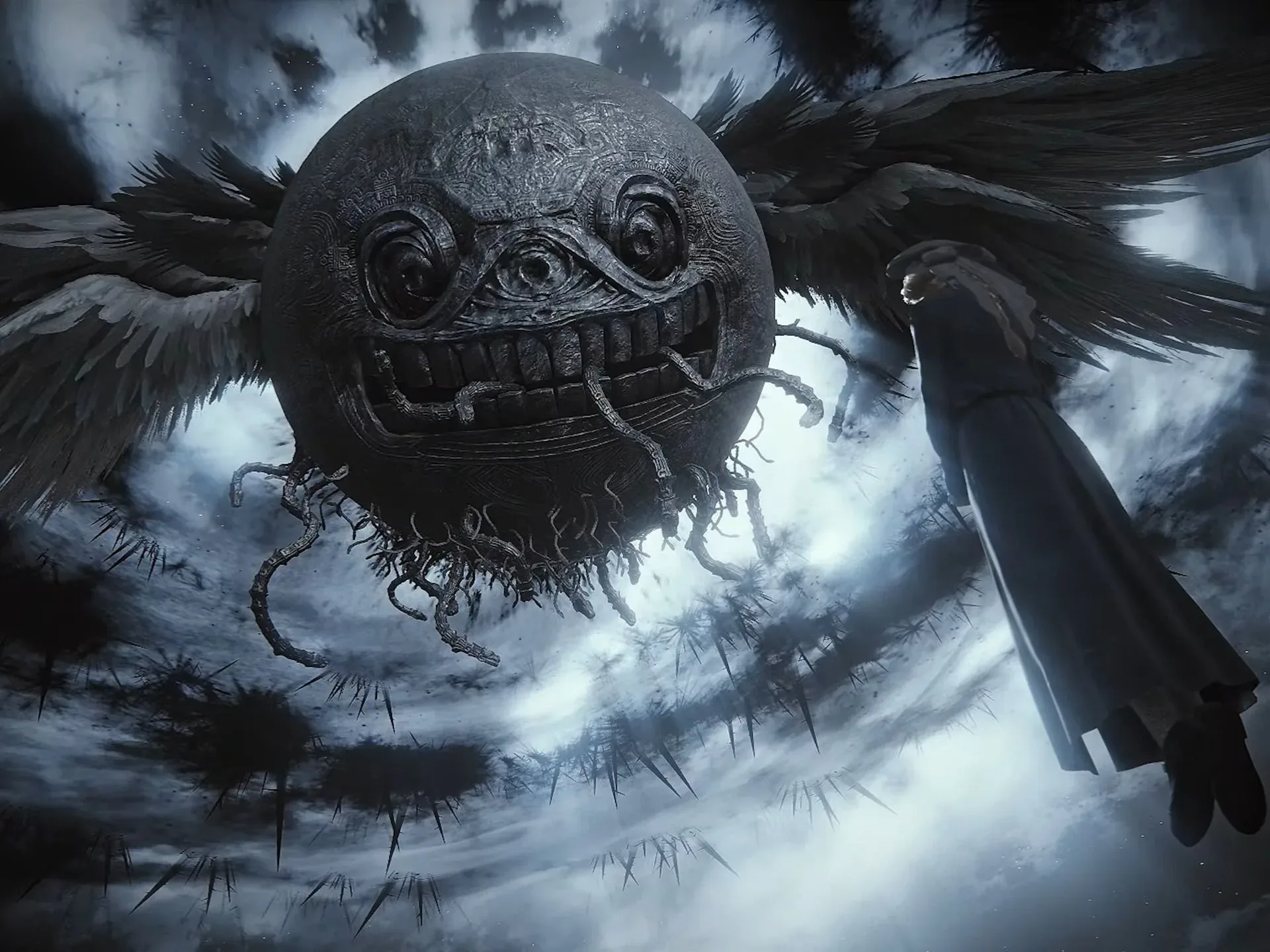
FromSoftware has one of the most immediately recognizable identities in modern games. Players can point to deliberate combat, mysterious worlds, formidable bosses, environmental storytelling, and the particular thrill of recovering from a humiliating defeat with a plan that is only slightly less terrible. Yet Hidetaka Miyazaki says the studio does not operate from an intentional, fixed mandate dictating exactly how every FromSoftware game must be made.
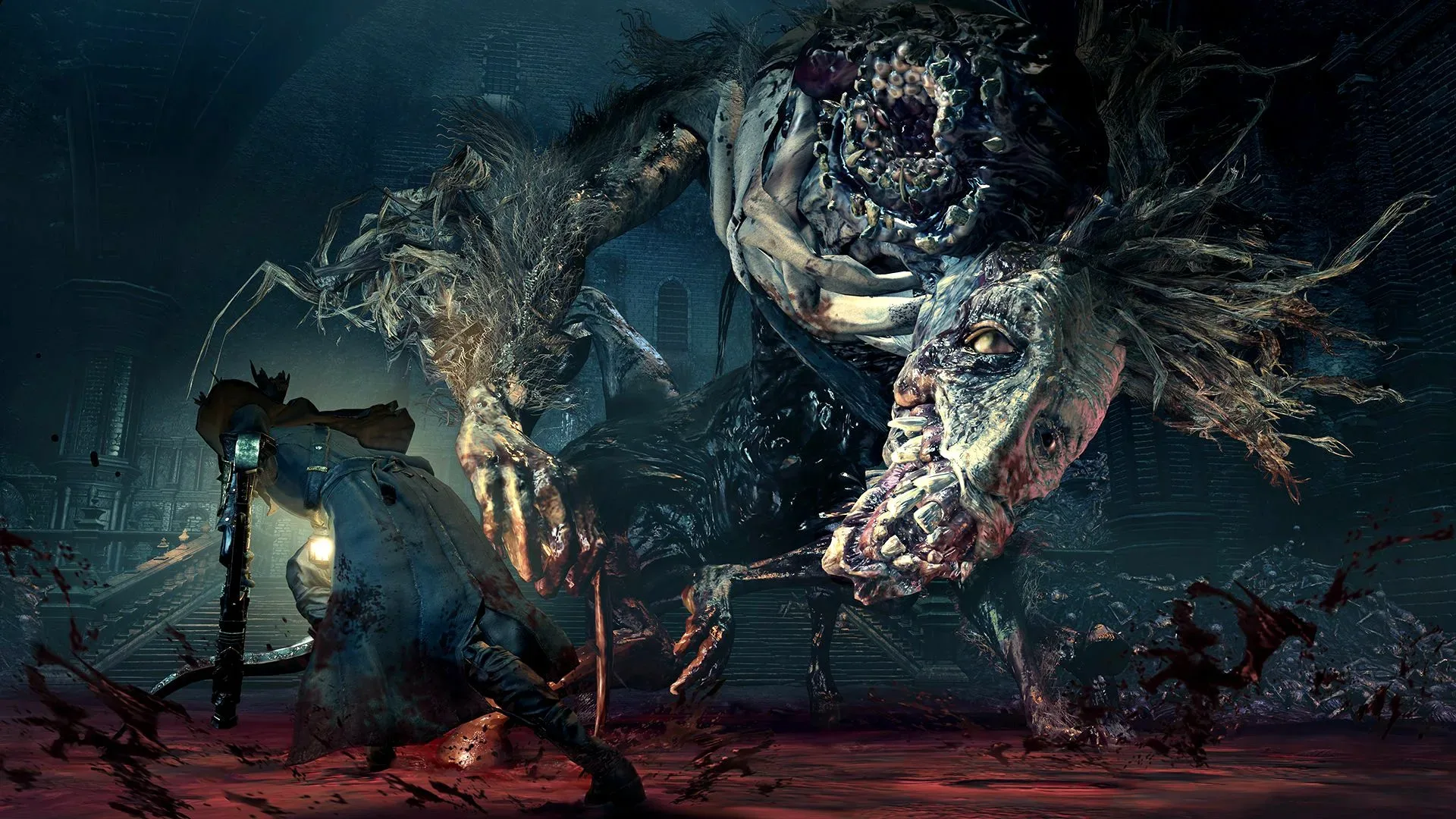
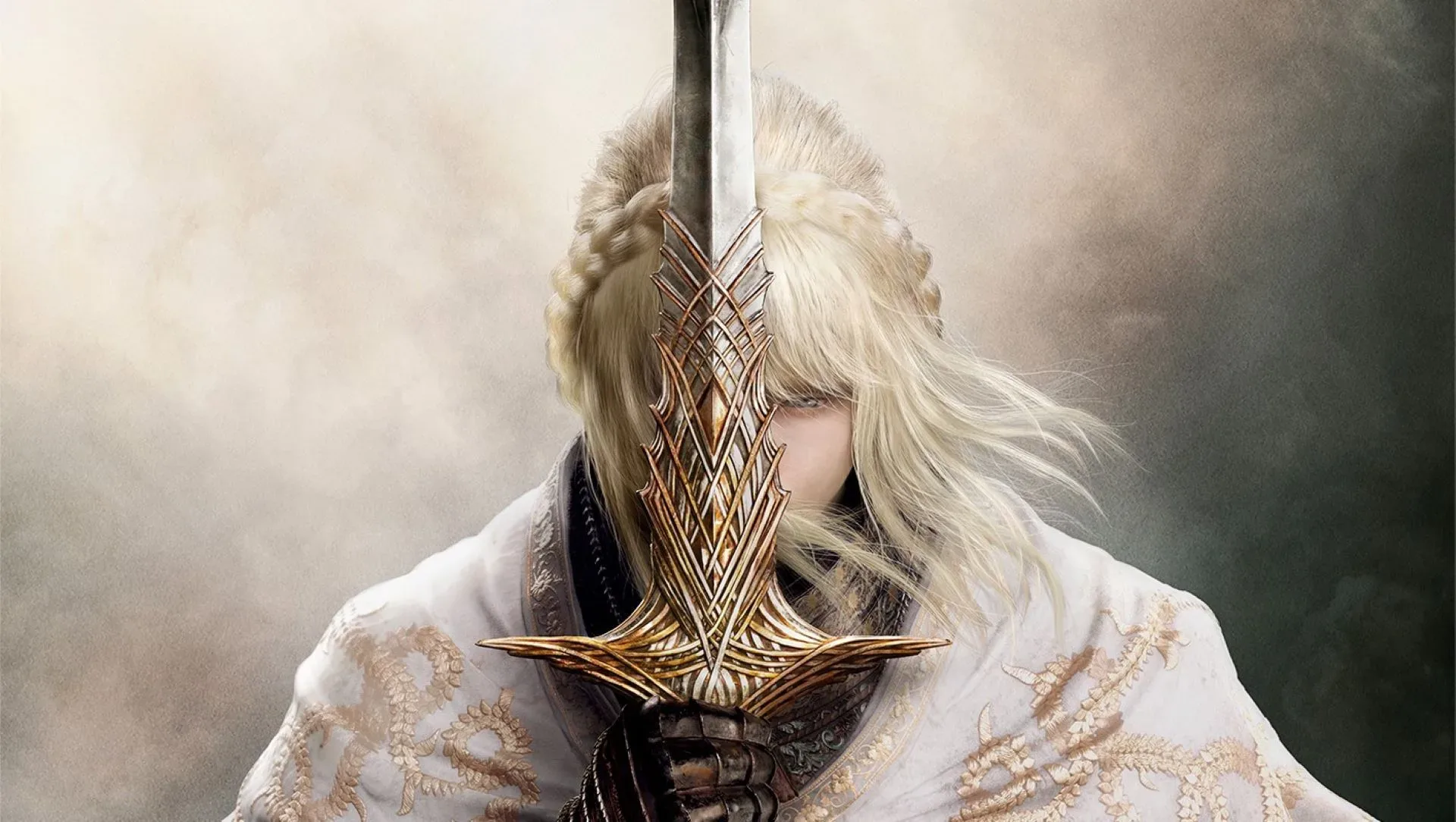
That distinction matters as attention turns toward The Duskbloods. The project appears positioned to combine combat that may feel familiar to fans of games such as Bloodborne with a multiplayer structure likened to an extraction-shooter-style loop. It is an unusual direction for a company frequently discussed through the broad and increasingly unwieldy label of “Soulslike.” Rather than treating that label as a blueprint, Miyazaki’s comments frame it as evidence of a shared history—one that need not restrict the next experiment.
“There’s no intentional FromSoftware [mantra] – ‘this is the way we make our games,’” Miyazaki said in a recent interview.
He also explained the risk in turning creative habits into doctrine: “If you start to do that it becomes stale and conservative,” adding that strict adherence to established rules and philosophies can make games less interesting and less fun. It is a concise argument against the sequel factory mindset, and it helps explain why FromSoftware’s catalog can feel coherent without becoming interchangeable.
A recognizable studio without a locked-in template
The apparent contradiction is easy to see. FromSoftware absolutely has patterns. Its games often ask players to pay attention, live with consequences, learn through repetition, and piece together a setting from fragments rather than a constant stream of exposition. Enemy placement, the weight of animation, resource management, shortcuts, dangerous discoveries, and intimidating major encounters have all become associated with the studio.
But a house style is not necessarily a formula. The difference is clearest when its major releases are placed next to one another. Dark Souls is built around a carefully connected dark-fantasy world and a methodical action-RPG rhythm. Bloodborne shifts toward gothic horror, pushes aggression, and changes the emotional temperature of every confrontation. Sekiro: Shadows Die Twice favors a focused action system rooted in posture, deflection, stealth, and a defined protagonist. Elden Ring, meanwhile, expands the scale dramatically with its open world and player-directed exploration.
These games have recognizable family traits, but playing Sekiro immediately after Elden Ring does not feel like booting a new map pack with different trees. Their movement, combat priorities, progression structures, pacing, fiction, and player expectations differ substantially. One asks players to master a sharp, rhythmic duel; the other gives them an enormous landscape in which they can wander away from a problem, acquire new tools, and return with a different approach—or even more problems.
That capacity for change may be more valuable than any specific mechanical convention. A game can preserve a sense of tension, discovery, and accomplishment while revising the systems used to generate those feelings. It can retain a creative sensibility without merely photocopying its last successful release.
Related coverage includes Miyazaki Says FromSoftware Avoids a Fixed Formula to Keep Its Games Exciting.
“What we find interesting first”
Miyazaki described the studio’s guiding philosophy as following what the team finds interesting first. In his view, that approach has provided a productive throughline across the games and remains central when the studio conceives a new title. The important word is not “same”; it is “throughline.”
A throughline can be an attitude toward design rather than a checklist. It may mean a willingness to let players feel vulnerable, to trust them with ambiguity, or to make a victory earned instead of automatically handed over at the end of a guided sequence. None of those instincts requires the same map layout, character build system, online component, or combat meter every time.
There is also a practical creative point beneath the philosophy. Rules are useful until they become unquestioned. A studio can standardize tools, production processes, and quality goals without deciding in advance that every future game needs identical answers to every design question. Should a new world be a labyrinth or a vast open field? Should combat reward defense, speed, positioning, party composition, stealth, or cooperation? Should failure be a reset, a lesson, a resource loss, or a chance to adapt? Those are questions worth reopening, especially for a studio that has built much of its reputation on surprise.
Other developers face the same tension. Long-running series can offer comfort through familiar systems, but familiarity has a cost when it becomes predictability. The strongest recurring franchises often preserve their identity by reconsidering which elements are essential and which were simply useful in the previous game. That can be especially important in action games, where a single change to mobility or defensive options can transform the entire conversation between player and enemy.
Why The Duskbloods is a meaningful test of that approach
The Duskbloods is notable because its reported multiplayer, extraction-like structure suggests FromSoftware is not simply looking to recreate the solitary progression of an earlier hit. The available description invites comparisons with the speed and mood of Bloodborne, but the broader loop points somewhere else. That does not tell players exactly how the final experience will work, and it should not be mistaken for a guarantee that every genre comparison will prove precise. It does indicate an interest in recombining familiar strengths with a different framework.
Multiplayer structures can change more than the number of people on screen. They can reshape risk, information, objectives, social tension, build decisions, and the meaning of a successful run. In a traditional single-player action RPG, a player may advance by steadily converting knowledge into progress. In a session-based multiplayer loop, the same player may have to judge whether to push further, protect what they have gained, cooperate, compete, or react to an opponent whose intentions are not scripted.
That is why reducing the project to “another Souls game” would miss the implication of Miyazaki’s comments. Familiar combat sensibilities do not automatically dictate the larger game around them. A trusted foundation can support a strange new building, ideally one with suspicious staircases and a door that should probably not be opened.
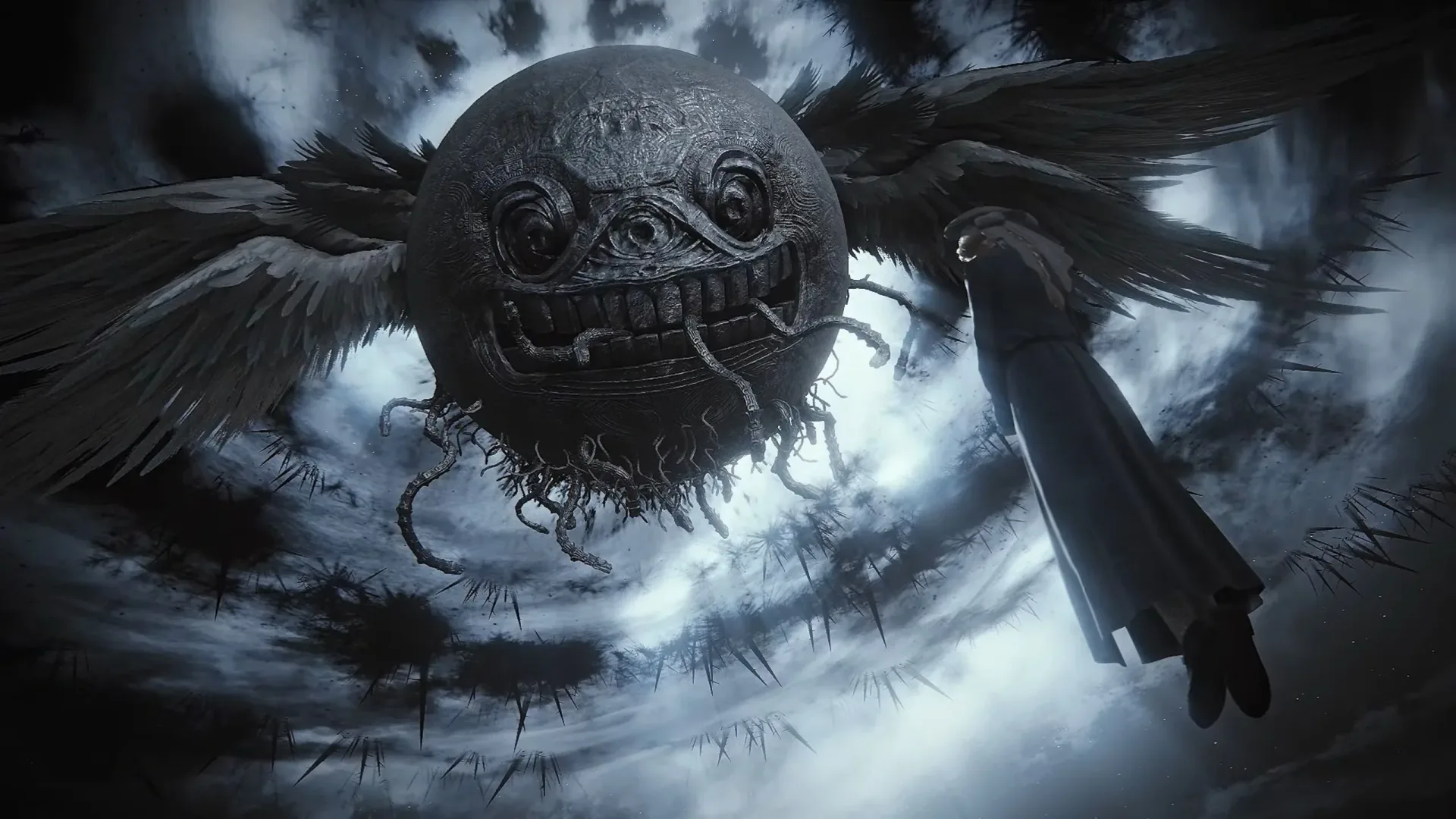
The studio’s willingness to entertain unusual character ideas remains part of the conversation, too. Miyazaki has expressed a “powerful, almost maternal affection” for Zork, a The Duskbloods character who has become a point of online fascination. That sort of detail does not explain the entire game, but it does fit a developer known for characters, creatures, and concepts that refuse to be merely normal when they could instead be memorable, unsettling, or both.
The value of avoiding the safe answer
Success creates pressure to repeat success. In an industry built around budgets, schedules, investor expectations, and recognizable brands, the safe path often looks obvious: take the known hit, preserve its most marketable features, and make only small changes around the edges. Sometimes that produces a satisfying sequel. Sometimes it produces a game that is technically competent and emotionally forgettable.
Miyazaki’s point is not that consistency is bad. FromSoftware’s games plainly benefit from clear priorities and accumulated expertise. The point is that consistency cannot be allowed to harden into a creative cage. Players may say they want more of the same, but what they often mean is that they want the same strength of feeling: discovery, danger, mastery, dread, fascination, and stories worth comparing with friends after the controller is down.
Those feelings can arise from very different systems. That is also why debates around new mechanics matter across the wider medium. For example, role-playing games frequently use flexible job structures to change how players understand a party and its options; the FITS jobs in Final Fantasy 7 Revelation offer a separate example of how a system can broaden the possibilities available to a player rather than simply preserve established roles.
FromSoftware’s future projects will still be measured against its past. That is unavoidable when a studio has helped shape player expectations for an entire corner of the action-RPG landscape. But Miyazaki’s remarks suggest the company does not see those expectations as a command to recreate a single idealized version of Dark Souls forever. The more durable goal is to pursue the ideas that intrigue its creators, even if the resulting game asks a different question, plays by different rules, or makes players wonder why the monster in the corner appears to have a better plan than they do.
For The Duskbloods, the result remains to be seen. What is clearer is the creative rationale: familiarity may provide a starting point, but it is not intended to be the destination.