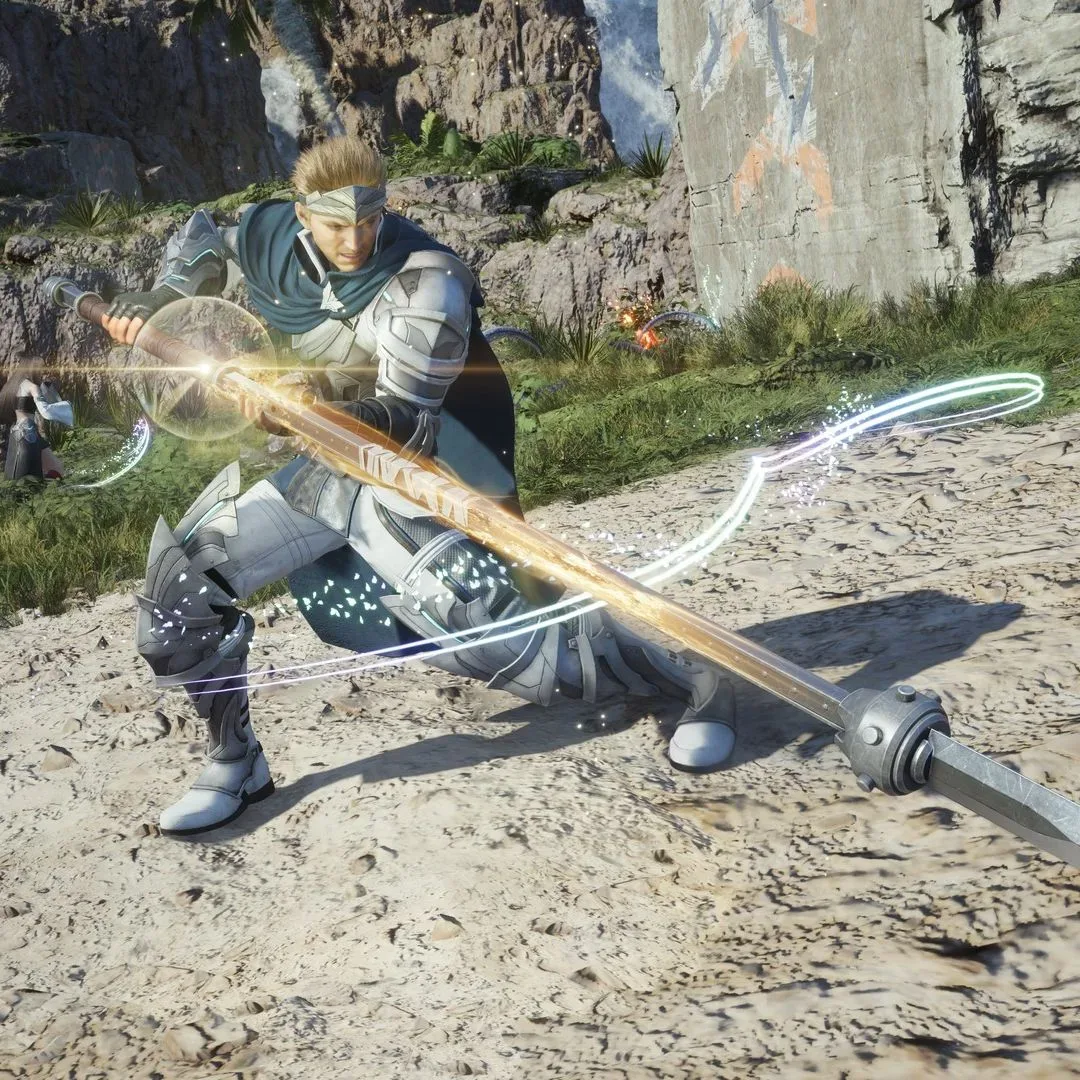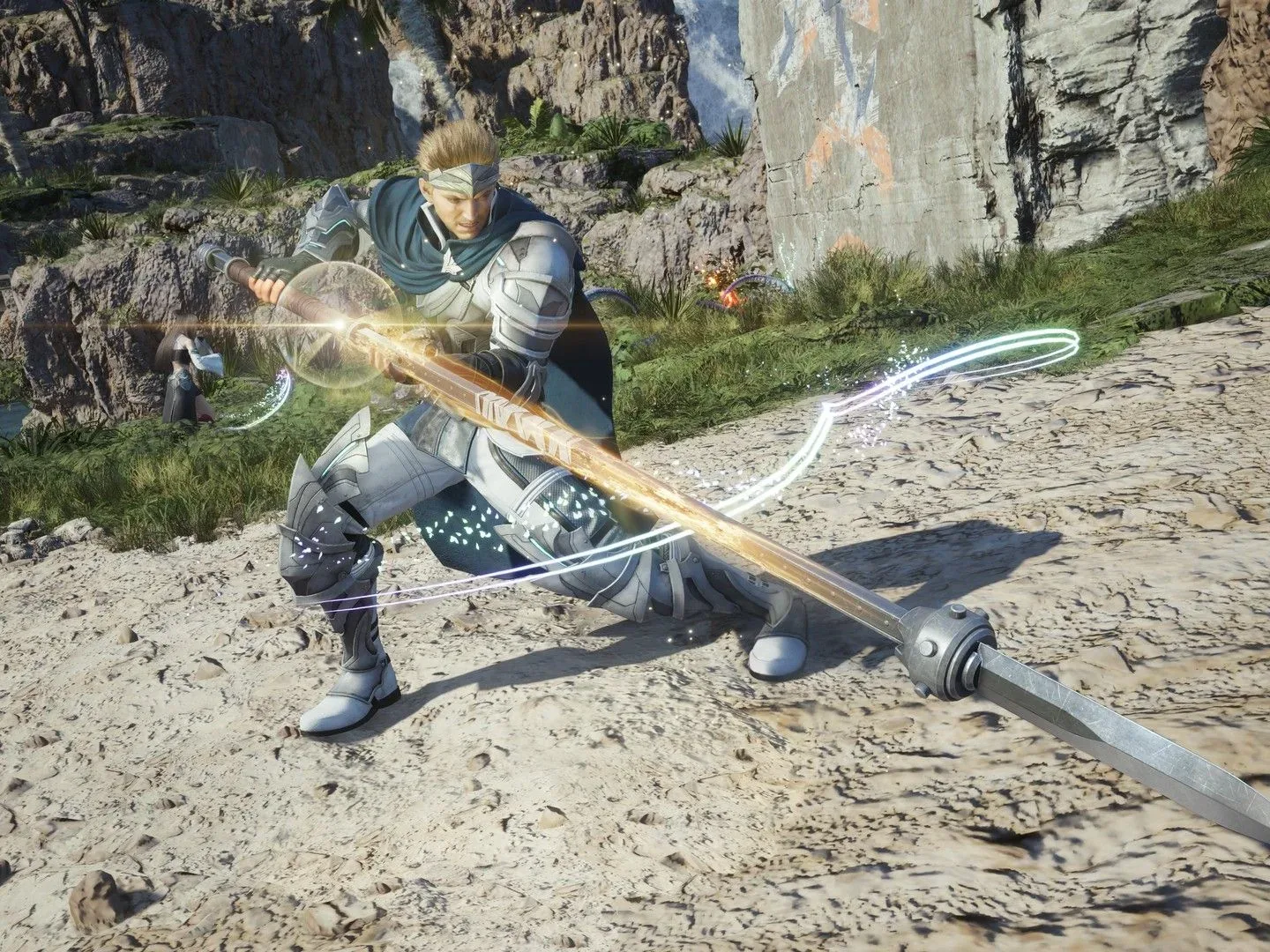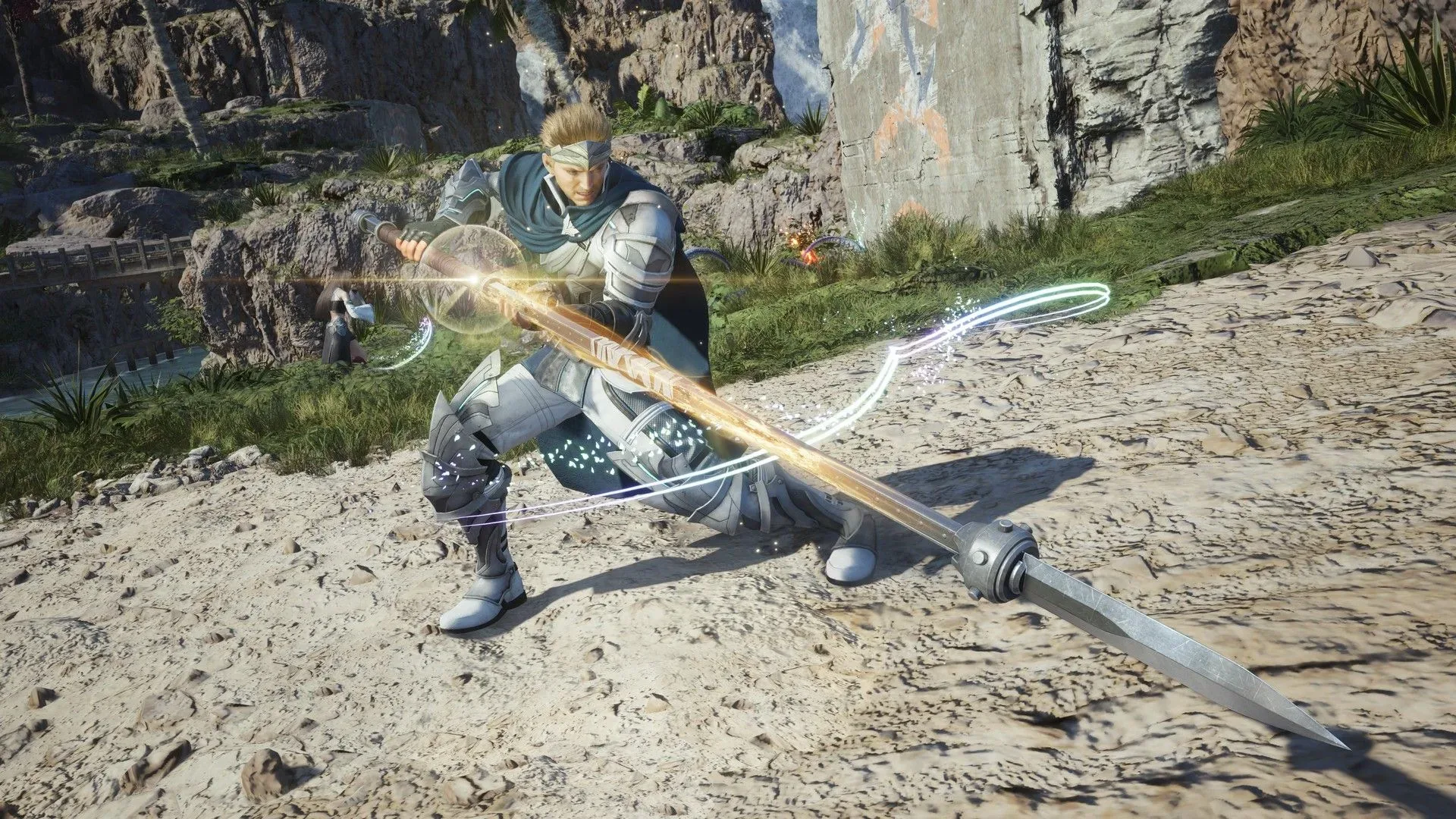
Final Fantasy 7 Revelation is bringing a major new character-building system to the remake trilogy’s final chapter, but it will not make players earn its four available jobs separately for every party member. Series director Naoki Hamaguchi discussed the FITS system during a PAX West 2026 panel, explaining that an earlier approach would have tied job access to individual characters and story progress. That plan was personally vetoed.
The result is a much more flexible setup: after FITS becomes available in the game, each member of the party can access all four of its jobs. Players will still be able to shape characters around distinct archetypes, but they should not need to wait for a particular character milestone before experimenting with the same set of roles across the entire group.
It is a deceptively important decision. Job systems can be wonderful RPG playgrounds, but they can also become a filing cabinet of locked drawers: one character gets the key to a role, another cannot touch it until a later objective, and the player’s preferred team composition has to wait patiently in the lobby. Revelation’s version of FITS appears designed to skip that bottleneck once the system itself is introduced.
FITS is positioned as Revelation’s big party-customization overhaul
FITS functions as a job system in the broad tradition of Final Fantasy games that let players assign or build characters around specialized combat identities. Hamaguchi’s description places it in the same general lineage as systems seen in Final Fantasy V, Final Fantasy XII, and Final Fantasy Tactics: characters can be tailored toward particular archetypes rather than being held permanently to one narrowly defined combat function.
Four jobs will be available to equip through FITS. The details that matter most right now are the number of available jobs and the shared access model, rather than a full public breakdown of every role’s abilities, stats, or restrictions. No complete list of those jobs was provided in the panel information at hand, so speculation about exactly which familiar classes will appear should remain speculation.
That distinction is worth making because the earlier, abandoned structure naturally invites players to imagine a character-to-job match. A brawler might seem suited to one archetype, a gun-arm specialist to another, and a sword-wielding former SOLDIER to something else entirely. Yet those are examples of the kind of arrangement that could have existed, not confirmed assignments for Revelation. The central confirmed point is broader and more player-friendly: FITS is not intended to parcel its four jobs out one party member at a time.
Once unlocked, the system should allow a player to look at the party and ask the useful RPG question: what does this battle, boss, or personal strategy need? More damage? More support? A sturdier front line? A character in an unexpected role just because the idea is fun? Revelation’s answer appears to be, at minimum, “go ahead and try it” rather than “come back after someone’s designated story checkpoint.”
Why shared job access changes the rhythm of an RPG
Locked character progression is not inherently bad design. It can reinforce personality, make story development feel mechanically meaningful, and give new unlocks a welcome sense of occasion. If a game wants a party’s identities to remain sharply separated, a restricted system can be the right fit.
Related coverage includes Final Fantasy 7 Revelation Gives Every Party Member Full FITS Job Access From the Start.
But the costs are obvious, especially in a game with a famous cast that players may want to use at all times. Individual job gates can make experimentation feel expensive. A player who wants to swap a favorite party member into a new role may find that the role is not available yet, while a character they rarely field has received the more interesting tool. Instead of exploring a build, the player is negotiating with a progress chart.
Hamaguchi’s intervention suggests Revelation is prioritizing party freedom after FITS enters the adventure. It does not necessarily mean every character will behave identically, nor does it tell us every limitation surrounding equipment, abilities, combat balance, or party structure. Shared job availability is not the same thing as confirming that every build will be equally optimal. What it does mean is that the initial menu of four roles will not be fragmented among party members.
That should make it easier to change plans without rebuilding the whole adventure around who has happened to unlock what. It also has an appealing thematic side effect for a final-trilogy entry: the group can feel like a team learning a system together, rather than a collection of separate permission slips.
For another example of how a classic RPG can make changing perspectives part of its identity, revisit Suikoden III’s Trinity Sight System. Its approach is very different from a job framework, but both ideas underline how party structure can affect the way players connect with a large ensemble.
Jobs have costumes, but skins will be separate
FITS will not only alter the party’s role options. Each character will also receive unique costumes for each job. That immediately introduces one of the oldest and most honorable RPG dilemmas: should a player select the setup that best suits the encounter, or the one that delivers the superior look?
Fortunately for players unwilling to let tactical efficiency bully their wardrobe, Revelation will include a skin system separate from FITS. Hamaguchi indicated that players will be able to choose an appearance independently of the job system. In practical terms, that means a character’s visual presentation does not have to remain permanently tied to the outfit associated with their equipped FITS job.
The stated example involved Tifa: players who prefer her classic outfit, rather than the loose-sleeved look shown in gameplay footage, will have the option to use it. The larger takeaway is more important than any single costume. Revelation appears to be separating combat customization from cosmetic preference, an arrangement that should let players pursue a build without sacrificing the party’s preferred visual identity.
Bonus skins are also planned as rewards from side content throughout the game. Specific bonus costumes beyond the classic Tifa example have not been confirmed in the available details. Fans may have plenty of wishes for looks inspired by other Final Fantasy VII-related appearances and crossover designs, but those remain wishes until the development team identifies them directly.
Still, side-content cosmetic rewards can give optional activities a pleasantly personal payoff. The reward is not merely another number rising in a menu; it can be a new way to present a beloved character for the rest of the journey. In a game with a cast this recognizable, that is a meaningful incentive even before the specifics of the side activities are known.
What remains unknown about FITS
The PAX West discussion answers a major access question, but it leaves many sensible questions open. It has not established the complete job list beyond there being four available roles, the exact point in the story when FITS unlocks, how job abilities are earned or upgraded, whether characters retain unique strengths within shared jobs, or how the system interacts with other forms of progression.
Likewise, the cosmetic plans confirm job-specific costumes, separate skin selection, and side-content skin rewards, but not the complete wardrobe, the requirements for every bonus outfit, or whether particular fan-requested designs will appear. Those gaps are not bad news; they are simply details that have not yet been nailed down publicly.
Square Enix has also expressed an ambition for Final Fantasy VII to remain an intellectual property with an evolving future beyond the remake trilogy. That wider goal adds context to Revelation’s systems: a flexible job framework and a cosmetic layer can both help a long-running project feel expansive without requiring every player to use the same version of a character.
For now, the clearest message is refreshingly direct. FITS may be new to Revelation, and its four jobs may bring a fresh set of tactical decisions, but the party will not be forced through a character-by-character unlock parade once the system is active. The director’s veto means players can spend more time choosing how they want the team to function—and, thanks to separate skins, how they want that team to look while saving the world.