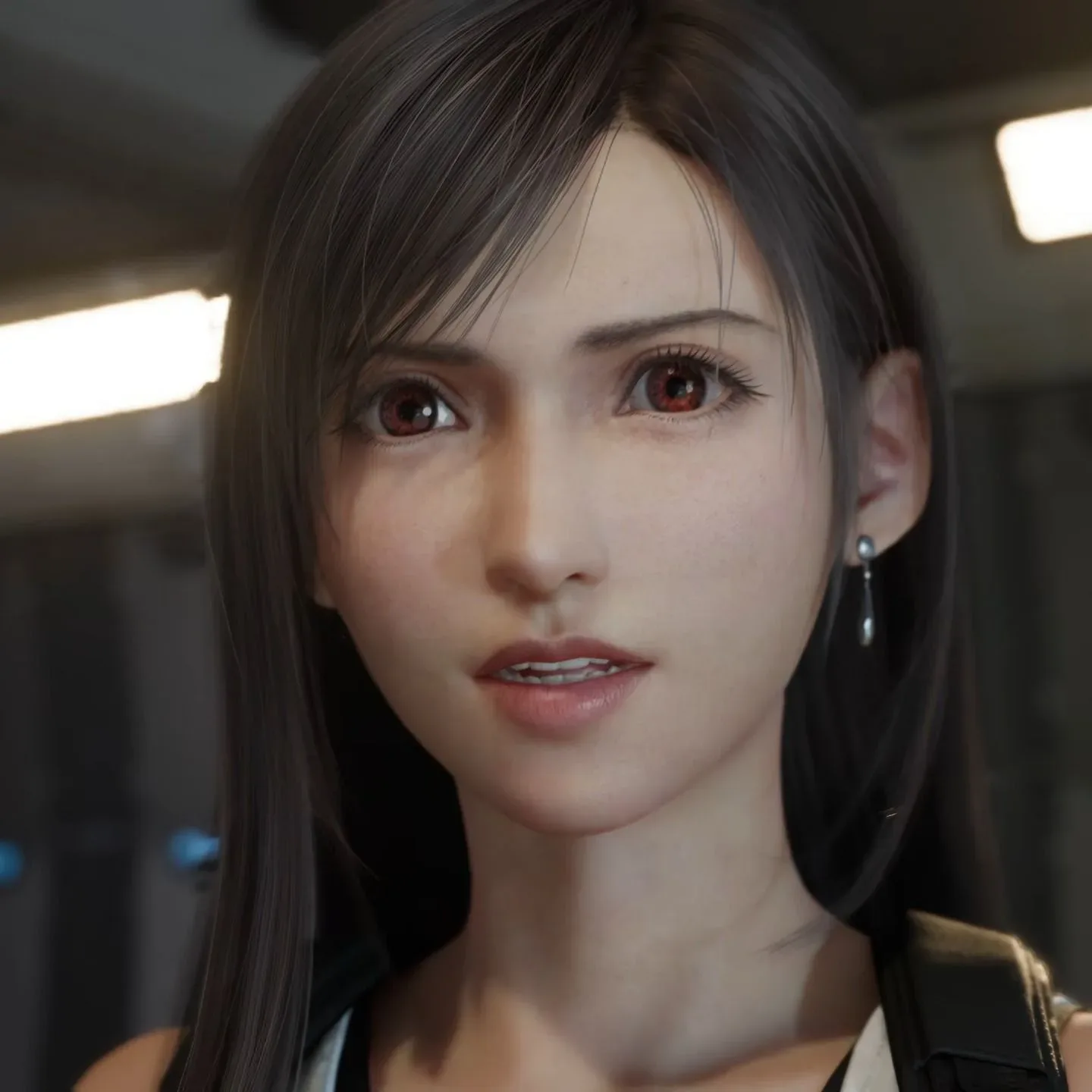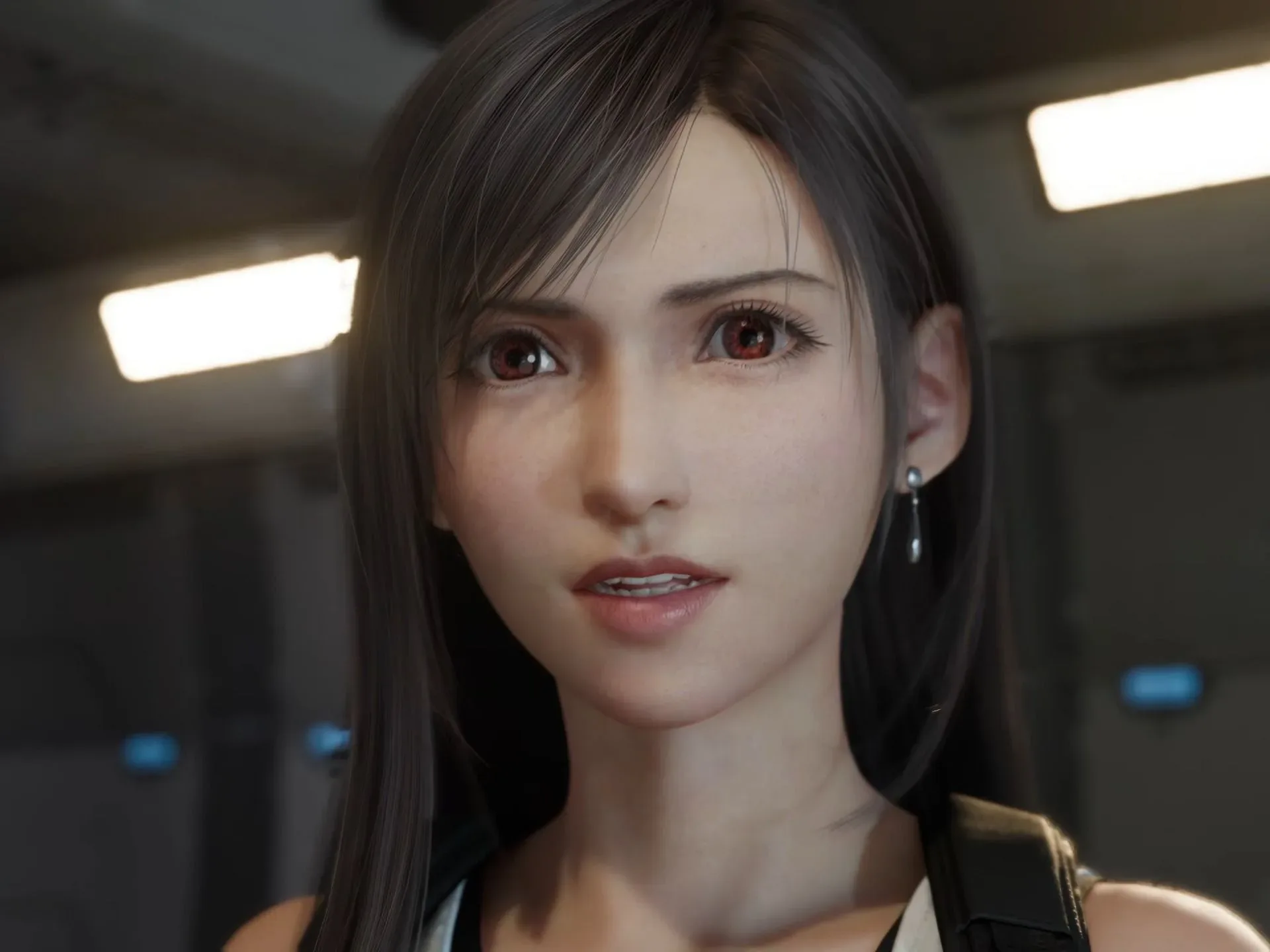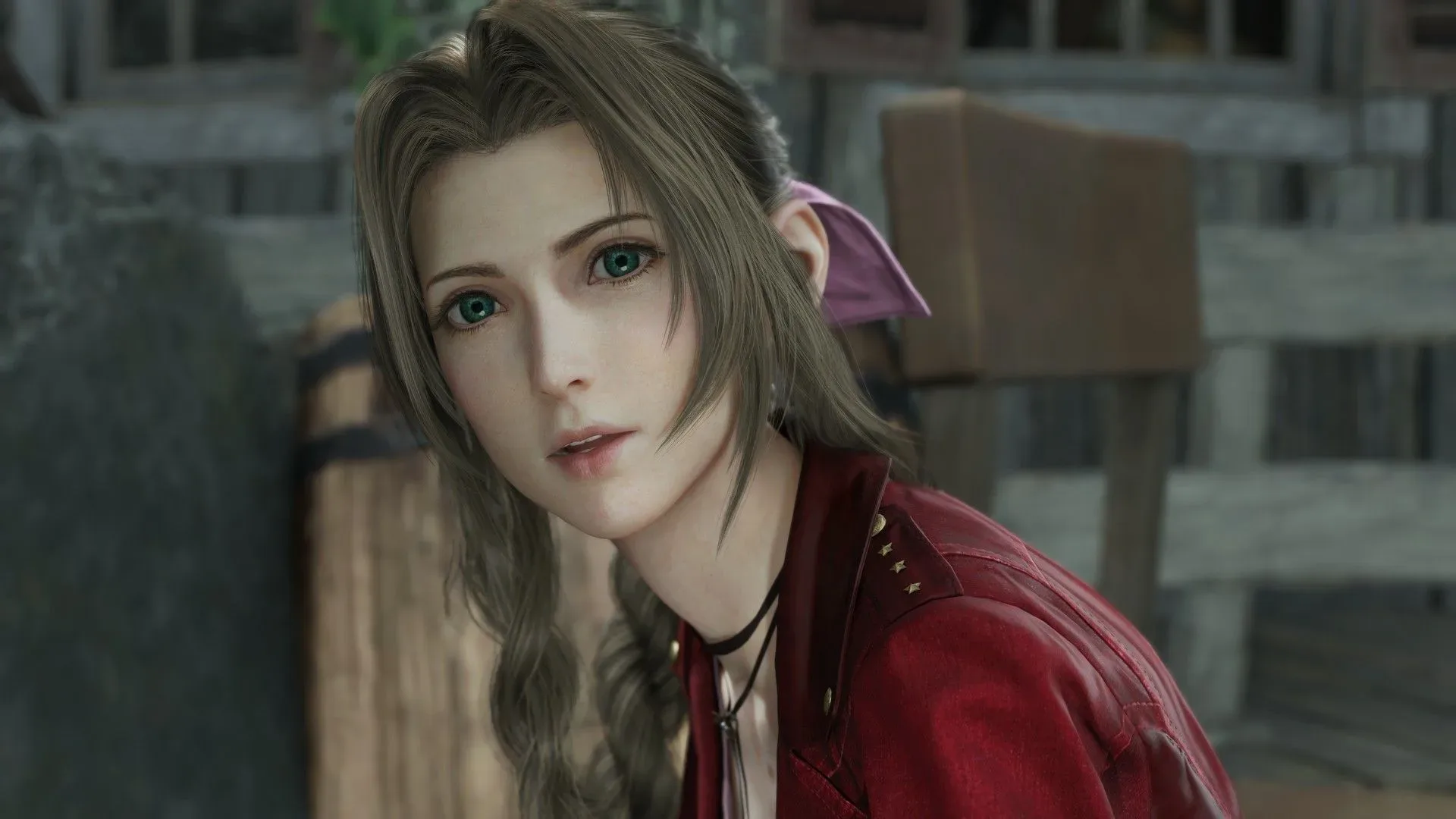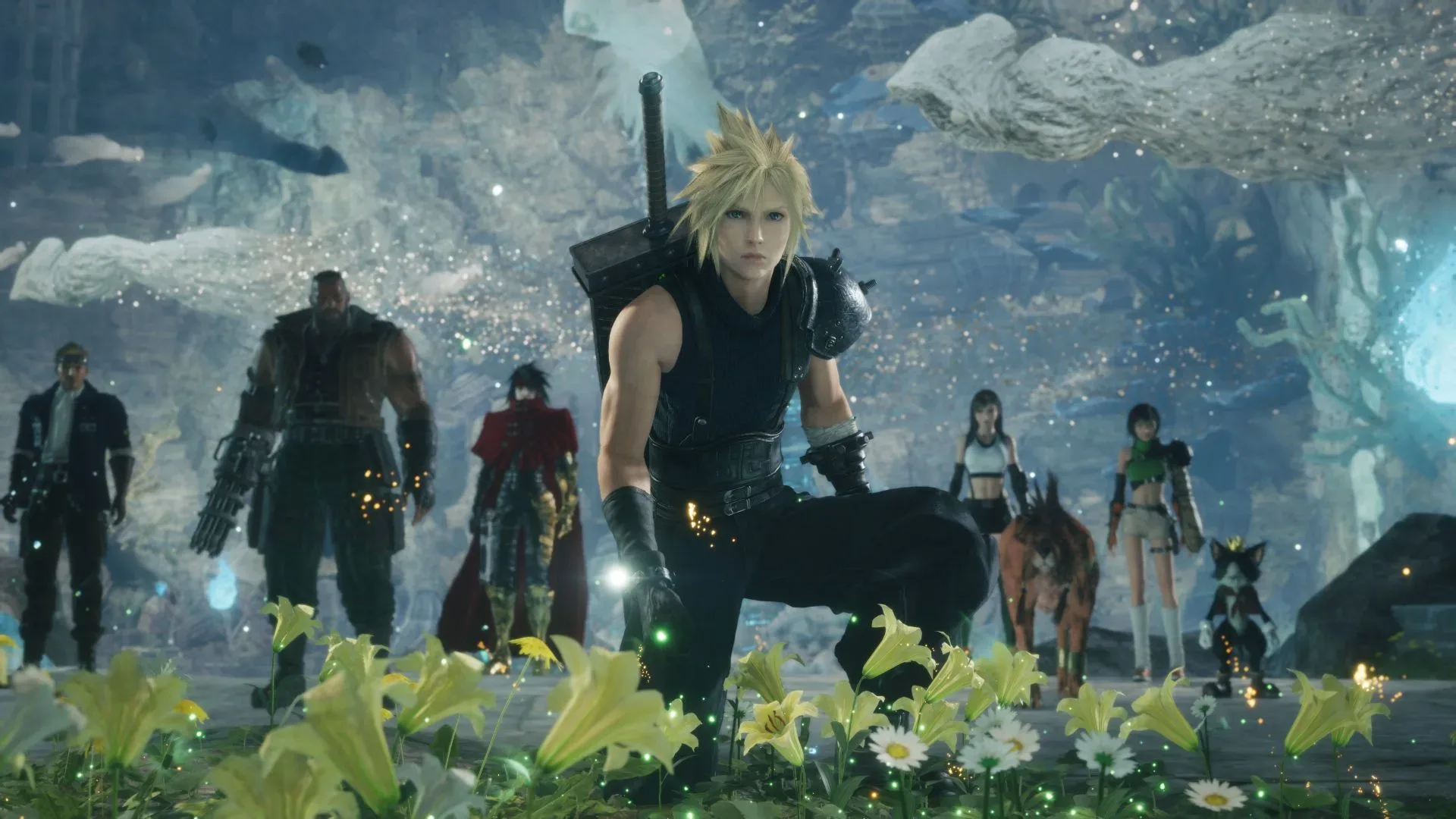
Should a newcomer play the 1997 Final Fantasy 7 before beginning the Remake trilogy? Final Fantasy 7 Revelation director Naoki Hamaguchi’s answer is refreshingly non-prescriptive: it depends on what a player wants from the story.
Hamaguchi has acknowledged the case for starting with the original. Its narrative is not merely being retold in the newer games; it is embedded in the trilogy’s broader storytelling. For players who know the earlier plot, moments that appear to divert from it can carry an added layer of meaning. But he also says the trilogy was made so people unfamiliar with the original can enter and still have a satisfying experience.
That distinction matters because the question is not simply one of chronology. It is about the kind of surprise a player values. One route gives a player context for changes. The other preserves the experience of discovering this version of the story without prior expectations.
Why the original game can change the Remake experience
Hamaguchi’s comments make clear that knowledge of the 1997 RPG can deepen a playthrough of the remake project. A returning player is in a position to recognize what seems familiar, identify what appears to be shifting, and consider why those differences are being highlighted.
That is especially relevant to the series’ interest in destiny and fate. The Remake games have asked players to think about what is “supposed” to happen and what it might mean when those expectations are challenged. In a straightforward remake, a player’s memory of the earlier game would largely function as a map. Here, that memory can instead become part of the dramatic tension.
Put simply, prior knowledge can turn comparison into participation. A familiar scene does not only invite recognition; it can invite suspicion, curiosity, or concern about whether the apparent path will hold. Hamaguchi’s point is not that newcomers will be unable to follow the plot. Rather, it is that veterans may spot narrative signals that mean more when placed beside the original storyline.
This is also why discussion around the trilogy often reaches beyond the usual “old game versus new game” framing. Players have interpreted the alternate-timeline elements as evidence that the project may be doing something more complicated than a clean, scene-for-scene recreation. That remains an interpretation, not a settled answer. The eventual ending of Revelation will be needed before the full intent of the trilogy can be judged.
What “meta-sequel” means in this context
A meta-sequel is an informal way of describing a follow-up that engages with an earlier work’s established story and the audience’s knowledge of it, rather than only continuing events in a conventional linear fashion. In this case, the phrase reflects fan speculation that the Remake trilogy may be responding to the original game’s legacy inside its own narrative framework.
Related coverage includes Final Fantasy 7 Revelation Director Says Both the Original and Remake Trilogy Are Valid Starting Points.
It does not mean that the games have been definitively confirmed as a sequel in disguise. It describes a reading of the material: one where the original plot is important not only as background, but as something the newer story is consciously playing against. Hamaguchi’s explanation that the 1997 game’s storyline is enshrined in the Remake series gives that conversation real weight, while still leaving the final resolution unknown.
Why newcomers do not need homework first
At the same time, Hamaguchi says the trilogy has been deliberately designed to accommodate people who have never played the original. That is a meaningful promise for anyone who sees a famous, long-running RPG and worries that they have arrived too late.
A newcomer does not need to know the series’ terminology in advance, including Materia, to begin. In broad terms, Materia is a piece of the world’s RPG vocabulary, the sort of proper noun that can initially sound intimidating to an outsider. Hamaguchi’s comments indicate that learning this kind of language is intended to be part of the experience rather than a prerequisite for it.
The practical implication is simple: players should not treat the original as required study material before they are permitted to care about the newer games. A first-time player can meet the characters, absorb the world, and respond to its stakes on the remake trilogy’s own terms.
That approach can have an advantage of its own. If a player does not know the earlier story, they are not constantly measuring scenes against remembered outcomes. They may be surprised by events without trying to sort every development into “the same,” “different,” or “probably important later.” For some people, that is the cleanest way to form a first emotional connection with the cast and setting.
Modern presentation is part of Hamaguchi’s argument
Hamaguchi also makes the case that beginning with the Remake trilogy could be preferable for some first-time players because of its modern technology and visual presentation. His argument is not that the 1997 game has no emotional power. It is that a contemporary presentation may make an emotional impact easier to access for a player encountering this story for the first time.
This is a useful way to separate two debates that are often blended together. One debate concerns narrative context: will familiarity with the original make the newer games richer? Hamaguchi says yes. The other concerns accessibility: what version is most likely to immediately connect with someone today? He suggests the modern trilogy may have an edge there.
Neither answer invalidates the other. A person who values the historical version and wants to notice every possible alteration has a strong reason to begin with 1997’s Final Fantasy 7. A person who wants to enter through contemporary visuals and a modern production may have an equally sound reason to start with the Remake series.
The broader gaming conversation often treats old and new versions as competitors, as if selecting one means rejecting the other. Hamaguchi’s framing is more generous. The original can enrich the remake journey, while the remake journey can be a welcoming first encounter that eventually inspires someone to explore the original afterward. For a different look at how classic-game identity continues to shape modern play, see our guide to Dreamcast fighting games.
A practical choice for different kinds of players
There is no single correct route, but Hamaguchi’s explanation points toward a few sensible ways to decide.
- Start with the original if you enjoy comparing versions, want maximum context for apparent changes, and are especially interested in the trilogy’s relationship with established story beats.
- Start with the Remake trilogy if you prefer modern presentation, want an unspoiled first encounter, or do not want to delay playing while working through an earlier RPG first.
- Do not assume either choice is incomplete. Hamaguchi’s central message is that both paths are legitimate, not that one is a lesser substitute for the other.
There is also an important spoiler consideration. A player who begins with the 1997 game will naturally approach the Remake trilogy carrying knowledge of its major developments. That can make deviations more interesting, but it changes the shape of surprise. Conversely, beginning with the new games keeps the original storyline unfamiliar, while potentially making a later playthrough of the 1997 game feel different from how it would have without the remake context.
Neither trade-off can be removed. They are built into a project whose modern narrative has been described as containing the original story within it. The best choice is therefore less about a universal order and more about whether a player wants recognition or discovery to lead their experience.
What Revelation still has to answer
The reason this starting-point debate remains lively is that the Remake trilogy is not finished. Its relationship to the original has been one of the project’s central points of interest, and Revelation will ultimately determine how its threads fit together.
Until then, it is reasonable for longtime fans to find extra enjoyment in recognizing potential departures, just as it is reasonable for newcomers to jump in without a detailed briefing on decades of series discussion. Hamaguchi’s comments support both approaches. Knowledge of the 1997 game can add another level of appreciation, but it is not a gate that must be passed before the new trilogy can work.
For players who have been waiting for permission to begin, the takeaway is uncomplicated: choose the version that best matches how you like to meet a story. The original offers context. The Remake trilogy offers a modern entry point. And the final shape of their connection is still waiting on Final Fantasy 7 Revelation.