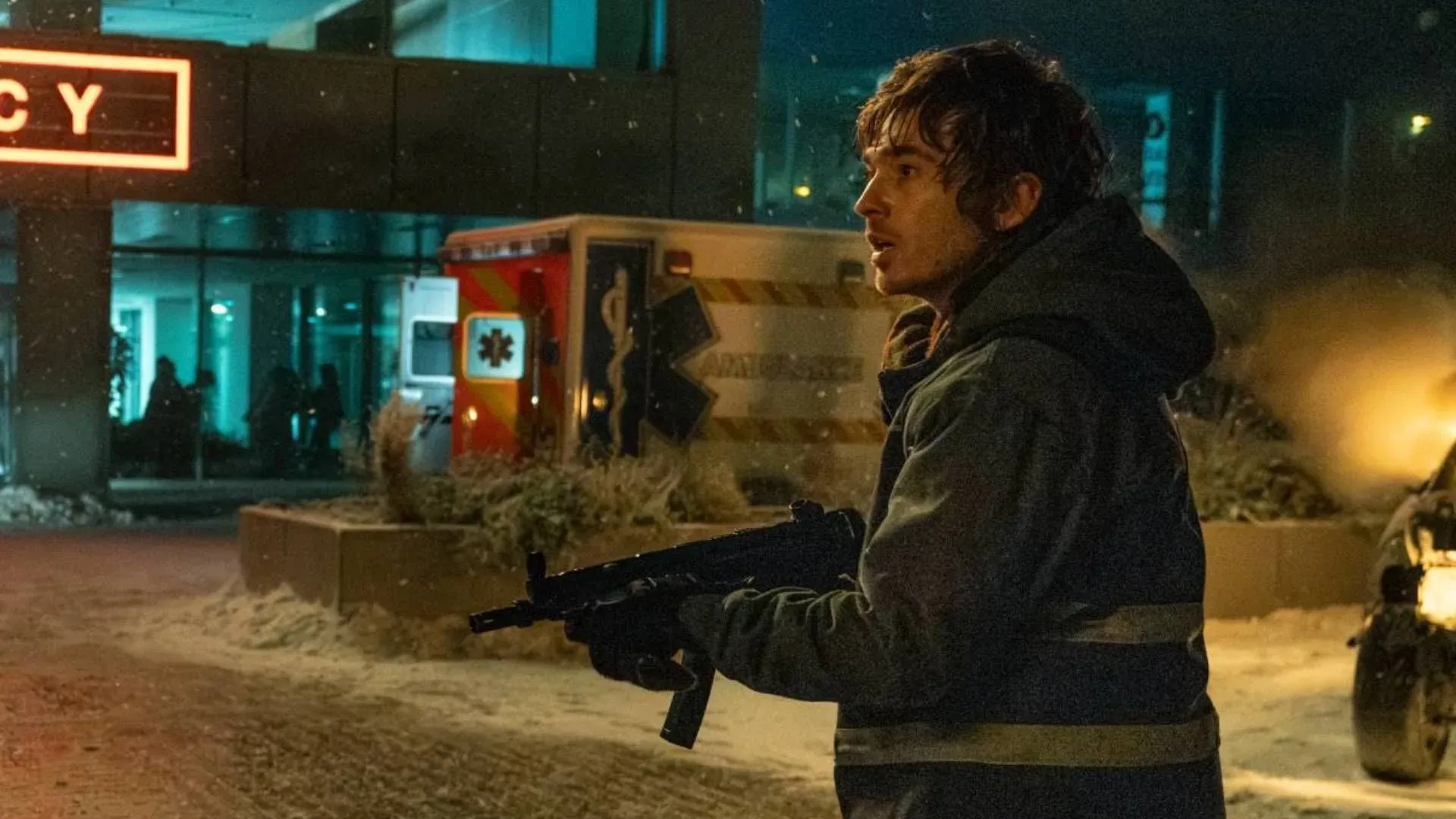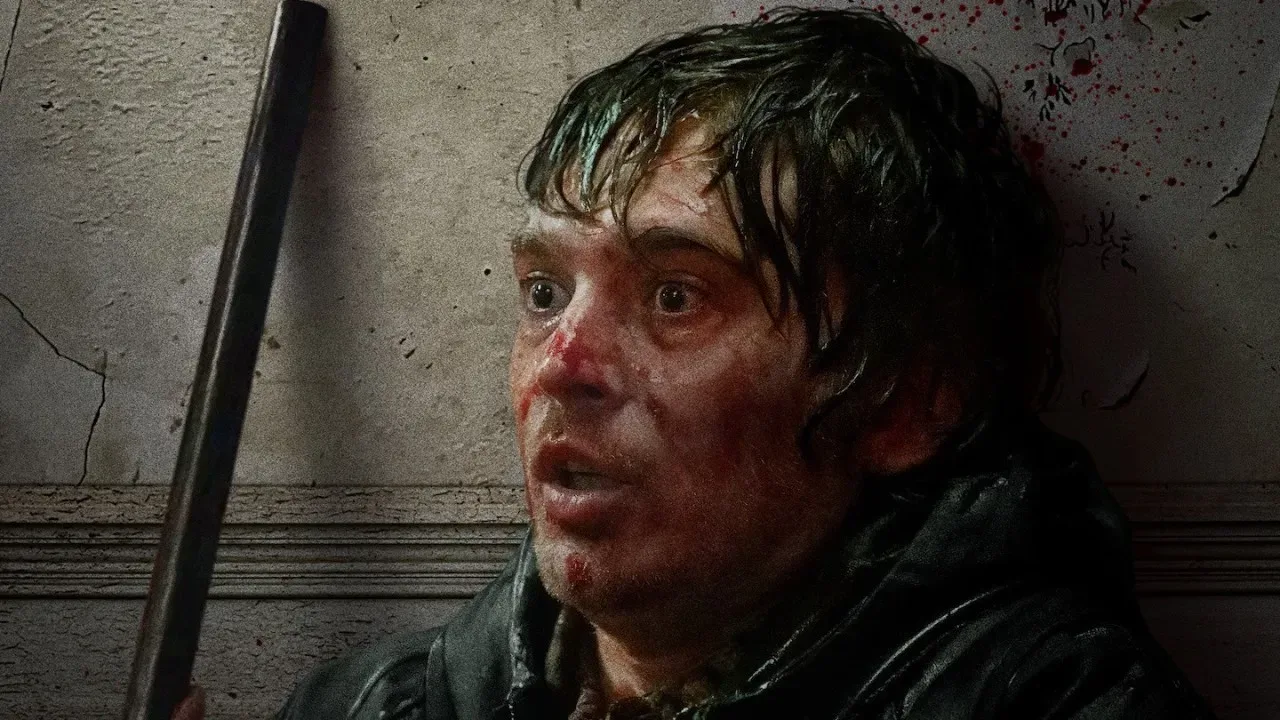
Warning: major spoilers for Resident Evil (2026) follow.
Austin Abrams has embraced the devastating final turn taken by Zach Cregger’s Resident Evil, calling the fate of courier Bryan “crazy and shocking” when he first encountered it. More importantly, Abrams sees the ending as a deliberate creative gamble: the film asks viewers to stay close to one ordinary person through catastrophe, then refuses to protect that person simply because he has become emotionally important.
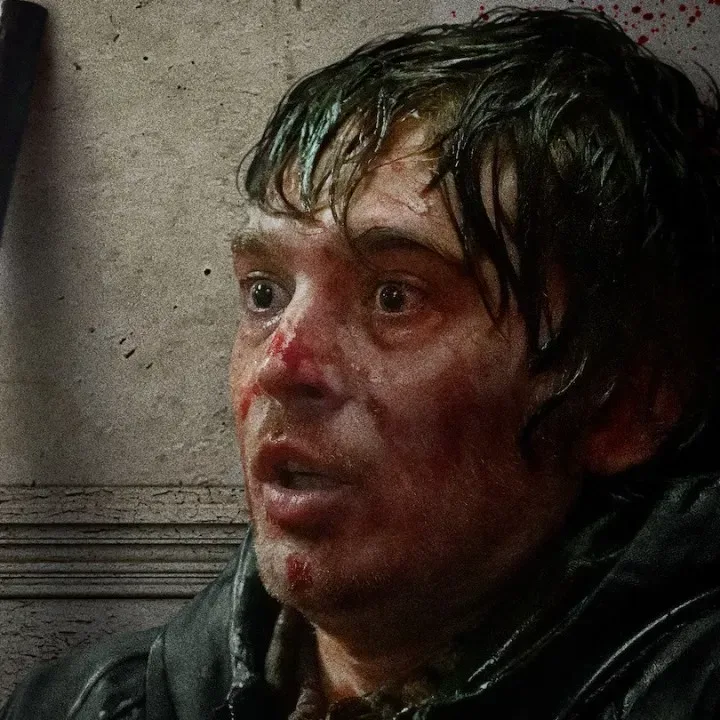
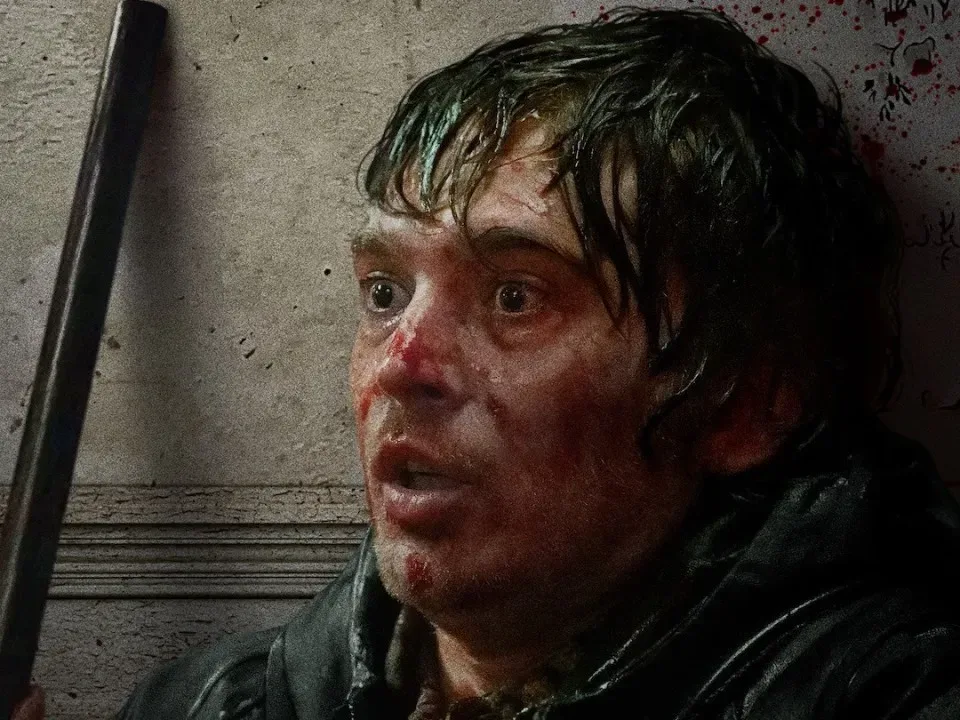
That makes the film’s closing stretch more than a grim zombie-movie punctuation mark. Bryan is not merely killed while performing a last-minute heroic deed. He fails to escape Raccoon City, cannot return to his pregnant girlfriend, and never gets the chance to repair the damage from their earlier argument. He has recorded a conciliatory message for her and fought through the undead while carrying medical supplies, but his injuries ultimately overwhelm him. Just as a cure is produced, Bryan turns into a monster.
The timing is the blade twist. A cure arriving moments too late does not just establish that the outbreak is terrible; it specifies what was lost. Bryan was close enough to survival for an audience to imagine it, yet not close enough to receive it. In a story structured around movement through a city in collapse, that cruel distance becomes the point.
A protagonist without plot armor
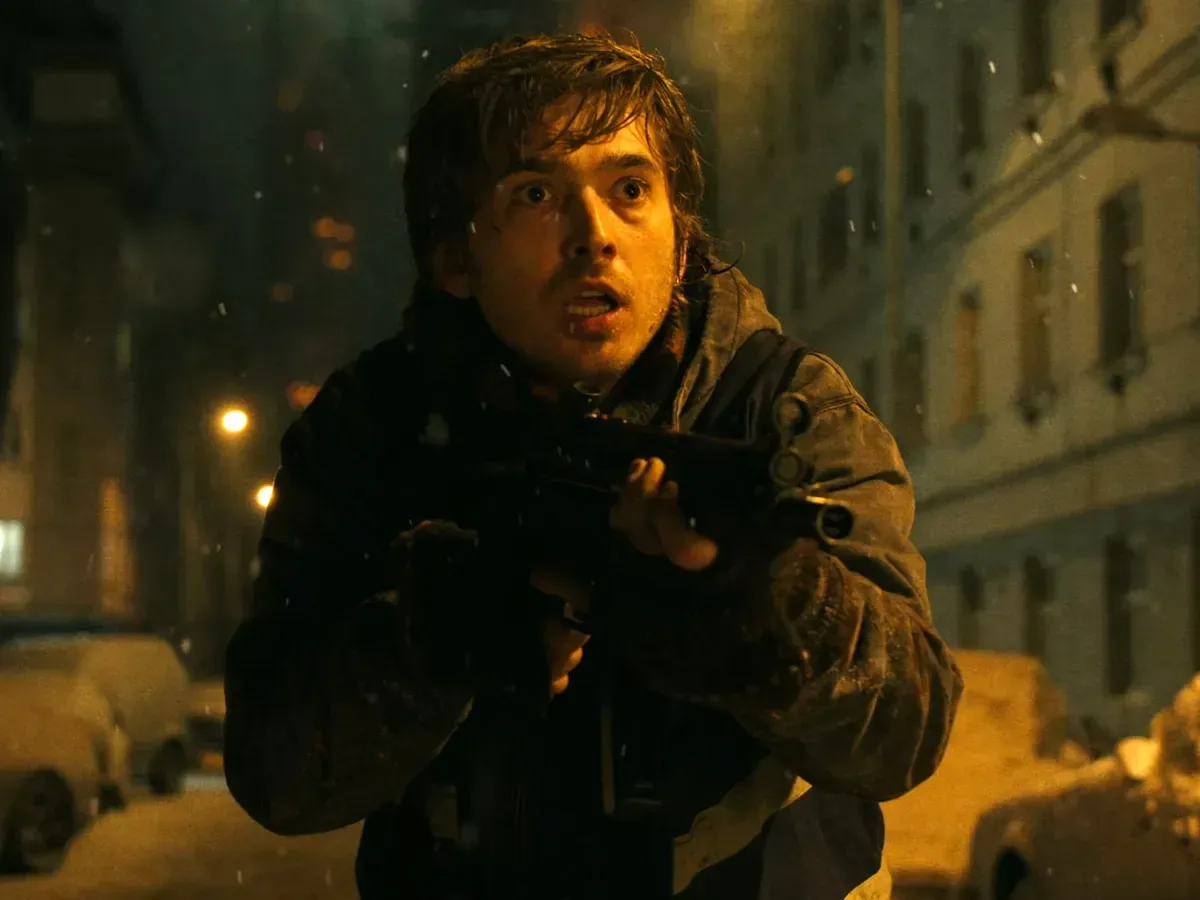
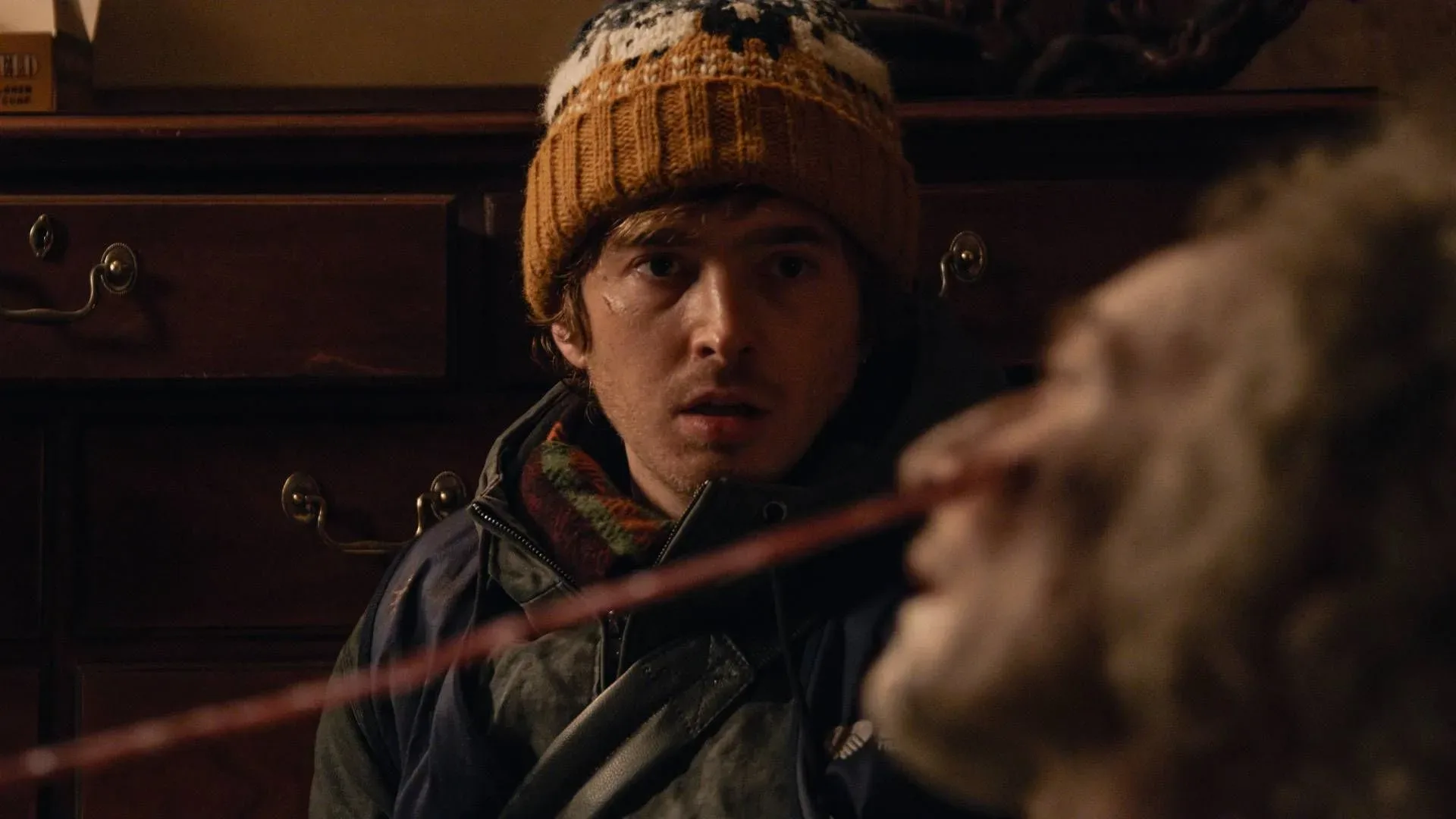
Abrams’ argument for the finale begins with identification. The film follows Bryan, an everyman courier, through the zombie apocalypse. Viewers are invited to root for him not because he is guaranteed to be the most capable survivor in Raccoon City, but because he is the human perspective carrying them through the disaster.
That is why the choice lands differently from a routine horror-movie casualty. A secondary character dying can demonstrate the danger of an infected city. Losing the character whose emotional journey has anchored the film changes the story’s meaning. Bryan’s death removes the easy release valve: there is no reunion, no delivered message received in person, and no reward for enduring long enough.
Abrams described this as “risky and gutsy,” particularly because the film spends its time encouraging the audience to invest in Bryan. His view is that contemporary films can be reluctant to kill a character viewers like, or can soften the impact when they do. Here, there is no indication that the ending offers a comparable cushion. The tragedy is allowed to remain tragic.
“We’re here to feel, man. We’re here to go through something,” Abrams said of Cregger’s willingness to make the painful choice.
Related coverage includes Resident Evil Star Austin Abrams Calls the Film's Dark Finale 'Risky and Gutsy'.
That sentiment is useful for understanding why the ending is designed around several unresolved needs at once. Bryan’s survival is not the only thing denied. His relationship remains damaged, his girlfriend remains out of reach, and the cure arrives without being able to help him. Each element closes off a different familiar route toward catharsis.
Why the cure matters so much
In outbreak fiction, a cure is usually more than a medical plot device. It represents a promise that the terrible events of the story can be reversed, halted or at least answered. Putting the cure at the end of Bryan’s ordeal creates a sharp irony: the solution exists, but it cannot solve the problem that has become most personal to the audience.
This is not simply an unhappy ending for its own sake. The cure’s arrival defines the scale of Bryan’s misfortune. Had there been no cure, his death would still be sad, but it would exist within an apocalypse that has no visible remedy. By placing salvation within reach at the point he turns, the film makes chance, delay and injury feel decisive. The world may now have a path forward, while the person viewers followed does not.
There is also a distinction between an ending being bleak and an ending being nihilistic. A bleak ending withholds a desired outcome and forces characters or viewers to sit with its cost. A nihilistic ending would suggest that nothing mattered at all. Based on the details around Bryan’s final moments, the film appears to pursue the former: his effort matters emotionally precisely because it was so hard-won, even if it does not secure his life or his reunion.
That is a harsher form of payoff than a victory lap, but it remains a payoff. Bryan’s recorded message, his struggle to survive and his need to make amends give the finale emotional material beyond the mechanics of zombie infection. The horror is not only that he becomes a monster. It is that he becomes one after trying to be better understood by the person he loves.
A departure from the games’ heroic finish
The movie’s conclusion also stands apart from the heroic ending associated with the Resident Evil games. That does not automatically make one approach more faithful or more effective than the other. Games and films have different ways of building attachment, controlling pace and rewarding a viewer or player at the end of a crisis.
In a game, reaching the end is often inseparable from player agency: overcoming threats, managing scarce resources, solving obstacles and completing a campaign. A heroic conclusion can function as recognition for that sustained participation. A film does not hand its audience the controller. It can instead build its tension around whether a character can make it through, then use the denial of that outcome as the climax.
For this adaptation, Bryan’s status as an everyman courier is central. He is transporting a bag of medical supplies rather than entering the story as an established, invincible savior. That framing lets the film treat Raccoon City as a place where courage and effort are not always enough. Bryan can fight the undead, keep moving and still lose to the cumulative consequences of injury and timing.
It is a useful reminder that adaptation does not always mean reproducing a familiar emotional endpoint. The setting, zombie threat and Raccoon City supply a recognizable framework; Cregger’s ending uses that framework for a more fatalistic character story. Audiences who want a triumph may find that frustrating, but the frustration is apparently part of the intended effect rather than an accidental absence of resolution.
Video-game film adaptations have increasingly shown that screen versions can make distinctive choices rather than act as strict summaries of their source material. Sonic’s film revival, for example, illustrates how a movie can have consequences far beyond a straightforward recreation of gameplay. Resident Evil takes a different route: it uses a familiar game-world premise to make its central survival story hurt.
Post-production changes made the ending sadder
The ending was not necessarily fixed in its final emotional shape at the moment filming wrapped. Cregger later revised the conclusion in post-production using footage that had already been shot, with the change making the outcome even more tragic. That detail matters because it points to post-production as a storytelling stage, not merely a technical cleanup process.
Post-production is the work done after principal filming: editing performances together, selecting shots, refining sound and music, adjusting visual effects, and determining the exact order and duration of scenes. When a filmmaker changes an ending in post, it does not inherently mean an entirely new scene was filmed. In this case, the revision used existing material. Rearranging or emphasizing material already captured can substantially alter what an audience understands, anticipates or feels.
The supplied information does not specify precisely which images or beats were changed, so it would be premature to treat the final version as evidence of a wholly different original ending. What is clear is the direction of the adjustment: the completed cut leans further into tragedy. That aligns with Abrams’ appreciation for a finale that does not mitigate the loss.
There is a practical creative lesson in that. An ending’s force often depends on proportion: how long the story spends with its protagonist, what hope it offers, and how much time it allows after the decisive event. A small alteration in emphasis can change a conclusion from merely sad to haunting. If the material was already available, Cregger’s editorial choice was about identifying which version best expressed Bryan’s story.
What viewers are being asked to accept
Abrams does not present the ending as universally comforting. He presents it as a risk worth taking. That distinction is important. The goal of a downbeat finale is not necessarily to send every viewer away pleased in the conventional sense; it is to leave them with an emotion strong enough to justify the journey.
For Bryan, survival would have offered clean answers: he reaches his girlfriend, their conflict can be addressed, and the cure gives the disaster a hopeful capstone. The movie deliberately chooses the inverse. His message becomes a substitute for the conversation he wanted. The cure becomes proof of an almost. Raccoon City becomes the place where his effort ends rather than the place he defeats.
That is why Abrams’ “risky and gutsy” description fits. The film places a familiar genre promise in front of the audience—the lone, likable survivor may get out—then declines to fulfill it. Whether that makes the ending devastating, frustrating or both will depend on the viewer. But it is plainly not a compromise designed to ensure that nobody leaves unhappy.
For a zombie apocalypse story, that may be the sharpest horror of all: not the absence of a cure, but the existence of one that arrives one life too late.