Sonic the Hedgehog was apparently much closer to a game-over screen than fans might have guessed. Takashi Iizuka, the longtime Sonic Team leader whose work on Sega’s mascot spans more than 30 games, has said that senior figures at Sega once considered cancelling the franchise entirely during one of its rougher periods.
The revelation gives fresh weight to the importance of the first live-action Sonic the Hedgehog movie. Released in 2020, the film earned $320 million and became the foundation for a larger screen franchise. Iizuka identified that success as the major turning point that changed Sonic’s direction—and says Sonic is no longer at risk of being abandoned.
For a series that has existed for 35 years, that is a striking admission. Sonic is not simply one game among many; he is Sega’s defining character, with a profile that extends across games, animation, merchandise and now a continuing run of theatrical projects. But recognisability does not make a franchise immune to internal uncertainty. Iizuka described his tenure as including both strong periods and “the worst times,” saying he had to argue within Sega to preserve the character’s future.
“During the worst times, I was told by the higher-ups that we should cancel the entire franchise,” Iizuka said. “I had to fight within the organization to keep the franchise as long as possible.”
A movie that changed the equation
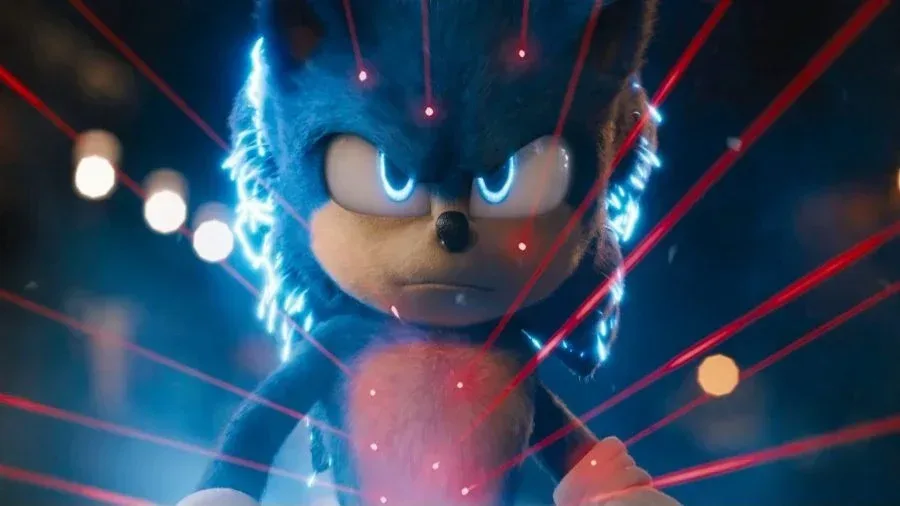
The first movie’s eventual success is especially notable because its path to cinemas was anything but straightforward. Its initial trailer drew broad criticism for Sonic’s screen design, with viewers objecting to details including the character’s teeth and a look that did not closely resemble his game counterpart.
Sega delayed the movie and revised Sonic’s design before release. That choice was consequential: rather than asking audiences to accept an unfamiliar reinterpretation of the character, the finished film moved nearer to the established in-game image. The result was a $320 million box-office performance and the launch point for an ongoing blockbuster series.
Iizuka calls that first movie the biggest milestone in his own relationship with the franchise, saying it “definitely changed the course” of Sonic. That does not mean a film rescued a character by replacing games. His more important point is that screen success helped establish a healthier future for a property whose core still remains interactive.
In franchise terms, this is the difference between expansion and replacement. Expansion means building new ways for audiences to encounter a character—movies, series, collaborations and other media—while retaining the original medium as the creative centre. Replacement would mean allowing games to become a secondary afterthought. Iizuka has explicitly rejected the latter direction.
Related coverage includes Sega Once Considered Ending Sonic, Takashi Iizuka Says.
“The franchise itself is rooted in video games,” Iizuka said. “We’re just going to base everything upon the video games. That’s our core principle.”
That distinction matters for Sonic fans because the game series is where its characters, gameplay identity and longer-running stories originate. Films can bring in a wider audience and create momentum, but the games supply the foundation Sega intends to build upon.
More Sonic media is planned, with games at the centre
Sega’s near-term plans reflect that wider-media strategy. A fourth Sonic movie is scheduled to arrive in theaters on March 19, while a Netflix animated series is also in the works. Iizuka has said he expects some form of Sonic media to appear almost every year going forward.
That is a large commitment, though it should not be read as a promise that every year will bring a new mainline game. “Media” is a broad term, and the information provided does not specify a release schedule for future games, individual projects, or how each will connect to one another. What is clear is the intent to keep Sonic visible beyond PC and consoles while continuing to treat games as the franchise’s anchor.
Sonic is also currently participating in a major Fortnite crossover. Crossovers serve a different role from a film or a new game: they place a longstanding character in front of audiences already playing another major title. For Sega, that can broaden awareness without changing Sonic’s own games or permanently altering the character’s central identity.
The practical implication is simple. Sonic’s future is now being supported by several connected lanes rather than a single lane of game releases. A successful movie can renew attention around the character; animation can maintain that attention between theatrical releases; a crossover can put Sonic in an active gaming conversation; and the games remain the place where Sega sets the base material. Iizuka’s remarks frame this as a deliberate structure, not a retreat from game development.
Story is a stated priority for future games
Perhaps the most direct clue about the next phase of Sonic games is Iizuka’s desire for “more emphasis on story.” He says fan feedback has identified a stronger appetite for narrative-led Sonic projects, and that he wants to make a future game with a greater storytelling focus.
That is an ambition rather than a detailed announcement. No title, platform, release window or format was attached to it. It would be premature to treat the comment as confirmation of a specific sequel or to assume it will change every Sonic release. But it does establish a creative priority from the head of Sonic Team: fans want a larger narrative role, and Sega is considering how to answer it.
In this context, story emphasis does not necessarily mean reducing speed, action or platforming. The supplied comments do not explain how a future game would balance narrative and gameplay. It can, however, mean that character arcs, cutscenes, lore and the stakes connecting individual levels receive more attention than they otherwise might. For a franchise with a large supporting cast, that could create more space for characters beyond Sonic himself.
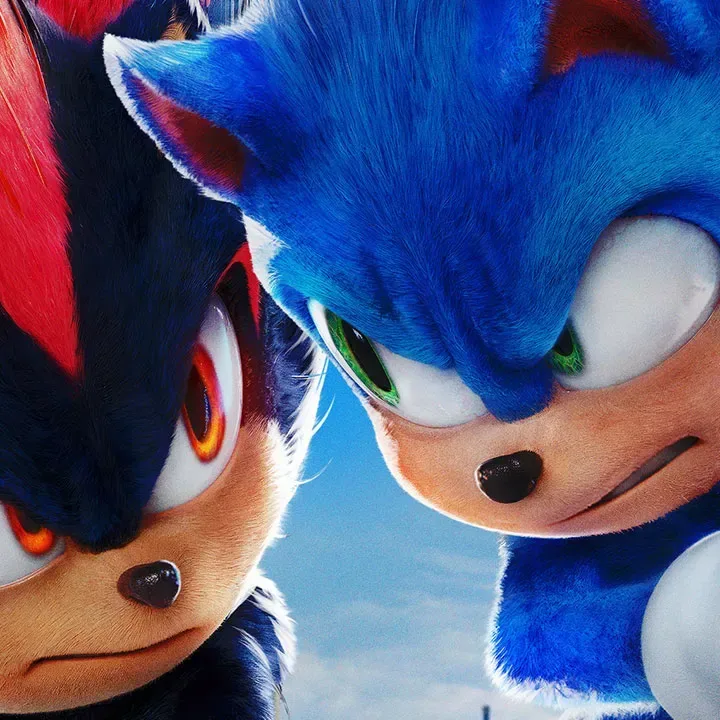
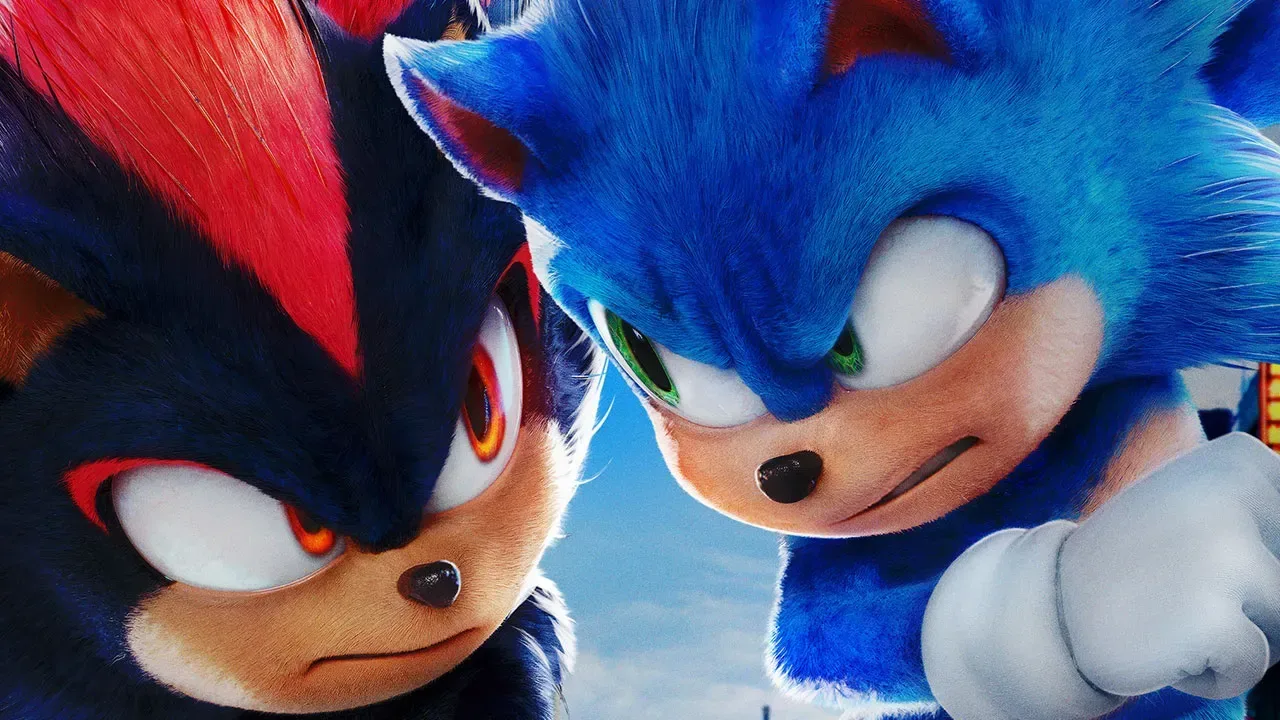
One name already singled out by Iizuka is Shadow the Hedgehog. Iizuka said he would like to use more of Shadow, who remains popular with fans. His explanation also underlines how fan reception can redirect a long-term character plan.
In Sonic Adventure 2, Shadow appeared to die at the end of the game. Iizuka said the original intention was effectively to let the character die out, but Shadow’s popularity led Sega to bring him back in Sonic Heroes. The example is a useful reminder that even apparently definitive character endings do not always remain definitive in a continuing series—particularly when a character forms a lasting connection with the audience.
Shadow’s return was not presented as evidence that every Sonic character will be revived or featured more heavily. It does, though, explain why Iizuka sees him as a meaningful part of the franchise’s future. If Sega does pursue games with a stronger narrative focus, a fan-favourite character whose history has already been central to major stories is an obvious figure to watch.
Sonic’s survival story is now a growth story
The remarkable part of Iizuka’s account is not merely that Sonic endured difficult internal discussions. It is how thoroughly the situation has changed. A franchise that was once reportedly considered for cancellation is now supporting a fourth movie, an upcoming animated series, ongoing crossover activity and a stated plan for regular media presence.
Fans should still separate confirmed projects from broader aspirations. The fourth film, Netflix animation and Fortnite crossover are concrete points. Greater story emphasis in games and more Shadow are goals Iizuka has discussed, not fully specified products. That difference is important when imagining Sonic’s next era.
Yet the central message is unambiguous: Sega has no intention of leaving Sonic behind. The first film’s redesign and commercial performance did more than create a successful movie series. In Iizuka’s telling, they helped demonstrate that Sonic still had the reach to thrive across media, while making the case for keeping the blue hedgehog’s game legacy moving forward. For further context on Iizuka’s comments, see our coverage of how Sonic’s first film helped stop Sega from abandoning the franchise.