For Takashi Iizuka, Sonic’s 35th anniversary is not simply a milestone for one of gaming’s most recognizable characters. It is a personal marker spanning much of his working life. Iizuka, who leads Sonic Team, says he sees the blue hedgehog “sort of like my own son,” a comparison grounded in the extraordinary length of his connection to the series.
Iizuka’s Sonic history began with debugging work on Sonic the Hedgehog 2 in 1992. Debugging is the production process of finding, documenting, and helping resolve problems in a game before it ships. It can put developers close to the minute-to-minute behavior of a game even before they take on more visible creative or leadership responsibilities. From that early role, Iizuka became a central figure in the franchise’s continuing development.
That timeline gives his anniversary remarks unusual weight. Sonic has now existed longer than Iizuka’s own children, he noted, and the comment frames the character not as a static corporate symbol but as something he has watched grow, change direction and survive difficult periods across decades.
A career-long relationship with Sonic
Long-running game franchises are frequently discussed through sales, release calendars, hardware generations and fan expectations. Iizuka’s comments put the focus elsewhere: continuity of stewardship. Someone who worked on Sonic 2 and remains involved 35 years into Sonic’s life has experienced firsthand the practical challenge of preserving a character’s identity while adapting to changing audiences and media.
That does not mean every Sonic era is identical, nor does it suggest the series has followed a straight path. In fact, Iizuka specifically recalled periods when Sega considered ending the franchise. His account makes clear that Sonic’s staying power was not a foregone conclusion. A globally familiar mascot can still face uncertainty when games, business priorities and audience attention shift.
His “own son” description is therefore more than anniversary sentiment. It acknowledges responsibility. Creative leads overseeing a legacy series must balance what people already associate with a character against the need to make that character feel active in the present. For Sonic, whose identity is built around speed, attitude and momentum, that tension can be especially visible whenever the series enters a new format or medium.
Why Sonic Adventure remains the pivotal game
Asked to identify the game that altered Sonic most dramatically, Iizuka pointed to Sonic Adventure. He said the franchise would not be the same without it, describing the game as the foundation for the modern version of Sonic.
The reasoning he gave centers on two major changes: Sonic’s move into 3D and the introduction of a speaking Sonic. The first point is technical and structural. A 3D game presents movement through environments with depth rather than only across a flatter two-dimensional playfield. For a series defined by traversal at speed, that shift changes how designers communicate routes, obstacles, space and player direction. It is not merely a visual upgrade; it changes the vocabulary available to the game.
Related coverage includes Takashi Iizuka Calls Sonic 'Like My Own Son' as the Series Reaches 35 Years.
The second point concerns character presentation. Iizuka highlighted that Sonic could speak in Sonic Adventure. Voice performance gives a character a new kind of consistency: dialogue, delivery and personality become part of how audiences recognize them. In Iizuka’s view, that element helped establish the template for the contemporary Sonic franchise.
His assessment is revealing because it identifies “modern Sonic” as more than a date-based label. It refers to a foundation: a Sonic who operates in 3D and whose personality is communicated through a voice. Those changes created a baseline that could influence later games and Sonic’s wider screen presence, even as individual projects took different approaches.
For readers interested in how older gaming formats and hardware continue to be revisited alongside newer systems, DigiBitPlay V4’s expanding platform support offers another current example of the industry’s continuing conversation with its technical past.
Film success as a change in trajectory
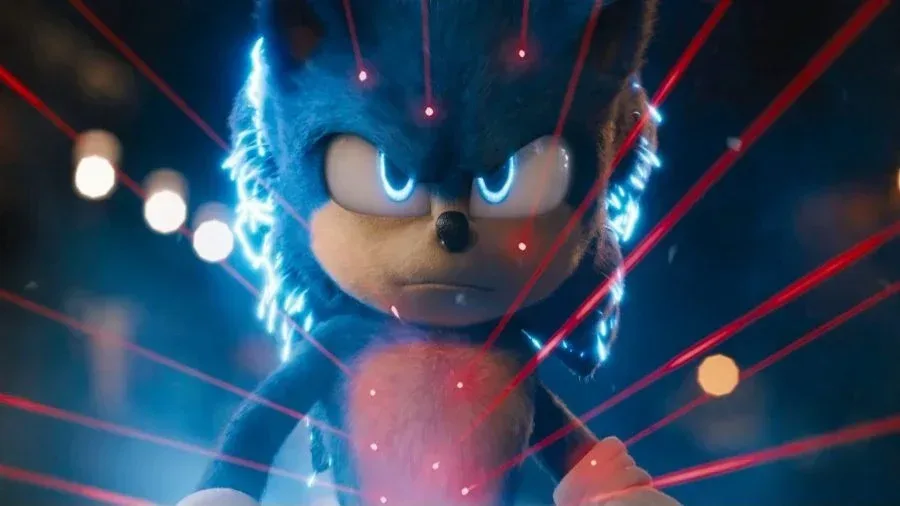
Iizuka also identified the 2020 Sonic the Hedgehog film as a major turning point for the franchise. He called the film a great hit and said it “definitely changed the course” of Sonic.
That statement matters because it describes Sonic’s future as a cross-media story, not one determined by games alone. The franchise’s visibility can now be shaped by films and television as well as game releases. The supplied information says a new Netflix show and another film are on the way, underlining that Sonic’s current footprint extends beyond the controller.
Cross-media expansion can have practical implications for a game series without guaranteeing any specific game announcement. It can introduce a character to people who have not played the games, give established fans additional versions of familiar characters and broaden the number of places where the franchise’s tone and identity are defined. Iizuka’s comments suggest the successful film was important precisely because it changed that broader trajectory at a time when the series had previously faced threats of cancellation.
It is important, though, not to turn that observation into a claim about an unannounced game. There is currently no stated follow-up to Sonic Frontiers. Iizuka has indicated that more anniversary material is coming, but the available information does not identify what form it will take, when it will arrive, or whether it will include a new mainline game.
What fans can responsibly take from the anniversary tease
The safest reading is modest: Sonic’s 35th anniversary is still active, and Iizuka has indicated that additional material is planned. The presence of a forthcoming Netflix project and film demonstrates continued activity around the character, but it does not establish details about Sonic Team’s next game.
That distinction is worth making because anniversary periods invite understandable speculation. Fans may connect an executive’s retrospective comments, a media slate and the absence of a named sequel into a detailed prediction. But the confirmed picture is narrower. Iizuka has reflected on Sonic’s history, stressed the importance of Sonic Adventure, credited the 2020 film with altering the franchise’s course, and teased more to come for the anniversary. Anything more specific remains unknown.
There is still useful information in that restraint. The comments identify the elements Sonic Team’s leader considers crucial to the brand’s endurance: the willingness to make major format changes, the importance of characterization, and the value of reaching audiences outside games. They also show that an anniversary is being used to look backward at formative decisions rather than merely to celebrate a number.
Sonic Adventure 2 remains Iizuka’s personal standout
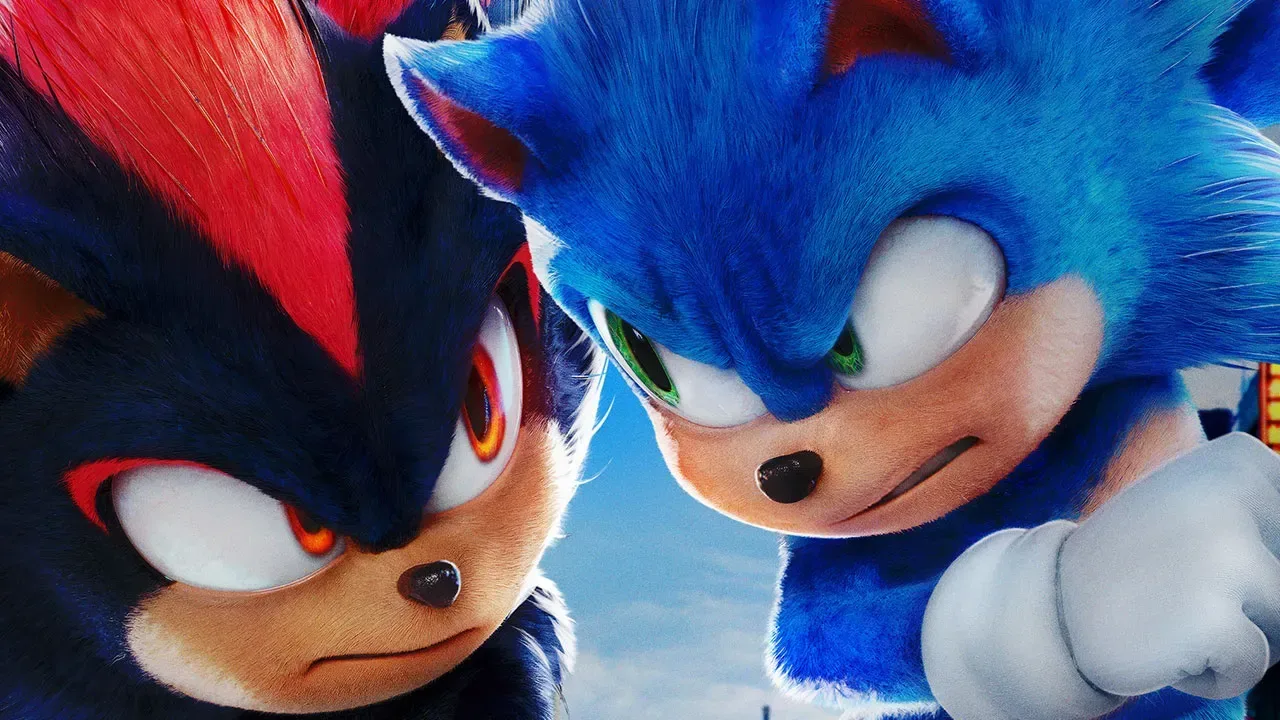
Iizuka has separately named Sonic Adventure 2 as the most memorable game he has worked on. He was also pleased that its story was used for the third film. That connection fits neatly with his broader view of Sonic as a franchise able to move between formats while retaining key story material and characters.
His choice of Sonic Adventure 2 also complements his praise for the first Sonic Adventure. One represents the game he regards as the most personally memorable project; the other is the turning point he believes made the current Sonic franchise possible. Those are related judgments, but they are not the same. One speaks to individual creative memory, while the other is an argument about the series’ long-term evolution.
After 35 years, that distinction may be the most useful takeaway from Iizuka’s reflection. Sonic’s legacy is not one uninterrupted definition of the character. It is a series of decisions, reinventions and recoveries made across games and other media. Iizuka’s own path—from Sonic 2 debugging to leading Sonic Team—runs alongside that evolution. For him, the hedgehog’s anniversary is understandably personal.