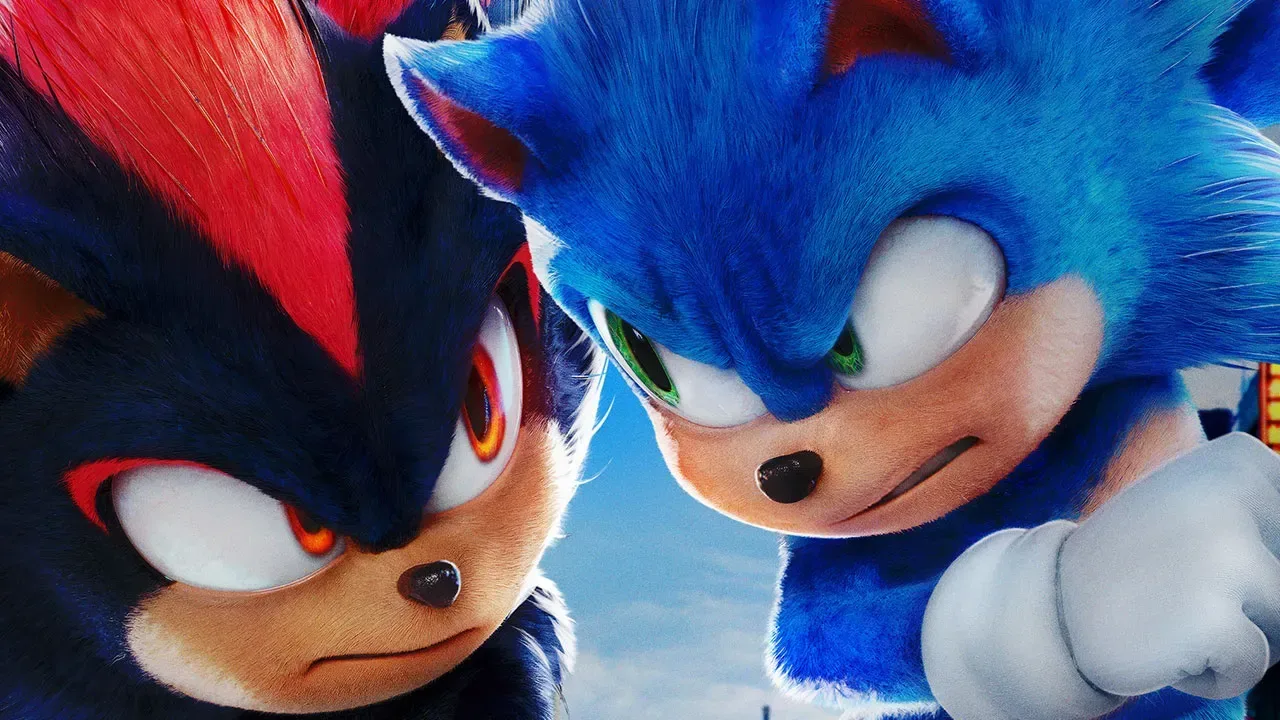
Sonic the Hedgehog’s modern resurgence may have had a far narrower escape route than fans realized. Takashi Iizuka, Sonic’s chief creative, has said that Sega leadership at one point considered cancelling the entire franchise during one of its weakest periods—and that the first Sonic the Hedgehog film became a decisive turning point.
The remark puts a sharper edge on the familiar story of Sonic’s return to cultural prominence. The character has remained visible for decades, but visibility is not the same thing as momentum. By 2020, the series had a recent critical divide in its games, an unusually public backlash over the first movie design, and a future that apparently looked uncertain within Sega itself. The film’s eventual success did more than create another branch of the brand: Iizuka believes it changed the franchise’s course.
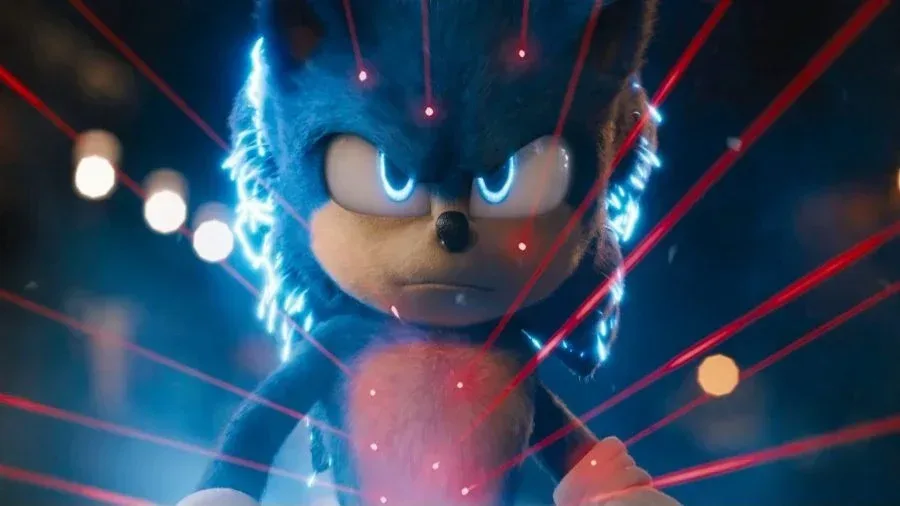
“The biggest milestone for me was the first movie… that had been a great hit and definitely changed the course of this franchise,” Iizuka said in comments published this week.
A difficult moment for a game-first series
The timing matters. Sonic Mania, released in 2017, showed there was substantial affection for Sonic’s classic 2D formula. Its deliberately retro approach delivered the kind of fast platforming many players associated with the series’ early identity. But that success did not erase the broader perception that recent mainline Sonic releases had been inconsistent. Sonic Forces, also released in 2017, was among the games that received a poor reception.
For more context, explore Acemagic K1 Mini PC Is Listed at $350 for Prime Members, With Indie and Retro Gaming in Mind.
That split is essential context for Iizuka’s account. One Sonic game demonstrated the continued appeal of the character and his older design language, while other prominent games struggled to win the same confidence. The franchise was not without an audience; rather, it had not consistently converted Sonic’s enormous recognition into dependable enthusiasm for new mainline games.
Iizuka said he had been told during the worst period that the franchise should be cancelled, and that he fought within the company to preserve it for as long as possible. That is not the same as evidence that Sonic was formally shut down or that a cancellation plan was finalized. It is, however, a striking description of how severe the internal doubts had become.
For a long-running game property, “cancel” can mean more than ending one particular project. It can imply reducing investment, stopping major releases, or no longer treating a character as a pillar of a publisher’s future. Iizuka’s framing suggests the first movie altered the perceived value and potential reach of Sonic at exactly the moment that confidence was under strain.
The film’s redesign became part of the turnaround
The first film did not arrive with uncomplicated excitement. Its original CGI interpretation of Sonic triggered a major online reaction, centered on the character’s appearance. The production revised the design before release. The finished movie then found an audience with fans and general moviegoers alike.
That sequence is worth separating into its parts. The initial backlash was a warning that Sonic’s visual identity still mattered intensely to people who cared about the character. The later success demonstrated something different: that the audience could be wider than the existing game community if the adaptation landed with viewers. In practical terms, the movie gave Sonic a high-profile success outside the release calendar of any single game.
It would be too simple to describe that as a film “saving” games on its own. Iizuka’s comments instead point to a larger franchise effect. A successful screen adaptation can renew public awareness, make characters more recognizable across age groups, and supply a publisher with evidence that the property still has room to grow. Those benefits do not automatically solve gameplay or design questions, but they can change the conditions under which the next games are funded and planned.
More Sonic is coming, but games remain the foundation
Sonic’s screen footprint is set to continue expanding. A fourth movie is planned for 2027, and a new animated Netflix series is also on the way. Those projects are meaningful signs of continued confidence in the character, especially after the first film’s impact. Yet Iizuka has drawn a clear line between Sonic as a multimedia brand and Sonic’s central identity.
“The franchise itself is rooted in video games,” Iizuka said. “We’re just going to base everything upon the video games. That’s our core principle.”
That distinction is important for fans wondering what a more successful Sonic brand means for future releases. A game-first IP is an intellectual property whose fundamental direction is anchored in games, even when it also produces films, animation, merchandise, or mobile projects. In this case, Iizuka’s statement indicates that the games are intended to remain the primary creative base rather than becoming a supporting extension of movie continuity.
That is potentially reassuring, but it also raises the standard for Sega. Expanded films and television can bring more people to Sonic, but they increase expectations for the games that newcomers may seek out afterward. If the franchise is rooted in games, then the game side has to offer a convincing reason for both returning fans and newly curious audiences to stay.
The central challenge is consistency
The Sonic game catalog still reflects the tension between nostalgia, experimentation, and platform strategy. Sega has found success in backward-looking releases such as Shadow Generations. Those projects can work because they revisit and refresh elements that already have a strong connection with fans. They provide a more established foundation than a major new direction.
Meanwhile, lighter mobile efforts such as Sonic Dream Team have created their own fan discussion, including frustration around Apple Arcade exclusivity. Exclusivity in this context means a game is limited to a particular subscription service or ecosystem rather than being available across every major platform. That can help a service differentiate itself, but it can also limit access for players who use different devices.
The issue is not that every Sonic game must pursue exactly the same audience or release model. The series has long existed across large console releases, remasters, and smaller projects. The challenge is that every release contributes to the public sense of whether Sonic’s gaming identity is coherent. A beloved retro-styled game, an accessible mobile release, and a large-scale experimental adventure can coexist—but they need to feel like parts of a brand that understands what it wants Sonic to be.
Why a Frontiers follow-up is the obvious question
That brings attention back to Sonic Frontiers. The game moved Sonic into an open-world-style structure and divided critical opinion, but it also supplied Sega with a possible framework for the franchise’s next phase. An open-world game generally gives players a broad space to explore instead of moving them through a mostly linear sequence of stages. For Sonic, whose appeal is traditionally tied to speed and momentum, that format presents a real design challenge: freedom has to coexist with satisfying routes, responsive movement, and reasons to keep traversing the landscape.
Sonic Frontiers did not settle the question of how Sonic should work in that form. Its polarized response makes that clear. But a blueprint does not have to be perfect to be valuable. It can identify a direction worth refining. In this case, the blueprint is the possibility that Sonic’s speed, exploration, and spectacle can support a larger 3D adventure rather than solely a conventional sequence of levels.
A sequel would therefore carry more weight than an ordinary follow-up. It could show whether Sega regards the open-world shift as a one-off experiment or as a design foundation that can be improved through iteration. It could also provide a clearer answer to the biggest question around the renewed Sonic era: can the games develop with the same confidence the broader brand now appears to have?
For now, though, a sequel has not been officially confirmed. Four years after Sonic Frontiers, any claim that a Sonic Frontiers 2 is definitely coming goes beyond what has been announced. It remains a logical subject of speculation, not a confirmed product.
What Iizuka’s comments mean for Sonic’s next act
The key point in Iizuka’s account is not simply that one successful movie led to more movies. It is that a franchise widely identified with video games found renewed stability through a hit adaptation, while still insisting that its games are the core. That is both an opportunity and an obligation.
The opportunity is obvious: upcoming screen projects can maintain Sonic’s visibility, introduce the character to new audiences, and keep the blue hedgehog prominent between game releases. The obligation is harder: Sega must make the next major game feel like a genuine forward step rather than relying solely on recognition generated elsewhere.
Sonic’s recovery has already shown the value of listening when a presentation fails to connect—the movie redesign is the clearest example—and the value of building on ideas with real audience support, as the continued interest in classic-style and remastered releases shows. The unresolved task is translating those lessons into a consistent modern game strategy.
There is no official sequel announcement to judge yet, and no reason to treat a possible Frontiers successor as guaranteed. Still, Iizuka’s remarks make the stakes easier to understand. Sonic is no longer merely trying to prove he can remain relevant. The character’s films and animation have helped establish that. The next major test is whether Sega can make the games feel equally secure in their direction.