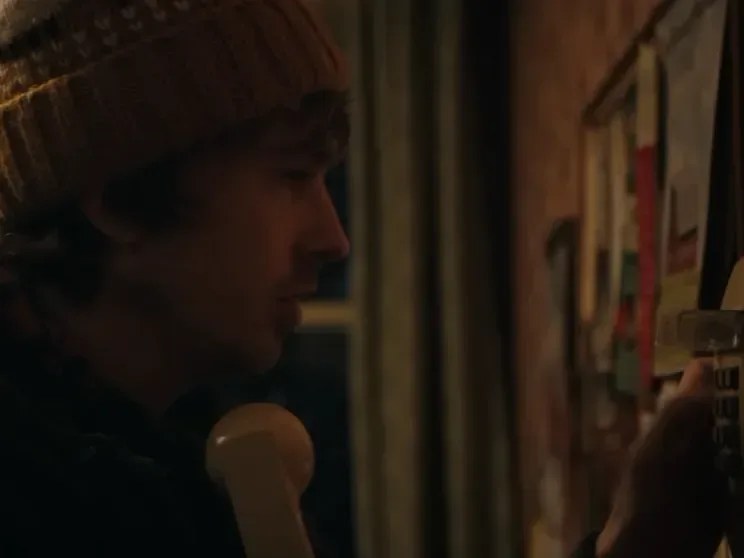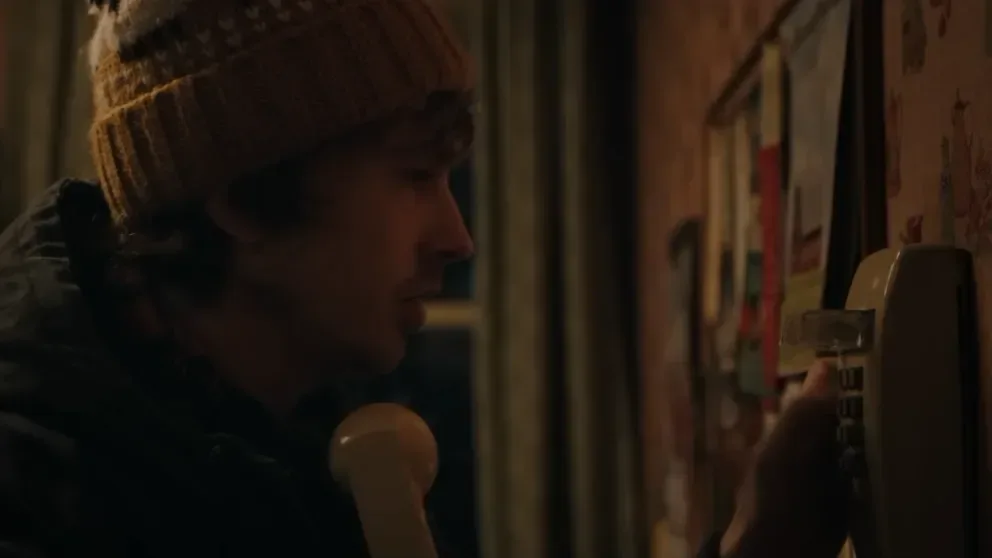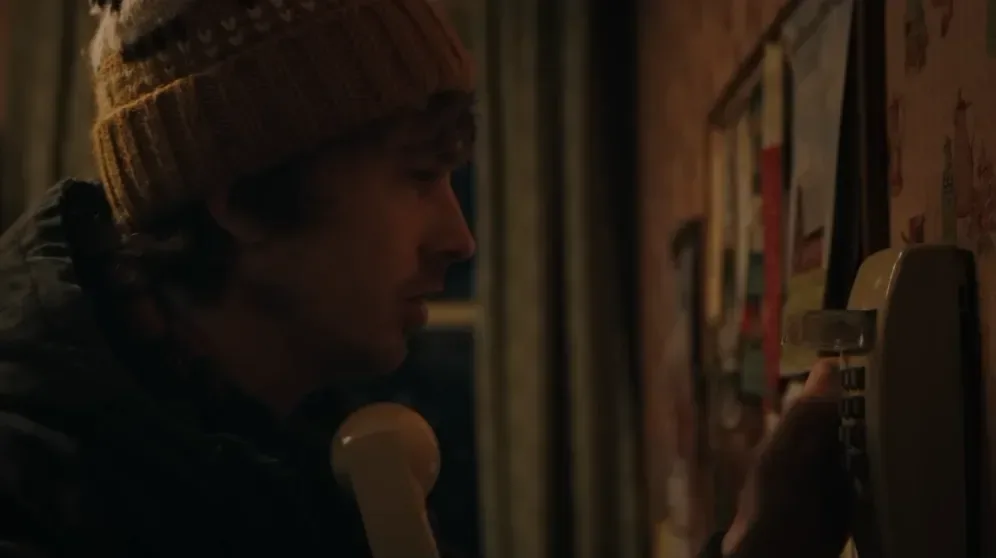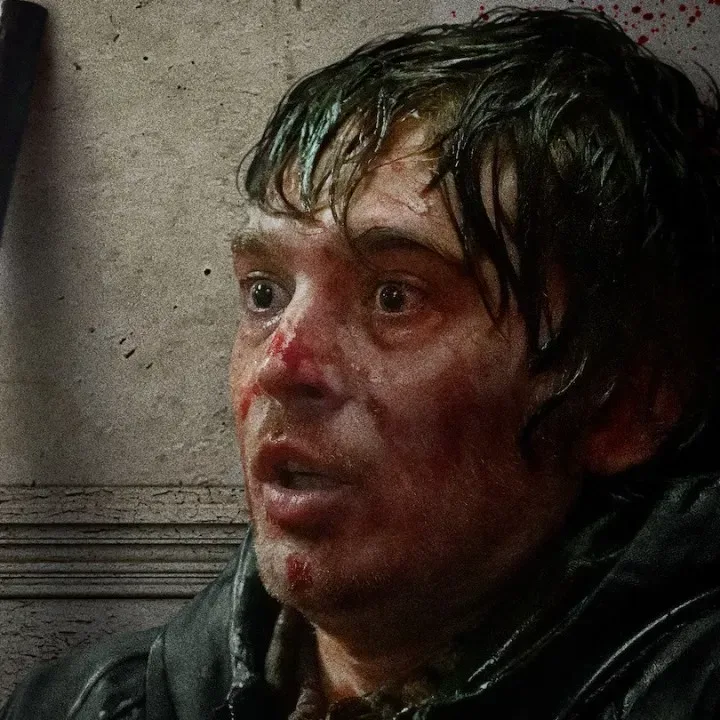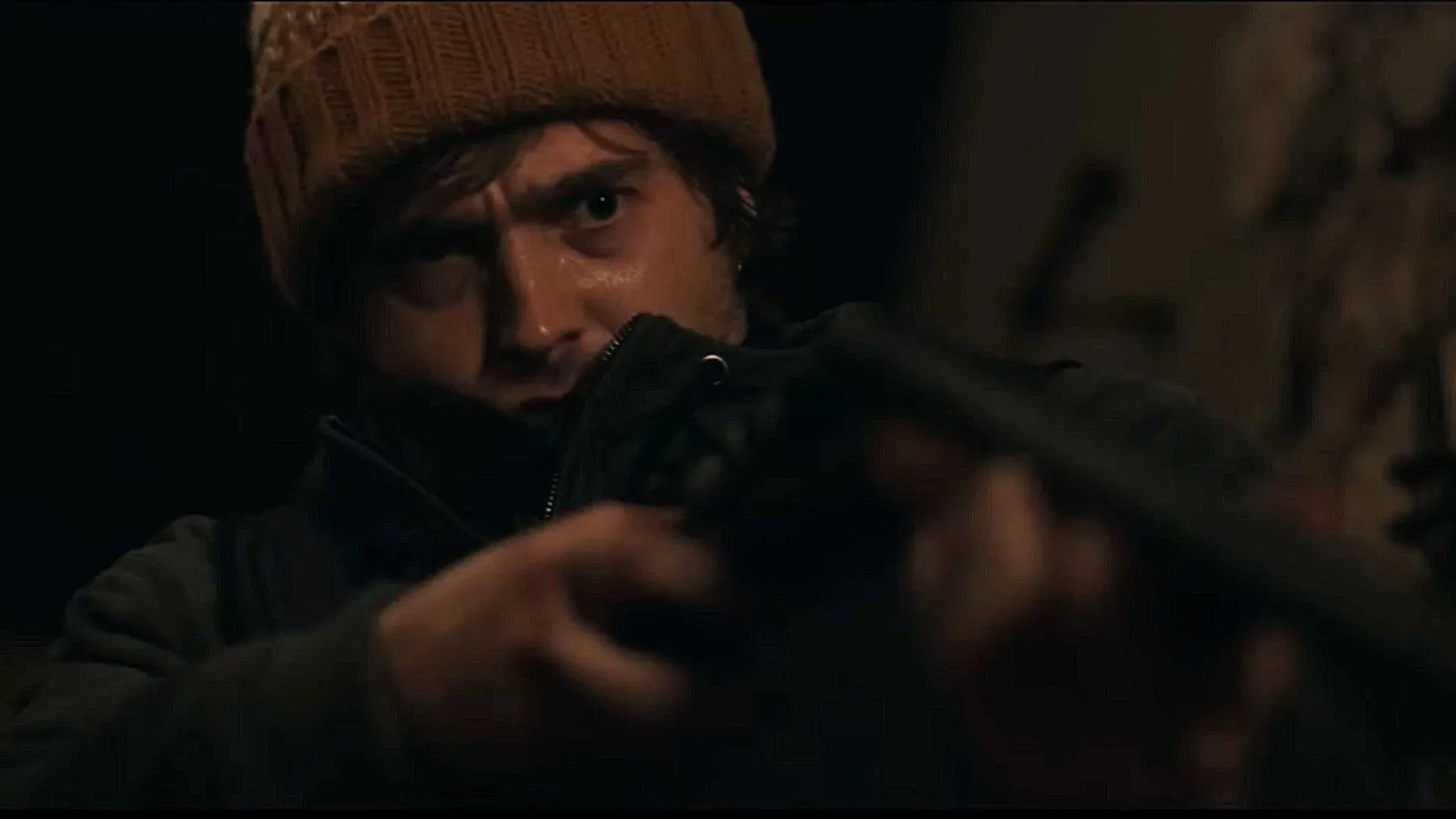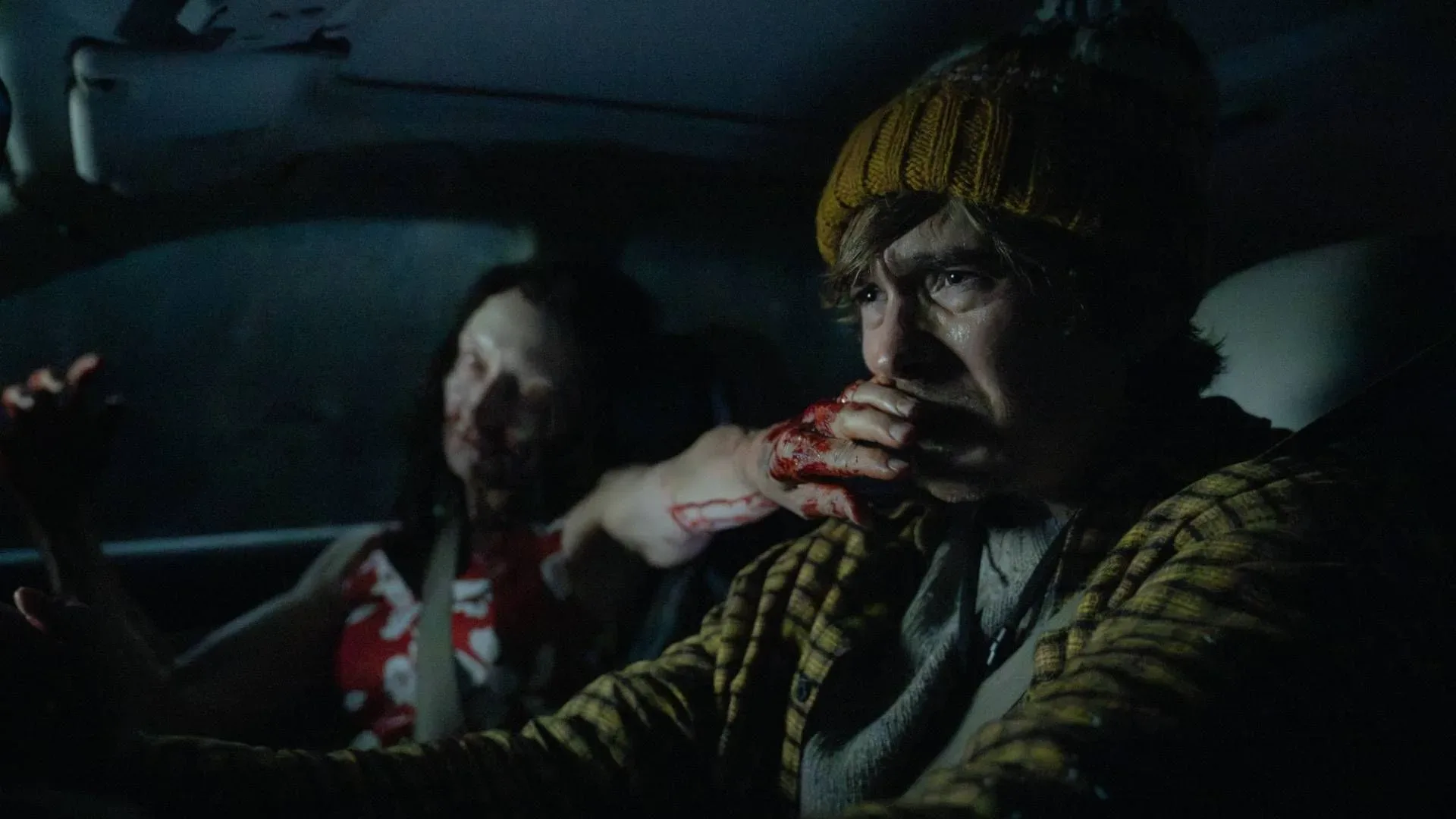
Zach Cregger knows the hardest monster in a Resident Evil adaptation may not be a Tyrant, a chainsaw-wielding pursuer, or whatever is rattling behind a locked laboratory door. It may be expectation. The filmmaker, known for horror movies Barbarian and Weapons, is bringing a new Resident Evil film to the screen, but his approach deliberately avoids adapting an existing game plot or using the games’ established characters.
That decision has made the project a difficult sell for a portion of the series’ audience. Cregger has described the promotional process as something of an apology tour, saying he feels as though he is campaigning to persuade skeptical fans not to see him as a “LARPer.” It is a blunt, funny way of describing a serious franchise problem: players can be deeply protective of a world they have spent decades surviving in, and they may not automatically accept a new story simply because it carries the familiar name.
His answer is not that fans are wrong to be frustrated. If anything, Cregger has acknowledged that he underestimated how strongly some people wanted a particular kind of adaptation—one that finally places figures such as Leon at the center of a major film treatment. Instead, he has asked audiences to reserve their final verdict until they have seen what his movie is actually trying to do.
An original route through a famously specific universe
The new film is set in the Resident Evil universe and draws on the games’ survival-horror language, but it is not presenting itself as a direct replay of a familiar campaign. Cregger’s story does not use characters from the games, nor does it retell their adventures. That distinction is fundamental, not a small casting wrinkle or a secret being saved for a trailer.
For some viewers, that could be the exact appeal. The games have a sprawling continuity across outbreaks, secret organizations, bioweapons, cities, and globe-hopping operations. An original protagonist and a separate nightmare can create room for a movie to move without constantly stopping to check off scenes, villains, or lore markers. It can also put uncertainty back into a series whose longtime players often know which door, monster, or plot turn is coming.
For other fans, however, the characters are not interchangeable pieces of set dressing. Waiting to see beloved leads in a version that feels emotionally and tonally right is a reasonable desire, especially after a long history of screen adaptations that have taken different routes through the franchise. Cregger has openly recognized that point. He compared that resistance with his own reluctance to watch earlier Resident Evil movies because they did not resemble the version of Resident Evil he personally loves.
“See the movie,” Cregger’s position has effectively become: judge whether its affection for the games is visible after it has had the chance to make its case.
That is a more grounded pitch than demanding blind faith. It accepts that a logo cannot settle the question of authenticity—and that fans can decide afterward whether the film feels like it belongs.
Related coverage includes Zach Cregger Asks Skeptical Resident Evil Fans to Judge the Film After Seeing It.
Why the “real fan” argument gets so heated
Video game adaptations routinely run into a tension that is less severe for many book or comic adaptations. Games are not only stories; they are places players inhabit through action. A player remembers being short on ammunition, trying a key on every door in a mansion, managing inventory space, or hearing an enemy before seeing it. The attachment is bound up in pacing, vulnerability, and personal problem-solving as much as it is in plot.
Resident Evil is particularly difficult because it has changed forms several times while retaining a clear identity. There is the survival-horror emphasis of its early entries, the larger action focus of some middle-era games, and the return to close-quarters dread in later releases. A film cannot reproduce controller-in-hand tension exactly, but a filmmaker can pursue comparable sensations: isolation, resource pressure, grotesque transformation, ominous environments, and the awful suspicion that the safest-looking hallway is not safe at all.
Cregger’s stated goal is to make a Resident Evil story rather than attach the brand to an unrelated horror script. That claim will be weighed against the finished movie, naturally. But it also explains why an original story is not automatically a rejection of the material. The central creative question is whether the movie understands the series’ dramatic machinery, not simply whether it can identify famous names.
That debate matters beyond one release. As game properties become larger film and television fixtures, audiences are getting more vocal about the difference between faithful duplication and faithful interpretation. Sometimes a one-to-one recreation can feel stiff; sometimes a sweeping reinvention can leave fans wondering what, beyond the title, survived the trip. The balance is unusually fragile in horror, where atmosphere and helplessness are often the text.
Survival horror is the promise Cregger is emphasizing
Cregger has said he initially assumed fellow fans would welcome a film built as survival horror. His surprise at the pushback suggests he expected the genre choice itself to bridge the gap. It has not entirely done so, but it remains the clearest description of what distinguishes his project from a straightforward character adaptation.
Survival horror is more than a creature feature with an inventory menu painted on the wall. Its tension usually comes from limitation. Characters are underprepared, the setting is hostile, knowledge arrives late, and every escape route comes with a cost. A strong adaptation can honor that sensibility without asking an actor to spend two minutes rotating herbs in a briefcase.
There is also a useful contrast in the current horror landscape. Horror games often create fear through participation, while movies rely on framing, editing, sound, and performance to make the audience feel trapped alongside a character. Cregger’s previous work gives him a horror background, but familiarity with the genre will not end the Resident Evil conversation by itself. The finished movie still has to establish why this particular infection-and-conspiracy universe needs this particular story.
Players who enjoy horror across media may also be tracking projects such as Ritual Tides, with its fog, fragile weapons, and horror focus. While it is a separate game, that kind of discussion shows how enduring survival-horror fundamentals remain: atmosphere, precarious tools, and a world that makes confidence feel like a mistake.
A franchise future is possible, but not promised
Cregger has said he would be interested in telling additional stories in the Resident Evil universe. At the same time, he has also indicated that he is finished with franchise movies after this one. Those two statements are not necessarily incompatible: an interest in more ideas does not amount to a commitment, and neither comment guarantees that another film will happen.
Commercial performance will inevitably be part of the conversation. The film is projected to open at roughly $35 million domestically, with the possibility of going higher. If that estimate holds, it would exceed the franchise’s current best domestic opening: the $26.6 million earned by Resident Evil: Afterlife in 2010. Tracking is not a result, though, and opening-weekend forecasts can move as release approaches. It should be treated as an early indication of interest rather than proof of a hit or the start of a new series.
There is a certain irony in the moment. Cregger is asking people to judge the work after watching it, while box-office forecasting asks the industry to judge it before audiences can do that. The two measures answer different questions. One concerns whether the film has earned a place in the franchise’s cultural memory; the other concerns how many people may show up at the start.
What skeptical fans can reasonably look for
No adaptation has to fulfill every fan request, and an original Resident Evil film cannot be expected to deliver a scene-for-scene Leon story that it has explicitly chosen not to tell. But fans who give it a chance can reasonably assess whether its choices feel purposeful. The useful questions are straightforward:
- Does the movie build suspense through vulnerability rather than merely deploying familiar imagery?
- Do its references to the games support the story, rather than operate as a checklist?
- Does the setting feel shaped by Resident Evil’s blend of biological horror, conspiracy, and escape-room pressure?
- Does its original cast give the film a reason to exist alongside the games instead of in place of them?
- Does the survival-horror framing hold up when the film is judged as a movie, not only as franchise memorabilia?
Cregger’s unusually candid response to criticism may not convert everyone before release. It probably is not meant to. What it does is draw a clear line between being defensive and being accountable to an audience. He understands why fans want a different movie, says the resistance makes sense, and maintains that his film is made from affection for the games.
Whether that affection translates is still the open question. For now, the campaign speech is over, the controller remains in the fans’ hands, and the next move is theirs.