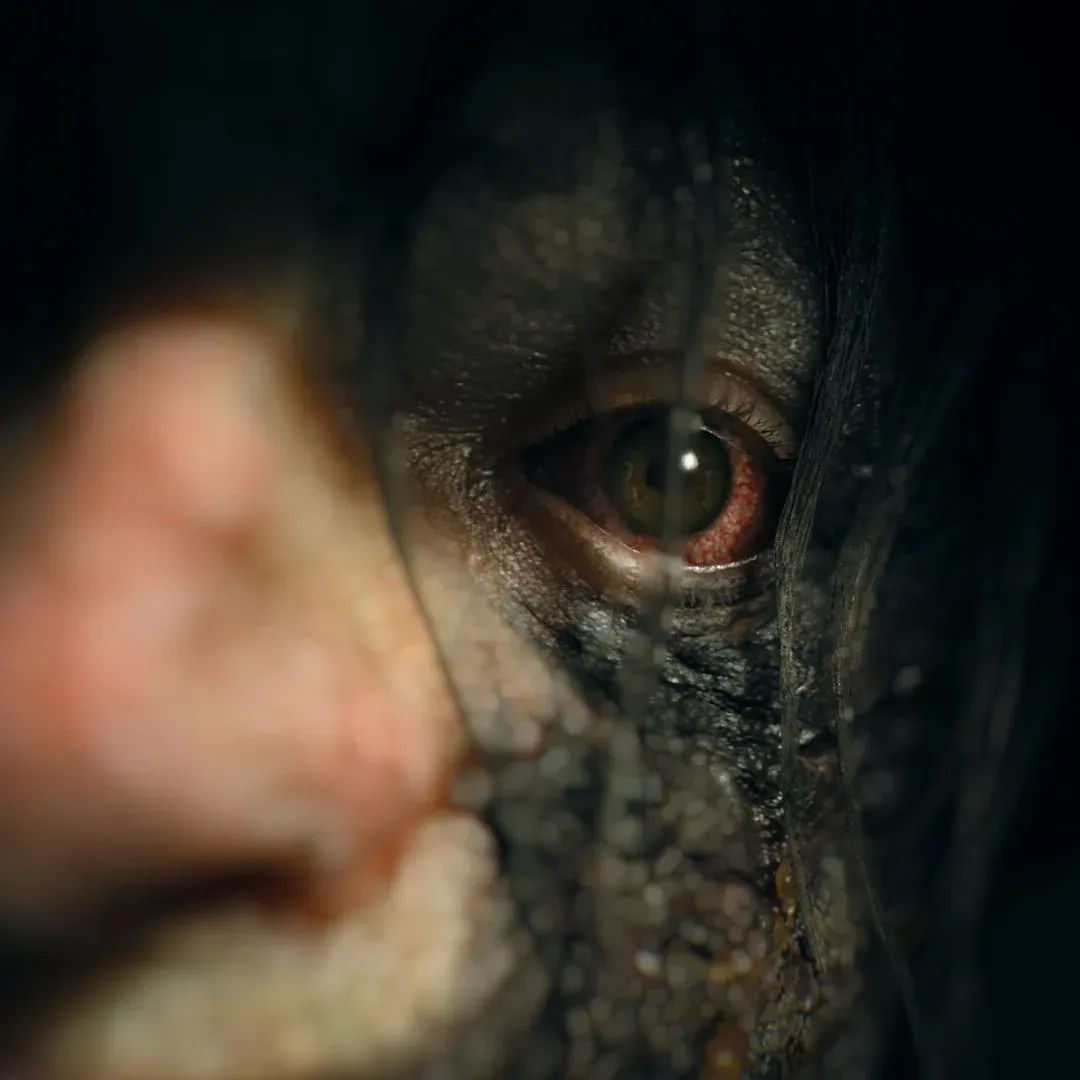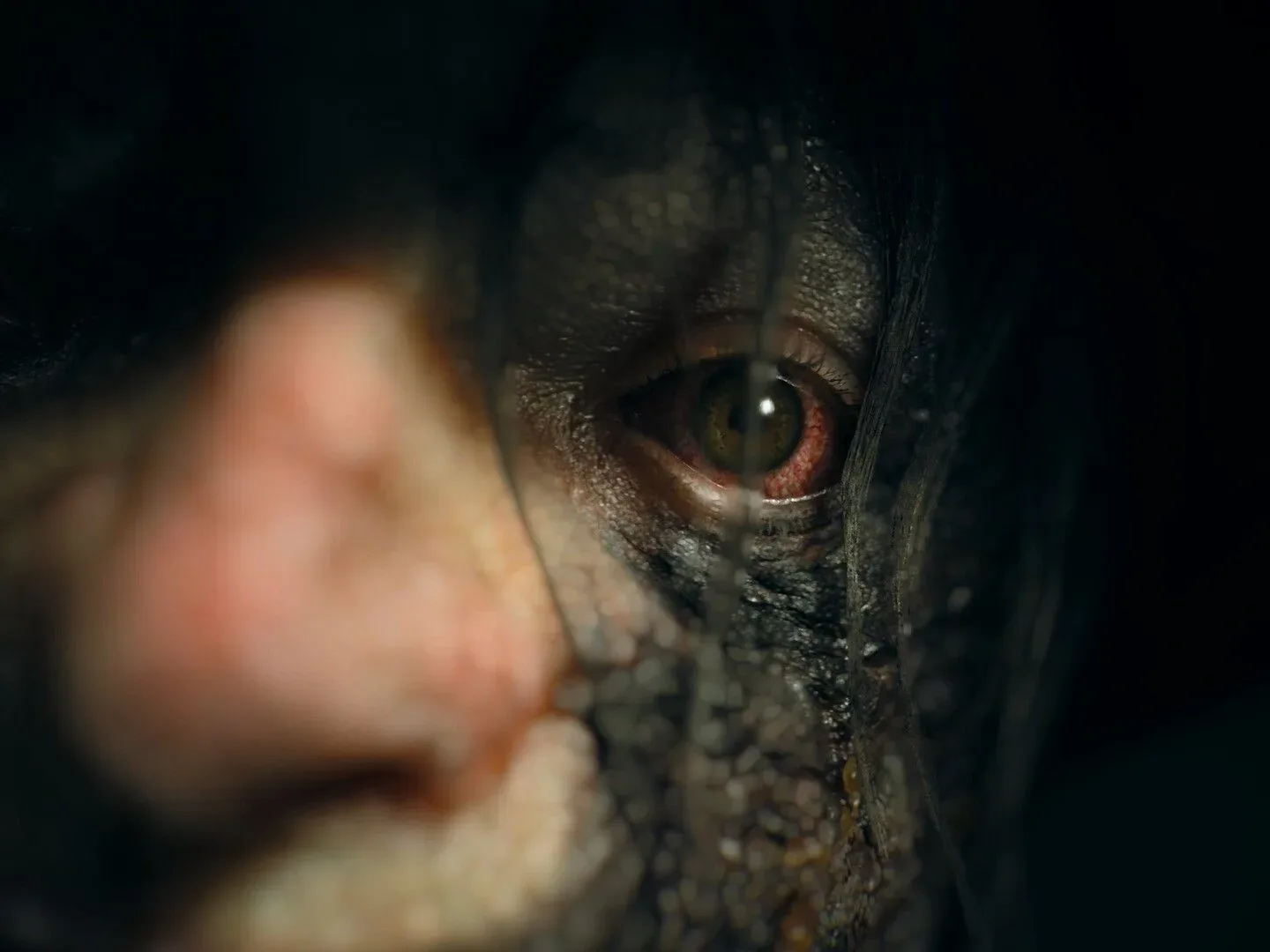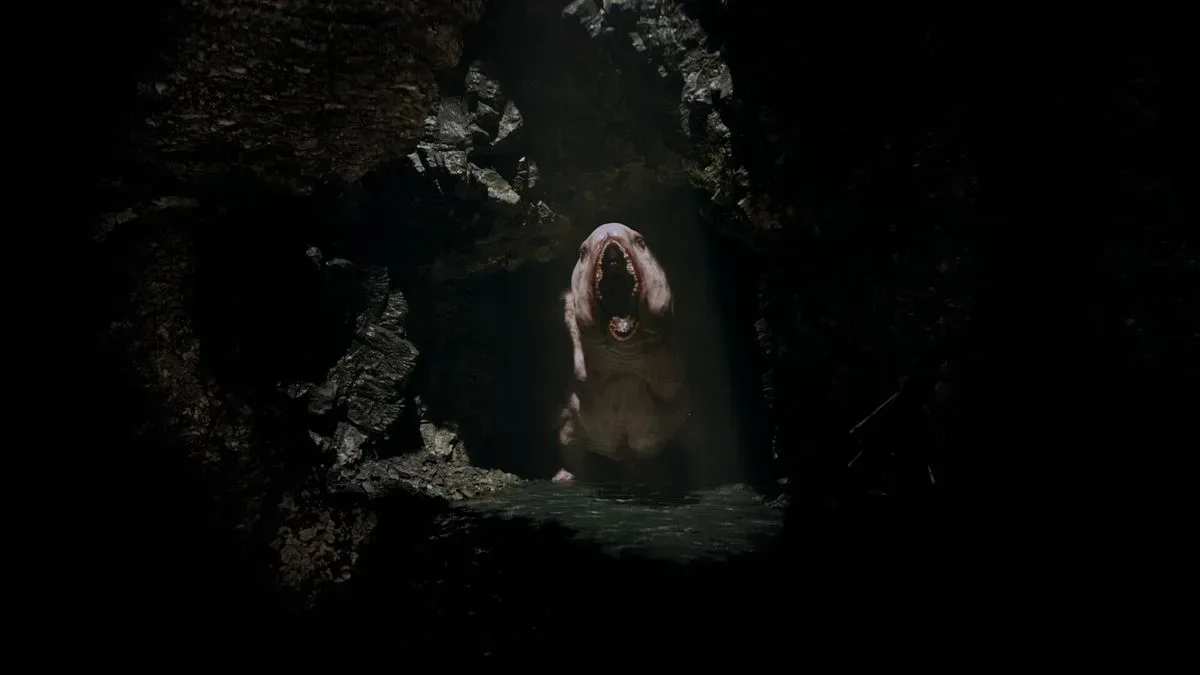
Vertpaint’s Ritual Tides is positioning itself as a deliberately uncomfortable piece of survival horror: a first-person nightmare set around the fictional coastal settlement of Hortus, where fog, eroded rock, hostile creatures and an obscured personal history surround its female protagonist. It is planned for PC, PlayStation 5 and Xbox Series X|S, though the release date remains unconfirmed.
The game was shown at Gamescom through a level-design build after the intended demo encountered serious technical problems. That qualification matters. A development-focused build is not the finished game, and it is especially unwise to draw conclusions about performance, balance, encounter pacing or the completeness of individual systems from one. Still, the material on display outlined a strikingly specific ambition: survival horror in which vulnerability is not merely a way to ration ammunition, but a core part of how the player moves through, reads and fears the world.
James Macleod, Vertpaint’s creative director and CEO, previously worked at Rockstar and contributed to the releases of Grand Theft Auto V and Red Dead Redemption 2. With Ritual Tides, he and the studio appear to be drawing from familiar genre reference points—particularly the atmospheric unease of Silent Hill and the close-up first-person intensity associated with Resident Evil 7 and Resident Evil Village—without reducing the project to a simple imitation of either.
A shore where the environment is part of the threat
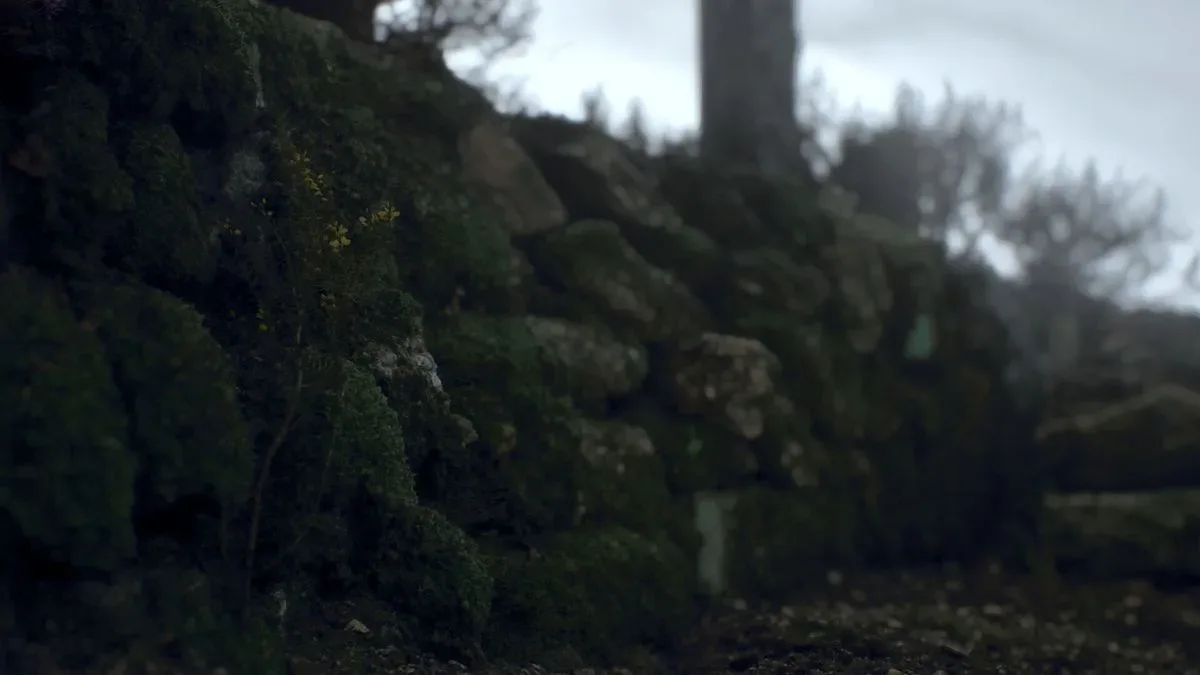
Hortus is introduced as a bleak, grey shoreline, its coastal landscape obscured by thick fog and rendered with a photorealistic approach to rock, water-worn surfaces and decay. That setting is important beyond the obvious appeal of a haunted island or seaside town. In survival horror, a location has to do more than look ominous. It must make players second-guess whether an open stretch is safe, whether a route is navigable, and whether something lurking just beyond visibility is going to demand a costly fight.
The design shown for Ritual Tides appears interested in all three. The game uses a sparse interface, keeping the screen relatively free of traditional guidance. Instead of relying on the conspicuous yellow paint that has become a familiar signpost in many action games, climbable surfaces are reportedly marked with pale, salt-like residue on the edges of rocks and boulders. The visual clue is still meant to communicate a mechanical truth—this ledge can be climbed or traversed—but it is presented as something that belongs to the setting.
That is a modest but meaningful design choice. Environmental readability is essential, particularly in a dark game with detailed scenery, yet overt markers can puncture the illusion of a coherent place. Salt-stained stone is an appropriate language for a shoreline. If it remains legible amid fog, darkness and visual clutter in the final version, it could let Vertpaint direct players without turning every route into a glowing instruction manual.
Traversal itself is also intended to feel physical. The climbing system has players use the left and right triggers to take or release handholds individually. It is a control concept that could make a simple ascent feel tense: letting go is no longer an abstract button press, but a decision tied to each hand. In a genre where players are accustomed to being pursued, injured and forced through cramped spaces, making vertical movement feel laborious could turn an escape route into another source of dread.
Combat is built around limits rather than power
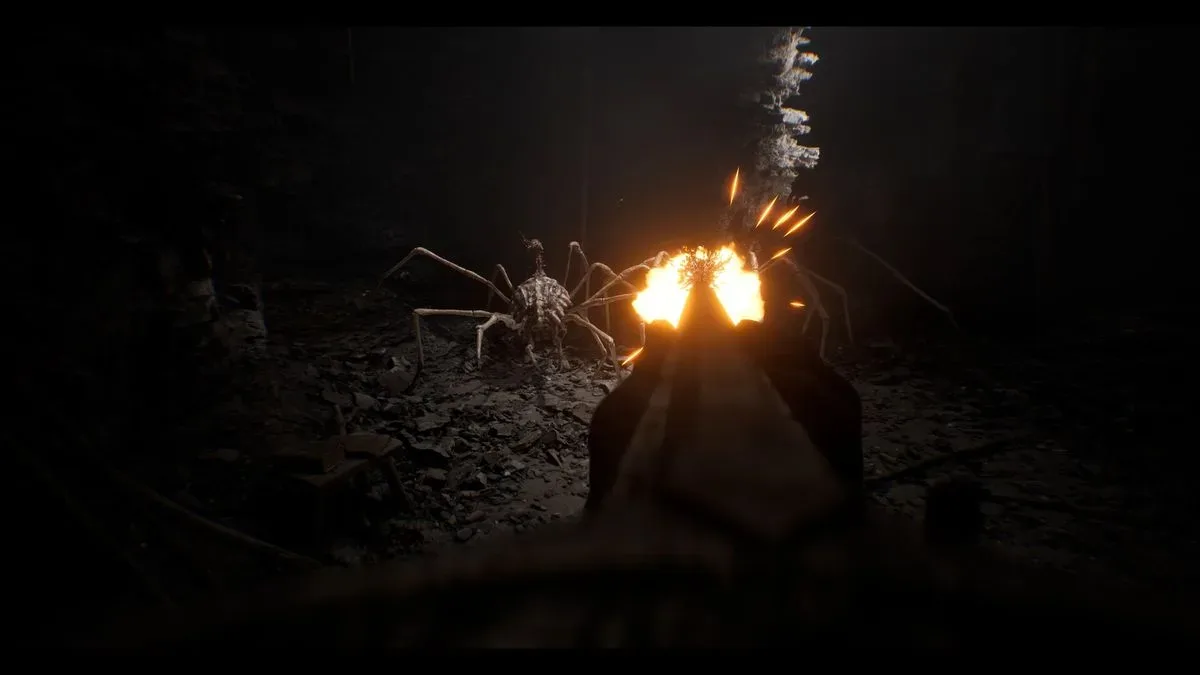
Combat is present, but Macleod’s description emphasizes that it is not the preferred answer to every threat. The protagonist is not portrayed as a trained soldier, and the game’s equipment is designed to reinforce that. Melee weapons have durability, meaning a reliable club or bat cannot necessarily be treated as a permanent solution. Firearms are intended to have substantial weight and recoil, with the character handling a heavy gun in a way that reflects her lack of military expertise.
Related coverage includes Ritual Tides Is Shaping Up as a Disturbing New Survival Horror Contender.
The intended result is classic survival-horror decision making: fight only when the situation justifies the risk, preserve resources where possible, and accept that fleeing may be smarter than proving a point to every grotesque creature in the room. A rough build may not represent the final tuning of enemy spawns or weapon endurance, so the exact pressure of these systems is unknown. But the priorities are clear. Ritual Tides wants weapons to feel consequential rather than empowering.
That approach is particularly compatible with the climbing and HUD ideas. A survival-horror game can say that its hero is vulnerable, but players will not feel it if movement is frictionless, weapons are plentiful and every objective is explicitly marked. Restrained interface elements, resistant terrain and limited weapon reliability can make the same coastal path feel more dangerous than it would in an action game. For another example of how survival design shifts around the experience a game is pursuing, see our look at Dune: Awakening’s solo-mode approach.
A horror story shaped by unequal safety
The narrative premise begins with a woman awakening on a beach. As she investigates both her own past and the island’s history, she uncovers events described as increasingly horrific—especially through the perspective of a woman. Macleod has said the material is exceptionally dark and has been difficult to present to potential publishing partners because of its subject matter.
That does not tell us exactly where the story will go, and it should not. Psychological horror benefits from uncertainty, while premature detail can flatten its surprises. What is clearer is the perspective behind the project. Macleod has spoken about realizing, through conversations with his sisters, how everyday judgments about spaces such as a dark alley can be profoundly different depending on who is making them. The game’s horror grows from that recognition: safety is not experienced equally, and a route that feels unremarkable to one person can feel dangerous to another.
It is fertile territory for horror. The genre has long treated domestic spaces, public streets, bodies and social expectations as places where fear can take shape. A female-led story does not automatically make a work insightful, of course, and the final narrative will have to earn its themes through character, context and care. But Ritual Tides is at least approaching its protagonist’s vulnerability as more than an excuse for a low health bar. The stated goal is to examine fear, danger and security from a perspective the developer believes he previously failed to fully understand.
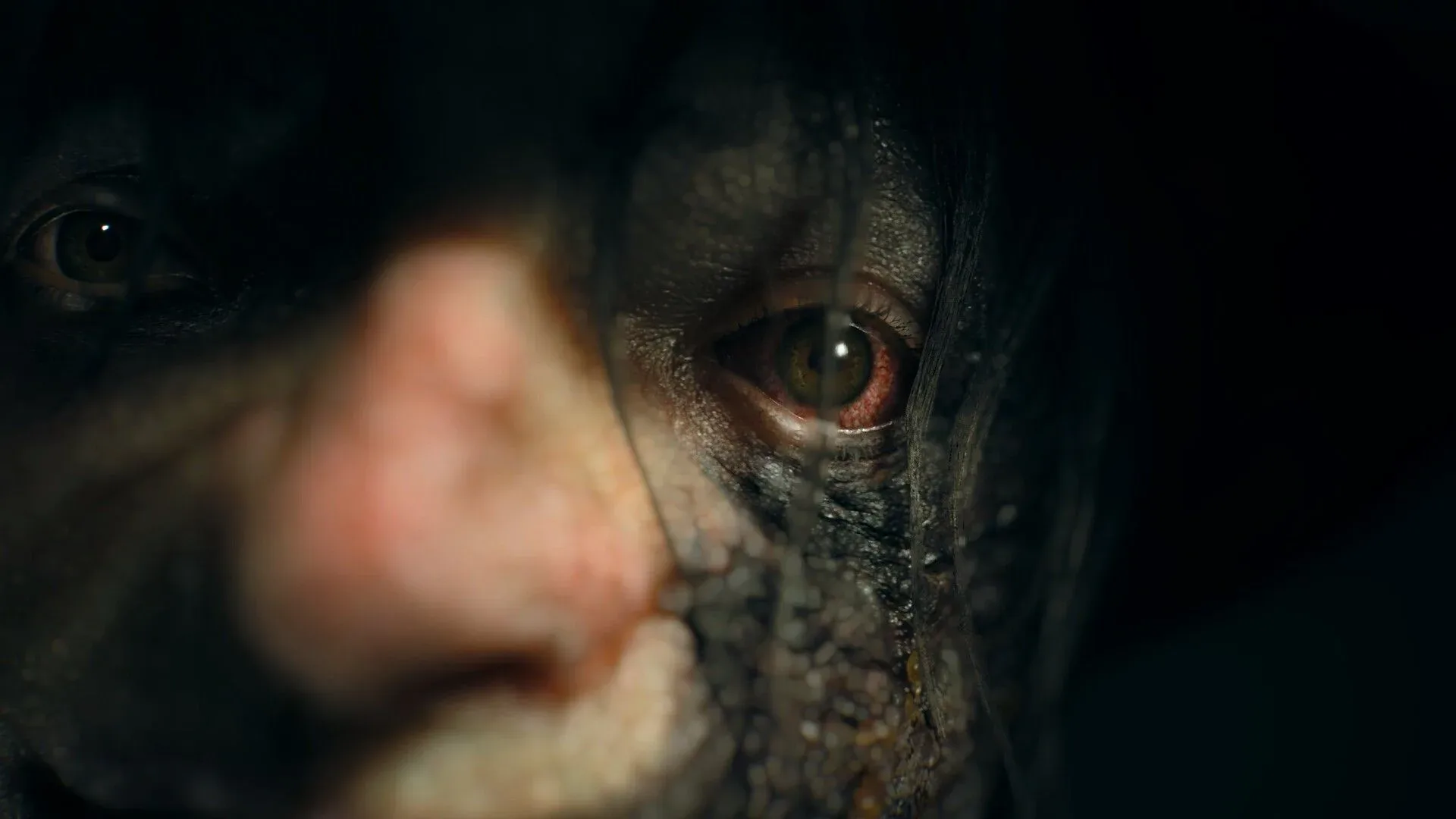
The project’s creature work suggests a similarly body-focused sensibility. One handmade statue associated with the game, called Agnes, is described as a disturbing hybrid of human, insect and slug-like anatomy. The exact role of Agnes in the game has not been established, so it would be premature to turn a display piece into plot speculation. Yet the image fits a broader visual direction that seems interested in malformed, organic disgust rather than cleanly defined monsters.
Why the rough build still matters
Technical failure is rarely a flattering backdrop for a game presentation, but the substitute build offered useful clues about what Vertpaint is trying to build. The coast of Hortus, the tactile climb controls, grounded traversal markings, weapon durability and heavy gun handling all point toward a game that wants its systems to serve its atmosphere. It is not just using fog because fog is a shorthand for horror; it is building a world where seeing, moving, escaping and fighting can each feel compromised.
There are substantial open questions. There is no release date. The extent of the island, the structure of exploration, the variety of enemies, the inventory model, the puzzle design and the final state of the narrative are not yet known. Since the Gamescom showing relied on a level-design build, the finished game may also change considerably in presentation and feel. Platform plans currently cover PC, PS5 and Xbox Series X|S, but further release specifics have not been detailed.
Even with those caveats, Ritual Tides has a sharply defined identity at an early stage. Its inspirations are easy to recognize, but its focus on a coastal landscape, embodied traversal and a story rooted in the uneven reality of personal safety gives it more to work with than a familiar fog-and-monsters formula. If Vertpaint can maintain the environmental detail and oppressive physicality shown so far while delivering a story equal to its ambitions, Hortus could become one of survival horror’s more unsettling destinations.