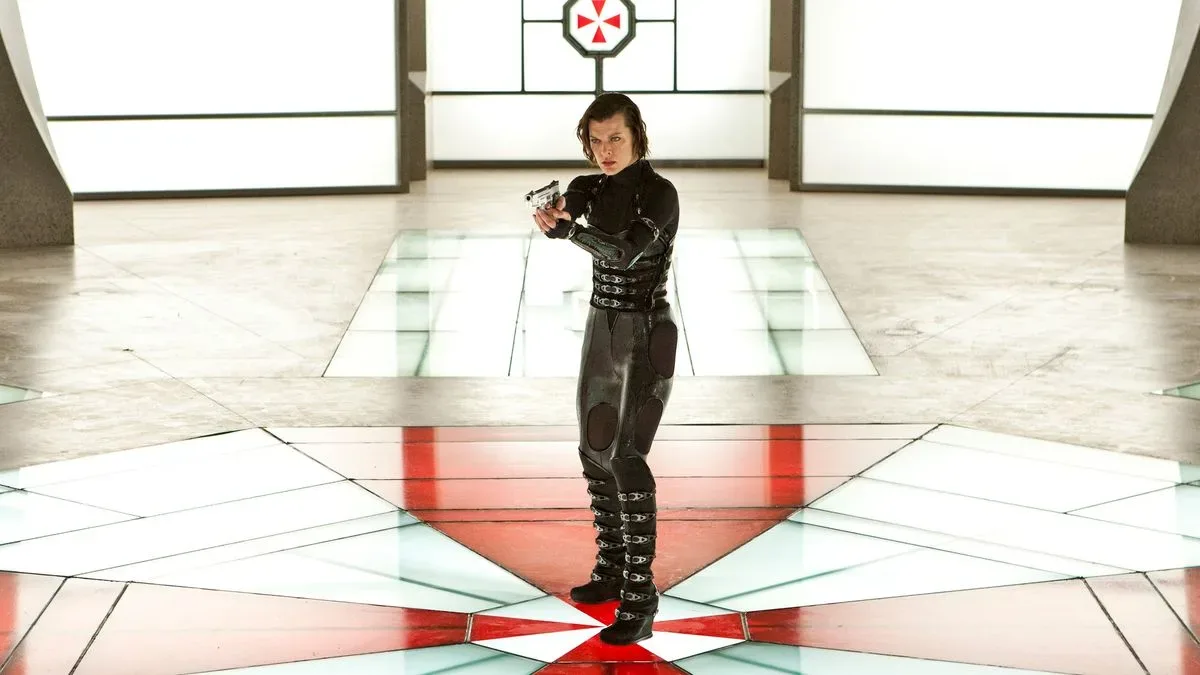
The Resident Evil film series has spent more than two decades proving that adaptation fidelity and entertainment value are not always the same thing. These movies routinely borrow creatures, characters, corporations and locations from Capcom’s games, yet most follow their own priorities: Milla Jovovich’s Alice, elaborate action sequences, aggressive escalation and the occasional plot development that seems to have escaped from an Umbrella laboratory without supervision.
That makes the franchise unusually hard to rank by a single standard. A movie can be an extremely loose version of the games while still delivering a memorable monster, a strong central location or the exact sort of gleefully excessive set piece viewers expect. Conversely, simply putting a recognizable name on screen does not automatically produce the unease, resource pressure or carefully contained dread that define survival horror.
The eight films below are ranked by how effectively they function as horror-action entertainment, how clearly they build momentum, and how well their nods to the games serve the movie around them. The newest entry, Zach Cregger’s 2026 reboot, takes first place by treating the game language as a tool for suspense rather than a scrapbook of references. The older Alice-led series, meanwhile, is at its best when it remembers that one locked corridor can be more frightening than an entire apocalypse.
8. Resident Evil: Welcome to Raccoon City (2021)
Johannes Roberts’ 2021 reboot has a persuasive premise on paper. It draws material from the first two Capcom games, heads to Raccoon City, and brings familiar figures into its outbreak story. That is more direct game material than much of the prior film run used. But recognition is not the same as dramatic weight.
The main problem is that the film’s callbacks reportedly do not gain much force from the surrounding script. Familiar scenes can prompt an initial flash of recognition, only for the comparison to underline how much more effectively the games handled the same ideas. The dialogue is corny, the stakes and pacing do not generate sufficient tension, and the CGI is another weak point.
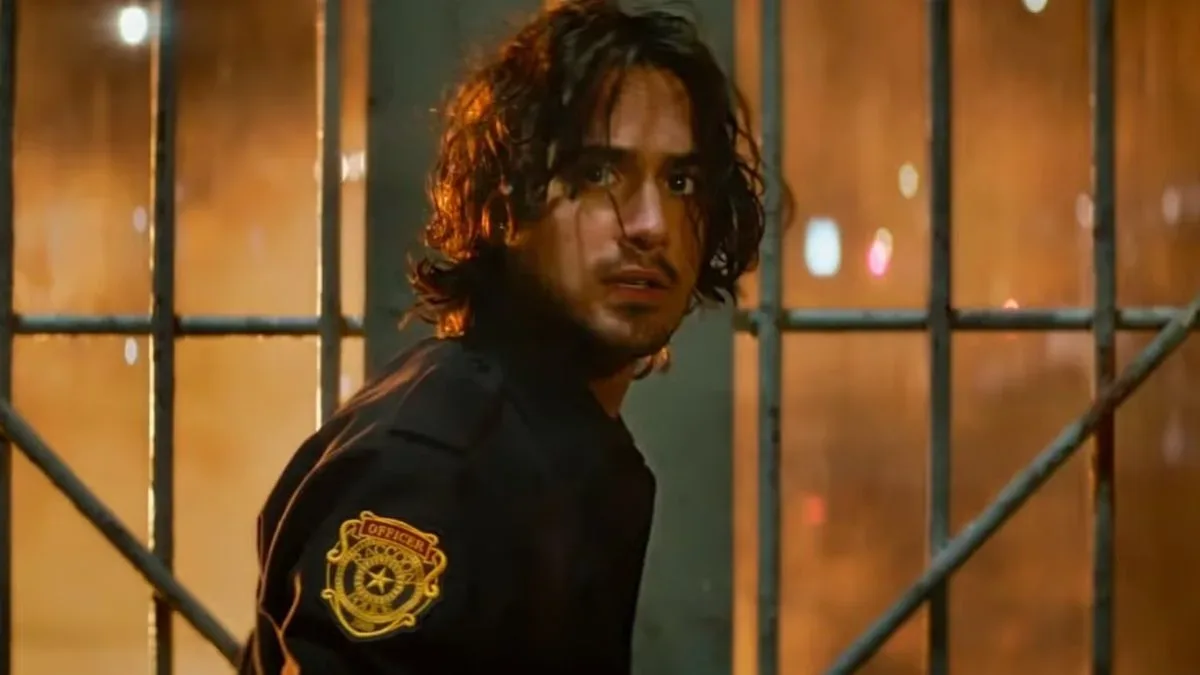
Its Leon S. Kennedy interpretation is particularly divisive. Presenting Leon as an incompetent police officer is a major departure from the capable figure many players expect, and it leaves a bad aftertaste for fans looking for a satisfying version of the character. Welcome to Raccoon City is therefore a useful reminder that an adaptation needs more than accurate nouns. It needs a compelling reason for its characters to enter the next dangerous room.
7. Resident Evil: The Final Chapter (2017)
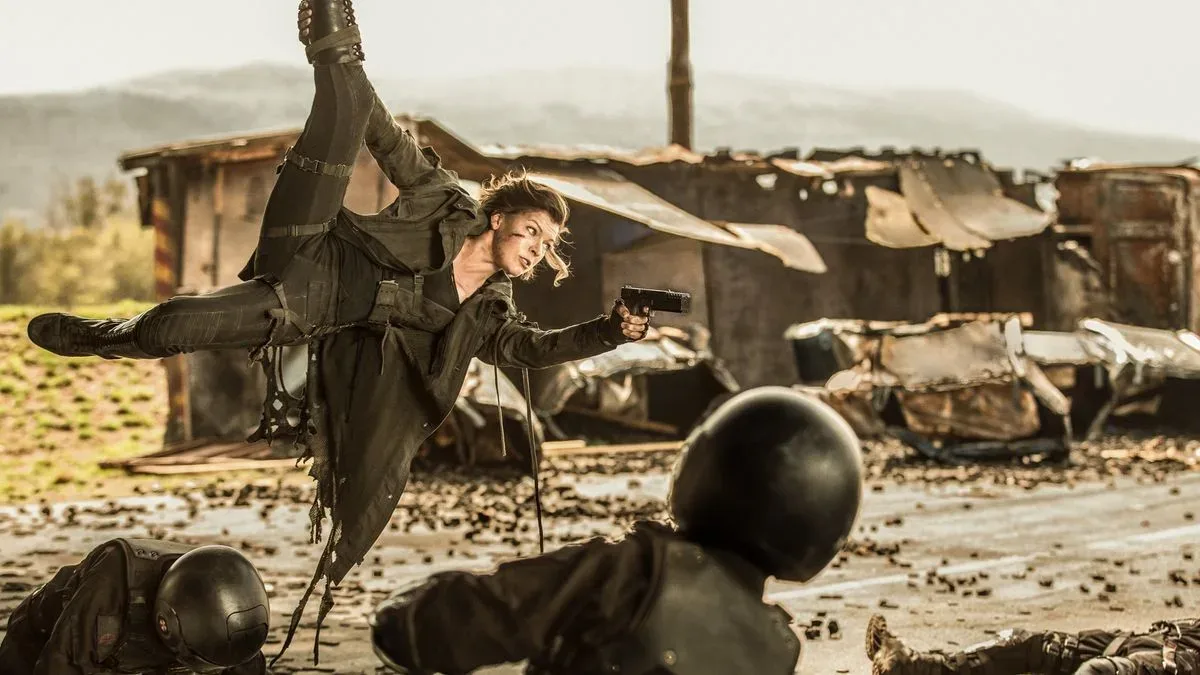
Paul W. S. Anderson’s last film in Alice’s story wants to be a grand finale, packing in action, jump scares, Easter eggs and fan service. Yet its sheer urgency works against it. The editing is so frantic that action geography can become difficult to follow, an especially practical warning for viewers who are sensitive to motion sickness or rapid cutting.
Jump scares are a classic horror mechanism: a sudden visual or sound cue designed to shock the audience. They are most useful when a film has first earned tension through atmosphere and anticipation. Used too frequently, they can become routine rather than startling. Here, the constant jolts reportedly grow irritating instead of frightening.
Related coverage includes Every Resident Evil Movie Ranked From Worst to Best.
The film also skips past a key promise left by Retribution: the battle to protect the White House has already happened by the time this installment begins. That decision diminishes the prior cliffhanger and contributes to the feeling that narrative continuity has been overtaken by the need to sprint toward an ending. There are things for longtime fans to spot, but the send-off underdelivers as both a coherent capstone and a satisfyingly pulpy ride.
6. Resident Evil: Retribution (2012)
Retribution is not especially interested in behaving itself, which is both its defect and its appeal. The plot includes clones and yet does not substantially explore that premise. Characters lack goals beyond survival, a thin motivation after several movies of similar escapes. The result is a story structure that can be hard to parse.
Still, this is not a case where incoherence equals total failure. Milla Jovovich’s action work remains a genuine asset, and the choreography gives the film momentum when its plotting cannot. The Umbrella Corporation training facility delivers some of the franchise’s stronger images and action setups, while the opening sequence stands out as one of its more distinctive moments.
That makes Retribution the ideal example of the series’ particular B-movie contract. B-movie, in this context, does not simply mean inexpensive; it describes a strain of genre entertainment built around bold premises, monsters, action, spectacle and a willingness to be outrageous. A film can honor that contract with confidence even when its narrative blueprints are missing several screws. Retribution has enough visual invention to be memorable, but not enough connective tissue to climb higher.
5. Resident Evil: Apocalypse (2004)
Directed by Alexander Witt, Apocalypse is a more structurally functional sequel than many of its successors. Its story remains broad and knowingly silly, but it follows a comprehensible path through an outbreak-ravaged Raccoon City. That alone matters in a franchise that often substitutes a barrage of events for progression.
The movie also knows the assignment for a game-inspired creature feature. It introduces Jill Valentine and Nemesis, two names with immediate significance for players. Nemesis firing a mini machine gun is not subtle filmmaking, and it plainly has no interest in being subtle. It is a giant, weaponized piece of escalation, delivering the kind of oversized image the series can use to its advantage.
Apocalypse has a notably poor Rotten Tomatoes score among the films, but aggregate critical reception does not settle the question of whether a cult action-horror movie is fun. It has since found appreciation as a fan favorite, and its strengths are easy to identify: charismatic personnel, big swings and a narrative that at least makes sense from one sequence to the next. Anyone seeking a serious prestige adaptation should look elsewhere. Anyone who wants Raccoon City chaos with a pulse may have a very good time.
4. Resident Evil: Extinction (2007)
Russell Mulcahy’s Extinction takes the series into the Mojave Desert, shifting it toward a post-apocalyptic wasteland aesthetic that evokes Mad Max and Day of the Dead more readily than a traditional Resident Evil scenario. It is an odd fit, but the film’s willingness to embrace the detour helps it stand apart.
The script remains messy, and the game-derived characters are not given enough depth. But the movie is energetic rather than inert. Its creative kills, action choreography and Tyrant appearance provide a clear genre payoff, and Alice is especially effective here. Jovovich has the screen presence required for this iteration of the franchise: she can sell both the heightened action and the deadpan absurdity around it.
There is a practical lesson in Extinction’s placement. An adaptation does not need to duplicate a game’s exact setting to capture some of its appeal. It does, however, need a strong identity of its own. This entry achieves that through speed, fights and B-movie charm, even if it does not fully solve the problem of hollow supporting characters.
3. Resident Evil: Afterlife (2010)
Afterlife, directed by Paul W. S. Anderson, is the Alice-series installment that most closely resembles a conventional zombie movie. Alice moves through a world already devastated by the events of Extinction, and that wasteland framing restores a useful feeling of danger. There is room for dread between fights, even if the wider plot still carries familiar franchise problems.
Its action scenes are a major reason it ranks this highly. They are presented as some of the best in the series, maintaining entertainment value and a degree of tension. The movie also strikes a workable balance between material for action fans and nods that game fans can appreciate.
Albert Wesker is the key example. Shawn Roberts’ performance is regarded as the series’ strongest version of the antagonist: dedicated, gleeful and clearly calibrated to the heightened world around him. That matters because Wesker is not just an Easter egg. An Easter egg is a reference placed for an audience to discover; it becomes dramatically useful only when the character or object affects the tone and conflict of the story. In Afterlife, Wesker gives the film a villain with enough personality to match its spectacle.
2. Resident Evil (2002)
The 2002 original remains the strongest of Anderson’s entries because it understands the power of limitation. Most of the film takes place in the Hive, an underground facility whose enclosed spaces create claustrophobia and steadily intensify uncertainty. Instead of beginning with a world-ending canvas, it begins with people trapped in a place that should be navigable but is not.
That approach puts horror first and action second. The suspense comes from not knowing what waits in the next room, a sensation closely aligned with the games’ survival-horror identity. Survival horror is a genre built around vulnerability, limited resources, oppressive spaces and the fear generated by moving forward despite inadequate preparation. The film does not need to replicate every game mechanic to recreate that emotional structure.
Alice is also at her most compelling in this installment, with Jovovich anchoring the mystery at its center. The smaller scale gives her character more room than the increasingly crowded sequels. And the laser-corridor death scene has endured for a reason: it is visually simple, brutally clear and perfectly matched to the Hive’s cold, institutional menace.
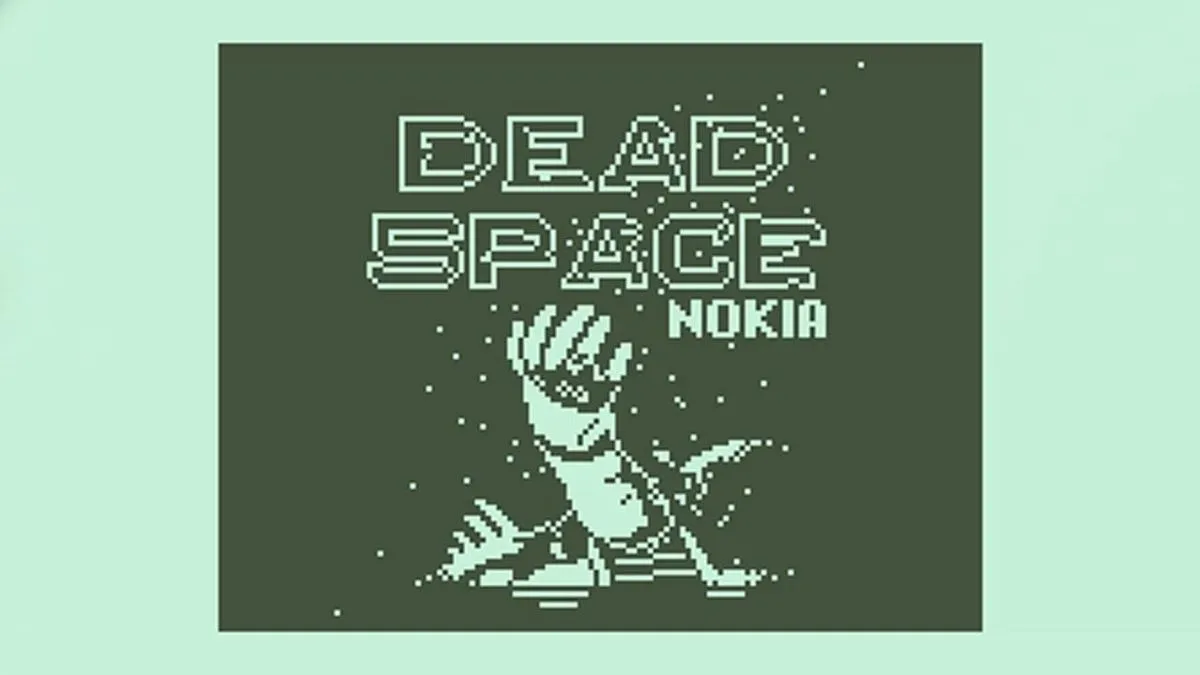
For a related example of how horror games can survive radical changes of format, see the Nokia 3310-inspired Dead Space demake. The premise is very different, but the shared point is that tension can outlast a particular technical presentation when the underlying threat and limitation remain legible.
1. Resident Evil (2026)
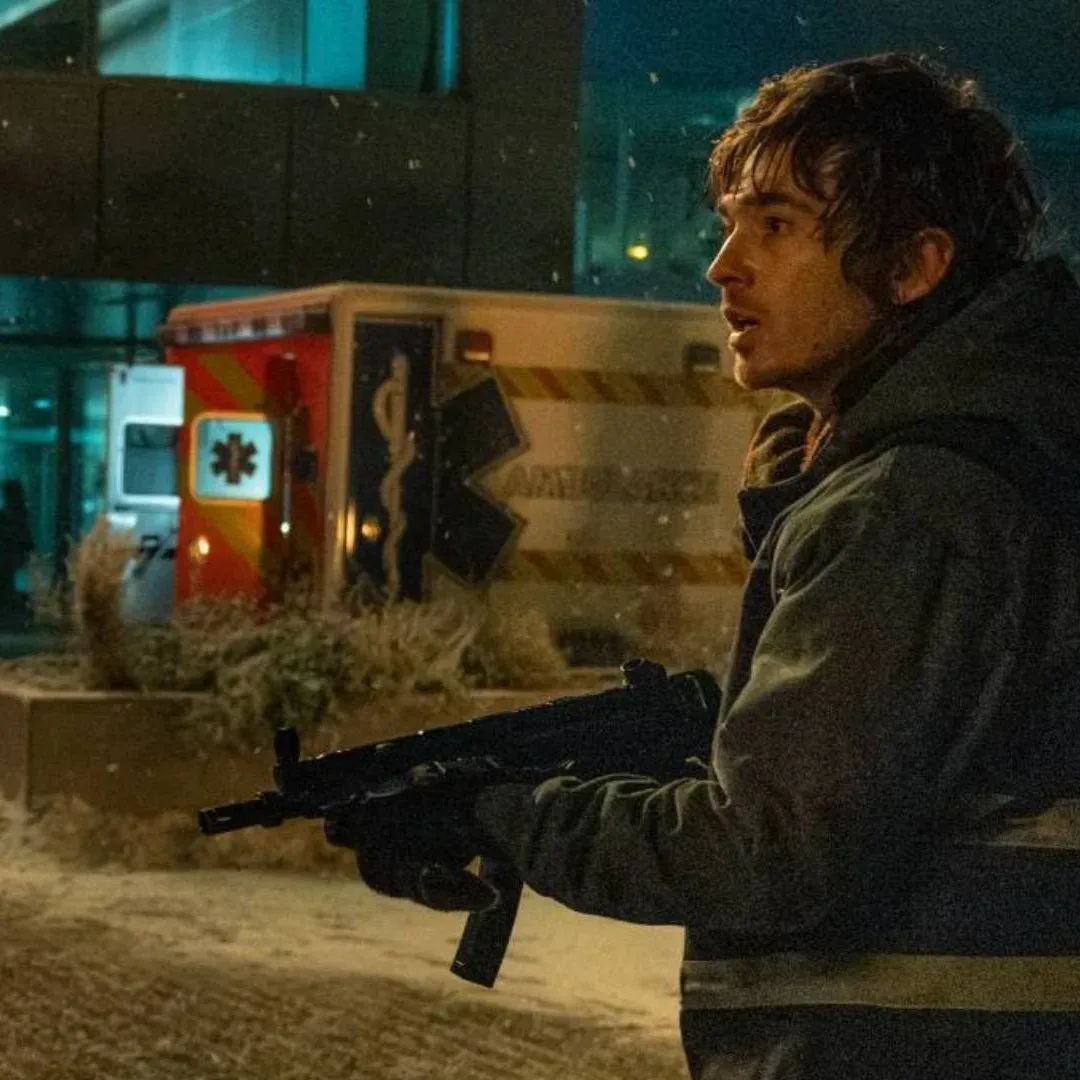
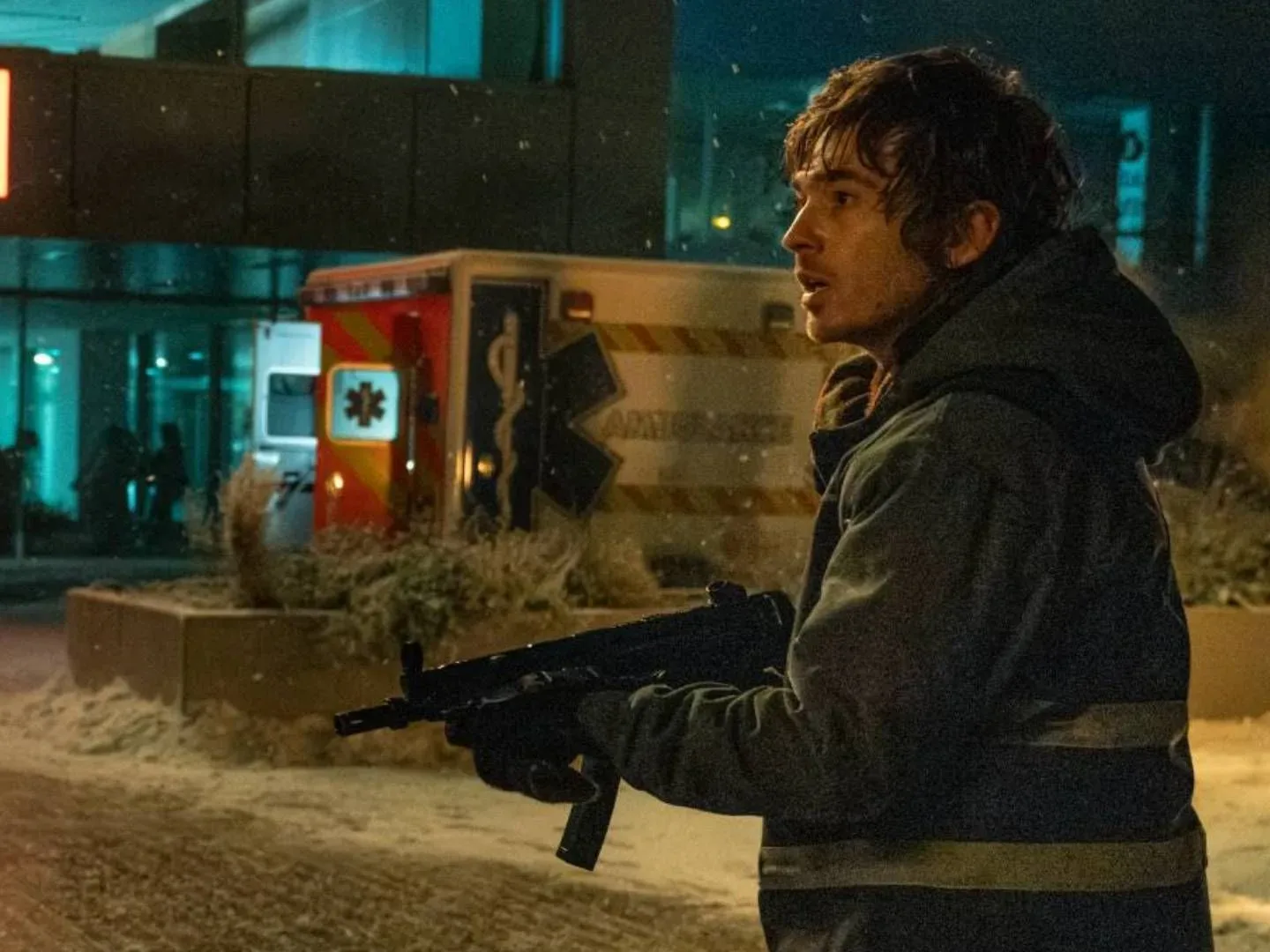
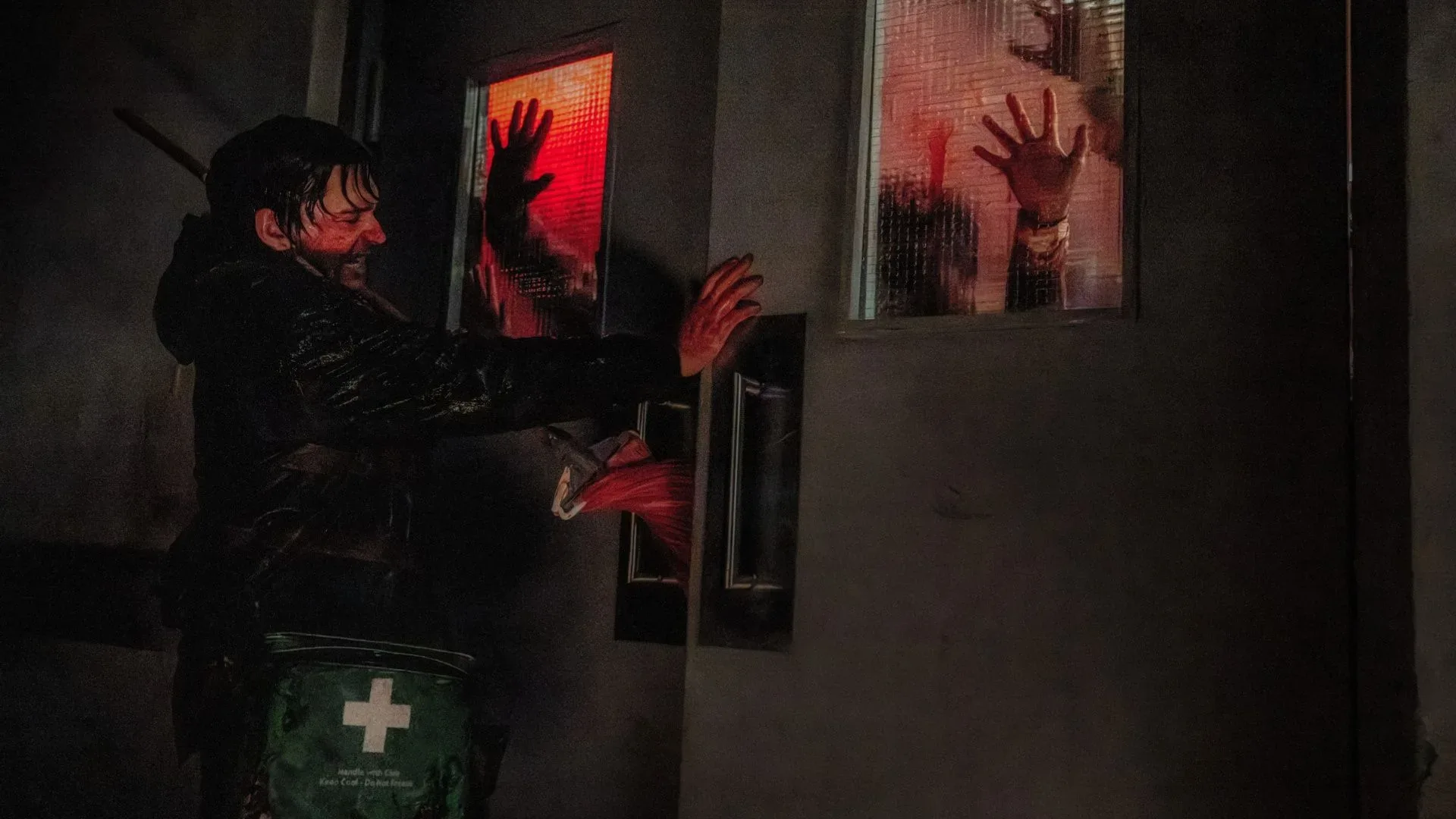
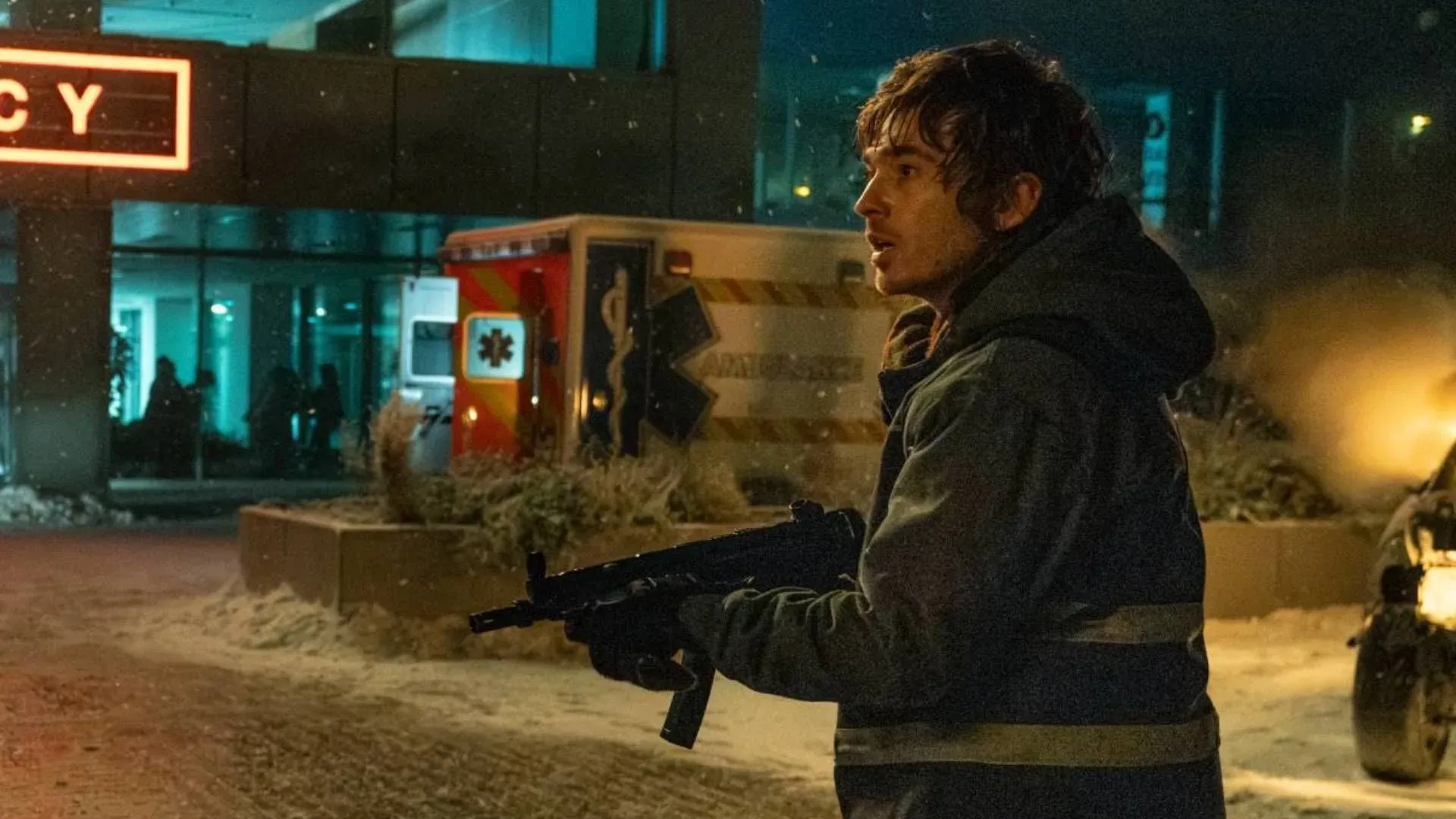
Zach Cregger’s 2026 Resident Evil is the highest-ranked film because it reportedly returns the franchise to survival-horror fundamentals without treating them as museum pieces. It does not use game characters such as Leon S. Kennedy and Claire Redfield, an absence that has been controversial, but it builds an original protagonist, Bryan, into a Raccoon City nightmare involving T-Virus-infected creatures.
The T-Virus is the series’ fictional infection associated with the outbreak and its mutations. BOW, another piece of franchise terminology used here, stands for bio-organic weapon: an engineered biological threat rather than merely an ordinary infected enemy. Those terms matter because the film is said to make their implications scary again. A distant groan from an unseen BOW and a protagonist with only three bullets are not just references; they establish a resource-poor, threat-rich situation.
At 95 minutes, the new film is described as tightly paced and relentlessly suspenseful. It favors horror over action, yet it also allows Bryan to be funny precisely because he is out of his depth. The character screams as readily as he shoots, an approach that makes vulnerability part of the entertainment rather than a hurdle to clear before the hero becomes invincible.
Most importantly, Cregger reportedly translates the games’ visual and structural language into film form. The camera alternates between third-person and first-person perspectives. Bryan encounters environmental barriers such as padlocks and perilous ledges. Those obstacles echo an essential game rhythm: advance, discover a blockage, assess danger, find a path, then risk pressing onward. The story’s Umbrella laboratory climax continues that connection without relying on a direct character adaptation.
That is why the 2026 movie rises above the franchise’s previous highs. It appears to understand that Resident Evil works best when a corridor, a locked door, a handful of ammunition and something growling in the dark feel more consequential than the next explosion.
Shop the products
Check current price, model and availability at the retailer.